
Review · SRI LANKA
Ella’s Ceylon Tea Plantation and Factory Tour
Ella’s tea country makes a fine classroom, but this tour goes beyond pretty rows of tea bushes. You’ll learn how the plant grows, how leaves become finished tea, and why chemistry, farming, labor, and quality control all shape the drink in your cup.
I like the hands-on tea-plucking visit and the factory stop, where the work behind Ceylon tea becomes clear. I also like the broad tasting, which includes black, green, and artisan teas rather than offering only one familiar cup.
The main consideration is transport: private transportation is not included, so you need to reach the meeting point on Station Road in Ella yourself. The tour lasts about three hours and requires good weather, so keep your plans a little flexible.
Key points to know before you book
- Tea plucking comes first: You visit a tea farm and get a direct look at how leaves are gathered.
- Factory work is explained step by step: You see how black tea is made and how quality is protected.
- Guide Hashan brings the subject to life: The tour combines friendly explanations with technical material about tea growing and production.
- The tasting covers several styles: Expect black, green, and artisan teas at the tea center.
- Small groups keep the visit personal: The maximum group size is eight people.
- The $33 price includes the essentials: Your fee covers the guide, tasting, bottled water, and all fees and taxes, but not private transport.
Why this Ella tea tour is more than a plantation photo stop
Many tea visits in Sri Lanka can become quick stops for photographs, a short factory walk, and a cup at the end. This Ella experience aims for something more useful: it connects the farm, the factory, and the finished drink.
You begin with the plant itself. That matters because tea production can seem simple from a distance. Rows of bushes look tidy, but the final flavor depends on the plant, the growing conditions, the leaves selected, and what happens after plucking.
The guide also covers plant biology and agronomy, the practical science of growing crops. You’ll hear about the art and chemistry of tea making, along with the economics of production. That gives the tour more substance than a basic introduction to Ceylon tea.
The cultural and historical side is part of the experience too. Sri Lankan tea is not just an export product or a souvenir. It has shaped work, trade, farming, and the identity of the central hills. The tour places the production process within that wider story without losing sight of the cup in front of you.
More Tea Plantation Tours in Sri Lanka:
- Tea Plantation Tour in Ella, Sri Lanka
★ 5.0 · 319 reviews - Galle Day Tour with River Safari, Tea Plantation & Sea Turtle
★ 5.0 · 11 reviews - Lipton’s Seat and Tea Factory,Trail Amidst Tea Plantation Day Tour
★ 4.5 · 11 reviews
Meeting at Station Road and setting out at 9:00 am
The tour starts at the Traveling Thrills Ella visitor center on Station Road. It ends at the same meeting point, which makes planning easier if you have another activity later in the day.
The start time is 9:00 am, and the full visit takes about three hours. That is a useful length for a morning outing. You get enough time for the plantation, factory, explanations, and tasting without giving up the whole day in Ella.
You’ll need to arrange your own way to the meeting point because private transportation is not included. The activity is near public transportation, according to the supplied details, but no specific pickup service is provided.
The group limit is eight people. I see that as a real advantage here. Tea making involves questions, close observation, and a few unfamiliar terms. A small group gives you a better chance to hear the guide and ask about the points that interest you most.
Bring a little patience for the timing of the day. The tour requires good weather, and poor conditions can lead to a different date or a full refund. That is practical in a plantation setting, where outdoor access is part of the plan.
Walking through the tea plantation
The first main stop is a tea plantation near Ella. Here you’ll see the tea farms and take part in tea plucking.
The plucking session gives the subject a human scale. Instead of hearing only about tea as a finished product, you see where the process starts. The guide can explain the plant, the growing cycle, and the reasons certain leaves are selected.
The technical side is one of this tour’s strongest features. You’ll discuss plant biology and farming methods, not just the scenic appearance of the bushes. That is useful if you like to understand how local products are made rather than simply photographing them.
The plantation also provides context for the work involved. Tea production depends on careful handling from the first stage, so the farm visit helps you understand why the quality of the raw leaf matters later at the factory.
There is a small practical point to keep in mind. This is an educational farm visit, not a long countryside walk. The supplied information does not promise a large hiking route or a particular viewpoint, so book it for the tea lesson rather than for an extended nature excursion.
The visit is especially good for anyone who has seen Ceylon tea on a menu but never considered its source. You’ll leave the farm with a clearer sense of the crop before moving on to the machinery and processing work.
Seeing how black tea is made in the factory
The factory is the tour’s second major stop. Here you’ll learn how black tea is manufactured and how the producer maintains the quality of Ceylon tea.
This is where the tour shifts from agriculture to production. The guide explains the stages that turn fresh leaf into a finished tea product. The experience includes the art and chemistry of tea making, so you can expect more than a general walk through an industrial building.
The factory visit also makes the economics of tea easier to understand. A cup of tea may seem inexpensive and ordinary, but its quality depends on a long chain of work, equipment, expertise, and careful checking. The tour connects those practical concerns to the product you eventually taste.
Quality control is another important theme. You’ll learn how the factory keeps the tea consistent and protects the reputation of Ceylon tea. That information gives the tasting more meaning later, because you can think about how processing affects the final result.
I would choose this tour over a plantation-only visit if you want to understand the full route from leaf to cup. The factory adds the missing middle section. Without it, you would see the crop but not the decisions that shape the finished tea.
The supplied information does not specify the factory’s machinery, operating schedule, or whether every production stage runs during each visit. It is best to expect an explained factory visit rather than assume a full working demonstration at every station.
More Plantation Tours in Sri Lanka:
- NuwaraEliya Tea Factory,Plantation & Water Falls Hike Tour by Car
★ 5.0 · 12 reviews - Shore Excursion From Colombo port to Ingiriya Tea Plantation & back for 2 People
★ 4.5 · 11 reviews - Bentota Village Tour with River Safari & Tea Plantation/Factory – All Inclusive
★ 5.0 · 9 reviews - Kandy privet day tour with pinnawala and Tea plantation
★ 4.4 · 4 reviews
Comparing black, green, and artisan teas
After the plantation and factory, you visit the tea center for a tasting. The tasting includes black tea, green tea, and artisan varieties, along with coffee and tea service.
This is a strong finish because it lets you compare the results of different styles. Black and green teas are not simply different labels. Their character is shaped by how the leaf is handled and processed, which connects directly to the technical explanations earlier in the morning.
The tasting also gives you a chance to ask questions while the information is fresh. You can relate what you taste to the factory discussion, rather than treating the cup as an unrelated refreshment.
I like that the stated purpose is education, not a sales pitch. One visitor specifically appreciated that the guide focused on spreading knowledge about an important Sri Lankan crop instead of pressuring people to buy something. That makes the tasting feel more relaxed and useful.
Do not expect a formal tea ceremony unless the guide explains one during your visit. The available details promise a varied tasting, but they do not specify the number of samples, serving style, or food pairings. You should book this part for comparison and learning, not for a full meal.
Bottled water is included, as are all fees and taxes. That keeps the $33 price easier to judge because the basic costs are covered upfront.
Guide Hashan and the teaching style
Guide Hashan receives particular praise for being friendly and well prepared. The tour is also run by a National Tour Guide Lecturer and professionals with backgrounds in tea plantation management.
That combination matters. A guide with strong general training can explain Sri Lanka’s history and culture, while tea specialists can handle questions about farming, production, and quality. The supplied tour details present both sides as part of the experience.
You can expect the guide to explain the subject in an accessible way, but the material is not shallow. Plant biology, agronomy, chemistry, history, and production economics are all part of the lesson. If you are curious about how crops work, you’ll have plenty to think about.
The guide’s role is especially important in a factory. Machines and processing rooms can be difficult to understand without context. A good explanation helps you see why each stage exists and how mistakes can affect the tea.
Because the group is limited to eight, you should have a better setting for questions than on a large coach excursion. Still, the exact guide assigned on your date is not guaranteed in the supplied information. Hashan is a named guide associated with the experience, while the tour is presented as being led by a wider team.
Is $33 a fair price?
At $33 per person, this is not the cheapest way to drink a cup of tea in Ella. That is not really the point. You are paying for a three-hour guided lesson that combines a plantation, a factory, a tasting, bottled water, and the expertise of a professional guide.
The value is strongest if you would otherwise visit a tea factory without understanding what you are seeing. The explanations add meaning to each stage, and the tasting helps you connect technical ideas with flavor.
The price also includes all fees and taxes, so you are less likely to face small mandatory charges during the visit. Private transportation is excluded, which means your final cost depends on how you reach Station Road.
I would call the price good value for tea enthusiasts, students of food production, and curious visitors who want a focused cultural activity. It is less compelling for someone who wants only a scenic stop, a quick photograph, or a free morning in the hills.
The 4.9 rating from 15 reviews and the 100 percent recommendation figure suggest strong satisfaction, though the sample is small. I would treat those figures as encouraging rather than as a guarantee that the experience will suit every style of visitor.
Who will enjoy this experience most?
I would choose this tour if you like knowing how local products are made. It suits people interested in agriculture, food, trade, Sri Lankan culture, and the practical work behind a familiar drink.
It is also a good fit for first-time visitors to Ella who want an activity with a clear three-hour shape. The start and end at the same point make it easy to fit around other plans.
Families and mixed-age groups may appreciate the variety. The outing moves from plants to factory work to tasting, so it is not one long lecture in one room. The hands-on plucking also gives the morning a physical element.
Tea specialists will find the technical content useful, especially the attention to plant biology, chemistry, agronomy, and production economics. At the same time, the guide-led format keeps the subject approachable for beginners.
You may want to skip it if your priority is a long walk, a private vehicle, or a luxury tasting menu. The details do not promise those features. This is a small-group educational visit with a practical focus.
Practical details that affect your morning
You receive a mobile ticket, and booking confirmation is normally issued at the time of booking. If you book within one day of the tour, confirmation arrives as soon as possible and depends on availability.
The tour starts at 9:00 am at Traveling Thrills Ella on Station Road. It returns to that meeting point, so you do not need to arrange a separate end location.
The activity is near public transportation, but private transport is not included. Check your route to the meeting point before booking, especially if you are staying outside central Ella.
Free cancellation is available if you cancel at least 24 hours before the start time. Cancellations or changes made less than 24 hours before the start are not accepted for a refund. If bad weather causes the operator to cancel, you’ll be offered another date or a full refund.
Should you book Ella’s Ceylon tea tour?
Book it if you want the full story of Sri Lankan tea, from the plant and the plucker to the factory and the tasting cup. The strongest reasons are the small group, the mix of practical and technical information, the factory visit, and the range of teas included in the tasting.
I would give it extra weight if you have heard good things about guide Hashan or enjoy tours that explain how local products are made without pushing sales. The $33 fee is reasonable for three hours of guided content and included tasting, provided you can reach the meeting point on your own.
Skip it if you are seeking transport from your hotel, an extended walk, or a purely scenic outing. For curious visitors with even a passing interest in tea, though, this is a thoughtful and well-balanced way to spend a morning in Ella.
FAQ
How long does the tea tour last?
The tour lasts approximately three hours.
What time does the tour start?
The tour starts at 9:00 am.
Where does the tour begin?
It begins at the Traveling Thrills Ella visitor center on Station Road, Ella, Sri Lanka.
Where does the tour end?
The activity ends back at the meeting point.
Is private transportation included?
No. Private transportation is not included, although the meeting point is near public transportation.
What does the tour include?
The tour includes an official guide, tea and coffee tasting, bottled water, and all fees and taxes.
What types of tea can I taste?
The tasting includes black tea, green tea, and artisan tea varieties.
How many people can join the tour?
The tour has a maximum group size of eight people.
Can I cancel for a full refund?
Yes. You can receive a full refund if you cancel at least 24 hours before the experience starts. Poor weather cancellations may also result in a different date or a full refund.
Just added around Sri Lanka
- Sri Lanka All Inclusive Day Tour: Hiking & Activities Farmers Village Kandy★ 5.0 · 2 reviews
- Private day tour kandy to nuwara eliya tea plantation★ 5.0 · 2 reviews
- Galle Day Tour with River Safari, Tea Plantation & Sea Turtle★ 5.0 · 11 reviews
- Day out to Galle[Stilt Fishing. Turtle watching.Cinnamon Farm]★ 4.5 · 9 reviews
- Lipton’s Seat and Tea Factory,Trail Amidst Tea Plantation Day Tour★ 4.5 · 11 reviews
- Shore Excursion From Colombo port to Ingiriya Tea Plantation & back for 2 People★ 4.5 · 11 reviews
- Bentota Village Tour with River Safari & Tea Plantation/Factory – All Inclusive★ 5.0 · 9 reviews
- From Sigiriya:Polonnaruwa Day Tour with Farmers lunch★ 5.0 · 4 reviews
Sri Lanka Farm Tours, compared.
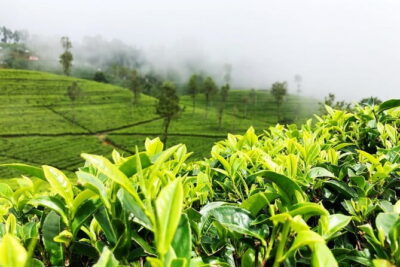
Tea Experience Tour in Haputale with Lunch at a Village house
Read our review →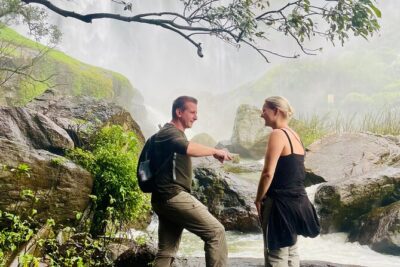
NuwaraEliya Tea Factory,Plantation & Water Falls Hike Tour by Car
Read our review →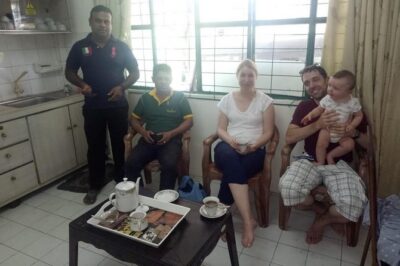
Shore Excursion From Colombo port to Ingiriya Tea Plantation & back for 2 People
Read our review →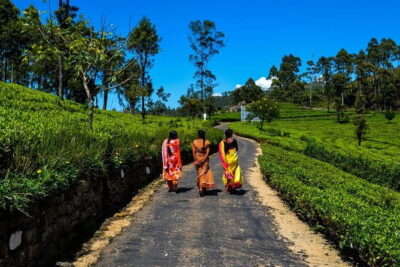
Lipton’s Seat and Tea Factory,Trail Amidst Tea Plantation Day Tour
Read our review →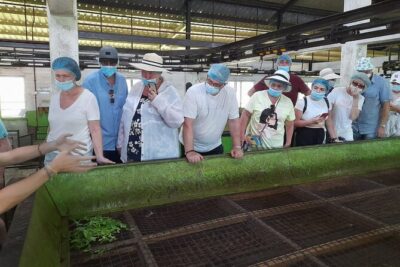
Galle Day Tour with River Safari, Tea Plantation & Sea Turtle
Read our review →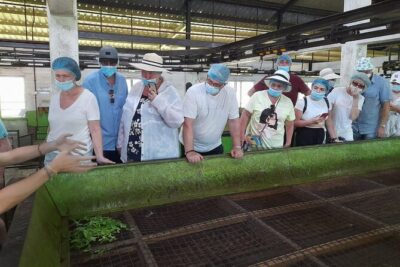
Bentota Village Tour with River Safari & Tea Plantation/Factory – All Inclusive
Read our review →![Day out to Galle[Stilt Fishing. Turtle watching.Cinnamon Farm]](https://6.farmingtraveler.com/wp-content/uploads/day-out-to-galle-stilt-fishing-turtle-watching-cinnamon-farm-400x267.jpg)
Day out to Galle[Stilt Fishing. Turtle watching.Cinnamon Farm]
Read our review →Browse the lists this tour appears in