Review · USA
San Luis Obispo: Margarita Ranch Foraging Tour
Santa Margarita Ranch turns a walk through nature into a lesson about plants you can eat, drink, or use for healing. The focus is not simply on spotting greenery. You learn why certain plants mattered to Native Californian peoples, how they fit into daily life, and why careful identification matters.
I like the small eight-person limit, which should make it easier to ask questions during the 2.5-hour tour. I also like the practical balance between useful plants and plants to avoid. The main consideration is that this is an educational walk, not a meal or a hands-on cooking class, and children under seven cannot join.
Key points to know before you book
- Native Californian perspective: Learn how foraging has supported health, wellbeing, and survival for thousands of years.
- Useful plants and plants to avoid: The tour covers nutrition, beverages, healing uses, and basic caution in the field.
- Small group size: A maximum of eight participants allows for a quieter, more personal experience.
- Two and a half hours outdoors: Plan for a steady educational outing rather than a quick stop.
- Simple preparation: Wear comfortable closed-toe shoes and arrive at Santa Margarita Ranch 30 minutes before the start.
- Strong early feedback: The two available ratings are five out of five, with praise for the fun, informative format and the amount learned.
What the Santa Margarita Ranch foraging tour is really about
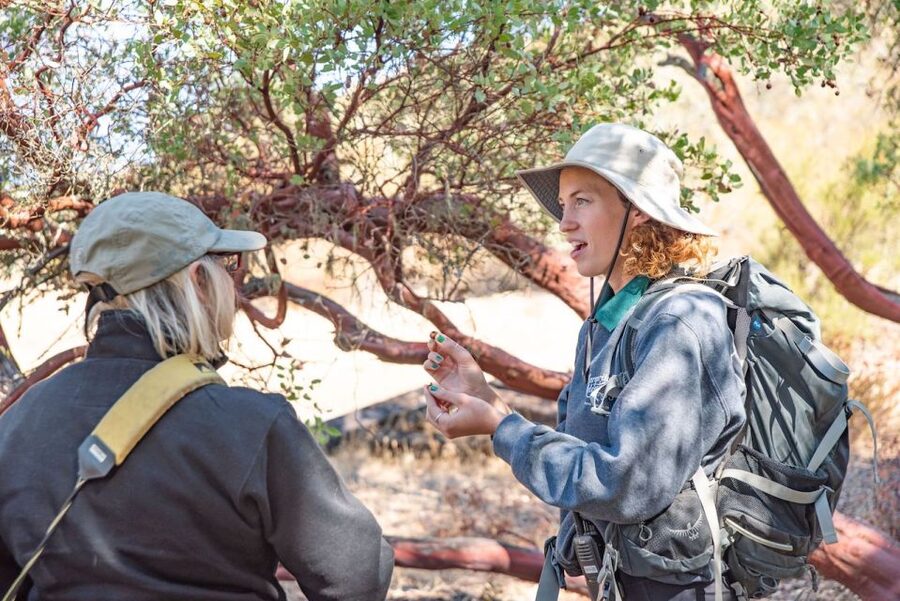
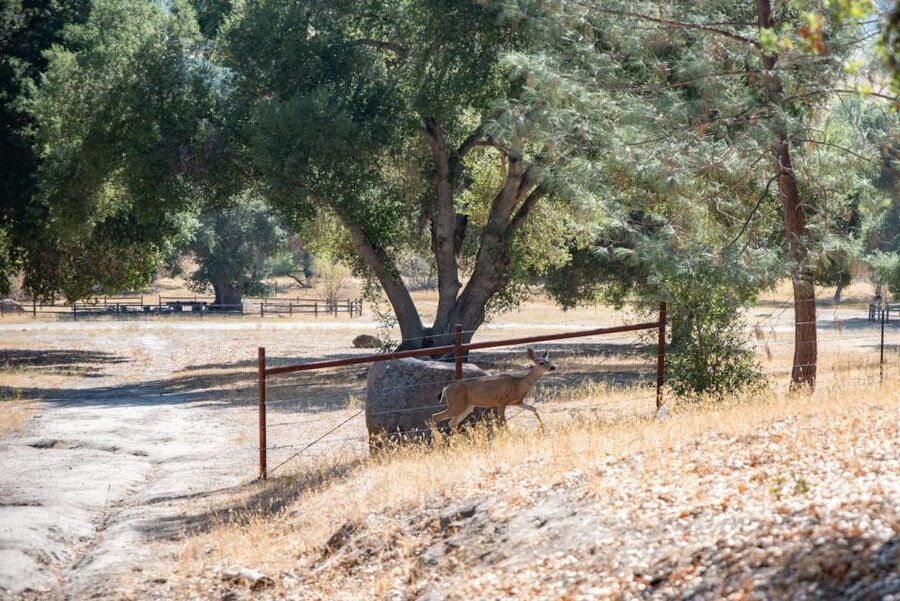
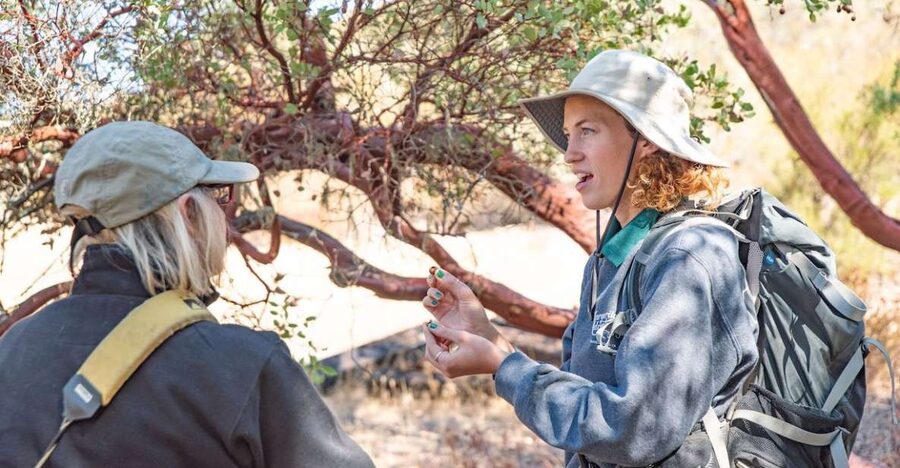
This experience uses the ranch as an outdoor classroom. You walk the grounds with an English-speaking guide and study plants in the place where they grow, rather than looking at dried samples or reading about them indoors.
The central lesson is that foraging is more than collecting wild food. It can connect people with seasonal habits, local knowledge, health, and a careful way of observing nature. The tour presents this through a Californian Native perspective, showing how plant use has been part of health, wellbeing, and survival for thousands of years.
That cultural focus gives the outing more weight than a simple plant-identification walk. You are not only asking, What is this plant? You are also learning why it mattered, how it could be used, and what responsible attention looks like in the outdoors.
The tour covers plants that may be used for nutrition and different beverages. It also touches on other healing purposes. The wording here matters: you are being educated about traditional and practical uses, not promised medical treatment. Treat the information as a way to understand plants and culture, not as a replacement for professional health advice.
A few more farm days around the USA worth a look
- Swamp Boat Ride and Oak Alley Plantation Tour from New Orleans
★ 5.0 · 3,303 reviews - Maui Pineapple Farm Tour in Haliimaile
★ 5.0 · 2,855 reviews - Half-Day Thoroughbred Horse Farm Tour in Kentucky
★ 5.0 · 1,924 reviews
The opening walk: learning to look before you collect
The tour begins at Santa Margarita Ranch, where you meet 30 minutes before the activity starts. That early arrival is worth taking seriously. It gives you time to find the meeting point, put on suitable shoes, and be ready when the educational walk begins.
The first part of the outing is likely to shape how you view the rest of the ranch. Instead of rushing from plant to plant, the guide helps you notice what is growing around you and why it has historical importance. The supplied details do not name individual plants or give a fixed route, so you should expect the exact discoveries to depend on what is present during your visit.
That changing element is part of the appeal. A foraging tour works best when you pay attention to the place in front of you, rather than expecting a rigid list of guaranteed specimens. You may encounter plants with uses in food, drinks, or traditional healing, but the precise selection is not specified.
I would arrive ready to listen and observe. Bring questions about identification, preparation, and cultural use. The small group limit of eight should help you hear the explanations and ask about plants that catch your eye.
Plant uses, safety, and the value of knowing what to leave alone
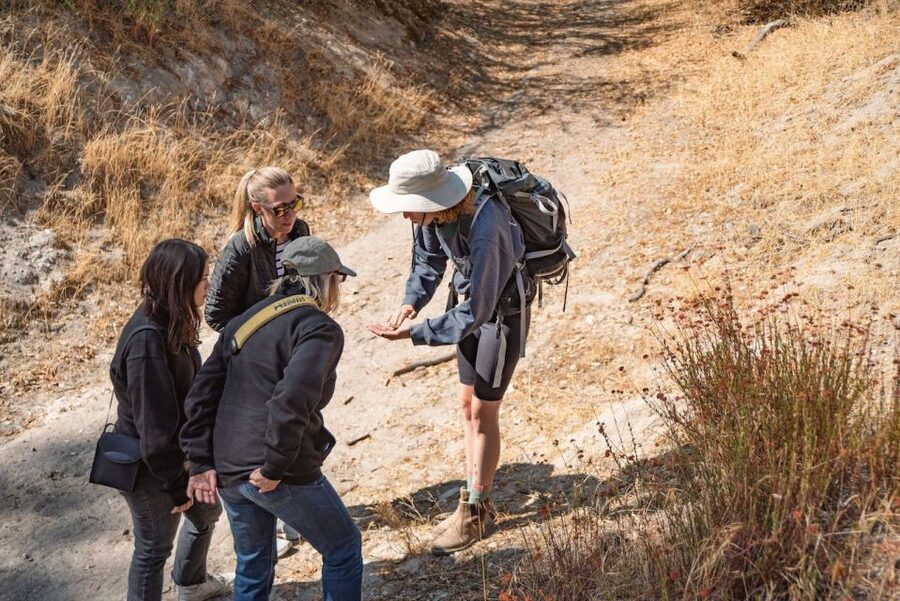
One of the most useful parts of the experience is the attention given to plants to avoid. Foraging sounds appealing until you remember that a wrong identification can matter. Learning what not to collect is just as important as learning what may be useful.
The guide explains best uses along the way. That may include how a plant relates to nutrition, beverages, or healing traditions, but the available information does not promise tasting, harvesting, or a take-home supply. You should not assume that every plant discussed will be available for eating during the tour.
That distinction helps keep expectations clear. This is a learning experience first, with the emphasis on understanding and caution. You are gaining a framework for responsible observation, not permission to pick anything you see later.
I especially value that the tour pairs useful knowledge with limits. A good foraging lesson should leave you more careful, not more confident than your skills justify. The instruction about what to avoid gives the experience a practical edge and may be the part you remember most when walking outdoors on your own.
The historical lesson behind modern foraging
The ranch walk also looks backward. You learn why Native Californian peoples embraced foraging as a cultural practice and how it supported everyday health, wellbeing, and survival.
This history helps place the plants in context. A plant is not merely an isolated ingredient. It can be part of a long relationship between people, place, food, and seasonal knowledge. The tour presents foraging as something that still has meaning in modern California, rather than as an old custom with no relevance today.
For me, this is the strongest reason to choose the experience over a basic nature walk. You receive a human story alongside the plant information. The lesson asks you to consider how people lived with the natural world and how those ideas might influence the way you pay attention today.
Keep in mind that the supplied details describe the subject broadly, not a full lecture outline. No specific tribal communities, named historical figures, or individual plant traditions are listed. If those details matter to you, ask the guide during the tour.
Same fields, a different sort of day out:
- Oak Alley Plantation Tour with Transportation from New Orleans
★ 4.5 · 1,747 reviews - Boone Hall Plantation All-Access Admission Ticket
★ 4.5 · 1,736 reviews - Oahu: Kualoa Ranch Movie Sites and Ranch Tour
★ 4.5 · 1,655 reviews - Oahu: Kualoa Ranch UTV Raptor Tour
★ 4.5 · 1,569 reviews
Mindfulness is part of the lesson, not a side activity
The experience also teaches you to enjoy the environment mindfully, wherever you are in nature. That can sound vague, but here it fits the subject well. Foraging requires patience, careful looking, and respect for the area around you.
You are encouraged to slow down and notice what is present. That may mean paying attention to a plant’s setting, thinking before touching or collecting it, and considering how your actions affect the environment. The goal is not simply to name as many plants as possible.
This makes the outing suitable for people who like a thoughtful pace. If you want a fast-moving attraction with constant stops and dramatic entertainment, you may find the format too quiet. If you enjoy learning through observation, the mindful approach adds depth without requiring specialist equipment.
The experience also offers a useful idea for the rest of your trip: you do not need to be on a formal foraging tour to look more closely at nature. The lesson encourages you to carry that awareness to parks, trails, and other outdoor places. Just remember that increased curiosity should still come with caution.
Why the eight-person group matters
A group of eight is small enough to keep the outing personal without making it a private tour. You should have a better chance to hear the guide clearly, ask questions, and examine plants without being lost in a crowd.
Small groups also suit this subject. Plant identification often requires pointing out fine details and answering follow-up questions. A crowded group could make those moments harder, especially when several people want to ask about the same specimen.
The tradeoff is that spaces may be limited, particularly if demand rises. The experience has a rating of five out of five from the two available bookings, with comments describing it as fun, informative, and full of learning. That is encouraging, though the sample is small, so I would treat it as a positive signal rather than a guarantee of a particular guide or route.
The guide speaks English, and no other language is listed. If you need instruction in another language, this tour may not be the right fit.
The $45 price and what you receive
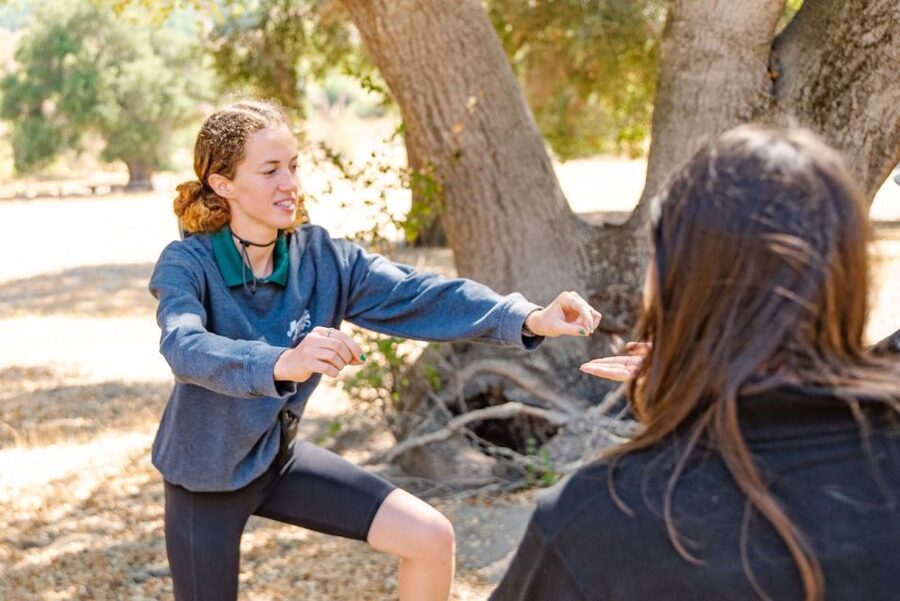
At $45 per person, the cost is reasonable if you want a focused educational activity lasting 150 minutes. You are paying for a live guide, a small group setting, and a structured introduction to plant use, history, safety, and mindfulness.
The value is strongest for someone who would otherwise spend time at the ranch without knowing what to look for. The guide provides context that is difficult to gain from a casual walk. You also receive information about plants to avoid, which adds a useful safety lesson rather than filling the time with attractive but shallow facts.
The price is less compelling if you expect food, drinks, equipment, or a substantial amount of harvesting. None of those inclusions are listed. The included service is the 2.5-hour educational foraging tour.
You can reserve now and pay later, which helps if your San Luis Obispo plans are still shifting. Free cancellation is available up to 24 hours before the activity for a full refund. That flexibility makes it easier to fit the tour into a wider trip without committing too early.
What to wear and how to prepare
Comfortable closed-toe shoes are required. This is the one clear clothing instruction, and it is sensible for walking around a ranch and examining plants. Avoid arriving in open sandals, even if the weather feels warm.
You do not need to bring special gear based on the supplied information. Since the tour is educational, arrive ready to take in information and ask questions. A small notebook may be useful, but it is not listed as required.
Plan for the full 150 minutes. The experience is long enough to require attention, so this is not a quick add-on between two tightly scheduled activities. Arriving 30 minutes early also means you need to build extra time into your day beyond the stated tour length.
Children under seven are not permitted. For older children, consider how well they handle a slower, information-heavy walk. The activity may suit curious young people who enjoy nature, but the details do not promise a child-specific format.
Who should book this experience
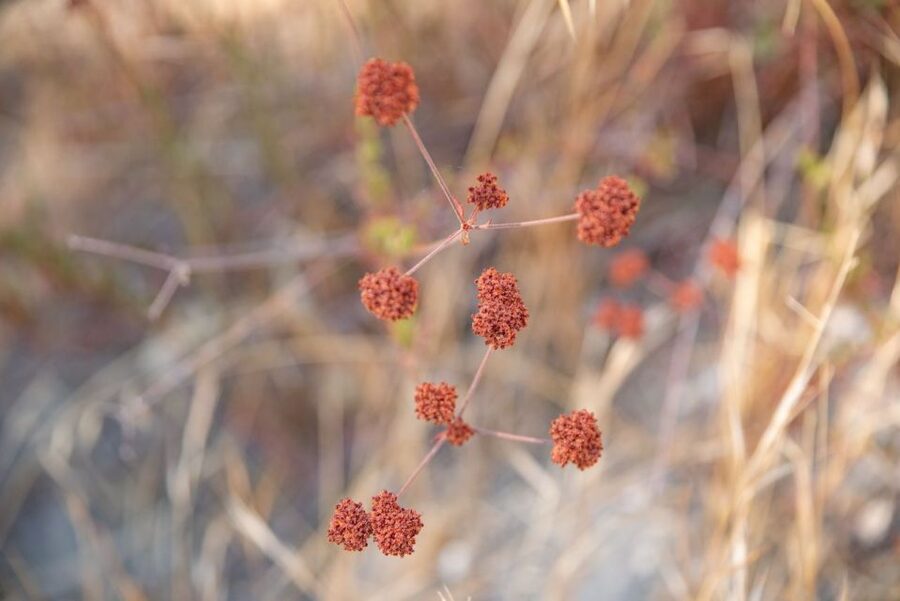
I would choose this tour if you like local culture, plants, traditional health practices, and quiet time outdoors. It also fits well if you want an activity that feels connected to California rather than a standard sightseeing stop.
It is a good choice for:
- Adults interested in food plants and traditional plant uses
- Visitors who want a Native Californian perspective on nature and wellbeing
- Curious beginners with no previous foraging experience
- Couples or friends who prefer small-group activities
- Families with children aged seven and older who enjoy educational walks
- Anyone who wants a more mindful way to spend time outdoors
I would think twice if you need a guaranteed list of plants, a tasting session, or a hands-on cooking activity. The information provided does not promise those features. You should also reconsider if you dislike walking, cannot wear closed-toe shoes, or want a large-scale attraction with a fast pace.
Should you book the Santa Margarita Ranch tour?
Book it if you want to learn how plants connect with food, drinks, healing traditions, history, and Native Californian wellbeing. The small group, practical warning about plants to avoid, and 2.5-hour format give the $45 price a solid purpose.
The strongest praise centers on the experience being both fun and informative, with one participant saying they learned a great deal. The limited number of ratings means you should keep your expectations measured, but the feedback matches the tour’s clear aim.
Skip it if you are looking for a tasting menu, a guaranteed harvest, or a short walk with little explanation. For everyone else, this is a thoughtful San Luis Obispo area activity that may change the way you look at plants long after you leave the ranch.
FAQ
How long is the Santa Margarita Ranch foraging tour?
The tour lasts 150 minutes, or 2.5 hours.
How much does the experience cost?
The price is $45 per person.
Where do I meet the guide?
You meet at Santa Margarita Ranch. You should arrive 30 minutes before the activity starts.
What language is the tour offered in?
The live tour guide speaks English.
What should I wear?
Wear comfortable closed-toe shoes. Closed-toe footwear is required for the activity.
Can children join the tour?
Children under seven are not permitted to participate.
Just added around the USA
- Connect with Rescue Animals on a Private Farm Tour in Catskills★ 5.0 · 27 reviews
- Cozy Farm Experience with Wagon Wheels and Acoustic Meal★ 5.0 · 2 reviews
- Farm Tour at Clover Brooke Llama/Alpaca/Goat Farm★ 4.5 · 6 reviews
- Gourmet Mushroom Farm Tour in Tennessee★ 5.0 · 5 reviews
- Farms, Flights: Finger Lakes Brewery Tour★ 4.5 · 25 reviews
- Horse Country Estate and Vineyard Wine Tasting Tour★ 5.0 · 2 reviews
- Scottsdale Horseback Riding and Horse Country Estate Tour★ 5.0 · 2 reviews
- Scenic Scottsdale E-Bike Tour – 2 Hours★ 5.0 · 47 reviews
USA Farm Tours, compared.
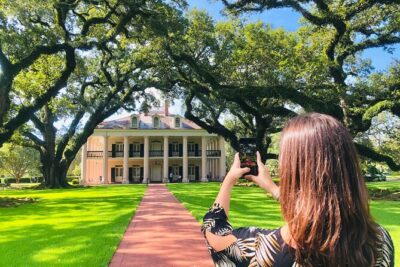
Swamp Boat Ride and Oak Alley Plantation Tour from New Orleans
Read our review →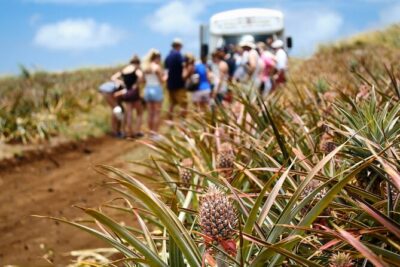

Half-Day Thoroughbred Horse Farm Tour in Kentucky
Read our review →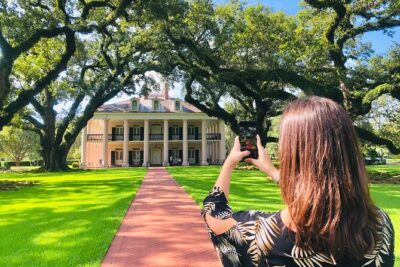
Oak Alley Plantation Tour with Transportation from New Orleans
Read our review →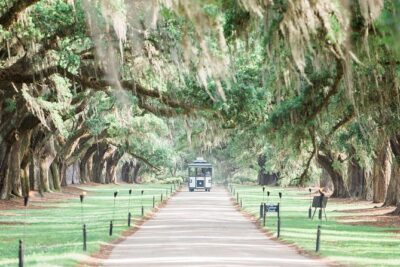
Boone Hall Plantation All-Access Admission Ticket
Read our review →