
Review · USA
New Orleans: St. Joseph Plantation Guided Tour
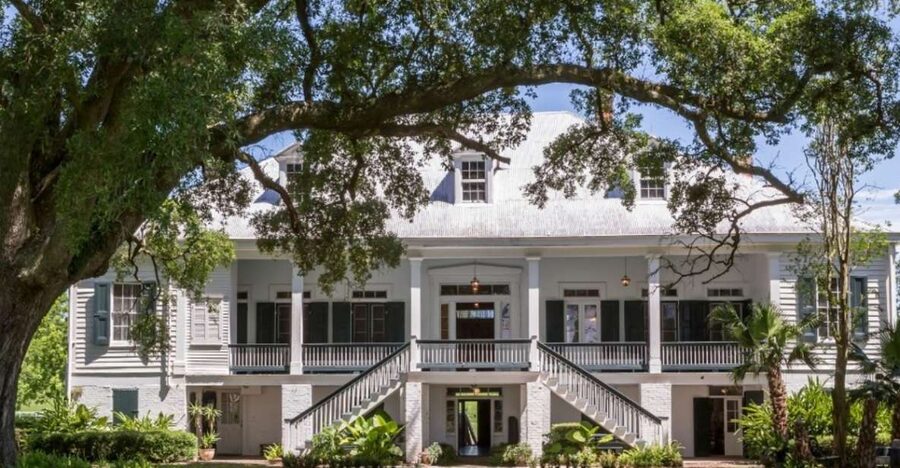
St. Joseph Plantation gives you more than a quick look at an old mansion. You enter the house room by room, then walk among original outbuildings on a still-working sugar cane plantation. The full house access and the chance to explore the grounds on your own make this feel more personal than a simple drive-by stop.
I like the family connection in the guiding, especially when a relative explains how the plantation was passed down. I also like the range of surviving buildings, from the detached kitchen to the schoolhouse. The main drawback is the short one-hour guided portion, and the site is not suitable for wheelchair users or people with mobility impairments.
Key points to know before you go
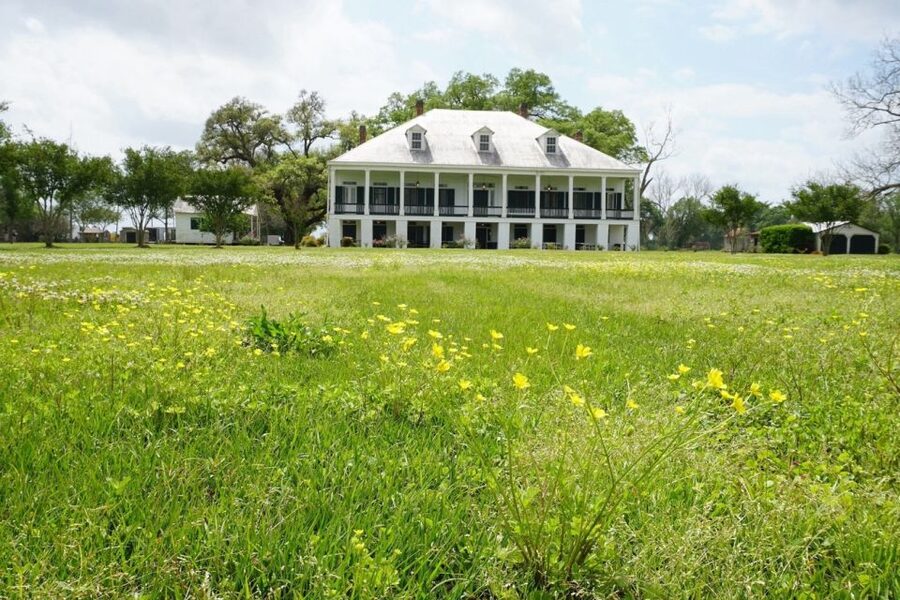
- The 1830s plantation covers 2,500 acres, giving the house a clear connection to the working farm around it.
- You can enter every room of the mansion during the guided tour, rather than viewing it from behind ropes or only from the porch.
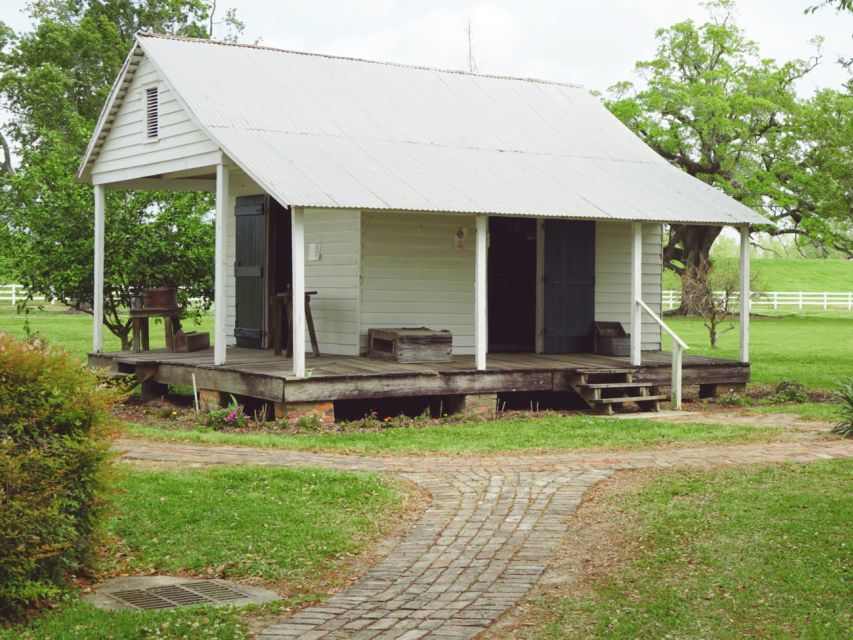
- Original slave cabins and work buildings remain, making the site useful for understanding daily life beyond the main house.
- The sugar cane operation still works, so this is not simply a preserved historic property.
- English-speaking guides bring family stories, and guide Adrienne once worked at Oak Alley Plantation.
- October 1 through November 3 brings the Creole Mourning Tour, with a dressed house and live portrayals of mourning customs.
A working plantation, not just a pretty old house
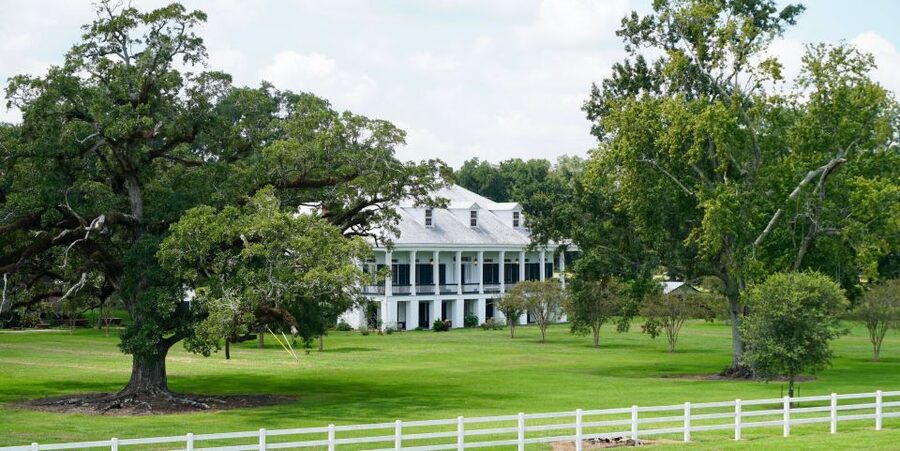
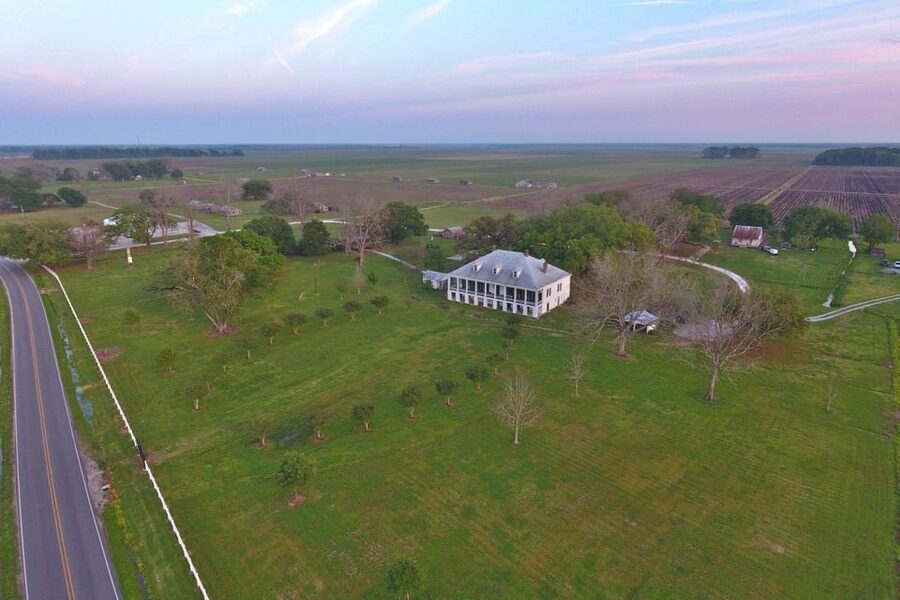
St. Joseph Plantation sits at 3535 LA-18 in Louisiana’s River Parishes, within reach of New Orleans by road. The property was built in the 1830s and covers about 2,500 acres. Its size matters because the plantation is easier to understand when you see the house, agricultural land, service buildings, and worker housing as one connected place.
The plantation remains one of the few fully intact working sugar cane plantations in the area. That gives your visit a practical edge. You are not only looking at a preserved past. You are also seeing a farm that continues to relate to sugar cane production.
The main house and grounds are shared in the tour with nearby Felicity Plantation. The specific guided visit focuses on St. Joseph, while the property’s connection to Felicity helps explain why both sites have been used for film work. The two plantations appeared in productions including 12 Years a Slave, All The King’s Men, The Skeleton Key, and Queen Sugar.
Film connections can be fun, but I would treat them as a side note. The stronger reason to come is the chance to see how the plantation was organized and to hear about the people who lived and worked here.
More Plantation Tours in the USA
- Swamp Boat Ride and Oak Alley Plantation Tour from New Orleans
★ 5.0 · 3,303 reviews - Oak Alley Plantation Tour with Transportation from New Orleans
★ 4.5 · 1,747 reviews - Boone Hall Plantation All-Access Admission Ticket
★ 4.5 · 1,736 reviews
Inside the mansion, room by room
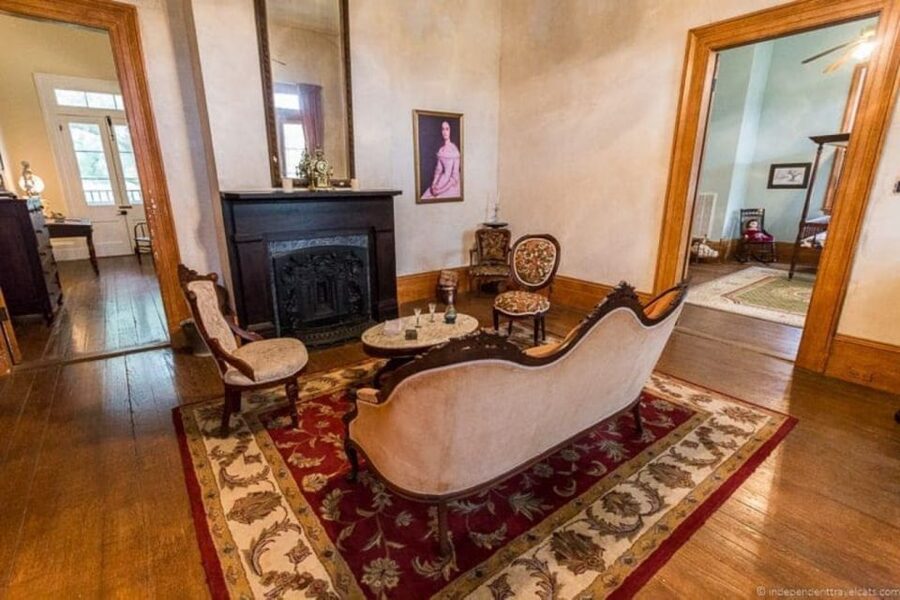
Your one-hour guided tour begins with the house and grounds. This is a hands-on mansion visit in the literal sense that you have access to each room, not just a view of the exterior or a single formal parlor.
That access helps you notice the contrast between the public and private sides of plantation life. As your guide moves through the house, you hear about the family who owned the property and the many people whose labor made the plantation function. The tour is not only about furniture and architecture. It connects the rooms to the wider farm.
One particularly useful feature is the family perspective. A member of the plantation family has led tours and spoken about her own connection to the property. That can give the visit a more direct, personal tone, though it also means you should listen carefully to how family memory fits alongside the broader story of slavery and agricultural labor.
The guiding is in English. Guide Adrienne has also worked at Oak Alley Plantation, another well-known plantation site in the River Parishes. If you have visited Oak Alley, this tour can add a different angle rather than simply repeating the same house-and-oaks formula.
An Italian-speaking group once received a copy of the tour in Italian when the guide saw the need. That does not mean an Italian tour is scheduled, so plan on English unless your booking confirms another arrangement.
The buildings that explain plantation life
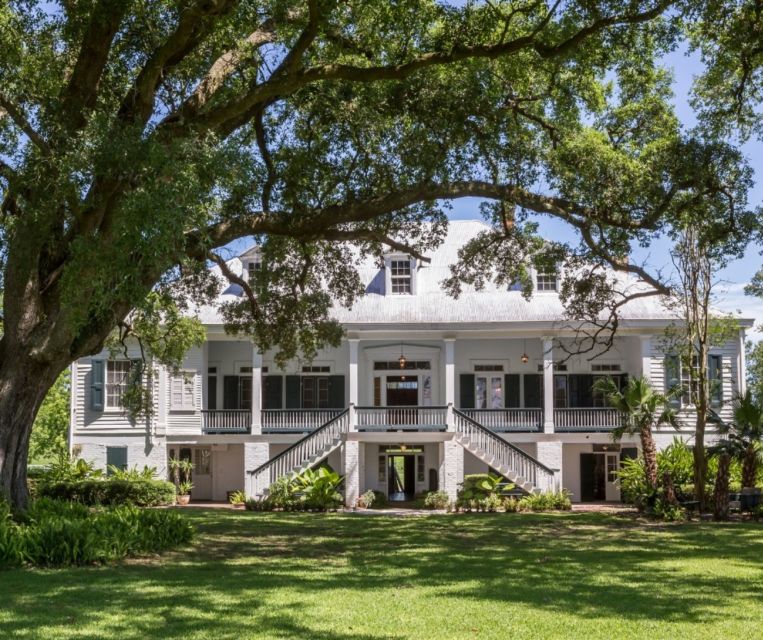
After the guided portion, you can explore the garden and outbuildings at your own pace. This is where the visit becomes more than a mansion tour.
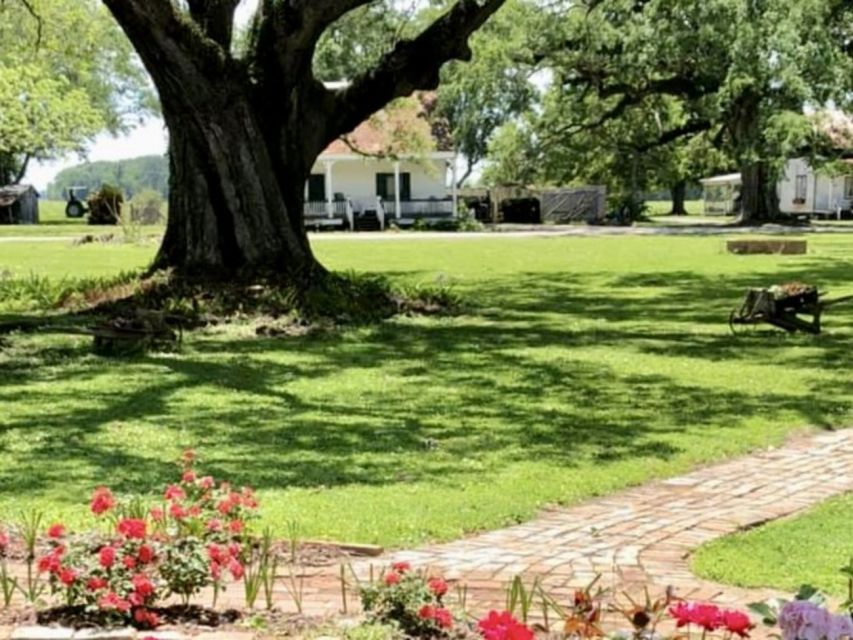
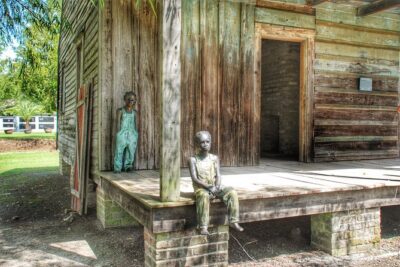
The original slave cabins are the most important stop for many people. They shift your attention away from the owners’ rooms and toward the living conditions of enslaved people. The cabins cannot tell every part of that story by themselves, so take time to consider what the guide has explained about labor, household work, and the plantation economy.
You can also see a detached kitchen, blacksmith’s shop, carpenter’s shed, and schoolhouse. Each building points to a different task needed to keep a large sugar plantation operating. The detached kitchen reflects concerns about heat and fire near the main house. The blacksmith’s shop and carpenter’s shed show that repairs and tools were handled on site. The schoolhouse adds another layer to the property’s community story.
I recommend saving time for these buildings instead of rushing straight to the gift shop. The guided tour provides the framework, but the self-guided section lets you pause where your interest is strongest. You can look closely, reread signs, and think through the sharp difference between the main house and the work areas.
The grounds are expansive, so comfortable shoes are a must. Bare feet are not allowed, and the uneven walking involved means this is a poor fit for anyone who has trouble walking for extended periods.
The plantation’s difficult story
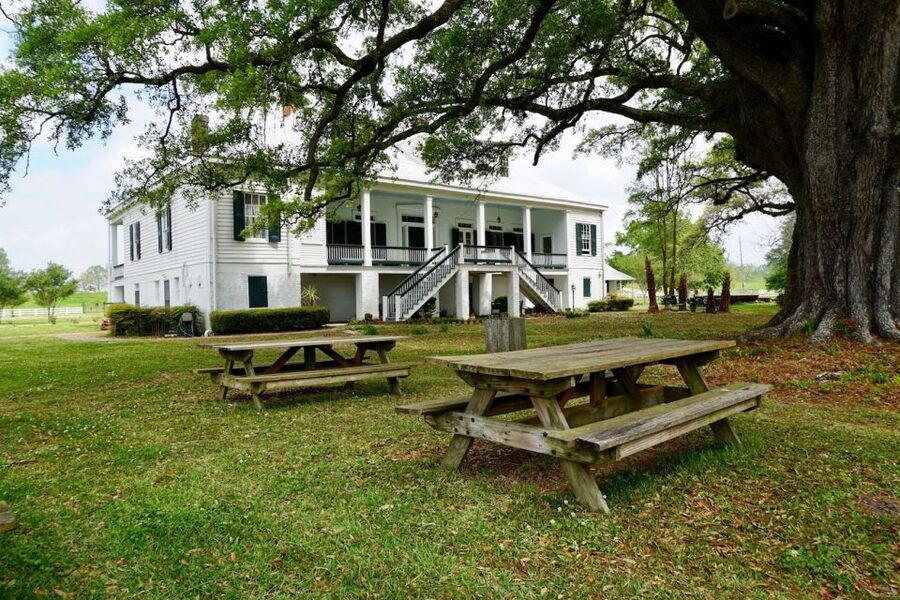
A plantation visit should not be reduced to columns, oak trees, and movie locations. St. Joseph offers a chance to confront the system that supported the property, including slavery and the labor that sustained sugar production.
The surviving cabins and work buildings help make that story physical. You are looking at places connected to ordinary work, domestic duties, trade skills, and education, not only at a grand residence. That range gives the tour more weight than a house tour focused only on the owners.
The family stories can add warmth and detail, but I would also keep the larger context in view. This was a family-owned plantation, yet its success depended on a much larger group of people, many of whom had little power over their own lives. A good visit leaves room for both the personal story and the painful realities of the plantation system.
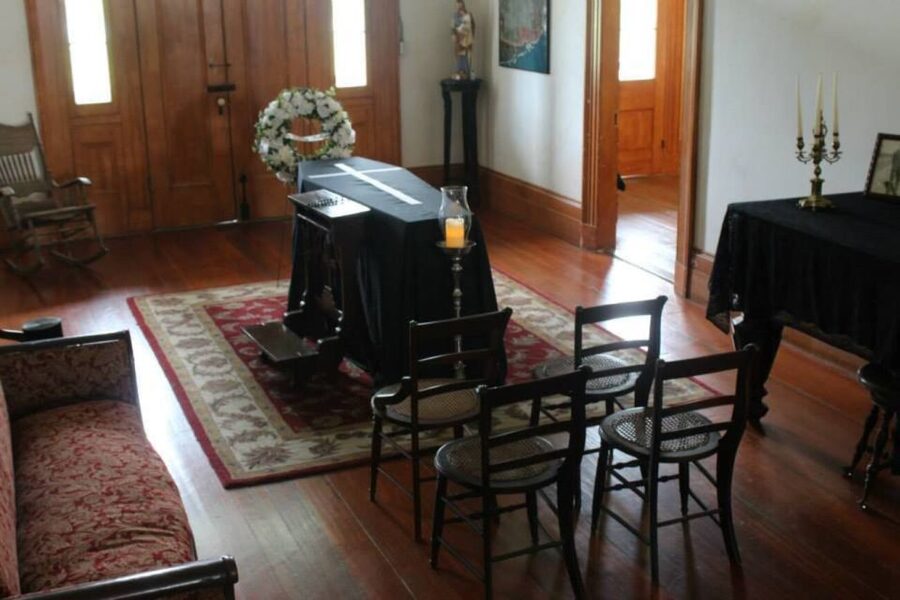
The historical subject matter may feel heavy, especially for younger children or anyone expecting a light sightseeing stop. The October Creole Mourning Tour addresses another part of that past by dressing the house in deep mourning and using live portrayals to show how people on the plantation observed mourning customs.
That seasonal program runs from October 1 through November 3. It is a special option for visitors interested in social customs and family life, but the portrayals may not suit everyone. Check the date and program details before booking if this is the main reason you want to visit.
Same fields, a different sort of day out:
- Maui Pineapple Farm Tour in Haliimaile
★ 5.0 · 2,855 reviews - Half-Day Thoroughbred Horse Farm Tour in Kentucky
★ 5.0 · 1,924 reviews - Oahu: Kualoa Ranch Movie Sites and Ranch Tour
★ 4.5 · 1,655 reviews - Oahu: Kualoa Ranch UTV Raptor Tour
★ 4.5 · 1,569 reviews
How the one-hour schedule works
The listed guided portion lasts one hour. That is enough for a focused introduction to the house and grounds, but not enough for a slow examination of every outbuilding.
I would think of the visit in three parts:
- The guided house tour gives you the main historical structure and family story.
- The self-guided walk lets you see the garden and outbuildings at your own speed.
- Free time allows for a picnic or a look around the shop.
The order is useful because you get context before wandering around. Without the guide, the cabins, kitchen, and work sheds might seem like separate objects. After the tour, you can connect them to the plantation’s daily operation.
The schedule also rewards people who are willing to linger. The official guided part is short, but your total visit can be longer if you walk the grounds, study the buildings, and eat beneath the oak trees. Since food and drinks are not included, bring a picnic lunch if you want to make a relaxed half-day of it.
Starting times vary, so you need to check availability when booking. Transportation is not included. You must arrange your own way to 3535 LA-18, which makes this easier for people with a car or a planned private transfer than for anyone hoping to rely on the tour itself for transport.
What the $24 price buys you
At $24 per person, the value is good if you use both parts of the visit. You receive a live, English-language tour of the home and grounds, then access to the garden and numerous outbuildings without needing a second ticket for each section.
The price is less attractive if you only want a quick photo of the mansion. The property’s best value comes from staying after the guide finishes. Give yourself time for the cabins, detached kitchen, blacksmith’s shop, carpenter’s shed, and schoolhouse.
The fee does not include transportation, food, drinks, or gift shop purchases. Those costs are easy to overlook when planning a plantation visit, so build them into your day. A picnic can keep the outing simple, especially since the oak trees provide a place to sit after the tour.
Free cancellation is available up to 24 hours before the visit, and you can reserve now while paying later. That flexibility is useful when your New Orleans schedule depends on weather, road conditions, or other day trips.
Who will enjoy St. Joseph Plantation most
I would recommend this tour to you if you want a plantation visit with more than an exterior view. It suits people who care about architecture, agricultural history, family stories, slavery, and the practical details of how a large property worked.
It also fits film fans who recognize locations from 12 Years a Slave, The Skeleton Key, All The King’s Men, or Queen Sugar. Still, the movie connection is not the main event. If you come only for filming locations, you may find the historical tour more serious and detailed than expected.
Families can use the property as a way to discuss Louisiana history, though adults should decide how much of the subject matter suits their children. The outbuildings give younger visitors physical places to look at, while the slavery story requires an age-appropriate conversation.
I would not choose this experience if you need step-free access or have serious mobility limits. The activity is specifically listed as unsuitable for wheelchair users and people with mobility impairments. You should also wear comfortable shoes, since the visit includes walking through the grounds.
Practical tips for a better visit
Arrive ready to walk. The property is large, and the self-guided portion is where you see much of the site’s character.
Plan for the full experience rather than treating the one-hour guide as your entire visit. The mansion tour is the anchor, but the original cabins and work buildings provide much of the useful context.
Bring a picnic lunch if your schedule allows. You are encouraged to eat beneath the oak trees after the tour, and this can turn a brief guided visit into a more relaxed outing.
Keep your attention on the guide’s explanation of the people who lived and worked here. The architecture is easy to photograph, but the human story is the part you are least likely to understand from a quick look.
If you visit between October 1 and November 3, decide in advance if the Creole Mourning Tour appeals to you. The house is dressed for mourning and live portrayals are part of the program, so expect a more themed and emotionally serious visit during that period.
Alcohol and drugs are not allowed. Wear shoes, not bare feet. The tour is offered in English, and any additional language help should be confirmed before you go.
Should you book this plantation tour?
Book St. Joseph Plantation if you want a focused, fairly priced look at a working sugar cane plantation with full mansion access and original supporting buildings. The combination of a live guide, family connection, slave cabins, and self-guided grounds gives you more substance than a quick roadside stop.
Skip it if you need accessible paths, dislike walking, or want a short visit centered only on movie locations. For most history-minded visitors with a car and an extra hour or two, the $24 price is sensible, especially if you stay for the outbuildings and picnic beneath the oaks.
FAQ
How long is the guided tour of St. Joseph Plantation?
The guided tour of the home and grounds lasts one hour.
What does the tour price include?
The $24 price includes the one-hour guided tour, access to the garden, a self-guided visit to the outbuildings, and local taxes.
Is transportation included?
No. You must arrange your own transportation to 3535 LA-18.
What language is the tour offered in?
The live tour guide speaks English.
Can I explore the plantation after the guided tour?
Yes. After the guided portion, you can take a self-guided walk through the garden and outbuildings, then enjoy free time on the property.
Which buildings can I see without the guide?
The self-guided area includes original slave cabins, a detached kitchen, a blacksmith’s shop, a carpenter’s shed, and a schoolhouse.
Is St. Joseph Plantation accessible to wheelchair users?
No. The activity is not suitable for wheelchair users or people with mobility impairments.
What should I bring?
Bring comfortable shoes. You may also want to bring a picnic lunch to eat beneath the oak trees after the tour.
What is the Creole Mourning Tour?
From October 1 through November 3, the house is dressed for deep mourning and live portrayals show the mourning customs of people who lived on the plantation.
Just added around the USA
- Connect with Rescue Animals on a Private Farm Tour in Catskills★ 5.0 · 27 reviews
- Cozy Farm Experience with Wagon Wheels and Acoustic Meal★ 5.0 · 2 reviews
- Farm Tour at Clover Brooke Llama/Alpaca/Goat Farm★ 4.5 · 6 reviews
- Gourmet Mushroom Farm Tour in Tennessee★ 5.0 · 5 reviews
- Farms, Flights: Finger Lakes Brewery Tour★ 4.5 · 25 reviews
- Horse Country Estate and Vineyard Wine Tasting Tour★ 5.0 · 2 reviews
- Scottsdale Horseback Riding and Horse Country Estate Tour★ 5.0 · 2 reviews
- Scenic Scottsdale E-Bike Tour – 2 Hours★ 5.0 · 47 reviews
USA Farm Tours, compared.
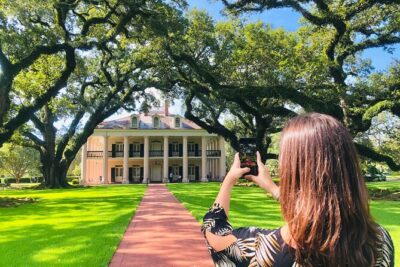
Swamp Boat Ride and Oak Alley Plantation Tour from New Orleans
Read our review →

Half-Day Thoroughbred Horse Farm Tour in Kentucky
Read our review →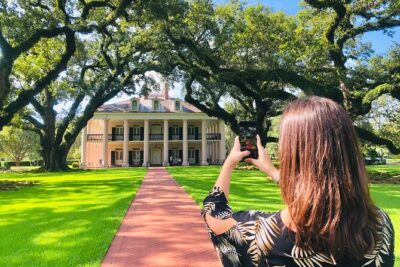
Oak Alley Plantation Tour with Transportation from New Orleans
Read our review →
Boone Hall Plantation All-Access Admission Ticket
Read our review →

Whitney Plantation Tour with Transportation from New Orleans
Read our review →Browse the lists this tour appears in