
Review · COLOMBIA
Most complete COFFEE TOUR at local family farm
The heart of this experience is the chance to see Colombian coffee as a working family business, not just a souvenir in a café. You follow the crop from plant growth and harvesting through processing, roasting, and tasting, with the coffee story explained on the farm itself.
I like the private-group format, which gives you more room to ask questions, and I like that hotel pickup and drop-off are included from Guatapé. The main thing to consider is timing: although the stated duration is four hours, one recent booking finished sooner and added extra stops instead of stretching the coffee portion.
Key points
- A family-run farm near Guatapé: Reach the coffee-growing area in about 30 to 40 minutes from town.
- The full coffee process: Learn how coffee moves from cultivation and harvest to processing, roasting, and the final cup.
- Tasting included: Try coffee while learning the basics of aroma and flavor.
- Private group setting: Ask questions at your own pace with a guide in English or Spanish.
- Transport included: Hotel pickup, drop-off, and health insurance are part of the $75 price.
- Lunch costs extra: Plan for a separate meal budget if you want to eat during the outing.
A family farm instead of a quick coffee stop
This four-hour outing takes you out of Guatapé and into Antioquia’s coffee-growing country. The drive takes roughly 30 to 40 minutes, so the tour works well as a half-day break from the town’s colorful streets, lakeside views, and busy sightseeing schedule.
The setting matters. Coffee can seem simple when you see it in a mug, but the drink depends on many stages before it reaches the grinder. Here, you get a working explanation of those stages at a local family farm, where the subject is tied to daily agricultural life.
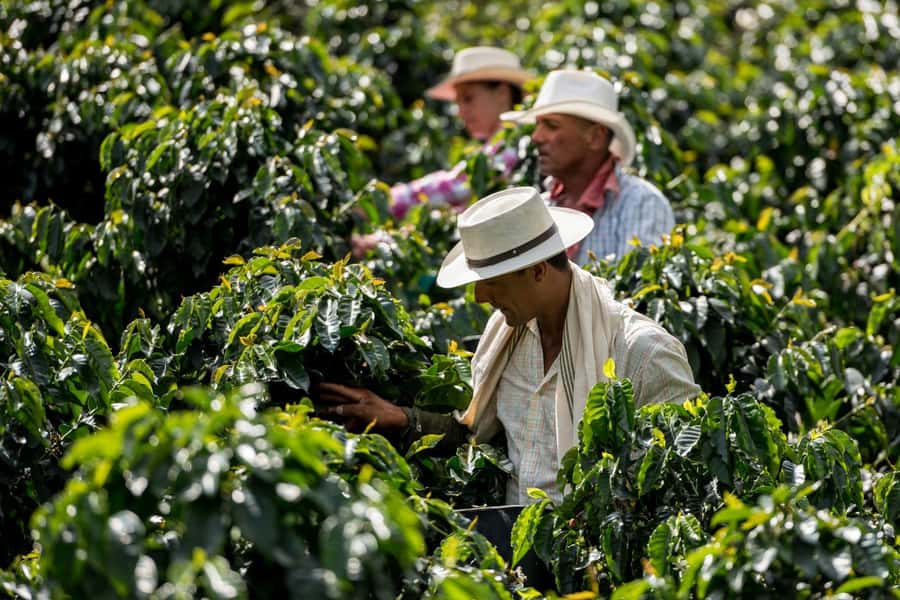
I appreciate that the tour is built around the entire process. You are not simply handed a cup and told that Colombia makes good coffee. You learn how coffee is grown, gathered, prepared, and roasted, then connect those steps with what you taste.
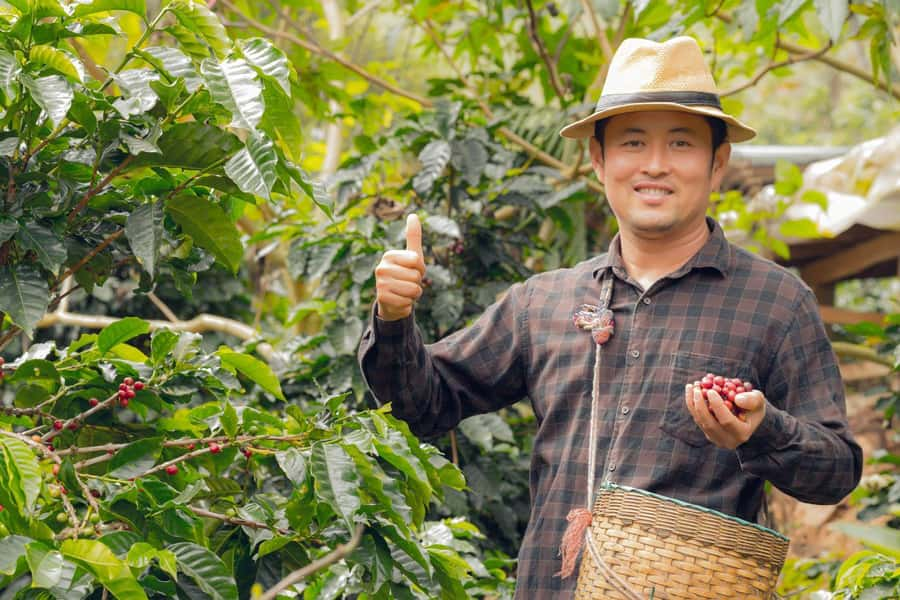
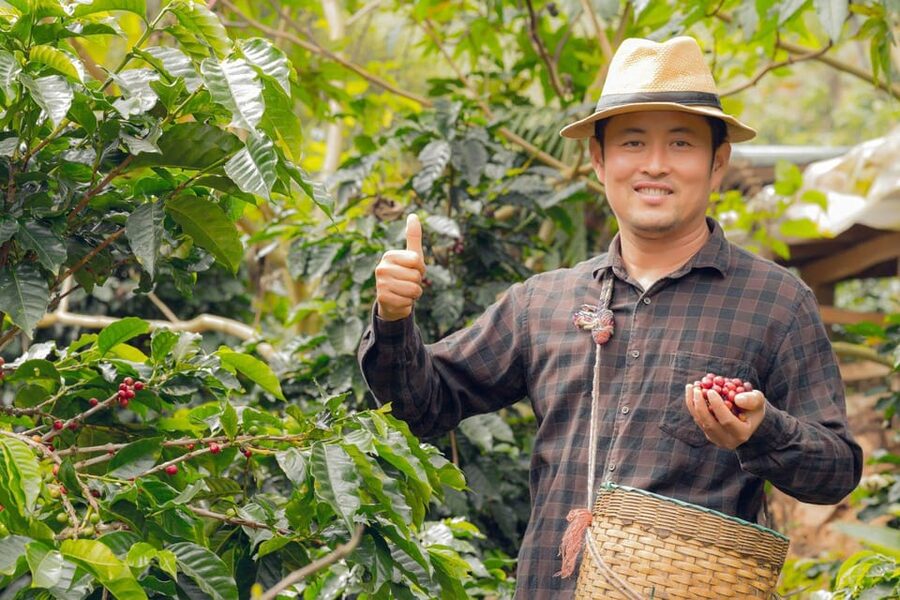
The family-farm setting also gives the outing a more personal feel than a large commercial attraction might. The available details do not identify the hosts by name, but the operation is presented as a local family business, and the guide leads the visit in either English or Spanish.
More Coffee Farm Tours in Colombia
- Medellín Coffee Farm Tour with Trolley and Cable Car Ride
★ 4.9 · 277 reviews - Coffee Tour at the Finca del Café
★ 5.0 · 213 reviews - Salento: Private Cocora Valley, Salento & Coffee Farm Tour
★ 4.9 · 202 reviews
The 30 to 40 minute ride from Guatapé
Pickup is included at your hotel, which removes one of the annoying parts of arranging a rural visit. You are asked to wait five minutes in the lobby before the scheduled start time, so be ready at the agreed hour rather than making the driver search for you.
The vehicle is described as comfortable, an important detail for a road trip outside town. The farm is only about 30 to 40 minutes away, keeping the transport time reasonable for a four-hour activity.
This short ride gives you a change of scene without taking up most of the day. I would schedule it on a morning or afternoon when you have no tight follow-up plans, though. The stated duration is four hours, but the actual pace can vary.
One verified booking found that the coffee visit did not last as long as the advertised time. Instead, the outing included a few additional stops, which made the shorter farm portion feel like a benefit rather than a problem. Still, if your priority is a long, detailed plantation walk, ask about the exact schedule before you go.
Seeing coffee grow before it reaches your cup
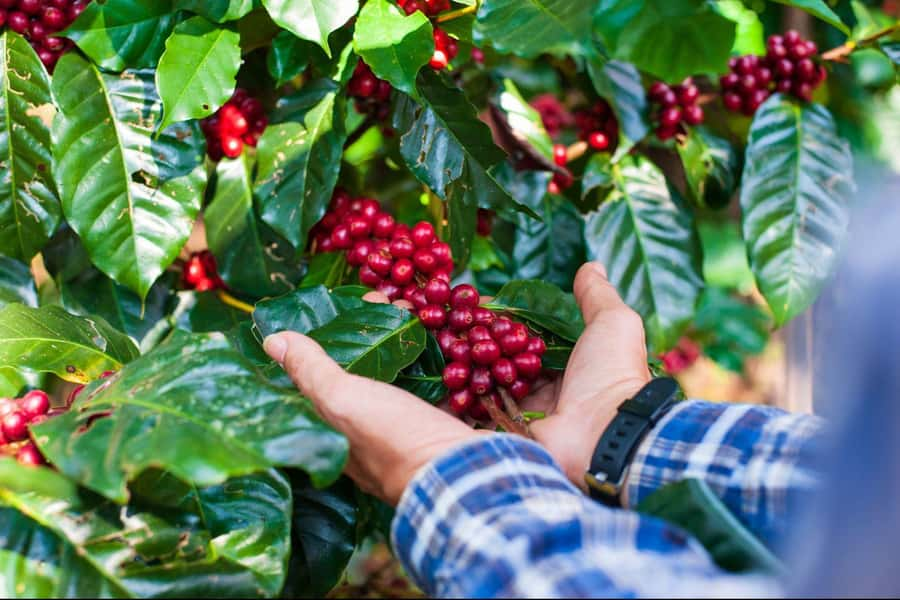
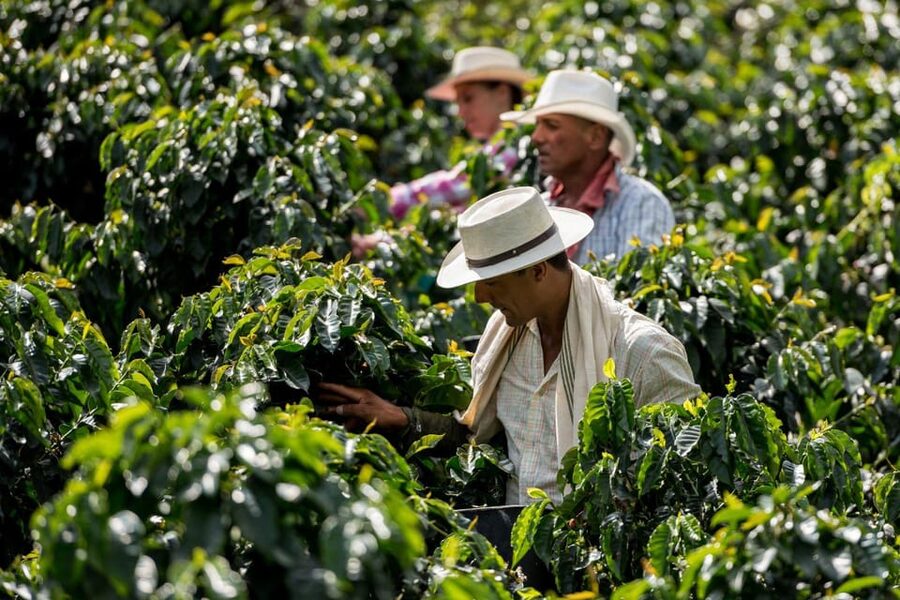
At the farm, the guide explains the coffee plant and its growth. The supplied details do not promise a particular number of fields, trails, or seasonal farm tasks, so you should not expect a fixed agricultural demonstration on every visit.
What you can expect is an explanation of the growth cycle and the work involved in producing coffee. That context is useful because it puts a human cost behind a familiar product. Coffee farming is not one simple harvest. It requires attention at several stages, and the quality of the final drink depends on what happens long before roasting.
You may find the most interesting part is the discussion of challenges faced by coffee growers. One recent participant specifically highlighted learning about the difficulties of each stage from an experienced person in the coffee business.
That practical angle is worth seeking out. Ask how the farm handles problems in cultivation, harvesting, or preparation. The tour promises an overview, but a private group gives you a better chance to guide the conversation toward the subjects you care about.
Harvesting and processing, step by step
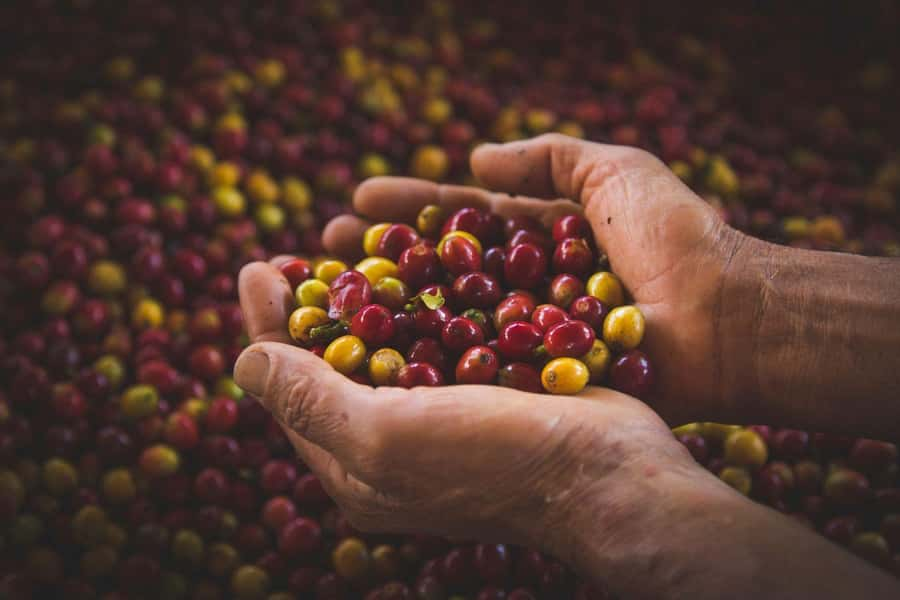
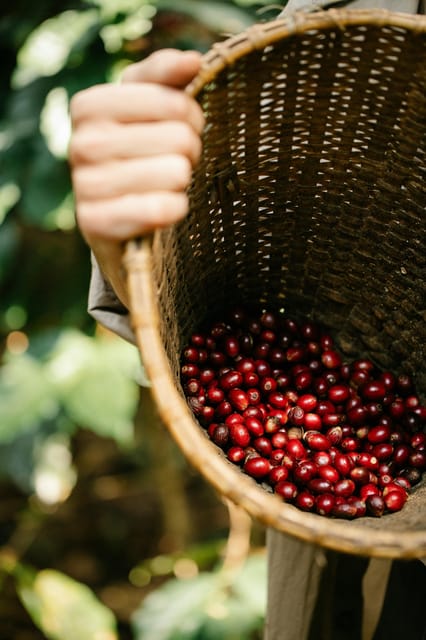
The farm explanation continues through harvesting and processing. These are the stages that turn coffee fruit into usable green beans, and they are often skipped on casual coffee tastings.
You will learn how the crop is collected and what happens after it leaves the plant. The exact methods used at this farm are not specified, so the guide is the right person to ask about the local approach and how it affects the finished coffee.
This part gives the tour its strongest educational value. A tasting alone can tell you what you like, but process knowledge helps you understand why one coffee may taste different from another. It also shows how much work sits between the farm and the cup.
Because the group is private, you can pause when a step is unclear. That matters if you have never visited a coffee farm before. You do not need specialist knowledge, and you can ask basic questions without worrying about holding up a large group.
Same fields, a different sort of day out:
- Medellin: Horseback Riding Coffee Farm Tour with Coffee Spa
★ 4.8 · 151 reviews - From Bogotá: Coffee Farm and Tequendama Falls Tour
★ 4.5 · 130 reviews - Coffee Tour at Finca El Ocaso Salento: Traditional Spanish Farm
★ 4.8 · 89 reviews - Coffee Tour Salento-Ocaso Farm- English Tour
★ 4.6 · 88 reviews
Roasting and the change from bean to drink
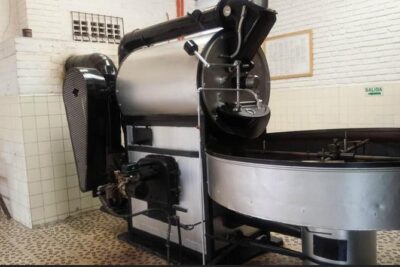
Roasting is the bridge between farm production and the beverage you recognize. The tour covers roasting as part of the coffee process, showing how the beans are prepared for brewing.
The available information does not list the roasting equipment, roast levels, or a hands-on roasting session. Keep your expectations in line with that. You are paying for an explanation of the process and tasting basics, not a guaranteed professional barista class.
I still find this stage valuable because it gives you a clear way to connect production with flavor. After hearing about cultivation, harvest, and processing, you can see that roasting is another choice that shapes the final result.
If you enjoy coffee, this is a good moment to ask about aroma, strength, and how roasting changes the cup. If you are not a serious coffee drinker, the guide can still make the process easy to follow.
Tasting coffee with your senses
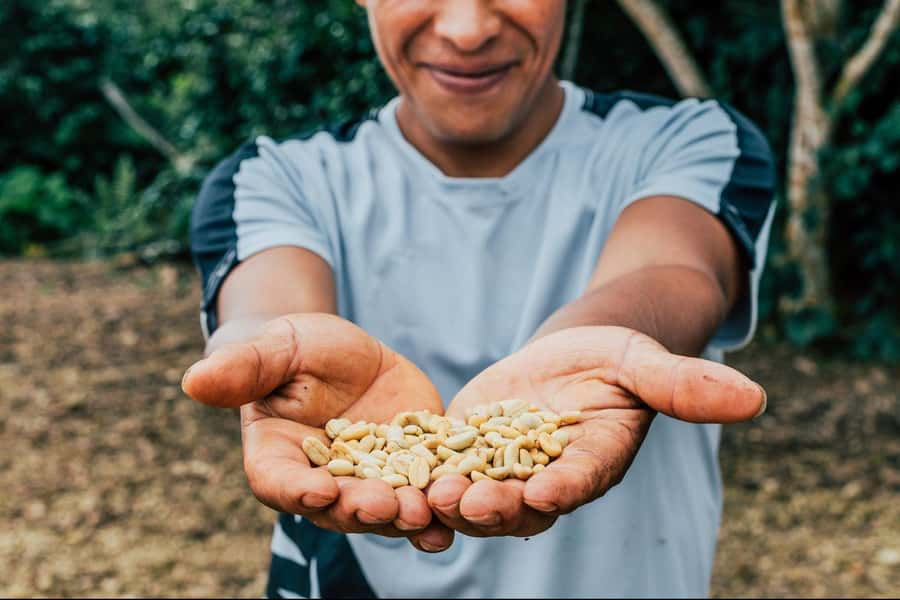
The tasting is not just a free drink added at the end. It is meant to help you notice aroma and basic flavor differences, giving the earlier farm explanation a practical finish.
You will engage your senses with aromatic coffee and learn the fundamentals of tasting. The information does not specify how many samples are served, which brewing methods are used, or whether milk and sugar are available. Ask the guide what is included if you have a particular tasting interest.
I like this approach because it keeps the tasting connected to the farm. You have already heard about the work behind the bean, so the cup has more meaning. Even a casual coffee drinker can leave with a better sense of why Colombian coffee is valued.
Do not expect a formal certification course. This is an accessible introduction, not an advanced coffee workshop. Its strength is the connection between place, process, and taste.
Colombian food, with lunch not included
The experience also gives you a chance to enjoy authentic Colombian cuisine. The information does not specify a set menu, restaurant, or food portion, and lunch is not included in the $75 price.
That distinction is important. You should carry a separate budget for lunch rather than assume the meal is covered. If food is part of your reason for booking, confirm what is available and whether the timing includes a full meal or simply an opportunity to eat.
The food element adds local context, but the coffee remains the main subject. I would treat lunch as a possible extra, not the central reason to choose this activity.
Why the $75 price can make sense
At $75 per person, this is not the cheapest way to drink coffee in Antioquia. You are paying for more than the tasting itself: private transportation from your hotel, a bilingual guide, a private group, an organized visit to a family farm, coffee process instruction, tasting basics, and health insurance.
The transport adds real value if you are staying in Guatapé and do not want to arrange a rural transfer. A private group can also be worth the extra cost if you prefer questions and conversation over a fixed large-group presentation.
The value is weaker if you only want a quick cup or a short photo stop. In that case, a local café may meet your needs for much less. This outing makes more sense when you want the farming story, the production stages, and the chance to see how the drink is made.
Lunch is extra, so include that in your total. Also keep the variable timing in mind. One booking ended earlier than expected but added other stops, which suggests the day may be adjusted around the group rather than run like a rigid classroom session.
Who will enjoy this outing most
I would recommend this experience to coffee drinkers who want practical background instead of a polished tasting room alone. It also suits couples, families, and small groups who value a private format and hotel transport.
It is a good fit if you are based in Guatapé and want to see more of Antioquia without giving up an entire day. The 30 to 40 minute transfer keeps the trip manageable, while the farm setting gives you a stronger sense of the area beyond the town center.
You should also consider it if you want an activity that works in either English or Spanish. A live bilingual guide makes the explanation easier to follow, especially when discussing several production stages.
I would hesitate only if you require a precisely timed four-hour program, a full lunch, or a specialist-level coffee course. The schedule can vary, the meal costs extra, and the stated tasting information is basic rather than technical.
Practical details before you book
The tour lasts four hours according to the schedule, with starting times available based on the date you choose. Pickup and drop-off are included, and you should wait in your hotel lobby for five minutes before the start time.
You can cancel up to 24 hours in advance for a full refund. You can also reserve now and pay later, which helps if your Guatapé plans are still shifting.
The activity includes health insurance. Since the farm details do not specify the exact walking conditions or accessibility arrangements, ask the provider directly if mobility or terrain is a concern.
The experience provider is Ecoventure. The group type is private, and the guide can lead the tour in English or Spanish.
Should you book the family coffee farm tour?
Book it if you want to understand Colombian coffee from plant to cup, especially with private transport and a local family-farm setting. The strongest parts are the full process explanation, the sensory tasting, and the chance to ask questions in a small group.
The $75 price is reasonable when you use the included ride and private guide. It is less appealing if you only want a coffee sample or expect lunch and a guaranteed four-hour farm presentation.
My practical advice is to reserve this as a half-day cultural outing, not as a tightly scripted technical course. Confirm the start time, ask what the extra stops may involve, and budget separately for lunch. If that matches your expectations, this is a personal and useful way to connect Guatapé with Antioquia’s coffee-growing life.
FAQ
How far is the coffee farm from Guatapé?
The farm is about 30 to 40 minutes from Guatapé.
How long does the coffee tour last?
The scheduled duration is four hours. Actual timing can vary, and one recent booking finished the coffee portion earlier but included additional stops.
Is hotel transportation included?
Yes. Hotel pickup and drop-off in a comfortable vehicle are included.
Is lunch included in the price?
No. Lunch is not included, so plan to pay separately if you eat during the outing.
Can I take the tour in English?
Yes. The live guide service is available in English and Spanish.
Can I cancel the booking?
Yes. You can cancel up to 24 hours in advance for a full refund. You can also reserve now and pay later.
Just added around Colombia
- Cocora Valley Tour and Coffee Farms★ 4.5 · 40 reviews
- Coffee Farm and Salento Walking Tour★ 5.0 · 47 reviews
- Salento and Cócora Tour plus Coffee Farm from Pereira or Armenia★ 5.0 · 40 reviews
- Tour to the Hacienda Nápoles Theme Park★ 4.0 · 22 reviews
- Exclusive Coffee Experience:Tour from Bogotá★ 4.5 · 45 reviews
- Tour Guatapé con visita a Granja de las Llamas y las Alpacas★ 3.5 · 11 reviews
- Medellín: Flower Farm & Silletero History Tour★ 4.3 · 23 reviews
- Salento: Coffee Farm Tour with Tasting★ 4.9 · 41 reviews
Colombia Farm Tours, compared.
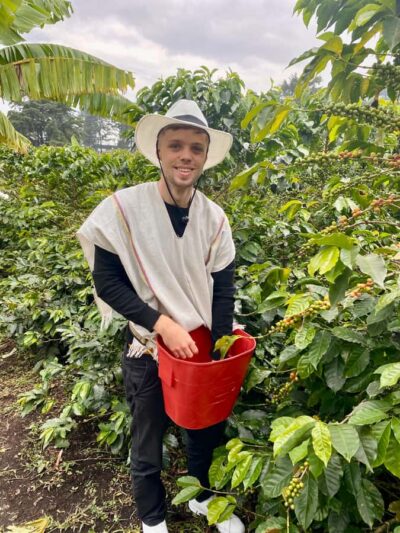
Medellín Coffee Farm Tour with Trolley and Cable Car Ride
Read our review →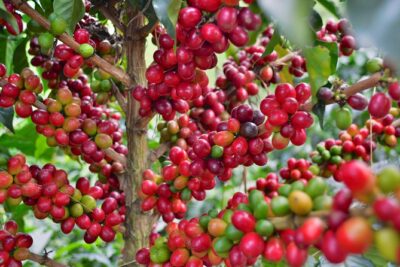
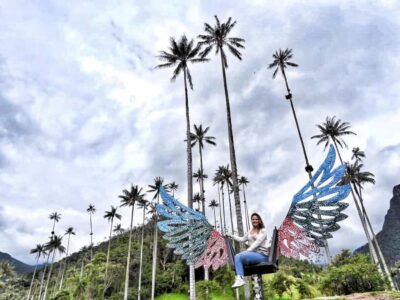
Salento: Private Cocora Valley, Salento & Coffee Farm Tour
Read our review →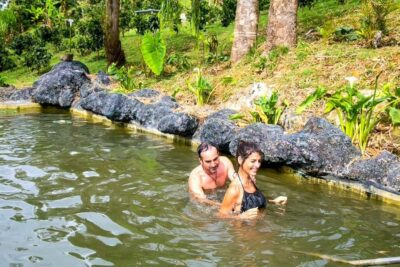
Horseback Riding Coffee Farm Tour with Coffee Spa
Read our review →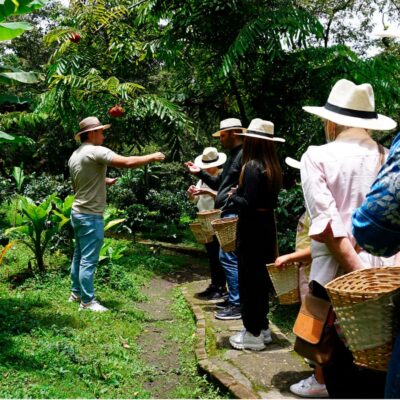
From Bogotá: Coffee Farm and Tequendama Falls Tour
Read our review →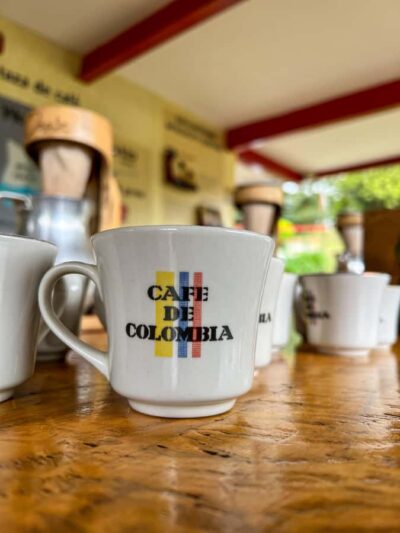
Coffee Tour at Finca El Ocaso Salento: Traditional Spanish Farm
Read our review →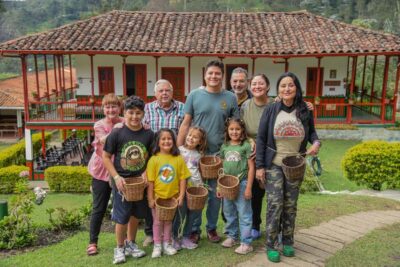
Browse the lists this tour appears in