
Review · MEXICO
Mexican Cooking Class at Hacienda Eco-Domes | Valle de Guadalupe
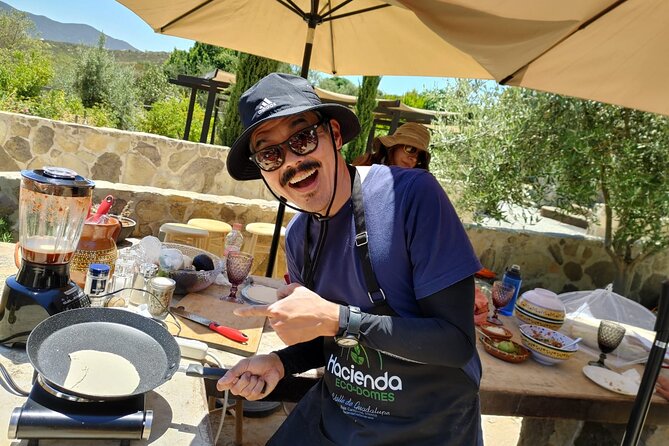
The best part of this Valle de Guadalupe experience happens before the cooking begins: you pick fresh produce from the Hacienda Eco-Dome gardens, then use it in a meal you help make. Betty teaches the cooking, while Charles shares the story of the hand-built hacienda and the care that goes into the property.
I like two things here. First, the class connects your food to the garden instead of treating cooking as a staged demonstration. Second, the small group limit of eight people gives the session a more personal feel, with time to work alongside Betty and talk with Charles. The main consideration is that the menu is focused: the featured dish is Sinaloa-style chicken enchiladas, not a long parade of separate recipes.
Key points to know before booking
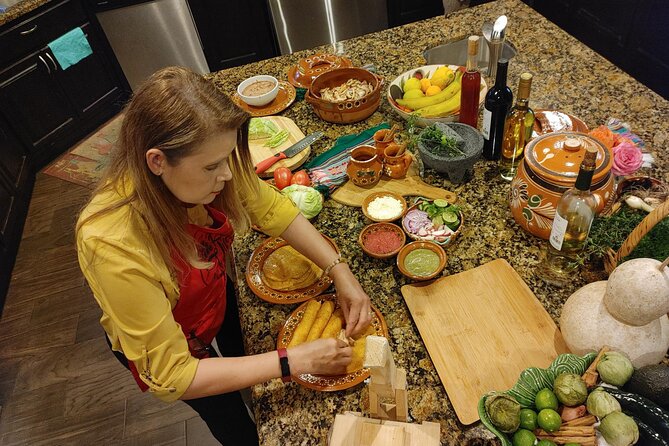
- Garden-to-table cooking: You pick fresh produce from the Hacienda Eco-Dome gardens for the meal.
- A hands-on tortilla lesson: Students make fresh tortillas using traditional Mexican techniques.
- Sinaloa-style enchiladas: The featured main dish is chicken enchiladas prepared with the tortillas you create.
- A meal at the hacienda: After cooking, you sit down for a Fiesta Brunch with the class.
- Small English-language group: The experience lasts about three hours and accepts no more than eight people.
- Hosted by Betty and Charles: Betty leads the cooking, while Charles shares how he hand-built and maintains the hacienda.
Arriving at the Hacienda Eco-Domes near Ensenada
The class begins at 10:00 a.m. in Residencial Campestre Las Lomas, at the meeting point identified by the map code X9QF+93. You return to this same point at the end, so the experience is self-contained rather than a cooking lesson followed by a separate restaurant visit.
That matters in Valle de Guadalupe, where stops can be spread out. You should plan your route carefully and arrive ready to begin at the stated time. The available details do not include transportation from Ensenada hotels, so you should not assume hotel pickup is included.
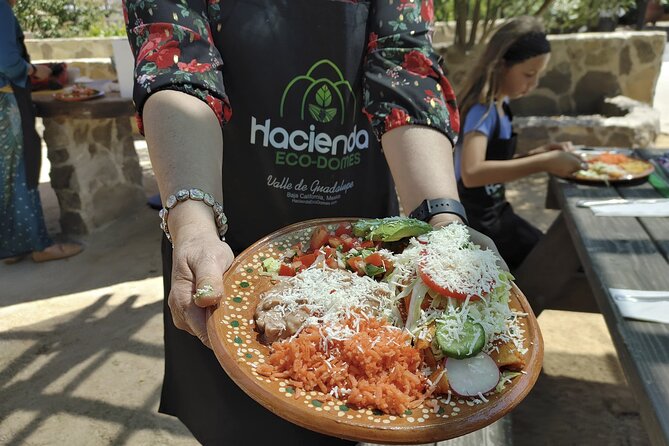
The setting is one of the main reasons to choose this class. You are not simply seated in a commercial kitchen. You cook at a modern hacienda built and cared for by Charles, with the Eco-Dome gardens providing the produce for the meal. The property gives the class a sense of place that a standard cooking studio cannot easily match.
Betty and Charles host the experience together, but they bring different parts of the story. Betty is the cooking teacher. Charles shares how he hand-built the hacienda and how he looks after it. That combination adds useful context without taking the focus away from the food.
More Farm Cooking Classes in Mexico:
- Los Cabos: Azteca Cactus Taco Farm to Table Cooking Class
★ 5.0 · 9 reviews - Half-Day Thai Cooking Class at Organic Farm in Chiang Mai
★ 5.0 · 19,087 reviews - Cooking Class and Lunch at a Tuscan Farmhouse with Local Market Tour from Florence
★ 5.0 · 4,831 reviews
Picking produce from the Eco-Dome gardens
The first major activity is choosing fresh produce from the hacienda gardens. This is a small step, but it changes how you see the meal. Instead of receiving a premeasured basket of ingredients, you begin by seeing where part of the food comes from and taking an active role in the preparation.
The garden visit also sets a relaxed pace for the morning. You have time to look around the property before moving into the kitchen work. If you enjoy food experiences that include a little gardening and conversation, this part will likely be as appealing as the recipe itself.
The available menu information does not list every ingredient or side dish, so you should not expect a full menu preview before arriving. What is clear is that fresh garden produce is part of the cooking process, and the central meal is chicken enchiladas prepared in Sinaloa style.
That focus is worth understanding before you book. This is not presented as a survey of every regional Mexican dish. It is a practical class built around one main preparation, with the garden, tortillas, and shared brunch giving the experience its broader shape.
Making tortillas with traditional Mexican techniques
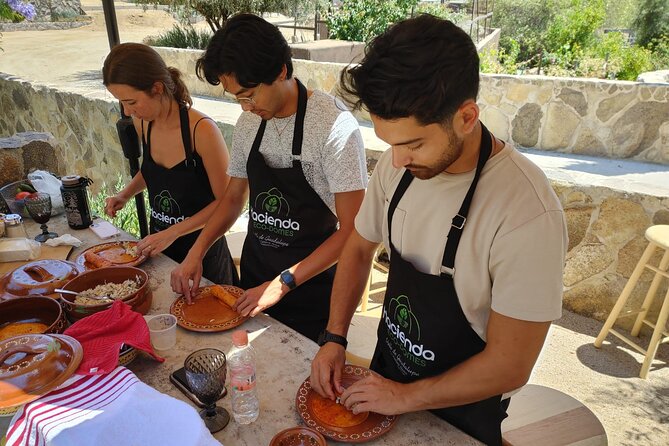
The class includes fresh tortillas made by the students. This is one of the most useful parts of the session because tortillas are not just a side item here. They become part of the main dish, so your work carries directly into the meal.
You can expect Betty to guide the group through the tortilla-making process using ancient Mexican techniques. The description does not specify the exact tools or method, so I would avoid arriving with a fixed idea about the equipment or the level of difficulty. The important point is that you do the work yourself rather than simply watching a chef prepare finished tortillas.
For many people, this will be the most hands-on portion of the class. It gives you a skill you can try again at home, even if your first tortillas are not perfectly shaped. Cooking classes are often most useful when they leave you with one repeatable technique, and fresh tortilla-making fits that role well.
The small group size helps here. With a maximum of eight people, you are less likely to feel lost in a crowd or pushed to the edge of a demonstration. You can work at the same table as the other participants and follow Betty’s guidance at a reasonable pace.
Preparing Sinaloa-style chicken enchiladas
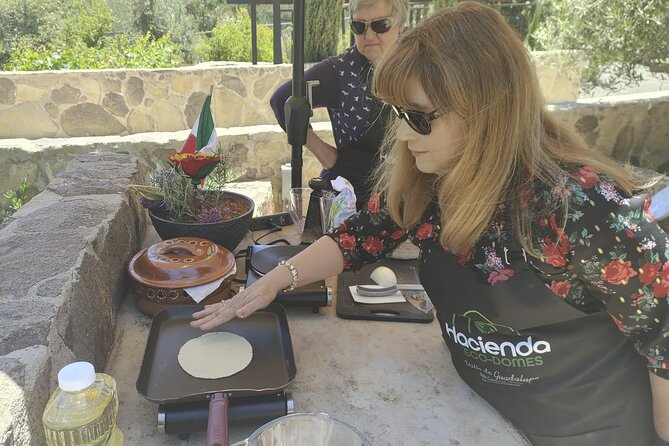
The main dish is chicken enchiladas prepared in Sinaloa style. The enchiladas use the fresh tortillas made during the class, tying the earlier lesson to the final meal.
The regional label is helpful, but the information provided does not spell out the exact sauce, fillings, garnishes, or spice level. If those details matter to you, ask Betty when you arrive. That is more useful than assuming the dish will match a recipe you have already tried elsewhere.
You should also keep your expectations centered on participation. This is not a restaurant meal where everything arrives finished. You will help create the food, work through the preparation, and then eat what the group has made. The payoff is the connection between the steps, not just the plate at the end.
The class may suit you especially well if you already enjoy Mexican food and want to understand the work behind a familiar dish. It is also a good fit if you prefer learning by doing. If you want a broad cooking curriculum with several main courses, desserts, and many separate recipes, this may feel too narrow.
More Hands-On Workshops in Mexico:
- Hands-on Mexican Farm Experience: from Cow to Cheese
★ 5.0 · 9 reviews - Cozumel: Hands-On Chocolate, Tortilla, Salsa & Honey Experience
★ 5.0 · 6 reviews - Florence Pizza or Pasta Class with Gelato Making at a Tuscan Farm
★ 5.0 · 6,801 reviews - Chiang Mai: Authentic Cooking Class with Market & Farm Visit
★ 4.9 · 4,546 reviews
Sitting down for the Fiesta Brunch
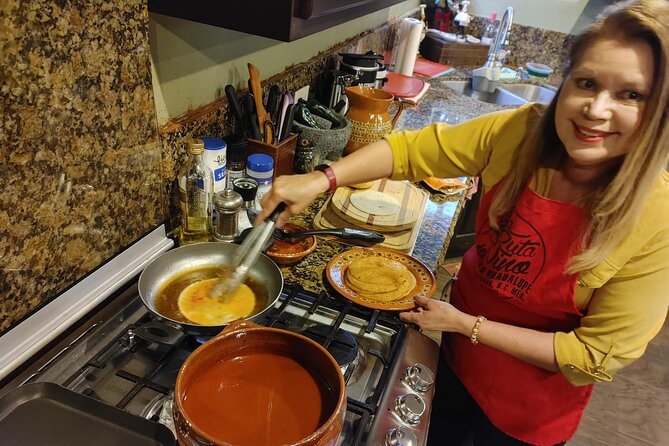
Once the cooking is finished, the group sits down for a Fiesta Brunch. This shared meal is an important part of the experience, not a minor add-on. You get to eat the enchiladas while the preparation is still fresh in your mind, and the meal gives the class a natural finish.
The brunch also gives you time to enjoy the hacienda as a social setting. The format encourages conversation with the other class members and with Betty and Charles. That makes the experience feel more like a hosted meal than a quick lesson that ends as soon as the last pan is removed from the stove.
The menu details provided name the chicken enchiladas as the main dish but do not list the brunch beverages, side dishes, or dessert. You should treat Fiesta Brunch as a shared meal built around the class menu rather than expect a detailed restaurant-style spread unless the hosts confirm one in advance.
The class runs for about three hours, including the garden visit, preparation, cooking, and meal. That is a comfortable length for this kind of activity. It is long enough to make the session feel complete, but short enough to fit into a day of exploring Valle de Guadalupe.
What Betty and Charles add to the experience
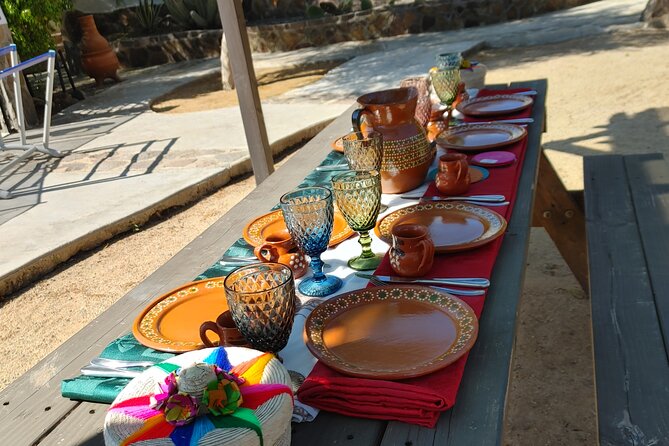
Betty’s role is central because she teaches the cooking. Her approach, as described for this experience, is personal and practical. You are not only shown a finished dish. You are guided through the process of making tortillas and preparing the enchiladas.
Charles contributes a different kind of detail. He explains how he hand-built the hacienda and how he cares for the property. That story gives you a better sense of the place you are visiting and makes the setting part of the activity rather than a decorative backdrop.
I like this division of roles. Betty keeps the class grounded in food, while Charles gives the building and grounds their human story. Together, they make the morning feel like an invitation into their home and work, rather than a generic cooking appointment.
The hosts also received especially strong praise for their hospitality. The experience has a maximum of eight people, so the atmosphere should be more intimate than a large group class. Still, the exact amount of individual instruction can depend on the group and on how much cooking experience each person brings.
Group size, language, and timing
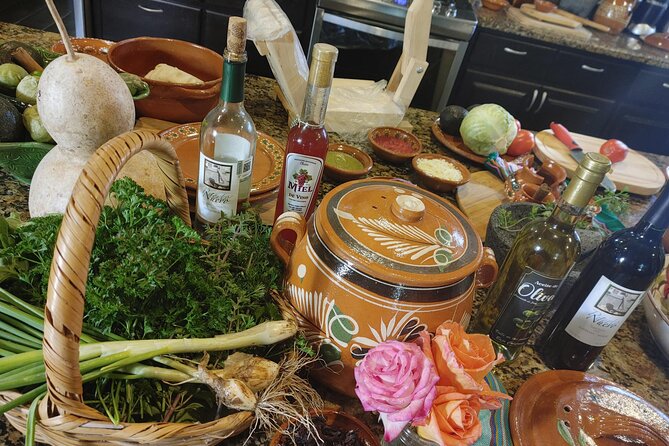
The class is offered in English. That removes a major practical concern for English-speaking visitors who want to follow cooking instructions closely. Food preparation moves quickly at times, so being able to understand the steps matters more here than it would during a simple tasting.
With no more than eight participants, you should have a better chance to see what Betty is doing and take part in the hands-on work. A small class can also make the shared brunch more comfortable, since you are sitting down with a manageable group rather than a busload of people.
The start time is 10:00 a.m., and the duration is approximately three hours. That places the finish around early afternoon, though the exact end can vary slightly with the pace of the group. If you are planning winery visits afterward, leave some breathing room rather than booking another activity too tightly.
The activity ends where it begins. Mobile tickets are accepted, and confirmation is provided at booking. Those details make the morning simple once you have reached the meeting point, but you remain responsible for getting to Residencial Campestre Las Lomas on time.
Who will enjoy this cooking class most
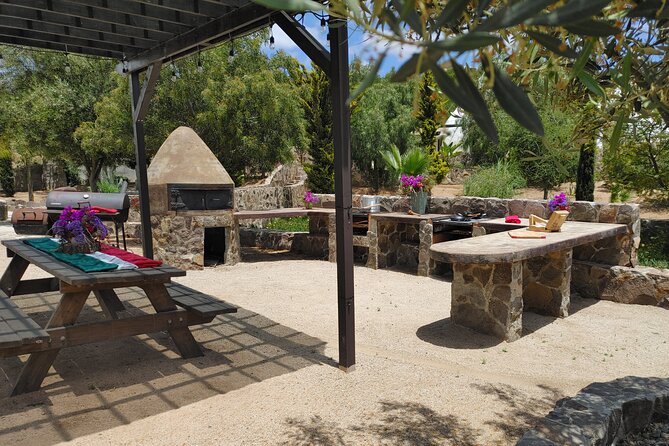
I would choose this experience if you want a food activity with a strong sense of place. The combination of garden produce, tortilla-making, a family-hosted hacienda, and a shared meal offers more connection than a class held in a standard teaching kitchen.
It should work well for couples, friends, and solo visitors who enjoy meeting people through food. The small group limit is also useful for anyone who prefers a quieter setting and wants a chance to ask questions.
Families may find it appealing as well, though the information provided does not give a minimum age or describe special arrangements for children. If you are booking with young children, confirm those details before paying.
You should think twice if you need a precise menu in advance, have strict dietary restrictions, or want a class covering several dishes. The confirmed main is chicken enchiladas, and no information is provided about substitutions, vegetarian choices, allergies, or the full Fiesta Brunch menu.
Is the experience worth the cost?
No price is provided in the available details, so I cannot judge the exact value in dollars or pesos. I can tell you what you are paying for beyond the food itself: about three hours of instruction, garden time, hands-on tortilla-making, preparation of a traditional Mexican main dish, and a shared brunch in a private hacienda setting.
That package can be good value if you would otherwise pay separately for a meal and a cultural activity. You are also receiving personal hosting from Betty and Charles, rather than only a recipe card and a seat at a table.
The value is less clear if your main goal is simply to eat enchiladas. A restaurant will be faster and may offer more menu choices. This experience makes sense when you want the process, the setting, and the chance to make the meal yourself.
Because the price is not stated here, compare the final booking cost with the class length, the included brunch, and the small group size. Also confirm whether any transportation, drinks, or extras are included if those points affect your budget.
Booking and cancellation advice
You can cancel for a full refund if you do so at least 24 hours before the 10:00 a.m. start time. Cancellations made less than 24 hours before the experience are not refunded, and changes within that same period are not accepted.
The cutoff follows local time in Mexico. I would make any schedule changes early, especially if this class is part of a larger Valle de Guadalupe itinerary. Confirmation arrives at booking, and the mobile ticket is convenient for the day itself.
FAQ
Where does the Mexican cooking class begin?
The class begins at X9QF+93 Residencial Campestre Las Lomas, Baja California, Mexico. It ends back at the same meeting point.
What time does the class start?
The start time is 10:00 a.m.
How long does the experience last?
The cooking class lasts approximately three hours.
Is the class offered in English?
Yes. The experience is offered in English.
What food will I make?
The featured main dish is Sinaloa-style chicken enchiladas. You will also make fresh tortillas using traditional Mexican techniques and use fresh produce picked from the hacienda gardens.
How many people can join the class?
The activity has a maximum of eight participants.
Should you book this Hacienda Eco-Dome cooking class?
Book it if you want to do more than order Mexican food. You will pick produce, make tortillas, prepare Sinaloa-style chicken enchiladas, and share a Fiesta Brunch at a hand-built hacienda with Betty and Charles.
I especially recommend it for food-focused visitors who value a small group and a personal setting. Skip it if you want a broad menu, a quick meal, or a fully specified itinerary with transportation and dietary options clearly listed. For the right kind of day, this is a warm, practical way to connect Valle de Guadalupe’s countryside setting with the food on your plate.
Just added around Mexico
- Farm to Table Cooking Experience in San Miguel★ 5.0 · 4 reviews
- Full-Day Ranch Adventure and Horseback Riding Tour★ 5.0 · 19 reviews
- Cenotes, Historic Haciendas & Mayan Honey Tasting in Seyé Tour★ 5.0 · 2 reviews
- Hands-on Mexican Farm Experience: from Cow to Cheese★ 5.0 · 9 reviews
- Urban Orchard in Desierto de los Leones in Mexico City★ 5.0 · 9 reviews
- Horseback Riding through Mexican Haciendas★ 5.0 · 5 reviews
- Yucatan Discovery: Motul, Hacienda, Pink Lake, Ruins & Progreso★ 4.5 · 8 reviews
- Private Tour to Uxmal & Hacienda Yunku with cenote by Yucatan Concierge★ 5.0 · 3 reviews
Mexico Farm Tours, compared.
Magical Todos Santos Tour, Camel Ranch, Lunch and Tequila
Read our review →
Finca 18 Puerto Vallarta Tequila Tour + Chocolate Pairing
Read our review →
Chapala Lake & Ajijic Tour with “Tres Potrillos Ranch”
Read our review →
Horseback, Culture & Mexican Flavors Experience
Read our review →
Hacienda Sotuta de Peon w/ Cenote & Henequen Tour
Read our review →
Querétaro: Haciendas, Vineyards, and Magical Towns Day Trip
Read our review →
A unique tour! Visiting Hacienda Casa herradura From Guadalajara
Read our review →
Motul, Hacienda, Xcambo, Pink Salt Mine & Progreso Day Trip
Read our review →Browse the lists this tour appears in