
Review · JAPAN
Matcha Green Tea Plantation and Matcha Factory Visit
Uji is to matcha what Scotland is to Scotch whisky: a place where the name carries real weight. This half-day outing takes you from Kyoto Station to an old tea plantation and factory, where you can see how leaves become fine green powder and taste premium matcha with Japanese sweets.
I like the small group size, capped at six, and the fact that transportation from Kyoto, admission, tastings, and an English-speaking guide are included. I also like the local angle: guides such as Mia and Mie add context about Japanese tea and everyday life, not just a factory tour. The main drawback is the price, $154.84 per person, which is a serious spend for about three and a half hours.
Key points to know before you book
- Uji is Japan’s matcha heartland: You visit the southern Kyoto region best known for high-quality matcha.
- The tour begins at Kyoto Station: Meet at Hotel Granvia Kyoto, then travel by train to Uji with your guide.
- You see both farming and production: The visit covers a tea plantation, a matcha factory, and the handling of a green tea mill.
- The tasting is more than a quick sip: You sample multiple matcha varieties, including very expensive matcha, with traditional Japanese sweets.
- The group is intimate: A maximum of six people makes it easier to ask questions and follow the tea-making process.
- You return to the starting point: The activity ends back at Hotel Granvia Kyoto, with morning and afternoon departures available.
Why Uji makes matcha worth the trip
Many Kyoto tea experiences happen in a teahouse or shop. This one takes you to Uji, a place closely linked with Japanese matcha production. That change of setting matters. You are not simply drinking a prepared bowl of tea. You are seeing the source, the machinery, and the people who keep the process going.
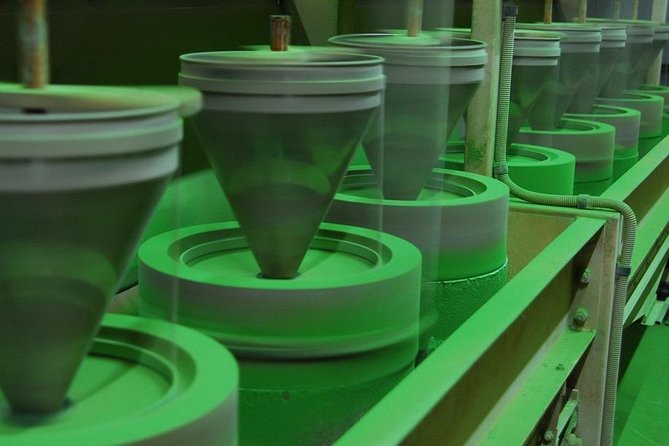
Matcha is made from tea leaves that are processed into a fine powder, rather than steeped and removed like ordinary tea leaves. The tour gives you a practical look at that process, from the small plantation crop to the factory work that turns tea into the powder used for drinking and cooking.
The cultural background adds another layer. Matcha was introduced to Japan by a Zen monk in the 12th century, and the drink remains tied to Japanese tea culture and formal tea preparation. You will hear about that tradition while also learning how to make green tea part of your own daily routine. That mix of old customs and useful modern advice makes the experience more rewarding than a simple tasting.
More Tea Plantation Tours in Japan:
- Guided Bike Tour to a Green Tea Farm in Shizuoka (not e-bikes)
★ 5.0 · 5 reviews - From Taipei: Thousand Island Lake and Pinglin Tea Plantation
★ 4.7 · 519 reviews - Active Volcano, Rice Field, Hot Spring, Fruit market, Tea Plantation with Lunch
★ 5.0 · 513 reviews
Meeting at Kyoto Station and taking the local train
Your day begins at Hotel Granvia Kyoto, located inside the JR Kyoto Station building at the central entrance. This is a practical meeting point, especially if you are already using Kyoto Station for trains, shopping, or accommodation.
From there, you travel by train to the Uji region in southern Kyoto. Transportation fees are included, so you do not need to sort out separate fares during the activity. The train ride also gives you a more everyday view of the area than a private vehicle would, and your guide remains with you as you make your way out of central Kyoto.
The meeting point is easy to identify in a huge station, but give yourself time to find the central entrance. Hotel Granvia Kyoto is part of the station complex, not a separate hotel pickup location somewhere in the city. Hotel pickup and drop-off are not included, so you need to reach the station on your own.
The journey and visit together take about three and a half hours. The detailed visit itself is listed as roughly three hours, so allow extra time for the train transfer and movement between the plantation, factory, and tea hut.
Walking through an old matcha plantation
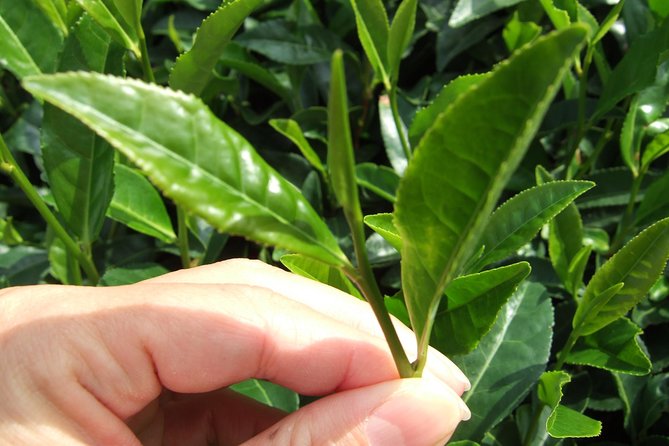
The first major stop in Uji is an established tea plantation. The crop area is described as small, which may shape your expectations. You are not entering a huge commercial estate with endless rows of tea. Instead, the value comes from seeing the plants in context and learning how tea cultivation affects the final drink.
Your guide explains the varieties of tea plants and the way matcha is grown. This is useful because the powder in your cup can make the farming stage easy to forget. Here, you can connect the bright green drink with the actual crop and understand that matcha is the result of careful growing and processing, not simply a colored tea powder.
The visit is especially suited to you if you want to understand how food is made. You can ask about the differences between tea varieties, the place of matcha in Japanese culture, and ways to use green tea at home. The small group limit should help keep the conversation personal, although the quality of the discussion will depend partly on the guide assigned to your departure.
Guides named Mia and Mie are associated with the experience. Both are described as local guides who bring broad knowledge of Japan to the outing. If you receive one of them, ask for suggestions about other places to see in Uji after the tour. The tour ends back at Kyoto Station, but the guide can help you make better use of your time in the area.
Seeing the matcha factory and green tea mill
The factory visit gives the plantation stop its practical edge. You will see how tea is manufactured and learn how the green tea mill is handled. This is the part of the experience that turns the tour from a scenic visit into a behind-the-scenes lesson.
Factory conditions can vary by operating schedule, so do not expect a large industrial show with a long line of machines. The supplied details describe an old plantation and its matcha factory, along with an explanation of the manufacturing process. Think of it as a close look at production rather than a grand visitor attraction.
I like that the experience covers both ends of the process. At the plantation, you learn about the crop and varieties. At the factory, you see how that crop becomes matcha. Then, at the tea hut, you taste the result. That order gives the tasting more meaning.
The factory is also where your guide can help explain what sets matcha apart from other Japanese green teas. You will hear about the powder, the milling process, and the different levels of quality. For anyone who buys matcha at home but is unsure what the labels mean, this part may justify much of the tour cost.
More Plantation Tours in Japan:
- Monkeyland and Plantation Safari Tour from Punta Cana
★ 5.0 · 3,805 reviews - Swamp Boat Ride and Oak Alley Plantation Tour from New Orleans
★ 5.0 · 3,303 reviews - Oak Alley Plantation Tour with Transportation from New Orleans
★ 4.5 · 1,747 reviews - Boone Hall Plantation All-Access Admission Ticket
★ 4.5 · 1,736 reviews
Tasting premium matcha with Japanese sweets
The tasting takes place at a traditional tea hut, where you try multiple varieties of matcha with Japanese sweets. One of the tasting options is described as the most expensive matcha, giving you a chance to compare a high-end tea with other varieties.
Do not expect the tasting to work like a café order. Matcha has a grassy, concentrated flavor that can be unfamiliar, especially if you usually drink black tea or lightly steeped green tea. The sweets provide a traditional partner and help balance the tea’s sharper notes.
This is also a good setting to ask how matcha should be enjoyed at home. The tour aims to show you how to incorporate green tea into your daily routine back in your own country. That practical guidance makes the tasting more useful than a one-time sample.
You can also shop for green tea and tea utensils after learning about the production process. The items may be hard to find elsewhere in Japan, though the tour does not include food or drink beyond the stated tasting and sweets, and purchases are not included in the price. Bring room in your bag if you expect to buy tea or equipment.
What the small group size changes
The maximum group size is six people. That is a major advantage for a subject like tea, where questions and conversation add much of the value. In a large bus group, a plantation visit could feel like a quick photo stop. With six or fewer people, you have a better chance to hear explanations and ask about cultivation, milling, preparation, and health claims.
The private-guide format also makes the train transfer easier. You are not trying to navigate the route alone while checking schedules and station signs. Your guide leads the way from the Kyoto meeting point to Uji and back again.
The exact guide matters. Mia and Mie are both named in connection with the experience, and the guide is central to the quality of the outing. A good guide can connect tea production with Japanese customs, answer questions clearly, and suggest nearby sights. If your main goal is an in-depth technical lesson about machinery, ask detailed questions during the booking process or at the start of the tour, since the available factory access may vary.
Is $154.84 a fair price?
At $154.84 per person, this is not a budget activity. You are paying for a small group, a private English-speaking guide, train transportation, entrance fees, the plantation and factory visit, and a matcha tasting with sweets.
The price makes the most sense if you value access and explanation. A regular visit to a tea shop may cost far less, but it will not necessarily take you to a plantation, show you the production process, or help you compare several varieties. The small group also adds value for anyone who wants personal attention.
The cost is harder to justify if you only want to drink matcha or buy tea. Kyoto has many places where you can do that on your own for less. You are paying for the connection between farm, factory, tradition, and cup.
Group discounts may be available, which could improve the value for couples, families, or friends traveling together. The activity can also be booked in the morning or afternoon, so you have some freedom to fit it around other Kyoto plans.
Who will enjoy this Uji experience most
I would choose this tour for a matcha fan, a food-curious visitor, or anyone who likes seeing how a local product is made. It suits you particularly well if you want more than a standard city sightseeing route and appreciate a guide who can explain customs in clear English.
It is also a good fit for people who do not know much about tea but want a gentle introduction. You do not need specialist knowledge to follow the plantation, factory, and tasting sequence. The guide fills in the background and shows you how to use what you learn at home.
Families and mixed-interest groups may find the short format helpful. At about three and a half hours, it does not consume a full day, and the train ride adds a local touch without requiring a complicated independent trip.
I would hesitate to recommend it if you dislike tea, have little interest in food production, or are watching your budget closely. The experience is focused. There is no broad Uji sightseeing program, and the tour ends at the Kyoto Station meeting point rather than providing hotel transport.
Timing, weather, and practical details
You can choose a morning or afternoon departure. Since the outing takes about three and a half hours, check your other plans carefully. The tour returns to the original meeting point, but you should avoid booking a tight connection or timed attraction immediately afterward.
Most people can participate, and the meeting point is near public transportation. The tour requires good weather. If poor weather causes cancellation, you will be offered another date or a full refund.
Confirmation is sent within 48 hours of booking, subject to availability. Free cancellation is available up to 24 hours before the start time for a full refund. Cancellations or changes made less than 24 hours before the start time are not accepted for a refund, and the cut-off uses local Kyoto time.
Should you book the Uji matcha plantation tour?
Book it if you want the full story of matcha, from tea plant to green powder to traditional tasting. The plantation and factory combination is the strongest feature, and the small group makes the visit feel more personal than a standard tea-shop stop.
The price is high, but the inclusions are solid. You get the train transportation, admission, guide, premium tasting, and sweets without arranging each part yourself. I would especially consider it if you are already planning a Kyoto food or culture day and want one focused outing with local guidance.
Skip it if you only want a quick matcha drink, or if $154.84 feels too steep for a short activity. For a tea lover, though, the chance to visit Uji, meet the production side of matcha, and taste several varieties in a traditional tea hut makes this a strong half-day choice.
FAQ
Where does the matcha tour start?
The tour starts at Hotel Granvia Kyoto, located at the JR Kyoto Station central entrance in the Kyoto Station building.
Where does the tour end?
The activity ends back at the original meeting point at Hotel Granvia Kyoto.
How long does the experience last?
The experience lasts approximately three hours and 30 minutes. The visit itself is described as about three hours, with time also needed for transportation.
How do you reach the tea plantation?
You travel by train from Kyoto Station to the Uji region in southern Kyoto with your guide.
Is transportation included?
Yes. Transportation fees are included in the experience price.
Is hotel pickup included?
No. Hotel pickup and drop-off are not included. You need to reach the meeting point at Kyoto Station yourself.
What is included in the tasting?
The tour includes matcha tasting and Japanese sweets. Food and drink beyond those stated inclusions are not included.
How large is the group?
The activity has a maximum of six travelers, creating a small-group experience with a private guide.
Are morning and afternoon departures available?
Yes. You can choose from flexible morning or afternoon departure times.
Can you cancel for a full refund?
Yes. You can cancel at least 24 hours before the experience start time for a full refund. Cancellations made less than 24 hours before the start time are not refunded.
Just added around Japan
- From Tokyo Mt.Fuji, Lake Kawaguchi, Makaino Farm day tour★ 5.0 · 8 reviews
- Hida Private E-Bike Tour with Premium Lunch and Farm Experience★ 5.0 · 7 reviews
- Guided Bike Tour to a Green Tea Farm in Shizuoka (not e-bikes)★ 5.0 · 5 reviews
- Hokkaido Farm Tomita Shikisai Hill Waterfall& Blue Pond Day Tour★ 3.5 · 6 reviews
- Autumn Leaves in AutumnSkiing in winterLet’s go to Hoheikyo Onsen by private car (from Sapporo)★ 4.5 · 8 reviews
- E Bike in Yuzawa Mountain Views Lake Daigenta and Rice Terraces★ 5.0 · 2 reviews
- Wasabi Farm Walking Tour & Lunch★ 4.5 · 20 reviews
- 7hr Private Wazuka True Hidden Kyoto Matcha Farm Experience★ 5.0 · 3 reviews
Japan Farm Tours, compared.

Hokkaido Lavender farm & Furano Flower Tour from Sapporo
Read our review →
Mt. Fuji Private Chartered Tour with Nature and Wasabi Farm
Read our review →
Uji and Wazuka Matcha Farm Half Day Private Guided Tour
Read our review →
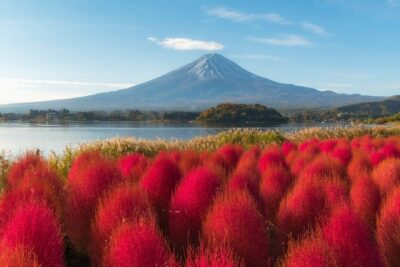
From Tokyo Mt.Fuji, Lake Kawaguchi, Makaino Farm day tour
Read our review →Browse the lists this tour appears in