
Review · ITALY
Martina Franca: Mozzarella and Pasta Workshop with Farm Tour
A warm piece of fresh mozzarella, made by your own hands, is the star of this farm-to-table workshop in Martina Franca. You visit the animals, vegetable garden, cheese factory, bakery, and an ancient church before learning how local artisans make cheese and pasta.
I like the small group size, capped at nine, and the chance to do more than watch a demonstration. I also like the farm setting, where the food lesson connects directly to animals, gardens, and everyday production. Guide Valentina was described as kind and interesting, with an approach that worked well for both children and adults.
The main drawback is mobility. The experience is not suitable for wheelchair users or people with mobility impairments, and you must arrange your own way to the farm. The tasting is also optional, so check that you select the version you want.
Key details before you book
- Mozzarella and pasta are hands-on: You do not simply tour a kitchen. You take part in making the products under an instructor’s direction.
- The farm visit comes first: Meet the animals, see sustainable practices, and walk through the vegetable garden before the workshop.
- An ancient church adds local character: The visit is not limited to food production, with guide commentary included along the way.
- The group is limited to nine people: This gives the workshop a more personal feel and makes it easier to follow the instructions.
- Tasting depends on your booking choice: Choose the option with tasting if you want to eat the products made during the session.
- Bring practical clothes: Comfortable shoes and comfortable clothing are important for walking and hands-on food work.
A farm visit with mozzarella at its center
This experience gives you a useful look at how Apulian food moves from farm to table. Instead of beginning in a restaurant or cooking school, you start at a working farmstead in Martina Franca, where animals, gardens, food production, and local tradition are tied together.
The setting matters. You can see the source of the ingredients before working with them, which gives the cheese and pasta lesson a stronger sense of place. You are not just learning a recipe detached from its surroundings. You are seeing the farm operation, hearing about its past, and then handling food made in that setting.
The session lasts about two and a half hours. That is long enough to include several stops without turning the outing into a full-day commitment. You will need to keep moving from one part of the farm to another, so this is best approached as a compact working visit rather than a slow afternoon meal.
English and Italian instruction is available. The group limit of nine is a real advantage for a practical class. With fewer people, you have a better chance to see the technique clearly, ask questions, and get direct help when the dough or cheese does not behave exactly as planned.
A few more farm days around Italy worth a look
- Florence Pizza or Pasta Class with Gelato Making at a Tuscan Farm
★ 5.0 · 6,801 reviews - Florence: Pizza or Pasta Class with Gelato at a Tuscan Farm
★ 4.9 · 1,181 reviews - Alghero Home Cooking Pasta Class at a Farmhouse with Wine
★ 5.0 · 130 reviews
Meeting the animals and seeing the vegetable garden
The visit begins at the breeding farm. Your guide introduces you to the animals and explains the sustainable practices used there. The information provided does not specify which animals you will see, so it is best to think of this as a farm introduction rather than a guaranteed encounter with a particular species.
This first stop gives useful context for the rest of the visit. You can connect the farm’s animal care and food production with the ingredients used later in the cheese workshop. That link is one of the strongest parts of the experience, especially if you are curious about how a small food producer operates.
Next comes the vegetable garden. You walk through the growing area and see another part of the farm-to-table process. The garden visit may be especially helpful for children, since it makes food production visible and concrete. Instead of hearing only about ingredients, you see where some of them begin.
The guide’s narration is important here. A farm can otherwise become a quick photo stop, but the commentary gives the visit purpose. Valentina was singled out as kind and interesting, and the experience is presented as suitable for both young people and adults. If you are booking with a family, that balance is worth noting.
The ancient church and the farmstead’s past
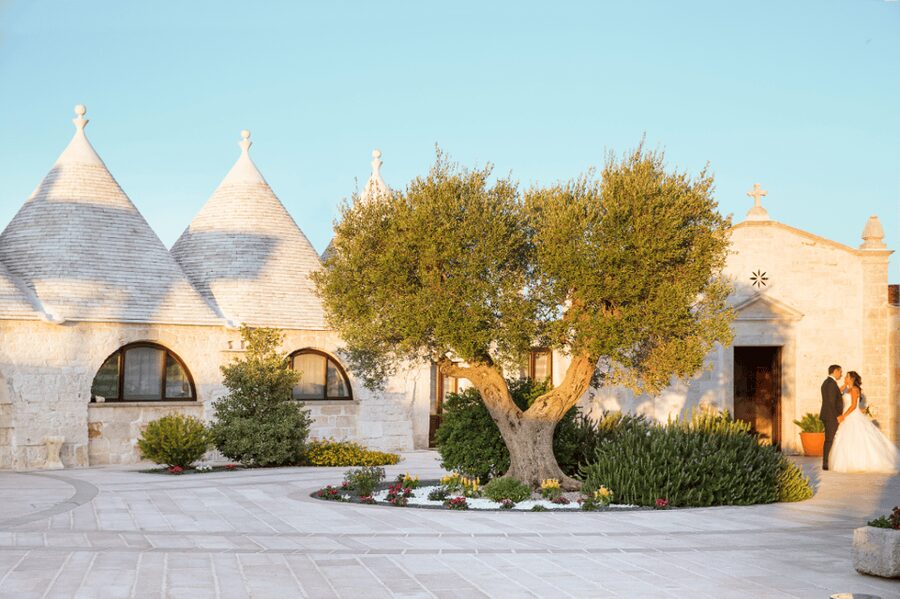
An ancient church is part of the route. This adds a cultural stop to an outing that could otherwise focus only on animals and food. The guide provides commentary on the church and the farmstead’s past, giving you a better sense of how the property developed over time.
The supplied details do not identify the church by name or provide a construction date, so you should not expect a specialist architectural tour. Think of it as a short heritage element within the farm visit. Its value is in broadening the experience beyond cooking and showing that the property has a story as well as a working purpose.
I like this mix because it keeps the workshop from feeling like a single activity repeated for two and a half hours. You get food, agriculture, and local history in one compact itinerary. If your main goal is a long, detailed church tour, this is not the right format. If you want a little cultural context alongside your meal-making lesson, it fits well.
Inside the cheese factory and bakery
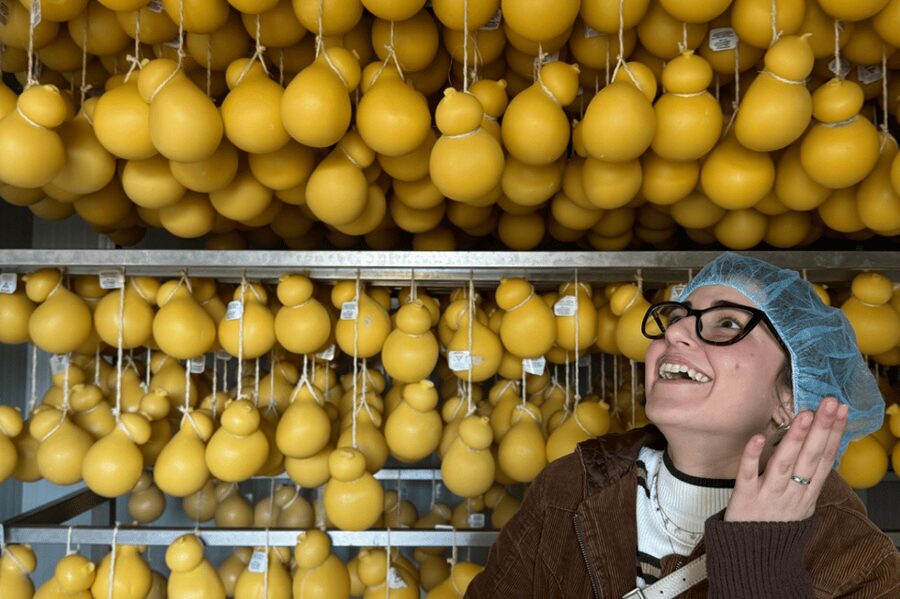
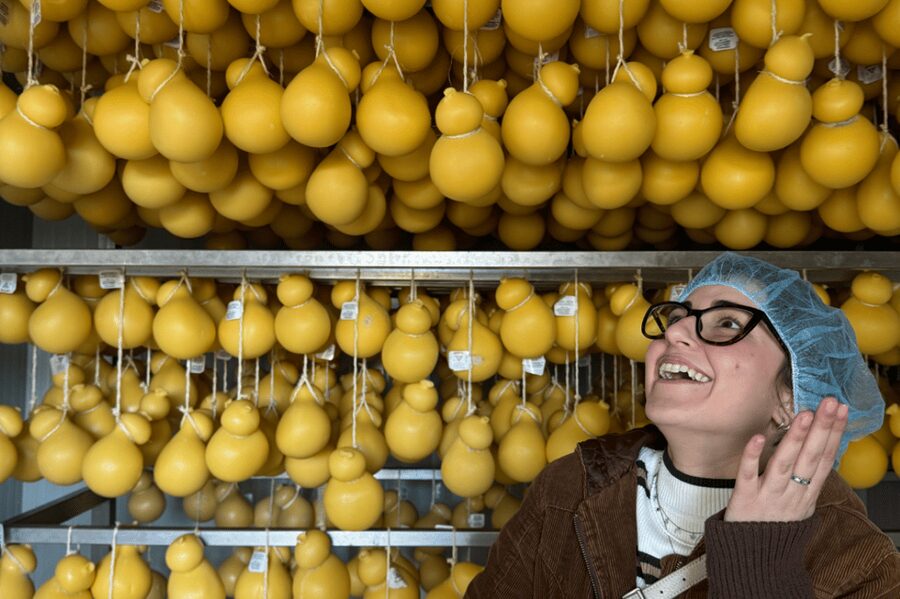
The route continues to the cheese factory and bakery. Here, local artisans explain how products are made and share some of their working methods. The details do not promise a full production-scale technical tour, so expect an introduction rather than a professional food-industry course.
Still, this stop is valuable because it connects observation with practice. You have already seen the farm and garden. Now you see the spaces where ingredients become finished food, then move into your own workshop.
The cheese factory is the natural lead-in to mozzarella making. The bakery provides a second food-making setting and helps show the wider range of work taking place at the farmstead. You will probably get the most from this section if you listen for practical details about technique and ask questions while the artisans are working.
This is also where a small group helps. A large party can make a food workshop feel like a stage show, with only the people at the front seeing what is happening. With no more than nine participants, you should have a clearer view of the process and more room to take part.
More Hands-On Workshops in Italy:
- Cooking Class and Lunch at a Tuscan Farmhouse with Local Market Tour from Florence
★ 5.0 · 4,831 reviews - Sorrento: Pizza Lesson, Wine, and Limoncello at a Local Farm
★ 5.0 · 1,513 reviews - Hands-On Cooking Class & Farmhouse Tour on the Amalfi Coast
★ 5.0 · 956 reviews - Sorrento Farm by Tuk Tuk: Cheese, Limoncello & Hands-On Pizza
★ 5.0 · 628 reviews
Making mozzarella instead of only watching
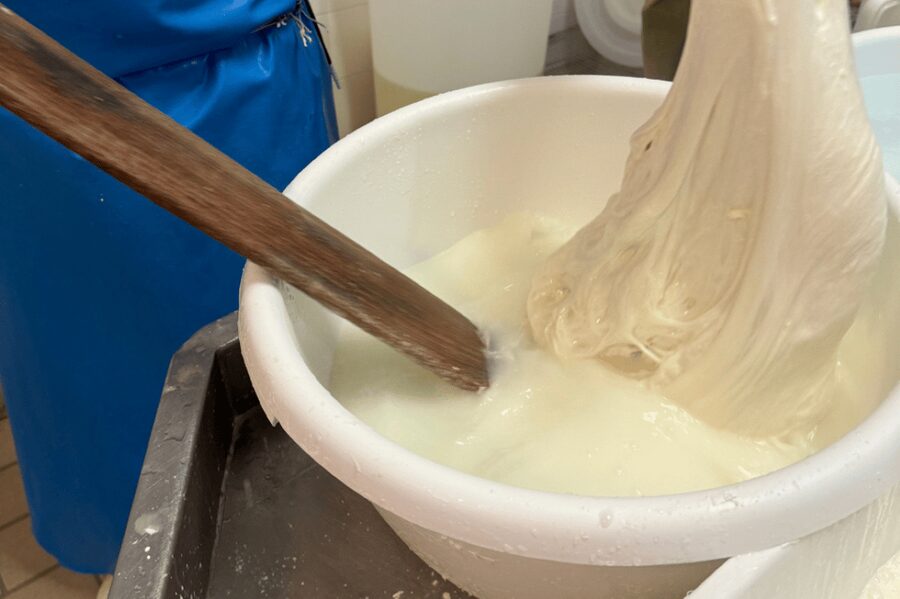
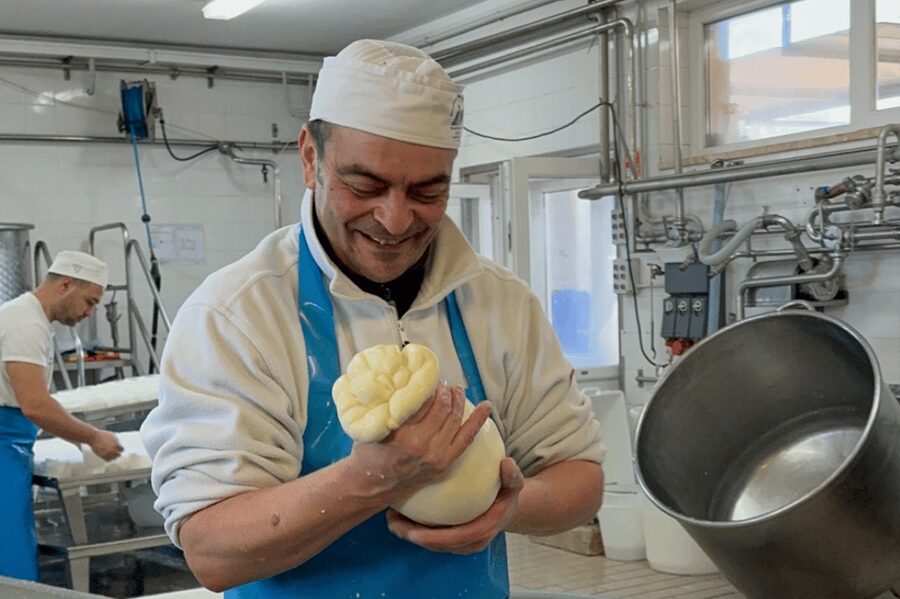
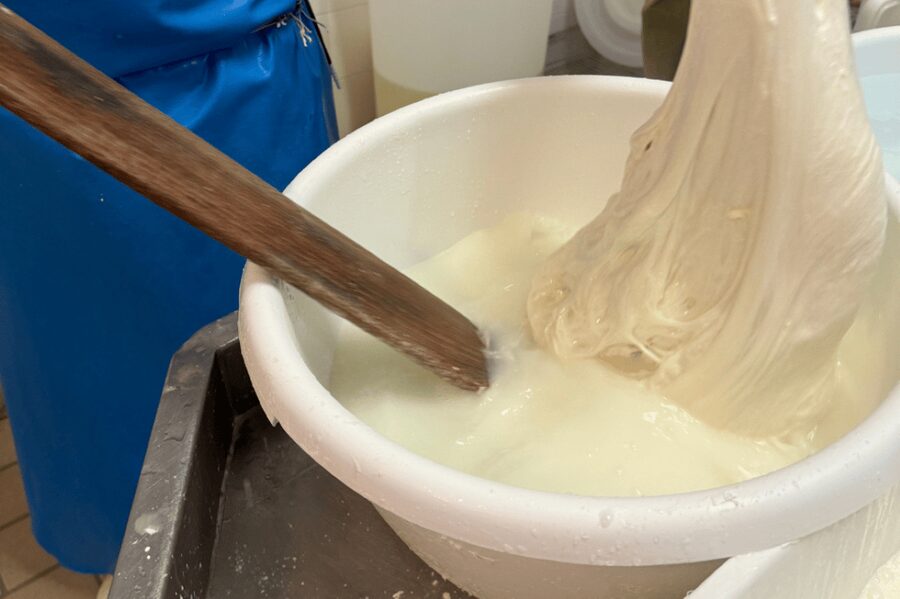
The cheese workshop is one of the main reasons to book this experience. Under the direction of an instructor, you participate in making cheese and learn traditional techniques used by local artisans.
The supplied information does not list each step or specify the exact style of mozzarella, so you should not expect a detailed recipe in advance. What you can count on is hands-on instruction and a chance to work with the process yourself.
That distinction matters. A demonstration can be entertaining, but it does not always stay with you. When you handle the cheese, follow the instructions, and see how the ingredients change, you gain a more practical understanding of the craft.
The pace should suit most beginners, since the workshop is guided. You do not need to arrive with food-making experience. Bring comfortable clothing, and do not wear anything you would worry about during hands-on work. Comfortable shoes are also advised because the activity includes walking around the farm.
If Valentina is your guide, the available feedback points to a friendly style that works across age groups. The activity was described as enjoyable for a son as well as an adult, which suggests that families can take part together rather than splitting into separate activities.
Making pasta with local guidance
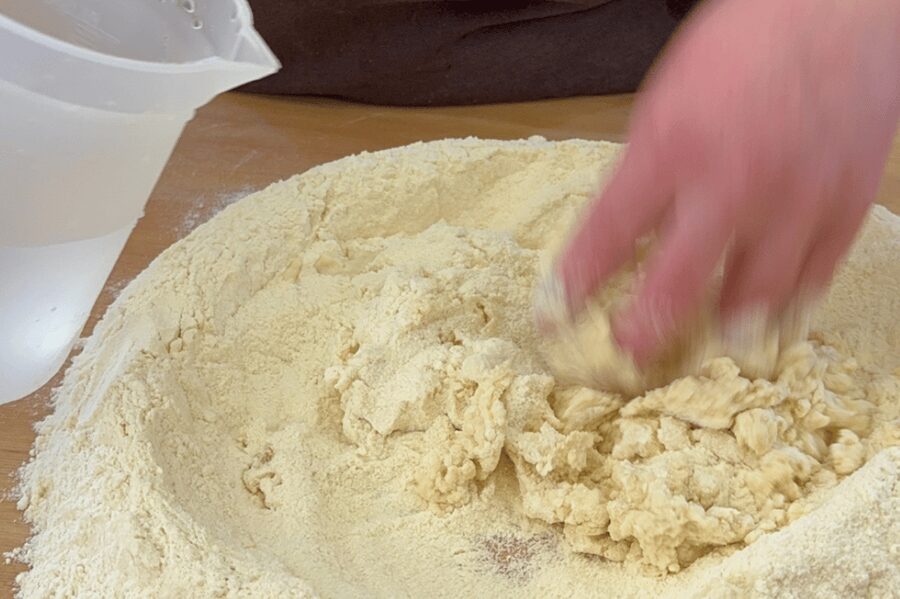
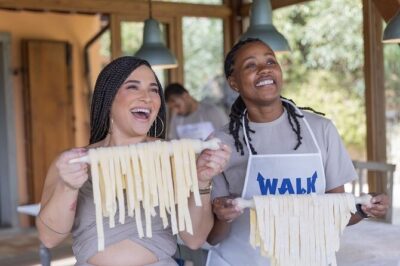
The pasta workshop adds a second practical skill and gives the visit more variety. You work under the direction of skilled instructors and learn traditional methods rather than simply receiving a plate of pasta at the end.
The available details do not name the pasta shape or provide a full ingredient list. That means you should book this for the experience of making pasta, not because you have been promised a particular regional recipe.
The pairing works well. Mozzarella teaches you about cheese production, while pasta gives you a different kind of food-making task. You can compare the two processes and get a better feel for the patience and manual work behind familiar dishes.
For children, pasta may be the easier activity to understand right away. For adults, the appeal is learning how much technique sits behind a food that often looks simple on the plate. The instructor’s role is key, especially if several participants are working at different speeds.
The optional tasting and what it changes
The tasting is not included with every booking option. If you want to eat the products made during the workshops, choose the option that specifically includes food tasting.
This is an important value decision. At $124.61 per person, the experience is not priced like a quick cooking class. You are paying for a guided farm visit, the garden and animal stops, the ancient church, the cheese factory and bakery, two workshops, and a small-group format. Adding the tasting makes the outing feel more complete, since you finish by sampling the results of your work.
If you choose the version without tasting, you still receive the farm visit and workshops, but you should not assume a meal or sampling is part of the price. Check the selected option carefully before paying.
The tasting is best understood as part of the educational experience, not just a bonus snack. You can connect what you have made with the finished food and better appreciate the work involved. Still, the supplied information does not state the exact menu, portion size, or whether additional drinks are included, so do not book it expecting a specific meal.
Is $124.61 a fair price?
The price makes the most sense for someone who values access, instruction, and a small group. You are getting more than a single mozzarella lesson. The route includes the farm, animal area, vegetable garden, ancient church, cheese factory, bakery, cheese workshop, and pasta workshop.
The value is weaker if you only want to eat fresh mozzarella or only want a short cooking demonstration. In that case, much of the itinerary may not match your priorities. The farm and cultural stops are part of what you are paying for.
The small group limit also helps justify the price. A class for nine people can offer more direct contact with the instructor than a large commercial session. You should have a better chance to follow the work and take part, though the exact amount of personal attention will depend on the group and the pace of the class.
The tasting option matters when comparing prices. Since tasting is not automatic, compare the total price of the exact version you want, rather than assuming every participant receives the same package.
Timing, transport, and practical comfort
The activity takes two and a half hours, with starting times available according to the selected date. You must arrange your own transfer to the tour location. The information provided does not include a transfer service, meeting point details, or transport from Martina Franca, so check the booking instructions carefully before setting out.
Wear comfortable shoes because the route includes the farm and garden. Comfortable clothes are also recommended for the workshops. You are likely to get more out of the visit if you arrive ready to walk and work, rather than dressed for a formal meal.
Alcohol and drugs are not allowed. That rule is straightforward and should not affect most visitors, but it is worth knowing before you arrive.
The experience is not suitable for wheelchair users or people with mobility impairments. The operator says it will do its best to accommodate special needs, but that is not the same as confirming full access. Contact the provided phone number before booking if you have reduced mobility or another access concern.
Cancellation is flexible up to 24 hours before the start time, when a full refund is available. You can also reserve now and pay later, which helps if your Apulia plans are still shifting.
Who will enjoy this Martina Franca workshop?
I would recommend this experience to you if you enjoy local food, working with your hands, and seeing how a rural producer operates. It suits couples, families, and small groups who want more than a standard restaurant meal.
It is particularly good for families with children who can manage a farm walk and follow workshop instructions. The available feedback describes the experience as suitable for young and old, and Valentina’s kind, engaging approach was praised.
You should also consider it if you are staying in or around Martina Franca and want an activity that connects food with the local countryside. The farm setting, garden, church, and production areas give the workshop a wider purpose.
I would be more cautious if you have serious mobility limits, dislike practical activities, or want a highly technical cheese-making course. The experience is compact and guided, not a professional certification class. It also requires independent transport to the farm.
Should you book this farm tour?
Book it if you want a small-group, hands-on food experience that explains the farm behind the meal. The combination of animals, garden, church, cheese factory, bakery, mozzarella, and pasta gives you a fuller picture than a stand-alone cooking class.
Choose the tasting option if eating the products you make is important to you. Before booking, confirm the meeting location, transport plan, start time, and accessibility needs. At $124.61, the price is fair for the wide range of included stops and the group limit, but only if you value the complete farm visit rather than just the cooking lesson.
FAQ
How long does the Martina Franca farm experience last?
The experience lasts two and a half hours. Starting times vary, so check availability for your chosen date.
What languages are available?
The experience is offered in Italian and English.
How many people are in the group?
The group is limited to nine participants.
Is food tasting included?
Tasting depends on the option you book. Select the version that includes tasting if you want to sample the products made during the workshops.
What activities are included?
The experience includes a farm and vegetable garden visit, an ancient church visit, a cheese factory tour, a cheese-making workshop, and a pasta-making workshop.
Is transportation to the farm included?
No. You must arrange your own transfer to the tour location.
What should I wear or bring?
Bring comfortable shoes and comfortable clothing. The visit includes walking and hands-on food workshops.
Is the experience suitable for wheelchair users?
The experience is listed as not suitable for wheelchair users or people with mobility impairments. If you have access needs, contact the provided phone number before booking to discuss possible arrangements.
Can I cancel the booking?
You can cancel up to 24 hours in advance for a full refund. The reserve-now, pay-later option is also available.
Just added around Italy
- Traditional Farmhouse Cooking Experience in Lucca with Lunch or Dinner★ 5.0 · 34 reviews
- Farm-to-table Food Experience★ 5.0 · 23 reviews
- La Maliosa Farm Experience & Wine Tasting★ 4.5 · 29 reviews
- Sorrento: Authentic Lemon Experience at a Farm with Tastings★ 5.0 · 6 reviews
- Sorrento Half-Day Farm Experience: Pizza, Cheese Making and Wine★ 5.0 · 17 reviews
- Marì Cooking Class in a Family Farm with Amalfi Coast view★ 5.0 · 11 reviews
- Amalfi Coast & Sorrento Cooking Class School at Farmhouse★ 5.0 · 25 reviews
- Paestum and Buffalo Farm Day Tour from Sorrento★ 5.0 · 3 reviews
Italy Farm Tours, compared.
Florence Pizza or Pasta Class with Gelato Making at a Tuscan Farm
Read our review →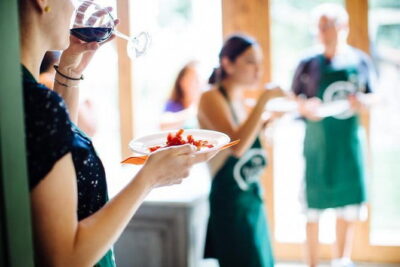
Cooking Class and Lunch at a Tuscan Farmhouse with Local Market Tour from Florence
Read our review →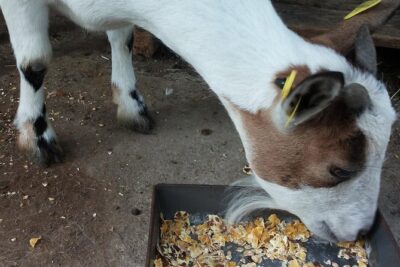
Sorrento Farm and Food Experience including Olive Oil, Limoncello, Wine tasting
Read our review →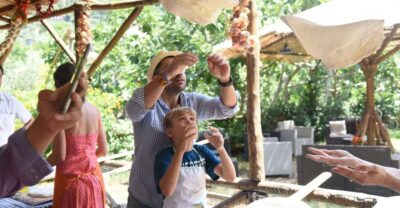
Pizza Lesson, Wine, and Limoncello at a Local Farm
Read our review →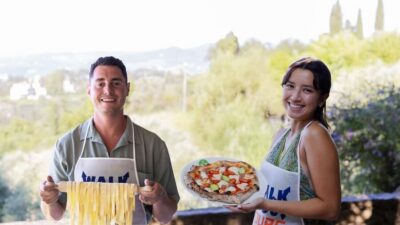
Pizza or Pasta Class with Gelato at a Tuscan Farm
Read our review →
Hands-On Cooking Class & Farmhouse Tour on the Amalfi Coast
Read our review →
Pizza School with Wine and Limoncello Tasting in a Local Farm
Read our review →
Authentic Farm Tour with Pizza, Cheese, Wine & Limoncello Tasting
Read our review →Browse the lists this tour appears in