Review · USA
Lancaster: Amish Experience Visit-in-Person Tour 3 Stops
The heart of this Lancaster tour is simple: you leave the usual tourist stops and visit real Amish homes and workplaces. Over three hours, you may watch a farmer milk goats, see a leatherworker make horse harnesses, and sit down for an open conversation with an Amish family.
I like the small groups, capped at 14, and the fact that more than 30 Amish households take part. I also like the unscripted format. Guides such as Kent, Dana, and Jim help explain what you are seeing, but the Amish hosts answer your questions in their own homes and shops. The main thing to consider is that the three stops change from day to day, and one recent guest expected three farms but received one farm and two home visits.
Key points to know
- Three changing Amish properties: The tour visits a farm, a craft workplace, and a family home, though the exact households and order vary.
- Direct conversation: You can ask Amish hosts about their work, family life, traditions, and daily routines.
- Small groups: Transportation carries no more than 14 people, making questions and conversation easier.
- Practical farm details: One visit included goat milking, milk processing for household use, and goat milk soap made from excess milk.
- Traditional craftsmanship: A leatherworker demonstrated how he makes horse harnesses, bags, belts, log carriers, and other goods.
- Plan around the timing: Some departures run from 5 to 8 p.m., which can make dinner planning awkward.
Three Amish stops, each with a different purpose
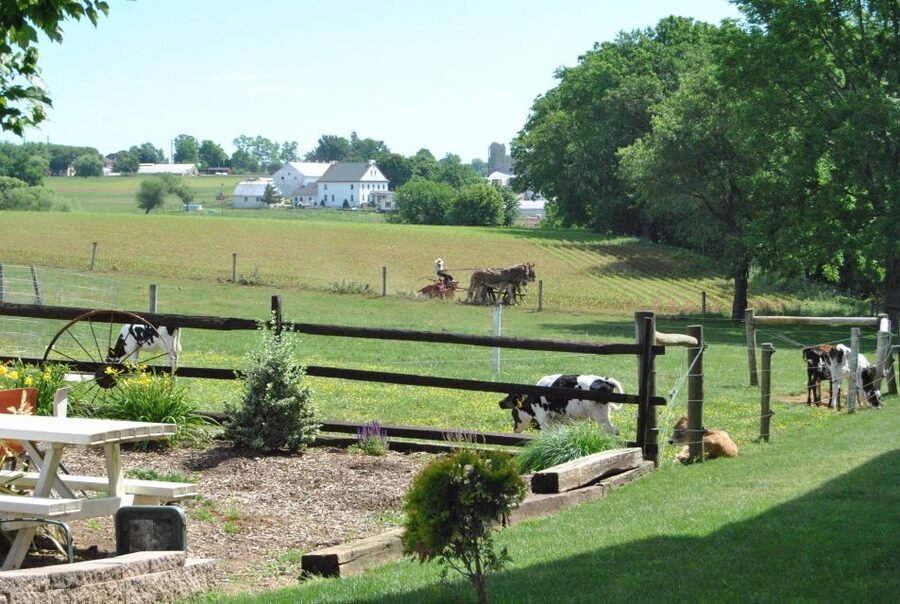
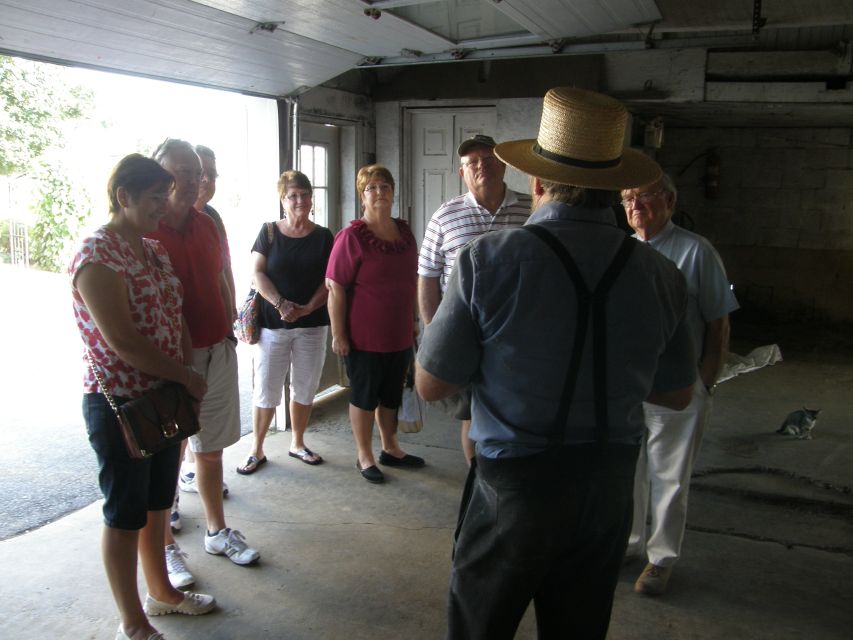
This is not a drive past farms with a guide pointing out barns from a bus. Your driver and guide take you to three working Amish properties that are not normally open to the public.
The exact stops are not fixed. More than 30 Amish households participate, so one day may bring you to a dairy or goat farm, while another may include a different farm or craft shop. That rotation helps keep the visits personal, but it also means you should not book the tour expecting a particular family or exact set of demonstrations.
The three-stop format usually gives you three kinds of contact:
- A working farm, where you may see animals being milked or learn how a family handles food and farm work
- A craft business, where an Amish maker explains how useful goods are produced
- A home visit, where you can ask broader questions about Amish customs and family life
The guide handles transportation and keeps the visit moving, while the hosts provide the personal details. That division works well. You get context before arriving, then have time to listen and ask questions without a large crowd pressing in.
Other farm visits people book around the USA:
- Swamp Boat Ride and Oak Alley Plantation Tour from New Orleans
★ 5.0 · 3,303 reviews - Maui Pineapple Farm Tour in Haliimaile
★ 5.0 · 2,855 reviews - Half-Day Thoroughbred Horse Farm Tour in Kentucky
★ 5.0 · 1,924 reviews
The farm visit: work you can see up close
The farm stop gives the tour its most hands-on feel. One recent visit included a family milking goats, with Sam and his two children showing how they processed the milk for their own use.
That sort of detail is more useful than a general talk about farming. You see that the work is not presented as a staged demonstration built only for visitors. The family explained how excess milk could be used to make goat milk soap, linking animal care, household use, and small-scale production in one stop.
You might visit a dairy farm, a goat farm, or another participating property. The information provided does not promise the same animals or activity each time, so keep your expectations flexible. The value is in seeing how the household works that day, not in checking off a fixed show.
This stop is a good fit for families and anyone curious about food production. Children can connect quickly with the animals, while adults may appreciate the practical questions about milking, processing, and household needs.
Do remember that this is an active farm, not a polished attraction. Conditions may be basic, and the visit may focus more on conversation and observation than on a formal presentation. That is part of the point, but it may not suit you if you want a tightly scripted demonstration.
The craft stop: useful goods made by hand
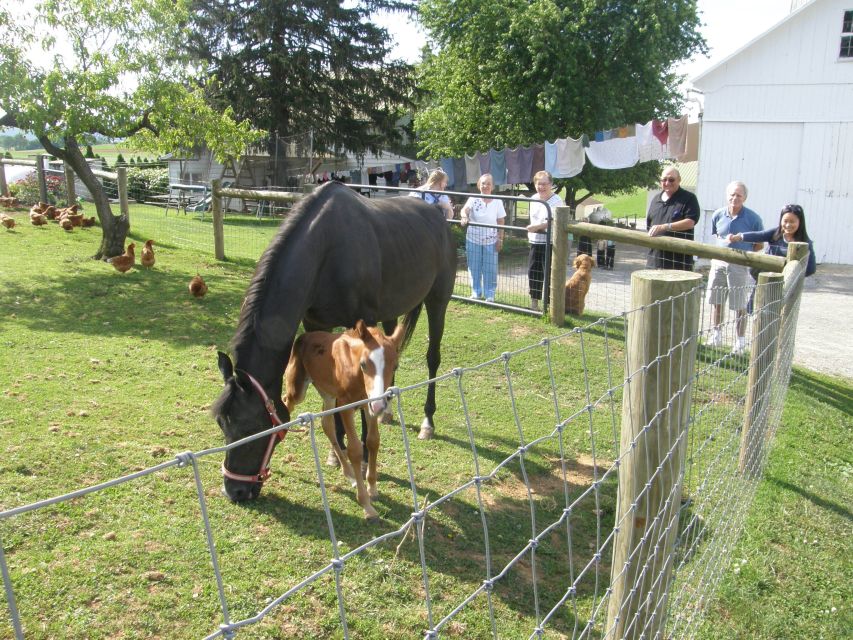
The craft visit shows a different side of Amish life. One especially detailed example involved a leatherworker who makes harnesses for horses, along with leather bags, belts, log carriers, and other items.
The craft has a clear purpose. A horse harness is not a decorative souvenir. It is working equipment, and seeing how it is made helps explain the role of horses in Amish transportation and farm work. You may also see how the same skill can produce household or personal goods.
The leatherworker’s granddaughter also sold items she made, including products with sleigh bells. That family connection gave the stop an extra layer. You are not only watching a person make an object; you are seeing how a household can pass a useful skill between generations and turn it into a small business.
The exact craft can vary. The experience description says you will learn from an Amish craftsman how the community makes products, but it does not guarantee leatherwork at every departure. You might find another type of workshop among the participating families.
For me, this stop matters because it keeps the tour from becoming only a conversation about beliefs or customs. You see work in progress. You learn what a finished product is for, how it is made, and how the work fits into family life.
The home visit: ask the questions you cannot answer from a bus
The home visit is where the tour becomes most personal. An Amish family welcomes you inside and talks about its way of life. The discussion is not scripted, so the questions can move in several directions.
You may ask about traditions, daily routines, family roles, work, or other topics that come up naturally. The hosts are described as welcoming to people from around the world and willing to share their lives. That does not mean you should treat the visit like an interview with unlimited access. Good manners matter. Listen carefully, ask respectfully, and let the conversation develop.
One home visit included Sally Ann speaking openly about Amish ways and traditions, while her husband made swings and playground equipment. That pairing shows how varied the work within one family can be. The visit also reminds you that Amish life is not just farm work. Families may earn money through skilled trades, manufacturing, or other home-based businesses.
The open format is a major strength. A prepared talk can give you a list of facts, but a free discussion lets you follow up on what interests you. If you are curious about a point the guide raises, you can ask the host directly.
There is also a tradeoff. Since the conversation changes with each group, one visit may spend more time on farm work, another on family traditions, and another on business. If you prefer a standard program with the same content every time, this tour may feel less predictable.
Same fields, a different sort of day out:
- Oak Alley Plantation Tour with Transportation from New Orleans
★ 4.5 · 1,747 reviews - Boone Hall Plantation All-Access Admission Ticket
★ 4.5 · 1,736 reviews - Oahu: Kualoa Ranch Movie Sites and Ranch Tour
★ 4.5 · 1,655 reviews - Oahu: Kualoa Ranch UTV Raptor Tour
★ 4.5 · 1,569 reviews
Why the small group size matters
Groups are limited to 14 people, and sometimes the number is much smaller. One tour had only three participants, which allowed a relaxed pace and plenty of room for questions.
A small group matters here more than it would on a standard sightseeing drive. You are entering private homes and workplaces. A busload of people would make conversation harder and could change the mood of the visit. With fewer people, you can hear the host, ask a follow-up, and avoid crowding the family.
The group size can still vary. The maximum is 14, not a promise of a private tour. If you want the best chance of a quiet visit, ask about the expected group size when you book, though the supplied information does not guarantee a particular number.
The guide also makes a difference. Kent received praise for knowing the local Amish community and providing plenty of information. Dana was described as eager to answer questions, and Jim was singled out as a great guide. The guide is both driver and facilitator, so a calm, well-informed person can help the three hours feel organized without taking over the conversations.
Getting there and managing the three-hour schedule
You check in at the Amish Experience Theater box office. Transportation to and from that building is included, so you do not need to arrange your own route between the three properties.
The tour lasts three hours. That is long enough to visit several places, but short enough to fit into a day in Lancaster if you plan carefully. You should use the restroom before boarding. There is no guaranteed restroom stop during the tour, and the route visits private properties rather than a standard attraction with facilities for visitors.
Some departures may run from 5 to 8 p.m. That timing can be pleasant if you want an afternoon activity, but it can make dinner planning difficult. One guest found it hard to schedule dinner after the tour. Check the available start time before booking, especially if you have a fixed evening reservation.
The English-speaking guide stays with the group throughout the outing. Since the tour includes transportation, you can focus on the visits rather than navigation. Still, the departure point is specific, so allow enough time to check in at the theater box office.
What the $59 price really covers
At $59 per person, this tour is priced above a basic bus ride but includes more than transportation. You are paying for a three-hour guided visit, a small group capped at 14, transport to three properties, and access to Amish households that are not normally open to the public.
The strongest value comes from the direct access. A general Lancaster sightseeing trip can show you farms, roads, and buildings from outside. This experience lets you ask questions inside a home, watch a working process, and speak with people who live and work in the community.
The value is less clear if you want a fixed list of attractions. You cannot guarantee that you will visit a particular farm, craftsman, or family. One person expected three farm visits and felt disappointed after receiving one farm and two home visits. The experience description actually points to a mix of farms, homes, and craft properties, so read the format carefully before you reserve.
I would consider $59 fair if your main goal is conversation and contact with local people. It is a weaker choice if you mainly want a commercial farm tour, a shopping stop, or a predictable craft demonstration. The changing stops are part of the experience, not a flaw to ignore.
How to approach the Amish hosts respectfully
The tour gives you an unusual level of access, so your behavior matters. The hosts are welcoming, but you are still visiting private homes and working properties.
Ask questions rather than making assumptions. Let the family explain its routines and beliefs in its own terms. The unscripted format works best when you listen as much as you speak.
The supplied information does not set out a photography policy, so ask your guide or host before taking pictures. That is especially important inside a home or around family members. You should also avoid treating the visit as a shopping obligation. At some craft stops, family members may sell items, but the main point is learning how the work is done.
The guide can help with etiquette and context. If you are unsure about a custom or appropriate question, ask the guide first.
Who will get the most from this tour
I would choose this tour if you want a personal look at Amish life and prefer conversation to a formal show. It suits curious adults, families, and anyone interested in farming, traditional crafts, or community life.
It is also a good choice if you have already seen Lancaster’s main attractions and want something less packaged. The three stops add variety, and the changing households mean the experience can feel different from one departure to the next.
You may want another activity if you need guaranteed accessibility details, regular restroom stops, or a strict timetable. The supplied information does not provide accessibility specifications, and the route has no guaranteed restroom stop. You should confirm any specific needs before booking.
The tour can also disappoint you if your expectations are too narrow. Do not reserve it assuming you will visit three farms, see a particular craft, or meet one named family. Reserve it for the chance to visit three participating Amish properties, with the exact mix changing each day.
Should you book the Lancaster Amish Experience?
Book it if you want direct conversation, a small group, and a look at real work inside Amish homes and businesses. The farm visit, craft demonstration, and home discussion give you three useful angles on community life, while guides such as Kent, Dana, and Jim help connect the stops.
Think twice if you need a fixed itinerary or a guaranteed three-farm program. Check the departure time, use the restroom before boarding, and plan dinner around the possible 5 to 8 p.m. schedule. For $59, I find the experience worthwhile when personal access matters more to you than a polished, predictable attraction.
FAQ
Where does the tour meet?
You check in at the Amish Experience Theater box office.
How long does the tour last?
The tour lasts three hours.
How many people can be in each group?
Groups include no more than 14 people.
What types of places does the tour visit?
The tour visits three real Amish properties. Stops can include an Amish home, a working farm, and a craft business, with the exact households changing from day to day.
Can I speak directly with Amish community members?
Yes. The tour gives you opportunities to ask questions directly to Amish hosts at the participating properties.
Is transportation included?
Yes. Transportation to and from the Amish Experience Theater building is included.
Is there a restroom stop during the tour?
There is no guaranteed restroom stop along the route. You can use the restroom before boarding the bus.
Can I cancel the booking?
You can cancel up to 24 hours in advance for a full refund. A reserve-now, pay-later option is also available.
Just added around the USA
- Connect with Rescue Animals on a Private Farm Tour in Catskills★ 5.0 · 27 reviews
- Cozy Farm Experience with Wagon Wheels and Acoustic Meal★ 5.0 · 2 reviews
- Farm Tour at Clover Brooke Llama/Alpaca/Goat Farm★ 4.5 · 6 reviews
- Gourmet Mushroom Farm Tour in Tennessee★ 5.0 · 5 reviews
- Farms, Flights: Finger Lakes Brewery Tour★ 4.5 · 25 reviews
- Horse Country Estate and Vineyard Wine Tasting Tour★ 5.0 · 2 reviews
- Scottsdale Horseback Riding and Horse Country Estate Tour★ 5.0 · 2 reviews
- Scenic Scottsdale E-Bike Tour – 2 Hours★ 5.0 · 47 reviews
USA Farm Tours, compared.

Swamp Boat Ride and Oak Alley Plantation Tour from New Orleans
Read our review →
Half-Day Thoroughbred Horse Farm Tour in Kentucky
Read our review →
Oak Alley Plantation Tour with Transportation from New Orleans
Read our review →
Boone Hall Plantation All-Access Admission Ticket
Read our review →