Review · USA
Kona: Hawaiian Salt Farm Tour
Kona’s salt farm turns deep ocean water into hand-harvested Hawaiian salt, right on a seven-acre oceanfront property. I like the clear connection between science and place: the farm’s volcanic coast provides access to mineral-rich water, while the salt-making process gives you a practical look at local industry. I also like the tasting at the end, especially since it includes flavored and smoked varieties rather than just plain salt.
The main drawback is the short 45-minute length. You get a useful introduction, but not a long farm visit or a full meal. The open coastal setting can also mean heat and sun, so bring water, sun protection, and sensible shoes.
Key points to know before you go
- Deep ocean water is the star: Learn why this farm pumps water from far below the surface instead of relying only on ordinary seawater.
- Hawaii Island’s only working salt farm: The visit gives you a look at a real production site, not just a retail shop.
- Tasting is included: Sample flavored and smoked salts, then try the farm’s deep ocean magnesium mineral water.
- The guide shapes the experience: Guides such as Ipo and Ipalani have explained the salt process alongside Hawaiian culture, geography, ecology, and local history.
- The tour is easy to fit into a Kona day: At 45 minutes, it works well before or after other West Hawaii stops.
- A foot soak may be available separately: Some visitors have added one after the tour, but it is not part of the $25 admission.
Why a Kona salt farm is worth your time
Kona has no shortage of ocean views, coffee farms, beaches, and sunset stops. The Hawaiian Salt Farm Tour gives you something different: a working food operation built around the unusual qualities of Hawaii Island’s coast.
The farm is described as the only place in the world harvesting salt from deep ocean water. That claim gives the visit its hook, but the real value is learning how the process works. You are not simply looking at bags of salt in a shop. You are tracing the product from its water source through evaporation, drying, harvesting, flavoring, and tasting.
I especially like that the experience connects several subjects at once. You hear about ocean currents, volcanic geology, minerals, solar power, ecology, and Hawaiian cultural history. The tour can appeal to food lovers, but you do not need a special interest in cooking to enjoy it.
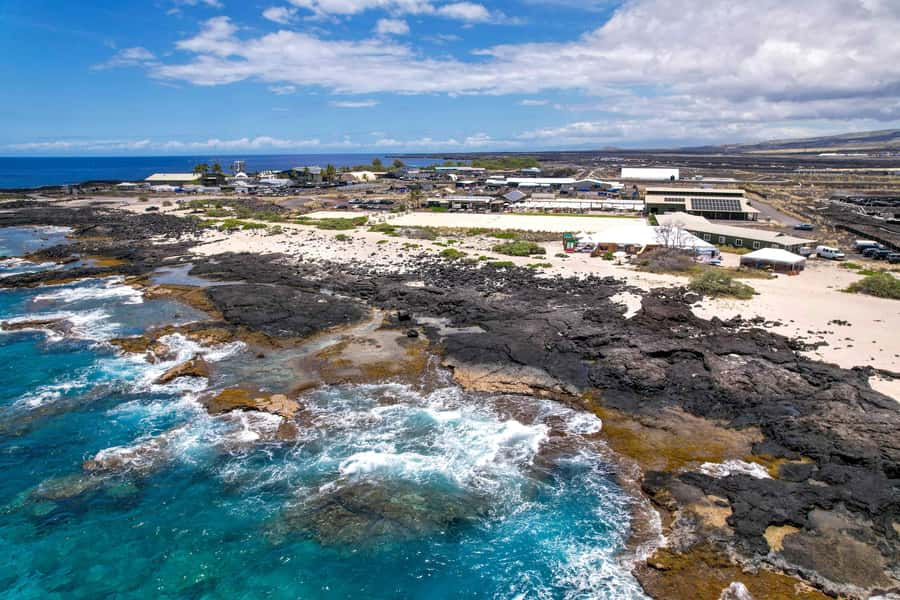
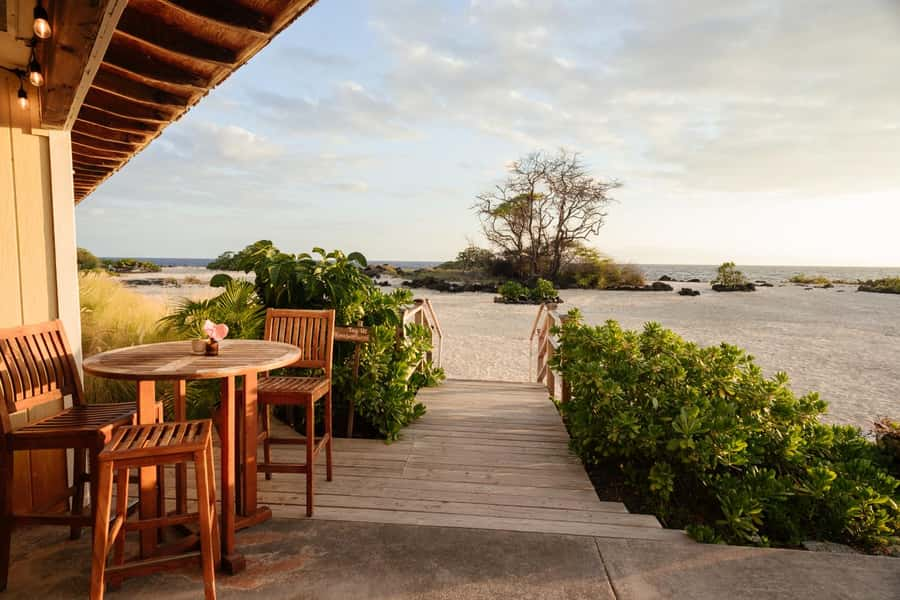
The setting adds plenty. The seven-acre property sits beside the ocean, with turquoise water and waves providing a striking backdrop. On clear days, the coast may be as memorable as the salt itself. One visitor even had a whale sighting during the tour, though that is a lucky seasonal bonus, not something to expect on every visit.
A few more farm days around the USA worth a look
- Swamp Boat Ride and Oak Alley Plantation Tour from New Orleans
★ 5.0 · 3,303 reviews - Maui Pineapple Farm Tour in Haliimaile
★ 5.0 · 2,855 reviews - Half-Day Thoroughbred Horse Farm Tour in Kentucky
★ 5.0 · 1,924 reviews
Arriving at the seven-acre oceanfront farm
The meeting point is the Kona Sea Salt Farm driveway. Enter the property and check in at the office. If you use a map app, the listed coordinates are 19.7262318, -156.0586245.
Your Salt Farm Manager meets you at the property and begins the guided visit from there. Since the tour is only 45 minutes, plan to arrive ready to start rather than treating it like a long, open-ended farm visit.
The coastal location is part of the appeal, but it also means you should dress for outdoor conditions. Sun protection is sensible, and comfortable footwear will make the walking easier. One person specifically found the pace gentle enough for someone using a cane, but the tour still takes place around an active farm, so ask the guide if you need help with the route.
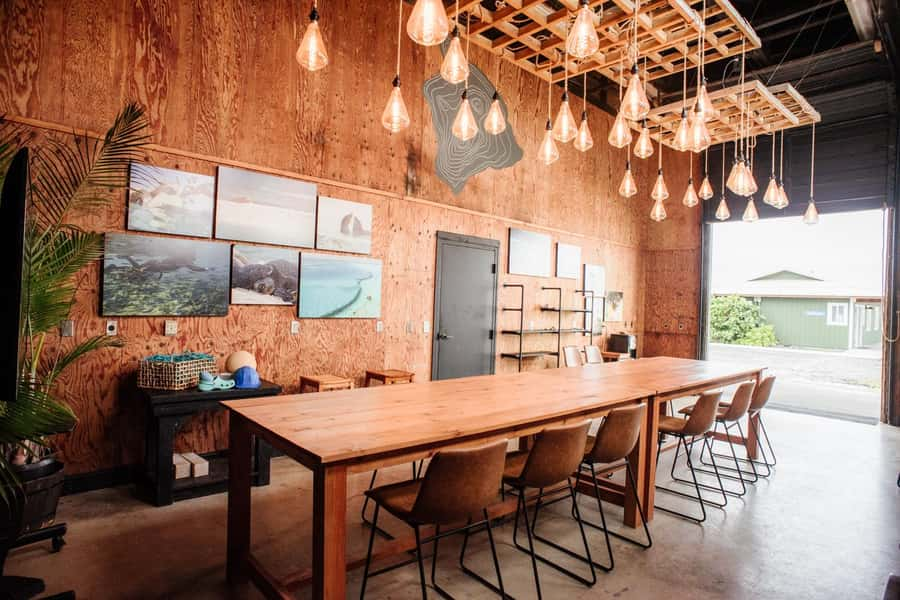
The property is not presented as a grand visitor center. Its appeal comes from seeing a real working operation in a dramatic setting. That makes it more useful for you if you prefer hands-on local businesses over polished attractions.
How deep ocean water becomes Hawaiian salt
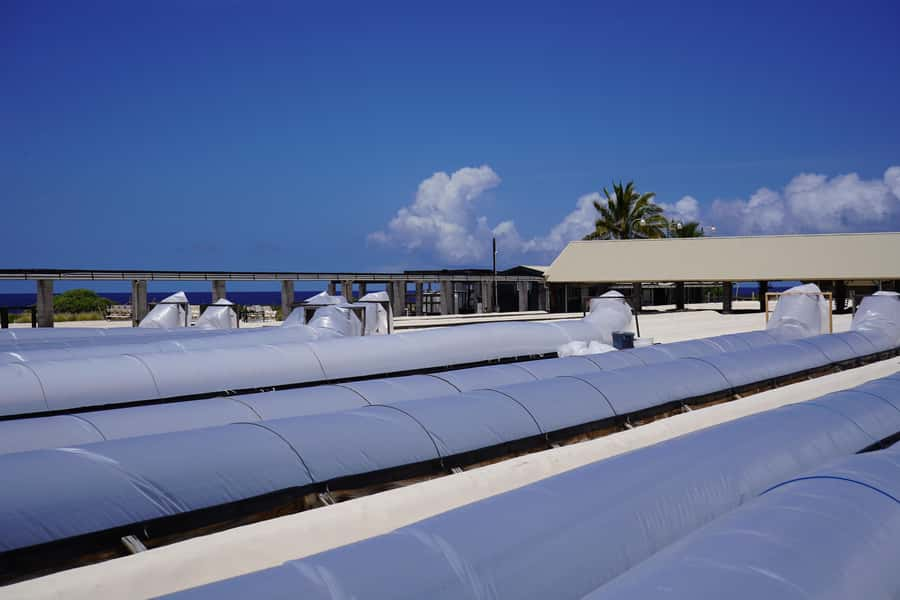
The first major part of the tour explains the water source. The farm draws water from the deep ocean, where mineral content differs from surface seawater. The nearby volcanic shelf makes access to those deeper currents possible, according to the explanation shared during the visit.
This is where the tour becomes more than a tasting stop. You begin to see salt as a product of geography. Hawaii Island is volcanic, surrounded by powerful ocean currents, and shaped by a coastline that allows this particular method of production.
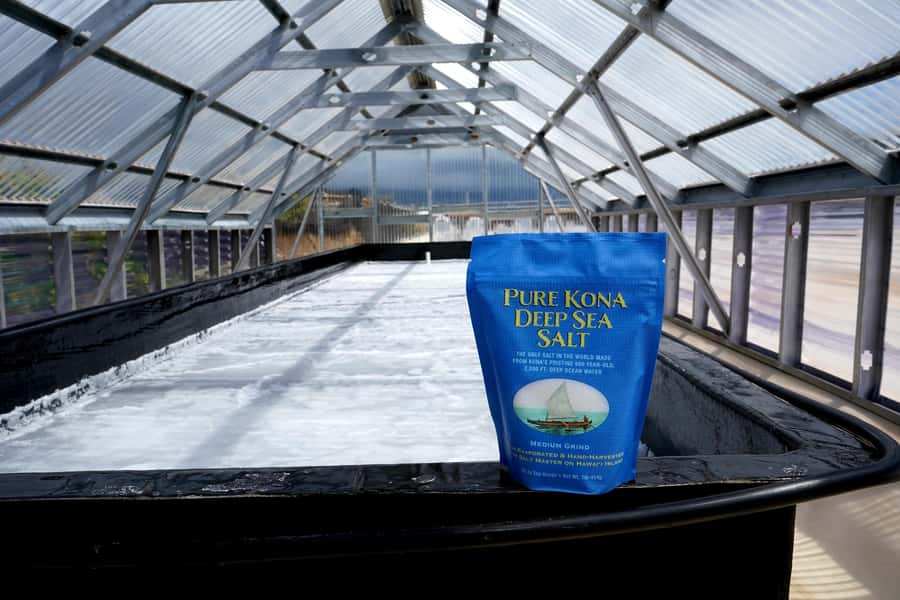
You also learn about the minerals separated during the process. Magnesium is an important part of the farm’s work, and the operation produces deep ocean magnesium mineral water as a byproduct. You can taste that water during the tour.
The production method also has an environmental angle. The farm uses solar power and drying or evaporation houses to support production. A visit does not turn you into a salt specialist, but it gives you a good sense of the research and engineering behind a small specialty food business.
Evaporation houses, salt tunnels, and the working farm

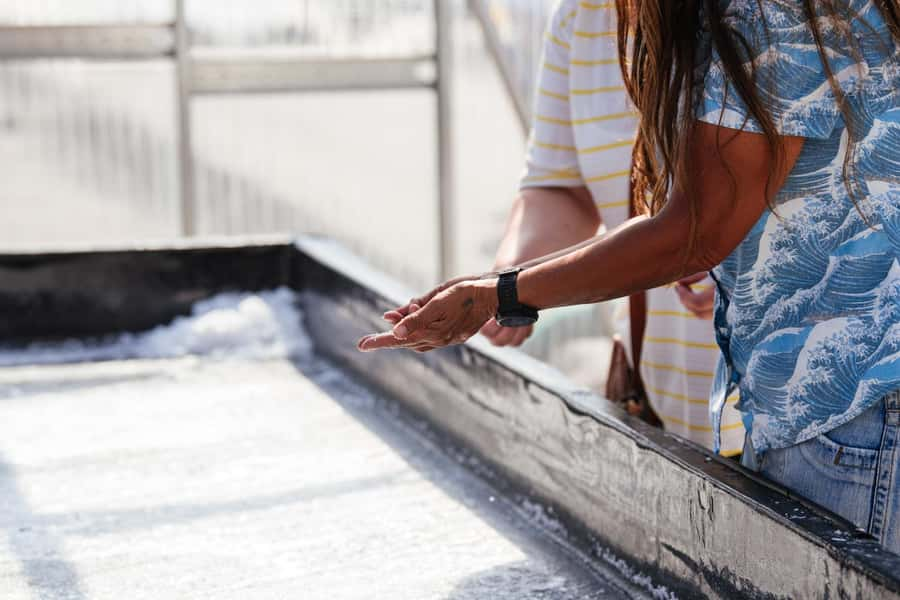
As the tour continues, you see the farm’s production areas, including salt tunnels and hot houses. These features help show how water is concentrated and dried until salt can be collected.
That physical look at the process is important. Salt can seem simple when you see it in a shaker, but the farm makes clear that the finished product depends on water quality, weather, evaporation, timing, and careful handling.
The hot houses may be especially interesting on a sunny Kona day because they make the drying process visible. You may also notice the contrast between the simple ingredient and the careful work required to produce different textures and flavors.
The farm’s efforts to use solar power and make efficient use of its byproducts add another layer. You can ask questions about the water, mineral collection, and drying process as the guide explains the operation. The exact emphasis may depend on your guide, but the tour is designed around this behind-the-scenes look rather than a simple sales pitch.
Same fields, a different sort of day out:
- Oak Alley Plantation Tour with Transportation from New Orleans
★ 4.5 · 1,747 reviews - Boone Hall Plantation All-Access Admission Ticket
★ 4.5 · 1,736 reviews - Oahu: Kualoa Ranch Movie Sites and Ranch Tour
★ 4.5 · 1,655 reviews - Oahu: Kualoa Ranch UTV Raptor Tour
★ 4.5 · 1,569 reviews
Hawaiian culture, local history, and the people leading the tour
The strongest part of the experience may be the guide. Ipo has been praised for combining Hawaiian cultural history, including references to Pele, with geography, science, and ecology. Ipalani has also been described as personable and well informed, with a habit of learning each person’s name and making the short tour feel more personal.
That matters because salt production alone could be explained in a few minutes. A good guide gives the process a sense of place. You learn not only how salt is made, but why this coast, this water, and this island make the operation possible.
The guide’s style can also affect how much you get from the visit. Some people will want technical detail about minerals and ocean currents. Others will care more about Hawaiian culture or the history of the farm. The guides have been praised for handling those subjects together, so you can expect more than a narrow factory explanation.
I also like the pace. The tour is not built around rushing from one display to another. It is slow enough for questions and easy walking, which helps families and older visitors. Still, the 45-minute format means you should not expect a long cultural program or a full historical lecture.
The salt tasting is the payoff
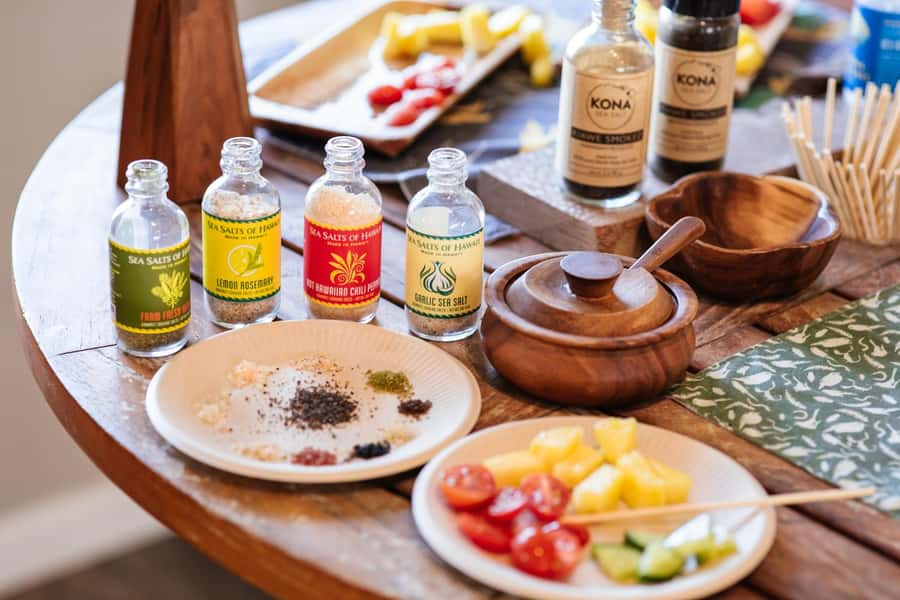
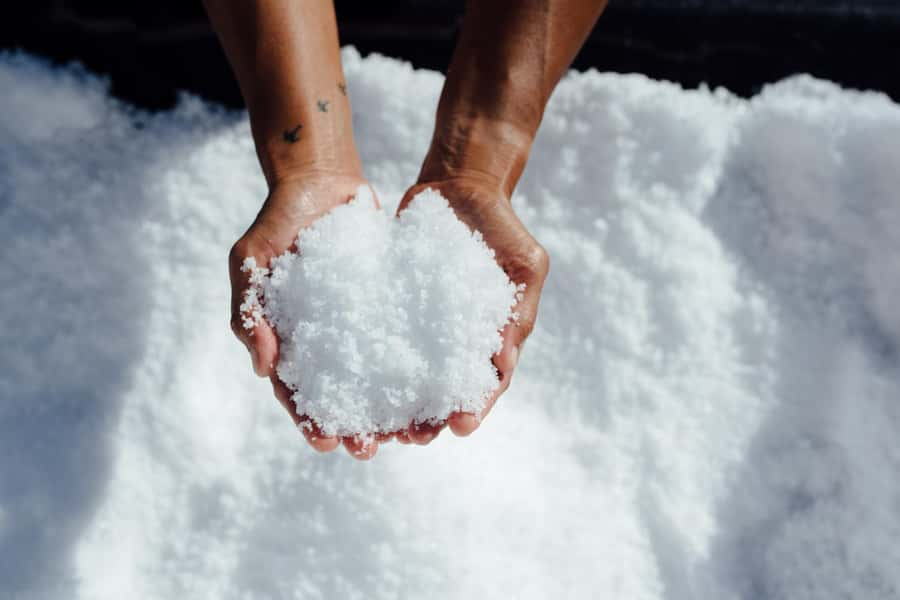
The tasting comes toward the end, after you have seen where the salt begins and how it is produced. You get to try the flavored and smoked varieties included with admission.
This is where the $25 price starts to make sense. A standard sightseeing stop may give you a view and a quick explanation. Here, you receive a guided lesson plus a tasting of products you can compare directly. Several people have found the tasting worthwhile on its own, especially after learning what goes into production.
Pay attention to the differences between the varieties. The point is not simply to decide which one tastes salty. The flavored and smoked options show how the base product changes when paired with other ingredients or treated differently.
The tasting also helps you decide if you want to buy something for home. I would wait until after the explanation before shopping. Once you understand how the salt is made, the small packages feel less like ordinary souvenirs and more like a useful taste of Kona.
Food and drinks are not included as a general meal, but the farm does include its deep ocean magnesium mineral water. Do not arrive expecting lunch. This is a sample-focused visit, not a restaurant stop.
The optional foot soak and other practical considerations

A foot soak has been available as an additional activity for some visitors. It is not listed among the included features, so treat it as an optional extra rather than part of the standard tour. If that appeals to you, ask about availability when booking or checking in.
The foot soak can make sense after a hot walk around the property, especially if you have built the farm into a relaxed Kona afternoon. It should not be the main reason you book, since the confirmed experience is the guided salt tour and tasting.
The farm’s coastal setting can be sunny and warm. Wear a hat or use sunscreen, and choose shoes that are comfortable for walking around working farm areas. The pace has been described as easy, but you should still mention mobility needs to the guide if you need a slower route.
English is the tour language. The live guide format is a plus if you want to ask questions, but it may be less suitable if you need a tour in another language.
Is $25 good value for 45 minutes?
At $25 per person, this is a fair price if you value local production, tastings, and a guide who can connect food with Hawaiian geography and culture. The included sampling covers all the flavored and smoked salt varieties, and the magnesium mineral water adds another unusual element.
The value is strongest for curious visitors who enjoy understanding how a local product is made. You are paying for access to a working farm, an explanation of the water source and production method, and a guided tasting in an oceanfront setting.
The value is weaker if you want a long activity or a full meal. Forty-five minutes passes quickly, and the farm is a focused stop rather than a half-day attraction. You may want to combine it with another Kona activity, but leave enough time to reach the farm, check in, and enjoy the setting without rushing.
The flexible booking terms also help. You can cancel up to 24 hours ahead for a full refund, and the reserve-now, pay-later option lets you hold a place without paying immediately. Those policies are useful when your Kona schedule depends on weather or changing plans.
Who will enjoy this most
I would recommend the tour to:
- Food lovers who want more context than a shop visit provides
- Families with older children who enjoy science and tastings
- Couples looking for a short, unusual Kona activity
- Visitors interested in Hawaiian culture, ecology, and local businesses
- People who want an easy walking experience rather than a strenuous outdoor excursion
- Anyone searching for a practical edible souvenir from Hawaii Island
It may be less satisfying if you want a major attraction, a long farm walk, or a sit-down meal. The tour is compact and educational. Its charm comes from the mix of working agriculture, ocean science, and tasting.
A smart way to fit it into your Kona plans
Because the tour lasts only 45 minutes, it can fit neatly into a day of West Hawaii sightseeing. You might schedule it between other stops, but avoid stacking it so tightly that you have no time for the ocean view or the farm shop.
The best approach is to treat it as a focused stop. Arrive at the office, take the guided route, ask questions, sample the salts and mineral water, and allow a few extra minutes to browse or enjoy the property. The formal tour may be short, but the subject gives you plenty to discuss afterward.
If you are planning around outdoor conditions, a cooler part of the day may feel more comfortable. The exact starting times vary, so check availability when you book.
Should you book the Hawaiian Salt Farm Tour?
Book it if you want an authentic, small-scale Kona experience that combines food with science and Hawaiian culture. The deep ocean water source, solar-supported production, salt tunnels, tasting, and oceanfront setting give the visit real substance for its modest price.
I would skip it only if your schedule is packed or you need a full-length activity. For most curious visitors, 45 minutes is a good trade: short enough to fit into a busy day, but long enough to learn how an unusual Hawaiian product reaches your table.
FAQ
Where is the Hawaiian Salt Farm Tour held?
The tour is held at Kona Salt Farm by Sea Salts of Hawaii. Enter the Kona Sea Salt Farm driveway and check in at the office. The coordinates are 19.7262318, -156.0586245.
How long does the tour last?
The guided tour lasts 45 minutes.
How much does the tour cost?
The listed price is $25 per person.
What language is the tour in?
The live guided tour is conducted in English.
What will I learn during the tour?
You will learn about the farm’s deep ocean water source, salt harvesting process, the area’s history, and the minerals produced during salt production.
Is salt tasting included?
Yes. You can taste the flavored and smoked salt varieties included with the tour.
Is magnesium mineral water included?
Yes. The experience includes the farm’s deep ocean magnesium mineral water.
Is a meal included?
No. Food and general drinks are not included. The listed included beverage is the deep ocean magnesium mineral water.
Is the foot soak included?
No. The foot soak is not listed as part of the standard tour. It may be available as an additional activity.
Can I cancel my booking?
Yes. You can cancel up to 24 hours in advance for a full refund. A reserve-now, pay-later option is also available.
Just added around the USA
- Connect with Rescue Animals on a Private Farm Tour in Catskills★ 5.0 · 27 reviews
- Farm Tour at Clover Brooke Llama/Alpaca/Goat Farm★ 4.5 · 6 reviews
- Cozy Farm Experience with Wagon Wheels and Acoustic Meal★ 5.0 · 2 reviews
- Gourmet Mushroom Farm Tour in Tennessee★ 5.0 · 5 reviews
- Farms, Flights: Finger Lakes Brewery Tour★ 4.5 · 25 reviews
- Horse Country Estate and Vineyard Wine Tasting Tour★ 5.0 · 2 reviews
- Scottsdale Horseback Riding and Horse Country Estate Tour★ 5.0 · 2 reviews
- Scenic Scottsdale E-Bike Tour – 2 Hours★ 5.0 · 47 reviews
USA Farm Tours, compared.

Swamp Boat Ride and Oak Alley Plantation Tour from New Orleans
Read our review →

Half-Day Thoroughbred Horse Farm Tour in Kentucky
Read our review →
Oak Alley Plantation Tour with Transportation from New Orleans
Read our review →
Boone Hall Plantation All-Access Admission Ticket
Read our review →