
Review · SIHANOUKVILLE
KAMPOT- Pepper farm ..salt fields.Kep/Crab market & more……..
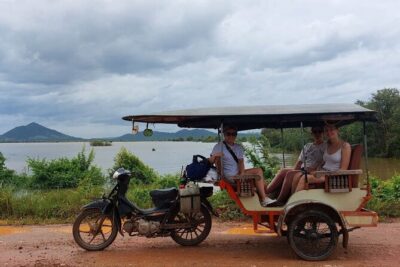
Kampot’s countryside is the real attraction here. In one long day, you move from pepper vines and salt pans to a cave temple, a Khmer Rouge-era lake, fishing country, and Kep’s famous crab market. The tuk-tuk keeps the pace open-air and local, with plenty of room for countryside views and short photo stops.
I like the range of this trip, especially the La Plantation pepper farm and Phnom Chhngok Cave Temple. Tang Go is praised for his friendly manner, useful English, patience, and willingness to make small detours. The main drawback is distance: this is a full day on the road, and pickup is centered on Kampot, not Sihanoukville’s cruise port.
Key points at a glance
- La Plantation takes about two hours, including a farm visit and Kampot pepper tasting.
- Phnom Chhngok Cave Temple dates from the seventh century, with a Shiva shrine inside a limestone cave.
- Secret Lake carries a difficult Khmer Rouge-era history, adding serious context to an otherwise peaceful stop.
- Kep Crab Market gives you a seafood lunch option, with crab prepared using Kampot pepper.
- The private price is $50 per group of up to three, making it strong value for a small party.
- Pickup matters: an extra $5 applies beyond 4 kilometers from Kampot’s Durian roundabout, and the tour is not a practical choice from a cruise ship dock 75 kilometers away.
A full day from Kampot’s pepper country to Kep’s crab market
This is not a quick highlights loop. The advertised duration is about six to eight hours, and that is sensible once you add the five main stops, rural roads, meal time, and time to walk around.
You travel in a tuk-tuk with an English-speaking driver-guide. Tang Go, also written as Tango or TangGo, is the name most often associated with the experience, while Nak is another guide praised for clear explanations about local plants, animals, and personal history. The exact guide may depend on the booking date, so treat those names as useful reference points rather than a guarantee.
The tour is private, so your group controls the mood more than it would on a large coach trip. You can ask for a photo stop, spend longer at the pepper farm, or request a cheaper place for food. That flexibility is one of the strongest reasons to choose this outing.
The tradeoff is simple: rural Cambodia means dusty roads, heat, and a fair amount of sitting. If you want a slow morning with one carefully chosen sight, this is too packed. If you want to see several parts of Kampot Province in one day, the long route earns its keep.
More Pepper Farm Tours in Sihanoukville:
- Kampot Tour Pepper Plantation, Salt Field, Cave, Secret Lake
★ 5.0 · 128 reviews - La Plantation tour (discovering Kampot Pepper) + Lunch
★ 4.5 · 97 reviews - KAMPOT TRAVEL-Pepper farm. Cave.Secret lake-Crab market & Salt…
★ 5.0 · 87 reviews
La Plantation: where Kampot pepper becomes more than a souvenir
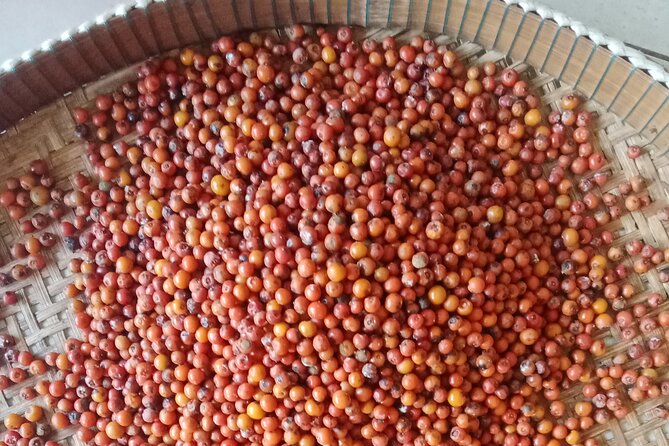
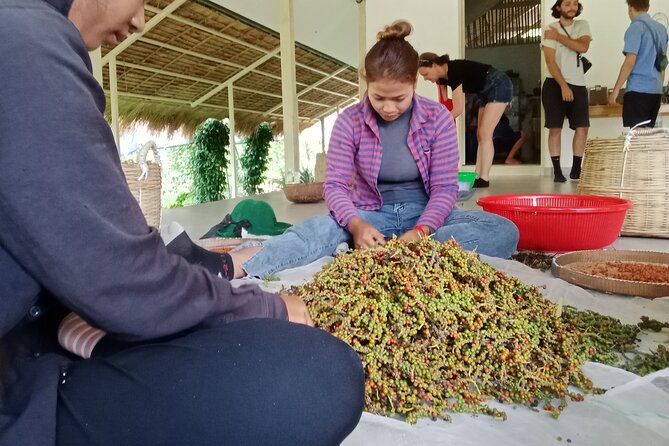
The tour gives La Plantation about two hours, the longest scheduled stop. That is appropriate. This is not just a shop visit. It is a sustainable agro-tourism project where you can see how the region’s famous pepper is grown, learn about the different spices, and taste Kampot pepper before deciding what to buy.
Kampot pepper has a strong place in local food culture and is sold through fine food shops in Europe and elsewhere. At the farm, the useful part is the connection between the product and the soil, climate, and people who produce it. You get a clearer idea of why a small packet of certified pepper costs more than an ordinary supermarket spice.
The tasting is a highlight, particularly if you enjoy cooking. Try the pepper with an open mind rather than expecting only heat. The point is to notice the flavor differences and aroma. The farm also has a restaurant, and Tang Go has been described as waiting patiently while visitors took the tour and ate.
You should budget time for browsing. La Plantation is one of the places where the schedule can stretch, especially if you want to ask questions or buy spices. That is not a flaw, but it means the day may run closer to eight hours than six.
Secret Lake and the hard story behind its calm waters
Brateak Krola Lake is commonly called Secret Lake. It is a man-made lake or dam that expands and contracts with the seasons, so its appearance can change depending on the time of year.
The setting may feel quiet and simple, but its history is not. The lake was built using forced labor during the Khmer Rouge period. Your guide can help place the site in the wider story of Cambodia, giving the stop more weight than a standard scenic lookout.
You spend about 30 minutes here. That is enough for a short pause, photos, and an explanation. Do not expect a major attraction with a long list of facilities. The value lies in combining the view with the historical background.
I appreciate this stop because it interrupts the easy rhythm of farms and food. Cambodia’s countryside is not only pretty. It also carries painful memories, and a good guide helps you notice both sides without turning the day into a formal history lesson.
Phnom Chhngok Cave Temple, a seventh-century shrine underground
Phnom Chhngok Cave Temple is the day’s most unusual sight. Located roughly 5 miles northeast of Kampot, the cave contains a Hindu temple built in the seventh century during the Funan period. The brick shrine is dedicated to Shiva.
The approach and cave visit involve walking, and the experience is more physical than the short stop times suggest. A local guide may lead you through the cave for about $1, a small extra payment worth considering because the underground route can be hard to understand on your own.
Inside, the contrast is striking. The temple is made from old Funan brick, while the cave itself is natural limestone. You are not visiting a polished monument with broad paths and museum labels. The setting feels raw and intimate, which is exactly why it is memorable.
The stop lasts about 45 minutes. Wear shoes with a decent grip and bring water. The tour includes water and entry fees, but the local cave guide payment is separate according to the experience details. If you dislike uneven ground or enclosed spaces, this may be the least comfortable part of the day.
For many people, this is the tour’s top sight. It gives you ancient religious history without the crowds and scale of Angkor, while keeping the visit short enough to fit into a wider countryside route.
More Market Trips in Sihanoukville:
- Full day Tour, Countryside, Pepper farm & Kep, crab market…
★ 5.0 · 49 reviews - Kampot/Cambodia pepper farm . Cave. lake. Kep Crab market & more.
★ 5.0 · 27 reviews - Private Kampot Countryside Tour & Pepper farm, Kep/Crab Market
★ 5.0 · 21 reviews - Pepper Farm Guided Tour, Kep/Crab Market, Salt Field &Secret Lake
★ 4.5 · 2 reviews
Salt fields near Kampot and Kep
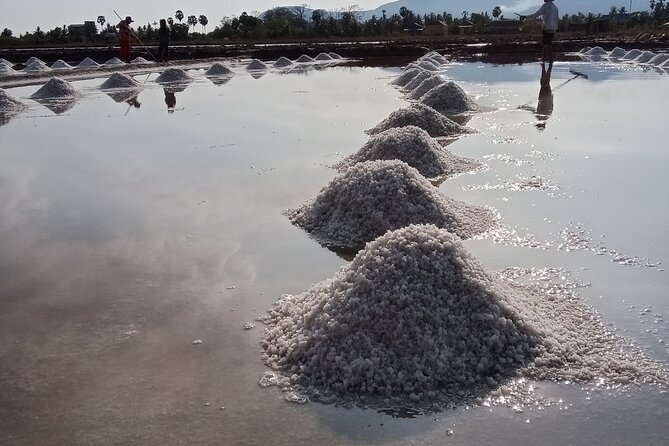
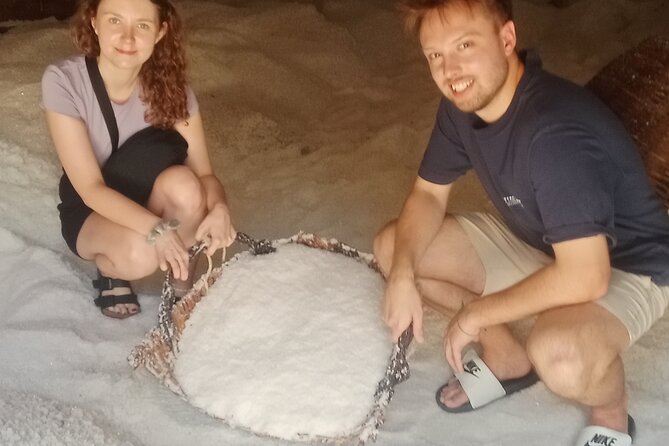
The salt fields sit around the coastal towns of Kampot and Kep. Salt is made here through evaporation, using shallow fields that depend on sun and weather.
The 30-minute stop is brief, but it shows a working side of the region that is easy to miss if you stick to town cafés and the riverside. The broad salt pans create clean lines and changing colors, making them good for photographs. They also help you understand that Kampot’s local economy is not built around pepper alone.
Conditions can vary. In wet weather or outside the best production period, the fields may look less active. The tour description does not promise a full working demonstration, so think of this as a countryside and photography stop rather than a hands-on salt-making lesson.
This is also where the open tuk-tuk matters. You can see the fields as you approach rather than watching the countryside pass behind tinted windows. Dust is part of the bargain, so a scarf or light cover can be useful.
Kep Crab Market and a Kampot pepper seafood lunch
The Kep Crab Market is given about two hours, allowing time to see the seafood stalls, eat, and relax by the coast. Fresh crab and other seafood can be cooked with Kampot pepper, making this the natural food stop of the day.
The wording of the experience leaves the exact meal choice open. You should expect to pay for food yourself unless your booking confirms otherwise, because the listed inclusions cover entry, transport, and water, not lunch. Ask Tang Go to help you choose a place if you want a cheaper option or need help ordering.
This flexibility is useful. You can make the meal a major part of the outing or keep it light and spend more time near the beach. A two-hour stop gives you room to do either.
Kep is not presented as a resort beach day. The appeal is the mix of fishing culture, seafood, coastal air, and a relaxed pause after the inland sights. If you want a formal seafood tasting with a fixed menu, this tour may feel too informal. If you want crab cooked simply and locally, it fits well.
What the guide adds to a tuk-tuk day
Transport alone would not make this route special. The guide is what turns a string of stops into a connected day.
Tang Go is described as friendly, patient, and helpful, with good English. He has waited while visitors finished the pepper farm tour and restaurant, offered information along the road, pulled down mangos from a nearby tree, and made detours when asked. Those details suggest a guide who treats the day as a personal outing rather than a rigid transfer service.
Nak is also praised for explaining local flora and fauna while sharing personal history and experience. That kind of commentary suits this route because much of what you see is not labeled. A salt field, village road, or farm means more when someone explains how it fits local life.
Still, keep expectations sensible. This is a tuk-tuk tour with a local guide, not a formal academic excursion. The quality of the day will depend partly on the guide assigned and partly on how much you ask. Tell the guide what interests you, speak up if you want a photo stop, and say if you need more time at a particular site.
The $50 group price and what it really covers
At $50 per group of up to three people, this is good value for a private six to eight-hour route. Split three ways, the transport and guiding cost is modest for a full day. For one person, it is still reasonable if you value privacy and the chance to shape the day.
The listed inclusions are entry fees, transport, and water. Food is not listed, and the small payment for a local cave guide is separate. You should also allow for pepper or spice purchases, seafood at Kep, and any personal drinks or tips.
Pickup is offered, but the central meeting point matters. An extra $5 applies if you are more than 4 kilometers from the Durian roundabout. The tour is based around Kampot, and one booking problem came from a cruise passenger who was 75 kilometers away at the port. If you are arriving by ship in Sihanoukville, do not assume the tour can collect you. Confirm the starting point before paying.
The private format is especially useful for couples, friends, or a family of three. A larger party may need a different arrangement, since the stated price covers only up to three people.
Who should book this Kampot and Kep outing?
I would choose this tour if you have one free day in Kampot and want a broad look at the province without arranging separate drivers for every stop. It suits people who enjoy food, rural scenery, local history, and modest physical activity.
It is also a good fit if you want:
- A private route rather than a shared bus
- A guide who can adjust small parts of the day
- Kampot pepper tasting and a chance to buy spices
- A cave temple outside the main tourist circuit
- A seafood stop in Kep
- A practical way to combine Kampot and Kep in one outing
I would hesitate if you are staying in Sihanoukville for a short cruise stop, dislike dusty roads, or want a slow, single-site visit. The itinerary covers a lot of ground, and the tuk-tuk is exposed to heat, wind, and road dust.
Book at least several days ahead if possible. The experience is often reserved about a week in advance, and private transport depends on guide availability.
Practical advice for making the day work
Start with water, sun protection, and shoes suitable for the cave. The tour includes water, but you should still dress for a warm outdoor day and expect uneven ground at Phnom Chhngok.
Keep small cash available for the cave guide, food, drinks, and purchases at La Plantation. The exact meal arrangement is flexible, so do not set out assuming lunch is included.
Give your guide a clear idea of your priorities. If pepper matters most, take your time at La Plantation. If history interests you, ask for more explanation at the cave and Secret Lake. If food is the main goal, allow enough time at Kep Crab Market.
The day can also be affected by weather. Salt production relies on evaporation, and the countryside looks different after rain. Poor weather does not cancel the cultural value of the trip, but it may reduce the visual impact of the salt fields and make the tuk-tuk ride less comfortable.
Should you book it?
Book this tour if you want one flexible day that links Kampot’s farms, history, coast, and food. The strongest parts are the two-hour pepper farm visit, Phnom Chhngok Cave Temple, and the chance to finish with crab cooked in Kampot pepper at Kep.
Skip it if your base is Sihanoukville’s cruise port, since the distance makes pickup impractical, or if you prefer a slow itinerary with minimal road time. For a small group staying in Kampot, though, $50 for private transport, entry fees, water, and an English-speaking local guide is a sensible way to see far more than you could comfortably reach on foot.
FAQ
Where does the tour take place?
The tour is based around Kampot and includes stops in the Kampot and Kep areas. Pickup is offered in Kampot.
How long does the experience last?
The tour lasts approximately 6 to 8 hours.
How much does the tour cost?
The price is $50 per group of up to three people.
Is the tour private?
Yes. Only your group participates in the private tour.
What is included in the price?
Entry fees, transport, and water are included.
Is food included?
Food is not listed among the inclusions. The tour stops at Kep Crab Market, where you can have fresh seafood, but you should expect to pay for your meal.
Is pickup from Sihanoukville cruise port available?
The tour is based in Kampot, and the listed information notes that one cruise passenger was about 75 kilometers from the tour area. Confirm pickup carefully before booking if you are arriving by cruise ship.
What is the cancellation policy?
You can cancel up to 24 hours before the start time for a full refund. Cancellations or changes made less than 24 hours before the start time are not refunded or accepted.
More Shopping Tours in Sihanoukville
- Cooking Class and Lunch at a Tuscan Farmhouse with Local Market Tour from Florence
★ 5.0 · 4,831 reviews - Chiang Mai: Authentic Cooking Class with Market & Farm Visit
★ 4.9 · 4,546 reviews - Floating & Railway Market and Coconut Farm Tour [Optional Luxury]
★ 5.0 · 835 reviews - Active Volcano, Rice Field, Hot Spring, Fruit market, Tea Plantation with Lunch
★ 5.0 · 513 reviews
Just added around Sihanoukville
- Private Kampot Countryside Tour & Pepper farm, Kep/Crab Market★ 5.0 · 21 reviews
- Pepper Farm Guided Tour, Kep/Crab Market, Salt Field &Secret Lake★ 4.5 · 2 reviews
- Kampot Tuktu tour: Pepper farm, Salt field & Secret lake★ 5.0 · 17 reviews
- Half-Day Adventure to the Pepper Farm by Scooter★ 5.0 · 3 reviews
- Kampot Classic Tour & Kayaking at the Green Cathedral with lunch★ 5.0 · 9 reviews
- Kampot/Cambodia pepper farm . Cave. lake. Kep Crab market & more.★ 5.0 · 27 reviews
- Full Day Pepper Farm Adventure by Scooter★ 5.0 · 4 reviews
- Full day Tour, Countryside, Pepper farm & Kep, crab market…★ 5.0 · 49 reviews
Sihanoukville Farm Tours, compared.
Kampot Tour Pepper Plantation, Salt Field, Cave, Secret Lake
Read our review →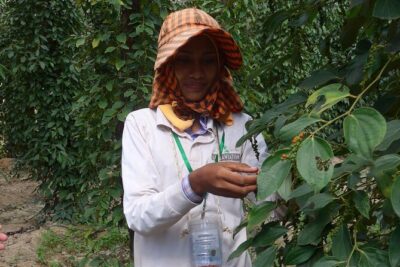
La Plantation tour (discovering Kampot Pepper) + Lunch
Read our review →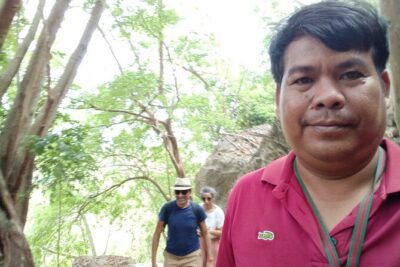
KAMPOT TRAVEL-Pepper farm. Cave.Secret lake-Crab market & Salt…
Read our review →
Kampot Countryside Tour – Pepper Farm, Salt Lake, Caves, and more
Read our review →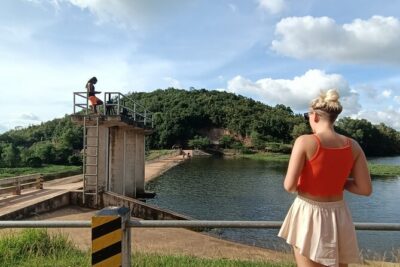
Kampot Countryside include Pepper farm,Salt field and Secret lake
Read our review →
Full day Tour, Countryside, Pepper farm & Kep, crab market…
Read our review →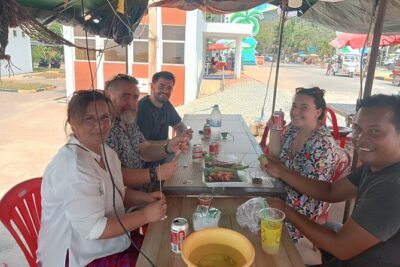
Kampot/Cambodia pepper farm . Cave. lake. Kep Crab market & more.
Read our review →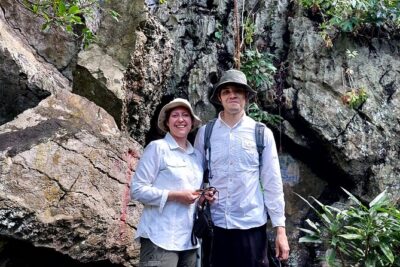
Private Kampot Countryside Tour & Pepper farm, Kep/Crab Market
Read our review →Browse the lists this tour appears in