
Review · AUSTRALIA
Harrisville: Summer Land Camel Farm Tour with Tasting
Summer Land Camels is more than a quick animal encounter. This working camel dairy explains how camels are cared for, milked, and linked to Australian history, then lets you taste the result. You’ll meet the animals, see restricted dairy facilities, and hear how camel milk becomes cheese, gelato, and skincare products.
I especially like the honest try-before-you-buy tasting and the chance to see how trust develops between camels and their caregivers. I also like the modest $17 price, which makes this an easy add-on for a Queensland day out. The main consideration is time: the tour is advertised as 45 minutes, while the full farm visit can take closer to an hour, and the cafe and shop purchases cost extra.
Key points to know before you go
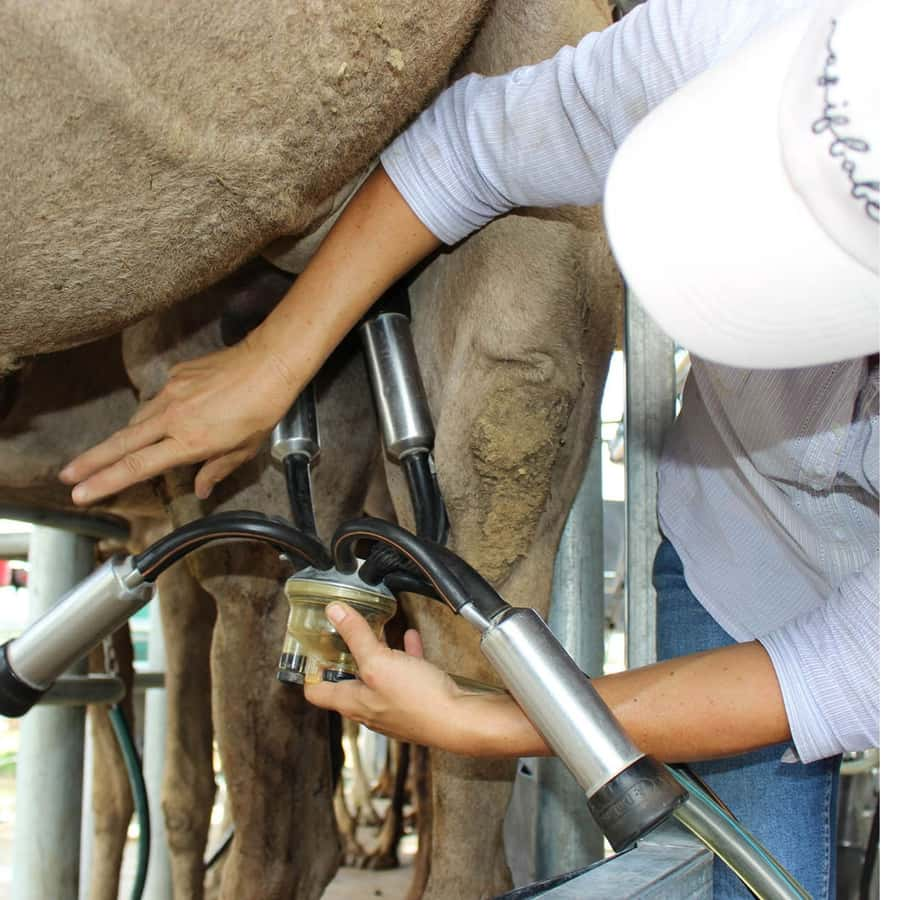
- Camel dairy in action: See the farm’s camel pens and learn how the animals are milked.
- Australian camel history: Your English-speaking guide explains how camels became part of life in Australia.
- Taste before buying: Sample camel milk products, including items made into cheese and gelato.
- Milk and skincare: Hear about camel milk’s immune proteins and its use in skincare products.
- A cafe finish: Buy breakfast, brunch, lunch, or a Camelcino after the tour.
- Simple, flexible visit: Entry and parking at the farm are free, while the guided tour costs $17 per person.
Why a camel farm is part of Australian history
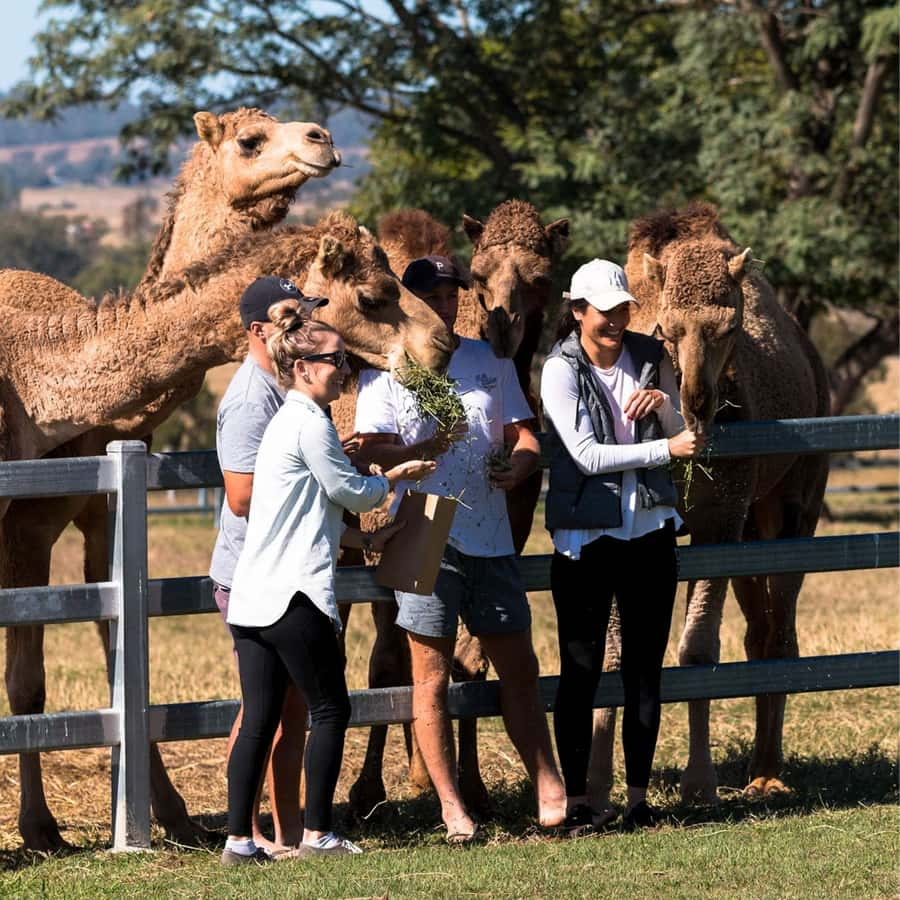
At Summer Land Camels in Harrisville, the story begins long before the tasting table. Your guide introduces the history of camels in Australia and explains why these unusual farm animals became important here.
That background gives the visit more shape than a standard animal stop. You are not simply looking at camels in a paddock. You are learning how they fit into Australian transport, agriculture, and modern food production. The tour then connects that past with the farm’s current work as a camel dairy.
I like this approach because it gives you something to listen for as you walk around. The camels are the obvious attraction, but the useful question is how a large, strong animal becomes comfortable enough to be handled and milked. The answer involves routine, patience, and trust between the camels and their caregivers.
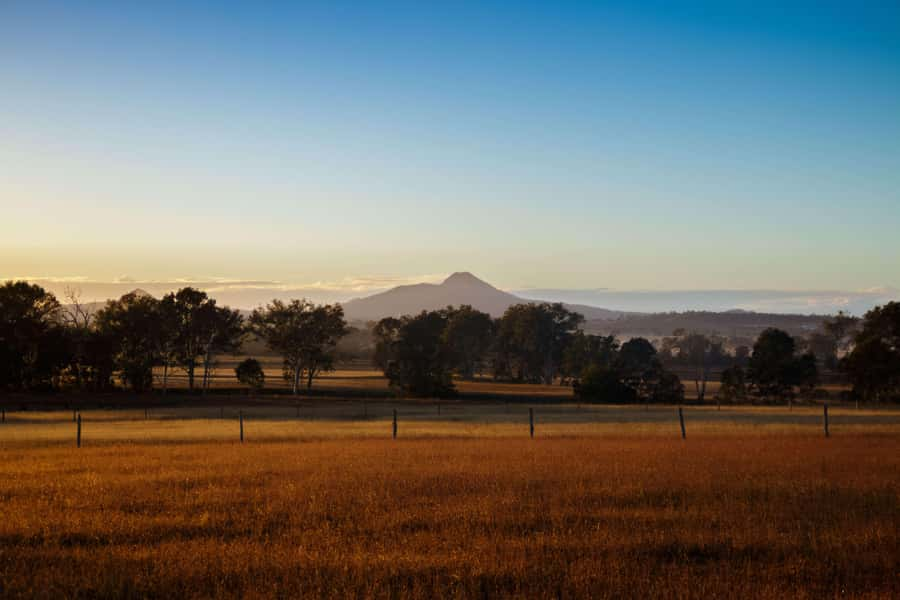
The farm’s setting also suits a slower morning or midday outing. The atmosphere is described as peaceful, and the visit does not depend on a packed schedule of activities. You can give the animals your attention, ask questions, and then spend a little time in the shop or cafe.
More Food and Drink Trips in Australia:
- Coffin Bay Oyster Farm Wading Tour & Tasting Experience
★ 5.0 · 142 reviews - Maggie Beer Farm – Barossa Valley Regional Tour
★ 5.0 · 16 reviews - Maggie Beer’s Farm: Cooking Demonstration with Lunch & Wine
★ 4.9 · 16 reviews
Meeting the camels and seeing their daily care
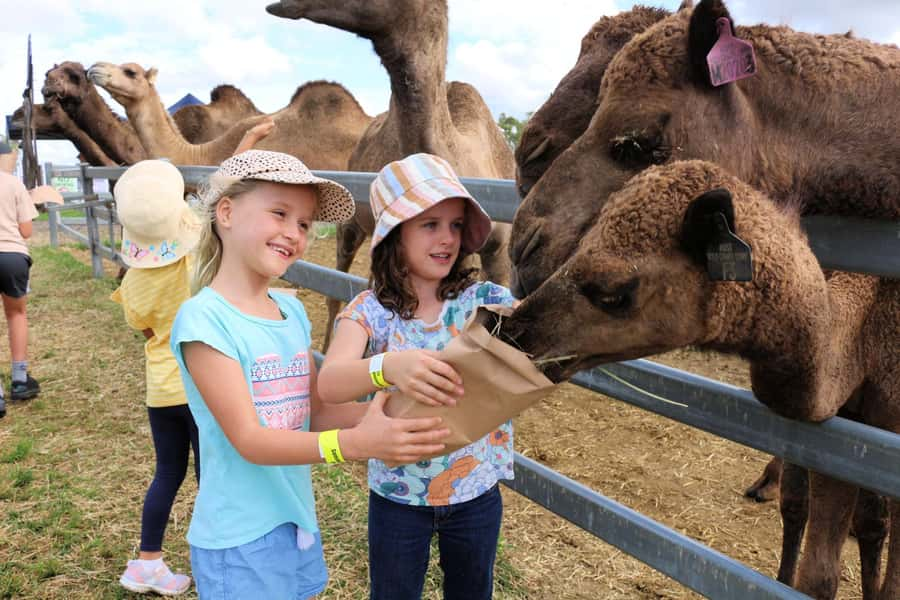
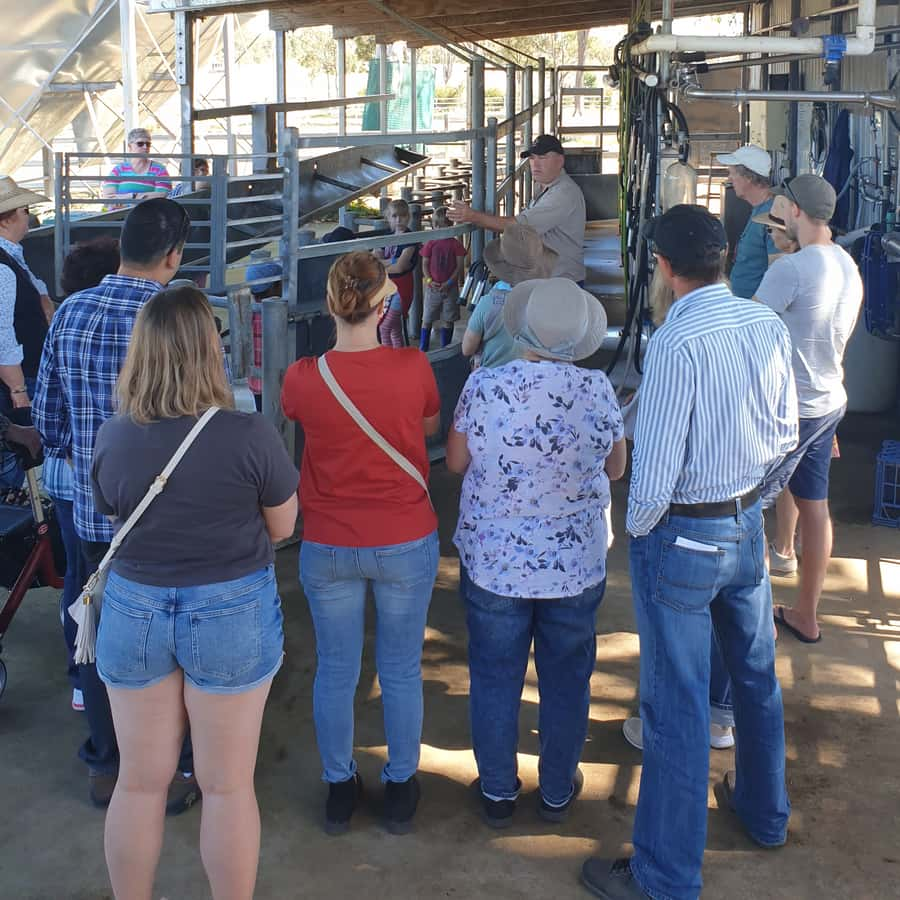
After checking in at the farm and souvenir shop, you meet the guide and head toward the camel areas. The tour takes you through the different pens, giving you a closer look at where the animals live and how the farm is arranged.
This is one of the strongest parts of the experience. You get close enough to understand the camels as working animals rather than treating them as a photo prop. The guide explains how trust is developed between each camel and the people who care for them, an important detail when you are dealing with an animal of this size.
You should expect the focus to be on observation and explanation rather than direct handling. The supplied information does not promise camel rides, feeding, or petting, so do not book this expecting those activities. The reward is learning how the farm operates and seeing the camels in the pens used for their care and milking.
A recent visitor particularly liked the overview of the different pens and the explanation of how the camels are milked. That is useful because it points to the practical detail you receive on the tour. You are not just told that the farm produces milk. You see how the animals and facilities fit together.
The farm prohibits food, smoking, drones, and unaccompanied minors. Those rules matter here. Food is not something to bring into the animal areas, and drone restrictions protect the animals from unnecessary disturbance. Children need to attend with an adult.
Entering the dairy and restricted facilities
The next part moves into restricted-access areas, including the dairy. This is where the visit shifts from animal history to food production.
Your guide explains the benefits associated with camel milk, including its immune proteins and ingredients linked with anti-aging skincare. Keep the wording in perspective: these are product and nutritional claims discussed as part of the farm’s presentation, not medical advice or a promise that camel milk will treat a health problem.
Still, the subject makes the dairy visit more interesting than a basic tasting. You learn why camel milk is used in both food and skincare products, and you see how the farm has built a range of products around one main ingredient.
The dairy section also helps you understand why camel milk products can cost more than ordinary dairy products. The farm is producing from camels rather than from a much larger conventional dairy herd, and the tour shows you the work behind the finished goods. For me, that context is part of the value of the admission.
The information provided does not specify every step of the processing method or the size of the dairy. You should therefore expect a guided introduction rather than a long technical factory tour. The experience is designed to fit into a short visit, so the explanation stays focused on the animals, the milk, and the products made from it.
Tasting camel milk, cheese, and gelato
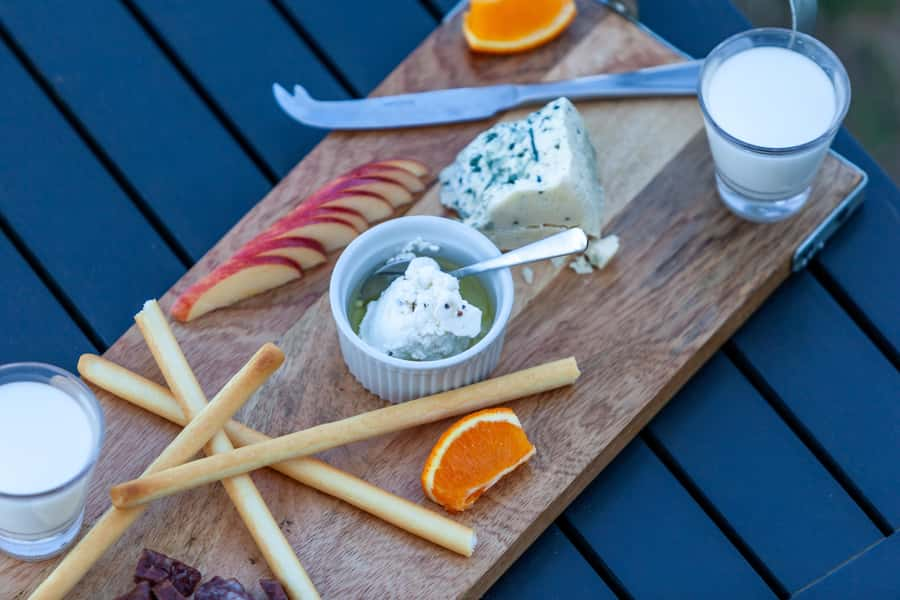
The tasting is the part that turns the tour from a lesson into a decision-making experience. You get to try camel milk and sample milk products before deciding if you want to buy anything from the shop.
That try-before-you-buy element is genuinely useful. Camel milk has a flavor and texture you may not know, and the same is true of camel milk cheese or gelato. You can taste first instead of committing to a full product simply because the packaging looks appealing.
The farm explains how camel milk is processed into award-winning cheeses and gelato. The tasting lets you connect the production story with something you can actually eat. It also gives the guide a natural way to discuss how one type of milk can be used in several forms.
The available information does not list the exact tasting menu, the number of samples, or the flavors served on the day. That means you should treat the tasting as a small guided sample rather than a full meal. If you are hungry, plan to use the cafe afterward.
I like the balance here. The farm talks about its products, but you are given a chance to judge the taste yourself. That is more useful than a sales pitch, especially if you are considering cheese, gelato, milk, or skincare products as souvenirs.
A few more farm days around Australia worth a look
- Amazing Yarra Valley Wine Tour + Chocolate, Farm Fresh, Gin
★ 5.0 · 1,566 reviews - Hidden Gems: Boutique Full-Day Wine, Farm & Lunch Tour
★ 5.0 · 881 reviews - Melbourne: Yarra Valley Wine, Choc, Farm Fresh, Gin Tour
★ 4.9 · 258 reviews - 3- Hour Wine and Harvest the Hunter Horse Tour in Pokolbin
★ 5.0 · 165 reviews
The souvenir shop and skincare range
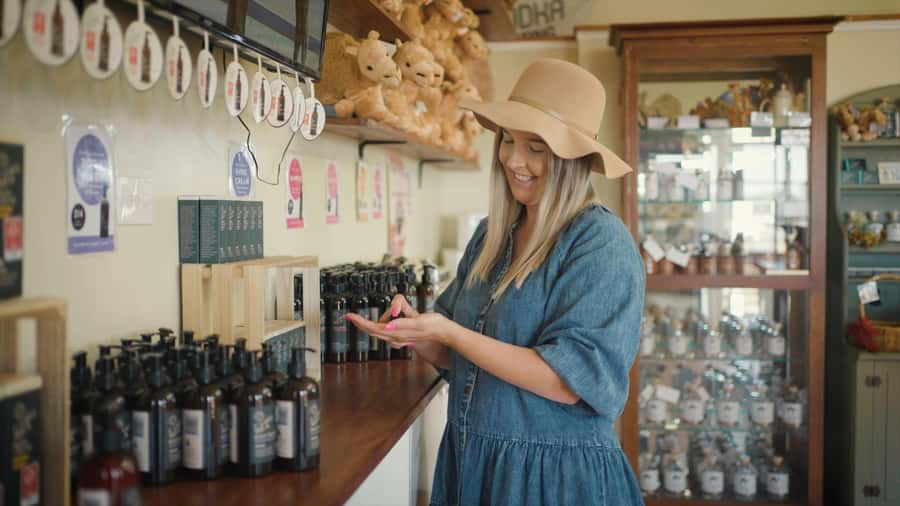
The tour ends near the farm’s shop, where you can browse camel milk products and souvenirs. The skincare range is an obvious point of interest because the tour has already introduced camel milk’s claimed anti-aging ingredients and immune proteins.
You can use the shop as a practical final stop rather than feeling pressured to buy during the tour. The tasting gives you a better sense of which food products appeal to you, while the earlier explanation gives you context for the skincare items.
Souvenirs are not included in the $17 ticket, so budget separately if you want to take products home. The information supplied does not give individual prices or detail packaging and luggage restrictions. If you are flying later, check the product rules that apply to your journey before buying liquids or food.
For visitors who prefer experiences with a local food angle, the shop adds value. You can leave with something connected to the farm rather than a generic souvenir. For anyone focused only on seeing camels, though, the shop may feel optional. You can complete the tour without buying anything.
Finishing with a Camelcino at the cafe
The cafe is where you can stretch the visit beyond the guided portion. It serves breakfast, brunch, and lunch, and the signature drink is the Camelcino.
A Camelcino is not included in the tour price, so think of it as an extra treat rather than part of the ticket. The drink gives the visit a memorable finish, especially if you are curious enough to try camel milk in more than one form.
You can also use the cafe to make the timing work better. A 45-minute tour fits neatly into a morning or midday stop, then you can eat afterward instead of trying to rush off. The cafe is also helpful if the tour is one stop in a longer day around Queensland and you want food before continuing.
The provided details do not specify the cafe menu, opening hours, or dietary options. I would not plan a full meal around a particular dish unless you confirm what is available before booking. The stated options are breakfast, brunch, lunch, and the Camelcino.
Is $17 good value?
At $17 per person, the guided tour is fairly priced for a short specialist visit. The ticket includes entry to the tour, an English-speaking guide, and a milk produce tasting. You also receive an explanation of Australian camel history, a look at the pens and milking operation, access to the dairy portion of the tour, and product information.
The farm itself has free entry and plenty of onsite parking. This distinction is important. You do not pay simply to walk onto the property, but the $17 covers the structured experience and tasting. If you only want to browse the farm shop or cafe, the paid tour may not be essential. If you want the story, the dairy access, and the samples, it is the part worth paying for.
I see the best value for someone who is already in the Harrisville area and wants a compact activity with food included. The price is also easy to justify for families, couples, and curious food shoppers, although children cannot attend alone.
The value is weaker if you expect a long farm tour, a big tasting spread, or hands-on camel activities. The duration is short, and the exact number of samples is not stated. Think of this as a focused introduction to a camel dairy, not a half-day farm program.
Timing, access, and what to plan
The tour takes about 45 minutes, though the itinerary information also describes the farm activity as lasting an hour. In practical terms, allow at least an hour if you want time to check in, take the tour, and look around afterward. Add more time if you plan to eat or shop.
Starting times vary, so check availability before booking. Since the tour has a live English-speaking guide, arriving on time matters more than it would for a self-guided walk.
You check in at the farm and souvenir shop. Entry to Summer Land Camels is free, and onsite parking is available. Hotel transfer is not included, so you need to arrange your own transport to Harrisville.
The experience is wheelchair accessible, which makes it a useful option for visitors who need an accessible activity. The supplied details do not describe the exact surfaces, restroom setup, or access route inside every area, so you may want to confirm those points directly if you have specific mobility requirements.
Booking remains flexible because you can cancel up to 24 hours in advance for a full refund. You can also reserve and pay later, which helps if your Queensland plans are still shifting.
Who will enjoy this farm visit most?
I would recommend Summer Land Camels to you if you like food production, unusual farm animals, and short guided experiences with a clear subject. It works especially well for:
- Families looking for an educational stop rather than a thrill ride
- Adults interested in specialty dairy products
- Visitors who enjoy tasting local or unusual foods before buying
- Anyone curious about camel history in Australia
- People who want a cafe stop with a distinctive drink
- Visitors planning a flexible day around Harrisville
It is less suitable if you want a long animal encounter, camel riding, or a large meal included with admission. The tour does not promise those things. It also may not suit a rushed schedule if you want to add the cafe and shop, since the guided portion alone takes most of an hour once check-in is included.
The strongest appeal is the combination of animal care and food production. You see the camels, learn about their role in Australia, enter the dairy area, taste the milk products, and then decide if you want to buy something. Each part supports the next.
Should you book Summer Land Camels?
Book this tour if you want a reasonably priced, easy-to-fit farm visit with real explanations and a tasting. The most praised features are the guide’s clear presentation, the close look at the camel pens and milking process, the peaceful setting, and the chance to taste products before buying.
I would give yourself an hour for the tour and more if you want lunch, brunch, breakfast, a Camelcino, or time in the shop. Keep your expectations focused: this is a short camel dairy experience, not a full-day animal park.
For $17, the tour offers enough substance to make the stop worthwhile, especially if you are interested in how an unfamiliar food product is made. If camel milk, specialty cheese, gelato, or skincare products catch your interest, Summer Land Camels gives you the background and the taste test needed to make your own call.
FAQ
Where is Summer Land Camels located?
Summer Land Camels is in Harrisville, Queensland, Australia.
How long does the camel farm tour take?
The tour is listed as lasting 45 minutes. The activity details also describe the farm visit as about one hour, so allow extra time for check-in, shopping, or the cafe.
How much does the guided tour cost?
The tour costs $17 per person.
Is entry to the farm free?
Yes. Entry to Summer Land Camels is free, and there is plenty of onsite parking. The $17 charge applies to the guided tour and tasting experience.
What is included in the ticket?
The ticket includes the entry ticket for the activity, a guided tour, and a milk produce tasting.
Is hotel transportation included?
No. Hotel transfer is not included, so you need to arrange your own way to the farm.
What language is the tour conducted in?
The live tour guide speaks English, and the listed tour language is English.
Is the experience wheelchair accessible?
Yes. The activity is listed as wheelchair accessible.
Are food and drinks included?
A milk produce tasting is included. Food from the cafe and a Camelcino are not listed as included, so plan to pay separately for breakfast, brunch, lunch, drinks, or shop purchases.
Just added around Australia
- Alpaca Farm Tours with Toffeemont★ 5.0 · 8 reviews
- Alpaca Meet and Greet Experience in Peterborough★ 4.5 · 6 reviews
- One Hour Coral Farm Tour, Discover Australia’s Marine Life★ 5.0 · 15 reviews
- Hook-A-Barra Fishing and Farm Activity★ 5.0 · 47 reviews
- Macadamias Australia Orchard Tour in Bundaberg★ 5.0 · 15 reviews
- Oyster Farm Tour with Hotel Pick-up and return from Port Lincoln★ 5.0 · 11 reviews
- Experience Coffin Bay Short and Sweet Oyster Farm Tour★ 5.0 · 56 reviews
- Group Live Pearl Harvest Experience – Perth★ 5.0 · 2 reviews
Australia Farm Tours, compared.
Hidden Gems: Boutique Full-Day Wine, Farm & Lunch Tour
Read our review →
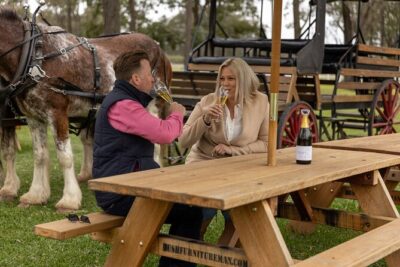
3- Hour Wine and Harvest the Hunter Horse Tour in Pokolbin
Read our review →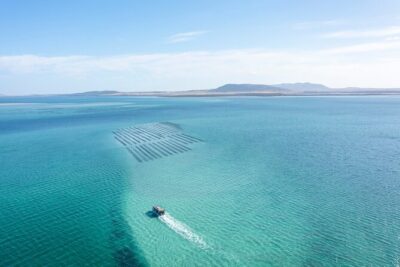
Experience Coffin Bay Oyster Farm and Bay Tour
Read our review →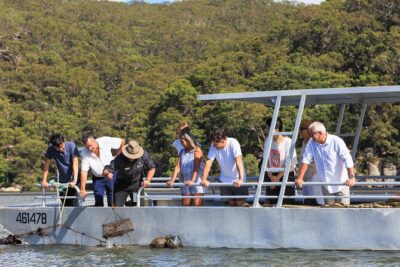
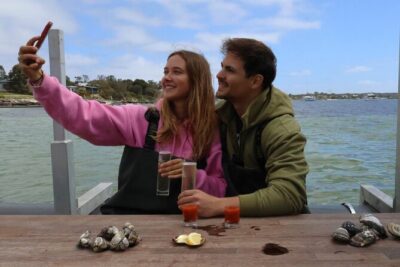
Coffin Bay Oyster Farm Wading Tour & Tasting Experience
Read our review →
Rockhampton: Koorana Crocodile Farm Guided Tour
Read our review →
Browse the lists this tour appears in