
Review · AUSTRALIA
Rockhampton: Koorana Crocodile Farm Guided Tour
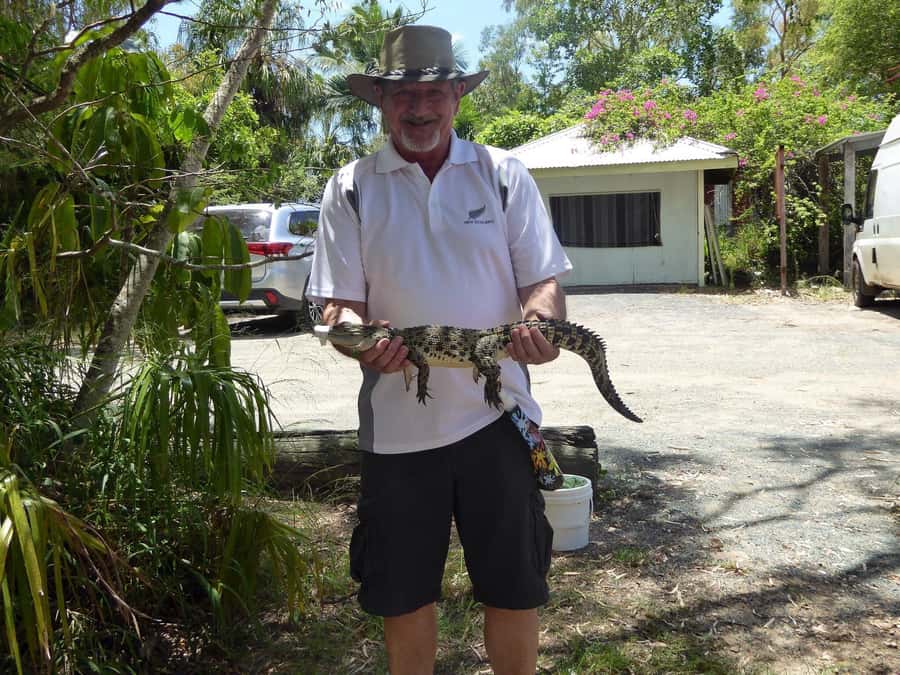
Koorana Crocodile Farm gives you more than a quick look at reptiles behind a fence. The 90-minute tour explains how crocodiles behave, why conservation matters, and how a working farm manages breeding, eggs, and feeding. The close-up photo with a small crocodile is the obvious crowd-pleaser, but the best part is seeing the animal as a living creature rather than a theme-park prop.
I like the mix of hands-on fun and useful facts, especially the farm walk and feeding session. I also like the seasonal timing: from December to February, staff may collect eggs from nests, and from February to May, you may see baby crocodiles hatching. The drawback is simple: this is an outdoor farm in Queensland, so heat, insects, and bright sun can make the experience less comfortable if you arrive without water, sunscreen, a hat, and insect repellent.
Key points to know before you go
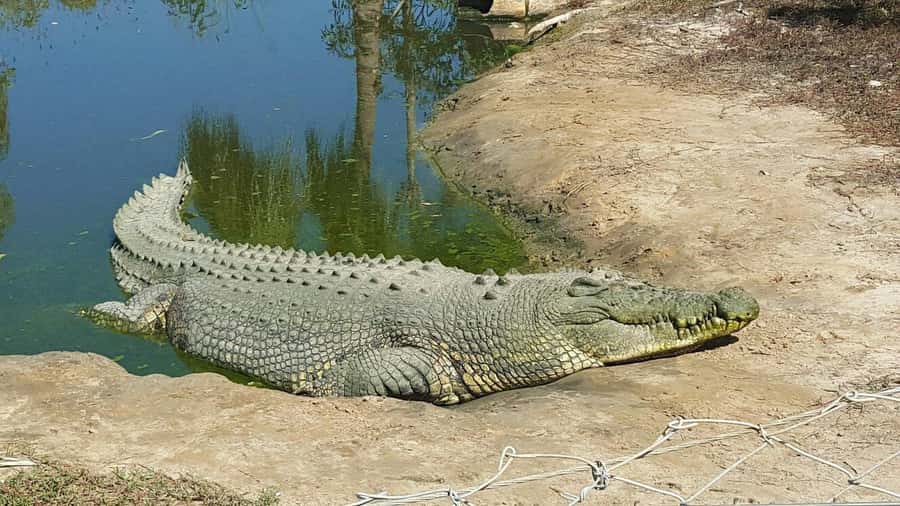
- Queensland’s first commercial crocodile farm: The tour connects crocodile conservation with the practical workings of a commercial operation.
- Baby crocodile photo opportunity: You can hold a small crocodile under staff supervision and take a memorable picture.
- Feeding is part of the farm walk: You see farm staff feed the crocodiles while your guide explains their behavior.
- Season changes the experience: Egg collection usually takes place from December to February, with hatching activity from February to May.
- Guides make a real difference: Kia and Mel are praised for clear explanations, humor, enthusiasm, and care for the animals.
- The tour costs $28 per person: That is a fair price for a guided 90-minute visit with feeding, a video, farm access, and the hands-on photo opportunity.
Why Koorana Farm is more than a crocodile photo stop
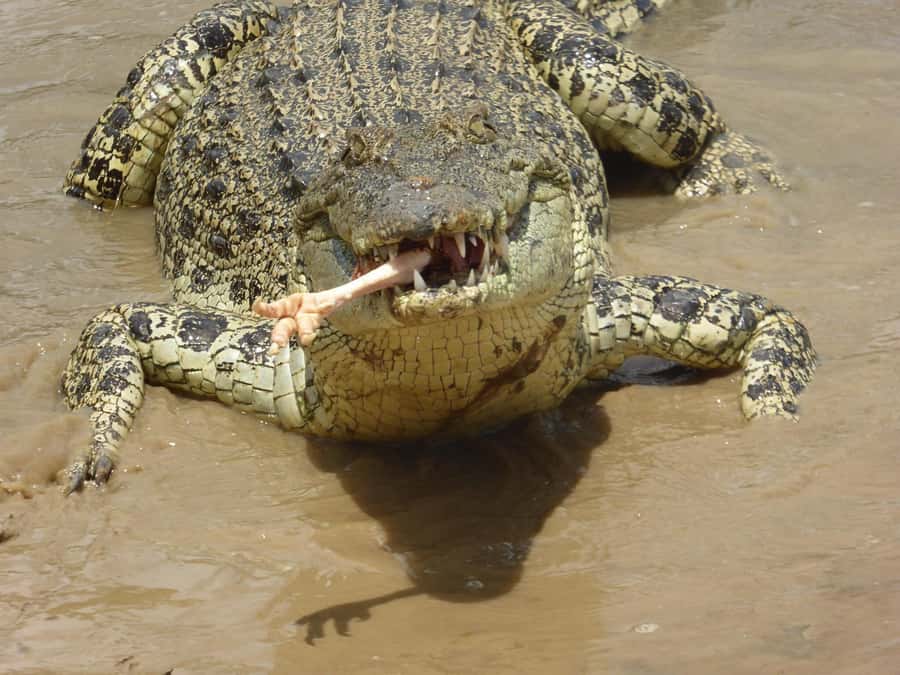
Koorana Crocodile Farm sits near Rockhampton on Queensland’s Capricorn Coast and presents crocodiles from two angles. You see them as powerful wild animals, but you also learn how a commercial farm works with breeding, eggs, feeding, and crocodile products.
That combination gives the visit a useful edge. A standard wildlife display can show you an animal and offer a few facts. Here, the guide also explains the relationship between conservation and commercialisation, which helps you understand why crocodile farming exists and how it can support the ongoing protection of these animals.
The focus stays on crocodile behavior. You learn how the animals live, how they respond to their surroundings, and how young crocodiles begin life. The video presentation adds another layer before you go outside, giving you some background on the farm and on crocodile behavior.
I would not book this expecting a polished amusement park attraction with lots of separate rides or exhibits. It is a working crocodile farm, and the value comes from the guide, the animals, and the chance to see farm routines at close range.
More Guided Trips in Australia:
- Bundaberg: Monsoon Aquatics Coral Farm Guided Tour
★ 4.9 · 25 reviews - Bundaberg: Splitters Farm Guided Tour
★ 4.5 · 5 reviews - Guided Paspaley Pearl Farm Tour with Return Transfers
★ 4.0 · 4 reviews
The opening talk sets up the whole visit
The tour begins with an introductory talk about crocodile conservation and commercial farming. This is a useful start because it gives you a framework for everything that follows.
You are not simply shown a crocodile and told that it is dangerous. The guide explains why crocodiles matter, how people have used them commercially, and how conservation fits into that story. That context makes the later feeding session and egg discussion more meaningful.
Guides Kia and Mel have received particular praise for their approach. Kia is described as passionate, clear, and careful about safety, while Mel is noted for making the tour enjoyable even on a very hot day. If your guide has a lively style, you can expect plenty of questions and a talk that feels more like a conversation than a memorized speech.
There is one practical point for international visitors. One account found the guide’s English a little fast at times, so if you need slower speech, ask early. The tour is conducted in English, and the information is central to the experience.
The crocodile behavior video gives you useful context
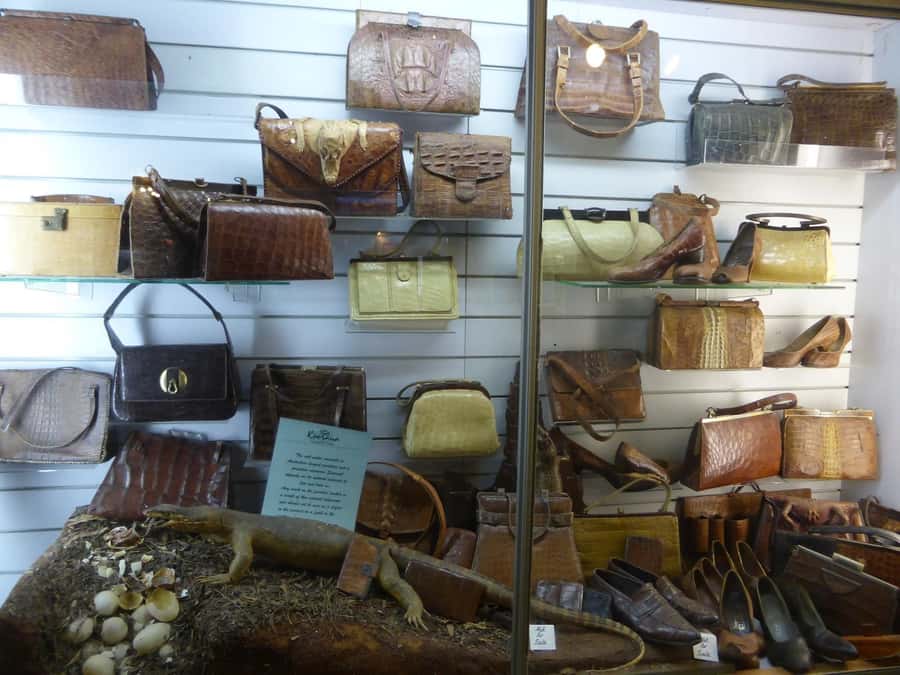
The video presentation covers crocodile behavior, the farm’s background, and the life of these animals. It is not the most dramatic part of the visit, but it prepares you for what you will see outside.
I like this order. You receive basic information first, then you can watch the animals with a better eye. Instead of seeing only a large reptile lying still, you have some idea of what to notice in its body position, movement, and response to feeding.
The video is also helpful if you are visiting with children old enough to follow a short educational presentation. The tour has a strong family appeal, but it is not aimed only at children. Adults who want to understand crocodile behavior and farming practices will get more from it than someone looking only for a quick photograph.
The experience is not suitable for children under three. Pregnant women are also listed as unsuitable for this activity, so check that point before booking.
The farm walk brings the crocodiles into focus
After the indoor introduction and video, you walk around the farm with your guide. This is where the visit becomes more immediate. You see crocodiles in their enclosures and learn how the farm operates as you move through the site.
The walk includes a feeding session by farm staff. Feeding is naturally one of the most entertaining moments, and it gives the guide a clear chance to explain crocodile reactions and behavior. The animals become active, and you can see the difference between their usual stillness and their response when food arrives.
Safety remains an important part of this section. The guides place clear attention on keeping the group at a safe distance and explaining how to behave around crocodiles. That balance matters. You get close enough to appreciate the animals without the tour pretending that these are tame pets.
One useful expectation to set is that a feeding session is not a guaranteed action show. The point is to observe the animals and learn from the guide, not to watch a long performance. One account found that the actual feeding was limited, even though the explanation was strong. If the crocodiles are less active than you hoped, the educational side still carries the visit.
The farm walk may also show you other animals, depending on what is available during your visit. The main subject remains crocodiles, so do not book this as a general animal park.
A few more farm days around Australia worth a look
- Amazing Yarra Valley Wine Tour + Chocolate, Farm Fresh, Gin
★ 5.0 · 1,566 reviews - Hidden Gems: Boutique Full-Day Wine, Farm & Lunch Tour
★ 5.0 · 881 reviews - Melbourne: Yarra Valley Wine, Choc, Farm Fresh, Gin Tour
★ 4.9 · 258 reviews - 3- Hour Wine and Harvest the Hunter Horse Tour in Pokolbin
★ 5.0 · 165 reviews
Holding a small crocodile is the big personal moment
For many people, the highlight is the chance to hold a small crocodile and take a photograph. Staff supervise this hands-on moment, and the opportunity is included in the tour details.
This is a memorable way to finish the learning side of the visit. A crocodile looks very different when it is small enough to hold, and the photo gives you a clear reminder of the experience. Children old enough to follow instructions often love this part, although adults are just as likely to line up for the picture.
The moment should still be treated with respect. A baby crocodile is not a cuddly toy, and the purpose is not to handle it casually. Listen to the staff, follow their instructions, and let the animal be returned promptly.
You may want to confirm the exact photo arrangement when you arrive. The tour includes a hands-on photo opportunity, but the supplied details do not explain whether staff take the picture with your camera or provide a separate photo service.
Eggs and hatching add seasonal value
Koorana’s seasonal activities can make the tour different at different times of year. From December to February, staff may carry out nest raids to collect eggs. From February to May, you may see baby crocodiles hatching.
The word nest raid sounds dramatic, but here it refers to staff collecting eggs as part of the farm’s breeding process. Seeing the eggs gives you a better sense of the work involved before a hatchling appears. You also learn about the hatching process and the early stages of a crocodile’s life.
Hatching season is likely to be especially appealing if you are fascinated by animal development. Watching a baby crocodile emerge connects the farm’s breeding work with the young animals you may see later.
These activities are seasonal, so you should not assume that eggs or hatchlings will be available on every date. If that is your main reason for booking, check the timing before you pay. The regular tour still includes the talk, video, farm walk, feeding, and small crocodile photo opportunity outside those periods.
How the $28 price measures up
At $28 per person, this is a reasonably priced 90-minute activity. You receive a fully guided tour, an introductory conservation and farming talk, a behavior video, a farm walk, crocodile feeding, and a hands-on photo opportunity.
That works out at a modest cost for a specialist experience. You are paying for access to a working crocodile farm and for the guide’s explanations, not just for entry to a fenced animal area. The value is strongest if you listen closely and ask questions.
Food and drinks are not included, so plan for those separately. One account describes having crocodile steak at lunch, but that should not be treated as part of the standard tour because the included items list does not include a meal.
The tour also offers free cancellation up to 24 hours before the start time and a reserve-now, pay-later option. Those terms are useful if your Rockhampton plans may change, but check the booking conditions at the time you reserve.
Heat and comfort can shape your experience
Queensland sun can make a short farm visit feel much longer. Bring comfortable shoes, sunscreen, water, a camera, and insect repellent. A hat is also a sensible addition, especially after one visit took place on a very hot day.
Comfortable shoes matter because the experience includes a farm walk rather than a single indoor presentation. The tour lasts 90 minutes, so you do not need specialist hiking gear, but open footwear may be less practical around a working farm.
Weather can affect the mood of the visit. One tour remained worthwhile in bad weather because the guide kept the group engaged, but you should still dress for the conditions. A camera is worth bringing for the small crocodile photo, though keep it ready rather than assuming staff will supply every picture.
The tour is offered in English with a live guide. If you are not fully comfortable with fast spoken English, stand where you can hear clearly and ask the guide to repeat important points.
Who will enjoy this tour most
I would recommend Koorana to families with children over three, couples looking for an unusual Capricorn Coast activity, and anyone curious about crocodile conservation. It also suits people who prefer a guided experience with a clear beginning, middle, and end.
The tour is especially good for you if you want to:
- Learn how crocodiles behave rather than simply photograph them
- See farm feeding and breeding work
- Hold a small crocodile under supervision
- Visit during egg collection or hatching season
- Add an educational stop to a Rockhampton or Capricorn Coast itinerary
You may want to skip it if you dislike reptiles, struggle in hot outdoor conditions, or want a large attraction with many different types of entertainment. The farm has one main subject, and the visit depends heavily on your interest in crocodiles and on the quality of the guide on the day.
Should you book Koorana Crocodile Farm?
Yes, if you want a short, focused wildlife experience with a strong educational side. The $28 price is fair, the 90-minute format fits easily into a day around Rockhampton, and the feeding session plus baby crocodile photo gives the tour enough action for younger visitors.
Book with realistic expectations. You may not see a dramatic feeding display, and seasonal egg or hatching activities are not guaranteed year-round. But with a good guide such as Kia or Mel, you get much more than a photo stop: you learn how crocodiles live, how farms manage them, and why conservation remains part of the conversation.
FAQ
How long is the Koorana Crocodile Farm tour?
The guided tour lasts 90 minutes, or one and a half hours.
How much does the tour cost?
The listed price is $28 per person.
Is the tour conducted in English?
Yes. The activity includes a live English-speaking guide.
Can I hold a small crocodile?
Yes. The tour includes a hands-on opportunity to hold a small crocodile and take a photo, under staff supervision.
When can I see eggs or baby crocodiles hatching?
Nest raids and egg collection take place from December to February. Baby crocodiles may hatch from February to May. These activities depend on the season.
What should I bring?
Bring comfortable shoes, a camera, sunscreen, water, and insect repellent. A hat is also a practical choice for the Queensland sun.
Just added around Australia
- Alpaca Farm Tours with Toffeemont★ 5.0 · 8 reviews
- Alpaca Meet and Greet Experience in Peterborough★ 4.5 · 6 reviews
- One Hour Coral Farm Tour, Discover Australia’s Marine Life★ 5.0 · 15 reviews
- Hook-A-Barra Fishing and Farm Activity★ 5.0 · 47 reviews
- Macadamias Australia Orchard Tour in Bundaberg★ 5.0 · 15 reviews
- Oyster Farm Tour with Hotel Pick-up and return from Port Lincoln★ 5.0 · 11 reviews
- Experience Coffin Bay Short and Sweet Oyster Farm Tour★ 5.0 · 56 reviews
- Group Live Pearl Harvest Experience – Perth★ 5.0 · 2 reviews
Australia Farm Tours, compared.
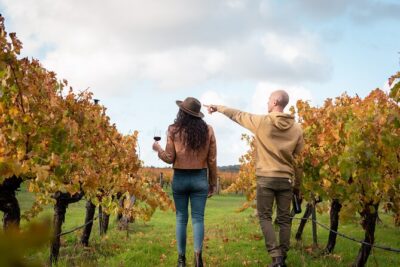
Hidden Gems: Boutique Full-Day Wine, Farm & Lunch Tour
Read our review →
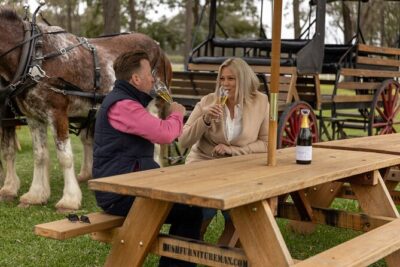
3- Hour Wine and Harvest the Hunter Horse Tour in Pokolbin
Read our review →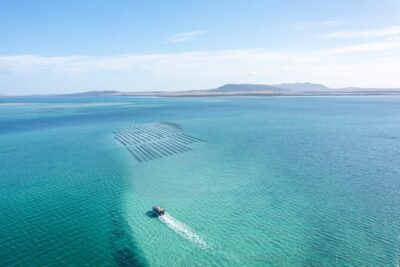
Experience Coffin Bay Oyster Farm and Bay Tour
Read our review →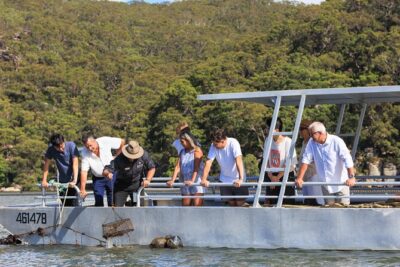
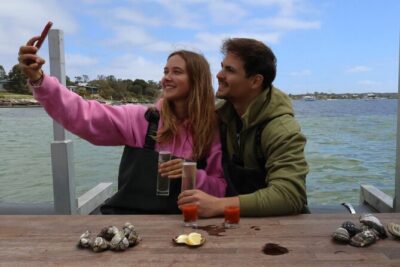
Coffin Bay Oyster Farm Wading Tour & Tasting Experience
Read our review →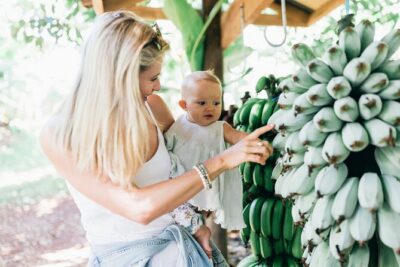
Hidden Gems Margaret River: Authentic Wine & Farm Experience
Read our review →Browse the lists this tour appears in