
Review · HOI AN
Farming with Farmers at ancient vegetable Village “Tra Que”
The best part of this Hoi An outing is its simple route from farm to fork. You cycle through rice fields to Tra Que, work the soil with local farmers, harvest herbs, then cook and eat what the village grows. It feels far removed from town traffic and packaged sightseeing.
I like the hands-on farming and the chance to see how seaweed from a nearby lake helps feed the soil. I also like the food lesson, especially since the chef can adjust dishes for allergies and dislikes. The main consideration is transport: if you choose a car pickup, you must arrange and pay for a private taxi back to town.
Key points to know before you go
- A 20-minute bicycle ride takes you through rice fields, past cows, ducks, and buffaloes before the farm work begins.
- Tra Que is more than a photo stop: the 300-year-old village grows over 30 types of herbs and vegetables by hand.
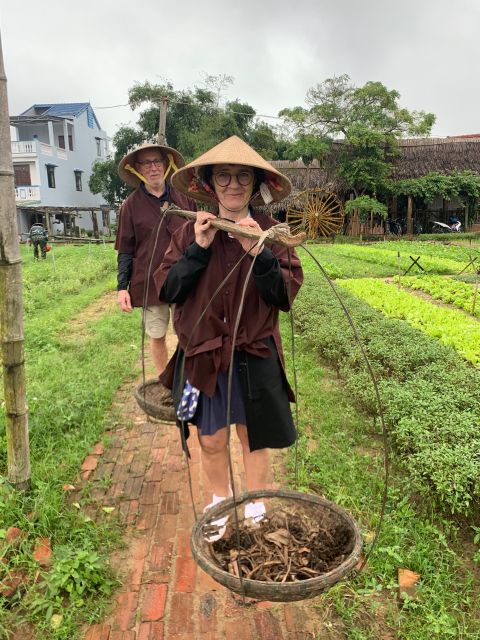
- You work alongside farmers, raking soil, adding lake seaweed, sowing seeds, watering plants, and picking herbs for lunch.
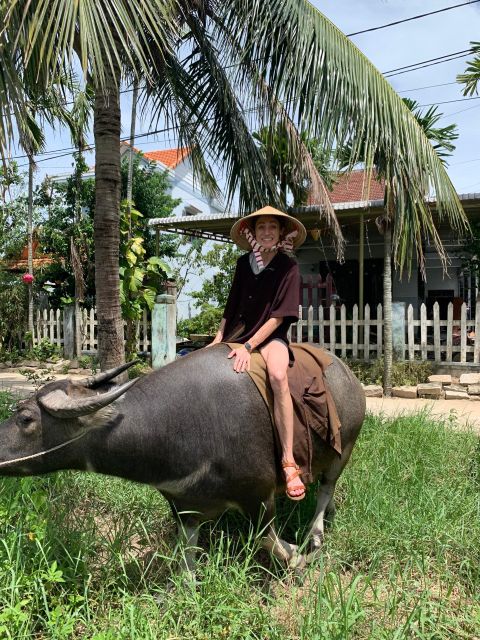
- The water buffalo ride and basket boat trip add a playful local touch after the farming session.
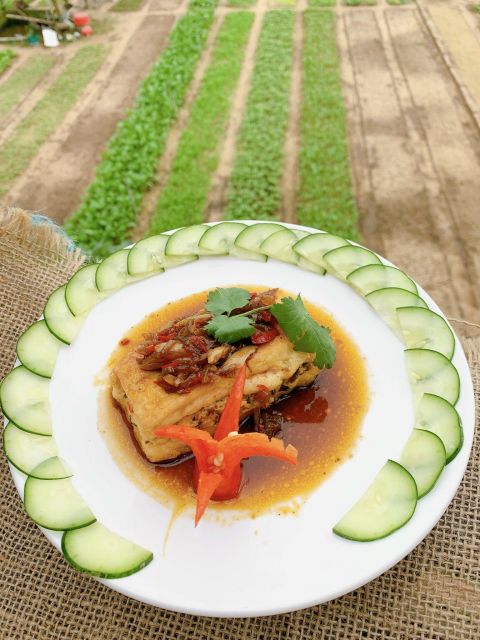
- Lunch is part lesson, part meal, with a local chef guiding you through traditional dishes.
- The $41 price covers the guide, transport options, welcome drink, village visit, farming activities, and lunch.
Why Tra Que makes a good half-day escape from Hoi An
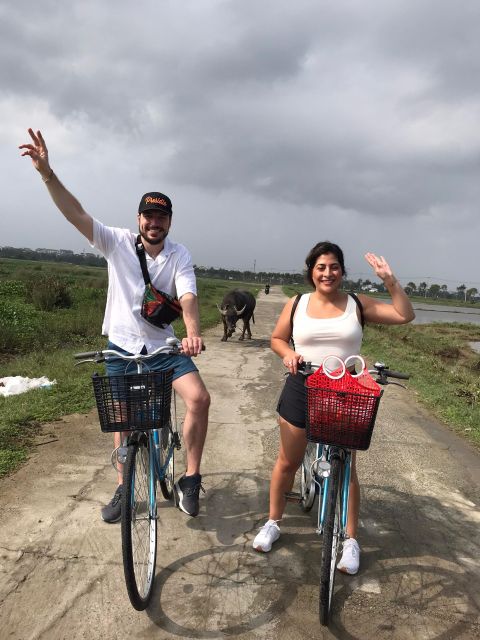
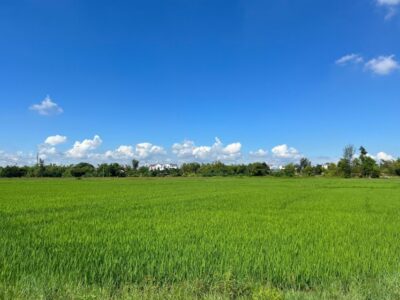
Tra Que sits close enough to Hoi An for an easy countryside outing, but the mood changes quickly once you leave the town streets. The route runs through rice fields, where you can see working farms, cows, ducks, and buffaloes rather than hotel buildings and shop signs.
The bicycle ride takes about 20 minutes. That is long enough to feel like you are going somewhere, but short enough for most people who are comfortable on a bike. You can also request pickup by car or motorbike instead, which helps if cycling is not suitable for you.
I like the pace here. This is not a tour that races from one attraction to the next. You reach a quiet farming village, slow down, and spend time doing ordinary work that happens to be unfamiliar to most visitors.
Tra Que has more than 300 years of farming tradition. Its fertile position near the river supports more than 30 types of herbs and vegetables. The village uses manual methods, so the visit offers a clear look at food production before it reaches a market, restaurant, or kitchen.
A few more farm days around Hoi An worth a look
- Cocolocal Farm Cooking Class with market tour and basket boat
★ 5.0 · 231 reviews - Rural Hoi An Cycling, Cooking Class at Organic Farm
★ 5.0 · 72 reviews - Farming & Cooking Class in Hoi An – Small Group Tour
★ 5.0 · 71 reviews
Entering a 300-year-old herb village
Once you arrive, the first surprise is how quiet the vegetable plots are. The fields are green, fragrant, and laid out for careful handwork. You will not find the noise of large machinery or heavy vehicle traffic here.
The village is protected as a heritage site by the government. That status matters because Tra Que is not simply a garden built for tourists. It remains a working place where families grow ingredients used in local meals.
Your guide introduces the herbs and spices that appear in everyday cooking. This part is useful even if you are not a keen gardener. Vietnamese food depends heavily on fresh leaves, roots, and herbs, and seeing them in the soil gives you a better sense of how local dishes are built.
The visit is also a chance to understand why this particular area is productive. The river nearby helps create fertile soil, while seaweed gathered from a nearby lake is used as natural fertilizer. You will see a farming method based on local materials rather than a long list of manufactured products.
Do not expect a formal museum or a display of old tools behind glass. The interest comes from the fields themselves and from taking part in the work.
Getting your hands dirty with local farmers
The farming portion is the heart of the experience. You may help prepare the soil, rake the ground with traditional tools, add seaweed fertilizer, sow seeds, water young plants, and pick herbs for lunch.
Each task is straightforward, but together they show how much care goes into a small vegetable plot. Raking, watering, and planting are not dramatic activities. That is precisely why they work well here. You get a short look at the steady routine behind a meal.
I especially like that the herbs you pick are used later in the cooking session. The connection is clear: you do not just look at a crop and then move on. You help gather ingredients and later learn how they fit into a dish.
Expect some physical activity. You will be outside, bending, walking between plots, and handling basic farm tools. The experience is not a hard workout, but it is more active than a standard village visit.
Your clothing should be practical and easy to wash. The supplied information does not specify what farming equipment or protective clothing is provided, so do not count on a full set of boots or gloves. Bring a relaxed attitude toward soil, water, and outdoor work.
The water buffalo and basket boat add some fun
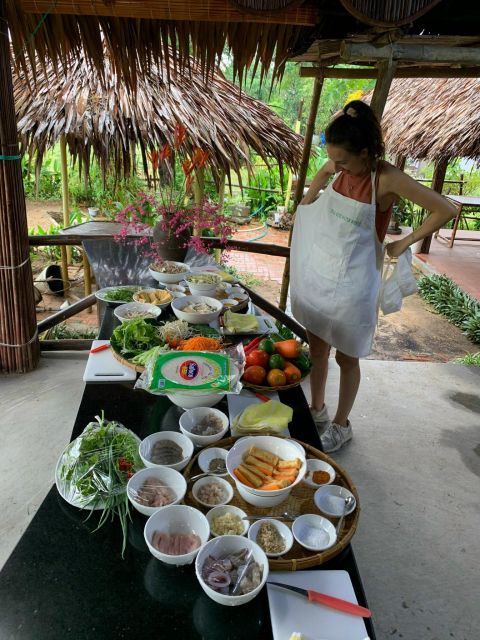
After the farming session, the outing shifts from quiet fieldwork to two more unusual activities. You can learn to ride a water buffalo, a familiar and important farm animal in the region.
This is a short activity, not a full day of animal handling. The appeal is the chance to meet an animal that still plays a visible role in rural work. It also gives the day a little humor and variety after the slower farming tasks.
You will also try rowing a round basket boat among coconut palm trees. Basket boats are closely tied to central Vietnam’s waterways, and their round shape makes them feel quite different from an ordinary wooden boat.
The activity is hands-on, so you should expect a little practice before you get the boat moving in the direction you want. The supplied details do not state how long the buffalo ride or boat trip lasts. Think of both as short activity stops rather than extended excursions.
These parts may be especially appealing if you are booking for children or anyone who wants more than a garden tour. If you mainly want a quiet food and farming lesson, they remain optional-feeling additions rather than the main reason to book.
Same fields, a different sort of day out:
- Rural Cycle, Market Tour, Basket Boat & Organic Farm Cooking
★ 5.0 · 64 reviews - Cooking Class Hoi An – Organic Garden – Farming Tour-Handicrafts
★ 5.0 · 56 reviews - Hoi An Farming And Fishing Life
★ 5.0 · 45 reviews - From Hoi An: Cooking Class at Organic Farm
★ 5.0 · 40 reviews
Cooking lunch at Tra Que Water Wheel restaurant
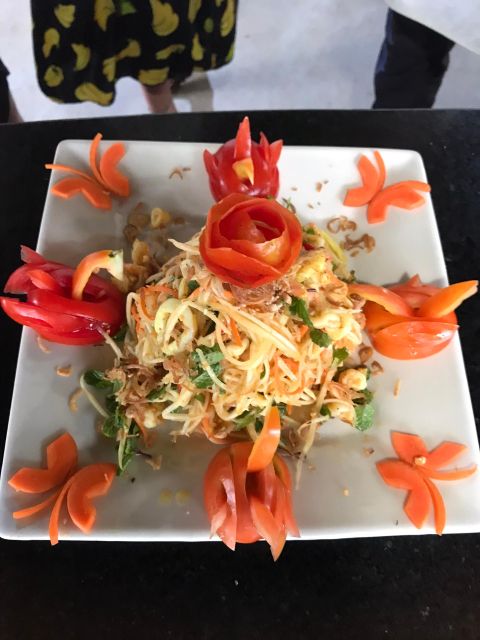
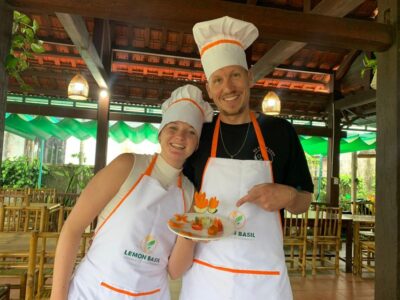
The food section follows the farming session and takes place with a local chef and family member connected with Tra Que Water Wheel restaurant. You follow the chef through a lunch menu and take part in preparing the dishes yourself.
This is more useful than simply sitting down to a meal because you learn how local ingredients are handled. The herbs picked from the garden become part of the meal, and the earlier talk about spices now has a practical purpose.
The strongest point here is the attention to dietary needs. The chef can accommodate wishes and allergies when you provide the information in advance. One diner received an extra dish without coriander, which is a helpful detail if that herb is a problem for you.
The exact lunch menu is not listed, so do not book expecting a named set of dishes. What you can count on is a local lunch menu, cooking instruction, and food prepared with the produce connected to the farm visit.
The food is also where the price starts to make sense. You are not paying only for transport to a vegetable village. The $41 fee includes a guided activity, hands-on farm work, a cooking session, and lunch. If you value a meal with a story behind it, the package offers fair value.
It is wise to tell the provider about allergies or strong food dislikes before the day begins. The chef can adapt dishes, but clear notice gives the kitchen more time to prepare.
Transport choices and the return to Hoi An
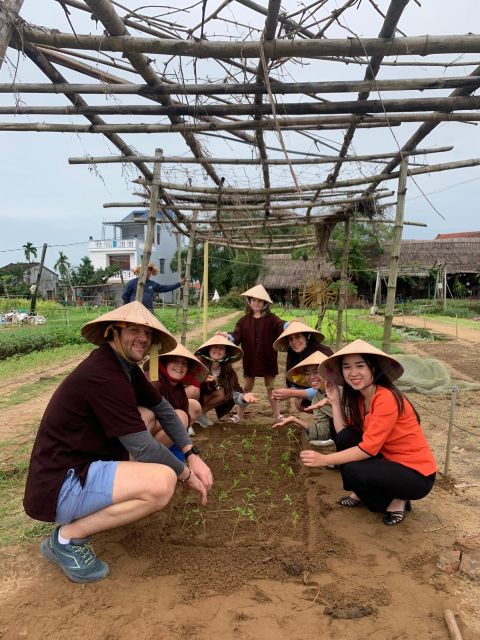
The simplest option is pickup and drop-off by bicycle. A local chef or family member from the restaurant can collect you at your hotel, and the ride to Tra Que takes about 20 minutes through the rice fields.
You can request a car or motorbike instead. This gives you more flexibility if you do not want to cycle, but the transport arrangements differ. If you choose a car pickup, the return to town requires a private taxi at your own expense.
That taxi detail matters when comparing the real cost. At $41 per person, the experience is reasonably priced if you use the bicycle option and want the full farm, food, and activity package. A car pickup may be more comfortable for some people, but you should add the return taxi to your budget.
The information does not give a tour duration or group size. Plan your day with some flexibility rather than scheduling a tight appointment immediately afterward. Farming, cooking, and transport can take longer when the activity is hands-on.
Who will get the most from this experience
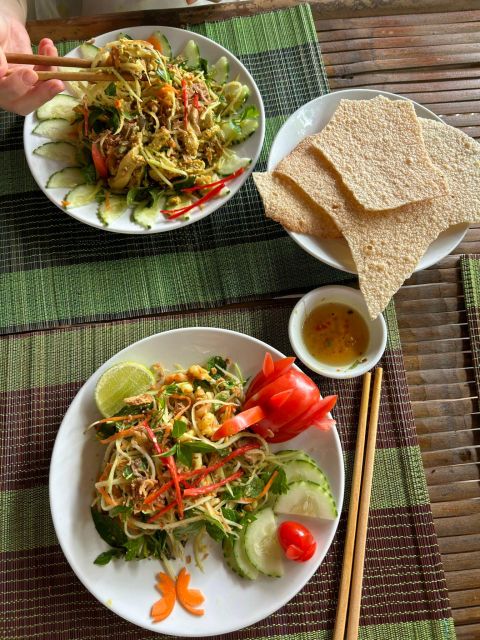
I would choose this for anyone who wants to see a working side of Hoi An rather than only its old streets. It suits people who enjoy food, short bike rides, countryside views, and practical cultural activities.
Families may like the mix of tasks. The vegetable plots teach something real, while the buffalo ride and basket boat keep the outing from feeling like a gardening lesson.
It also works well for couples and solo visitors who want a small-scale local experience. The personal link to a family restaurant gives the day a more direct feel than a large sightseeing circuit.
You should think twice if you dislike outdoor work, mud, heat, or unstructured activity. This is not a polished indoor cooking class with every ingredient measured and every step timed. You will be working in a field before you sit down to lunch.
Cycling ability is another consideration. The ride lasts only about 20 minutes, but the package is built around traveling through the countryside by bicycle. A car or motorbike pickup is available, though the car option brings the extra taxi cost on the return.
What the $41 price includes
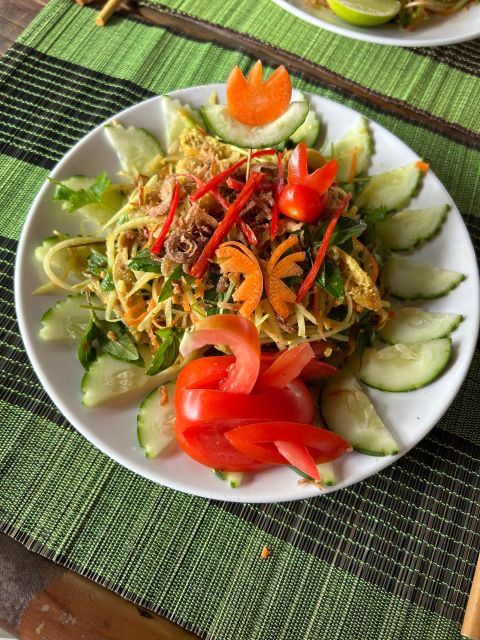
The price covers an English-speaking guide, a welcome drink, the eco-tour through Tra Que, farming activities with local farmers, and the lunch menu.
It also includes hotel pickup and drop-off by bicycle, while car or motorbike pickup can be arranged as an alternative. The car option does not include your taxi back to town.
For a half-day style outing, the price is strongest if you want several elements in one booking. You get transport, cultural explanation, physical activities, and a meal rather than paying separately for a garden visit and a cooking class.
The value is less clear if you only want to look around the village. In that case, the farming and cooking portions may feel like more than you need. But if you want to take part, eat locally, and come away with a better understanding of Vietnamese herbs, the package earns its price.
Payment can be made later, and cancellation is allowed up to 24 hours before the experience for a full refund. Those terms help if your Hoi An plans are still moving around.
What I would prepare before booking
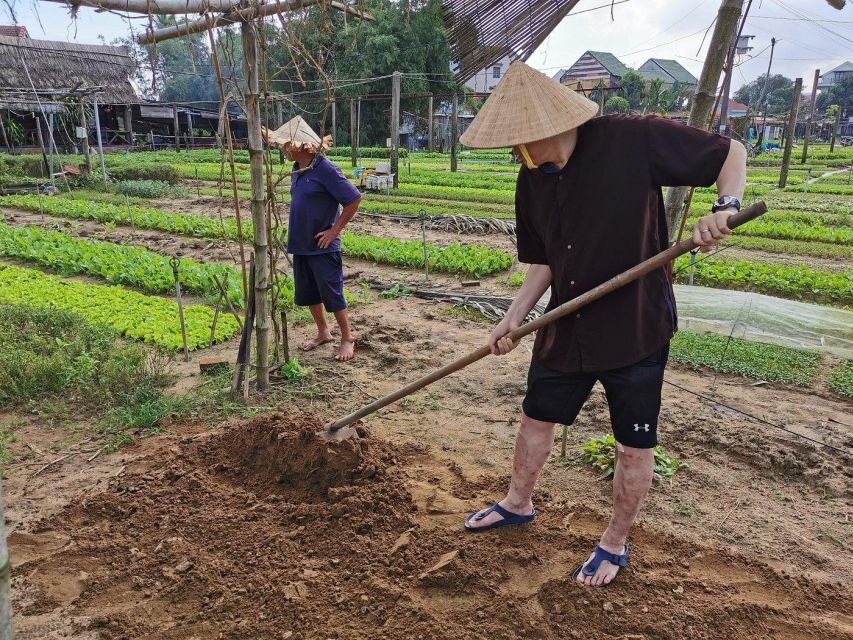
Ask for bicycle pickup if you want the most complete countryside feel and the simplest return arrangement. Choose car transport only if you need it, and remember to account for the private taxi back to town.
Tell the provider about allergies and foods you avoid before the tour. The kitchen has already shown flexibility with coriander, but advance notice is still the sensible move.
Wear clothes suitable for farming and cycling. The description does not specify protective gear, so choose practical items that can handle outdoor work. Also keep your schedule open enough that lunch and the return ride do not make you rush.
The tour is offered in English. No other language is listed, so English is the language to expect for the guide and cooking instruction.
Should you book Farming with Farmers at Tra Que?
Book it if you want an active countryside day with a clear local connection. The best parts are the hand work in the fields, the use of freshly picked herbs in lunch, and the chance to meet the family team behind Tra Que Water Wheel restaurant.
I would be especially keen to book this at $41 if I were already staying in Hoi An and wanted one outing that combined cycling, farming, cooking, a water buffalo, and a basket boat. It gives you more than a quick photo stop without requiring a full-day commitment.
Skip it if you want a highly scheduled tour, dislike getting involved, or need a completely fixed transport plan. For everyone else, this is a friendly and useful way to understand where central Vietnamese food begins, in the soil, beside the river, and in the hands of local farmers.
FAQ
Where does the experience take place?
It takes place at Tra Que Vegetable Village in central Vietnam, near Hoi An.
How far is the bicycle ride to Tra Que?
The bicycle ride takes about 20 minutes through rice fields.
Can I be picked up by car instead of bicycle?
Yes. Pickup can be arranged by car or motorbike instead of bicycle.
Is the return trip included if I choose car pickup?
If you choose car pickup, you must take a private taxi back to town and pay for it separately.
What farming activities will I do?
You may rake the soil, add seaweed fertilizer, sow seeds, water young plants, and pick herbs for lunch.
How old is Tra Que Vegetable Village?
Tra Que is described as a vegetable village with more than 300 years of history.
What does the village grow?
The village grows more than 30 types of herbs using manual farming methods.
Is lunch included?
Yes. The lunch menu is included, along with the cooking session led by a local chef.
Can the food be adjusted for allergies?
Yes. You should tell the provider about allergies and food preferences so the kitchen can prepare suitable dishes.
What language is the tour offered in?
The experience is offered in English.
Just added around Hoi An
- Sunset photo tour with the farmers★ 4.5 · 7 reviews
- Tra Que Village Cycling And Farming★ 5.0 · 15 reviews
- Experience Buffalo Ride and Farmer in Hoi An★ 5.0 · 3 reviews
- Hoi An Home Hosted Meal in Rice Farmer Home★ 5.0 · 3 reviews
- Hoi An Rural Life And Cooking At Organic Farm★ 5.0 · 7 reviews
- Hoi An Farming and Fishing life Experience Tour★ 5.0 · 17 reviews
- Hoi An Rice Farm Tour and Buffalo Riding with Local Home Meal★ 5.0 · 6 reviews
- Half Day Ride Bike To The Farm and Cooking Activity with Foot Massage★ 5.0 · 2 reviews
Hoi An Farm Tours, compared.
Cocolocal Farm Cooking Class with market tour and basket boat
Read our review →
Rural Hoi An Cycling, Cooking Class at Organic Farm
Read our review →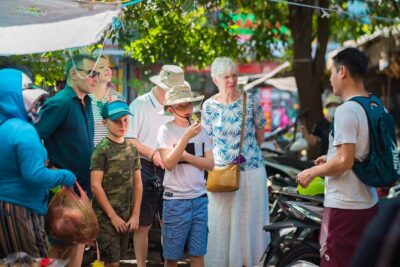
Farming & Cooking Class in Hoi An – Small Group Tour
Read our review →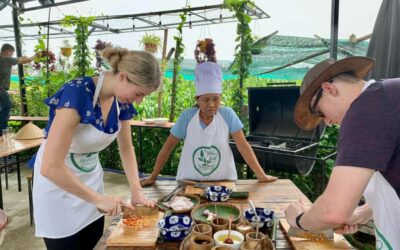
Rural Cycle, Market Tour, Basket Boat & Organic Farm Cooking
Read our review →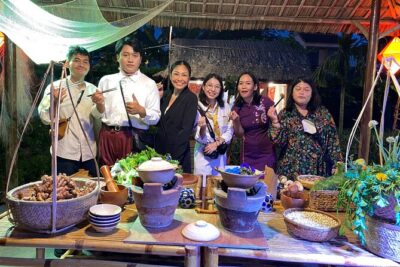
Cooking Class Hoi An – Organic Garden – Farming Tour-Handicrafts
Read our review →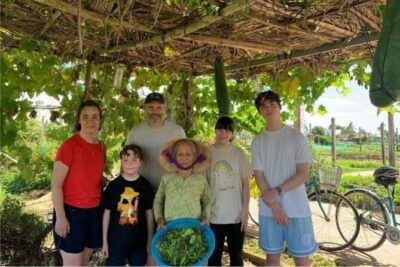
Funny day Biking, Farming, Buffalo riding and Basket boat
Read our review →Browse the lists this tour appears in