Review · USA
Explore Chicago’s Indoor Mushroom Farm Experience
Chicago’s mushroom farms are not out in a distant field. They operate inside the city, in carefully controlled rooms where gourmet fungi grow from prepared substrate to finished food. This tour takes you behind the scenes at Four Star Mushrooms, showing the full production chain rather than just displaying a few growing blocks.
I like the clear connection to Chicago restaurants and food businesses, and I like that the tour explains regenerative agriculture instead of treating mushrooms as a novelty. The main drawback is that this is an adult-leaning industrial tour, not a hands-on children’s attraction. Young children can attend, but forklifts and working equipment call for close supervision.
Key Points to Know Before You Go
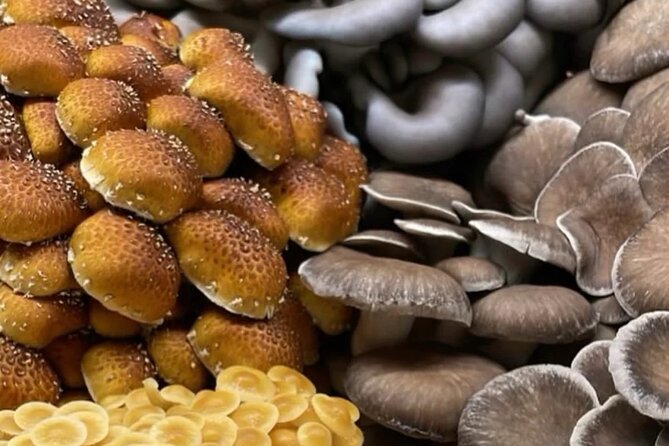
- Follow the complete growing process: See substrate bagging and sterilization, inoculation, incubation, fruiting, and packaging.
- Visit an operating urban farm: This is a working production facility supplying retail and wholesale customers around Chicagoland.
- Expect an English-language tour: The experience begins at noon at 320 N Oakley Blvd.
- Allow about 90 minutes: The guided farm portion is described as roughly 60 minutes, with the full activity listed at about 1 hour 30 minutes.
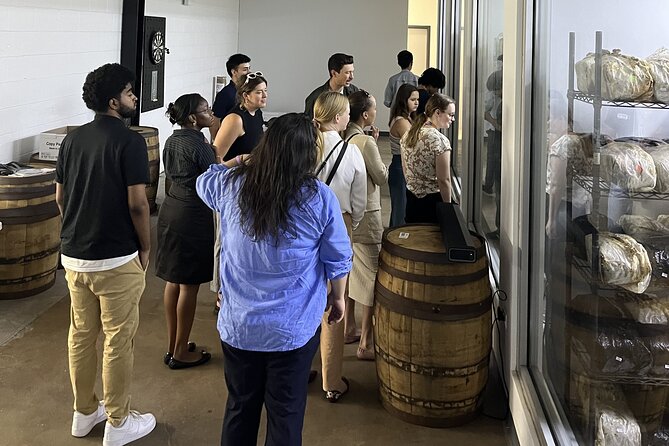
- Plan for a small-to-medium group: Attendance is capped at 25 people, which should make the explanation easier to follow.
- Consider the audience: Adults and food-minded visitors will get the most from it. Small children may attend, but this is not built as a children’s attraction.
Why an Indoor Mushroom Farm Makes a Good Chicago Tour
Most food tours focus on eating. This one focuses on production, and that changes the experience. You see the steps that normally disappear before a mushroom reaches a restaurant kitchen or grocery shelf.
The operation uses controlled environment agriculture, a system that allows growers to manage the conditions needed for specialty mushrooms indoors. That matters because the farm can produce food close to its Chicago customers without relying on a conventional rural field. You get a useful look at how food production can fit inside a large city.
I especially like the way the tour connects the technical work to the food economy. Four Star Mushrooms supplies retail and wholesale customers throughout Chicagoland, including the restaurant scene. So the visit is not just about unusual fungi. It is about how a local producer fits into the wider chain between grower, chef, store, and diner.
The subject also has a practical environmental angle. The tour explains how mushroom cultivation plays a role in regenerative agriculture. You will not simply hear that mushrooms are interesting. You will learn why this type of growing can be part of a broader conversation about using resources wisely and producing food in new ways.
A few more farm days around the USA worth a look
- Swamp Boat Ride and Oak Alley Plantation Tour from New Orleans
★ 5.0 · 3,303 reviews - Maui Pineapple Farm Tour in Haliimaile
★ 5.0 · 2,855 reviews - Half-Day Thoroughbred Horse Farm Tour in Kentucky
★ 5.0 · 1,924 reviews
Arriving at 320 N Oakley Boulevard
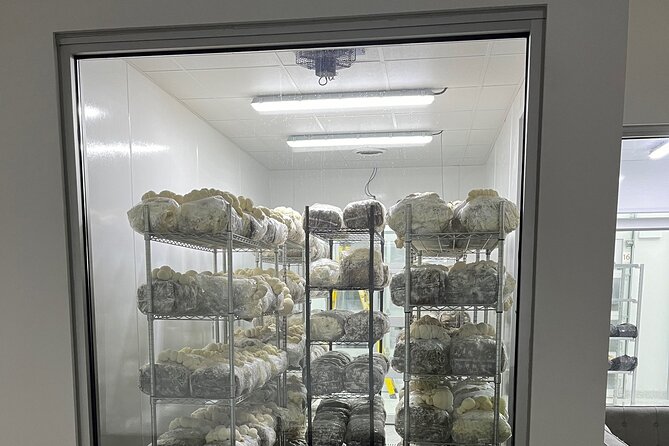
The meeting point is 320 N Oakley Blvd, Chicago, Illinois 60612, with a 12:00 pm start. The activity ends back at this same location, so you do not need to arrange a separate pickup or figure out where the tour finishes.
The location is important to your planning because this is a working farm rather than a central museum attraction. Give yourself enough time to reach Oakley Boulevard and find the meeting point before noon. The supplied details do not specify parking, public transit directions, or a café nearby, so do not assume that the facility provides a full visitor center or a place to linger before the tour.
A mobile ticket is accepted, and the tour is offered in English. Confirmation arrives at booking, which makes it easy to keep the meeting details on your phone. I would still save the address and start time separately, especially if you are fitting the farm visit between other Chicago plans.
The First Stage: Substrate, Bags, and Sterilization
The tour begins with the material that supports mushroom growth. You see raw substrate being bagged and sterilized before the growing process moves ahead.
This is one of the most useful parts for anyone who has only encountered mushrooms at a market. The mushroom itself is the visible result, but the substrate is the working base beneath it. Seeing it prepared helps you understand that growing specialty mushrooms involves careful handling long before any fruiting body appears.
Sterilization is another key step. It shows why a commercial mushroom farm needs controlled procedures rather than a casual pile of growing material. The tour presents the work as a sequence, and that sequence makes the operation easier to understand: prepare the material, make it suitable for cultivation, add the mushroom culture, and give it time to develop.
You should expect an industrial process here, not a cooking demonstration or a tasting session. The appeal comes from learning how the production system works. If you enjoy seeing the machinery and preparation behind food, this will likely be one of the stronger sections.
Inoculation and Incubation
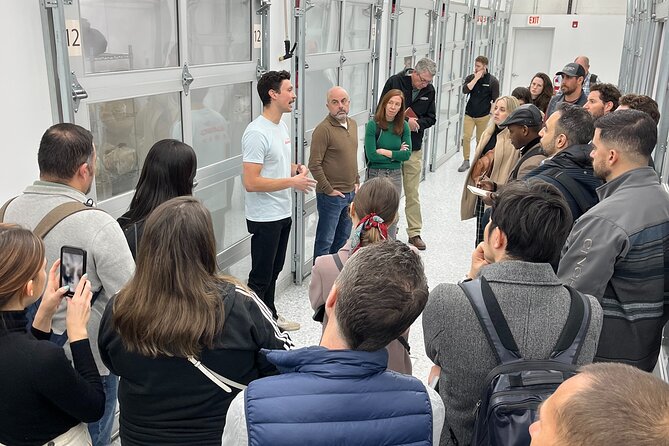
After sterilization, the substrate is inoculated and staged to incubate. This is the part of the process where the mushroom culture is introduced and allowed to develop before fruiting begins.
The value of this stop is that it gives you a sense of time. A finished mushroom can look simple on a plate, but production requires several separate stages. Incubation is less visually dramatic than a room full of mature mushrooms, yet it is essential to the story.
You might find this section especially interesting if you like agriculture, food science, or small-scale manufacturing. The tour does not reduce the work to a simple farm tale. It shows the coordination needed to keep a specialty product moving from preparation to sale.
The supplied information does not promise that you will handle the growing material or perform inoculation yourself. Plan on watching and listening rather than taking part in a workshop. That distinction matters if you are comparing this with a family craft activity or a hands-on cooking class.
Same fields, a different sort of day out:
- Oak Alley Plantation Tour with Transportation from New Orleans
★ 4.5 · 1,747 reviews - Boone Hall Plantation All-Access Admission Ticket
★ 4.5 · 1,736 reviews - Oahu: Kualoa Ranch Movie Sites and Ranch Tour
★ 4.5 · 1,655 reviews - Oahu: Kualoa Ranch UTV Raptor Tour
★ 4.5 · 1,569 reviews
Inside the Fruiting Rooms
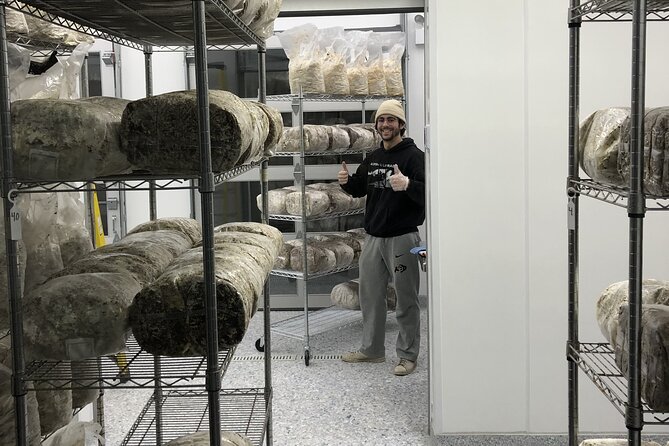
The grow rooms are where the process becomes easiest to picture. Here, the mushrooms fruit under controlled conditions, turning the earlier stages into a product ready for customers.
This should be the most visually memorable section of the visit. You can connect the prepared bags and incubation stages with the actual mushroom crop. The rooms also help explain why an indoor producer needs careful control of its growing environment.
For me, the real benefit is seeing how the farm manages a product that restaurants and shops need in usable quantities. This is not simply a hobby setup with a few blocks on a shelf. It is a commercial operation serving customers across the Chicago area.
The tour description does not list particular mushroom varieties, so you should not book expecting a guaranteed catalog of species. The focus is the cultivation process and the role of specialty mushrooms in local food supply. If you are looking for a named variety or a tasting menu, confirm those details before booking.
Packaging for Chicago Retail and Wholesale Customers
Once the mushrooms are ready, the tour follows them into packaging for retail and wholesale customers. This final step gives the visit a practical finish.
Packaging explains how the farm moves beyond production. A crop is only useful to a restaurant or shop if it can be prepared for delivery and sale. Seeing this stage helps you understand the farm as a food business, not only as a growing experiment.
The connection to Chicago’s restaurant scene adds local interest. Specialty mushrooms often appeal to chefs who want distinctive ingredients, and this facility helps supply that demand close to home. You get a clearer picture of how a city can support producers who grow food indoors and sell it to nearby businesses.
Do not expect a large market or shopping session based on the information provided. The focus is on observing the process. If retail purchases or samples are important to you, ask Four Star Mushrooms directly before the tour.
What the Regenerative Agriculture Discussion Adds
The agricultural explanation gives the visit more weight than a simple look at unusual crops. Mushroom cultivation can play a role in regenerative agriculture, and the tour explains that connection while showing the work in practice.
The term can sound broad, so seeing the facility helps ground it. You are not only hearing about environmental ideas in the abstract. You are looking at a production method that uses indoor space and links directly with local customers.
The tour does not provide enough detail to promise a full lesson in soil health, waste systems, energy use, or carbon accounting. Keep your expectations focused. You will receive an introduction to the role of mushroom cultivation in regenerative agriculture, alongside a working look at the farm’s methods.
That balance suits the experience. You get enough context to understand why the farm matters, without turning the visit into a classroom lecture. Food-minded visitors, gardeners, and people curious about alternative agriculture should find this part worthwhile.
How Long the Visit Really Takes
The activity is listed at about 1 hour 30 minutes, while the farm tour itself is described as roughly 60 minutes. That suggests you should allow extra time for arrival, movement through the facility, questions, and the start and finish of the visit.
The distinction is useful when planning your day. A 60-minute explanation can fit neatly into a busy schedule, but the full 90-minute window gives you a safer amount of time. Do not schedule another attraction at exactly 1:00 pm if you want to avoid rushing.
The noon start also shapes the day. You can place the visit between breakfast and an afternoon activity, or use it as a food-focused stop before exploring another Chicago neighborhood. Since the tour returns to the meeting point, your transportation plan stays simple at the end.
Price, Group Size, and Overall Value
The price is $20 per person. For that amount, you get access to a working specialty mushroom producer and a guided explanation of the full process from raw substrate through packaging.
I consider that fair value if you are genuinely interested in food production, urban agriculture, or mushrooms. The tour offers access to a type of facility you would not normally see during a standard Chicago sightseeing day. It also covers several stages in one visit, which makes the price easier to justify than a short display-only attraction.
The value is less obvious if you want entertainment, a meal, or a hands-on activity. There is no stated tasting, food serving, or workshop. You are paying for access and explanation, so your enjoyment depends on curiosity.
The maximum group size is 25 people. That is not an intimate private tour, but it is small enough to keep the visit manageable. In a working facility, group size matters because you need to hear the guide and avoid blocking active work areas. The available rating is 4.7 from three reviews, a positive signal, though the sample is small and should not be treated as a guarantee.
Is It Suitable for Children?
The activity allows most people to participate, but it is best understood as a grown-up tour. One family brought children aged five and three, and the children were welcome, though the setting was not designed around their attention span.
That is useful advice if you are deciding between this and a more traditional family attraction. Young children may enjoy the novelty of mushrooms and machinery, but they may also find the explanations long. The facility includes a forklift, so close adult supervision is essential. Children should not touch equipment, and parents should be ready to keep them beside the group.
Older children with an interest in science, farming, food, or business may get more from the visit. Teenagers might appreciate the production chain and the restaurant connection. Still, the farm does not promise child-specific activities, games, or demonstrations, so book it for the adults’ interest first.
Who Will Get the Most from Four Star Mushrooms?
I would recommend this tour to you if you enjoy seeing how food is made. It also suits visitors who have already seen Chicago’s major sights and want a more specialized activity with a local business focus.
You will likely appreciate it if you are interested in:
- Specialty food and restaurant supply
- Indoor farming and controlled environment agriculture
- Mushrooms, gardening, or food science
- Regenerative agriculture
- Chicago businesses that supply local customers
- Behind-the-scenes visits to working facilities
I would think twice if you need a lively sightseeing stop with many photo opportunities or a strong entertainment element. The experience is built around explanation and observation. Its appeal comes from the subject, not from a grand building or a packed schedule of attractions.
Booking and Cancellation Details
You can book with a mobile ticket, and confirmation is provided at the time of booking. The tour is offered in English, starts at noon, and accepts a maximum of 25 people.
Free cancellation is available if you cancel at least 24 hours before the start time. If you cancel less than 24 hours ahead, you will not receive a refund, and changes made within that same period are not accepted. The cut-off follows Chicago local time, so check the clock carefully if you are changing plans from another time zone.
The activity is often booked about 23 days ahead. That is a useful planning hint if your Chicago dates are fixed, though the supplied information does not guarantee that every date will sell out. Booking earlier makes sense for a small-group experience when you know you want the noon time slot.
Should You Book This Indoor Farm Tour?
Book it if you want a close look at how a Chicago food producer works. The strongest reason to go is the complete chain: substrate, sterilization, inoculation, incubation, fruiting, and packaging, all tied to retail and wholesale customers around Chicagoland.
I would especially choose it for an adult day out, a food-focused itinerary, or a visit with an older child who is curious about science and agriculture. At $20, it offers a useful look at an operation most people never see.
Skip it if you are seeking a tasting, a children’s play experience, or a broad sightseeing tour of Chicago. For everyone else, Four Star Mushrooms offers a focused, practical hour and a half that puts a working urban food system right in front of you.
FAQ
Where does the mushroom farm tour start?
The tour starts at 320 N Oakley Blvd, Chicago, IL 60612, USA.
What time does the tour begin?
The scheduled start time is 12:00 pm.
How long does the experience last?
The full activity lasts approximately 1 hour 30 minutes. The farm tour itself is described as roughly 60 minutes.
Where does the tour finish?
The activity ends back at the meeting point at 320 N Oakley Blvd.
How much does the experience cost?
The price is $20 per person.
Is the tour offered in English?
Yes. The experience is offered in English.
What is the cancellation policy?
You can cancel at least 24 hours before the start time for a full refund. Cancellations and changes made less than 24 hours before the experience are not accepted for a refund.
Just added around the USA
- Connect with Rescue Animals on a Private Farm Tour in Catskills★ 5.0 · 27 reviews
- Cozy Farm Experience with Wagon Wheels and Acoustic Meal★ 5.0 · 2 reviews
- Farm Tour at Clover Brooke Llama/Alpaca/Goat Farm★ 4.5 · 6 reviews
- Gourmet Mushroom Farm Tour in Tennessee★ 5.0 · 5 reviews
- Farms, Flights: Finger Lakes Brewery Tour★ 4.5 · 25 reviews
- Horse Country Estate and Vineyard Wine Tasting Tour★ 5.0 · 2 reviews
- Scottsdale Horseback Riding and Horse Country Estate Tour★ 5.0 · 2 reviews
- Scenic Scottsdale E-Bike Tour – 2 Hours★ 5.0 · 47 reviews
USA Farm Tours, compared.
Swamp Boat Ride and Oak Alley Plantation Tour from New Orleans
Read our review →

Half-Day Thoroughbred Horse Farm Tour in Kentucky
Read our review →
Oak Alley Plantation Tour with Transportation from New Orleans
Read our review →
Boone Hall Plantation All-Access Admission Ticket
Read our review →