
Review · ALPACA & LLAMA FARMS
Cusco: Alpaca and Llama Farm Tour w/ Transfer & Weaving Demo
At this farm near Cusco, you can feed and pet several South American camelid species, then watch local artisans turn wool into cloth. The animals are the draw, but the useful part is learning why vicuñas are called the gold of the Andes and how alpaca textiles fit into Peruvian culture. I like the easy hotel transfer and the gentle pace, especially during your first days at high altitude. The main drawback is the retail stop at the end, where prices can be much higher than in Cusco shops.
I like the mix of close animal encounters and practical textile lessons. Guides including Marlith, Holger, Olga, and Marley have been praised for explaining the animals clearly, helping with photos, and answering questions about Cusco and Inca culture. The tour also offers more than alpacas: you may see condors, deer, guinea pigs, vicuñas, and huanacos.
The visit is advertised as 150 minutes, with about 80 minutes at Manos de la Comunidad, but one past booking felt shorter and somewhat rushed. If you want a full farm day or a remote mountain setting, this is not it. If you want a convenient, low-effort introduction to Andean animals and weaving, it makes good sense.
Key points to know before you book
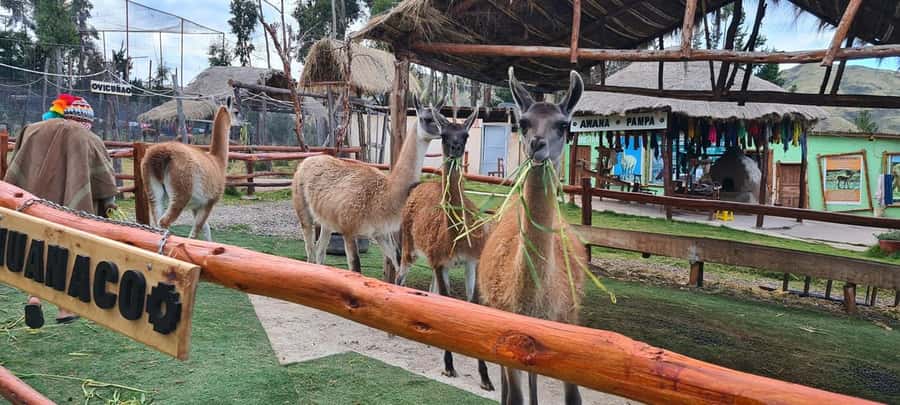
- Four camelid types in one visit: See two types of alpacas, four types of llamas, plus vicuñas and huanacos.
- A short ride from central Cusco: The farm is about 20 minutes from the historic center, with hotel pickup and return included.
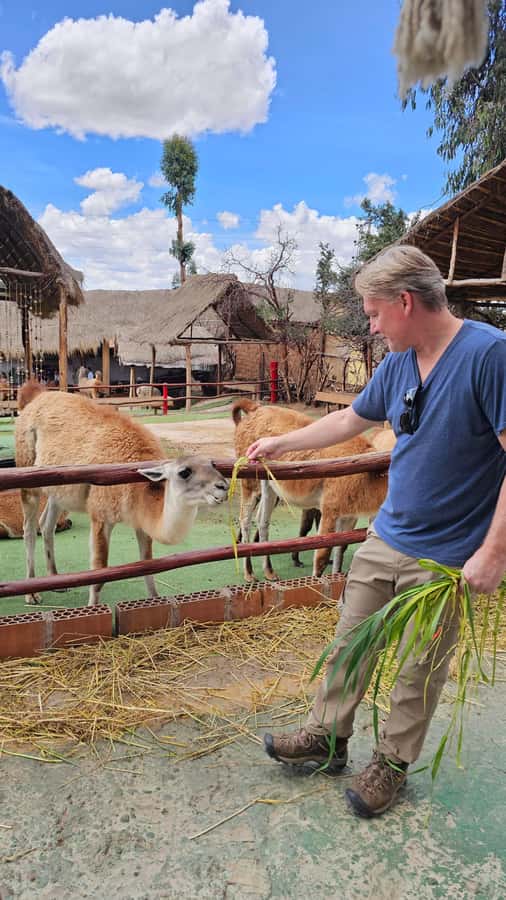
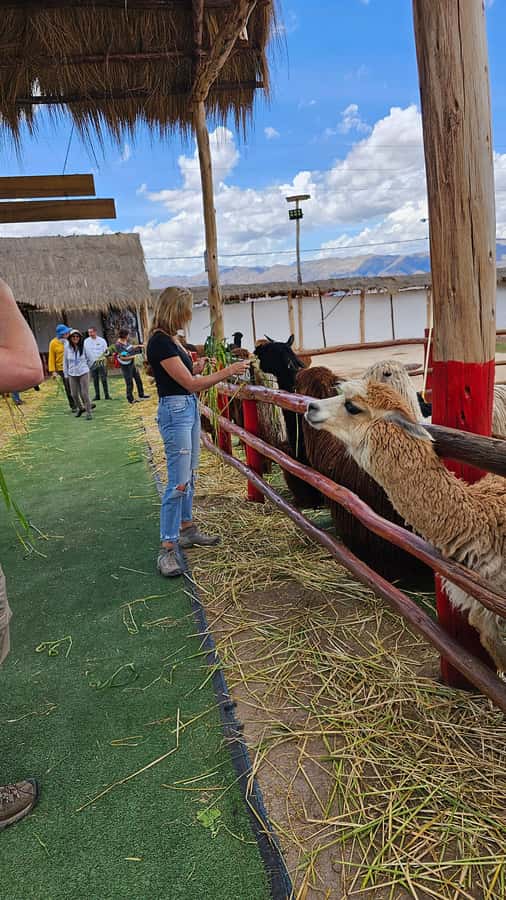
- Hands-on animal time: You may feed and pet the animals, giving you better photo chances than a distant viewing area.
- Useful textile lesson: Watch traditional weaving and dyeing, and learn ways to distinguish genuine baby alpaca fabric from imitations.
- Strong guide service: Marlith, Holger, Olga, Marley, and other guides have been singled out for clear explanations and friendly help.
- Allow for shopping pressure: The final store has attractive goods, but some prices can be far above those in Cusco.
A quick ride from Cusco to Andean camelids
The tour begins with pickup in Cusco and a drive of roughly 20 minutes from the historic center. That short transfer is a real advantage. You get out of the city without spending half your day in a vehicle, and you can return to your hotel soon after the visit.
The route also gives you a change of setting. One account described driving upward with good views over Cusco, while another praised the driver’s care on winding roads. You should still expect a high-altitude outing, so take it easy if you have just arrived. This is a better first or second activity than a demanding hike.
Hotel pickup and drop-off are included, along with a guide and water. The tour is offered in English or Spanish. Since the exact start time depends on availability, check the schedule before booking and leave room around the activity if you have a flight, cooking class, or major museum visit later.
More Alpaca and Llama Farms in the world:
- Alpaca and Llama Farm Tour
★ 5.0 · 446 reviews - Shamarra Alpaca Farm Tours
★ 5.0 · 117 reviews - Llama/Alpaca Hike and Farm Tour
★ 5.0 · 111 reviews
Meeting the llamas, alpacas, vicuñas, and huanacos
At Manos de la Comunidad, the guide begins with the story of South America’s camelids. You learn about their ancestors, how people domesticated them, and which species were developed by the Incas. That background gives the animal encounter a little more meaning than simply taking pictures of cute faces.
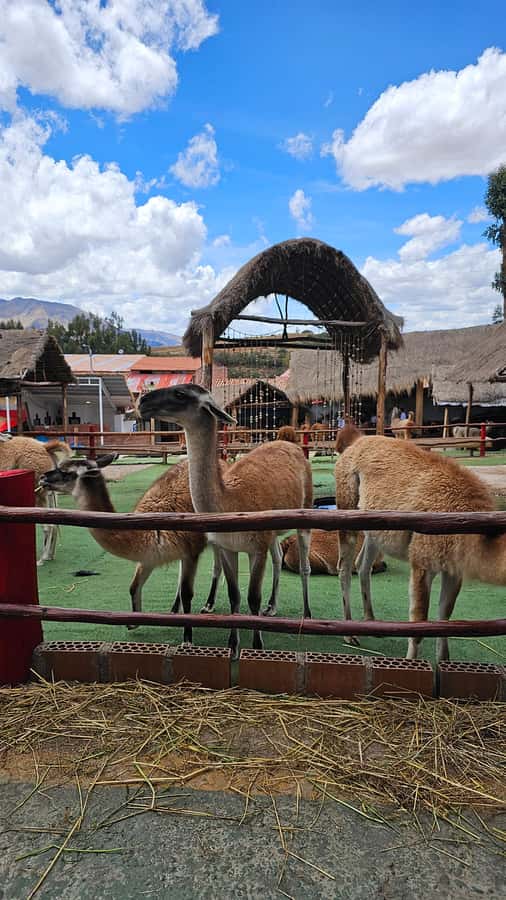
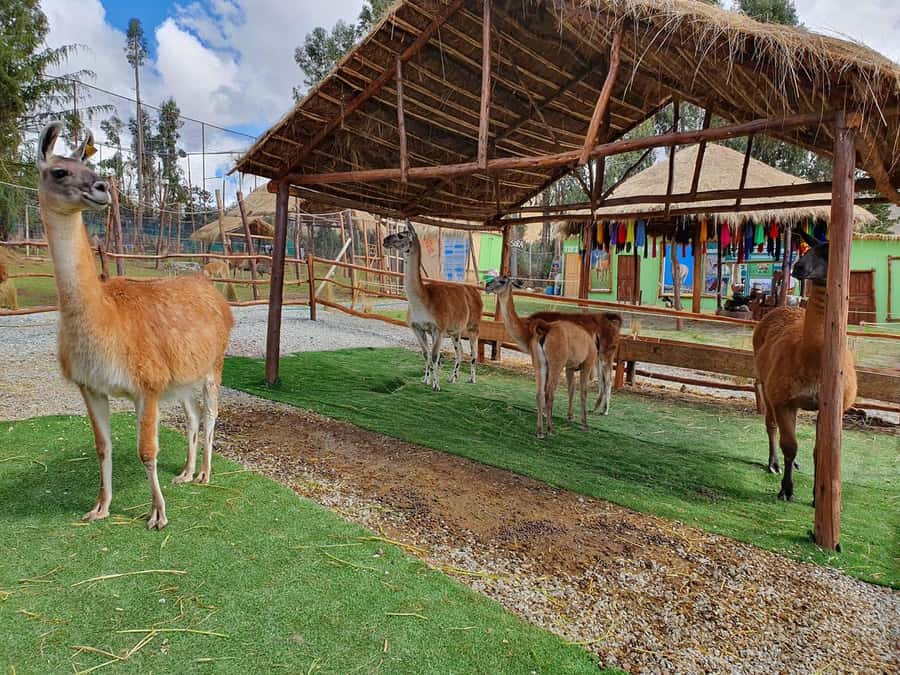
You can see the two varieties of alpacas and the four types of llamas gathered in one place. The guide explains their different traits and personalities, and you may get to feed them by hand and pet them. Bring your camera, but keep some attention on the explanations. The useful details are in the differences between species, not just in the photo opportunity.
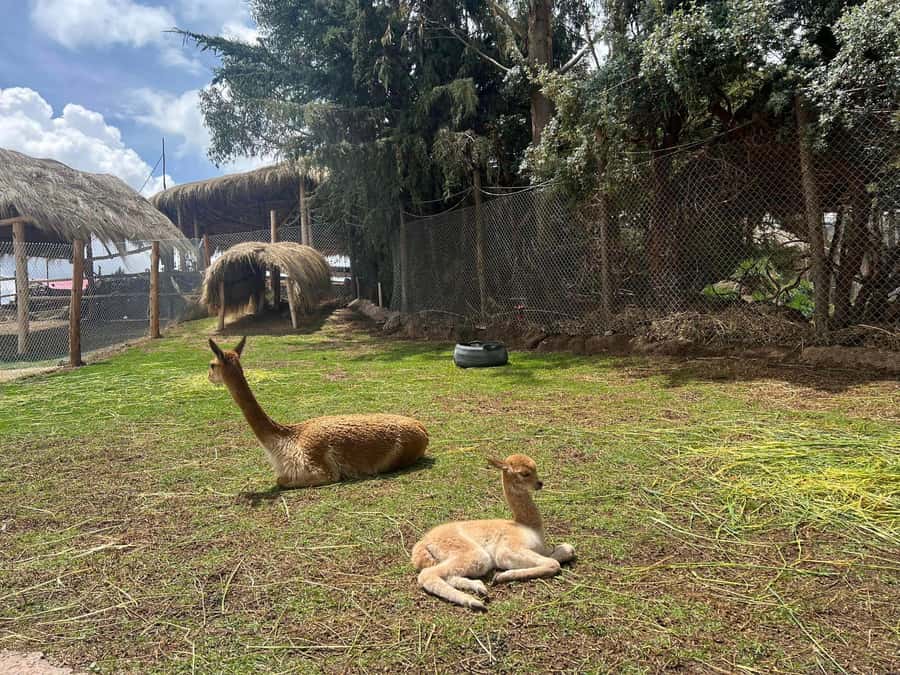
The smaller vicuñas are especially interesting. They are known as the gold of the Andes because of the value of their fine wool. Huanacos, the wild ancestors connected to domestic camelids, add another layer to the story. Seeing the animals together helps you understand how farming, clothing, trade, and identity have been tied to these creatures for centuries.
The setting is a working animal and cultural attraction rather than a wild reserve. That means the visit is accessible and organized, but it will not feel like observing animals in their natural habitat. Some animals may be eager to approach, while others may keep their distance. The experience is best when you treat the feeding and petting as an opportunity, not a guarantee for every animal.
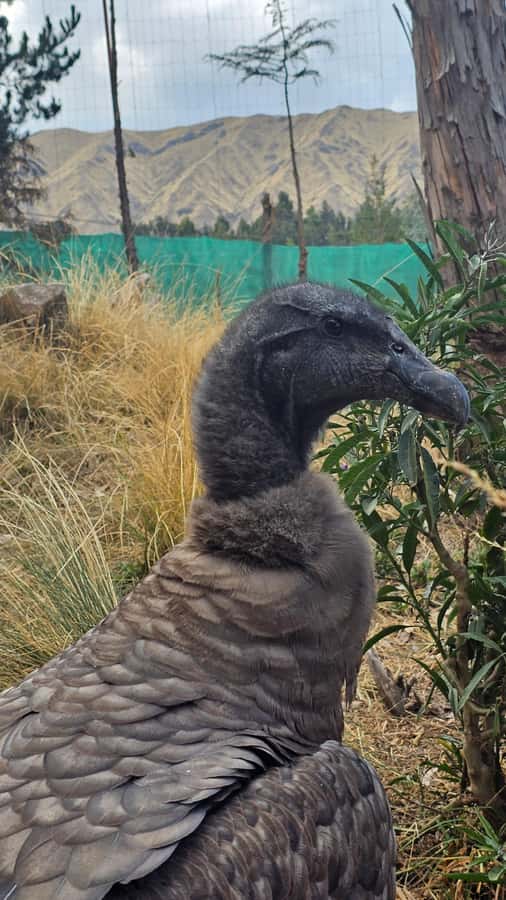
Several people especially liked that the animals appeared well cared for and that the visit included rescued animals. Some accounts also mention rescued condors, deer, and guinea pigs. These additions may vary, so think of them as possible extras rather than the main reason to book.
What the animal lesson adds to your Cusco visit
Cusco is often presented through Inca stones, colonial churches, and major archaeological sites. Those are important, but the camelids explain another side of Andean life: how people used local animals for transport, food, fiber, status, and trade.
I find this context valuable because it turns a short animal visit into a cultural introduction. You are not just learning that alpacas are soft. You are learning why their wool matters, how different species developed, and why these animals remain tied to Peru’s economy and national image.
The guides make a major difference here. Marlith, also spelled Maylith or Marileth in different accounts, has been praised for clear explanations and a helpful manner. Holger, also listed as Olger, was appreciated for answering broader questions about Cusco, the Incas, and Peruvian culture. Olga and Marley have also been mentioned warmly for their explanations and patient pace.
Guide names and assignments can change, of course. The important point is that this tour depends heavily on the guide’s storytelling. Ask questions. You can learn much more by asking how wool differs between species or how the animals are used than by simply following the group from pen to pen.
The weaving demonstration and the story in the wool
After the animals, the visit turns to traditional weaving. Local people demonstrate how fibers are prepared and how patterns and cloth are produced by hand. You may also see parts of the dyeing process and examples of older textiles.
This is the part I would not skip. The animal encounter is easy to understand at a glance, but the textile demonstration shows why alpacas matter beyond tourism. You see the skill involved in making cloth and gain a better sense of the work behind the scarves, sweaters, blankets, and hats sold across Cusco.
The demonstration also helps you shop more intelligently. The guide explains how to identify genuine baby alpaca fabric from fake or blended products. That is useful because labels and prices can be confusing. A soft garment is not automatically made from baby alpaca, and a high price does not always prove quality.
You may also see older or ancient fabric examples. These give the demonstration a link to Andean history without turning the visit into a formal museum tour. I like that balance. You get a short, practical lesson rather than a long lecture.
The weaving section is also a good reason to bring questions. Ask about the fibers, natural dyes, handwork, and the difference between alpaca, llama, and vicuña wool. The answers will help you understand what you are seeing in markets later.
A few more farm days around the world worth a look
- Single ATV Experience: Free Piña Colada + Hacienda Transfer
★ 4.5 · 400 reviews - From Parma: Parmigiano Reggiano Farm Tour & Tasting with Transfer
★ 5.0 · 113 reviews - Parma: Parmigiano Reggiano Farm Tour & Tasting with Transfer
★ 4.8 · 87 reviews - Double ATV Adventure: Private Hacienda Experience with Transfer
★ 4.5 · 66 reviews
The gift shop: attractive goods, uneven value
The tour ends near a large retail area. You can browse textile products and buy souvenirs, but you should keep your price sense switched on.
One shopper compared yarn priced at 60 soles in the shop with similar yarn priced at 15 soles in Cusco. That is a major difference. It does not automatically mean the farm shop’s items are poor quality, since material, design, labor, and presentation can vary. It does mean you should not assume the first price is the best price.
You may also feel watched while browsing. One account described this as uncomfortable, though no hard selling took place. If you want to buy, take your time and ask about fiber content. If you do not want to buy, a polite no should be enough.
The store can still be useful. After the weaving demonstration, you have a better basis for judging what you see. Look for clear information about the material and ask whether the item is made from alpaca, baby alpaca, synthetic fiber, or a blend. The tour price does not include souvenirs, so set a separate budget if shopping interests you.
Is $34 good value for 150 minutes?
At $34 per person, the tour is reasonably priced for a short, guided outing that includes hotel transportation both ways. You are paying for the ride, guide, farm entry, animal visit, weaving demonstration, and water. You do not need to arrange a taxi or piece together separate stops.
The value is strongest if you want a simple half-day plan. A private taxi to a similar attraction could cost a noticeable amount by itself, and independent visits would not necessarily include the same explanations or textile lesson.
The value is weaker if you dislike organized shopping stops or already plan to visit several alpaca stores and textile workshops in Cusco. You might prefer to spend your money on a longer archaeological excursion, especially if you have limited time in the city.
The reported rating is 4.9 from 151 reviews, and the praise is consistent around the guides, animal contact, and educational content. Still, one booking found the visit rushed and shorter than expected. I would treat the stated 150 minutes as the total activity window, not 150 minutes of animal time.
Who will enjoy this Cusco farm visit?
I would recommend it most strongly to:
- First-time visitors who want an easy introduction to Andean culture
- Families and children who enjoy animals
- Anyone easing into Cusco’s altitude
- Visitors curious about textiles and souvenir shopping
- People with a free morning or afternoon who do not want a full-day excursion
- Photographers looking for close views of llamas, alpacas, and vicuñas
It also suits people who enjoy learning through conversation. The guides can answer questions about animals, Incas, food, restaurants, pisco sours, and local customs, so do not be shy about asking.
I would be more cautious if you want solitude, a remote farm, or a serious wildlife experience. The location is close to Cusco and the program is organized for easy access. It is cultural and educational, but also commercial.
The tour is listed as wheelchair accessible, which makes it worth considering if access is important to you. Since the provided details do not explain the exact surfaces or vehicle arrangements, confirm the practical setup when booking.
Timing, comfort, and what to bring
The total duration is 150 minutes, with an 80-minute guided visit listed at Manos de la Comunidad. The rest of the time covers transfers and the movement between parts of the visit.
Wear comfortable shoes and layers. Cusco’s conditions can change, and you may spend time outdoors near the animals. Keep your phone or camera ready, but do not let the photo hunt distract you from the animal-care and textile explanations.
Water is included. Souvenirs are not. If you are sensitive to altitude, this is a sensible activity for your first days because it requires little strenuous walking compared with a major ruin or mountain excursion. One person specifically used it as a gentle way to get accustomed to Cusco.
Free cancellation is available up to 24 hours before the start, and you can reserve while paying later. Those policies are helpful when your arrival plans may shift, but check the exact booking conditions for your selected date.
Should you book the Cusco alpaca and llama farm tour?
Book it if you want close animal contact, a short transfer, and a useful weaving lesson in one easy outing. The strongest parts are the guide explanations, the chance to see several camelid species together, and the practical advice about alpaca textiles.
Go in with realistic expectations. This is not a remote farm stay or a wildlife expedition. It is a polished cultural attraction with a shop at the end, and some products may cost far more than similar goods in Cusco.
For $34, I think it offers good value for a first look at the animals and craft traditions behind many Peruvian souvenirs. I would schedule it early in your Cusco stay, especially if you want a gentle activity while adjusting to altitude. If shopping makes you uncomfortable, enjoy the demonstration, ask questions, and feel no obligation to buy.
FAQ
How long does the Cusco alpaca and llama farm tour last?
The full activity lasts 150 minutes. The guided visit at Manos de la Comunidad is listed as 80 minutes, with the remaining time used for transfers and moving between parts of the experience.
How far is the farm from Cusco?
The farm is about 20 minutes from Cusco’s historic center by transfer.
Does the tour include hotel pickup and drop-off?
Yes. Hotel pickup and return drop-off in Cusco are included.
Which animals can I see?
You can see two varieties of alpacas, four types of llamas, vicuñas, and huanacos. Some visits also include rescued condors, deer, and guinea pigs.
Can I feed or pet the animals?
You may be able to feed and pet the llamas and alpacas. The exact animal interaction can vary during the visit.
Is the weaving demonstration included?
Yes. The visit includes a demonstration of traditional weaving, with information about fibers, dyeing, textiles, and identifying genuine baby alpaca fabric.
Is the tour offered in English?
Yes. Live guides are available in English and Spanish. Guides who have led this activity include Marlith, Holger, Olga, and Marley, though the assigned guide can vary.
Does the tour include souvenirs?
No. Souvenirs are not included. There is a retail area at the end, and you should compare prices with shops in Cusco before buying.
Just added around the world
- Ubud Rice terrace,Zip-line and waterfall★ 5.0 · 4 reviews
- Full Day Tour to Water Temples UNESCO Rice Terraces in Bali★ 5.0 · 4 reviews
- Explore Ubud Art Market, Monkey Forest and Rice Terraces★ 5.0 · 16 reviews
- Exploring Munduk Village (Waterfalls, rice terrace, Traditional local house)★ 4.5 · 2 reviews
- Ubud Monkey Forest Rice Terrace Temple Waterfall Private Tour★ 5.0 · 7 reviews
- Jatiluwih Spiritual Journey of Melukat with Rice Terrace View★ 5.0 · 9 reviews
- Private Tour to Sumampan Waterfall, Monkey forest, Rice terraces and Swing★ 5.0 · 30 reviews
- Discover Hidden Waterfall, Unesco Rice Terraces and Mountain Temple★ 5.0 · 17 reviews
Alpaca & Llama Farms, compared.
Gangwon-do Day Trip with Alpaca World & Nami Island
Read our review →
Nami+Alpaca+Garden of Morning Calm (+Rail Bike Option)
Read our review →
Alpaca, Nami, Morning Calm or Eobi (+Rail Bike)
Read our review →
Llama Trek (Half-day) – Kaikoura Bay, Beaches & Seal Colony
Read our review →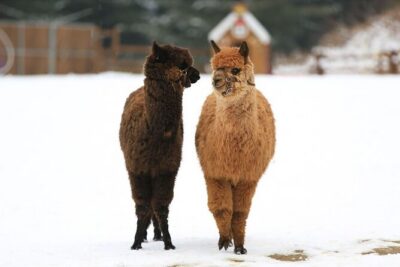
Alpaca World and Nami Island with Gangchon Rail Bike Tour
Read our review →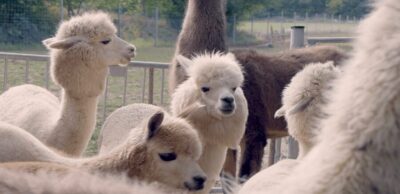
Mödling/Vienna: Scenic Guided Hike with Alpacas and Llamas
Read our review →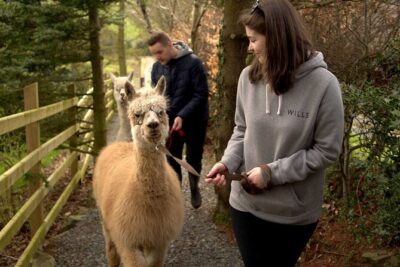
Guided Scenic Alpaca Trekking Experience Northern Ireland
Read our review →Browse the lists this tour appears in