

Review · USA
Atlanta Plantations, Civil War and Civil Rights tour of Atlanta
Atlanta’s story comes in hard, connected chapters on this tour: slavery and plantation life, the Civil War that helped shape the city, and the civil rights struggle led from places such as Ebenezer Baptist Church. Guide Henry ties those subjects together in a way that keeps the history human, not just a list of dates.
I like the small group, limited to seven people, and the fact that Henry uses videos and movie clips to give difficult subjects more context. I also like the air-conditioned vehicle, free Wi-Fi, and pickup option, which make a long history day easier on Atlanta’s roads.
The main catch is the packed schedule. Four to five hours is not much time for two plantations, a Civil War site, and major civil rights landmarks. Plantation interiors are closed Monday through Wednesday, and Kennesaw Mountain may receive only a short visit if traffic or scheduling cuts into the day.
Key points to know before booking
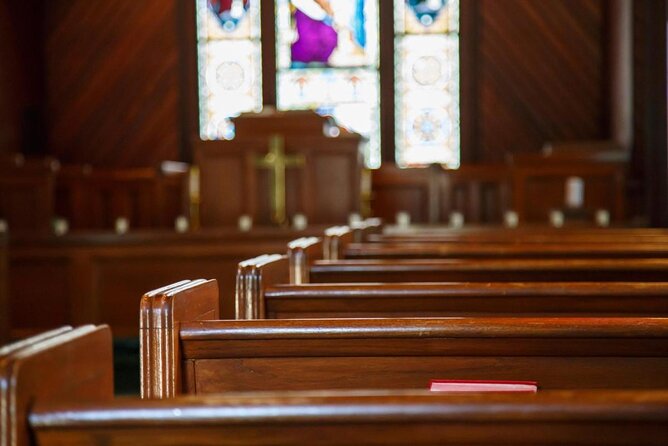
- Henry is the guide to request or expect: He is praised for clear storytelling, patience, safe driving, and the ability to adjust the discussion to your interests.
- The tour connects three major eras: You move from plantation slavery to the Civil War and then into Atlanta’s civil rights story.
- The group is capped at seven: That gives you a better chance to ask questions than on a large coach tour.
- Plantation access depends on the day: The homes are not entered Monday through Wednesday.
- Kennesaw Mountain is a short stop: The Civil War museum visit is listed at about 20 minutes, so history buffs may want more time.
- Pickup needs advance notice: Complimentary pickup requires notice at least two hours before departure, and locations outside the pickup zone cost extra.
Why this Atlanta history tour works
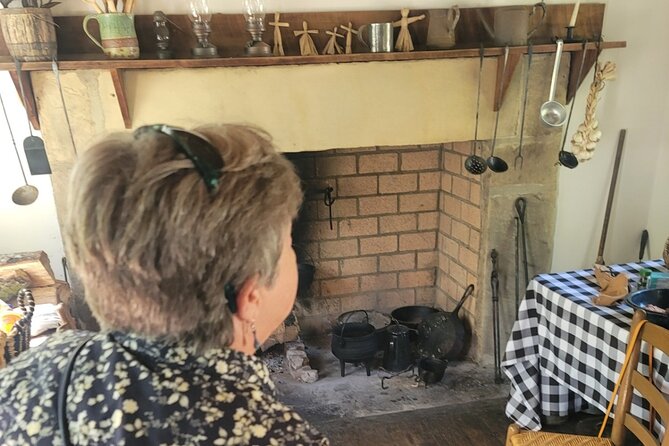
I like tours that show how one period leads into another. This one does not treat plantation history, the Civil War, and the civil rights movement as separate subjects. Instead, Henry presents them as connected parts of Atlanta’s past, beginning with the plantation economy and slavery, moving through the war for Atlanta, and ending with the fight for equal rights.
That approach is especially useful if you are new to Atlanta. You get a broad orientation before choosing which places deserve a longer return visit. You also see how the city’s Black history is central to its identity, rather than a small side chapter added to a standard sightseeing route.
The experience is conducted in English and uses a small, air-conditioned vehicle. Free Wi-Fi is available on board, and the maximum group size is seven. In practice, that means the day can feel close to a private tour, especially when the group is small. Several bookings have been described as private or nearly private, though you should not assume you will have the vehicle entirely to yourself.
The listed price is $139 per person. That is a reasonable figure if you want transportation, a guide, several admissions, and a broad introduction to Atlanta in one half-day outing. It is less attractive if you prefer to linger at every museum or historic building. The value comes from the connections Henry makes and the driving between widely separated sites, not from spending hours inside each one.
More Plantation Tours in the USA
- Swamp Boat Ride and Oak Alley Plantation Tour from New Orleans
★ 5.0 · 3,303 reviews - Oak Alley Plantation Tour with Transportation from New Orleans
★ 4.5 · 1,747 reviews - Boone Hall Plantation All-Access Admission Ticket
★ 4.5 · 1,736 reviews
Archibald Smith Plantation Home and the antebellum South
The first major stop is Archibald Smith Plantation Home, with Bullock Hall also included when applicable. The plantation portion is scheduled for about two hours, and admission is included when the homes are open.
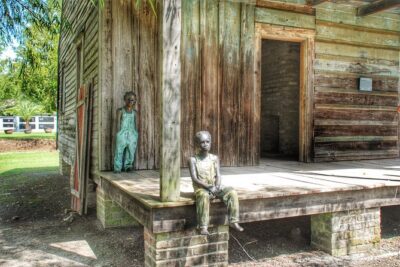
The buildings themselves are attractive, but the important part is the story behind them. A plantation house can look polished and peaceful if you only notice its architecture. This tour places that beauty beside the labor, wealth, and human cost that made the system possible. That contrast is one of the strongest reasons to take this experience rather than simply drive past historic homes.
The program also introduces the history of one of Atlanta’s first Black women entrepreneurs. The supplied details do not name her or promise a separate full-length stop, so treat this as part of the guide’s broader city history rather than a guaranteed museum visit. Still, it adds useful range by showing Black initiative and business life alongside the story of slavery.
There is one important scheduling warning. From Monday through Wednesday, you will not enter the plantation homes. You may still see the grounds and hear the history, but the experience is different from walking through the interiors. If the plantation houses are your main reason for booking, choose Thursday through Sunday and confirm the day’s access before you pay.
The tour description also allows for a stop to be visited only if it is open and time permits. That wording matters. Atlanta traffic is unpredictable, and the route covers a lot of ground. You should view the plantation portion as a guided historical visit, not a guarantee that every possible building or side stop will receive equal time.
Ebenezer Baptist Church and Martin Luther King Jr.
The route then turns toward Atlanta’s civil rights story with a visit to Ebenezer Baptist Church. The planned stop lasts about 30 minutes, with admission included.
This is one of the tour’s most meaningful locations because it connects the national civil rights movement to a specific congregation and neighborhood. The church is closely tied to Martin Luther King Jr., and the visit helps place his work within Atlanta rather than presenting him as an isolated figure from the past.
Thirty minutes is enough for an introduction, but not enough for an exhaustive study. If you already have a strong interest in King’s life, you may want additional time in the surrounding historic district on another day. On this tour, the value is the church’s place in the larger sequence: you have just considered the era of slavery and the Civil War, and now you are looking at organized resistance to racial injustice in the modern city.
Henry’s style appears to suit people who ask questions. He is described as patient and willing to explain points in several ways, which matters here. Civil rights history includes painful subjects, and a guide who treats the material with care can help you understand it without reducing it to slogans.
The King Center and Atlanta’s civil rights legacy
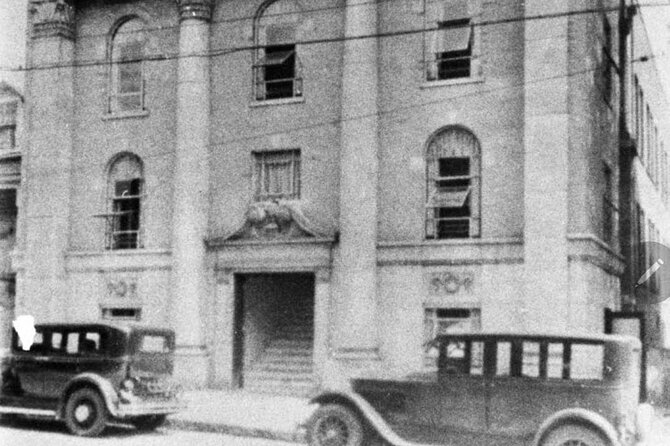
The King Center receives about 45 minutes and admission is included. This is the clearest stop for learning about the wider civil rights movement, not just one church or one leader.
You can expect the center to serve as the main educational anchor for the second half of the tour. Henry adds spoken context and, according to the supplied experience details, may use videos or movie clips on his phone to reinforce key moments. That kind of material can be helpful for younger visitors and for anyone who learns better through images and short scenes than through a long lecture.
Families seem particularly well suited to this portion. One account describes an 11-year-old staying engaged because Henry included him in the discussion rather than speaking only to the adults. That is a useful sign if you are bringing children, although the amount of material may still be a lot for younger kids.
The schedule remains tight. Forty-five minutes gives you a strong introduction, but you will not absorb every part of the civil rights movement in one visit. I would think of the stop as a foundation. It can help you decide which parts of Atlanta’s civil rights story you want to explore in greater detail later.
Same fields, a different sort of day out:
- Maui Pineapple Farm Tour in Haliimaile
★ 5.0 · 2,855 reviews - Half-Day Thoroughbred Horse Farm Tour in Kentucky
★ 5.0 · 1,924 reviews - Oahu: Kualoa Ranch Movie Sites and Ranch Tour
★ 4.5 · 1,655 reviews - Oahu: Kualoa Ranch UTV Raptor Tour
★ 4.5 · 1,569 reviews
Kennesaw Mountain and Atlanta’s Civil War story
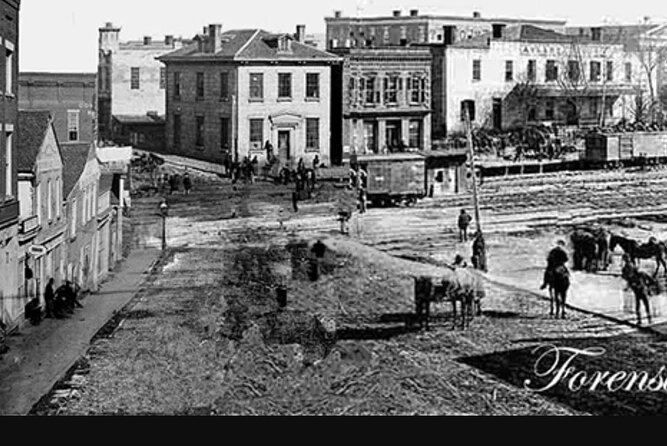
Kennesaw Mountain National Battlefield Park brings the tour back to the Civil War. The planned visit is about 20 minutes and includes the Civil War museum.
This stop gives the earlier plantation discussion a wider political and military setting. You hear about the forces that brought the war to the Atlanta area and the fighting connected to the city. For anyone interested in Civil War history, that connection is useful because it moves the subject beyond plantation architecture and into the conflict that reshaped the region.
The limitation is time. Twenty minutes is brief for a battlefield park and museum, and one booking was affected by a schedule change that left little time for the Civil War portion. Even on a normal day, you should not expect a long walk across the grounds or a detailed museum visit.
I would book this tour for the overall story, not for an extended battlefield study. If Kennesaw Mountain is your main goal, a separate visit would give you more freedom. If you want to understand how the Civil War fits into a full Atlanta history lesson, the short stop still earns its place.
Henry’s guiding style and the small-group advantage
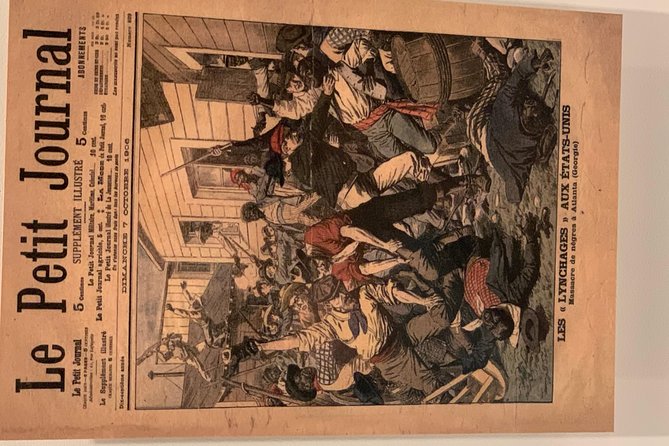
The guide can make or break a history tour, and Henry is clearly central to this one. He is described as friendly, professional, courteous, and easy to question. He also handles the difficult job of driving, explaining history, and responding to interruptions from the group.
His strongest quality is his ability to connect broad history with specific places. He may begin with Africa and the slave trade, move through plantation wealth and the Civil War, and then explain the political and social forces behind the civil rights movement. That is a lot of ground, but it gives the day a clear shape.
The small group helps. With no more than seven people, you can ask about a detail that catches your attention without holding up a large bus. Henry can also adjust the amount of explanation to the group. If one person is a Civil War enthusiast and another is more interested in Black Atlanta, the format allows room for both.
The tradeoff is that a small vehicle may feel less spacious than a coach, especially on a longer day. The air conditioning, free Wi-Fi, and included driving help offset that. Bring water and food, since the schedule may not include a formal snack or meal break. One booking specifically advised bringing food because there was little time to stop.
Timing, pickup, and what to bring
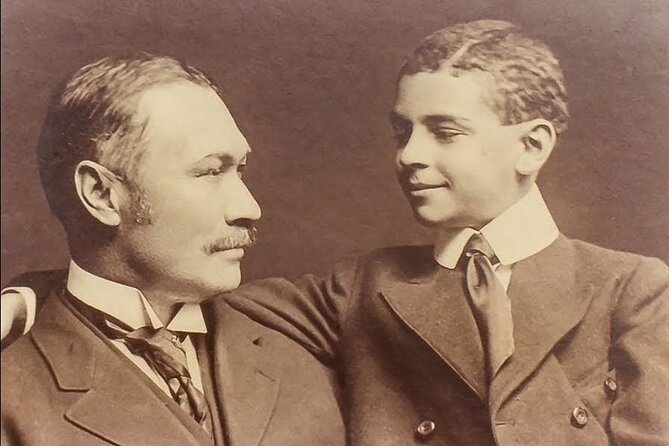
The tour begins at 10:30 a.m. and returns to the meeting point at Target, 375 18th Street NW, Atlanta. Complimentary pickup may be available from residences and Airbnbs, but you need to notify the operator at least two hours before departure. Pickup outside the service zone carries an extra charge.
Atlanta traffic can affect the day. The route includes sites outside the central tourist core, so the advertised four to five hours is approximate. Some experiences have lasted closer to six hours, which may be welcome if you enjoy history but difficult if you have evening plans.
I would leave the rest of your day open. You will get more from the tour if you are not watching the clock, and the guide may have to adjust the order or length of stops because of traffic and opening hours.
Wear comfortable shoes for the plantation grounds and battlefield setting. Bring a phone charger, water, and a snack. The tour has free Wi-Fi, but that does not replace a charged phone if you want to take notes or follow along with digital material.
Most people can participate, and service animals are allowed. Public transportation is nearby at the meeting point, but the experience itself is conducted by vehicle.
Who should book this experience?
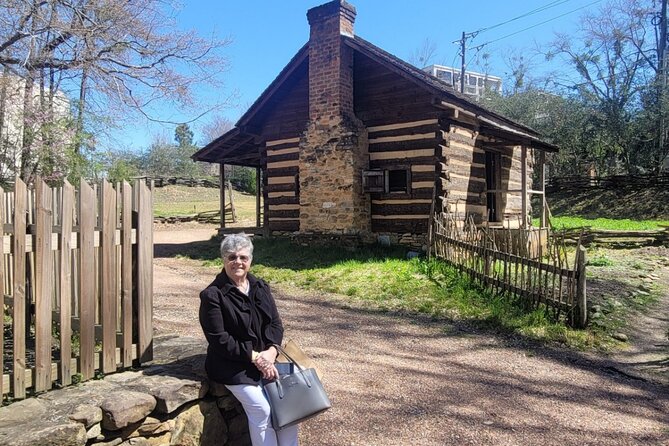
I would recommend it to first-time Atlanta visitors who want a serious introduction to the city’s past without arranging several separate admissions and rides. It also fits families with older children, history fans, and anyone who wants Atlanta’s Black history treated as a central part of the city story.
It is a good match if you prefer explanation over independent wandering. Henry’s storytelling, videos, and willingness to answer questions add value, especially when the schedule gives you only a short time at each site.
I would be more cautious if you want long museum visits, quiet time at each landmark, or a relaxed pace. The tour covers a great deal. You will see more places than you could easily reach on foot, but you will not study every one at length.
The tour has a 4.9 rating from 106 recorded ratings, with 97 percent recommending it. The praise focuses most heavily on Henry’s storytelling, his respectful handling of painful subjects, his driving, and his ability to make the day feel personal. Those qualities matter here because the subject is serious and the route is ambitious.
Should you book the Atlanta plantations, Civil War, and civil rights tour?
Book it if you want one guided day that links plantation slavery, the Civil War, and Atlanta’s civil rights movement. The strongest version of the experience is Thursday through Sunday, when the plantation houses are open, with enough flexibility in your schedule for traffic.
Skip it if your priority is an in-depth visit to Kennesaw Mountain or a slow tour of each historic building. The schedule favors breadth. You will gain a strong framework for understanding Atlanta, then know where to return for more time.
At $139, I see good value for a small group, included admissions, transportation, and a guide who can turn separate sites into one connected story. Just confirm the pickup area, ask about plantation access for your chosen date, and bring food for a long, information-filled day.
FAQ
How long does the tour last?
The tour is advertised at approximately four to five hours, though the day can run longer because of Atlanta traffic and scheduling.
What time does the tour begin?
The scheduled start time is 10:30 a.m.
Where does the tour start and end?
It starts at Target, 375 18th Street NW, Atlanta, Georgia 30363, and ends back at the same meeting point.
Is hotel or Airbnb pickup available?
Complimentary pickup may be available if you notify the operator at least two hours before the tour begins. Pickup outside the service zone costs extra.
How many people can join the tour?
The maximum group size is seven people.
Are the plantation homes open every day?
No. The plantation homes are closed to interior visits Monday through Wednesday. Entry is available when the homes are open, subject to the day’s schedule.
Is admission included?
Admission is included for the listed plantation visit, Ebenezer Baptist Church, the King Center, and the Kennesaw Mountain Civil War museum.
What happens if I need to cancel?
You can receive a full refund if you cancel at least 24 hours before the local start time. Cancellations or changes made less than 24 hours before departure are not accepted for a refund. If poor weather or an insufficient number of participants cancels the experience, you can receive a different date or a full refund.
Just added around the USA
- Connect with Rescue Animals on a Private Farm Tour in Catskills★ 5.0 · 27 reviews
- Cozy Farm Experience with Wagon Wheels and Acoustic Meal★ 5.0 · 2 reviews
- Farm Tour at Clover Brooke Llama/Alpaca/Goat Farm★ 4.5 · 6 reviews
- Gourmet Mushroom Farm Tour in Tennessee★ 5.0 · 5 reviews
- Farms, Flights: Finger Lakes Brewery Tour★ 4.5 · 25 reviews
- Horse Country Estate and Vineyard Wine Tasting Tour★ 5.0 · 2 reviews
- Scottsdale Horseback Riding and Horse Country Estate Tour★ 5.0 · 2 reviews
- Scenic Scottsdale E-Bike Tour – 2 Hours★ 5.0 · 47 reviews
USA Farm Tours, compared.

Swamp Boat Ride and Oak Alley Plantation Tour from New Orleans
Read our review →

Half-Day Thoroughbred Horse Farm Tour in Kentucky
Read our review →
Oak Alley Plantation Tour with Transportation from New Orleans
Read our review →
Boone Hall Plantation All-Access Admission Ticket
Read our review →

Whitney Plantation Tour with Transportation from New Orleans
Read our review →Browse the lists this tour appears in