
Review · USA
Louisiana: Laura, Oak Alley, or Whitney Plantation Tours
A plantation tour from New Orleans can do more than show you a pretty old house. At Laura, you can walk among slave cabins linked to the first recorded tales of Br’er Rabbit. At Oak Alley, you get the famous row of 28 giant oaks. At Whitney, the focus shifts firmly to the lives of enslaved people. I like that you choose the site that best fits your interests, and I like the small group of no more than 13 people.
The main caution is time. The full outing lasts about 5.5 hours, including the drive, so your visit at the plantation can feel brisk. A past departure to Whitney allowed about two hours on site, which was enough for a meaningful visit but not enough to see everything slowly. Lunch and drinks are not included, so plan ahead.
Key points before you book
- Laura includes Br’er Rabbit’s recorded roots: See the 1840s slave cabins connected with the first written accounts of Compair Lapin.
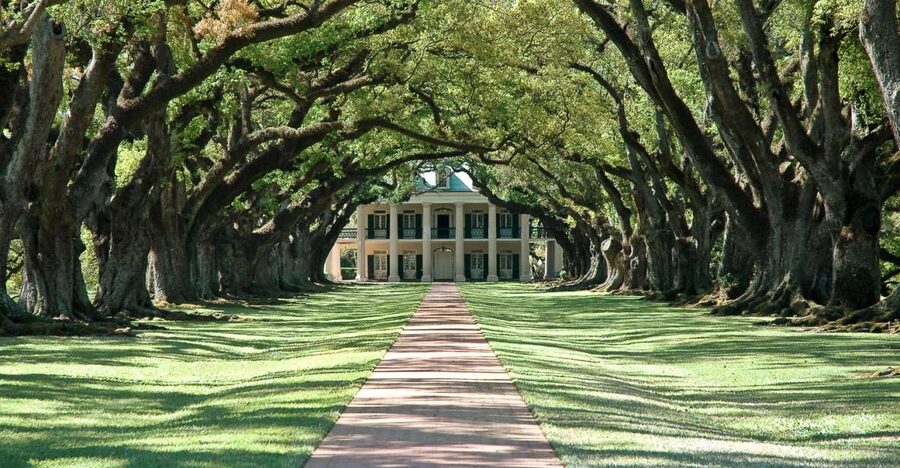
- Oak Alley delivers the classic photographs: Its avenue of 28 giant oak trees leads straight toward the plantation house.
- Whitney centers enslaved lives: The self-guided audio tour uses oral histories recorded during the Depression.
- The trip includes New Orleans hotel transport: Pickup and drop-off are included at selected hotels.
- The group stays small: The van or minibus carries no more than 13 participants.
- The choice affects the whole tone: Laura and Oak Alley use live English guides, while Whitney uses a 90-minute audio tour available in multiple languages.
Three plantations, three very different visits
This is best understood as a choice between three distinct experiences, not three versions of the same tour.
Laura Creole Plantation is the strongest pick if you want a guided look at Creole plantation life, gardens, buildings, and folklore. Oak Alley is the most photogenic option, with a grand approach and gracious interiors. Whitney Plantation is the most direct choice if your main aim is to understand slavery through the lives and words of enslaved people.
You visit only one plantation on this outing. That matters. The five-and-a-half-hour schedule includes transportation from New Orleans, so you do not have time to combine all three. Before booking, decide what you most want to come away with: architecture and photographs, Creole culture and storytelling, or a focused account of slavery.
The small group helps. With a maximum of 13 people, you should have a more manageable ride than on a large coach. Pickup can take up to 30 minutes, though, so do not treat the stated start time as the moment you will leave the city.
More Plantation Tours in the USA
- Swamp Boat Ride and Oak Alley Plantation Tour from New Orleans
★ 5.0 · 3,303 reviews - Oak Alley Plantation Tour with Transportation from New Orleans
★ 4.5 · 1,747 reviews - Boone Hall Plantation All-Access Admission Ticket
★ 4.5 · 1,736 reviews
Laura Creole Plantation and the world of Compair Lapin
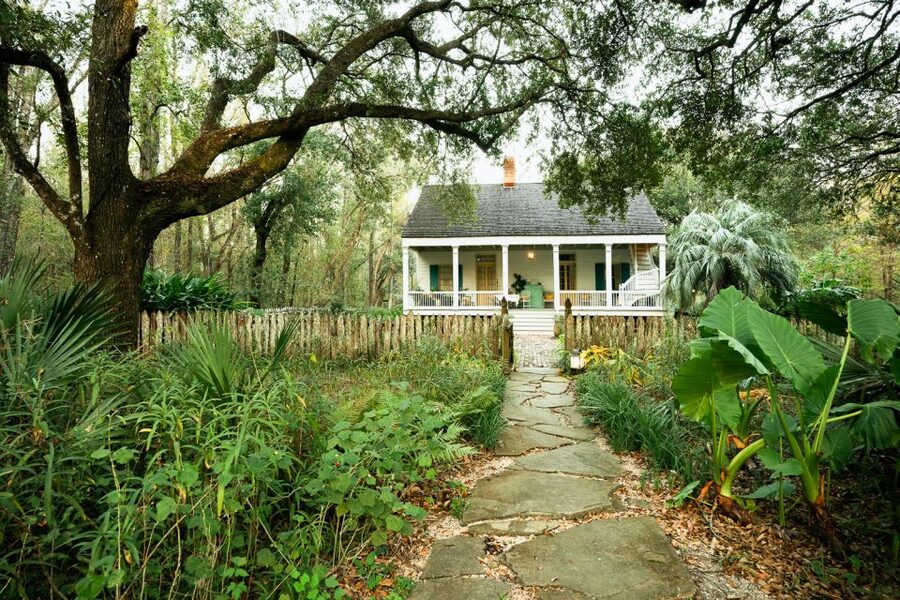
Laura is a good choice if you want a guided visit with plenty of different elements packed into one stop. You see the Maison Principale, or Big House, then move through the French garden, plantation kitchen garden, banana grove, and original 1840s slave cabins.
The slave cabins are especially important. They are connected with the first recorded versions of the Compair Lapin stories, known in English as Br’er Rabbit. That gives the visit a useful link between plantation life, oral storytelling, and Louisiana’s Creole culture.
I would choose Laura if you want more than a grand house tour. The gardens and working areas help show how the plantation functioned, while the cabins make it harder to view the property only through the owners’ lives. A new museum exhibit also looks at the daily lives of both free and enslaved people on the sugar plantation.
The historic gift shop sells local arts, crafts, and souvenirs. You may appreciate having a little time there after the formal visit, though the shop is an extra stop rather than the reason to choose Laura.
Laura is offered in English with a live guide. That is useful if you like being able to ask questions and hear a story shaped as you walk. It is less suitable if you need a tour in another language.
Oak Alley and Louisiana’s most famous approach
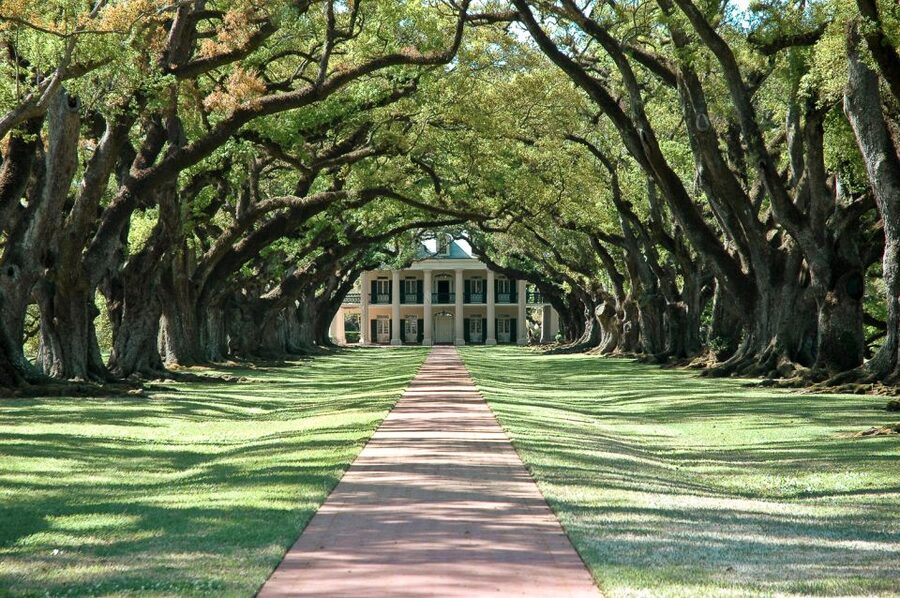
Oak Alley is the choice for visual impact. The plantation takes its name from the avenue of 28 enormous oak trees leading to the house. If you have seen photographs of Louisiana plantation country, this is likely the sort of scene you picture first.
The house interiors add another layer. You step inside rooms with hardwood floors and chandeliers, where the design reflects the wealth created by sugar. The setting can feel romantic at first glance, but the tour also addresses the enslaved people who worked there from about 1835 through the end of the Civil War.
That balance matters. Oak Alley’s beauty is real, but it should not be allowed to hide the labor and violence that supported the plantation economy. The visit includes the story of enslaved workers, along with exhibits such as the Confederate Commanding Officer’s Tent and the Sugar Cane Theater.
The Sugar Cane Theater explains sugar’s effect on the people of Oak Alley through video and exhibits. I would give Oak Alley priority if you want strong photographs and a house-centered visit, but I would choose Whitney if the history of slavery is your main reason for going.
Oak Alley also uses an English-speaking live guide. You will likely get a more narrated, traditional tour here than at Whitney. Bring clothing suited to the weather, since the oak avenue and outdoor areas are a major part of the visit.
Whitney Plantation and the voices of enslaved people
Whitney is the clearest choice for a serious study of slavery in Louisiana. It presents the site as a place of memory and looks at the lives and legacies of enslaved people rather than treating the plantation house as the main attraction.
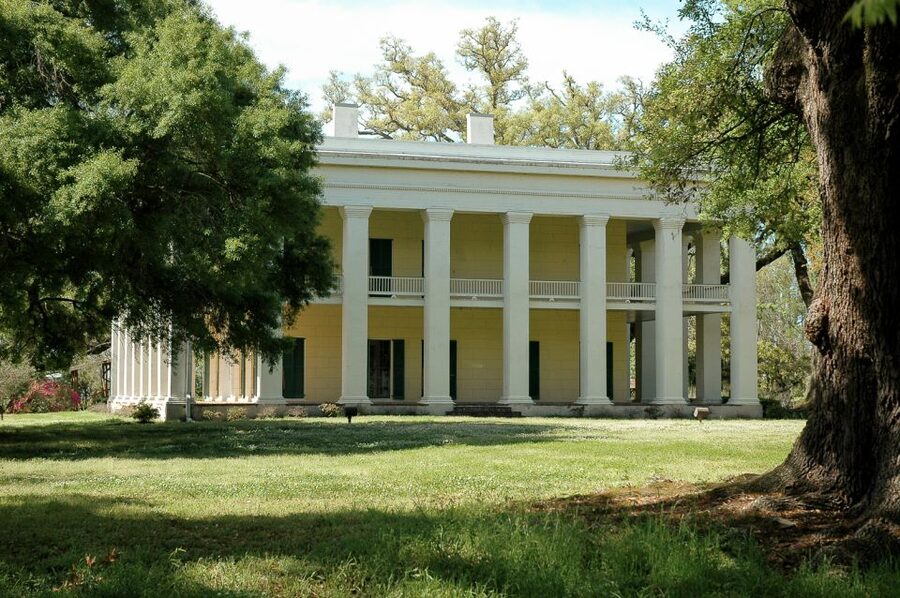
The 90-minute self-guided audio walk lets you move through a 1830s sugar plantation from the viewpoint of the enslaved people who lived and worked there. The tour uses real oral histories collected by the Federal Writers Project during the Depression. Those accounts give the visit a more personal frame than a simple list of owners, dates, and building styles.
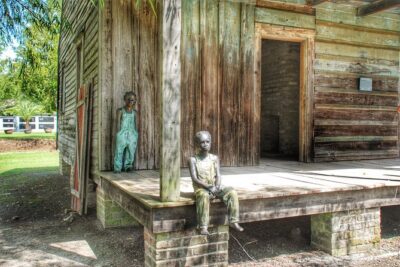
You also see the earliest and best-preserved raised Creole cottage in Louisiana, built by enslaved workers. Original structures and historical representations sit among working sugar cane fields, so the setting connects the buildings with the crop and labor system that made the plantation profitable.
The audio format has advantages and limits. You can listen in multiple languages, which makes Whitney the most flexible option for non-English speakers. You also set your own pace within the visit. On the other hand, you cannot rely on a live guide to adjust the explanation to your questions.
Allow enough attention for Whitney. The site contains more than a single grand house, and about two hours can feel short if you want to hear every audio section and examine every structure. The schedule includes a lunch break, but that break is also limited, so you will need to keep an eye on the clock.
Same fields, a different sort of day out:
- Maui Pineapple Farm Tour in Haliimaile
★ 5.0 · 2,855 reviews - Half-Day Thoroughbred Horse Farm Tour in Kentucky
★ 5.0 · 1,924 reviews - Oahu: Kualoa Ranch Movie Sites and Ranch Tour
★ 4.5 · 1,655 reviews - Oahu: Kualoa Ranch UTV Raptor Tour
★ 4.5 · 1,569 reviews
The drive from New Orleans and the small-group van
Hotel pickup and drop-off are included from selected New Orleans hotels. That saves you from arranging a rental car or finding the plantation roads yourself, and it makes this a practical half-day choice for someone staying in the city.
Pickup may take 30 minutes, so stay ready during that window. The exact vehicle can vary. One departure used a Crescent City Tours bus even though the booking was associated with N’awlins Luxury Tours. The operator relationship was not clear, so do not be surprised if the vehicle or company name differs at pickup.
The driver can add value during the ride. One driver, BamBam, was praised for being friendly and for sharing information about New Orleans. That sort of informal city commentary can make the drive feel less like dead time.
Still, transportation takes a large share of the 5.5-hour outing. The drive is part of the practical cost of reaching the plantations, but it also explains why you should not expect a full day at the site. If you want slow photography, long reading time, or a relaxed meal, a private car and separate plantation visit may suit you better.
What $78 includes, and what it does not
At $78 per person, the price includes admission to your selected plantation and transportation from and back to a selected New Orleans hotel. For someone without a car, that is fair value because the tour combines the entrance fee, driving, and a small group.
The value depends on your choice. Oak Alley gives you a memorable setting and house visit. Laura gives you gardens, cabins, folklore, and a museum exhibit. Whitney offers the most focused treatment of slavery and includes a multilingual audio program.
Lunch and drinks are not included. You should budget for food separately and remember that the lunch stop is short. Bringing water and dressing for the weather are sensible choices, especially because parts of all three visits take place outdoors.
The booking terms are also useful for a changing schedule. You can cancel up to 24 hours before departure for a full refund, and you can reserve now while paying later. Those terms do not improve the historical visit itself, but they lower the risk of committing too early.
Which plantation fits your interests?
Choose Laura if you want:
- A live English-speaking guide
- Creole plantation culture and gardens
- The Maison Principale and kitchen garden
- The 1840s slave cabins linked to Br’er Rabbit
- A museum exhibit about free and enslaved people
Choose Oak Alley if you want:
- The classic avenue of 28 giant oaks
- Strong photo opportunities
- A traditional plantation house visit
- Exhibits about sugar and slavery
- A live English-speaking guide
Choose Whitney if you want:
- A site focused on enslaved people and their legacies
- A 90-minute audio walking tour
- Oral histories from the Federal Writers Project
- A raised Creole cottage built by enslaved people
- Audio available in multiple languages
I would not choose based only on the house. The most useful question is what kind of history you want to face. Laura gives you the broadest mix of culture and buildings. Oak Alley shows the visual power of the plantation ideal while also addressing its human cost. Whitney keeps the people who were enslaved at the center.
Practical details that affect the day
The tour is about 5.5 hours from pickup to return, with travel time included. That makes it manageable as a half-day outing, but it also means each plantation visit follows a set schedule.
Wear clothing suited to the weather. Outdoor paths, gardens, tree avenues, and sugar cane fields are part of the experience, so comfortable shoes and protection from heat or rain are sensible. The van is not wheelchair accessible, and the activity is not suitable for wheelchair users.
Laura and Oak Alley are offered only in English. Whitney uses a self-guided audio tour with multiple language options, making it the best pick if English is not your preferred language. The broader activity is listed with English-language support.
The average rating is 4.5 from 54 ratings, and the strongest praise centers on the educational and emotional quality of the visit. One French-speaking guide was singled out for excellent French, though you should not assume that language service is guaranteed for every departure. The safest plan is to treat French as a possible bonus, not a standard feature.
Should you book this plantation tour?
Book it if you want a straightforward way to reach one Louisiana plantation without renting a car, and if you can accept a fairly tight schedule. The small group, hotel transportation, and included entrance fee make $78 reasonable for a half-day from New Orleans.
For the most powerful account of slavery, choose Whitney. For the best blend of Creole culture, gardens, cabins, and folklore, choose Laura. For the grandest photographs and classic architecture, choose Oak Alley.
I would skip this option only if you want to spend a full day at one site, need wheelchair access, or dislike fixed group schedules. If you choose carefully among the three plantations and arrive ready for a serious look at Louisiana’s past, this can be a useful and memorable half-day outside New Orleans.
FAQ
How long is the plantation tour?
The activity lasts about 5.5 hours, including travel time between New Orleans and the plantation.
Which plantations can I visit?
You visit one of three sites: Laura Creole Plantation, Oak Alley Antebellum Plantation, or Whitney Museum Plantation.
Is hotel pickup included?
Yes. Pickup and drop-off are included from selected hotels in New Orleans. Allow up to 30 minutes for pickup.
Is lunch included?
No. Lunch and drinks are not included, and the lunch break is limited.
Which plantation offers a multilingual tour?
Whitney Plantation offers a 90-minute self-guided audio tour in multiple languages. Laura and Oak Alley are offered in English with live guides.
Is the tour wheelchair accessible?
No. The van is not wheelchair accessible, and the activity is not suitable for wheelchair users.
Just added around the USA
- Connect with Rescue Animals on a Private Farm Tour in Catskills★ 5.0 · 27 reviews
- Cozy Farm Experience with Wagon Wheels and Acoustic Meal★ 5.0 · 2 reviews
- Farm Tour at Clover Brooke Llama/Alpaca/Goat Farm★ 4.5 · 6 reviews
- Gourmet Mushroom Farm Tour in Tennessee★ 5.0 · 5 reviews
- Farms, Flights: Finger Lakes Brewery Tour★ 4.5 · 25 reviews
- Horse Country Estate and Vineyard Wine Tasting Tour★ 5.0 · 2 reviews
- Scottsdale Horseback Riding and Horse Country Estate Tour★ 5.0 · 2 reviews
- Scenic Scottsdale E-Bike Tour – 2 Hours★ 5.0 · 47 reviews
USA Farm Tours, compared.

Swamp Boat Ride and Oak Alley Plantation Tour from New Orleans
Read our review →

Half-Day Thoroughbred Horse Farm Tour in Kentucky
Read our review →
Oak Alley Plantation Tour with Transportation from New Orleans
Read our review →
Boone Hall Plantation All-Access Admission Ticket
Read our review →

Whitney Plantation Tour with Transportation from New Orleans
Read our review →Browse the lists this tour appears in