
Review · GREECE
Kalamata: Farm-to-Table Experience with Cooking
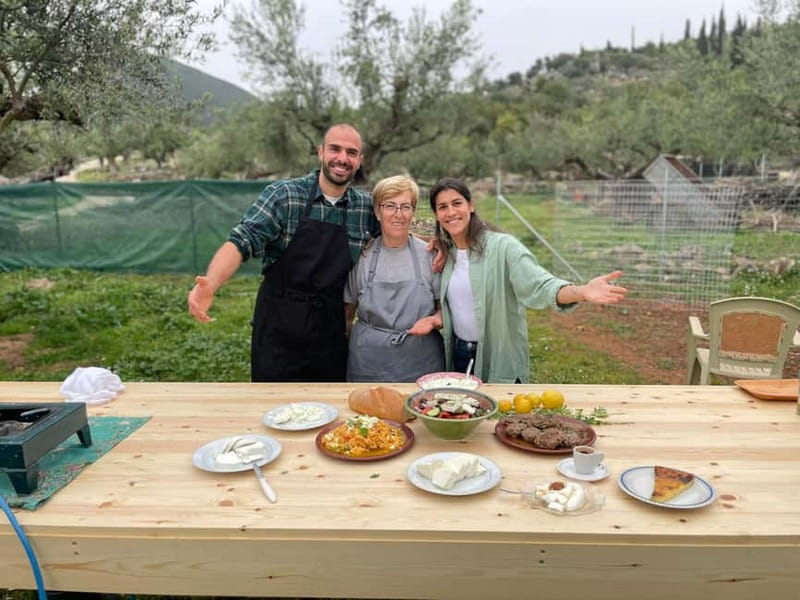
The best part of this farm-to-table day near Kalamata is that you do not simply sit down to a Greek meal. You help gather the ingredients, meet the goats that provide the milk, make regional cheese, and then cook what you picked.
I like the close link between farm work and the plate, especially the chance to prepare Sfela and Anthotyro, two cheeses with very different textures. I also like the small group size, capped at 10, which gives Nicole and Porta room to explain the food and help you cook.
The main drawback is practical: the farm is not suitable for wheelchair users, people with back problems, or anyone with animal allergies. You will also need to arrange your own transportation, wear shoes for uneven ground, and accept that bad weather can change the schedule.
Key points to know before booking
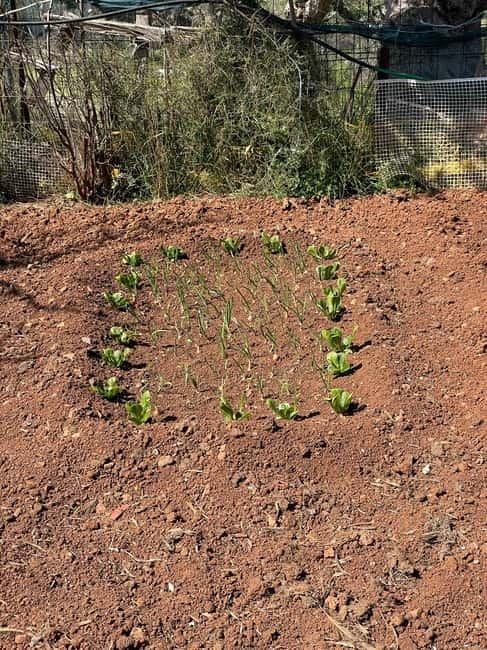
- You harvest the meal yourself: Pick seasonal vegetables, herbs, and other produce from the garden, then collect eggs from the chickens.
- Cheesemaking is a central part: Learn to prepare Sfela, a semi-hard brined cheese, and Anthotyro, a soft cheese with a mild flavor.
- Nicole and Porta host the cooking: Their warm, hands-on approach suits people who want to learn rather than watch.
- The meal is genuinely local: Expect Kagianas, beef patties, Greek salad, tzatziki, fresh bread, and farm ingredients.
- The setting is rural and open-air: Olive trees, animals, garden beds, and countryside views shape the day as much as the food does.
- Plan for a small, active outing: Bring water, sunscreen, a hat, comfortable shoes, and advance notice of any food allergies.
Arriving at Mama Gaia in rural Messinia
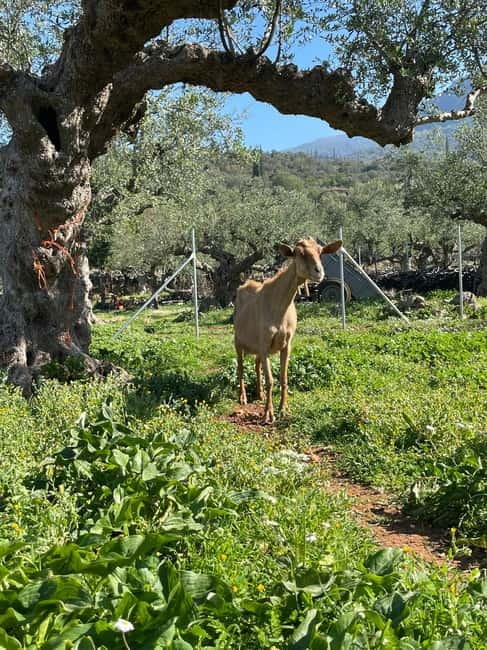
Mama Gaia gives you a close look at everyday farm life in the Messinian countryside. Olive trees stretch around the property, and the garden supplies many of the ingredients used later at the table.
The welcome is led by local hosts Nicole and Porta, who combine farm work with traditional cooking. The tone is personal rather than formal. You are not being moved from one polished station to another. Instead, you spend time outdoors, handle the ingredients, and follow the rhythm of the property.
That setting matters. Kalamata is famous for olive oil and Mediterranean produce, but it is easy to experience Greek food only in restaurants. Here, you see how vegetables, eggs, milk, herbs, bread, and cheese fit together before they reach your plate.
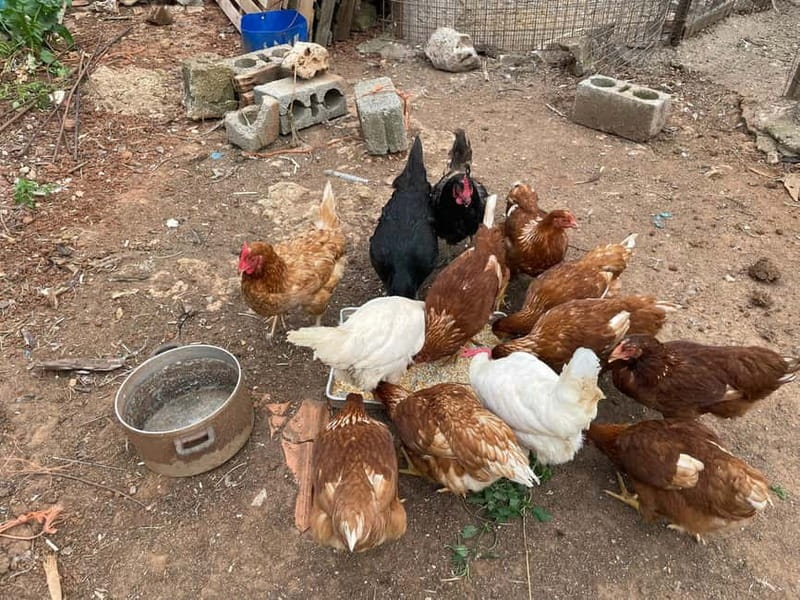
The farm animals are part of the visit, not background decoration. You meet goats, free-range chickens, and the farm dogs. The goats provide milk for the homemade cheese, while the chickens supply the eggs used in the cooking.
If you like animals, this adds plenty of charm. If you have an animal allergy, however, you should choose another activity. The farm is not designed as a quick photo stop, so you will be spending real time close to the animals.
More Farm-to-Table Meals in Greece:
- Crete: Olive Oil Festival, Farm Dinner, Live Show & Pickup
★ 4.1 · 55 reviews - Naxos: Private E-Bike Tour with Farm Lunch
★ 5.0 · 40 reviews - Flavors of Santorini: Farm-to-Table Meal Wine & Authentic Village
★ 5.0 · 12 reviews
Picking tomatoes, herbs, and seasonal produce
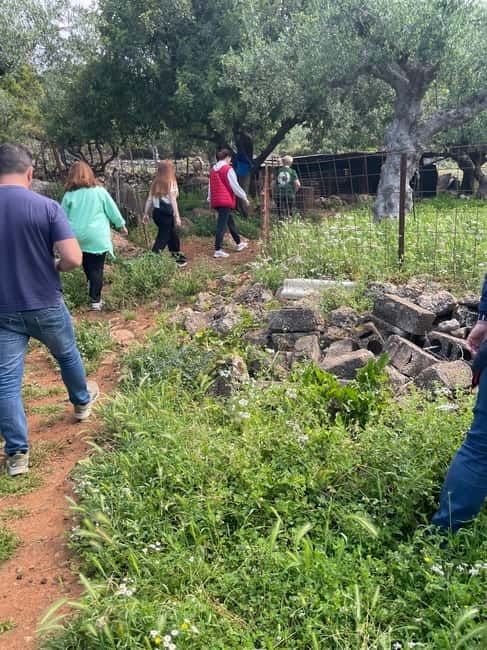
The garden portion gives the cooking class a useful starting point. Rather than receiving a basket of ingredients with no context, you pick tomatoes, peppers, herbs, and other seasonal vegetables yourself.
The exact produce depends on the time of year. Depending on the season, you may also taste or learn about local olives, figs, and other products suited to Messinia’s Mediterranean climate.
I like this part because it changes how you think about a simple Greek salad. Tomatoes, cucumbers, onions, olives, feta, and olive oil may sound familiar, but the garden visit connects those ingredients to the soil, weather, and farming practices of the region.
You also collect fresh eggs from the coop. That small task leads directly into Kagianas, a rustic dish made with eggs, fresh tomatoes, and local cheese. The ingredients are simple, but the process shows how rural Greek cooking makes a filling meal from what is available nearby.
The garden involves walking on uneven surfaces, and the activity asks you to be outdoors. Wear sturdy, comfortable shoes instead of sandals that slip easily, and carry water. A hat and sunscreen are sensible in the strong Mediterranean sun.
Making Sfela and Anthotyro cheese
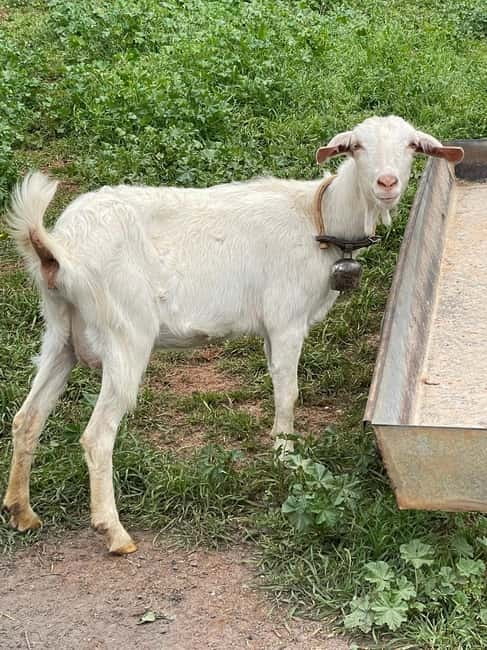
The cheesemaking workshop is one of the most distinctive parts of the day. You learn how to prepare Sfela, a semi-hard cheese preserved in brine and associated with the region.
Sfela has a firmer texture and a salty character. It is a useful introduction to the way local cheese is made and stored, especially in a place where milk, salt, and time have long been important parts of household cooking.
You also prepare Anthotyro, a soft, creamy cheese with a delicate flavor. Placing these two cheeses side by side makes the lesson more useful. One is semi-hard and brined, while the other is soft and mild.
The workshop is hands-on, with the hosts guiding you through the process. It is not a professional cheese-making course, so you should come expecting a friendly cultural lesson rather than technical certification. The value lies in seeing how a traditional food is made and understanding why it appears in local meals.
For food lovers, this may be the most memorable skill to take home. You will also gain a better sense of why Greek cooking relies so heavily on fresh cheese, eggs, vegetables, olive oil, and herbs.
Cooking Kagianas, salad, patties, and tzatziki
Once you have gathered the ingredients and made the cheese, you move into the rustic outdoor kitchen. The class focuses on dishes that are traditional, practical, and possible to recreate at home.
Kagianas combines eggs, fresh tomatoes, and local cheese. It is a good example of straightforward Greek home cooking: a few strong ingredients, careful cooking, and no need for complicated equipment.
You also prepare grilled beef patties, served with fresh garden greens and homemade tzatziki. The patties make the meal more substantial, while the greens and yogurt-based sauce keep the plate balanced.
The Greek salad uses tomatoes, cucumbers, onions, olives, and feta, finished with extra virgin olive oil. Since much of the produce comes from the garden, this is not just a demonstration of a famous dish. You get to handle the ingredients from harvest to serving.
Fresh bread is another highlight. It is made with local flour and baked in a traditional wood-fired oven. The bread adds a slower, more old-fashioned element to the meal, and you learn how it fits into the wider food culture of the area.
The hosts also explain the cultural meaning of each dish and the techniques behind it. That is important if you want more than a pleasant meal. You leave with an understanding of how these recipes relate to farm life, local ingredients, and shared family cooking.
A few more farm days around Greece worth a look
- Mykonos: Farm, Ano Mera Village, and Beaches Guided Tour
★ 4.4 · 1,283 reviews - Crete: Road-trip to Lasithi, Zeus Cave & Olive Mill Farm
★ 4.4 · 451 reviews - Heraklion: Olive Farm Tour with Tasting of Local Delicacies
★ 4.9 · 411 reviews - Lassithi, Zeus Cave, Olive Mill Farm & Knossos Combo Tour
★ 4.6 · 404 reviews
Eating beneath the olive trees
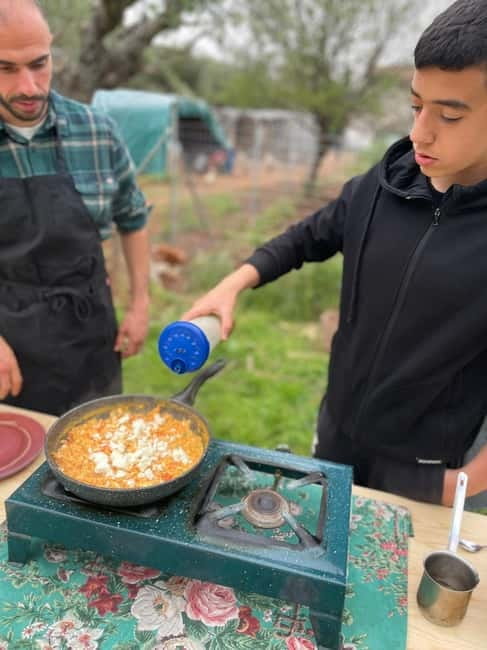
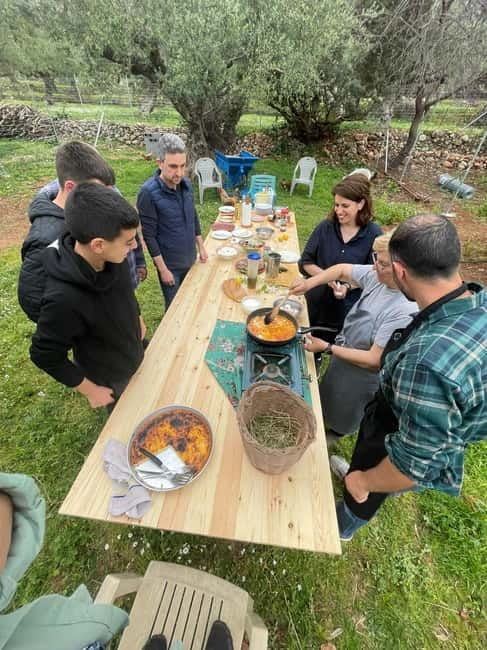
The final meal is served around a table on the farm, surrounded by olive trees and the sounds of the countryside. This is the payoff for the earlier work, but it does not feel separate from it.
You have picked some of the food, collected eggs, helped make cheese, and cooked the dishes. That gives the meal a stronger sense of place than a standard restaurant lunch. The ingredients are not presented as a story after the fact. You have taken part in their preparation.
The menu is generous for a hands-on cooking class: Kagianas, grilled beef patties, garden greens, tzatziki, Greek salad, fresh cheese, and bread. You should also expect the exact produce and seasonal items to vary.
I would not book this mainly for a quiet, polished meal. The day includes outdoor work, animals, walking, and cooking. If you want a relaxed but active food experience, the balance should suit you. If you want a formal tasting with no participation, a restaurant would be a better fit.
The open-air setting is also weather dependent. Bad weather can lead to a rescheduled activity, so keep that in mind when planning a tight itinerary around Kalamata.
How the $141 price measures up
At $141 per person, this is not a cheap meal. You are paying for much more than the food itself, including a guided farm tour, the cheesemaking workshop, a cooking class, ingredients, equipment, and the finished feast.
The small group limit of 10 improves the value. Nicole and Porta can give personal help, answer questions, and keep the cooking active instead of turning it into a demonstration watched from the back of a large room.
The price makes the most sense if you value time with local hosts and practical instruction. You are receiving a full day of connected activities rather than a single meal or short tasting.
Transportation is not included, and personal expenses are extra. You need to budget for getting to the farm and back, which can affect the total cost. The activity details do not provide a transfer service, meeting point transportation, or exact starting time, so check those details before booking.
The flexible booking terms help if your plans are still moving. You can reserve now and pay later, and cancellation is free up to 24 hours before the activity. That is useful for a weather-sensitive outdoor outing.
Who will enjoy this farm day most
I would recommend Mama Gaia to people who enjoy food with a clear connection to place. It suits couples, families with older children, solo visitors who like small groups, and anyone who wants to learn a few Greek techniques instead of only taking photographs.
It is especially good for people interested in:
- Traditional Greek home cooking
- Regional cheeses and simple food production
- Farm animals and garden work
- Small-group activities
- Outdoor meals in a rural setting
- Recipes you can try again at home
The activity is less suitable if you have limited mobility, back problems, or an allergy to animals. Uneven surfaces, walking, outdoor work, and close contact with goats and chickens are built into the day.
You should also share dietary restrictions or allergies in advance. The meal includes eggs, dairy, beef, bread, and other named ingredients, so early notice is important. The available information does not promise that every dietary need can be accommodated.
The language options are English, Greek, and Spanish. That makes the experience accessible to a wider range of visitors, though the activity is still built around practical participation and conversation.
Small details that improve the day
Bring comfortable shoes, water, sunscreen, a hat, and a camera. Clothing should be suitable for walking around a farm and working in an outdoor kitchen.
Smoking is not allowed. Keep this in mind if you are planning a long day outdoors and usually take smoking breaks.
Check the start time when you book. The activity is listed as a one-day experience, but the exact schedule depends on availability. Feedback about the outing describes both a morning and an evening format, so do not assume every departure follows the same timetable.
The reviews also point to a strong personal welcome from Nicole and Porta. One particularly useful detail is that the hosts do not only teach recipes. They help you meet the animals, gather food, cook, and understand the local traditions behind the dishes.
The small group size is worth protecting. With no more than 10 people, you should have a better chance to take part in the cheese making and cooking instead of waiting for a turn.
Should you book Mama Gaia?
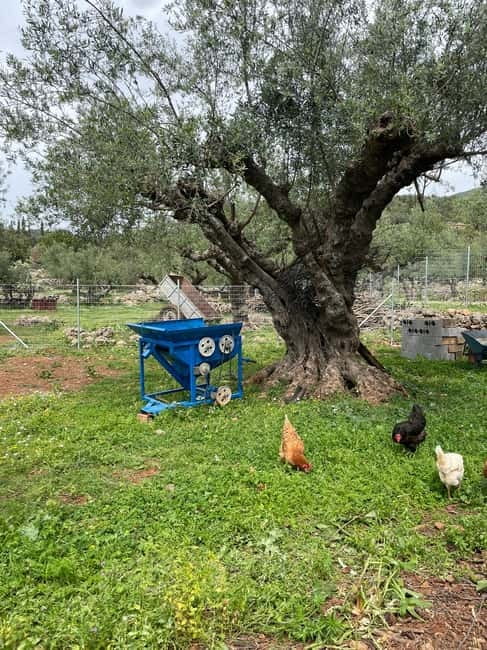
Book this experience if you want a hands-on connection to Messinian food and do not mind getting involved. The strongest reasons are the garden harvest, the two regional cheeses, the friendly work with Nicole and Porta, and the meal you help create under the olive trees.
Skip it if you need wheelchair access, have animal allergies, dislike uneven ground, or want a short, passive tasting. Also factor in the missing transportation and the possibility of weather-related changes.
For the right person, $141 buys a full food-and-farm experience, not just lunch. You come away with a better understanding of how Greek ingredients become everyday dishes, plus a few techniques you can use in your own kitchen.
FAQ
Where does the farm-to-table experience take place?
It takes place at Mama Gaia in the heart of Messinia, in the Peloponnese region of Greece.
How much does the experience cost?
The listed price is $141 per person.
How long does the activity last?
It is listed as a one-day experience. You should check availability for the exact starting time.
Is transportation included?
No. Transportation to and from the farm is not included.
What food will I help prepare?
You will help prepare Kagianas with eggs, tomatoes, and local cheese, grilled beef patties, garden greens, tzatziki, Greek salad, and fresh bread. You will also learn to make Sfela and Anthotyro cheese.
Will I meet farm animals?
Yes. The experience includes meeting goats, free-range chickens, and farm dogs.
Which languages are available?
The hosts or greeters speak English, Greek, and Spanish.
How large is the group?
The activity is limited to 10 participants.
What should I bring?
Bring comfortable shoes, a hat, sunscreen, water, and a camera. Wear clothing suitable for walking on uneven surfaces.
Can the activity be changed because of bad weather?
Yes. The experience is subject to weather conditions and may be rescheduled in case of bad weather.
Just added around Greece
- Visit a Farm and Horseback Riding in Nature★ 5.0 · 10 reviews
- Insightful Pistachio Orchard and Factory Tour★ 4.5 · 27 reviews
- Santorinian Agriculture, Food, Wine, Beer, and Spirits★ 5.0 · 6 reviews
- Private Olive Oil tasting & Liqueur experience★ 5.0 · 17 reviews
- Flavors of Santorini: Farm-to-Table Meal Wine & Authentic Village★ 5.0 · 12 reviews
- Santorini 5 Hour Private Oia Tour & Lunch/Dinner at a Local Farm★ 5.0 · 40 reviews
- Honey production &Tasting experience ” Areti Honey “★ 5.0 · 4 reviews
- Cooking Class Sunset Dinner and Tour in Paros Farm★ 5.0 · 5 reviews
Greece Farm Tours, compared.
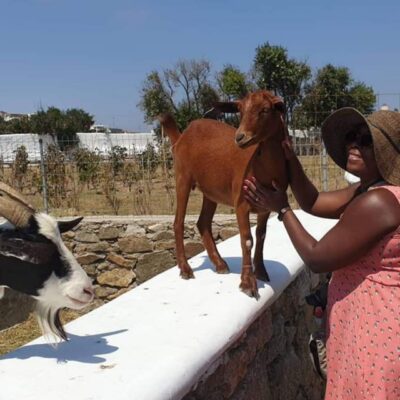
Farm, Ano Mera Village, and Beaches Guided Tour
Read our review →
Road-trip to Lasithi, Zeus Cave & Olive Mill Farm
Read our review →
Olive Farm Tour with Tasting of Local Delicacies
Read our review →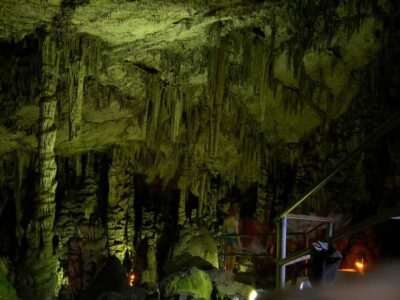
Lassithi, Zeus Cave, Olive Mill Farm & Knossos Combo Tour
Read our review →
Naxos Perivoli Farm Experience & Wood-fire Cooking Class
Read our review →
Melanes: Naxos Perivoli Farm & Cooking Class with Wood Fire
Read our review →
Wine Tasting Tour at a traditional farm in Mykonos
Read our review →Browse the lists this tour appears in