
Review · ZANZIBAR
Zanzibar:Stone Town & Spice Farm Private Tour Lunch Included
Zanzibar’s best history lesson may begin with a handful of cinnamon bark or a freshly cut yellow banana. This private tour links a working spice farm with Stone Town’s narrow lanes, so you get both the island’s agricultural side and its layered past in one outing. Guides such as Abdul, Omar, and Kassim have earned especially warm praise for clear explanations, patience, and strong language skills.
I like the farm’s hands-on format: you smell cloves, nutmeg, lemon grass, vanilla, and black pepper where they grow, then taste tropical fruit and eat a local lunch. I also like the private setup, since your Stone Town guide can adjust the pace and focus on what interests you. The main drawback is time: with about two hours at each main stop and potentially two hours in the van, the tour can feel rushed from far-flung beach hotels.
Key points to know
- Fresh spices straight from the plants: See, smell, and taste cinnamon, cloves, ginger, nutmeg, vanilla, and black pepper.
- A Swahili lunch is included: Eat at the farm, with fresh spices and fruit forming part of the meal.
- Stone Town covers major landmarks: Visit the Old Fort, Forodhani Gardens, City Market, Freddie Mercury’s birthplace, and the Old Slave Market site.
- Private guiding changes the pace: You can ask questions, linger over details, and request more attention to history or daily life.
- Hotel pickup reaches much of Unguja: Pickup and return are offered from beach areas including Nungwi, Paje, Jambiani, Kiwengwa, and Stone Town.
- Plan for heat and walking: Comfortable shoes, water, sunscreen, a hat, and insect repellent are sensible basics.
A useful pairing: farm life and Stone Town

This tour works because the two halves feel very different. At the spice farm, you see Zanzibar as a place that grows and processes valuable plants. In Stone Town, you encounter the port, markets, palaces, religious buildings, and sites connected to the slave trade.
The combination gives you more context than either stop alone. Spices were not simply a pleasant scent for visitors. Cloves, cinnamon, nutmeg, and other crops helped shape Zanzibar’s economy and its links with the wider Indian Ocean world. Your guide can connect the plants in the field with the goods once traded through the island’s ports.
The private format is useful here. You can ask how a spice is grown, pause for photographs, or spend more time at a historic site without waiting for a large group. At $46 per person, the price is strong value if your rate includes the stated private van, two guided visits, lunch, fruit tasting, and the Old Slave Market entrance.
The value depends partly on your pickup point. A hotel in Stone Town or nearby makes this a compact day out. From Nungwi, Matemwe, or another distant beach area, the drive can take about an hour each way. That travel time is reasonable for a private vehicle, but you should know that the advertised three to six hours includes transport, not just sightseeing.
More Spice Farm Tours in Zanzibar
- Zanzibar: Prison Island, Stone Town, & Spice Farm Tour
★ 4.5 · 579 reviews - Full-Day Private Stone Town +Spice Farm and Prison Island Tour
★ 4.5 · 216 reviews - Zanzibar: Stone Town & Spice Farm Tour with Lunch
★ 4.5 · 97 reviews
What happens at the spice farm

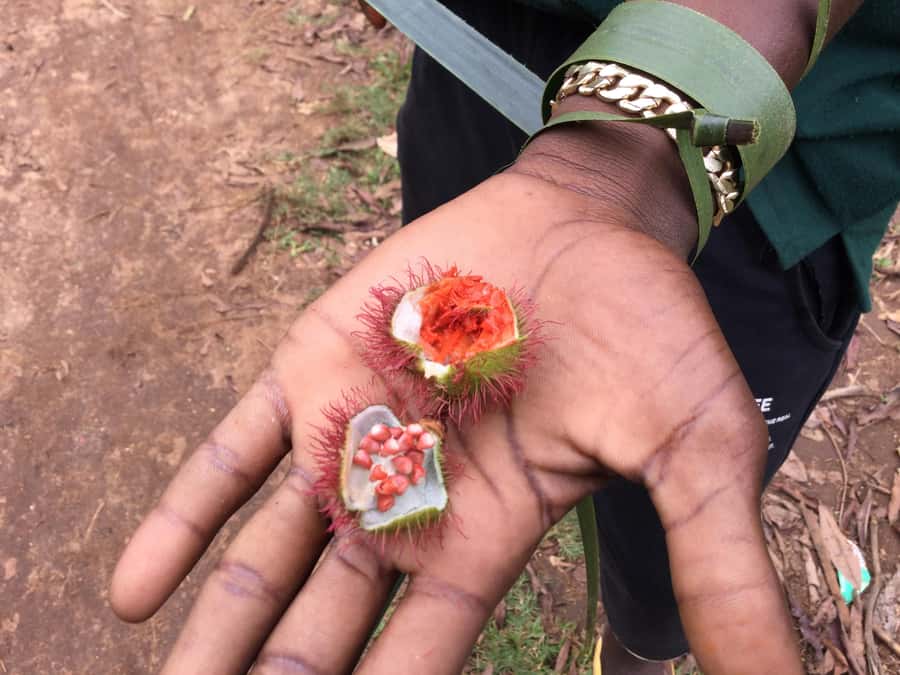
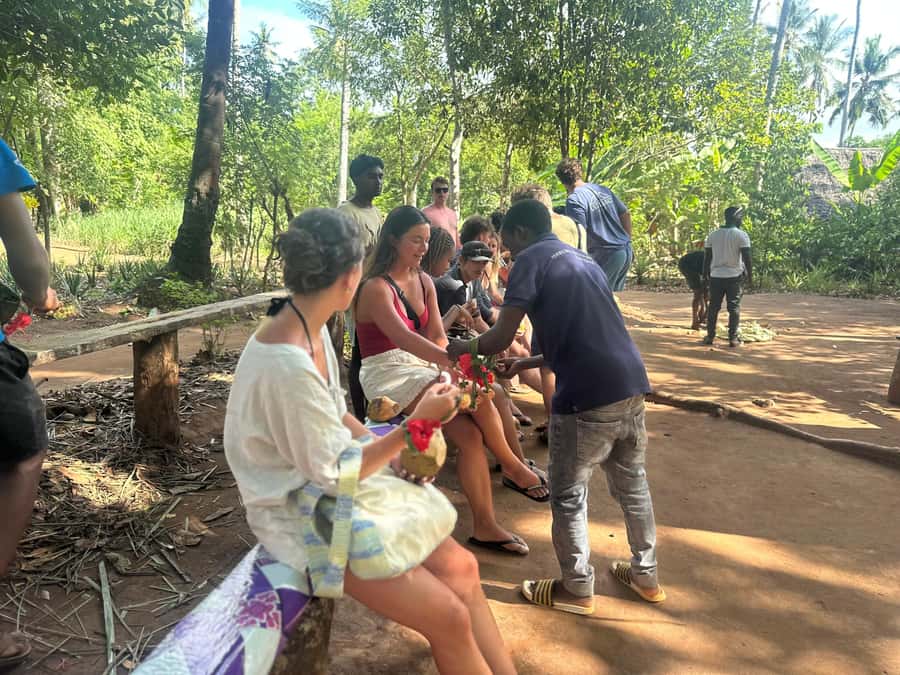
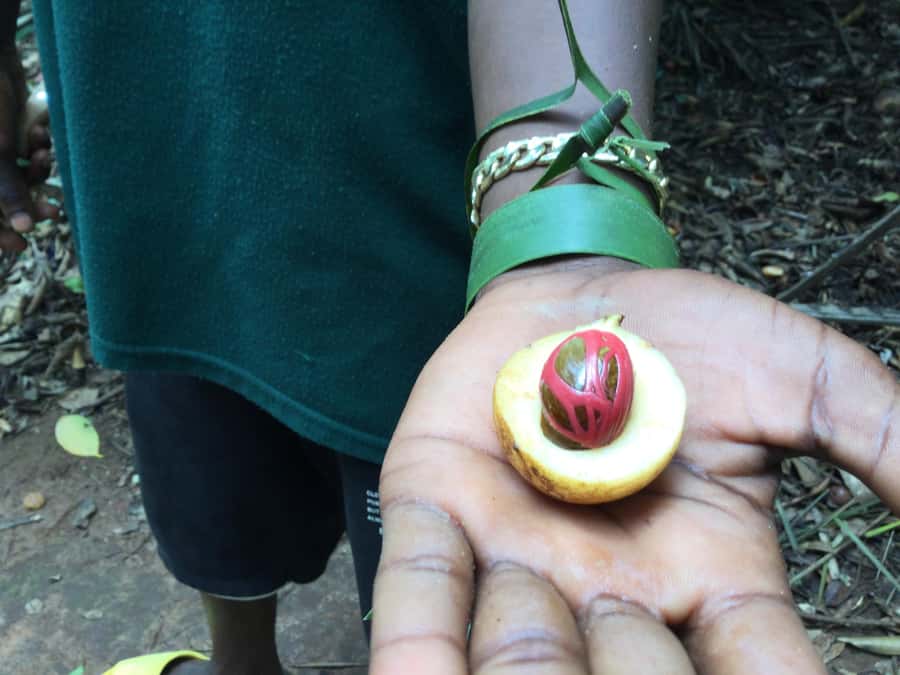
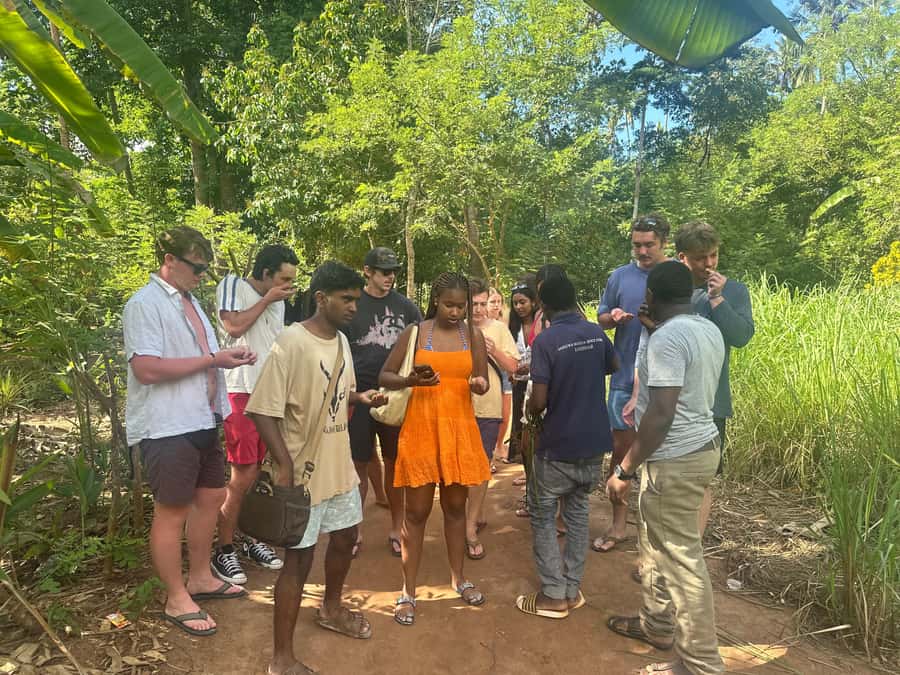
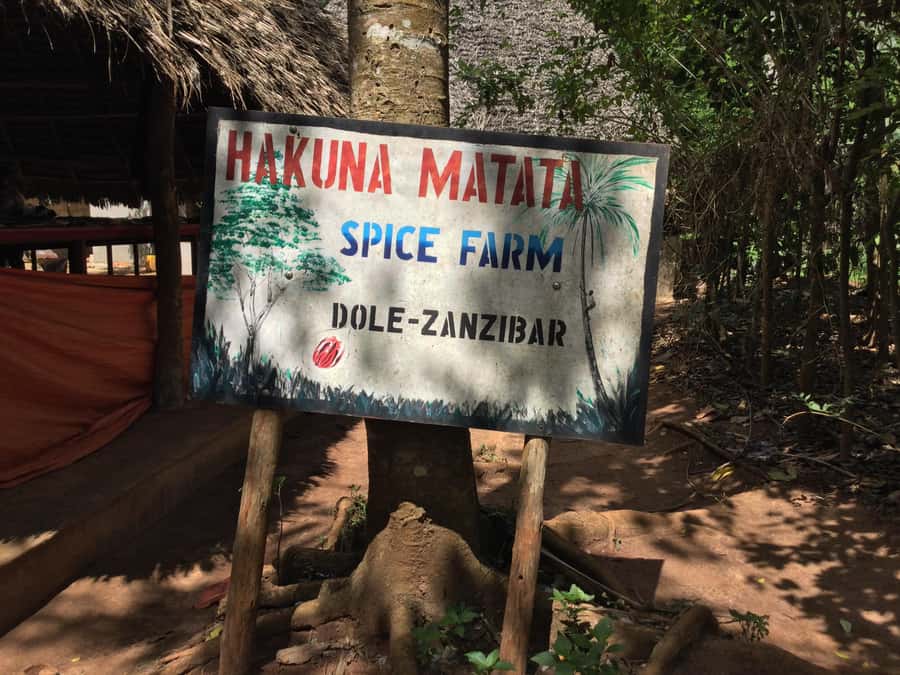
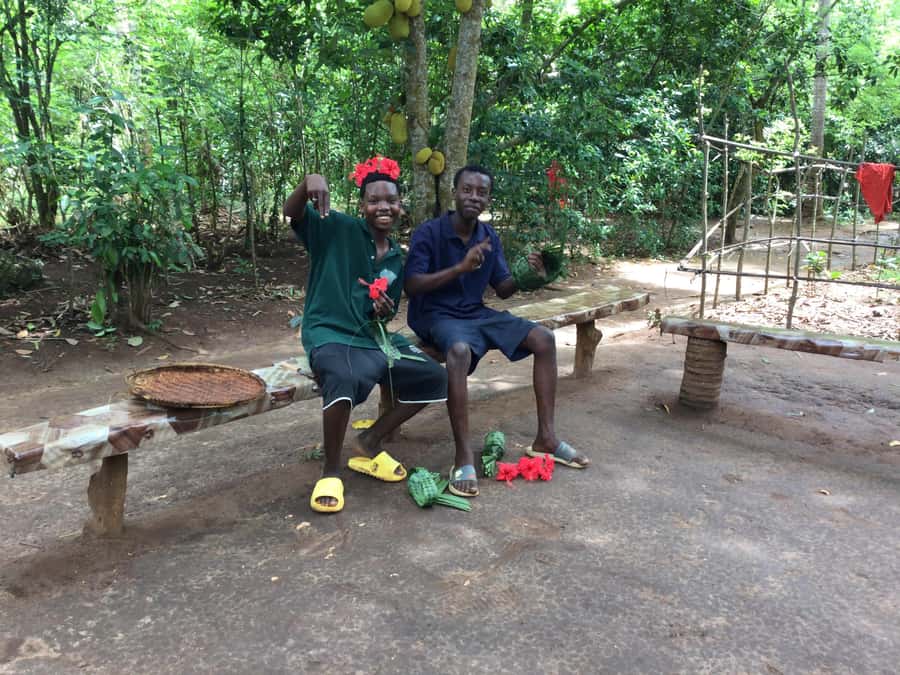
The farm visit lasts about two hours and begins with a guided walk through plantings of cloves, nutmeg, cinnamon, ginger, bananas, pineapples, black pepper, and other crops. The appeal is sensory and practical. You are not only looking at labeled plants. You get to smell leaves, bark, seeds, and pods, then learn how they become familiar kitchen spices.
Cinnamon is particularly easy to understand when you see that the useful part is bark. Cloves, nutmeg, vanilla, lemon grass, and black pepper each offer a different scent and texture. You may also see how tropical fruit grows, including bananas and pineapple.
Follow the guide’s instructions closely. You are asked not to touch plants without permission, so this is not a pick-your-own farm visit. The best approach is to let the guide show you what is safe to handle and taste.
Fruit tasting adds a cheerful break to the plant lesson. Expect watermelon, red banana, yellow banana, pineapple, mango, and oranges. The exact selection may vary, but the point is to compare familiar fruit with varieties you may not often find at home.
The farm also has a spice shop with handcrafted products made from local spices. This is a sensible place to buy gifts, though you should treat shopping as optional rather than the main reason for the stop. You can see how the farm’s products are packaged and choose your favorites after learning where they come from.
Why the included lunch matters
Lunch at the farm is more than a convenient meal between activities. It gives you a direct taste of Swahili cooking, with fresh spices and fruit from the farm used in the meal. The food is described as tasty and generous, and the guide may join you, which can make lunch feel more social and give you a chance to ask follow-up questions.
If you have food allergies, take the warning seriously. The experience is not suitable for people with food allergies, and the supplied details do not promise an allergen-free menu or special substitutions. Tell the operator before booking if you have dietary concerns, but do not assume the meal can be changed.
Lunch also makes the schedule easier. You do not need to find a restaurant in Stone Town during a short visit, and you can continue to the old town without another planned stop. Bring water, since the combination of heat, walking, and a spiced meal can be tiring.
Entering Stone Town after the farm
After the farm, you drive to Stone Town, a UNESCO World Heritage Site since 2000. Its architecture reflects Swahili, Arab, Indian, and European influences, and the compact old quarter is best seen on foot.
The streets are narrow and sometimes confusing, which is where a private guide earns the fee. Instead of trying to match a map to every turn, you can concentrate on doorways, balconies, markets, and the stories attached to important buildings.
The tour includes Forodhani Gardens, the waterfront area known for its evening food activity. You may see the gardens in a quieter daytime setting, depending on your start time. The House of Wonders is currently undergoing renovation, so expect to view it from outside or receive an explanation rather than a normal full interior visit.
The former Arab Sultan’s Palace is another important stop. Together, these buildings help explain how Stone Town functioned as a center of government, trade, and royal life. Ask your guide to clarify which parts are open and which are best understood from the street.
Same fields, a different sort of day out:
- Zanzibar full day Jozani forest + Spice farm and stone town
★ 4.7 · 90 reviews - Zanzibar: Spice Farm Tour with Traditional Cooking Lesson
★ 4.8 · 77 reviews - Zanzibar: Spice Farm Tour with Traditional Cooking Class
★ 4.6 · 16 reviews - A private half day spice farm with a cooking lesson
★ 5.0 · 13 reviews
Old Fort and the waterfront
The Old Fort was built by the Portuguese and later became part of Stone Town’s changing defensive and civic story. Its thick walls and central position make it one of the easiest landmarks to recognize.
You will have time for photographs and a guided explanation, but do not expect a long museum visit to fill the entire stop. The value lies in seeing the fort in relation to the waterfront, old streets, and nearby buildings.
Forodhani Gardens gives you a different view of the town. It is a public space rather than a formal monument, and its importance comes from daily life as much as architecture. Your guide can point out how the waterfront connects the town’s historic buildings with present-day food and social activity.
The house associated with Freddie Mercury is also included. It is a quick cultural stop, not a full biographical museum. If you are a fan, it adds a personal connection to the city. If not, it is still a useful reminder that Stone Town’s story includes modern popular culture as well as older political and trading links.
City Market and the Old Slave Market site
The City Market brings you close to ordinary commerce. You can see fresh produce and household goods, and the tour includes a lively fish auction. This is one of the most useful parts of the visit if you want to see Stone Town as a working town rather than a collection of monuments.
Markets can be crowded, noisy, and visually intense. Keep your belongings secure and stay close to your guide when the lanes are busy. The private arrangement helps because your guide can explain what you are seeing rather than simply moving you past it.
The Old Slave Market site is the most serious stop. The visit includes the former slave chambers, slave monuments, and the Anglican Church built at the site. The spaces are small and stark, and the subject deserves quiet attention.
One practical point matters here: the tour includes the entrance ticket, but the amount of time spent inside can depend on the day’s schedule. If this site is especially important to you, tell your guide early. One of the supplied comments specifically wished for more time to visit the slave museum, so you should not assume that every part of the site receives equal attention.
This is also where the tour’s historical scope becomes most valuable. The spice farm shows the island’s crops and trade goods. The Old Slave Market site forces you to consider the human cost behind parts of that trading world. The two stops should not be treated as unrelated attractions.
The guides and private format
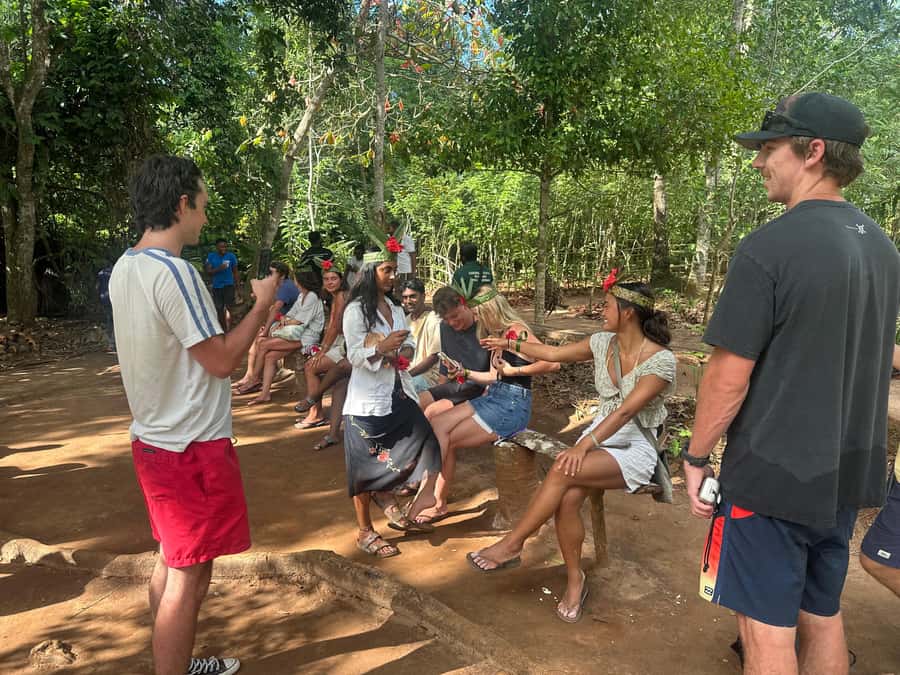
Several guides have been singled out for useful qualities. Abdul is described as giving the right amount of information at the spice farm, keeping the explanation interesting without making the walk feel like a lecture. Omar is noted for tailoring the Stone Town visit to personal interests. Kassim is praised for his French and detailed knowledge of the island’s past.
Your guide may be different, since staffing can vary. The activity offers English, French, German, Polish, Arabic, Spanish, Italian, Swahili, Portuguese, and Afrikaans. If language is important to you, choose it when booking and confirm it in advance.
A private group gives you room to ask direct questions. You can request more time at the market, more explanation at the Old Slave Market site, or a quicker walk through shopping areas. That flexibility is more meaningful here than it would be on a simple sightseeing drive.
The private van also simplifies hotel transfers. Pickup is offered from a long list of locations, including Pingwe, Chwaka, Uroa, Makunduchi, Bwejuu, Kizimkazi Mtendeni, Michamvi Kae, Paje, Matemwe, Nungwi, Kiwengwa, Jambiani, Kendwa, and Stone Town. Wait in your hotel lobby at least five minutes before pickup. You are sent the vehicle number, and the driver shows the booking name.
Walking, clothing, and access
Wear light clothing and comfortable walking shoes. The farm involves an outdoor walk, while Stone Town adds uneven streets, narrow lanes, and several hours on foot. A hat, sunscreen, water, camera, and insect repellent will make the day easier.
The information describes the tour as wheelchair accessible but also says it is not suitable for people with mobility impairments. Those statements do not fully match, so confirm the exact route and vehicle setup before booking if you use a wheelchair or have difficulty walking.
The tour also says not to touch plants without permission. This is both a safety point and a matter of respect for the farm. Listen before handling any spice or fruit.
Free cancellation is available up to 24 hours before the start, and you can reserve now and pay later. These terms give you some flexibility, but the more important booking decision is choosing a start time that leaves enough room for both Stone Town and the farm.
Who should book this tour
I would recommend it to you if you want one private outing that mixes food, agriculture, architecture, and difficult history. It is especially useful for a first visit to Zanzibar, when you want a guide to connect places that might otherwise feel scattered.
Families and small groups may appreciate the private van and adjustable pace, though the walking and heat can be tiring for young children. Food lovers will enjoy the farm tasting and lunch. History-minded visitors should make the Old Slave Market site a priority and ask for enough time there.
I would be more cautious if your main goal is a slow, detailed museum visit. The overall schedule covers a lot, and the House of Wonders is under renovation. I would also reconsider if you dislike shopping stops, though the spice shop is included as part of the farm visit rather than presented as the central activity.
At $46 per person, this is a good-value introduction to Zanzibar, provided your expectations match the format. You receive transport, private guiding, lunch, fruit tasting, and a major historical site in one package. The tradeoff is a full schedule with long transfers from some beach resorts.
Should you book it?
Book this tour if you want an efficient, private introduction to two sides of Zanzibar: the spice-growing countryside and Stone Town’s complicated past. Ask for your preferred guide language, tell the guide that the Old Slave Market site matters to you, and confirm access needs or food allergies before paying.
Skip it if you want to spend an entire day in one place, avoid driving, or need a carefully adapted mobility itinerary. For most small groups staying outside Stone Town, though, the included lunch and private transport make the $46 price a practical way to see a lot in one day.
FAQ
How long does the tour last?
The stated duration is three to six hours. The schedule includes about one hour of driving to the spice farm, two hours at the farm, two hours in Stone Town, and about one hour returning to your hotel.
What does the $46 price include?
The price includes private hotel pickup and drop-off by van, a private spice farm walking tour, a private guided Stone Town tour, the Old Slave Market entrance ticket, local lunch, and fresh fruit tasting at the farm.
Which languages are available?
Guiding is available in English, French, German, Polish, Arabic, Spanish, Italian, Swahili, Portuguese, and Afrikaans.
Where can pickup and drop-off take place?
Pickup and return are available from locations including Pingwe, Chwaka, Uroa, Makunduchi, Bwejuu, Kizimkazi Mtendeni, Michamvi Kae, Paje, Matemwe, Nungwi, Kiwengwa, Jambiani, Kendwa, Pwani Mchangani, and Stone Town.
What should I bring?
Bring comfortable shoes, a hat, sunscreen, water, a camera, and insect repellent. Wear light clothing for the outdoor farm walk and Stone Town sightseeing.
Can I touch the plants at the spice farm?
Do not touch the plants without permission. Your guide will indicate what you may handle, smell, or taste.
Is the tour suitable for people with food allergies or mobility impairments?
The supplied information says the tour is not suitable for people with food allergies or mobility impairments. It also describes the activity as wheelchair accessible, so confirm the exact access arrangements before booking if this affects you.
More Farm Days with Lunch in Zanzibar
- Zanzibar: Spice Farm Tour and Cooking Class with Lunch
★ 4.2 · 11 reviews - Spice farm,Stone town and Jozani forest tour with lunch
★ 5.0 · 4 reviews - From Porto: 2 Wine Regions, Farm-to-Table Lunch & Boat
★ 4.9 · 5,724 reviews - Cooking Class and Lunch at a Tuscan Farmhouse with Local Market Tour from Florence
★ 5.0 · 4,831 reviews
Just added around Zanzibar
- STONE TOWN AND SPICE FARM TOUR★ 4.5 · 2 reviews
- Spice Farm Bike Tour: Pedal Through Aromatic Adventures★ 3.8 · 8 reviews
- Spice farm,Stone town and Jozani forest tour with lunch★ 5.0 · 4 reviews
- FROM NUNGWI: STONE TOWN, SPICE FARM TOUR AND PRISONAL ISLAND★ 4.7 · 7 reviews
- Explore Jozani Forest and Zanzibar Spice Farm★ 4.5 · 2 reviews
- A private half day spice farm with a cooking lesson★ 5.0 · 13 reviews
- Zanzibar: Spice Farm Tour and Cooking Class with Lunch★ 4.2 · 11 reviews
- Zanzibar: Spice Farm Tour with Traditional Cooking Class★ 4.6 · 16 reviews
Zanzibar Farm Tours, compared.

Full-Day Private Stone Town +Spice Farm and Prison Island Tour
Read our review →
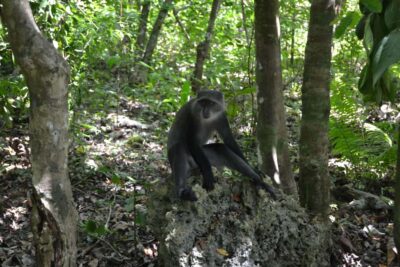
Zanzibar full day Jozani forest + Spice farm and stone town
Read our review →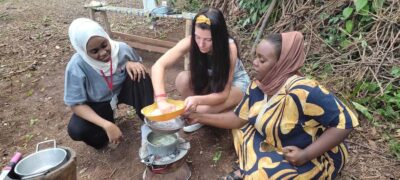
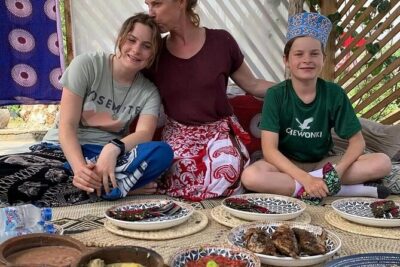
A private half day spice farm with a cooking lesson
Read our review →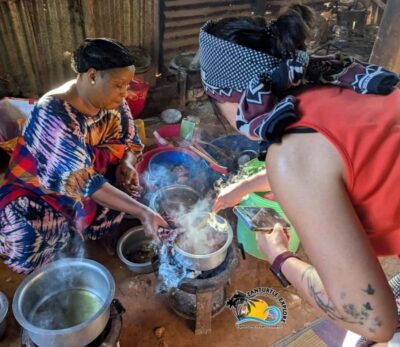
Browse the lists this tour appears in