

Review · ZANZIBAR
Zanzibar: Stone Town & Spice Farm Tour with Lunch
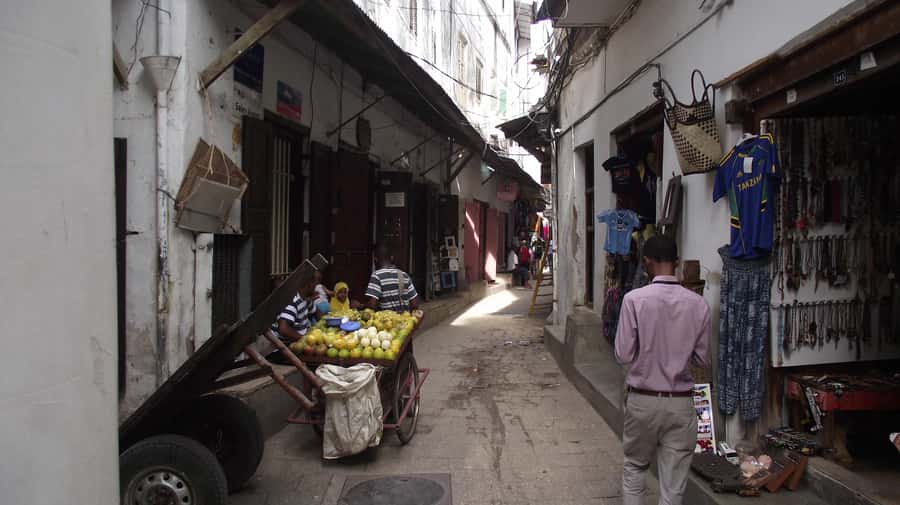
Stone Town’s narrow lanes and spice farms make a fine one-day pairing: first, Zanzibar’s layered past, then the plants and foods that still shape daily life. You’ll move from the Old Slave Market and fish auction to cinnamon, vanilla, nutmeg, and fresh coconut picked above your head.
I like the hands-on farm visit, where you can smell and taste spices directly from living plants, and I like the practical history walk, which covers the Old Fort, Palace Museum, House of Wonder, and Freddie Mercury’s House. The farm lunch adds real value to the $73 price.
The main caution is pace. Five hours covers a lot, and the Stone Town portion may feel less satisfying if you want long museum visits or time to wander alone. Bring cash for spice purchases and tips, and note the conflicting accessibility information before booking.
Key points to know before you book
- Fresh spices from living plants: See, touch, smell, and taste cloves, vanilla, cardamom, nutmeg, cinnamon, black pepper, and other crops.
- Stone Town’s main sights: Visit the Old Slave Market site, Anglican Church, City Market, Old Fort, Palace Museum, House of Wonder, and Freddie Mercury’s House.
- A real farm lunch: Watch parts of the food preparation, try local flavors, and eat on the farm.
- Fresh coconut overhead: A coconut climber picks young coconuts for you to sample.
- Five hours with several guides: You may have a driver, a farm guide, and a separate Stone Town guide, so tipping cash is useful.
- Private format with optional pickup: Meet at the Old Fort at 9 AM, or select hotel transfers when booking.
Why Stone Town and a spice farm work well together
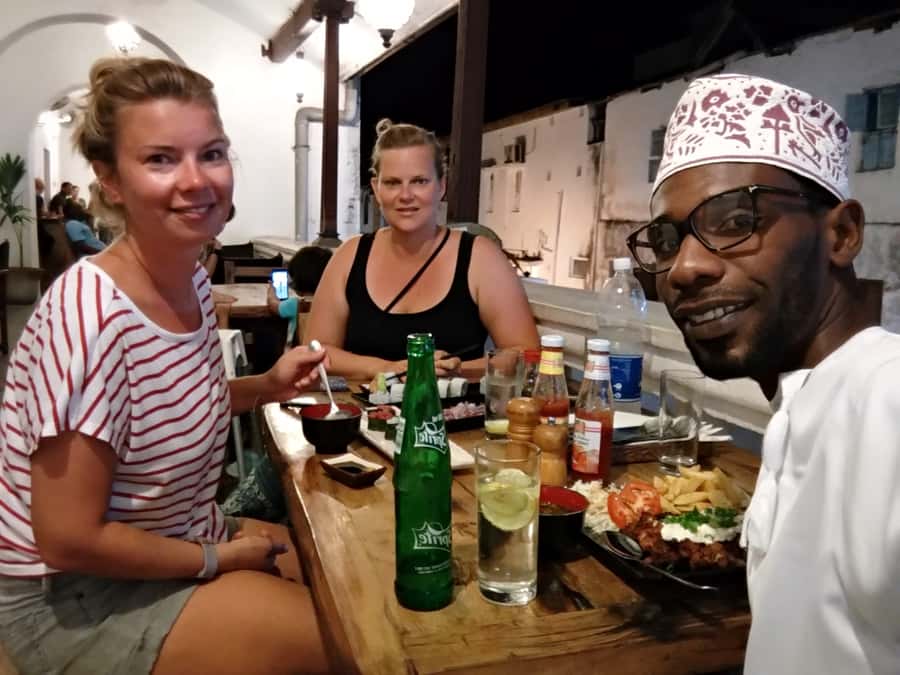
This tour links two sides of Zanzibar that are easy to treat as separate trips. Stone Town explains the island’s trading past, while the farm shows how its famous spices grow and enter food, medicine, and household life.
That combination gives the day a useful rhythm. You begin among old buildings, busy markets, and narrow streets. Later, you leave the stone lanes for a working agricultural setting where your guide can show you the source of flavors you normally meet in a jar.
The price is $73 per person for five hours. That includes entrance fees, a private guide, drinking water, and lunch, with hotel transfer included only if you choose that option. For someone who wants transport, a city walk, a farm visit, tastings, and a meal in one booking, the cost is reasonable.
You should not think of it as two full tours packed into one day. It is better understood as a well-filled introduction. You will see the principal Stone Town sights, but you should not expect extended museum time or a slow, unplanned walk through every lane.
More Spice Farm Tours in Zanzibar
- Zanzibar: Prison Island, Stone Town, & Spice Farm Tour
★ 4.5 · 579 reviews - Full-Day Private Stone Town +Spice Farm and Prison Island Tour
★ 4.5 · 216 reviews - Zanzibar:Stone Town & Spice Farm Private Tour Lunch Included
★ 4.2 · 94 reviews
Starting at the Old Slave Market and Anglican Church
The Stone Town portion begins at the Old Slave Market site and the Anglican Church. This is an important opening because it places Zanzibar’s trading wealth beside the human cost that helped shape it.
Your guide can provide context as you walk, but the experience is mainly an outdoor city tour rather than a long indoor museum visit. Wear comfortable shoes. Stone Town’s lanes are narrow and uneven in places, and you will spend much of this section on foot.
The architecture reflects Arab, Persian, Indian, and European influences within Swahili culture. You will see this mix in the town’s older buildings and street plan. Stone Town received UNESCO World Heritage status in 2000, and the tour gives you a quick way to understand why its built environment matters.
I especially like starting here rather than going straight to the postcard sights. The Old Fort is easy to admire, but the slave market site and church give the town a more serious frame. They help you see Stone Town as a place shaped by commerce, faith, migration, and colonial power, not simply as a photogenic old quarter.
City Market and the fish auction

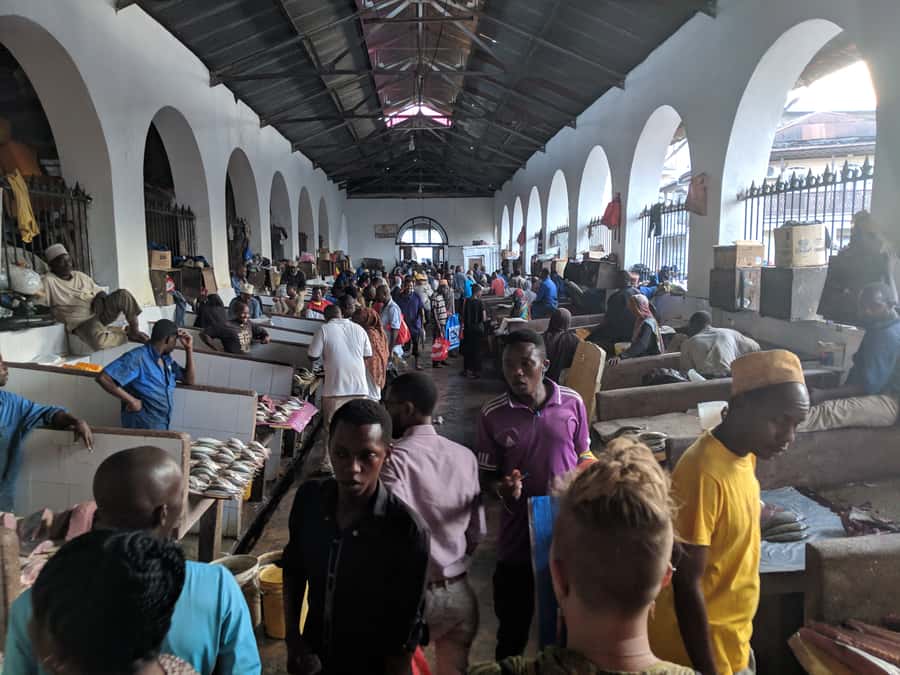
The walk continues to the City Market, where fresh produce and fruit show you what local shopping looks like. This is not a polished food hall. It is a working market, and that is precisely its value.
You can watch people buy and sell everyday goods, then observe the fish auction. The auction adds movement and sound to the visit, though conditions may feel crowded and less tidy than the market displays designed for tourists.
This stop is best for people who enjoy seeing ordinary routines. You are not just looking at old doors and carved buildings. You are watching food move from local sellers to local buyers.
The market can also sharpen your understanding of the spice farm later in the day. At the farm, your guide explains individual plants. At the market, you see the wider food system in action. Those two settings answer different questions: how something grows, and how people use and sell food.
Palace Museum, House of Wonder, and the Old Fort
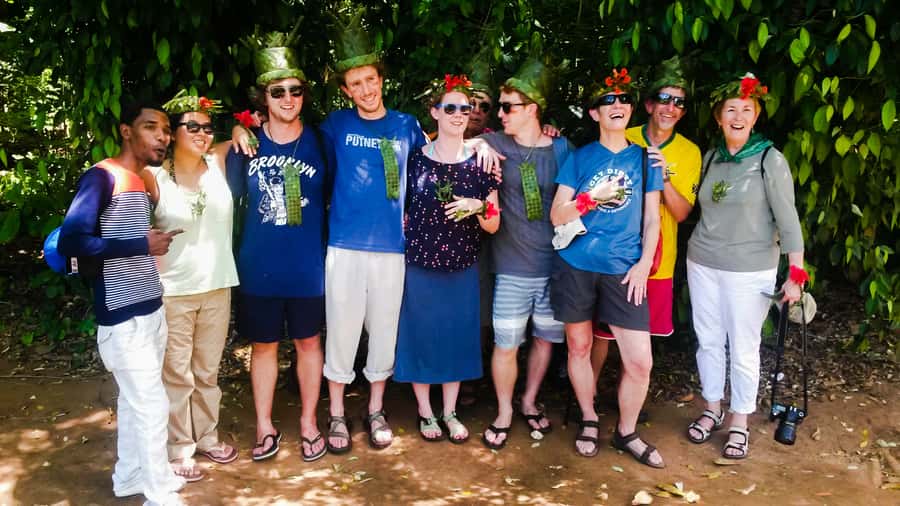
After the market, the sightseeing route takes in several of Stone Town’s best-known buildings. The Palace Museum introduces the former royal setting, while the House of Wonder, also called Bait-al-ajab, is known as the largest and tallest building in town.
You will also see the Old Fort, Tippu Tip, the Peace Memorial, and the Natural History Museum, along with other sights. The route includes Freddie Mercury’s House, one of the city’s most recognizable modern connections.
The strength here is range. In a short walk, you get royal, military, religious, memorial, and popular-cultural landmarks. Your guide helps connect them instead of leaving you to identify each building from a photograph.
The limitation is time. Several stops are named, but the five-hour schedule also includes transport, the farm, lunch, and the market. If you want to examine museum exhibits carefully, this may feel rushed. If your goal is to get your bearings and see the principal sights, the format makes sense.
Guide quality matters most during this section. Juma is described as relaxed, clear, and engaging, while Ahmed is praised for his strong command of Zanzibar’s past. English is the tour language, but one city guide was reported to speak limited English, which made questions harder. That seems to be an occasional concern rather than the usual pattern, but it is worth keeping in mind if detailed conversation is central to your plans.
Same fields, a different sort of day out:
- Zanzibar full day Jozani forest + Spice farm and stone town
★ 4.7 · 90 reviews - Zanzibar: Spice Farm Tour with Traditional Cooking Lesson
★ 4.8 · 77 reviews - Zanzibar: Spice Farm Tour with Traditional Cooking Class
★ 4.6 · 16 reviews - A private half day spice farm with a cooking lesson
★ 5.0 · 13 reviews
The organic spice farm in living color
The farm is the strongest part of the day for many people, and it is easy to see why. Instead of seeing spices as dried powders in a shop, you meet them as plants, seeds, bark, pods, and fruit.
Your farm guide explains how cloves, nutmeg, cinnamon, black pepper, vanilla, cardamom, and other crops are grown. You can touch, smell, and taste them directly. The guide also covers their uses in cooking and traditional medicine, which gives each plant a practical purpose beyond its appearance.
This is where the tour feels most authentic. You are not only shown a spice display. You are placed in a working agricultural setting and invited to connect smell and flavor with the plant itself.
The farm portion can last two to three hours, depending on how the day is arranged. Beka is one guide named for this section, and he is described as particularly good at explaining how the crops grow. Other farm guides have also been praised for clear explanations and a good sense of humor.
Expect plenty of tasting. Fresh fruit, herbs, and spices form a large part of the visit. You might recognize a favorite seasoning in an entirely new form, while other plants may be unfamiliar. The farm is especially worthwhile if you cook, enjoy food markets, or want more than a standard city sightseeing loop.
Coconut, cassava, and a traditional lunch
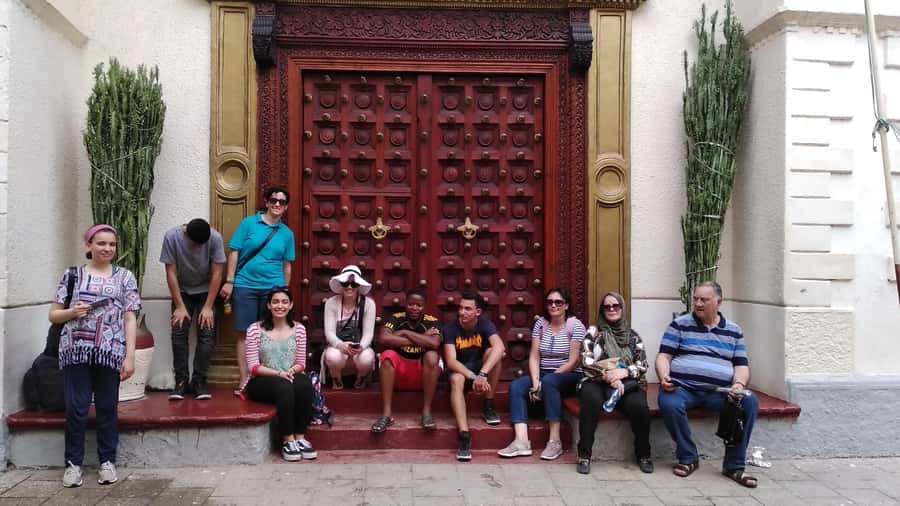
The farm experience is not limited to looking at plants. You may join a cassava leaf harvest, help make coconut milk, and take part in some cooking. These activities show the work behind familiar foods, though the exact amount of participation can depend on the day.
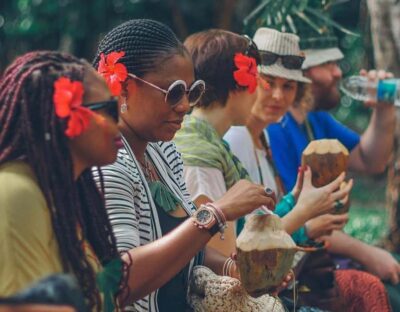
A coconut climber then picks young coconuts for you to try. It is a simple moment, but a memorable one: you taste the fruit almost immediately after it leaves the tree.
Lunch follows at the farm and is included in the price. The food has been a strong point, with the meal described as generous and surprisingly good. You should see this as part of the experience rather than a quick restaurant stop. The meal gives you a chance to try local cooking after learning where some of its ingredients come from.
Drinking water is also included. Still, bring sunscreen and wear light, comfortable clothing suited to a warm outdoor visit. The farm section involves sun, walking, tasting, and time around plants, so practical clothing will serve you better than anything dressy.
What the $73 price really covers
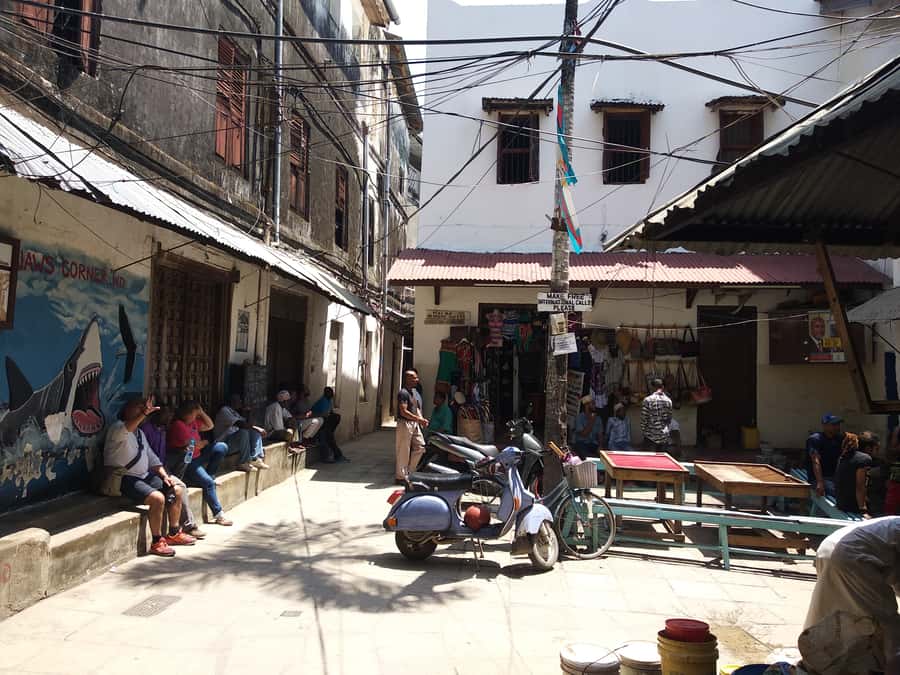
At $73 per person, this is not the cheapest way to see Stone Town, especially if you are already staying nearby and can walk the city on your own. One past assessment found the Stone Town portion only average and suggested visiting the town independently.
The value improves if you want the farm visit. The price includes lunch, entrance fees, water, and guiding, and it bundles the farm with a city tour that would otherwise require separate planning. Hotel transfers are optional, so check the selected option carefully before comparing the cost with other tours.
A private guide is another useful part of the package. You are not simply following a large group between fixed stops. The available information describes a private tour, although it does not give a fixed maximum group size. If you need a very small party, ask the provider to confirm how your booking will operate.
You should also budget for tips and purchases. Several people may help during the day, including the driver, farm guide, and city guide. A small tip is meaningful, and the spice shop accepts cash only. Bring enough local cash for both purposes rather than relying on a card.
Timing, meeting point, and practical details

The standard meeting point is in front of the Old Fort on Mizingani Road at 9 AM. A representative waits there. Hotel pickup can be selected, which is useful if you are not staying near central Stone Town.
The total duration is five hours. The day may run with the farm first and Stone Town afterward, or the order may vary. One arrangement began with two to three hours at the farm, followed by a drive back to Stone Town and a walking tour. Confirm the order if you have a tight schedule.
Bring:
- Comfortable shoes
- Sunscreen
- Cash
- Drinking water if you prefer more than the included supply
Large bags and luggage are not allowed. That rule matters if you are joining between hotels or carrying airport baggage, so arrange storage before meeting the guide.
The booking terms allow cancellation up to 24 hours in advance for a full refund, and you can reserve now and pay later. Those options help if your Zanzibar plans are still shifting.
The accessibility information needs care. The activity details say the tour is wheelchair accessible, but the restrictions also say it is not suitable for wheelchair users. Because Stone Town includes narrow lanes and the farm is an outdoor setting, contact the provider before paying if accessibility affects your decision. Do not rely on the conflicting labels alone.
Who should choose this tour
I would choose this for a first visit to Zanzibar when I wanted both culture and food in one half-day. It suits curious eaters, first-time visitors, couples, families with older children, and anyone who prefers a guide to explain what they are seeing.
It is also a good choice if you are staying outside Stone Town and want transfers arranged. The driver is part of the day, and the transport makes it easier to combine the farm with the city.
You may want a different plan if your priority is slow photography, long museum visits, or independent exploration. The Stone Town walk covers the important sights, but it is an introduction rather than an exhaustive study.
The tour is also less suitable if you dislike market crowds, warm outdoor conditions, tasting unfamiliar foods, or several changes of guide. Some people appreciate having a driver, farm guide, and city guide with different specialties. Others prefer one guide for the whole day.
Should you book the Stone Town and spice farm tour?
Book it if you want the spice farm to be the main event, with Stone Town added as a useful historical and cultural introduction. The farm tastings, fresh coconut, local cooking, and included lunch give the $73 price its strongest value.
Book with realistic expectations about the city section. You will see many important landmarks and get helpful background, but you will not have time to linger everywhere. Bring cash, confirm the pickup and accessibility details, and be ready to tip the people who make the day work.
If that sounds like your kind of Zanzibar day, this is a practical choice. If you already know Stone Town well and want a slow, independent walk, arrange the town yourself and spend your tour budget on a longer farm visit instead.
FAQ
How long does the tour last?
The tour lasts five hours.
What time does the tour meet?
The standard meeting time is 9 AM.
Where is the meeting point?
Meet in front of the Old Fort on Mizingani Road in Stone Town, Zanzibar.
Is hotel pickup available?
Yes. Hotel pickup is available if you select that option when booking.
What language is the tour conducted in?
The live tour guide speaks English.
What is included in the price?
The price includes entrance fees, a private guide, drinking water, and lunch. Hotel transfers are included only with the applicable pickup option.
What spices can I see at the farm?
The farm visit can include cloves, nutmeg, cinnamon, black pepper, vanilla, cardamom, and other spices and herbs.
Can I taste anything at the spice farm?
Yes. You can taste spices, herbs, fruit, fresh young coconut, and local food prepared at the farm.
Should I bring cash?
Yes. Bring cash for spice-shop purchases and tips. The spice shop accepts cash only.
Can I cancel the booking?
You can cancel up to 24 hours in advance for a full refund. Reserve now and pay later is also available.
More Farm Days with Lunch in Zanzibar
- Zanzibar: Spice Farm Tour and Cooking Class with Lunch
★ 4.2 · 11 reviews - Spice farm,Stone town and Jozani forest tour with lunch
★ 5.0 · 4 reviews - From Porto: 2 Wine Regions, Farm-to-Table Lunch & Boat
★ 4.9 · 5,724 reviews - Cooking Class and Lunch at a Tuscan Farmhouse with Local Market Tour from Florence
★ 5.0 · 4,831 reviews
Just added around Zanzibar
- STONE TOWN AND SPICE FARM TOUR★ 4.5 · 2 reviews
- Spice Farm Bike Tour: Pedal Through Aromatic Adventures★ 3.8 · 8 reviews
- Spice farm,Stone town and Jozani forest tour with lunch★ 5.0 · 4 reviews
- FROM NUNGWI: STONE TOWN, SPICE FARM TOUR AND PRISONAL ISLAND★ 4.7 · 7 reviews
- Explore Jozani Forest and Zanzibar Spice Farm★ 4.5 · 2 reviews
- A private half day spice farm with a cooking lesson★ 5.0 · 13 reviews
- Zanzibar: Spice Farm Tour and Cooking Class with Lunch★ 4.2 · 11 reviews
- Zanzibar: Spice Farm Tour with Traditional Cooking Class★ 4.6 · 16 reviews
Zanzibar Farm Tours, compared.

Full-Day Private Stone Town +Spice Farm and Prison Island Tour
Read our review →
Stone Town & Spice Farm Private Tour Lunch Included
Read our review →
Zanzibar full day Jozani forest + Spice farm and stone town
Read our review →

A private half day spice farm with a cooking lesson
Read our review →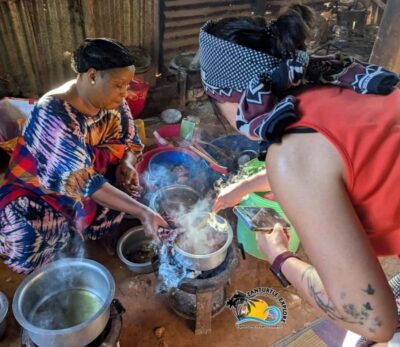
Browse the lists this tour appears in