
Review · SPAIN
Valencia: Orange Farm and Orchard Trip with Tastings
The best part of this two-hour outing is that you do not just look at orange trees. You walk through a working farm, handle the fruit, see how oranges are sorted for sale, and finish with a generous tasting. I especially like the mix of old farming methods and modern packing and the chance to pick a bag of oranges yourself.
I also like the personal feel. Guides such as Teresa, Ana, Claire, and Mylene explain the orchard with warmth and practical detail, while the 19th-century house and gardens give the visit a sense of place. The main drawback is getting there: the farm is 35 kilometers from Valencia, and the walk from the train station can take about 30 minutes. The property is also not fully suitable for wheelchair users.
Key points to know before you go
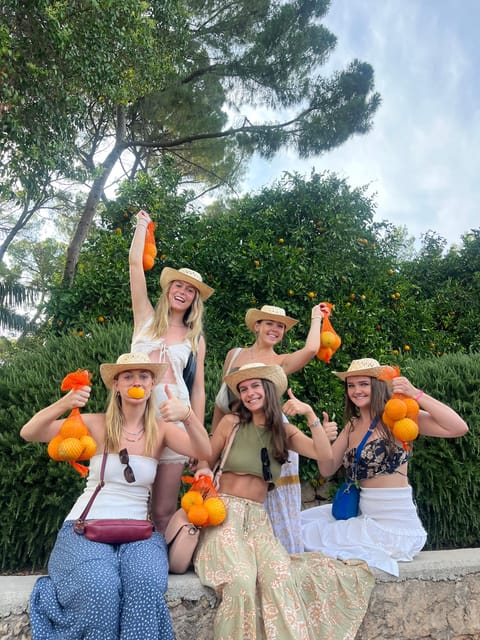
- Pick your own oranges: From roughly February through June, you can collect a bag to take home. The wider orange season runs from October into June, but picking dates can vary.
- See unusual citrus: The orchard includes Buddha’s hand, yuzu, citrus caviar, kumquats, grapefruit, avocados, papayas, pomegranates, and more.
- Try the finished products: Tastings can include fresh orange juice, lemonade, mandarins, jams, orange blossom honey, Valencian liqueurs, and other local treats.
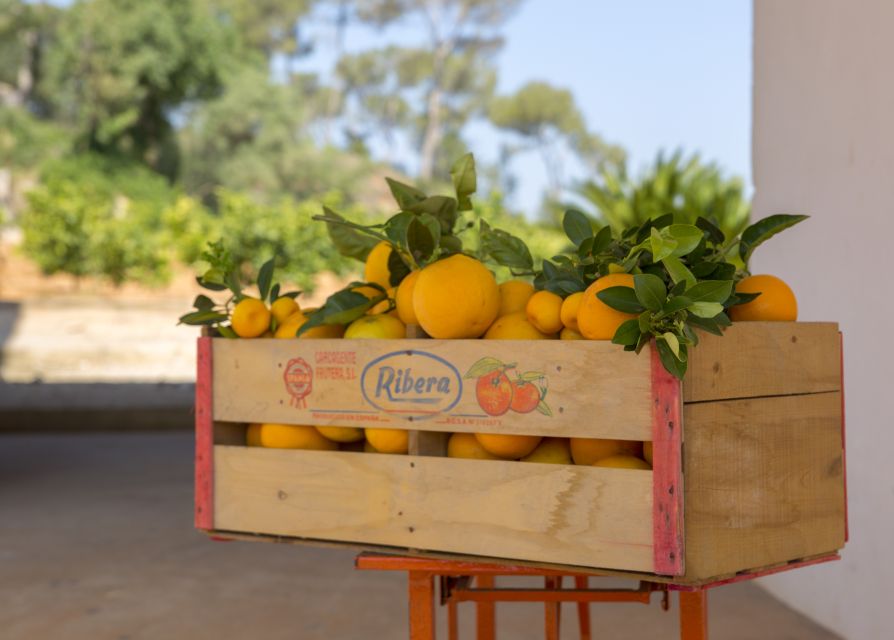
- Visit a historic family farm: Huerto Ribera has been operating since 1870, with an eclectic 19th-century modernist house at its center.
- Plan your transport carefully: Trains from Valencia North Station reach the area in about 35 minutes, but train schedules and the final walk or taxi ride need attention.
- Expect an English-language tour: The guides explain cultivation, pruning, grafting, flowering, harvesting, and packing in English.
Why an orange farm is worth leaving Valencia for
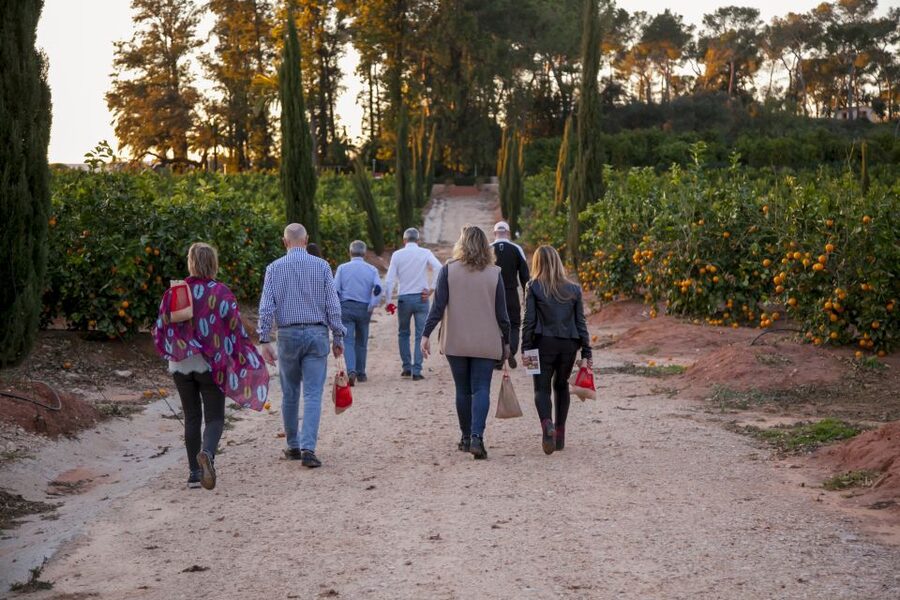
Valencia is famous for oranges, but city markets do not explain how much work goes into producing them. This trip gives you the missing piece. You see the trees, irrigation, flowers, fruit varieties, harvesting, and packing in one compact visit.
Carcaixent is known as the orange cradle of the region. That setting matters. You are not visiting a staged tasting room designed to look agricultural. Huerto Ribera is a long-running farm with citrus trees, gardens, a family connection, and a working warehouse.
At $35 per person, the price is strong for a two-hour activity. You get a guided walk, access to the farm and warehouse, a tasting, and a bag of oranges during the picking season. The value is even better for families, since children have something active to do instead of simply listening to a talk.
The experience is not ideal if you want a quick stop close to Valencia’s center. Transportation is separate, and the total outing can take much longer than the advertised two hours once you add the train, taxi, or walk. Think of it as a half-day escape from the city, not a quick city excursion.
A few more farm days around Spain worth a look
- Montserrat Lunch & Wine at Farmhouse Small Group from Barcelona
★ 5.0 · 2,368 reviews - Tenerife: Finca Las Margaritas Banana Plantation Experience
★ 4.7 · 1,442 reviews - Barcelona: Montserrat Visit & Lunch at Farmhouse Small Group
★ 4.7 · 1,313 reviews
Entering Huerto Ribera and its modernist house
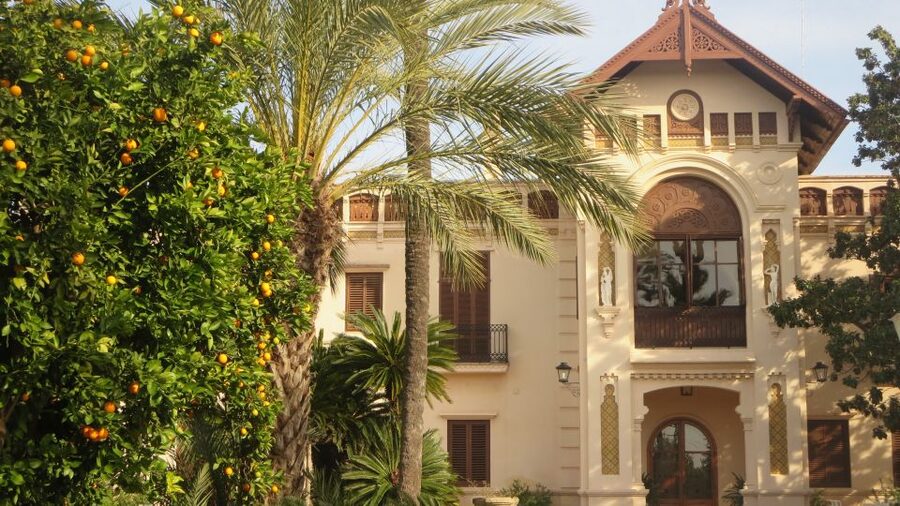
The visit begins at Huerto Ribera, located in Carcaixent at Polígono Nº 53, 5. The main house is an eclectic 19th-century modernist building, viewed from the exterior, and it gives the farm an identity beyond rows of fruit trees.
From there, your guide leads you through the gardens and orchard. The tone is friendly and personal. Teresa is one of the family members involved in the farm, and guides including Ana E., Claire, Mylene, and others have led tours in English. The exact guide depends on the day, but you can expect an explanation based on direct experience with the property and the local citrus trade.
Some visits begin with lemonade, coffee, biscuits, or orange blossom cookies. These details can vary, but the welcome is built around the farm’s own produce. That is a good introduction to the visit: you start tasting before the formal tour has even gathered speed.
The grounds are especially appealing in spring, when orange blossoms can fill the air with their sweet scent. If you visit outside bloom time, you still have the gardens and fruit trees, but the atmosphere will change with the season.
Walking among oranges, lemons, yuzu, and Buddha’s hand
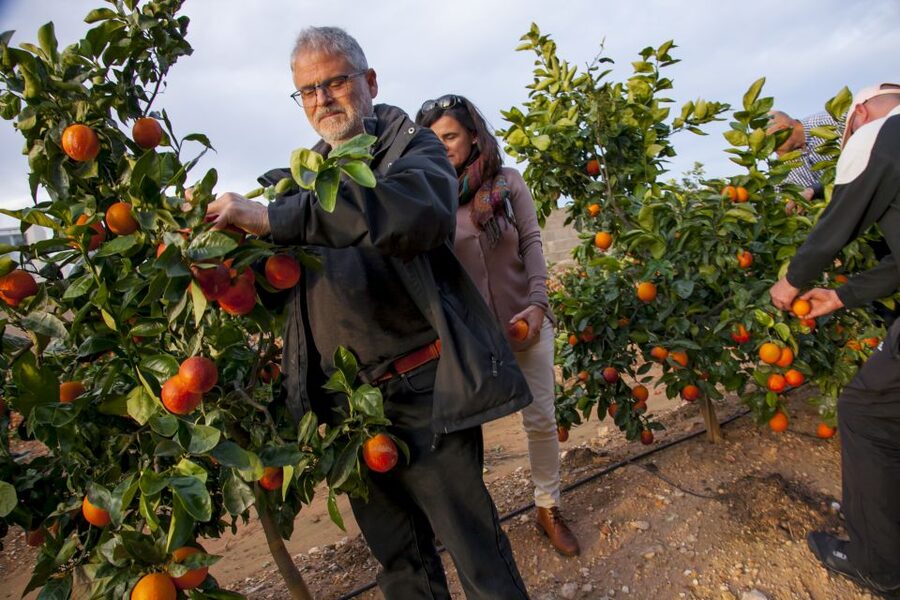
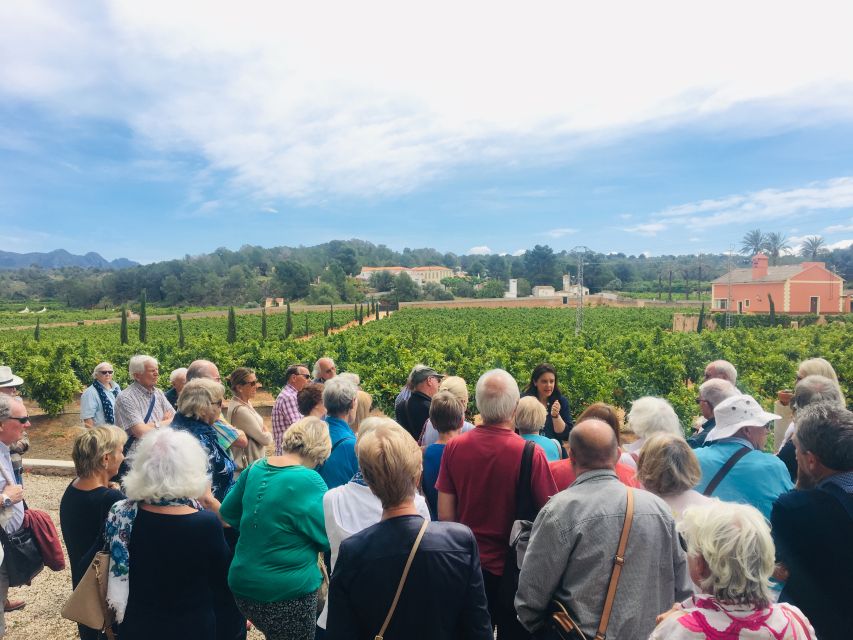
The orchard walk is the heart of the experience. Your guide explains traditional cultivation and compares it with newer farming methods. You learn about pruning, grafting, flowering, irrigation, and the timing of fruit production.
This is where the tour becomes more than an orange photo stop. You see that citrus is a large family of fruits with different shapes, aromas, uses, and harvest periods. Along with oranges and tangerines, the property grows lemons, kumquats, grapefruit, avocados, papayas, pomegranates, medlars, yuzu, Buddha’s hand, and citrus caviar.
Buddha’s hand is particularly memorable. Its finger-like segments look unlike a normal lemon, while citrus caviar has small bead-like pieces that add texture to food. Yuzu offers another point of comparison, especially for anyone interested in less familiar citrus.
Your guide may explain how different varieties are used and when they are ready. This makes the tasting later more useful because you have already seen the fruit on the tree. You begin to notice why one citrus is suited to juice, another to preserves, and another to decoration or cooking.
The walk is generally gentle, but you should wear comfortable shoes. Paths through an orchard are not the same as smooth city sidewalks. Hats may be provided on hot days, but bring sun protection and water, especially in summer.
Picking a bag of oranges in season
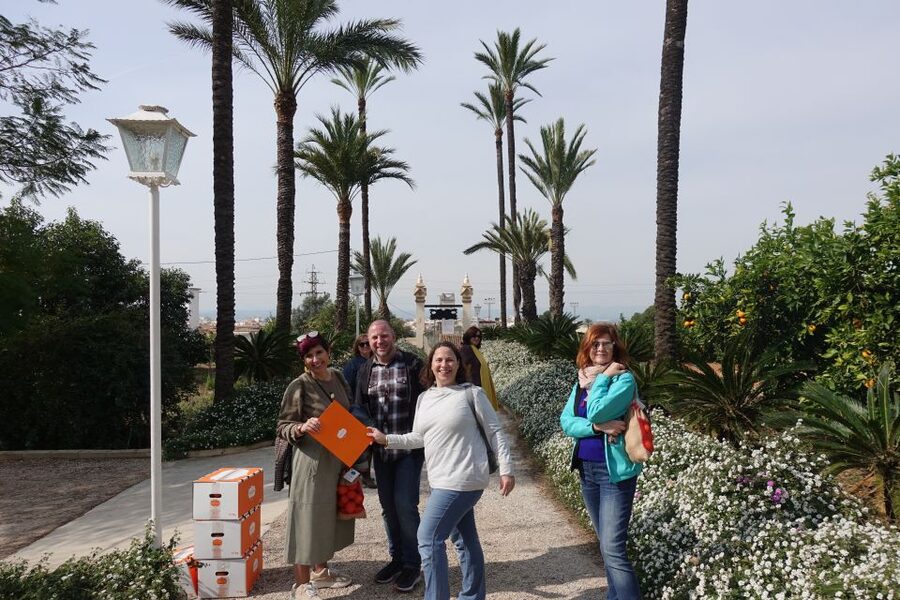
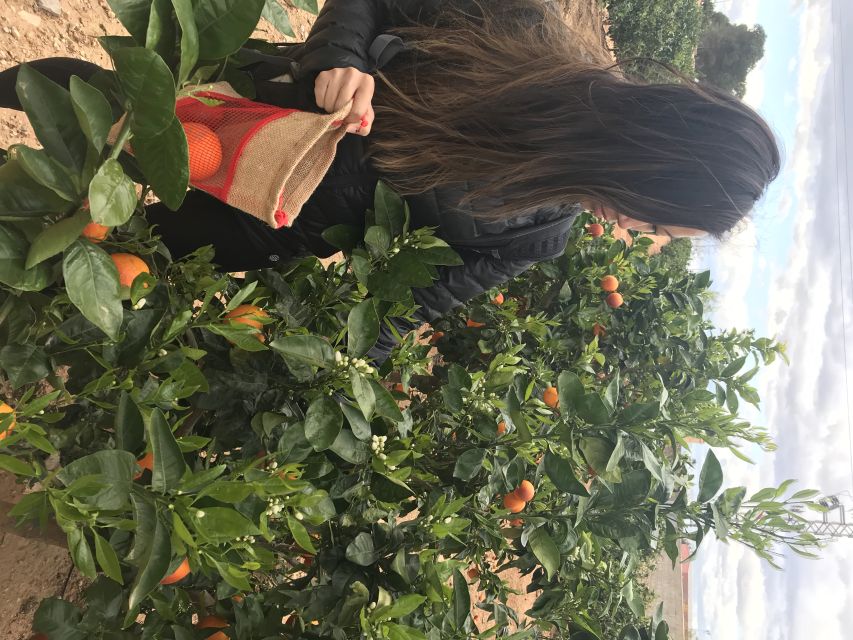
Picking your own oranges is the most hands-on part of the visit. The included bag is available from February to June, with the wider orchard season running approximately from October to June. The exact fruit available depends on the time of year.
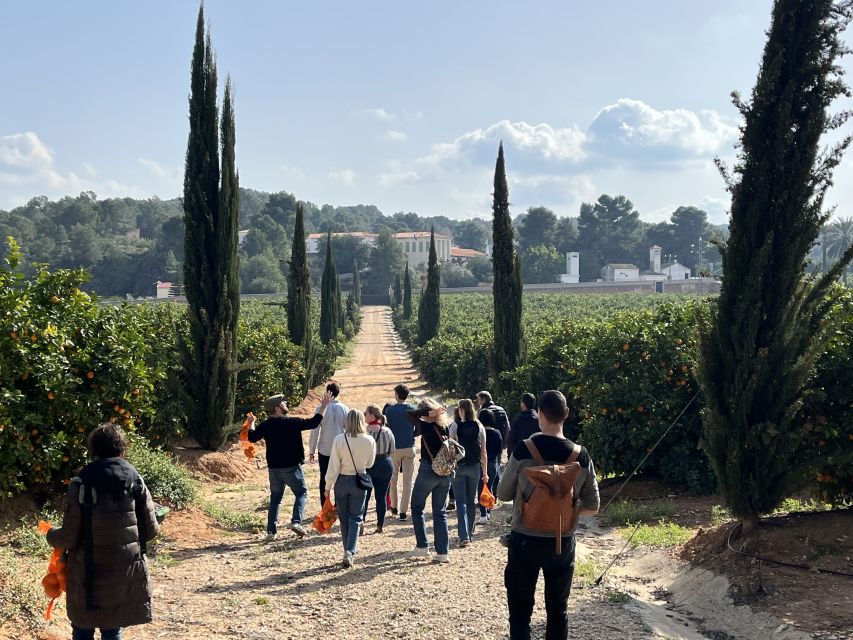
You are not simply handed a bag at the end. You go to the trees and choose the fruit yourself, with guidance on what to pick. For children, this turns an agricultural explanation into a real activity. For adults, it gives you a better feel for the work behind a familiar supermarket product.
The farm is generous with the oranges, and the bag can be a meaningful amount to carry. If you are traveling with limited luggage, remember that fresh fruit is perishable and bulky. You may prefer to enjoy some during your stay rather than plan to transport it home.
The season affects the experience in other ways, too. In spring, blossoms may be the visual and aromatic highlight. Later in the season, ripe fruit and picking take center stage. Summer can be hot, even if the tour lasts only two hours, so light clothing and a hat are sensible.
Same fields, a different sort of day out:
- Montserrat Full Day Tour with Farmhouse Lunch and Winery Visit
★ 5.0 · 1,068 reviews - Montserrat & Winery Visit Tour with Traditional Farmhouse Lunch
★ 4.5 · 1,035 reviews - La Orotava: Eco Banana Plantation Tour with Banana Liquor
★ 4.7 · 863 reviews - Ría de Arousa: Boat Ride to Mussel Farm with Tasting
★ 4.7 · 845 reviews
Seeing how Naranjas Ribera sorts and calibrates fruit
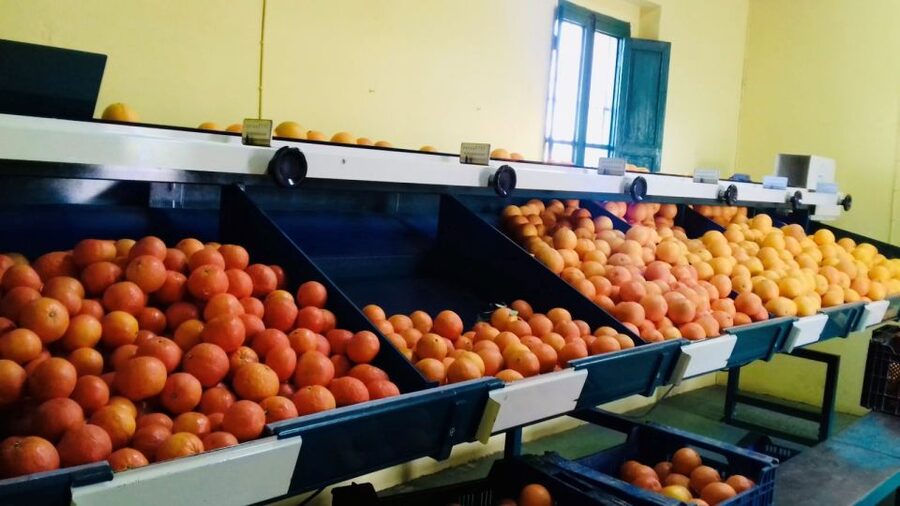
The warehouse visit adds an important working detail. You see how Naranjas Ribera calibrates and selects oranges before packing them into boxes for shipment across Europe.
The word calibrate refers to sorting fruit by size and quality. Watching this process connects the orchard to the wider food chain. You can see that the orange on your breakfast table has passed through decisions about appearance, size, ripeness, and packing.
One appealing part of the visit is the chance to have a go with the sorting machine. It gives children and curious adults a simple way to understand the process rather than hearing only a technical explanation.
The warehouse may be less picturesque than the gardens, but it is one of the most useful stops. Many farm visits end with a tasting and skip the business of production. Here, you get a better sense of how a traditional Valencian crop operates in the present day.
The experience also touches on the current situation for Valencian citrus growers. That context helps explain why a small family farm must balance inherited methods with modern production and sales. If your interest is agriculture, food systems, or local business, this section may be as valuable as the orchard walk.
A tasting built around the orchard’s own flavors
The final tasting is generous and varied. Fresh orange juice is the main event, and the juice can taste remarkably different from a carton version because it is served close to the source. Depending on the season and the day, you may also try mandarins, lemons, grapefruit, kumquats, citrus caviar, or other fruit.
The spread can include homemade jams, orange blossom honey, Valencian liqueurs, lemonade, and orange-based sweets. Some visits include orange blossom cookies. You may also find a small shop where you can buy marmalades, honey, liqueurs, and related products.
I like this part because it shows several ways the crop reaches the table. You are not just tasting one sweet orange. You are comparing fresh fruit with preserved products and drinks, then deciding what you might use at home.
The tasting is also a practical reason to leave room in your bag. The shop is not presented as a hard-sell stop, and you can sample before deciding. If you are traveling light, you can still enjoy the tasting without buying anything.
Getting there from Valencia by train or car
By car, the farm is about 35 kilometers from Valencia. This is the simplest choice if you have your own vehicle or are comfortable driving outside the city.
By train, take a direct service from Valencia North Station. The ride to the Carcaixent area takes about 35 minutes. Pay attention to the timetable, though. Train frequency can be limited at certain times, and you may need to buy your ticket at the station counter rather than assume every departure is immediately available.
The final connection needs planning. Some visitors use a taxi from the station, while others walk roughly 30 minutes. The walk may be manageable, but part of it is not especially scenic, so a taxi can make sense if you have children, luggage, or limited time.
Do not leave Valencia at the last possible moment. Missing a train can mean waiting about an hour and arriving late for the tour. Contacting the farm about a taxi may help, but do not assume a return taxi will be waiting automatically. Arrange your return plan before you set out.
The train ride and rural setting are part of the appeal, but transportation adds time and cost beyond the $35 tour price. Budget for that when comparing this with activities inside Valencia.
Who will enjoy this two-hour farm visit?
Families are a natural fit. Children can pick oranges, taste unusual fruit, watch the sorting machine, and move through the orchard instead of sitting through a long museum explanation. The guide works to keep younger visitors involved, and the two-hour length is manageable.
Food lovers will also get plenty from the visit. You can compare citrus varieties, learn about orange blossom, and taste juices, jams, honey, and liqueurs. The farm gives you a more local food experience than a standard market visit.
This is also a good choice for anyone who has already seen Valencia’s major sights and wants a quieter outing. The orchard offers a change of pace, with trees, gardens, and a family-run setting.
It is less suitable for anyone who dislikes rural walking, wants a tightly scheduled city activity, or cannot manage uneven paths. The farm is not listed as suitable for wheelchair users, although the staff has made thoughtful efforts to accommodate a wheelchair user on at least one visit. Ask ahead if access is important to you.
What to bring and how to time your visit
Wear comfortable shoes. Light clothing helps in warm weather, and a hat is sensible even if hats are sometimes supplied. If you plan to walk from the station, allow extra time and carry water.
Spring may be the best all-around period if you want a blend of blossoms, fruit, and comfortable walking conditions. February through June is the key window for the included bag of picked oranges. Earlier or later visits can still offer a good orchard tour and tasting, but the exact fruit selection will change.
Allow more than two hours for the full outing. The guided activity lasts two hours, but transport from Valencia, the walk or taxi from the station, and time in the shop can extend the day.
The tour is conducted in English. The guides have been praised for clear explanations, humor, and warmth, but the focus remains on the farm rather than on a formal academic lecture. You will learn enough to understand the work without being buried in technical detail.
Should you book the Huerto Ribera orange farm tour?
Book it if you want a practical, tasty look at Valencia’s signature crop. The combination of a historic farm, unusual citrus, orchard walking, warehouse work, orange picking, and local products gives you far more than a simple tasting.
At $35, it is good value, especially when the orange bag is available and you enjoy the full tasting. Teresa, Ana, Claire, and the other guides add a personal touch that suits this family-run setting.
Skip it if your schedule in Valencia is tight or if the transport sounds like a nuisance. The farm is not in the city, the final walk can be long, and accessibility is limited. For everyone else, plan the train carefully, wear sensible shoes, and make room in your day for one of the region’s most direct ways to understand its oranges.
FAQ
Where is Huerto Ribera located?
Huerto Ribera is in Carcaixent, Valencia, at Polígono Nº 53, 5, 46740 Carcaixent, Spain.
How far is the farm from Valencia?
The farm is about 35 kilometers from Valencia.
How long does the orange farm experience last?
The guided experience lasts two hours.
Can I reach the farm by train?
Yes. A direct train from Valencia North Station takes about 35 minutes. You then need to walk or take a taxi to the property.
Can I pick oranges during the tour?
Yes, you can pick a bag of oranges from February to June. The wider orange-picking season is described as running from October to June, depending on the fruit available.
What products are included in the tasting?
The tasting can include orange juice, seasonal mandarins, Valencian liqueurs, homemade jams, orange blossom honey, lemonade, and other local citrus products.
What types of fruit grow at Huerto Ribera?
The farm grows oranges, tangerines, avocados, Buddha’s hand, citrus caviar, lemons, kumquats, grapefruit, pomegranates, papayas, medlars, and yuzu, among other citrus varieties.
Is the tour conducted in English?
Yes. The tour includes an English-speaking live guide.
Is the farm accessible for wheelchair users?
The activity is not listed as suitable for wheelchair users. One visit accommodated a wheelchair user with care, but the property is not fully accessible.
Just added around Spain
- Animal farm park with free hotel pickup★ 5.0 · 2 reviews
- From Seville: Pig Farm private day tour and old villages visit★ 4.5 · 4 reviews
- Bull Breeding Farm: Guided Half-Day Tour from Seville★ 4.5 · 24 reviews
- ” Basque Farm House & Cider house” tour + meal from San Sebastian★ 5.0 · 9 reviews
- Fuerteventura Villages Caves and Farm Tour with Lunch from North★ 3.0 · 9 reviews
- Menorca: Cheesemaking and Farm-Fresh Product Tasting★ 5.0 · 29 reviews
- Chefcooking Paella from our Andalusian Grandmother at a Family Farm★ 5.0 · 49 reviews
- Eastern Majorca Tour with Arta Caves and Aloe Plantation★ 4.5 · 2 reviews
Spain Farm Tours, compared.

Montserrat Lunch & Wine at Farmhouse Small Group from Barcelona
Read our review →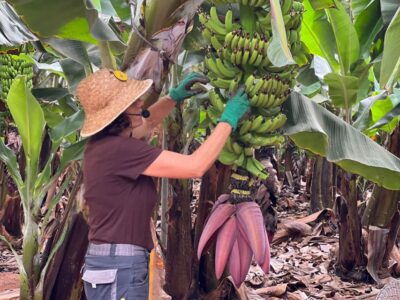
Finca Las Margaritas Banana Plantation Experience
Read our review →
La Orotava: Eco Banana Plantation Tour with Banana Liquor
Read our review →
La Herradura Coffee Farm: tour in Europe’s only plantation
Read our review →
Alicante : E-Bike Coast Tour, Roman Fish Farm and Snorkeling
Read our review →
Montserrat with Winery Visit and Farmhouse Lunch
Read our review →
Browse the lists this tour appears in