
Review · UBUD
Jatiluwih in detail (1 h. e-bike tour in the rice terraces)
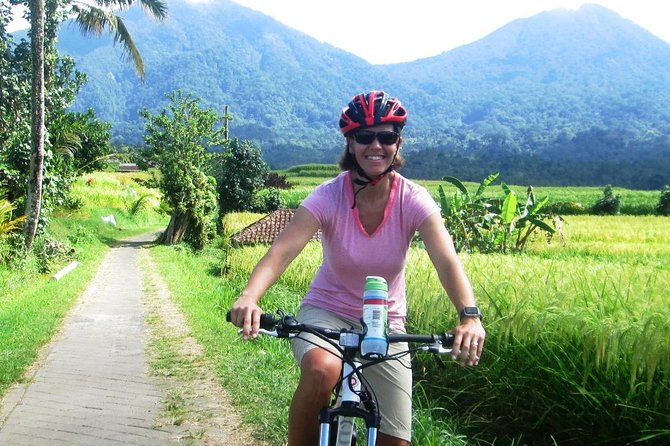
Jatiluwih is Bali’s rice country at its most peaceful, and this one-hour e-bike ride gives you a practical way to see more of it than you could on foot. You pedal through terraces in a valley surrounded by four extinct volcanoes, with bamboo forest, small streams, farmers, and working plots along the way.
I like the way the electric mountain bikes make the hilly route manageable, and I like that local guides from the area can explain the farming traditions and answer questions as you ride. The small group, limited to 10 people, also gives the outing a more personal feel.
The main drawback is the short duration. One hour is enough for a taste of Jatiluwih, but not enough for a long, leisurely ride or a full day in the rice country. You must also reach the meeting point yourself, since hotel pickup and drop-off are not included.
Key points to know before you book
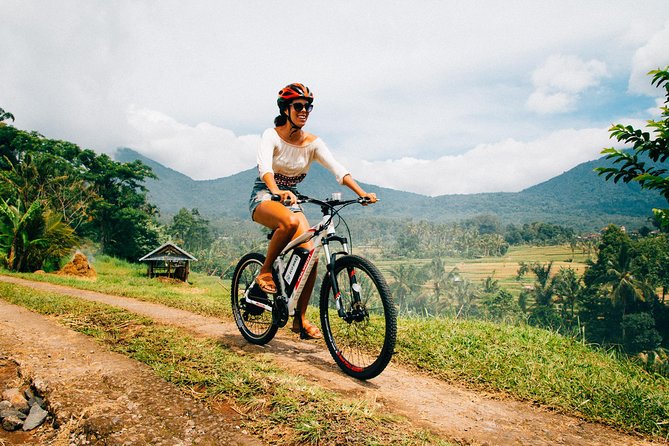
- Ride beyond the main walking areas: An e-bike can take you farther into the rice fields than a short foot visit, including quieter paths and working farm areas.
- See Bali’s farming traditions up close: Farmers tending crops, caring for animals, and selling produce may form part of the experience.
- Use an electric mountain bike: The motor helps with the route through the terraces, though you still need to be comfortable on a bicycle.
- Keep the group small: The maximum is 10 people, so you should have a better chance to ask questions and stay connected with the guide.
- Budget for a self-arranged arrival: The tour begins and ends at Green Bikes Bali Jatiluwih, with no hotel transportation included.
- Plan for basic outdoor comfort: Wear practical clothes and shoes, use sunblock, and expect to spend the hour outside.
Why Jatiluwih works so well by e-bike
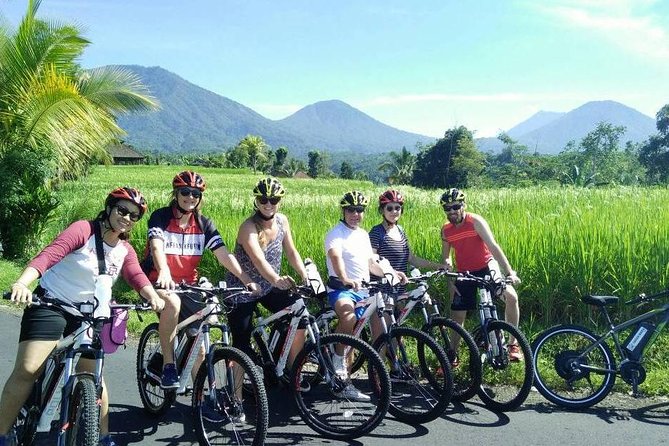
Jatiluwih is not simply a viewpoint with a few rice fields in the distance. The rice terraces are part of a working agricultural area, and the route lets you see the paddies at ground level. That matters because the charm here comes from small details: water moving through channels, farmers working plots, bamboo rising along the edges, and paths linking one part of the valley to another.
On foot, you can see the famous terraces, but an e-bike gives you more range in the same amount of time. The route is described as passing beyond the areas where people are usually confined to walking, so you may reach quieter sections with a more local feel. You might see farmers tending crops or looking after animals, rather than only taking photos from a marked lookout.
The setting is especially memorable because the rice fields sit in a valley surrounded by four extinct volcanoes. You are not looking at a single flat field. The terraces rise and fall through the valley, and the ride connects the agricultural setting with pockets of bamboo forest, jungle, and flowing water.
More Rice Terrace Tours in Indonesia
- Ubud: Monkey Forest, Jungle Swing, Rice Terrace, and Water Temple
★ 5.0 · 7,160 reviews - Ubud: Waterfalls, Water Temple & Rice Terraces Private Tour
★ 5.0 · 5,484 reviews - Ubud: Full-Day Rice Terrace, Monkey Forest & Waterfall
★ 5.0 · 2,634 reviews
The one-hour route through the rice terraces
The experience begins at Green Bikes Bali Jatiluwih on Jalan Batu Luwih Kawan in Senganan, Penebel, Tabanan. After meeting the guide and getting an electric mountain bike and helmet, you set off into the rice terraces.
The route is short, but it is not limited to a quick photo stop. You cycle through the UNESCO-listed rice-growing area while the guide points out the surrounding environment and local farming life. Since the guides are local and grew up in the area, you can ask about the fields, crops, animals, and customs as you go.
The route includes bamboo forest, lush jungle, small rivers, and streams. These changes keep the ride from feeling repetitive. One moment you may be moving beside open paddies, and the next you may pass through a more enclosed green section or cross a small waterway.
The agricultural details are the heart of the ride. Farmers may be working their plots using traditional methods, and you may see people caring for animals or selling produce. That is a more useful way to understand Bali’s countryside than simply hearing that rice is important to the island. You get a look at the daily work behind the scenery.
The tour description refers to many colors of organic rice growing in the terraces. The exact view will depend on the season and what is planted, so do not expect one fixed picture all year. The area remains attractive because it is still used for farming, not arranged only for sightseeing.
What the UNESCO connection means here
Jatiluwih is part of the cultural setting that helped Bali’s rice farming system receive UNESCO World Heritage status. The important point is not just the beauty of the terraces. It is the connection between farming, water management, village life, and religious practice.
A one-hour cycling tour cannot explain every part of that system, but it gives you a useful introduction. You see the paddies as working land and not just as a scenic backdrop. A local guide can add context that is difficult to get from a roadside viewpoint.
The route may also pass a temple set away from the busier areas. Since the ride reaches places beyond the main foot paths, you have a better chance of seeing the quieter side of Jatiluwih. The exact stops can vary, so treat this as a possible part of the ride rather than a guaranteed formal visit.
This is a good choice if you want a closer look at how the countryside functions. It is less suitable if you want a long cultural lecture, a temple tour, or a full explanation of Bali’s irrigation system. The value comes from seeing several pieces of rural life in a short period.
The electric mountain bike makes the difference
The bikes provided are electric mountain bikes, not ordinary rental bicycles. That is important in Jatiluwih, where the route moves through rice terraces and a valley rather than along a completely flat urban cycle path.
The motor should make the ride more approachable for people who can cycle but do not want to work hard on every incline. You still need to balance, steer, pedal, and follow the guide. An e-bike is assistance, not a substitute for basic cycling ability.
The tour has a minimum age of 14. That gives you a useful guide to the physical nature of the activity. It is not presented as a children’s ride, and the operator expects participants to manage a bicycle on the route.
Comfortable clothes and shoes are advised. Sunblock is also a smart choice, since the ride moves between open rice fields and shaded areas. Bottled water is included, but food and other drinks are not, so plan accordingly if you need more than the provided water.
A helmet is included, and insurance is part of the package. Those details do not remove every risk from cycling, but they show that basic safety is built into the price. You should still listen to the guide and ride at a pace you can control.
More Rice Terrace Tours in Ubud
- Full-Day Tour to Water Temples and UNESCO Rice Terraces in Bali
★ 5.0 · 2,539 reviews - Ubud: Monkey Forest, Ceking Rice Terraces and More– Full Day
★ 4.7 · 917 reviews - Ubud: Rice Terraces & Villages Half-Day Fat Tire E-Bike Tour
★ 4.9 · 602 reviews - Ubud: Downhill Cycling with Volcano, Rice Terraces and Meal
★ 5.0 · 536 reviews
Why the small group matters
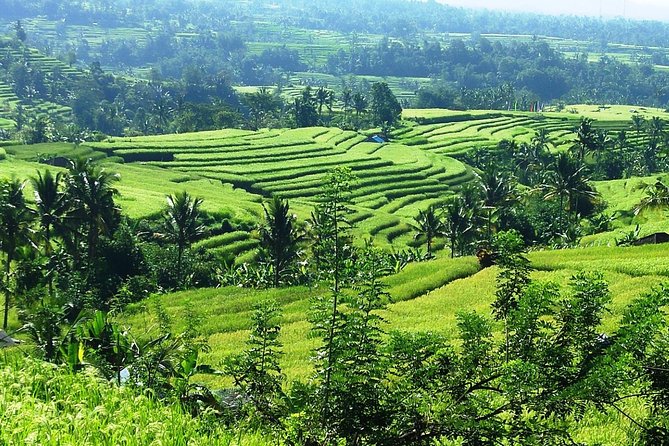
The maximum group size is 10 people. That is not a private tour, but it is small enough to keep the ride from becoming a long line of bicycles.
I like the small-group format here because the route is about observation, not just movement. You may want to stop briefly to look at a field, ask about a farming method, or take in a stream. A smaller group makes those moments easier to manage than a large organized outing.
The local guides are from the area where they grew up. That gives you a direct connection to the place. You can ask questions about the crops, animals, paths, and farming practices instead of relying only on a fixed speech.
The guide also has a practical role. You are riding through an active agricultural area, so the leader helps keep the group together and directs you along the route. If you are not used to electric bikes, the guide is the person to ask for help with the equipment and pace.
A closer look at the authentic rural side
The strongest part of this experience is the chance to see Jatiluwih as a living farming area. The ride may bring you near farmers working their plots, animals being cared for, and local produce being sold.
That can feel more meaningful than stopping at a single scenic platform. You begin to understand that the terraces are not decorative. They are part of people’s work and community life.
The route can also take you farther from the areas used mainly by people on foot. This is where the e-bike earns its place. You cover more ground, reach less visited sections, and see more than the standard roadside view.
You should be respectful around working farms. Follow the guide’s instructions, avoid blocking paths, and ask before treating people or their work as photo subjects. The tour is designed to bring you closer to local life, not to turn the fields into a stage.
What the $24 price includes
At $24 per person, the tour is reasonably priced for an organized outdoor activity, particularly because the cost includes the electric mountain bike, helmet, bottled water, local guide, and insurance.
An e-bike rental alone would not give you the same local context or route guidance. Here, you are paying for the equipment, a leader, safety coverage, and access to a more structured ride through the terraces.
The short duration keeps the price down, but it also limits the value for people who want a full-day outing. If you are already planning to visit Jatiluwih and want an efficient one-hour activity, the cost makes sense. If you are traveling a long distance only for this ride, you may wish it lasted longer.
Food and drinks beyond the bottled water are not included. Hotel pickup and drop-off are also not included, so transportation to and from Senganan must be arranged separately. The attraction’s admission is listed as not included as well, so confirm any separate entrance payment when booking.
Getting there and planning your time
The meeting point is Green Bikes Bali Jatiluwih, located at Jalan Batu Luwih Kawan, Senganan, in Penebel, Tabanan, Bali. The activity ends back at the same meeting point.
This makes the tour easy to fit into a wider visit to Jatiluwih, but it is not a door-to-door excursion from Ubud. Despite the experience being associated with Ubud in the booking details, you should focus on the stated meeting point in Tabanan when planning your day.
Give yourself enough time to reach the start location. Since no hotel transportation is included, arriving late could reduce the already short one-hour ride.
Confirmation is provided when you book, and mobile tickets are accepted. Free cancellation is available if you cancel at least 24 hours before the local start time. Changes or cancellations made inside that window are not accepted for a refund.
Who should book this Jatiluwih ride
I would choose this tour if you want to see the rice terraces actively rather than simply photograph them from a viewpoint. It suits adults and older teenagers who are comfortable on a bicycle and like a little movement during a sightseeing day.
It is also a good fit if you value local contact. The guides grew up in the area, and the route includes working farms, animals, produce, waterways, and forest sections. You get a direct look at rural Bali without committing to a long cycling day.
The ride may suit you if you are concerned about hills but still want to cycle. The electric assistance should make the route less demanding than a standard bicycle, though the activity remains a bike tour and requires basic control.
I would think twice if you want a long, slow visit, extensive time at temples, or guaranteed access to every famous photo point. One hour moves quickly, and the exact route can vary. It is best treated as a focused introduction to Jatiluwih, not a complete tour of the region.
Should you book the Green Bikes Bali experience?
Book it if you want a short, active way to see the working side of Jatiluwih. The best reasons are the electric mountain bikes, local guides, small group, and route beyond the most obvious walking areas.
The strongest moments are likely to come from ordinary details: a farmer in the fields, a stream beside the path, bamboo overhead, or a quiet temple away from the main foot traffic. Those details give the ride its sense of place.
Skip it if getting to the meeting point is difficult, if you do not want to cycle, or if one hour feels too brief for the time and transport involved. For everyone else, $24 is a fair price for a guided introduction to Bali’s famous rice terraces, with the added benefit of seeing them as working countryside rather than a scenic stop.
FAQ
Where does the Jatiluwih e-bike tour start?
The tour starts at Green Bikes Bali Jatiluwih, on Jalan Batu Luwih Kawan, Senganan, Penebel, Tabanan, Bali 82152, Indonesia.
Where does the tour finish?
The activity ends back at the Green Bikes Bali Jatiluwih meeting point.
How long does the experience last?
The e-bike tour lasts approximately one hour.
How much does the tour cost?
The listed price is $24 per person.
What is included in the tour?
The price includes bottled water, a local guide, use of an e-bike, use of a helmet, and insurance.
Is hotel pickup included?
No. Hotel pickup and drop-off are not included, so you must arrange your own transportation to the meeting point.
What is the minimum age?
The minimum age is 14 years.
How many people can join the tour?
The activity has a maximum group size of 10 people.
What should I wear?
Wear comfortable clothing and comfortable shoes. Sunblock is advised because the ride takes place outdoors.
More E-Bikes in Ubud
- Ubud: E-Bike Tour with Rice Terrace and Village Visit
★ 4.9 · 71 reviews - E-Bike: Ubud Rice Terraces & Traditional Villages Cycling
★ 4.6 · 37 reviews - Explore Rice Fields and Hidden Villages with Ubud E-Bike Tour
★ 5.0 · 7 reviews - Alicante : E-Bike Coast Tour, Roman Fish Farm and Snorkeling
★ 4.8 · 250 reviews
More Cycling Trips in Ubud
- Ubud eBikes Tour to Tegallalang Rice Terrace
★ 5.0 · 507 reviews - Ubud: Downhill Bike Tour with Rice Fields, Volcano and Meal
★ 5.0 · 267 reviews - Ubud ATV Quad Bike through river, Jungle, waterfall & rice fields
★ 5.0 · 207 reviews - Ubud: Downhill Cycling with Volcano, Rice Terraces, and Meal
★ 4.9 · 189 reviews
Just added around Ubud
- Ubud Half Day Skybike and Zipline Rice Terrace Tour★ 5.0 · 2 reviews
- Ubud Full Day ATV Adventure with Rice Terrace and Temple Ritual★ 5.0 · 9 reviews
- Ubud Zip-Line Adventure, Rice Terrace & ATV Quad Bike★ 5.0 · 3 reviews
- Ubud City Tour II: Monkey Forest, Palace, Art Market, and Rice Terrace★ 4.5 · 17 reviews
- Ubud Luxury Bali Spa Package with amidst rice fields★ 5.0 · 11 reviews
- Explore Rice Fields and Hidden Villages with Ubud E-Bike Tour★ 5.0 · 7 reviews
- Ultimate North Bali Tour – Tanah Lot, Ulun Danu & Rice Terraces★ 5.0 · 18 reviews
- Small-Group Farm Tour & Balinese Cooking Class in Ubud with Kadek★ 5.0 · 16 reviews
Ubud Farm Tours, compared.
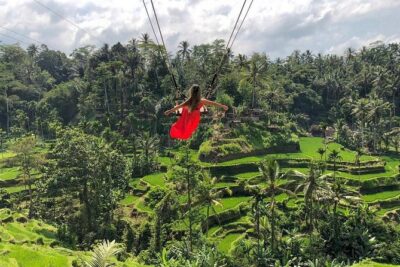
Monkey Forest, Jungle Swing, Rice Terrace, and Water Temple
Read our review →
Waterfalls, Water Temple & Rice Terraces Private Tour
Read our review →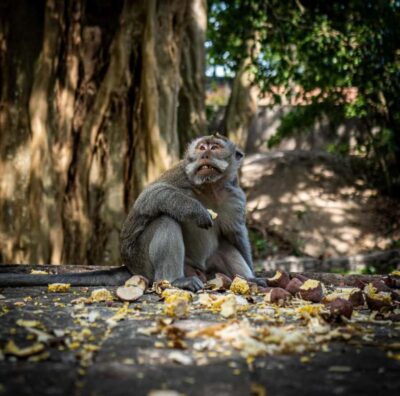
Full-Day Rice Terrace, Monkey Forest & Waterfall
Read our review →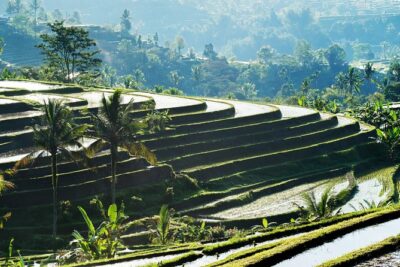
Full-Day Tour to Water Temples and UNESCO Rice Terraces in Bali
Read our review →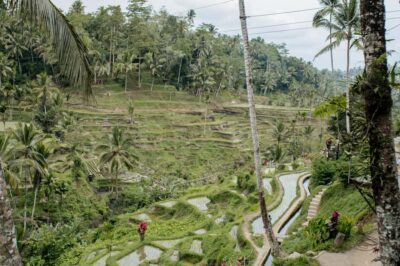
Monkey Forest, Ceking Rice Terraces and More– Full Day
Read our review →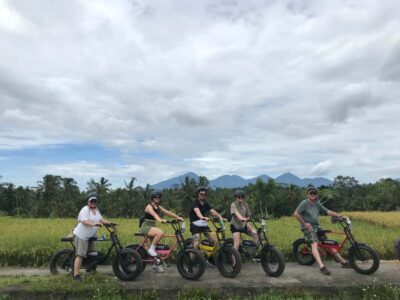
Rice Terraces & Villages Half-Day Fat Tire E-Bike Tour
Read our review →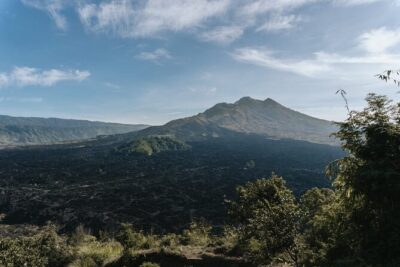
Downhill Cycling with Volcano, Rice Terraces and Meal
Read our review →
Browse the lists this tour appears in