
Review · UBUD
Explore Rice Fields and Hidden Villages with Ubud E-Bike Tour
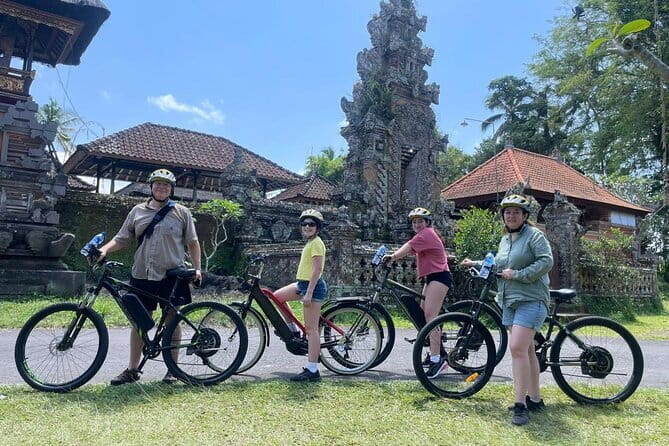
The best part of this Ubud e-bike tour is the way it links everyday Balinese life with famous scenery. You ride through the Tegalalang area, visit a traditional home and Hindu temple, then spend time among the rice terraces and at a coffee plantation. It gives you more than a quick viewpoint stop.
I like the small, private format and the personal guide service. I also like that lunch, water, safety equipment, and photos are included, so you can focus on the ride instead of managing details. The main thing to weigh is that coffee plantation purchases are not included, and some of the riding takes place on busy streets.
Key points to know before booking
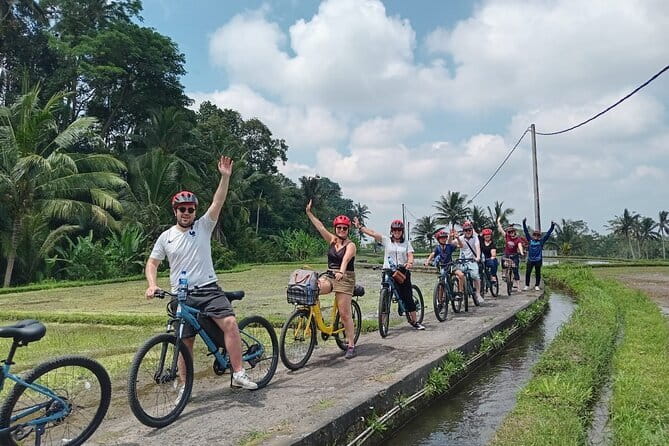
- Tegalalang rice country by electric bike: You cover more ground than on foot while still moving slowly enough to notice homes, shrines, fields, and village life.
- A real cultural stop at a Balinese home: The 30-minute visit gives context about local living rather than offering only a scenic photo stop.
- A private tour for your own group: You receive personal attention from one guide, with Raika praised for kindness, photos, and care on busy roads.
- Lunch, water, photos, and safety gear included: These useful extras add value to the $44.07 price.
- Coffee plantation time is separate from the core cost: The visit is included in the route, but expenses there are personal.
- A compact four-and-a-half-hour outing: It works well as a morning or half-day activity, though the schedule leaves limited room for lingering.
Why an electric bike works well around Ubud
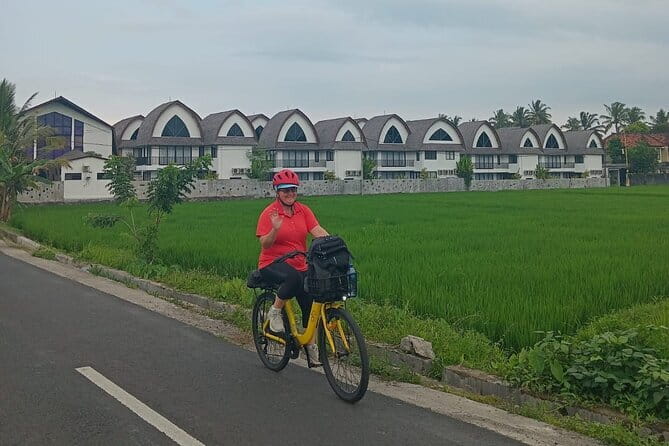
Ubud is best understood beyond its central streets. The surrounding area shifts quickly from shops and traffic to rice paddies, family compounds, temples, and narrow village roads. An electric bike helps you make that transition without the effort of a fully traditional cycling tour.
You still need to pedal and pay attention, but the motor can make the route more manageable. That matters in Bali, where roads can be uneven and the scenery is often spread across several communities. You get the movement and fresh air of cycling without committing to a strenuous full-day ride.
The private setup is another useful feature. Only your group participates, so the guide can adjust explanations and pace more easily than on a large coach excursion. If you want to pause for a photo, ask about a temple detail, or take a moment at a home, you are not waiting for a long line of bicycles.
The tour lasts about four hours and 30 minutes. That is long enough to create a proper morning or afternoon outing, but short enough to leave time for Ubud’s other sights. Free pickup is offered in the Ubud area, while the stated meeting point is the e-bike base on Jalan Raya Sapat in Tegallalang.
More Rice Terrace Tours in Indonesia
- Ubud: Monkey Forest, Jungle Swing, Rice Terrace, and Water Temple
★ 5.0 · 7,160 reviews - Ubud: Waterfalls, Water Temple & Rice Terraces Private Tour
★ 5.0 · 5,484 reviews - Ubud: Full-Day Rice Terrace, Monkey Forest & Waterfall
★ 5.0 · 2,634 reviews
A 30-minute look inside a Balinese home
The first cultural stop takes you to a traditional Balinese house in the Tegalalang area. This is one of the most useful parts of the route because it helps you see how Balinese culture is arranged in daily life, not just displayed in a temple or gallery.
You spend about 30 minutes here. The focus is the character of the home and the way its spaces reflect local customs. That gives your guide a natural chance to explain household traditions, family life, and the meaning behind features you might otherwise pass without noticing.
I like this stop because it gives the rice-field ride a human setting. Rice terraces are beautiful, but a local home helps explain the community that maintains them. The visit also seems well suited to curious families and first-time visitors who want cultural context without committing to a formal museum tour.
Keep your expectations sensible. The stop is short, and the information provided does not promise a long workshop, meal, or hands-on activity at the house. You are there to look, listen, and ask questions. Treat it as an introduction to Balinese domestic life rather than a full home stay experience.
A Hindu temple on Jalan Pejengaji
The next stop is a Balinese Hindu temple on Jalan Pejengaji, with about 30 minutes set aside for the visit. This adds a spiritual dimension to the day and breaks up the cycling with a quiet cultural stop.
Balinese temples are not simply old buildings to photograph. They remain part of community life, and details in the architecture, gateways, offerings, and courtyards can carry religious meaning. Your personal guide can help explain what you are seeing and how the temple fits into local traditions.
The value here comes from the combination of setting and explanation. Without context, a temple visit can become a fast walk around carved stone and decorative walls. With a guide, you have a better chance of understanding why the space matters.
The supplied details do not specify a dress code or whether sarongs are provided. I would ask the operator before setting out if you are unsure about temple clothing. Be respectful with photos and follow your guide’s instructions, especially around worship areas.
This is also one place where the guide’s role matters. Raika is specifically praised for being friendly, kind, and attentive, including taking photos and videos during the outing. A guide who watches the group closely is helpful when the tour moves between public roads, homes, and sacred spaces.
One hour among the Tegalalang rice terraces
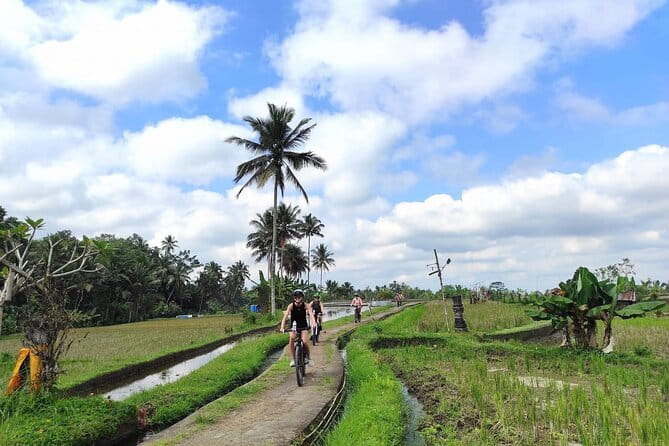
The rice terrace visit is the visual center of the tour, with about one hour allocated to Tegalalang Rice Terrace. This is the part most people picture when they think of the Ubud countryside: layered green fields cut into sloping ground, with paths and planting areas creating strong patterns across the hills.
The electric bike gets you close to the scenery, but you should not think of this as a nonstop ride. The schedule includes a visit to the terrace itself, and the tour description also refers to walking in the rice fields. Expect a mix of riding, stopping, and looking around rather than a race from one viewpoint to another.
One hour is a useful amount of time. It lets you take photos, hear about rice growing, and enjoy the setting without turning the entire day into a terrace visit. Still, it may feel brief if you want a long walk through every path or a slow photography session.
Tegalalang is a major attraction, so this will not feel like an untouched rural corner. The appeal is the view and the chance to see a working agricultural area, not complete solitude. Your bike route adds a more active way to reach the countryside than arriving only by car.
Wear clothing you can move in and shoes suitable for walking. The tour supplies safety equipment for the bikes, but the information does not specify the exact equipment or footwear. Water is included, which is welcome in Bali’s warm conditions.
More Rice Terrace Tours in Ubud
- Full-Day Tour to Water Temples and UNESCO Rice Terraces in Bali
★ 5.0 · 2,539 reviews - Ubud: Monkey Forest, Ceking Rice Terraces and More– Full Day
★ 4.7 · 917 reviews - Ubud: Rice Terraces & Villages Half-Day Fat Tire E-Bike Tour
★ 4.9 · 602 reviews - Ubud: Downhill Cycling with Volcano, Rice Terraces and Meal
★ 5.0 · 536 reviews
Coffee, plantation life, and the extra-cost question
The final major stop is Uma Pakel Agro Tourism, a local coffee plantation, with about one hour scheduled. This gives you a look at Bali’s coffee culture and adds a tasting-oriented stop to the day.
The plantation is not included only as a quick roadside pause. You have time to learn about coffee production and enjoy the setting. The description specifically mentions exquisite brews, but the exact tasting menu is not given, so ask your guide what is covered when you arrive.
The important budget detail is that the plantation visit lists admission or expenses as not included. The tour price covers the electric bike, guide, lunch, water, safety equipment, photos, and Ubud pickup, but personal spending at the coffee stop remains yours.
That does not make the stop a poor value. It simply means you should not assume every coffee, product, or tasting is part of the $44.07 cost. If you are careful with souvenirs and optional purchases, the basic price remains easy to understand. If you enjoy buying local coffee, plan for extra spending.
I also like the way this stop rounds out the route. You begin with a home, continue to a temple and rice fields, then finish with a local agricultural product. It connects scenery, religion, daily life, and food instead of treating Ubud as a collection of unrelated photo stops.
What is included for $44.07
At $44.07 per person, this tour offers solid value if you want a guided half-day rather than simply renting a bicycle. The price covers the equipment and several useful services:
- Electric bike
- Safety equipment
- Personal guide
- Photos taken throughout the experience
- Free pickup in the Ubud area
- Balinese lunch
- Water
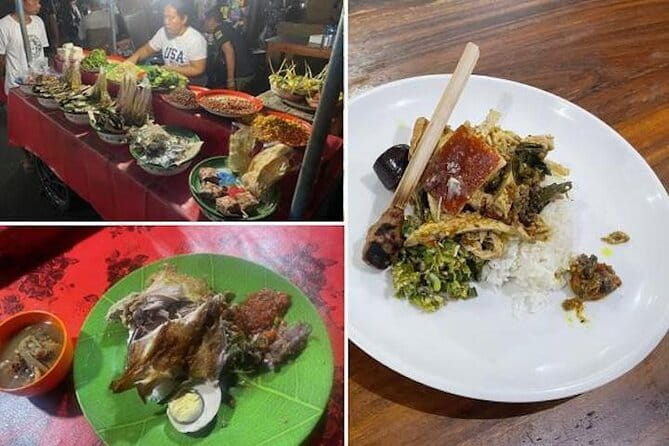
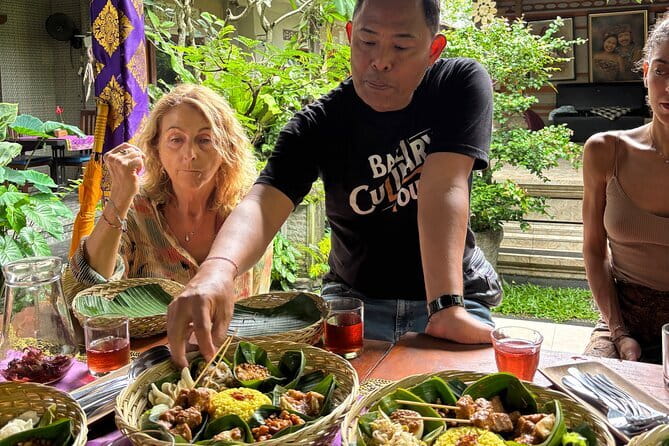
Lunch is especially useful because it removes one small decision from a busy morning. The exact menu is not specified, but the experience includes a Balinese meal, which fits the cultural focus better than a generic western lunch would.
The photo service also adds practical value. Cycling makes it awkward to stop constantly for group pictures, and a guide can capture moments while you enjoy the route. Raika is praised for taking plenty of photos and videos, though you should not assume a specific number or professional editing service.
The cost is less attractive if you only want a quick look at the rice terraces. In that case, a simple transfer and viewpoint visit might be cheaper. You are paying for the complete package: transport support, equipment, local explanation, food, and several stops over four and a half hours.
The tour is commonly reserved about 15 days ahead. That is useful planning information if your Bali dates are fixed, especially since the activity is private and has limited capacity per departure.
Road conditions, pickup, and the pace of the morning
Free pickup is offered in the Ubud area, but the listed start and end point is the e-bike base on Jalan Raya Sapat in Tegallalang. Confirm your pickup arrangement when booking so you know if you will be collected directly or need to reach the meeting point.
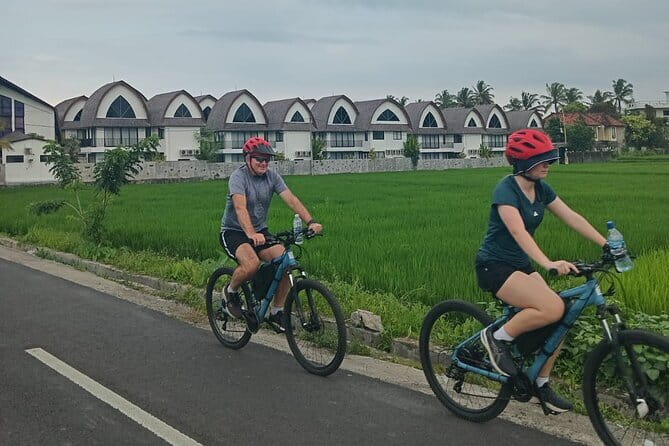
The route includes busy streets. This is not a fully separated bike trail, and you should expect traffic awareness to be part of the experience. The guide’s job includes helping the group move safely, and the personal format makes it easier to keep everyone together.
The tour is suitable for most people, according to the supplied information. That does not mean it requires no effort. You should be comfortable riding an electric bike, balancing on village roads, and spending time outdoors. If you have concerns about cycling or road traffic, ask the provider before booking.
The experience ends back at the meeting point. That is convenient if you have parked nearby or are using the base as your transport hub. Pickup arrangements may differ for those staying farther from central Ubud, so confirm the service area rather than assuming every address is covered.
Who will get the most from this tour
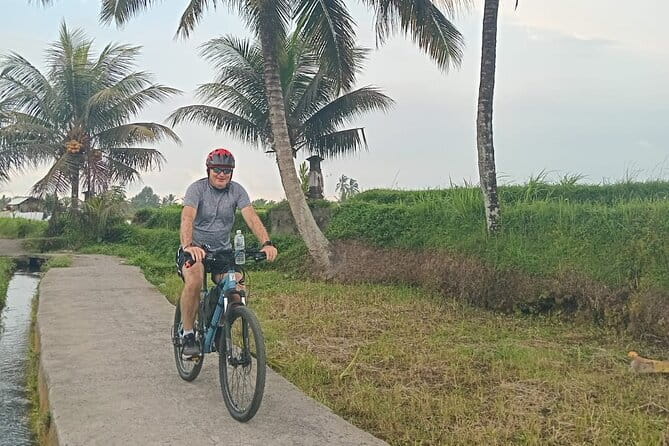
I would recommend this experience to you if you want several sides of Bali in one manageable outing. It suits first-time visitors who want more than a rice terrace photo, families looking for an active cultural activity, and couples or small groups who prefer a private guide.
It also works well if you are curious about ordinary life. The Balinese home and temple make the day more than a scenic ride, while the coffee plantation and lunch give you local food connections.
You may want a different activity if your priority is serious mountain biking, a long rural ride, or a completely quiet route. This is a guided sightseeing tour on electric bikes, not an athletic cycling challenge. It also may not satisfy you if you want to spend several hours exploring Tegalalang alone.
The guide service is a major part of the value. The strongest praise focuses on friendly care, clear explanations, road awareness, photos, and a welcoming attitude. Raika is one guide specifically named for those qualities. The exact guide may vary, but the private format gives you a good chance to receive direct attention.
Booking, cancellation, and final decision
The experience offers free cancellation if you cancel at least 24 hours before the local start time. Cancellations or changes made less than 24 hours before departure are not refundable, so keep that cutoff in mind when arranging other Ubud plans.
You should book this tour if you want a well-rounded half-day combining scenery, culture, food, and easy cycling. The price is fair because it includes a bike, guide, lunch, water, photos, safety equipment, and Ubud pickup, not just admission to one attraction.
I would skip it only if you dislike riding near traffic, want a strenuous bike ride, or prefer to spend the whole day at one rice terrace. For most people seeking a personal introduction to the Ubud countryside, the mix of Tegalalang scenery, a local home, temple time, and coffee culture makes this a practical choice.
FAQ
How long does the Ubud e-bike tour last?
The experience lasts approximately four hours and 30 minutes.
What places does the tour visit?
The route includes a traditional Balinese house in Tegalalang, a Hindu temple on Jalan Pejengaji, Tegalalang Rice Terrace, and Uma Pakel Agro Tourism coffee plantation.
Is hotel pickup available?
Free pickup is offered in the Ubud area. The listed meeting point is Ubud Cycling Tour, eBikes Ubud Tour, on Jalan Raya Sapat in Tegallalang.
Where does the tour end?
The activity ends back at the meeting point.
Is lunch included?
Yes. A Balinese lunch and water are included in the tour.
Is the coffee plantation cost included?
No. Personal expenses at the coffee plantation are not included.
Is this a private tour?
Yes. Only your own group participates in the activity.
Can I cancel for a full refund?
Yes, if you cancel at least 24 hours before the experience start time. Cancellations or changes made less than 24 hours before the local start time are not refunded.
More E-Bikes in Ubud
- Ubud: E-Bike Tour with Rice Terrace and Village Visit
★ 4.9 · 71 reviews - E-Bike: Ubud Rice Terraces & Traditional Villages Cycling
★ 4.6 · 37 reviews - Jatiluwih in detail (1 h. e-bike tour in the rice terraces)
★ 4.0 · 5 reviews - Alicante : E-Bike Coast Tour, Roman Fish Farm and Snorkeling
★ 4.8 · 250 reviews
More Cycling Trips in Ubud
- Ubud eBikes Tour to Tegallalang Rice Terrace
★ 5.0 · 507 reviews - Ubud: Downhill Bike Tour with Rice Fields, Volcano and Meal
★ 5.0 · 267 reviews - Ubud ATV Quad Bike through river, Jungle, waterfall & rice fields
★ 5.0 · 207 reviews - Ubud: Downhill Cycling with Volcano, Rice Terraces, and Meal
★ 4.9 · 189 reviews
Just added around Ubud
- Ubud Half Day Skybike and Zipline Rice Terrace Tour★ 5.0 · 2 reviews
- Ubud Full Day ATV Adventure with Rice Terrace and Temple Ritual★ 5.0 · 9 reviews
- Ubud Zip-Line Adventure, Rice Terrace & ATV Quad Bike★ 5.0 · 3 reviews
- Ubud Luxury Bali Spa Package with amidst rice fields★ 5.0 · 11 reviews
- Ubud City Tour II: Monkey Forest, Palace, Art Market, and Rice Terrace★ 4.5 · 17 reviews
- Ubud Art, Monkey Forest and Rice Terrace Tour★ 5.0 · 3 reviews
- Ultimate North Bali Tour – Tanah Lot, Ulun Danu & Rice Terraces★ 5.0 · 18 reviews
- Small-Group Farm Tour & Balinese Cooking Class in Ubud with Kadek★ 5.0 · 16 reviews
Ubud Farm Tours, compared.
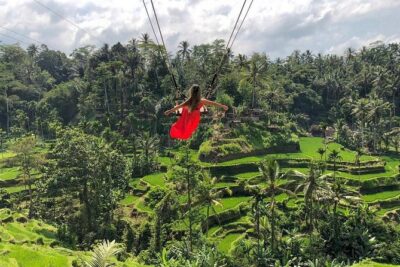
Monkey Forest, Jungle Swing, Rice Terrace, and Water Temple
Read our review →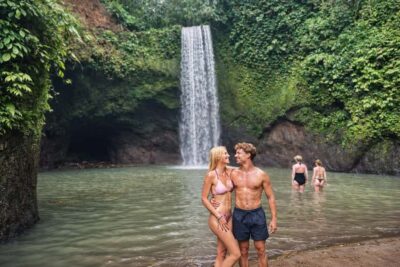
Waterfalls, Water Temple & Rice Terraces Private Tour
Read our review →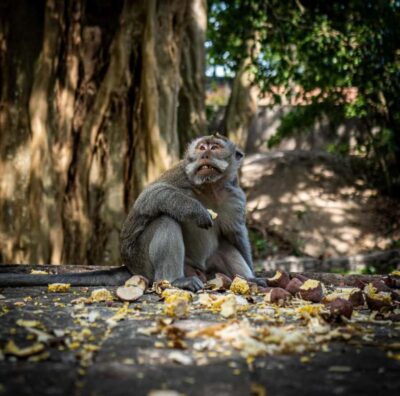
Full-Day Rice Terrace, Monkey Forest & Waterfall
Read our review →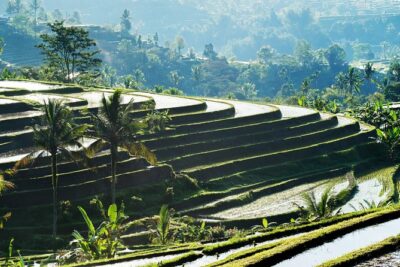
Full-Day Tour to Water Temples and UNESCO Rice Terraces in Bali
Read our review →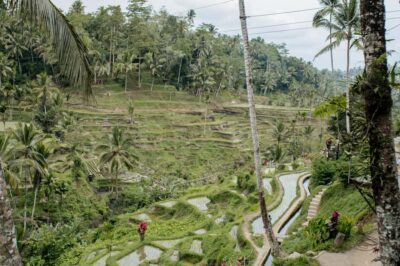
Monkey Forest, Ceking Rice Terraces and More– Full Day
Read our review →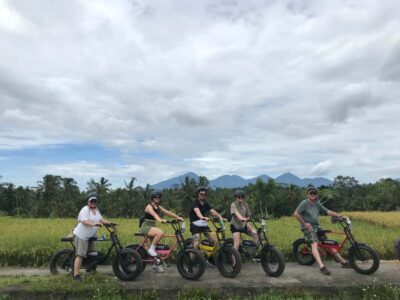
Rice Terraces & Villages Half-Day Fat Tire E-Bike Tour
Read our review →
Downhill Cycling with Volcano, Rice Terraces and Meal
Read our review →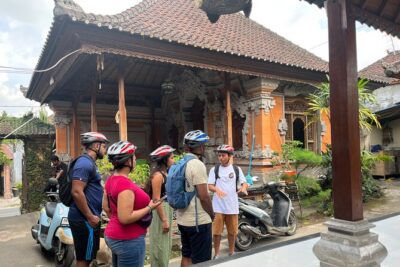
Browse the lists this tour appears in