
Review · COLOMBIA
Coffee Tour Salento-Ocaso Farm- English Tour
The best part of this $14 English-language coffee tour is that it follows the bean from plant to cup. You walk through the coffee gardens, try harvesting, see the pulping and drying equipment, and finish with a traditional preparation using a cloth strainer and pot. I like the hands-on format, and I like that the farm explains composting and sustainable production rather than treating coffee as a simple souvenir.
The main consideration is getting there. The farm sits 4 km from Salento on a partly unpaved tertiary road, and transportation is not included. The Willys Jeep from Salento’s main square is the practical choice, so allow a little extra time and cash beyond the ticket price.
Key points at a glance
- Follow coffee from cherry to cup: See planting, harvesting, pulping, drying, storage, threshing, roasting, and brewing in one compact visit.
- Try the work yourself: You can harvest coffee cherries and take part in sowing rather than only watching a demonstration.
- English-speaking guides add humor: Nicolas and Johnathan are named guides associated with the tour, both praised for clear English and an engaging manner.
- A working traditional farm: The visit includes gardens, plantations, a composting area, and explanations of local fauna, flora, and sustainable production.
- Traditional brewing closes the visit: Learn the basics of coffee extraction with a cloth strainer and pot.
- Easy to fit into a Salento day: The tour lasts about 1.5 hours, but the rough road and Jeep ride require planning.
What this Salento coffee tour really covers
Many coffee visits stop after a short walk among the plants and a sample cup. This one aims to explain the full chain of production at Finca El Ocaso, a traditional farm near Salento.
You begin with the story of coffee and the main species grown on the farm. The guide then explains how a coffee tree is planted, how it grows, and what happens during cultivation. This gives you useful context before you reach the practical part of the visit.
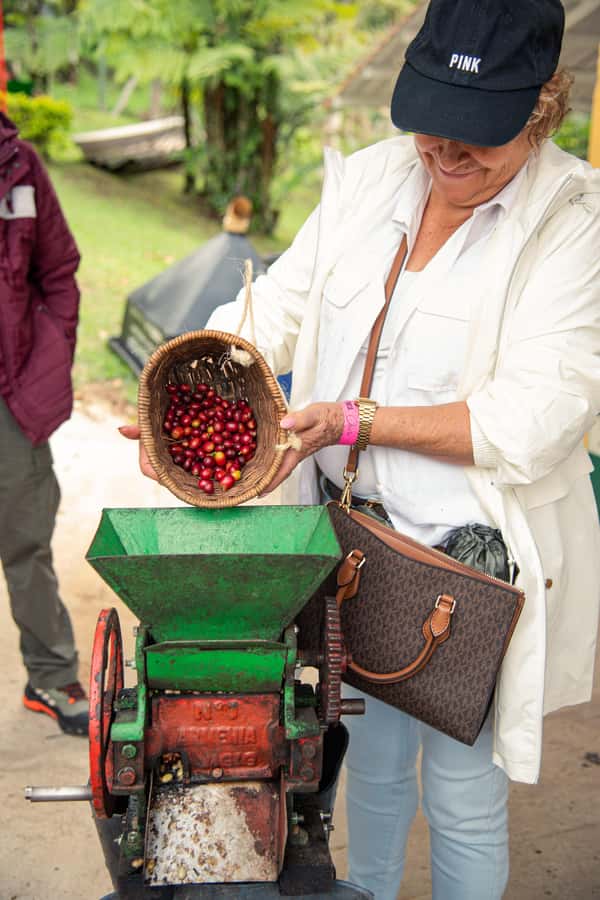
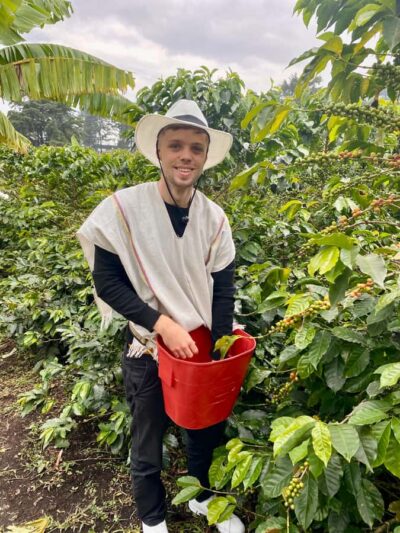
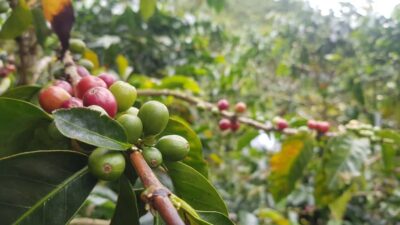
You will walk through the gardens and coffee plantations, where the guide discusses planting and harvesting. You can pick coffee cherries yourself and take part in sowing. That small bit of work matters because it shows how much labor comes before the roasted beans reach a café or kitchen.
The tour also includes the composting and fertilization station. I find this one of the more useful stops because it connects coffee production with the farm’s sustainability goals. Instead of hearing only broad claims about responsible agriculture, you see where crop waste and soil care fit into daily farm work.
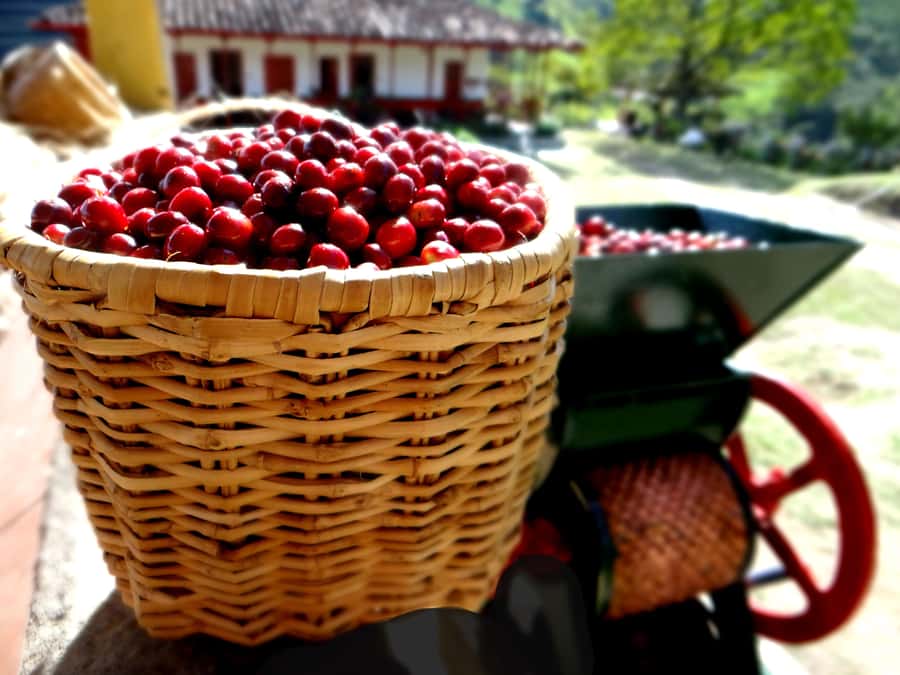
The visit then moves toward processing. You will see the hopper, pulper, mechanical drying equipment, and traditional drying area. These stages help explain why green coffee is not ready to brew straight from the plant. The cherry must be processed, dried, stored, and prepared before roasting can begin.
More Coffee Farm Tours in Colombia
- Medellín Coffee Farm Tour with Trolley and Cable Car Ride
★ 4.9 · 277 reviews - Coffee Tour at the Finca del Café
★ 5.0 · 213 reviews - Salento: Private Cocora Valley, Salento & Coffee Farm Tour
★ 4.9 · 202 reviews
Walking the coffee gardens and plantation
The plantation walk is the most outdoor-focused part of the experience. You will see the coffee trees in their growing environment and learn how the farm manages planting and cultivation.
This is not presented as a strenuous hike. The supplied details describe a tour through gardens and coffee plantations, but they do not give a distance or terrain grade for the walking route. I would wear shoes suited to a farm and bring insect repellent, which the farm specifically recommends.
The setting is one of the tour’s pleasures. The farm offers broad rural views, and the visit includes explanations of local plants and wildlife. You should not expect a dedicated wildlife outing, but the discussion adds a useful sense of how coffee fits into its surroundings.
Harvesting is where the visit becomes more than a talk. You can pick coffee cherries as a Colombian harvester would. The activity is simple, but it helps you understand the human effort behind a drink that often arrives in a cup with little thought given to its origin.
Sowing is also included. You learn that coffee production is not only about picking ripe cherries. It involves planning ahead, tending young plants, caring for soil, and waiting through the tree’s growth cycle.
From hopper to drying floor

The processing plant gives the tour its strongest educational sequence. You will see the hopper, where harvested coffee enters the processing system, followed by the pulper, which removes the outer fruit from the beans.
The farm also shows two drying methods: mechanical drying and traditional drying. This comparison is useful because drying affects how coffee is handled after pulping. You will not simply hear that drying matters. You can see the equipment and the separate approaches used on the farm.
Next comes storage, threshing, and marketing. These steps are easy to overlook when you buy a finished bag of coffee, yet they are part of the journey from crop to sale. The tour helps you place roasting in the correct order: it comes after harvesting, processing, drying, storage, and preparation of the beans.
The precise amount of time spent at each station can vary with the guide and the pace of the group. The complete visit lasts about 90 minutes, so this is a brisk introduction rather than a full agricultural course. Still, the range of stops makes good use of that time.
How roasting changes the final cup
Roasting gets its own section because it is one of the clearest ways to understand coffee quality. The guide explains different roast types and why the roast matters.
You will not just be told that one roast is better than another. The point is to understand how roasting changes the character of the coffee and why the same beans can produce a different cup after different treatment.
The tour also covers the basics of correct extraction. This is practical information you can use later, especially if you prepare coffee at home. The lesson connects the farm’s work with the final stage, when water draws flavor from the roasted grounds.
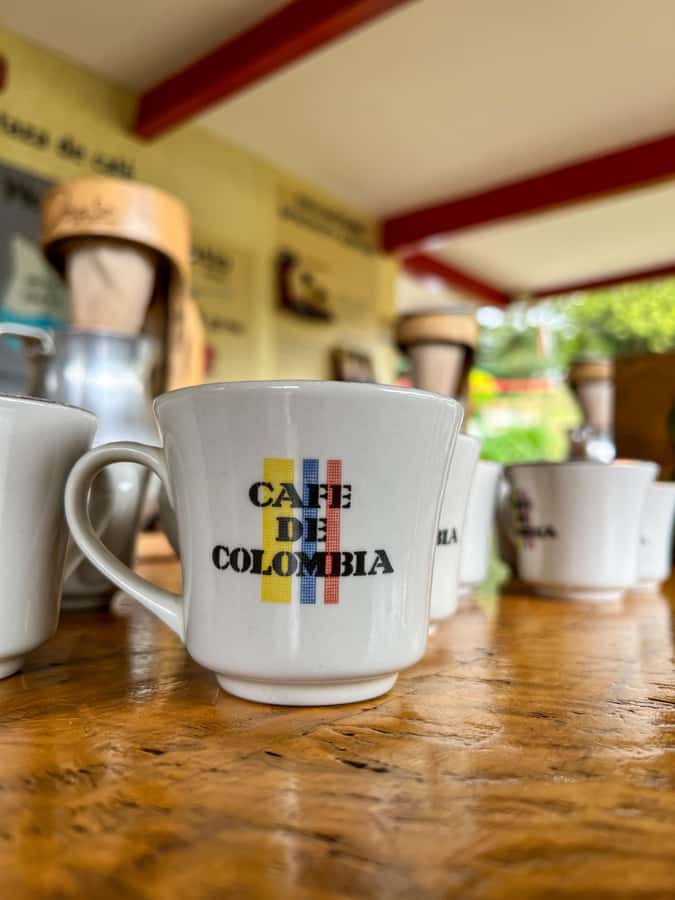
The final preparation uses a traditional cloth strainer and pot. That method gives the ending a local, old-fashioned feel and provides a direct contrast to more technical brewing systems. The experience is less about chasing a fashionable coffee trend and more about seeing how a Colombian farm prepares its own drink.
Food and drinks beyond the coffee preparation are not included. The farm has a coffee house open to the public, but you should treat any extra purchase as separate from the tour price.
Same fields, a different sort of day out:
- Medellin: Horseback Riding Coffee Farm Tour with Coffee Spa
★ 4.8 · 151 reviews - From Bogotá: Coffee Farm and Tequendama Falls Tour
★ 4.5 · 130 reviews - Coffee Tour at Finca El Ocaso Salento: Traditional Spanish Farm
★ 4.8 · 89 reviews - Coffee Farm Experience Private Day Tour
★ 5.0 · 81 reviews
Guides, language, and the pace of the visit
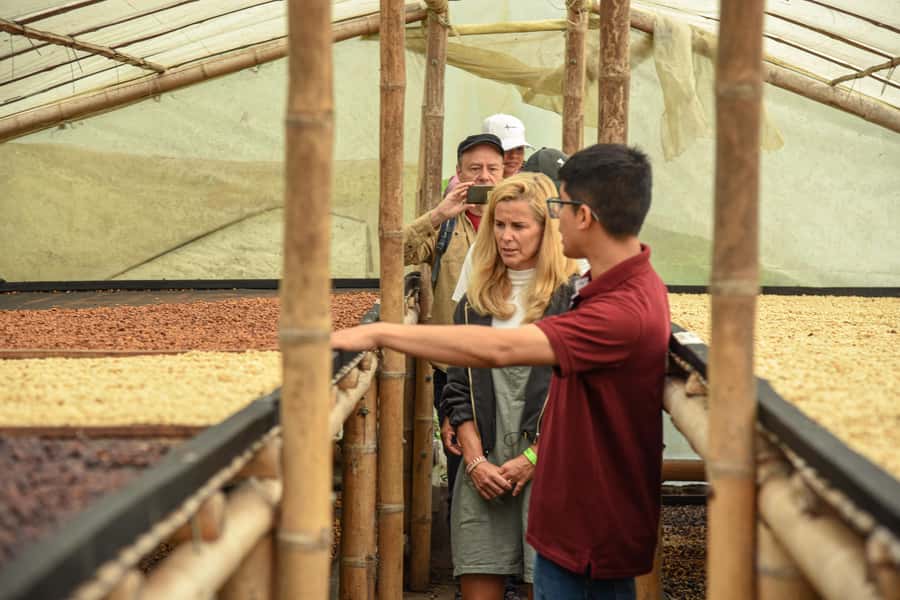
The tour is conducted in English with a live guide. Nicolas is praised for clear English, humor, and an energetic approach, though his pace can sometimes be quick. Johnathan is also identified as a strong English-speaking guide who answers questions well and keeps the visit lively.
Guide assignments can change, so you should not assume one particular person will lead every departure. Still, the named guides give you a useful sense of the tone: this is meant to be an interactive explanation, not a silent walk through farm machinery.
The tour works best if you ask questions as you go. Coffee production includes many small steps, and a short stop at the plant can pass quickly if you remain passive. Ask about the trees, the drying methods, the roast types, and the brewing process if those points interest you.
At 1.5 hours, the experience fits neatly into a day in Salento. It is long enough to cover the full process but short enough to combine with other plans. If you want a slow agricultural visit with long periods for photography, this may feel compact.
The English element is important for anyone who does not speak Spanish. The guides are described as able to explain the process well, although one guide may speak faster than ideal. If a technical point is unclear, ask for it to be repeated rather than letting the tour move on.
Getting from Salento to Finca El Ocaso
The farm is 4 km from Salento. The road is tertiary and not completely paved, so the final approach is part of the practical planning.
A Willys Jeep can take you from the square in Salento to the farm. The Jeep is not included in the $14 ticket, and you need to arrange and pay for it separately. A normal taxi may also be possible, but the Jeep is identified as the cheaper way to return to Salento, with one reported fare of 4,000 Colombian pesos per person for the ride back.
Because the activity begins and ends at the farm, allow time for both directions. Do not book the tour with only a few minutes between it and another fixed appointment in town. The road condition, departure timing, and return ride can affect your schedule.
The meeting point is the farm itself, not a central Salento pickup point. That detail is easy to miss when planning online. Check the starting time when you book, then work backward to decide when to reach the square for transport.
Is $14 good value?
At $14 per person, the tour offers good value if you want a clear introduction to Colombian coffee without spending half a day on a specialist course.
The price includes the guided English tour and access to the farm’s sequence of stops. You get the plantation walk, harvesting and sowing activities, composting and fertilization explanations, processing equipment, storage and threshing information, roasting guidance, and a traditional coffee preparation.
Transportation, food, and drinks are extra. That does not make the tour poor value, but it means the real cost is higher than the ticket alone. Add the Willys Jeep fare and any coffee house purchases when you set your budget.
The value is strongest for first-time coffee visitors. You see enough stages to understand the whole process, and you do not pay for a long, technical program you may not need. Coffee enthusiasts seeking detailed tasting notes, rare varietals, or advanced brewing instruction may want more specialized content than this short visit promises.
The farm’s sustainability certification also adds weight to the price. You can ask about production practices while seeing the composting and fertilization station, rather than visiting a purely decorative coffee attraction.
Who will enjoy this farm visit most?
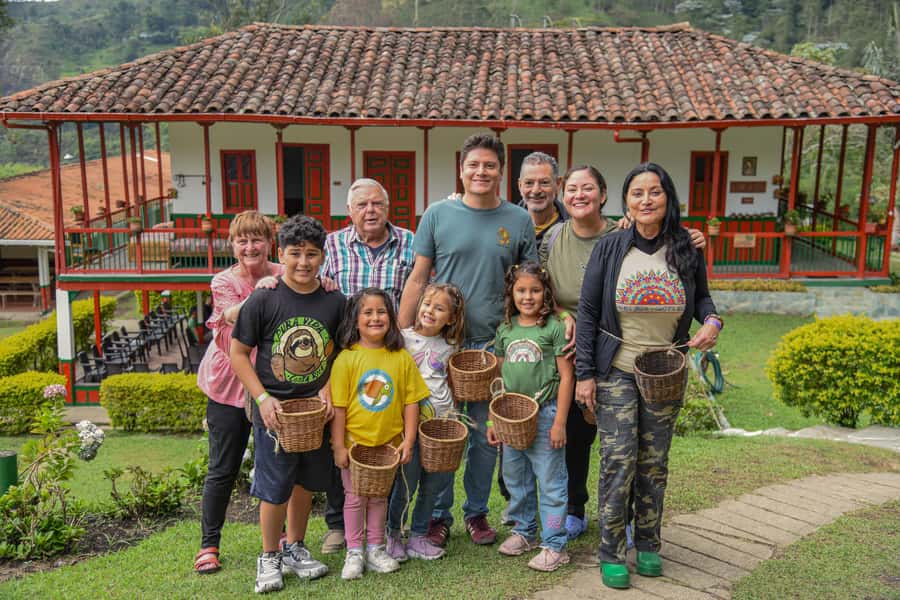
I would recommend this tour to anyone staying in Salento who wants a practical link between the region’s scenery and its main agricultural product. It suits couples, families, and small groups who enjoy doing something rather than only taking photos.
It is also a good choice for people who drink coffee but know little about how it is produced. The order of the visit is easy to follow, and the guide explains the stages in plain terms.
The experience may be less suitable if you dislike uneven rural roads, insects, or short walks around working farm areas. Bring insect repellent and sensible footwear. Alcohol and drugs are not allowed on the activity.
You should also think about timing. The tour itself is only 90 minutes, but transport to and from the farm takes additional time. The road is not fully paved, so the visit works better as part of a relaxed Salento day than as a tight stop between other bookings.
Booking flexibility and useful planning details
You can cancel up to 24 hours before the activity for a full refund. You can also reserve now and pay later, which helps if your Salento schedule is still changing.
Check the available starting times before choosing a departure. Since transportation is separate, select a time that gives you a sensible buffer before and after the farm visit.
The tour is offered in English only according to the supplied details. If someone in your group needs another language, confirm that before booking rather than assuming an alternative guide is available.
The farm’s coffee house is open to the public, but food and drinks are not part of the tour ticket. Plan to pay separately for anything you buy there.
Should you book the Ocaso Farm coffee tour?
Book it if you want a short, well-priced introduction to Colombian coffee with real farm stages, hands-on harvesting, and an English-speaking guide. The mix of plantation work, processing equipment, sustainability information, roasting, and traditional brewing gives you much more than a quick coffee tasting.
I would be especially keen to book it during a stay in Salento if I had about half a day available, including transport. The main caution is simple: the $14 price does not cover the Jeep or any refreshments, and the rough road needs a little planning.
Skip it only if you want a long specialist coffee course, dislike farm conditions, or have no time for the trip outside town. For most visitors who want to understand how Colombian coffee reaches the cup, this is a useful and good-value stop.
FAQ
How long does the Coffee Tour Salento-Ocaso Farm last?
The guided tour lasts 1.5 hours. You should allow extra time for transportation between Salento and the farm.
Is transportation from Salento included?
No. The tour begins at the farm, about 4 km from Salento. A Willys Jeep can take you from the square in Salento, but that fare is separate.
Is the tour offered in English?
Yes. The activity includes a live English-speaking guide.
What does the tour include?
It includes a guided visit covering coffee history, coffee species, planting, growth, harvesting, sowing, composting, fertilization, sustainability, processing, drying, storage, threshing, marketing, roasting, extraction, and traditional coffee preparation.
Should I bring anything?
Bring insect repellent. Farm-appropriate footwear is also a sensible choice, although it is not specifically listed as required.
Can I cancel the booking?
Yes. You can cancel up to 24 hours in advance for a full refund. Reserve now and pay later is also available.
Just added around Colombia
- Cocora Valley Tour and Coffee Farms★ 4.5 · 40 reviews
- Coffee Farm and Salento Walking Tour★ 5.0 · 47 reviews
- Salento and Cócora Tour plus Coffee Farm from Pereira or Armenia★ 5.0 · 40 reviews
- Tour to the Hacienda Nápoles Theme Park★ 4.0 · 22 reviews
- Exclusive Coffee Experience:Tour from Bogotá★ 4.5 · 45 reviews
- Tour Guatapé con visita a Granja de las Llamas y las Alpacas★ 3.5 · 11 reviews
- Medellín: Flower Farm & Silletero History Tour★ 4.3 · 23 reviews
- Salento: Coffee Farm Tour with Tasting★ 4.9 · 41 reviews
Colombia Farm Tours, compared.
Medellín Coffee Farm Tour with Trolley and Cable Car Ride
Read our review →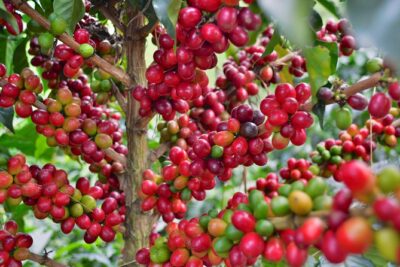
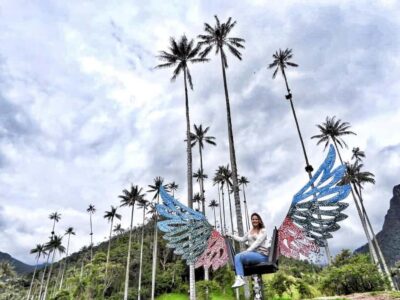
Salento: Private Cocora Valley, Salento & Coffee Farm Tour
Read our review →
Horseback Riding Coffee Farm Tour with Coffee Spa
Read our review →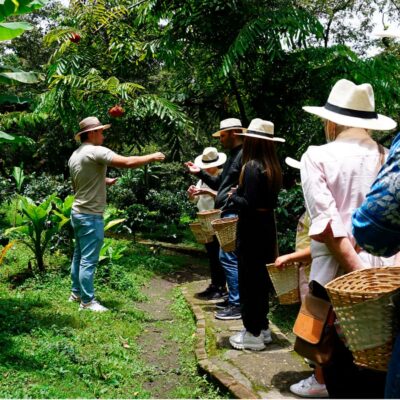
From Bogotá: Coffee Farm and Tequendama Falls Tour
Read our review →
Coffee Tour at Finca El Ocaso Salento: Traditional Spanish Farm
Read our review →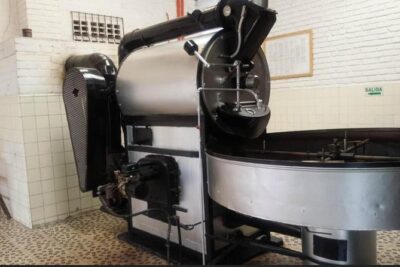
Guatape, El Peñol Coffee Farm Private Tour & Fruit
Read our review →Browse the lists this tour appears in