
Review · COLOMBIA
Coffee Tour at Finca El Ocaso Salento: Traditional Spanish Farm
The most interesting part of this visit is seeing coffee as a working crop, not just a drink on a café menu. At Finca El Ocaso, you follow the bean from planting and harvesting through pulping, drying, roasting, and a final cup made in a cloth strainer and pot. I like the farm-to-cup sequence and the clear attention to sustainable production.
I also like the chance to see the mill machinery and composting station, two parts often skipped on shorter coffee stops. The main catch is practical: you must arrange your own transport, and the rough rural road is not a good match for a low car.
- A full coffee journey in 90 minutes, from young plants to the finished drink.
- A working mill visit covering the hopper, pulper, mechanical dryer, and traditional drying.
- Sustainability in practice, with composting, crop fertilization, and discussion of local fauna and flora.
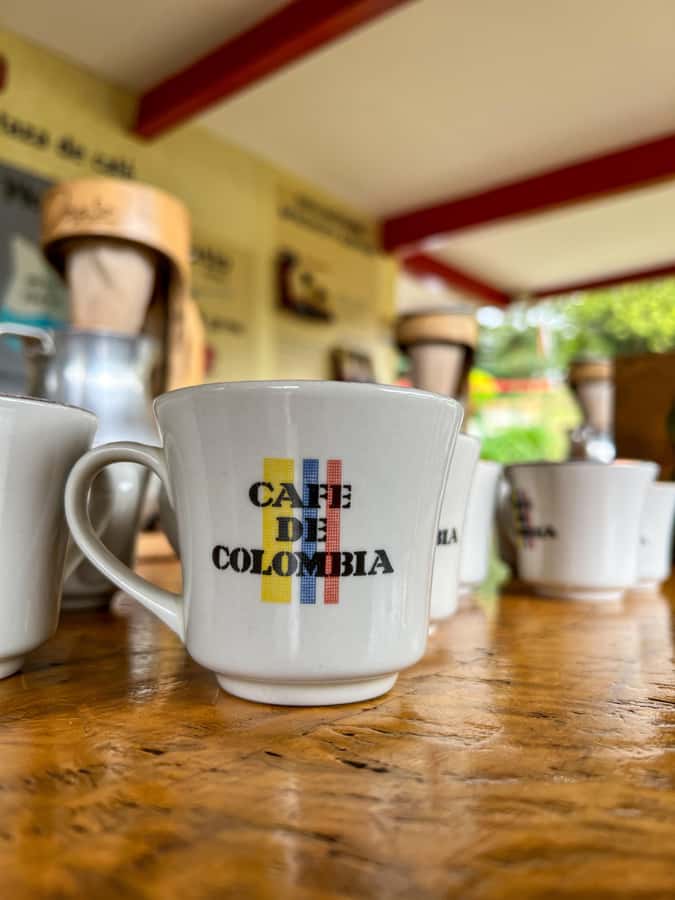
- Traditional preparation at the end, using a cloth filter and pot rather than a modern café machine.
- Spanish-language guiding, with Nicolás among the guides named in recent booking feedback.
- Easy planning from Salento, thanks to hourly Willys Jeep service, though transport costs extra.
Why Finca El Ocaso Makes Coffee Easier to Understand
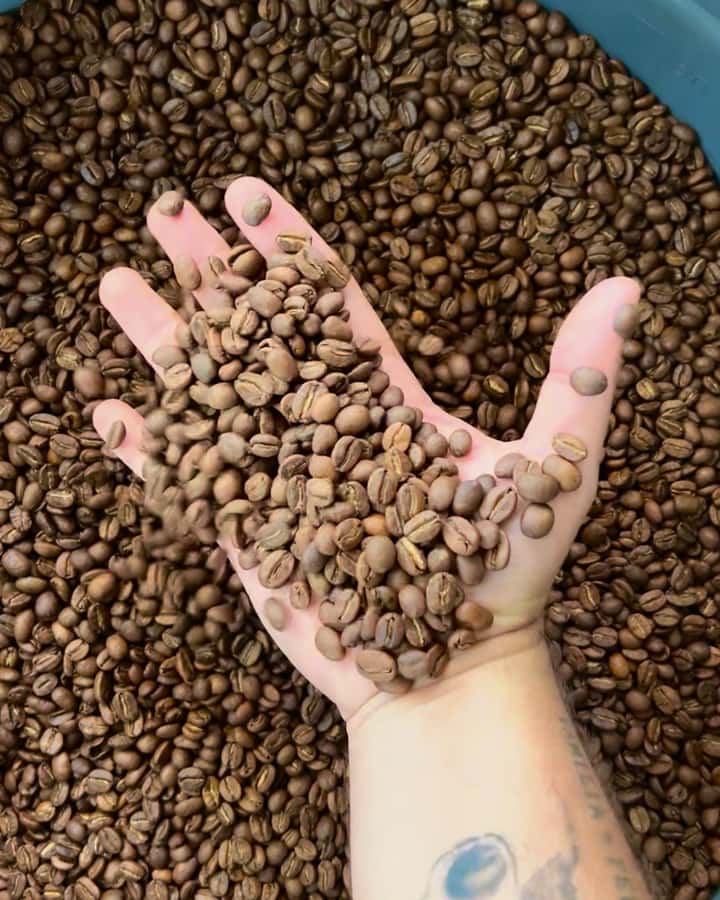
Coffee can look simple until you see the number of decisions between a flowering plant and your morning cup. This tour gives you that missing middle. You learn about the main coffee species, how trees are planted and grown, and what happens when ripe fruit reaches the farm’s processing area.
I like this approach because it gives the tasting some context. You are not simply handed a cup and told that it is special. You first see the work behind it, then learn how roasting and preparation affect the final flavor.
The visit takes place at a rural farm near Salento, in Colombia’s coffee-growing region. The setting is part garden, part plantation, and part working production site. That mix matters. You can look at coffee plants, but you also see the practical systems that keep a farm running.
The tour is conducted in Spanish. If you understand Spanish well, you should get the fullest explanation. Some material is shown in its original language, so this is not the best choice if you need a fully English-language tour.
Starting Among Coffee Plants and Garden Paths
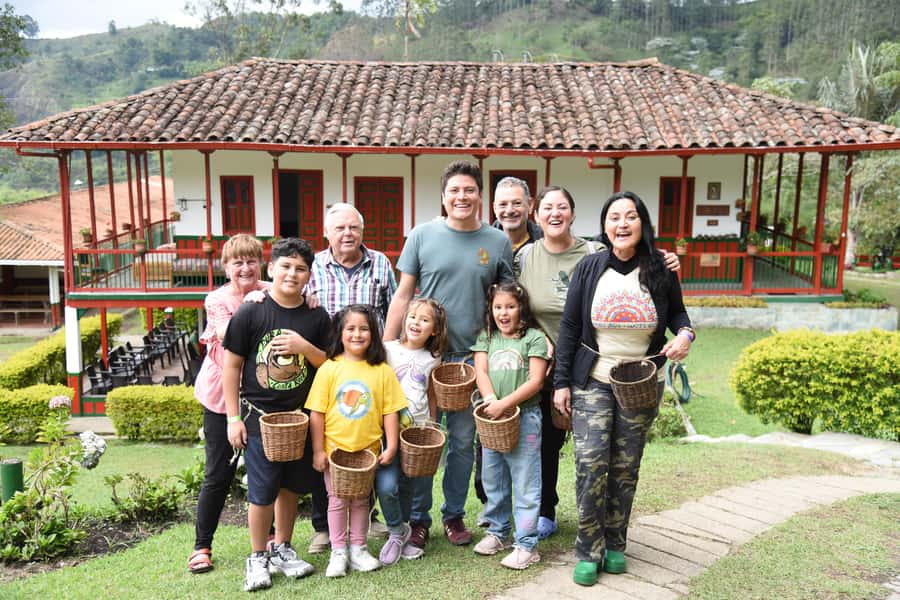
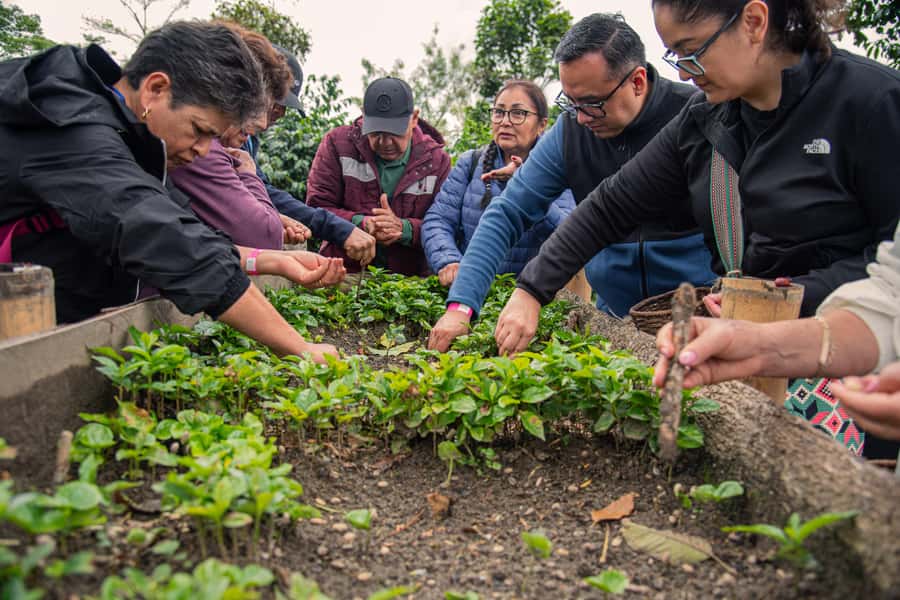
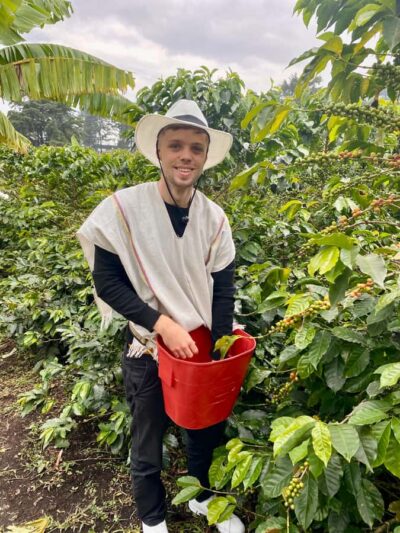
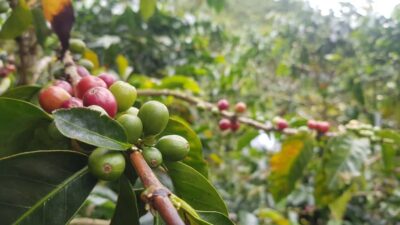
The opening section covers the history of coffee, the predominant species, and the basics of planting and growth. You walk through the gardens and coffee plantations while the guide explains how the trees are established and cared for.
This is a good place to slow down. Coffee plants are not a one-season crop that simply appears at harvest time. The tour connects the visible rows of plants with sowing, growth, and harvesting, giving you a better sense of the time and labor involved.
You also learn about harvesting. That subject is more useful than it may sound, since the condition of the fruit affects everything that follows. The tour does not treat the plantation as a pretty backdrop. It explains the production chain that begins among the plants.
Bring comfortable clothing and shoes suitable for a farm setting. The property is rural, and the road is not completely paved. You may also encounter insects, so repellent belongs in your day bag, not at the bottom of your suitcase.
More Coffee Farm Tours in Colombia
- Medellín Coffee Farm Tour with Trolley and Cable Car Ride
★ 4.9 · 277 reviews - Coffee Tour at the Finca del Café
★ 5.0 · 213 reviews - Salento: Private Cocora Valley, Salento & Coffee Farm Tour
★ 4.9 · 202 reviews
Compost, Fertilization, and the Farm’s Working Systems
The composting station is one of the more useful stops for anyone interested in sustainable agriculture. You see how organic material can support the farm rather than simply become waste. The tour also explains crop fertilization and the farm’s certification in sustainable production.
I appreciate this part because sustainability is tied to visible farm tasks. You are not left with a vague promise about being environmentally friendly. Instead, you get an explanation of composting, fertilization, and the relationship between cultivation and the surrounding fauna and flora.
The discussion of local plant and animal life adds another layer. A coffee farm is not just rows of one crop. It is also a place where gardens, vegetation, insects, and other forms of life share space. The exact wildlife you see can vary, but the tour gives you a way to understand the farm as an active ecosystem.
This section may appeal most to visitors who want more than a tasting. If you only want a quick cup and a photograph, the production details may feel like extra information. If you want to understand how coffee is grown responsibly, they are central to the experience.
Inside the Mill: From Fruit to Green Coffee
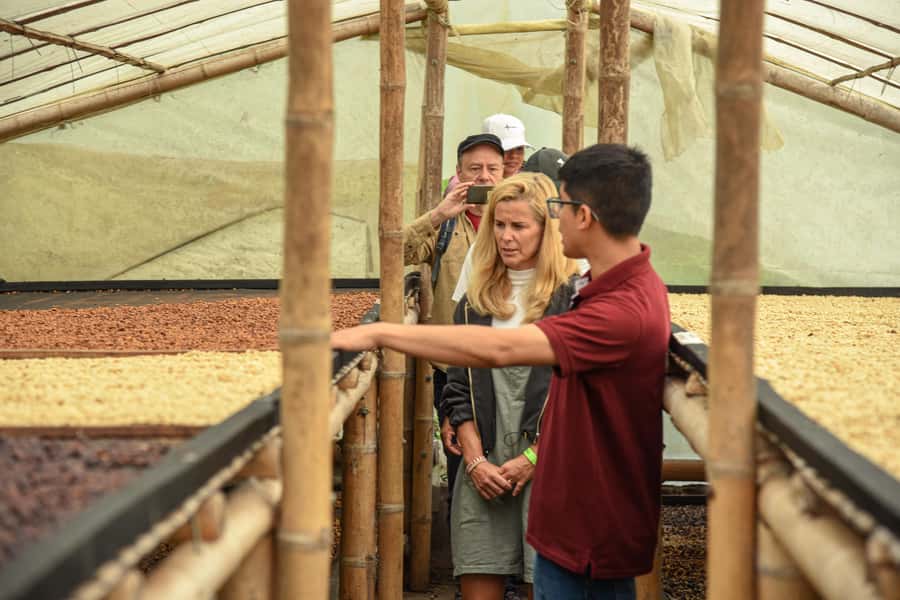
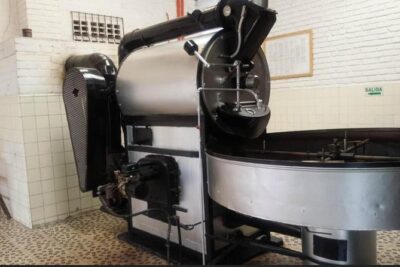
The mill visit is the technical heart of the tour. You see the hopper, pulper, mechanical drying equipment, and traditional drying methods. These are not decorative displays. They show the steps that turn harvested coffee fruit into beans ready for storage and later roasting.
The hopper receives the harvested crop. The pulper removes the outer fruit from the coffee seed. Drying then reduces moisture so the coffee can be stored and prepared for later stages. The farm explains both mechanical and traditional drying, which lets you compare modern equipment with a more hands-on method.
For me, this is where the tour becomes especially valuable. Many coffee experiences stop at the plant or jump straight to the cup. Here, you get a look at the machinery and the practical work between those points.
The mill can also help you understand why processing affects quality. Coffee is a farm product, and handling after harvest matters. Drying, storage, and later threshing all influence what reaches the roasting stage.
You then learn about storage, threshing, and commercialization. These topics show that the farm’s work does not end when the coffee is dry. The beans still need to be stored and prepared for sale, and the way they move through the market affects their value.
Roasting Lessons Before the Final Cup
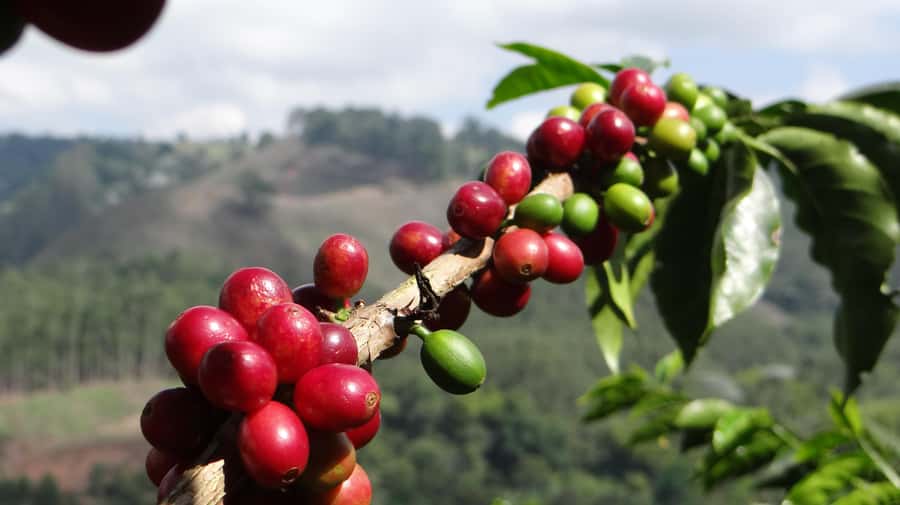
The tour explains different types of roasting and why roast level matters to coffee quality. This is a useful bridge between the farm and the café.
Roasting changes the character of the bean. The session is not simply a lesson in dark versus light coffee. It shows that roasting is part of the quality chain, and that the same raw product can produce a different drink depending on how it is treated.
You do not need to be a coffee expert to enjoy this section. The guide connects the technical idea to the drink you are about to taste. That makes the information practical rather than overly academic.
The tour’s emphasis on quality is also a good reason to visit before spending time in Salento’s cafés. After learning how coffee is grown, processed, dried, stored, and roasted, you will have a better vocabulary for noticing differences in the cup.
Same fields, a different sort of day out:
- Medellin: Horseback Riding Coffee Farm Tour with Coffee Spa
★ 4.8 · 151 reviews - From Bogotá: Coffee Farm and Tequendama Falls Tour
★ 4.5 · 130 reviews - Coffee Tour Salento-Ocaso Farm- English Tour
★ 4.6 · 88 reviews - Coffee Farm Experience Private Day Tour
★ 5.0 · 81 reviews
The Cloth Strainer and Pot Finish
The final preparation uses a traditional cloth strainer and pot. This is a modest method, but it gives the tour a fitting ending. After seeing industrial equipment and farm systems, you return to a simple way of making coffee by hand.
The tasting is included in the $19 price. That makes the experience feel complete, since you finish by trying the product rather than only hearing about it.
Do not expect a large meal or a full café session. Food is not included, and the activity is built around coffee rather than lunch. If you need something more substantial, plan to eat separately before or after the visit.
I like the preparation because it keeps the focus on the drink itself. The cloth filter and pot are part of the farm’s traditional character, and they help connect the final cup to the methods discussed during the tour.
What the $19 Price Really Covers
At $19 per person, this is a reasonable price for a 90-minute working-farm visit, especially if you want more than a short plantation walk. You receive a guided explanation of cultivation, sustainability, milling, storage, roasting, and preparation, plus a tasting.
The value is strongest for coffee lovers who would otherwise spend time and money trying to piece these subjects together on their own. The tour gives you one organized route through the process.
The price does not include transportation, food, mosquito repellent, or sun block. Those exclusions are easy to overlook when comparing tours, so include them in your day’s budget.
Transport is the main extra cost to consider. Willys Jeeps leave for the farm every hour from 8:30 a.m. to 4:30 p.m., and you can also return to Salento by Willys from the farm. The fare is separate from the tour ticket.
The booking terms are flexible. You can reserve and pay later, and cancellation is free up to 24 hours before the activity for a full refund. Those terms help if your Salento plans depend on weather or changing transport arrangements.
Getting There Without a Low Car
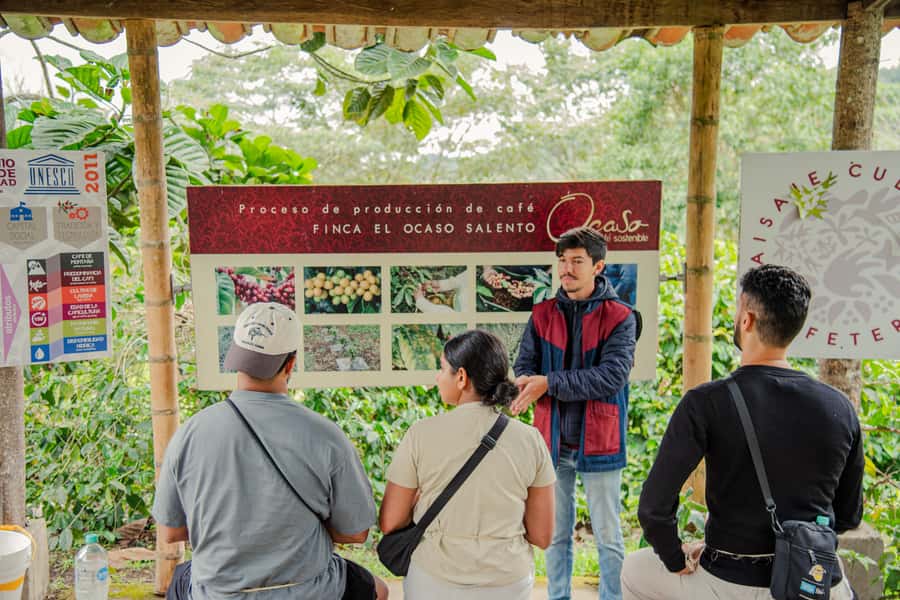
You need to arrive directly at Finca El Ocaso. No transfer is included with the activity.
Public transportation is the practical option for many visitors. Willys Jeeps run hourly between Salento and the rural area, from 8:30 a.m. through 4:30 p.m. Build in time for the ride in both directions, and confirm the return plan at the farm so you are not left guessing later in the day.
The road is not completely paved. The farm specifically advises against arriving in a low car, so a standard car with limited clearance may be an uncomfortable choice. If you are driving, take that warning seriously.
Rain does not cancel the tour. You can buy a rain poncho at the farm if needed, and the store also sells mosquito repellent. Still, I would bring your own repellent and sun block so you are prepared from the start.
The rural setting is part of the appeal, but it also means you should plan like you are leaving town for a while. Wear comfortable clothes, carry water if you need it, and avoid relying on a nearby shop for every small item.
Who Will Enjoy This Farm Visit Most
I would choose this tour if you like knowing how food is produced. It suits coffee drinkers who want to understand the chain from seed to cup, as well as visitors interested in composting and sustainable farming.
It is also a good fit for people who prefer a structured, educational stop. The 90-minute length keeps the visit manageable, while the range of subjects gives it more substance than a quick tasting.
Spanish speakers will get the best experience because the live guide language is Spanish. The guide’s role matters here, since the value comes from explanation as much as from the farm itself. Nicolás is one guide named in the booking feedback, and the comments describe the time with him as entertaining and informative.
Families and casual visitors can enjoy the tasting and farm setting, but the tour does include technical subjects such as threshing, drying, storage, and commercialization. If your interest is only in taking a few photos, part of the visit may feel more detailed than necessary.
People with a tight schedule should also account for the transport beyond the 90-minute tour. The activity itself is short, but the Willys ride and waiting time make it a larger part of your day.
Small Details That Make the Visit Better
A few simple choices will improve the experience:
- Go prepared for sun and insects. Sun block and repellent are not included. You can buy repellent at the farm, but bringing it is easier.
- Wear practical clothes. The tour includes gardens, coffee plantations, and rural paths, so comfort matters more than dressing up.
- Check the Willys schedule. Departures run hourly from 8:30 a.m. to 4:30 p.m., and you need to arrange your own return.
- Do not bring alcohol or drugs. These are not allowed at the farm.
- Keep rain gear in mind. The tour continues in rainy weather, and ponchos are available for purchase at the property.
- Ask questions during the farm and mill sections. The more curious you are, the more useful the 90 minutes will be.
The experience works best when you treat it as a visit to a working agricultural site, not a polished coffee lounge. Mud, rain, insects, and machinery are part of the setting. That is also what gives the tour its practical value.
Should You Book Finca El Ocaso?
Book it if you want a clear, hands-on explanation of Colombian coffee production and you are comfortable traveling to a rural farm on your own. The strongest parts are the mill visit, sustainability discussion, and traditional final tasting.
Think twice if you need an English-language guide, want included transport or food, or have only a very narrow window in Salento. The tour lasts 90 minutes, but the Willys ride and rural road add planning time.
For $19, I see this as a good-value coffee experience with real substance. Bring repellent, sun block, comfortable clothes, and patience for the road. If you do, Finca El Ocaso gives you a useful look at how coffee becomes coffee, long before it reaches your cup.
FAQ
How long does the Finca El Ocaso coffee tour last?
The tour lasts 90 minutes.
What language is the tour conducted in?
The live tour guide speaks Spanish. Some content is presented in its original language.
Is transportation to the farm included?
No. You must arrive directly at the farm and arrange your own transportation.
How can I reach Finca El Ocaso from Salento?
Willys Jeeps leave every hour from 8:30 a.m. to 4:30 p.m. You can also return to Salento by Willys from the farm. The transport fare is not included.
Is the road to the farm paved?
The road is not completely paved, and arriving in a low car is not recommended.
What happens if it rains?
The tour is not cancelled because of rain. Rain ponchos are available for purchase at the farm.
Is coffee tasting included?
Yes. The experience includes a traditional coffee preparation using a cloth strainer and pot, followed by a tasting.
What should I bring?
Bring comfortable clothing and insect repellent. Sun block is also useful, since it is not included.
Just added around Colombia
- Cocora Valley Tour and Coffee Farms★ 4.5 · 40 reviews
- Coffee Farm and Salento Walking Tour★ 5.0 · 47 reviews
- Salento and Cócora Tour plus Coffee Farm from Pereira or Armenia★ 5.0 · 40 reviews
- Tour to the Hacienda Nápoles Theme Park★ 4.0 · 22 reviews
- Exclusive Coffee Experience:Tour from Bogotá★ 4.5 · 45 reviews
- Tour Guatapé con visita a Granja de las Llamas y las Alpacas★ 3.5 · 11 reviews
- Medellín: Flower Farm & Silletero History Tour★ 4.3 · 23 reviews
- Salento: Coffee Farm Tour with Tasting★ 4.9 · 41 reviews
Colombia Farm Tours, compared.
Medellín Coffee Farm Tour with Trolley and Cable Car Ride
Read our review →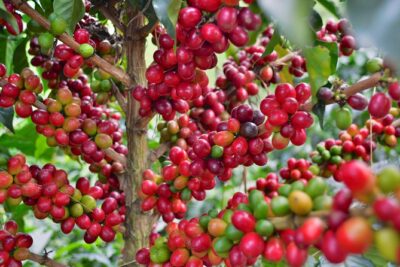
Salento: Private Cocora Valley, Salento & Coffee Farm Tour
Read our review →
Horseback Riding Coffee Farm Tour with Coffee Spa
Read our review →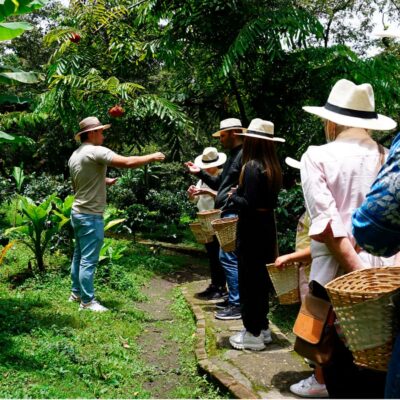
From Bogotá: Coffee Farm and Tequendama Falls Tour
Read our review →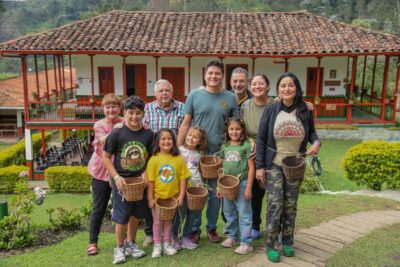
Guatape, El Peñol Coffee Farm Private Tour & Fruit
Read our review →Browse the lists this tour appears in