
Review · ROME
From Rome: Pasta Fresca Cooking Class in a Farmhouse with a Local
The best part of this experience is that it takes you out of Rome and into a real family kitchen. In Zagarolo, Claudia teaches you to make a full Roman meal with garden herbs, local flour, farm eggs, fresh pasta, and seasonal produce. Bruno may meet you at the station, show you around, and later add music to lunch on the keyboard.
I like the small group size, capped at eight, and the fact that the menu changes with the season instead of forcing every class through the same recipe list. I also like the relaxed family setting: you may pick vegetables, walk among olive trees and vines, drink homemade wine, and eat what you prepared. The main thing to consider is the travel time and the uncertain menu. This is not a quick pasta lesson in central Rome, and the exact dishes depend on the season and ingredients available.
Key things to know before booking
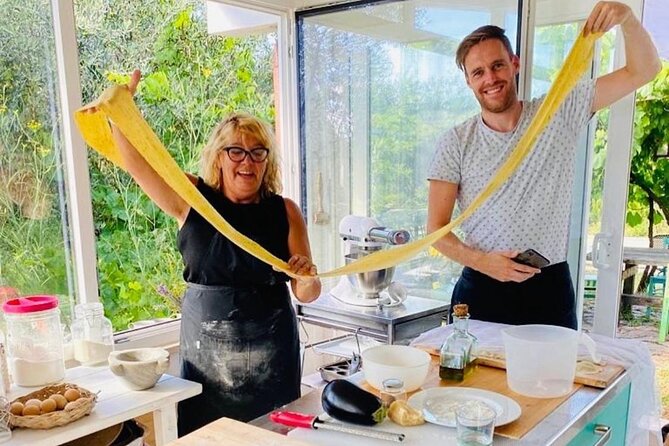
- Zagarolo countryside setting: You leave the city for a farmhouse surrounded by an olive grove, vineyard, fruit trees, and a cooking garden.
- Claudia teaches a full meal: Expect several courses, often including fresh pasta, a first course, vegetables, a main dish, and dessert.
- Bruno adds personal touches: He may provide station pickup, local stories, homemade wine, and piano or singing during the meal.
- Seasonal cooking matters: Summer may bring sorbet and ice cream, while colder months can mean stuffed pasta and sfogliatelle.
- Small and personal: The maximum group size is eight, with a private instructor rather than a large demonstration class.
- Allow three and a half hours: Add the train journey from Rome and you have most of a day outside the city.
Why this farmhouse class feels different from a Rome pasta lesson
Rome has no shortage of pasta classes. Many take place in cooking schools near the center, where you learn one or two dishes and leave with a recipe card. This class offers something broader: a Roman Sunday lunch prepared in a private home.
That difference matters. Claudia’s aim is not simply to show you how to fold ravioli. You may begin with coffee and biscuits, gather herbs or vegetables from the garden, and help prepare several dishes for the table. The food becomes part of a family meal rather than a classroom exercise.
The setting also changes the pace. Zagarolo is a small town in the countryside southeast of Rome, and the home includes a garden, olive trees, fruit trees, and a small vineyard. You are not just watching a chef work. You are seeing where some of the ingredients come from and how an Italian family connects food with time, place, and company.
The class is hosted by Claudia, with Bruno and sometimes other family members helping. Claudia has received attention from major newspapers, including The Guardian and The Wall Street Journal, but the appeal here is less about celebrity and more about her practical teaching. She explains techniques, lets you take part, and adjusts dishes when possible for dietary needs.
More Farm Cooking Classes in Italy
- Cooking Class and Lunch at a Tuscan Farmhouse with Local Market Tour from Florence
★ 5.0 · 4,831 reviews - Hands-On Cooking Class & Farmhouse Tour on the Amalfi Coast
★ 5.0 · 956 reviews - Florence: Cooking Class at a Tuscan Farm & Local Market Tour
★ 4.9 · 354 reviews
Getting from Rome to Zagarolo
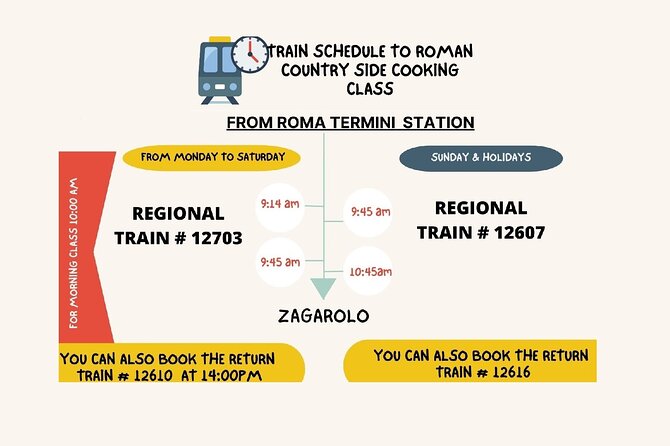
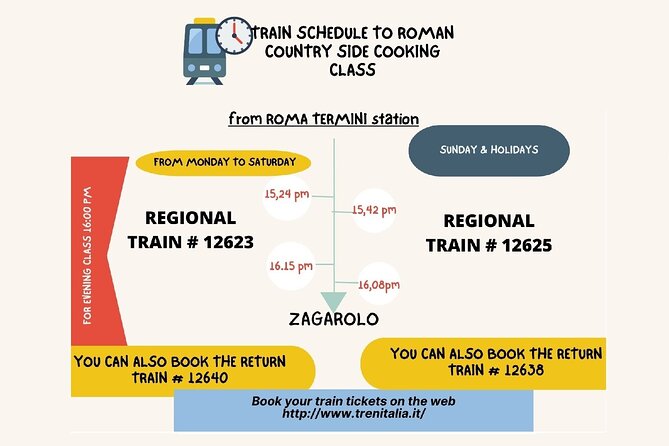
The meeting point is in Zagarolo, not in Rome’s historic center. Several descriptions of the day indicate that the train from Roma Termini takes about 30 minutes, followed by a pickup at Zagarolo station. Bruno has often handled that station transfer, sometimes adding a short tour of the medieval town before taking you to the house.
I would confirm the pickup details before departure. The published meeting point is Zagarolo, and the included transport information is not laid out in the same detail as a formal private transfer service. Contact the host with your train information and keep the agreed arrival time handy.
The train ride is part of the appeal. You trade Rome’s traffic and crowds for a short trip through the outer city and countryside. It also means this class works best for people who are comfortable arranging a simple rail journey and keeping an eye on the clock.
If you have a tight schedule or an evening reservation in Rome, plan carefully. The class itself lasts about three and a half hours, and the return train adds extra time. You are choosing a half-day outing, not a quick activity between the Colosseum and dinner.
Arriving at Claudia’s farmhouse
The arrival sets the tone. The home is described as rustic and welcoming, with a large kitchen suited to hands-on work. The grounds include olive and fruit trees, a small vineyard, and a garden used for herbs and vegetables.
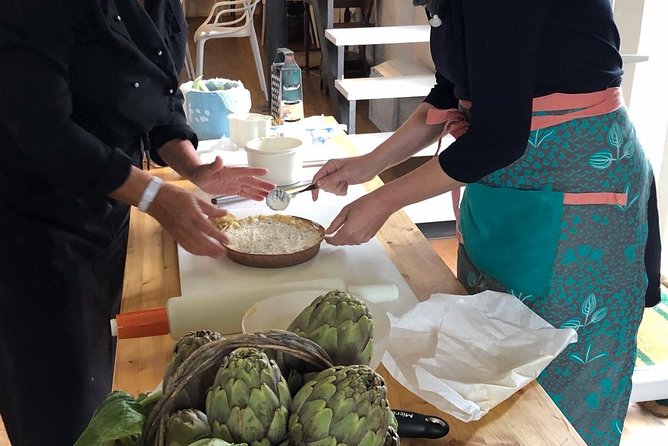
You may start with coffee, biscuits, or a walk around the property. Depending on the season, ingredients might include rosemary, olives, berries, cherries, mulberries, zucchini, squash blossoms, artichokes, or garden vegetables. Picking food for the meal gives you a useful link between the garden and the plate.
There is also a family feel to the property. A friendly dog may greet you, and Bruno may show you the wine-making area or talk about the olive oil and wine produced at home. These details are not polished stage effects. They are the ordinary, personal parts of a countryside household that make the outing feel less like a commercial class.
The tradeoff is that the setting is informal. If you want a sleek cooking studio with numbered stations and a fixed timetable, this may feel loose. If you prefer a home kitchen, changing menu, and conversation, that looseness is part of the charm.
What you may cook during the three-and-a-half-hour class
There is no single guaranteed menu. Claudia works with the season and may change dishes based on the ingredients available that day. The advertised format is a Roman full menu, which can include:
- A starter such as vegetable fritters, savory strudel, or croutons with vegetables and cheese
- Handmade pasta using flour from a local mill and eggs from the farmer
- Ravioli, lasagne, fettuccine, cannelloni, or another pasta shape
- A sauce such as amatriciana or a seasonal vegetable preparation
- A second course such as rolled beef or saltimbocca
- A vegetarian alternative when needed
- A dessert such as parfait, tart, sorbet, ice cream, tiramisu, or another seasonal sweet
Past menus have included spinach pasta carbonara, pumpkin ravioli, spinach and ricotta ravioli, Swiss chard ravioli, stuffed zucchini, fried zucchini blossoms, fried sage leaves, fried artichokes, grilled eggplant, and beef wrapped with prosciutto, cheese, and herbs.
That variety is one of the strongest reasons to book. You are not limited to rolling a single strand of fettuccine. You may learn how pasta dough changes between dishes, how fillings are balanced, and how vegetables can become a serious part of a Roman meal.
You should also keep expectations flexible. A spring class and a winter class will not look alike. Summer may bring fresh berries, sorbet, and ice cream. Winter may focus on sfogliatelle or stuffed pasta. The exact menu is shaped by the season, so contact Claudia in advance if one particular dish is essential to you.
Same fields, a different sort of day out:
- Florence Pizza or Pasta Class with Gelato Making at a Tuscan Farm
★ 5.0 · 6,801 reviews - Sorrento Farm and Food Experience including Olive Oil, Limoncello, Wine tasting
★ 5.0 · 2,524 reviews - Sorrento: Pizza Lesson, Wine, and Limoncello at a Local Farm
★ 5.0 · 1,513 reviews - Florence: Pizza or Pasta Class with Gelato at a Tuscan Farm
★ 4.9 · 1,181 reviews
Learning fresh pasta instead of just watching it
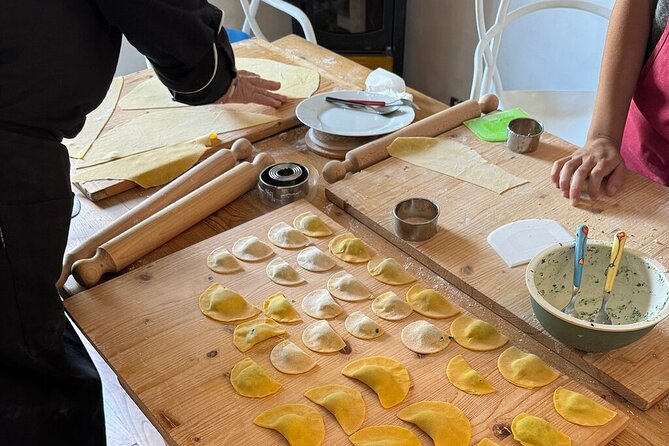
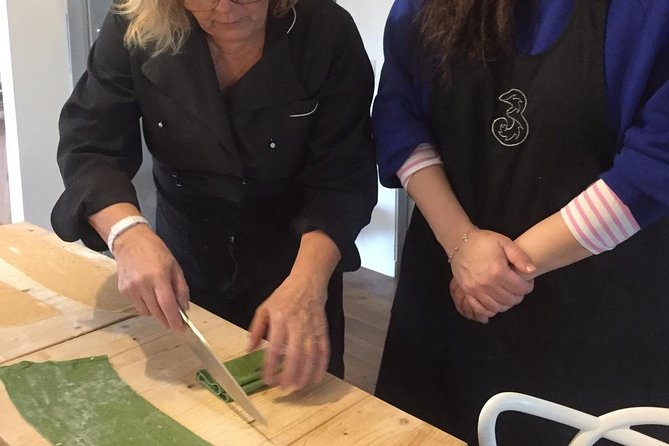
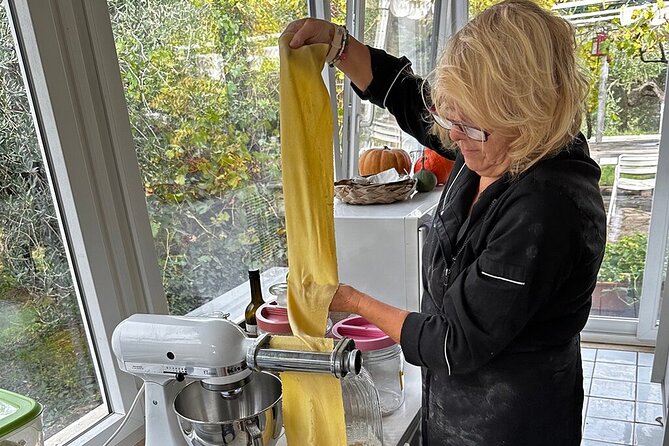
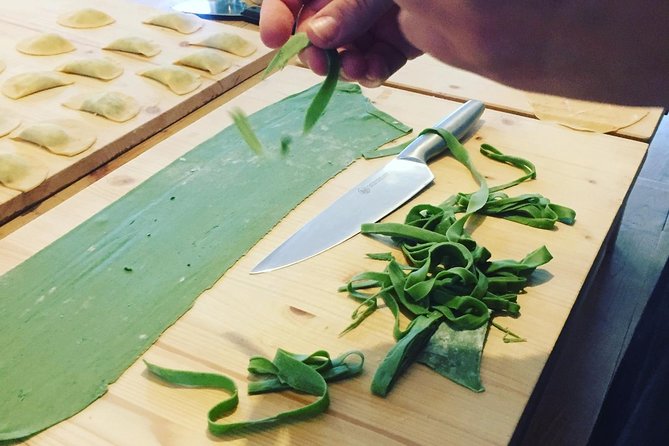
Claudia’s teaching style appears to be practical. She explains, demonstrates, and then brings you into the process. You may mix dough, roll it, fill ravioli, shape pasta, prepare sauces, and help assemble the other courses.
The use of local flour and farm eggs gives the lesson a useful point of comparison. You learn not only a recipe but also how the dough feels and how ingredients affect the result. That is more helpful at home than memorizing measurements without understanding texture.
Several dishes may be prepared during the class, so the lesson can feel busy. That is good for a serious home cook, but it may be more work than someone expecting a light demonstration. You will spend time standing, handling food, and keeping track of several steps before sitting down to eat.
Dietary requests may be possible. One class was adapted for a gluten-free preference, with Claudia changing the menu and creating gluten-free pasta. This should not be treated as an automatic guarantee. Tell the host well ahead of time and confirm what can be prepared safely.
The meal, homemade wine, and Bruno’s music
After the cooking, you sit down to eat the meal you helped make. The setting may be the farmhouse living room or the garden, often with views toward the olive grove. Homemade wine and house olive oil are part of the experience, and the meal may include family members or friends.
Bruno is a major part of the atmosphere. He has been described as playing keyboard and singing American songs while the food is prepared or served. At other times, he may share stories, offer a short town tour, or make sure you reach the station in time for your return train.
The music is not the central product, and it will depend on the day. Still, it gives the meal a personal touch that a standard cooking school cannot easily copy. You are sharing food with the people who live there, not simply eating at a table set for a class.
Wine is served, so plan sensibly if you have to catch a train afterward. Anyone who does not drink should be able to focus on the food, garden, and conversation, but the wine is part of the traditional lunch atmosphere.
How much value do you get for $119.48?
At $119.48 per person, this is not the cheapest way to learn pasta in Rome. A central group class may cost less, especially if it covers only one dish and lasts a shorter time.
The value here comes from the whole day rather than the pasta lesson alone. Your price includes a small-group class, a multi-course meal, a private farmhouse setting, seasonal ingredients, and the chance to spend time with a local family outside Rome. When station pickup is arranged, that adds ease to the outing.
I would consider it good value if you care about food culture, personal contact, and a countryside break. It is less compelling if you only want to learn one reliable pasta recipe as quickly as possible.
The experience is also booked well ahead, on average about 45 days before the date. That suggests you should not leave it until the last few days of your Rome trip, particularly if you want a specific date or are planning it as a birthday or honeymoon activity.
Who should book this experience?
This class suits couples, families, and small groups who want a slow food experience with a strong personal element. It works especially well for anyone who has already seen Rome’s major sights and wants a day away from the center.
It is also a good choice for home cooks. You will take away techniques for pasta, ravioli, sauces, vegetables, and dessert, rather than only a single finished dish. The seasonal approach may give you ideas for adapting recipes with what is available at home.
The class may be a particularly good fit for a special occasion. Several descriptions of the day involve birthdays, honeymoons, and end-of-trip meals. The countryside, family welcome, homemade wine, and music give it more emotional weight than a standard cooking lesson.
I would think twice if you dislike flexible schedules, have serious food allergies that require a controlled kitchen, or cannot spare most of a day. You should also be comfortable with a farmhouse setting and a menu that can change.
Practical details worth knowing
The activity is offered in English and uses a mobile ticket. Confirmation is provided at booking, and the maximum group size is eight. The class begins and ends at the Zagarolo meeting point, with the experience itself taking about three hours and 30 minutes.
Wear comfortable clothing and shoes suitable for cooking and walking around a garden. An apron is provided as part of the kitchen routine, but food preparation can be messy.
The cancellation policy is straightforward: cancel at least 24 hours before the start time for a full refund. Changes or cancellations inside that 24-hour window are not accepted for a refund. The cutoff uses local Italian time.
The provider is Curioseety SRLS, and the experience has a 4.9 rating from 62 reviews, with 98 percent of customers recommending it. One serious warning sits behind those strong numbers: a booking once resulted in no host appearing at the station, with no response to messages. That seems to be an isolated complaint among many highly positive accounts, but it is still a reason to confirm the meeting details shortly before the date and keep the host’s contact information available.
Should you book Claudia’s farmhouse cooking class?
Book it if you want food, countryside, and human connection in one outing. Claudia’s class offers more than pasta shaping: you may gather ingredients, make a full Roman lunch, taste homemade wine and oil, hear Bruno play music, and return to Rome with recipes you can actually attempt at home.
Skip it if your Rome schedule is packed or you want a polished studio class in the city center. The train, flexible menu, and family-home format require a little patience.
For most food-focused visitors, this is one of the better ways to turn a Rome day trip into something personal. Confirm the station pickup, mention dietary needs early, and leave enough time for the return journey. Then let the menu change with the season. That is the point.
FAQ
Where does the cooking class take place?
The class takes place at a farmhouse in Zagarolo, in the Metropolitan City of Rome Capital. The activity starts and ends at the stated Zagarolo meeting point.
How long does the experience last?
The cooking experience lasts approximately three hours and 30 minutes. The train journey from Rome and the return trip add extra time to your day.
How do I get to Zagarolo from Rome?
The train from Roma Termini to Zagarolo takes about 30 minutes according to the provided experience details. Bruno has picked people up at the Zagarolo station, but you should confirm the arrangement and send your train information before the class.
What food will I prepare?
The menu changes by season. It may include handmade ravioli, lasagne, fettuccine, cannelloni, sauces, vegetable starters, a meat or vegetarian main course, and dessert. Summer may feature sorbet or ice cream, while winter may include sfogliatelle or stuffed pasta.
Can dietary needs be accommodated?
Dietary changes may be possible, including gluten-free cooking, but you need to tell the host in advance and confirm what can be prepared for your needs.
What is the cancellation policy?
You can cancel at least 24 hours before the start time for a full refund. Cancellations or changes made less than 24 hours before the experience are not accepted for a refund.
More Hands-On Workshops in Italy
- Sorrento Farm by Tuk Tuk: Cheese, Limoncello & Hands-On Pizza
★ 5.0 · 628 reviews - Sorrento: Farm Tour with Cheese Tasting & Pizza Making Class
★ 5.0 · 503 reviews - Amalfi: Cooking Class and Farmhouse Visit With Meal
★ 5.0 · 262 reviews - Cooking Class on a Family Farm in Chianti with Lunch
★ 5.0 · 165 reviews
More Pasta in Italy
- Alghero Home Cooking Pasta Class at a Farmhouse with Wine
★ 5.0 · 130 reviews - Bardolino: Garda Lake Pasta Cooking Class at Agritourism
★ 5.0 · 114 reviews - Matera: Pasta Cooking Class Old Farmer Style in Sassi Cellar
★ 5.0 · 87 reviews - Farmer’s Market and Pasta Making with Italian Wine
★ 5.0 · 15 reviews
Just added around Italy
- Traditional Farmhouse Cooking Experience in Lucca with Lunch or Dinner★ 5.0 · 34 reviews
- Farm-to-table Food Experience★ 5.0 · 23 reviews
- La Maliosa Farm Experience & Wine Tasting★ 4.5 · 29 reviews
- Sorrento: Authentic Lemon Experience at a Farm with Tastings★ 5.0 · 6 reviews
- Sorrento Half-Day Farm Experience: Pizza, Cheese Making and Wine★ 5.0 · 17 reviews
- Marì Cooking Class in a Family Farm with Amalfi Coast view★ 5.0 · 11 reviews
- Amalfi Coast & Sorrento Cooking Class School at Farmhouse★ 5.0 · 25 reviews
- Paestum and Buffalo Farm Day Tour from Sorrento★ 5.0 · 3 reviews
Rome Farm Tours, compared.
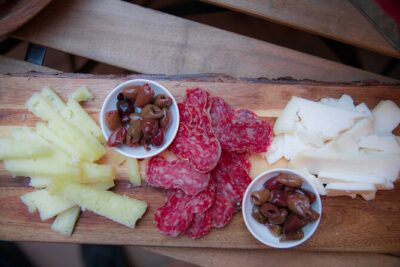
Farm to table dinner in Rome: A trip through Italy
Read our review →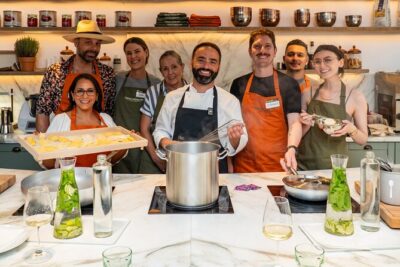
Farmer’s Market and Pasta Making with Italian Wine
Read our review →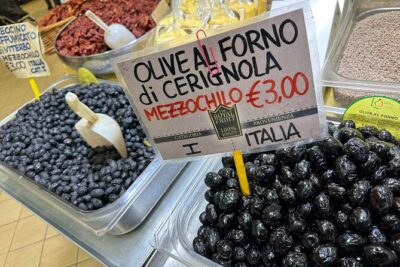
Wine Tasting and Food Tour at Vatican and Trionfale Farmers
Read our review →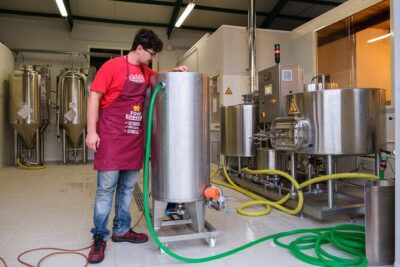
Agricultural Brewery Tour in the Roman Countryside
Read our review →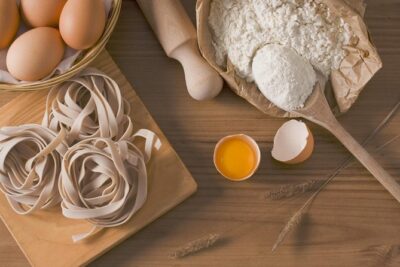
Harvest & Flavor: Pastamaking Class/Wine Tasting – Countryside
Read our review →
Browse the lists this tour appears in