
Review · PLANTATION TOURS
Like Locals: Banana Plantation, and Cuscuz with locals
Cape Verde’s best food stories often begin far from a restaurant. This four-hour outing takes you from Praia to the banana and coconut fields of Santa Cruz, then into a local family home in Orgãos to prepare cuscuz and fidjós. The family cooking session is the heart of the day, with Mama Luisa and Gustavo offering the sort of welcome that makes a short visit feel personal.
I like the mix of working agriculture and home cooking, and I like that the group is limited to eight people. You get a closer look at how plants are used, how local sweets are made, and how Cape Verdean hospitality works around a kitchen table. The main drawback is that the plantation visit may feel more like a guided walk than a working farm visit, since there is no promise of time with a farmer.
Key points to know before booking
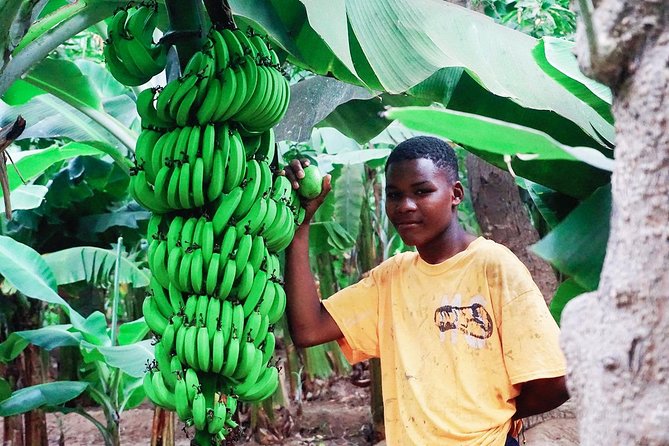
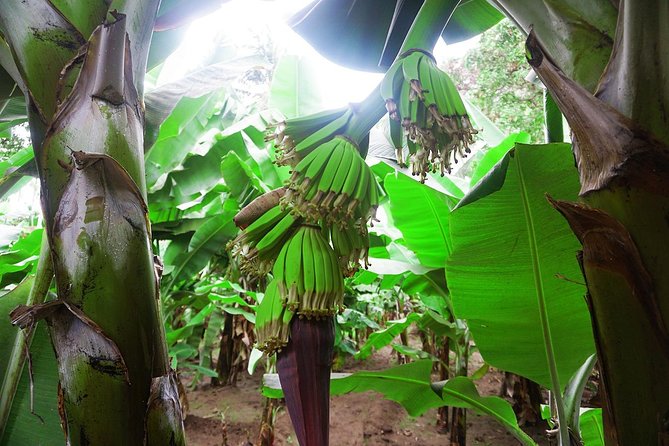
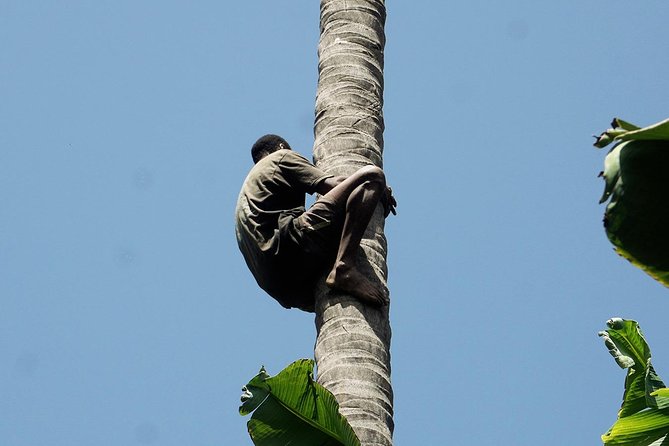
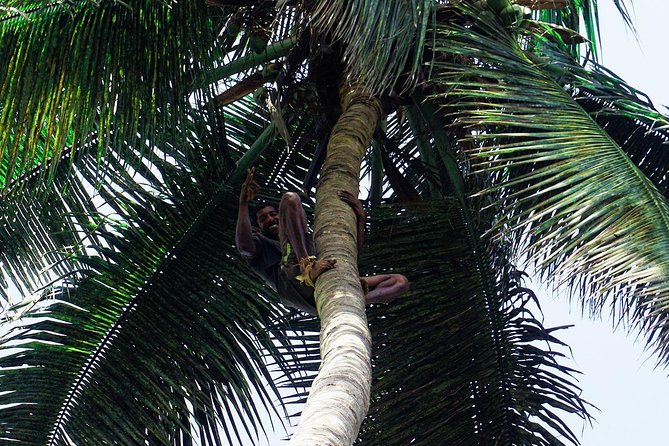
- Santa Cruz’s plantation: Walk among banana and coconut fields at the country’s largest plantation, with possible fresh coconut water and local bananas available at your own expense.
- A family-led cooking lesson: Learn to prepare cuscuz, a cornmeal cake, and fidjós, a banana and wheat treat, with Mama Luisa and Gustavo.
- Rum and sugarcane: The day includes a rum distillery visit, tastings, and a look at local sugarcane traditions.
- A small group: The maximum is eight people, which suits anyone who prefers room for questions and conversation.
- Pickup from Praia: Transport, guiding, breakfast, and the cooking workshop are included, but lunch and personal purchases are not.
- A four-hour outing: The route is compact enough for a half-day, with about 30 minutes each way between Praia and the inland stops.
From Praia to Santa Cruz by road
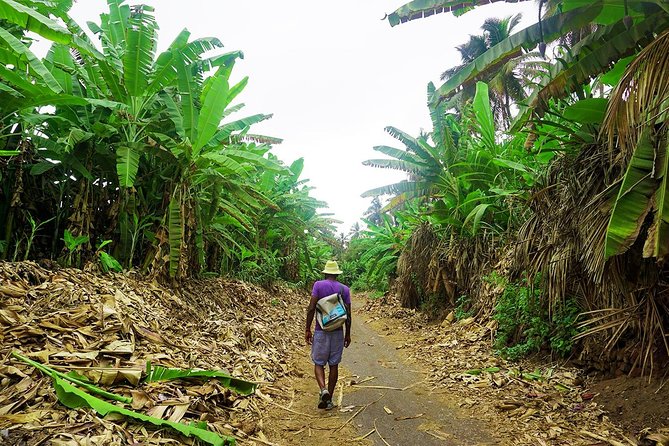
Your morning begins at 9:00 a.m. with pickup at your accommodation in Praia. The drive inland to Santa Cruz takes about 30 minutes, giving you a change of scene from the capital to Cape Verde’s agricultural interior.
That short drive matters. Praia can feel urban and busy, while Santa Cruz offers fields, valleys, and a closer look at the island’s food supply. Your guide provides local history along the way and helps explain what you are seeing, rather than leaving you to guess at the scenery through the window.
The experience is described as a way to see everyday life through public transport, but the planned route also includes pickup and transportation from your accommodation. If the public transport element is especially important to you, confirm how it will work when you book. The practical advantage of included transport is clear: you do not need to arrange a taxi for the inland route or work out the return trip from Orgãos.
The group size is capped at eight. That is small enough for you to ask about plants, food, family customs, and local history without turning every stop into a formal lecture. Pickup details are confirmed at booking, and the tour is near public transportation if you need to make your own way to a meeting point.
More Plantation Tours in the world:
- Monkeyland and Plantation Safari Tour from Punta Cana
★ 5.0 · 3,805 reviews - Swamp Boat Ride and Oak Alley Plantation Tour from New Orleans
★ 5.0 · 3,303 reviews - Oak Alley Plantation Tour with Transportation from New Orleans
★ 4.5 · 1,747 reviews
Walking through Santa Cruz’s banana and coconut fields
Santa Cruz is home to the country’s largest banana and coconut plantation. You spend about an hour walking through the agricultural fields while your local guide points out different fruits and plants.
This is not simply a stop for a quick photograph. The useful part is learning how much of daily life is tied to crops, and how native plants serve more than one purpose. The tour also promises discussion of different plant uses, so pay attention to the practical details rather than only the scenery.
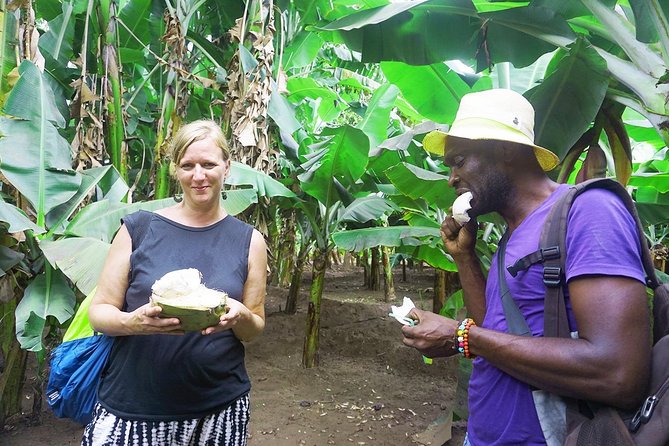
If available, you can buy fresh coconut water and organically grown local bananas. These are personal purchases, not part of the tour price, but they offer a simple way to taste the place where you are standing. Bring cash if you want to buy something, since the information does not specify which payment methods are accepted.
You should keep your expectations measured. The plantation visit is a guided walk through the fields, not a guaranteed farm-work demonstration. There is also no stated meeting with a plantation farmer. If you want detailed information about irrigation, harvesting, wages, or export crops, ask your guide directly and understand that the answers may depend on who is available that day.
Still, the stop works well as an introduction to Cape Verdean agriculture. Bananas, coconuts, sugarcane, and other plants connect the later food workshop to the land you have just seen. The route makes more sense because you see ingredients in the field before handling food in a family kitchen.
Sugarcane, rum, and a local breakfast
Rum-making gives the day another thread. You visit a rum distillery, learn about the local sugarcane tradition, and sample rum and sugarcane products. A local breakfast is included as well.
The distillery visit is especially useful if you want more than scenery. It connects farming with local production and shows how sugarcane can move from crop to drink. The tasting is part of the experience, but the tour does not specify how many samples are offered or whether alternative drinks are available. If you do not drink alcohol, ask in advance about the tasting and focus on the food, plants, and production story.
Breakfast is included, while lunch is not. Since the whole outing lasts about four hours, you may not need a full lunch during the tour, but you should plan for food afterward if your day continues. Personal expenses, including optional drinks, fruit, and other purchases, are also separate.
The order of the plantation, distillery, and cooking activities may vary. The key point is that food and drink are not added as random extras. They are used to explain how local crops become everyday ingredients and traditional treats.
Cooking cuscuz and fidjós in Orgãos
The most personal part of the outing takes place in São Lourenço dos Órgãos, often shortened to Orgãos. Here, you are welcomed by Mama Luisa and her husband, Gustavo, in a family setting.
The workshop focuses on two Cape Verdean foods. Cuscuz is a traditional cake made from cornmeal. Fidjós combines banana with wheat to make a sweet local treat. You do not simply receive a plate and leave. You take part in preparing the food, which gives you a better sense of the work behind familiar dishes.
I would give this stop the most time and attention. Two hours are allocated to Orgãos, making it the longest part of the day. That allows room for cooking, eating breakfast or the prepared food, asking questions, and learning about household food traditions.
The setting also changes the tone of the tour. At the plantation, you are looking at agriculture from the outside. At the family home, you take part in a routine that is more direct and social. The use of the Creole term morabeza, associated with Cape Verdean warmth and hospitality, fits this part of the experience better than any polished sightseeing stop could.
A French-speaking guide is available, according to the experience details and guest feedback. If you prefer French, request confirmation when booking. The information does not identify the guide by name, but Mama Luisa and Gustavo are named as the hosts at the family home.
This is a good fit for you if you enjoy cooking, food traditions, and conversation more than formal museum visits. It is less suited to anyone who wants a fast list of monuments or a highly structured culinary school lesson. The point is contact with a local household and the chance to make simple foods with guidance.
A few more farm days around the world worth a look
- Half-Day Thai Cooking Class at Organic Farm in Chiang Mai
★ 5.0 · 19,087 reviews - Ubud: Monkey Forest, Jungle Swing, Rice Terrace, and Water Temple
★ 5.0 · 7,160 reviews - Florence Pizza or Pasta Class with Gelato Making at a Tuscan Farm
★ 5.0 · 6,801 reviews - From Porto: 2 Wine Regions, Farm-to-Table Lunch & Boat
★ 4.9 · 5,724 reviews
The scenic return through rocks and valleys
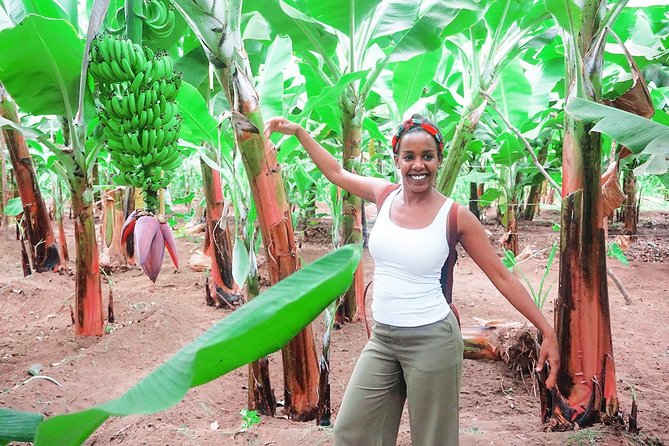
After the workshop, you return to Praia by road. The final drive takes about 30 minutes and passes through rocks and valleys, while your guide explains more about local history and the surroundings.
This return leg is not just dead time between the village and your accommodation. It gives you another view of the interior and a chance to ask follow-up questions after seeing farms, production, and home cooking. Keep your camera ready if you enjoy road scenery, but do not expect a dedicated viewpoint stop because none is specified.
Drop-off at your accommodation is included. That makes the tour easy to fit into a morning or early afternoon in Praia. The stated duration is approximately four hours, though traffic, pickup timing, and the pace of the cooking session can affect the exact return time.
What the $76.57 price covers
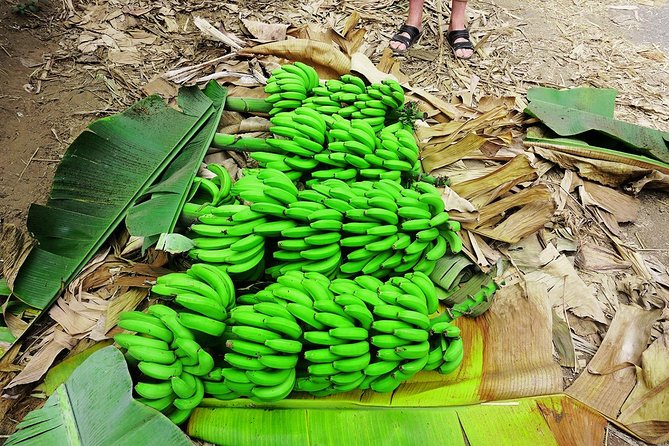
At $76.57 per person, the value depends on how you use the day. You are paying for pickup and drop-off, transportation, a guide, breakfast, the cuscuz and fidjós workshop, the family visit, the plantation walk, and the distillery stop with tastings.
That is a fair package for a small-group outing because transport from Praia to the inland communities can otherwise take planning. The maximum of eight also matters. A private tour would cost more, but a large bus tour would likely lose the family feel that makes this experience appealing.
The price does not include lunch or personal expenses. Optional coconut water, bananas, rum, and other purchases are extra. The tour does not list an entrance charge for the plantation or family visit, so most of your cost goes toward transport, guiding, and the hosted activities.
You can cancel for a full refund if you cancel at least 24 hours before the local start time. Changes or cancellations within 24 hours are not refunded. Since the outing is booked on average about 10 days ahead, reserve early if your Praia schedule is tight, but keep the cancellation deadline in mind.
Who will enjoy this half-day outing
I would choose this tour if you want to meet people through food rather than simply look at sights. It suits couples, families, and small groups who enjoy a relaxed pace and do not mind that the day is built around simple local activities instead of major attractions.
It also works well for first-time visitors to Praia who want to see more of Santiago Island without giving up a full day. You get agriculture, rum production, a village setting, cooking, and a scenic road journey in about four hours.
The tour may be less satisfying if you want a serious plantation study. There is no confirmed farmer conversation, and the plantation portion lasts about one hour. It may also be a poor fit if you need a fixed meal plan, since lunch is not included and the food focus is breakfast and the workshop.
Anyone with mobility concerns should ask the operator for current details before booking. The program includes walking through agricultural fields, transport, and a home-based cooking session, but the provided information does not describe trail surfaces or step-free access.
My verdict: book it for the kitchen, not just the plantation
I would book this experience for the combination of small-group travel and family cooking. The plantation and distillery give the day useful context, but the visit with Mama Luisa and Gustavo is likely to be the part you remember most.
Book it if you want a warm, food-centered look at life beyond Praia and appreciate a guide who can add local history along the road. Skip it if your main goal is extensive farm access, a full lunch, or a long distillery tour. For the best fit, confirm the public transport element, language preference, and pickup details before paying.
FAQ
Where does the tour start?
Pickup is offered from your accommodation in Praia. The stated start time is 9:00 a.m.
How long does the experience last?
The tour lasts approximately four hours. The route includes about 30 minutes from Praia to Santa Cruz, one hour at the plantation, two hours in Orgãos, and about 30 minutes returning to Praia.
What is included in the price?
Pickup and drop-off, transportation, guiding, breakfast, and the cuscuz and fidjós workshop are included.
Is lunch included?
No. Lunch is not included, and personal expenses are separate.
How many people can join the tour?
The maximum group size is eight people.
What foods do you prepare?
You learn to prepare cuscuz, a traditional cornmeal cake, and fidjós, made with banana and wheat.
Can you taste rum on the tour?
Yes. The experience includes a visit to a rum distillery with tastings and information about local sugarcane production.
What is the cancellation policy?
You can cancel at least 24 hours before the local start time for a full refund. Cancellations or changes made less than 24 hours before the start are not refunded.
Just added around the world
- Ubud Rice terrace,Zip-line and waterfall★ 5.0 · 4 reviews
- Full Day Tour to Water Temples UNESCO Rice Terraces in Bali★ 5.0 · 4 reviews
- Explore Ubud Art Market, Monkey Forest and Rice Terraces★ 5.0 · 16 reviews
- Exploring Munduk Village (Waterfalls, rice terrace, Traditional local house)★ 4.5 · 2 reviews
- Ubud Monkey Forest Rice Terrace Temple Waterfall Private Tour★ 5.0 · 7 reviews
- Jatiluwih Spiritual Journey of Melukat with Rice Terrace View★ 5.0 · 9 reviews
- Private Tour to Sumampan Waterfall, Monkey forest, Rice terraces and Swing★ 5.0 · 30 reviews
- Discover Hidden Waterfall, Unesco Rice Terraces and Mountain Temple★ 5.0 · 17 reviews
Plantation Tours, compared.
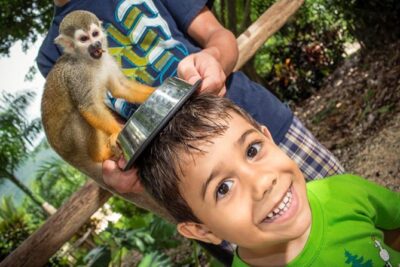
Monkeyland and Plantation Safari Tour from Punta Cana
Read our review →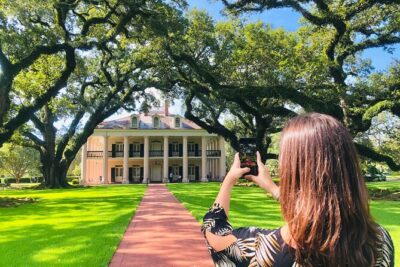
Swamp Boat Ride and Oak Alley Plantation Tour from New Orleans
Read our review →
Oak Alley Plantation Tour with Transportation from New Orleans
Read our review →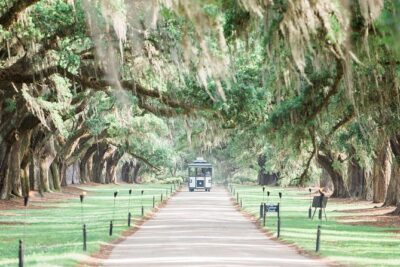
Boone Hall Plantation All-Access Admission Ticket
Read our review →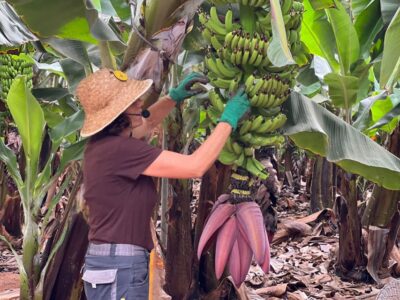
Finca Las Margaritas Banana Plantation Experience
Read our review →
Whitney Plantation Tour with Transportation from New Orleans
Read our review →
Airboat and Plantations Tour with Gourmet Lunch from New Orleans
Read our review →Browse the lists this tour appears in