
Review · NEW ORLEANS
Whitney Plantation and Soul of New Orleans City Tour Combo
The most meaningful part of this day is the contrast between Whitney Plantation’s account of slavery and New Orleans’s urban story. You move from cabins, memorials, and the names of enslaved people to Congo Square, Katrina’s destruction, Studio BE, and the fight for civil rights. It is history with very little polish, which is exactly why it matters.
I like two things right away: the tour treats Whitney as a place of remembrance rather than a pretty-house sightseeing stop, and the New Orleans portion is led by local guides such as Jay and Jeremy, who connect major events to real streets and neighborhoods. The main drawback is the format at Whitney, where you use a self-guided audio tour instead of walking with a live plantation guide.
Key points to know
- Whitney focuses on enslaved people: See original cabins, memorials, the Wall of Honor, and the Field of Angels.
- The city tour adds essential context: Learn about urban slavery, Congo Square, Katrina, segregation, and modern New Orleans culture.
- Jay and Jeremy bring local perspective: The city portion is strongest when your guide explains what you are seeing beyond the bus window.
- Pickup makes a long day easier: Most downtown hotels are served, with a central meeting point at 414 Canal Street.
- The group is capped at 24: That is more personal than a large coach tour, though stops can still feel structured.
- Plan for eight to nine hours: This is a serious history day, not a quick plantation visit with a short city add-on.
Why this combination works
New Orleans can be easy to experience as food, music, balconies, and old streets. Those are good reasons to visit, but they tell only part of the story. This combo asks you to look at the city through slavery, resistance, race, disaster, art, and memory.
Whitney Plantation gives you the rural side of slavery. The city route then shows how forced labor, Black cultural traditions, segregation, and unequal disaster recovery shaped New Orleans itself. I like that pairing because it prevents the plantation from becoming an isolated historical stop.
The day lasts about eight to nine hours and costs $129 per person. That is not the cheapest way to spend a day in New Orleans, but the price includes an air-conditioned vehicle, plantation admission, taxes, and round-trip pickup. You are paying for transport as much as sightseeing. Getting to Whitney on your own would mean arranging a separate ride, and the combo gives you a full city program afterward.
The schedule is demanding. You will spend much of the day in a vehicle or on your feet, and there is no restroom on board. Still, for a first visit, this is a useful way to cover several places that would be difficult to connect independently.
More Plantation Tours in New Orleans
- Swamp Boat Ride and Oak Alley Plantation Tour from New Orleans
★ 5.0 · 3,303 reviews - Oak Alley Plantation Tour with Transportation from New Orleans
★ 4.5 · 1,747 reviews - Whitney Plantation Tour with Transportation from New Orleans
★ 4.5 · 1,351 reviews
Starting in New Orleans at 8:00 AM
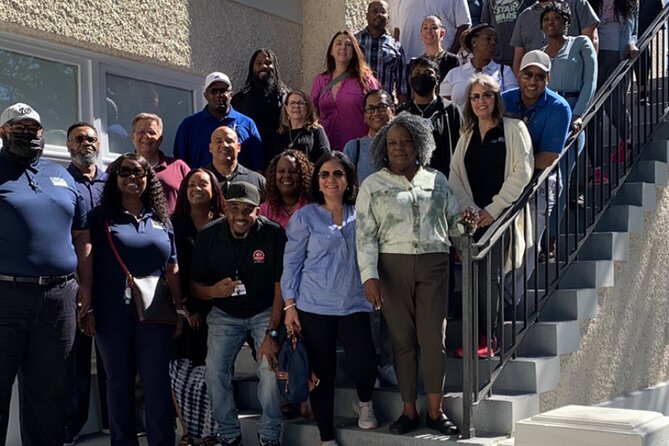
Pickup takes place between 8:00 and 8:30 AM, with instructions to be outside your downtown hotel by 8:00. The bus may take up to 30 minutes to arrive because of several hotel stops, so patience is part of the morning plan. If it is after 8:35 and you have not been collected, call the operator.
Look for a white bus with the company logo. If your hotel is not on the pickup list, choose a nearby hotel rather than assuming the bus can stop anywhere. The alternative meeting point is the parking lot at 414 Canal Street. When searching for it, use the words parking lot in the pickup field.
This early start is useful. Whitney is outside New Orleans, and the day also includes several city stops. A later departure would make the program feel rushed. Have breakfast before pickup, bring water, and use a restroom at the hotel before leaving. Since the bus has no restroom, that small bit of planning matters.
The vehicle is air-conditioned, a welcome feature in New Orleans weather. The group can include up to 24 people, which keeps the outing smaller than a big sightseeing coach, though it is still a shared tour with scheduled stops.
Whitney Plantation, where the story is the point
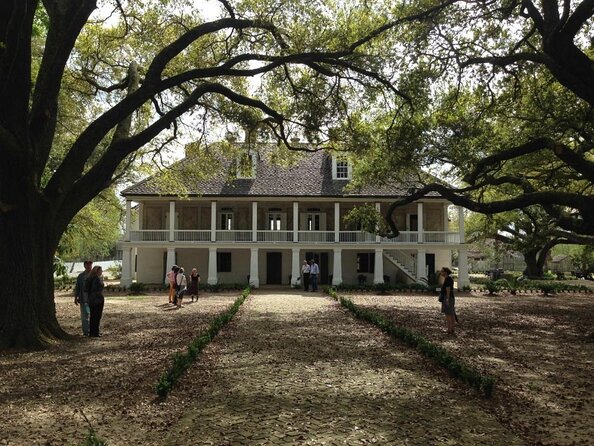
Whitney is the emotional center of the day. Its exhibits focus on the enslaved people who lived and worked there, not simply on the owners, architecture, or decorative grounds.
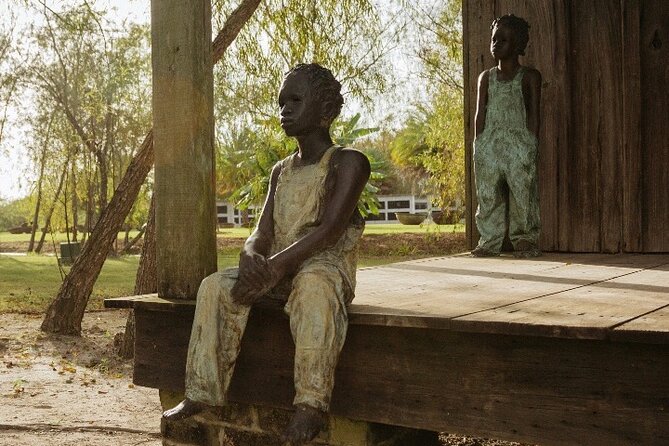
You see original buildings, slave cabins, memorials, and artwork that explain the violence and daily reality of slavery. The experience is designed to make the people who were enslaved visible as individuals, families, workers, and members of a community. That approach gives the visit a different weight from a plantation tour built mainly around rooms and furniture.
The Wall of Honor lists more than 350 enslaved people who lived on the plantation. Names change the way you understand the place. Instead of thinking only in terms of numbers, you are asked to stop and recognize that each name belonged to a person with a life, relationships, and hopes.
The Field of Angels is another major memorial. The sculpture represents an estimated 2,200 enslaved children who died in St. John the Baptist Parish. It is a difficult stop, but an important one. The memorial makes clear that slavery harmed children as well as adults, and that death was part of the system’s daily reality.
Your visit at Whitney is self-guided through an audio tour. I see that as both a strength and a weakness. You can move at your own pace and take time at the memorials without being tied to a live group narration. On the other hand, you cannot ask the audio guide a question or ask for more explanation when a particular exhibit affects you.
Allow about two hours at the plantation. Wear comfortable shoes and leave room in your schedule for quiet pauses. This is not a place to rush through while taking a few pictures. Its value comes from reading, listening, and allowing the memorials to register.
Rural slavery and urban slavery are not the same story
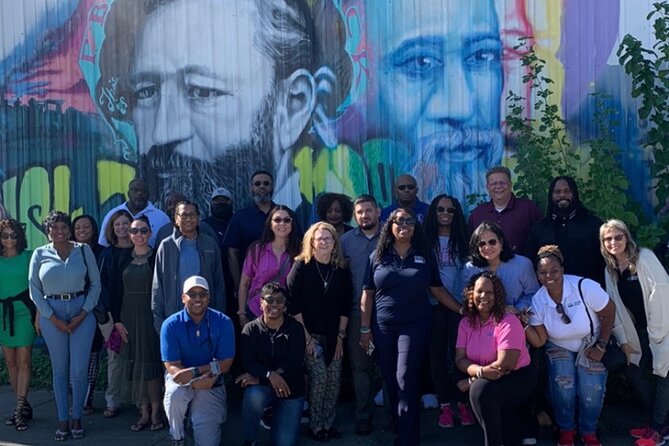
One of the best reasons to choose this combo is the chance to compare two settings. Whitney shows slavery on a plantation, where forced labor was tied to agriculture, buildings, land, and the control of enslaved workers. The New Orleans portion examines slavery and its legacy in an urban setting.
The difference matters. A city has different kinds of work, movement, trade, neighborhoods, and cultural exchange. New Orleans also became a place where African traditions helped shape music, dance, language, food, and public life. The city tour does not replace the plantation visit. It gives you another frame for understanding how slavery shaped the region.
That contrast also helps you avoid a common mistake: treating plantation slavery as the whole story of Black life in Louisiana. The city route points toward survival, creativity, protest, and community, not just suffering.
More Plantation Tours in the USA
- Laura Creole Plantation Guided Tour
★ 5.0 · 1,279 reviews - Airboat and Plantations Tour with Gourmet Lunch from New Orleans
★ 4.5 · 1,246 reviews - New Orleans: Bayou Swamp Tour and Oak Alley Plantation Tour
★ 4.7 · 1,147 reviews - New Orleans: Oak Alley Plantation & Airboat Swamp Combo Tour
★ 4.7 · 906 reviews
The Ninth Ward and Katrina’s lasting mark
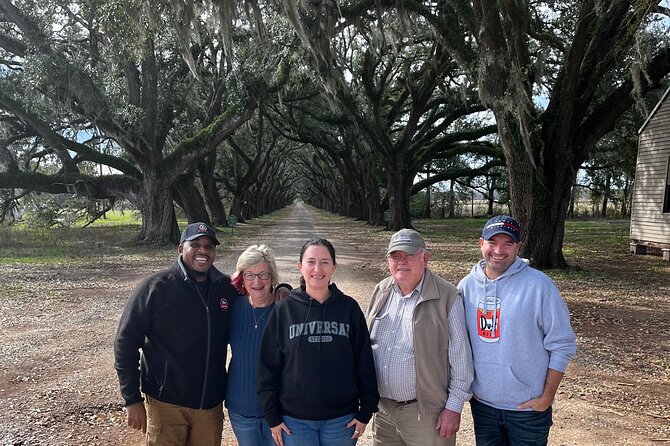
The city portion includes a look at neighborhoods affected by Hurricane Katrina. Your guide may point out the aftermath of the disaster and the places where flood protection failed. One route has included the Ninth Ward and the levee wall breach, allowing you to see how the storm changed a neighborhood rather than hearing about it as an abstract event.
This stop is valuable because Katrina is still part of New Orleans’s present. The storm was not only a weather event. It exposed unequal protection, displacement, damaged homes, and long recovery periods. Seeing the affected areas adds physical scale to a subject that is often reduced to television images.
The drawback is that this is a drive-by or short-stop format, not a long neighborhood walk. You should expect an overview shaped by the route and traffic. The guide’s explanation is what makes the stop useful, so listen closely and ask questions if time allows.
Studio BE, art with a clear point of view
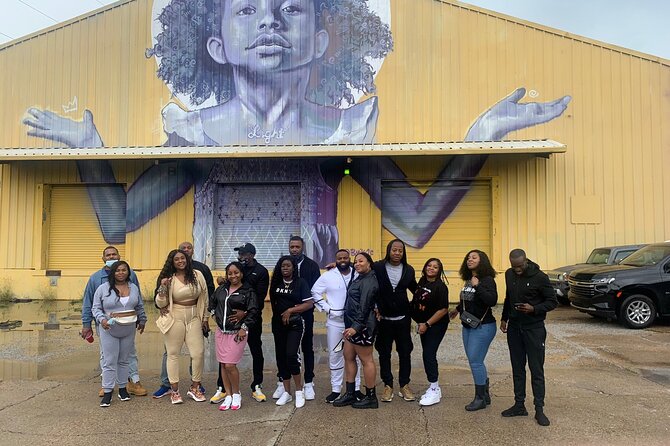
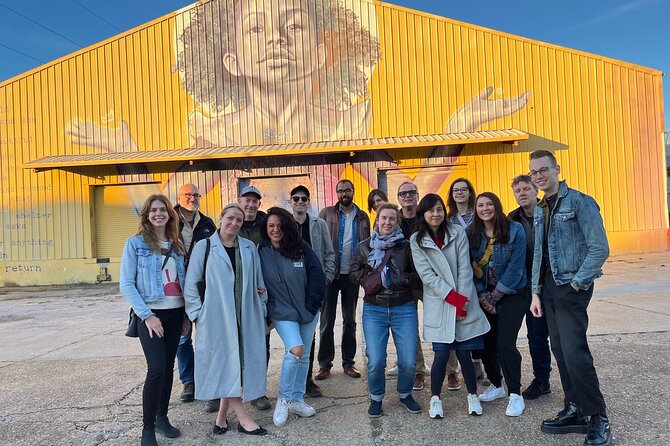
Studio BE is a short stop, about 15 minutes. Since 2016, it has served as an art space and cultural destination, with work aimed at community, identity, and the future of New Orleans.
Because the visit is brief, do not expect a full gallery program. Think of it as a concentrated introduction to an artist-led space and the voices it supports. The stop works well in this tour because it shifts the day from historic sites to living culture.
I appreciate that Studio BE is not treated as a decorative photo stop. Its purpose is to show how New Orleans artists respond to the city’s past and present. The short time may leave you wanting more, but that is a fair trade if the larger city route is your priority.
Congo Square and the roots of New Orleans music
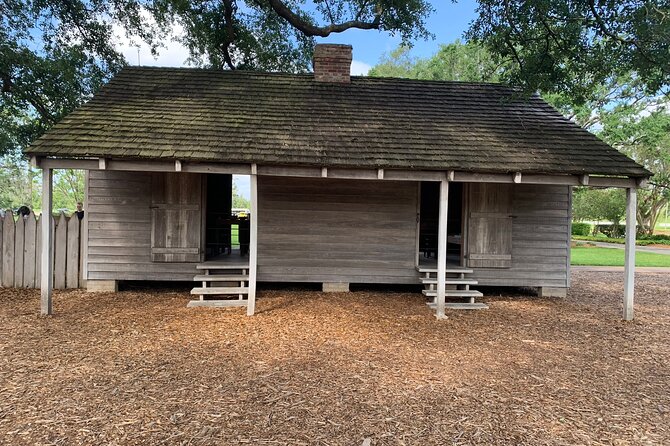
Congo Square is one of the most important places on the route. It was a gathering place where enslaved Africans maintained cultural traditions through music, dance, and storytelling. Those traditions helped form the rhythmic foundation that later influenced jazz and the wider musical identity of New Orleans.
The stop puts music in its proper historical setting. Jazz did not appear from nowhere, and it was not created only in clubs or recording studios. Its roots reach back to African traditions, public gatherings, movement, memory, and the persistence of culture under slavery.
I would give this stop your full attention even if it seems simple at first. A square may not look dramatic, but its meaning comes from what happened there and what continued afterward. The guide’s explanation helps connect the site to the music you hear elsewhere in the city.
Civil rights details that make the city personal
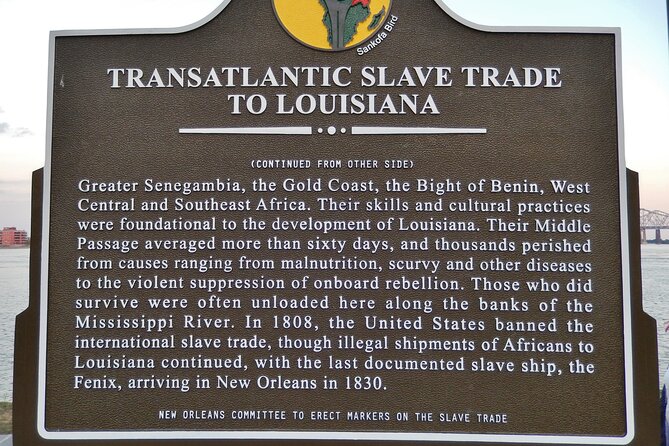
The urban portion can also include McDonogh No. 19, the school connected with the desegregation of New Orleans elementary schools. A stop connected to the Leona Tate Foundation gives the story a human scale and points to the children and families involved in the fight against segregation.
This is the kind of detail I value in a city tour. You are not only hearing broad statements about civil rights. You are being shown a particular school and the people tied to its history. The route may also include other points of interest as your guide drives through the city.
Jay has been praised for bringing strong local knowledge and energy to the city section. Jeremy has also led a route that included the Ninth Ward, the levee breach, and McDonogh No. 19. The specific guide can vary, but the quality of this part depends heavily on the person behind the microphone. Ask questions. The city portion is at its best when it becomes a conversation instead of a one-way narration.
What the $129 price really buys
At $129, this is a midrange full-day outing. The most useful part of the price is not just admission to Whitney. It is the combination of transportation, a full day of structure, and a local city guide.
If you rented a car or arranged separate transportation to the plantation, you would still need to plan the city visits yourself. This tour removes that work. It also gives you a clear way to compare plantation life with urban New Orleans history in a single day.
The value is strongest for first-time visitors, solo travelers, and anyone who wants historical context without managing a complicated route. It is less compelling if you prefer long, independent visits at each place. The 15-minute Studio BE stop, in particular, will feel short if you want time to study the artwork.
Admission fees and taxes are included. Food is not listed as included, so plan to handle meals on your own. The tour runs for eight to nine hours, so do not schedule another fixed activity immediately afterward.
Who should book this day
I would choose this tour if you want a serious introduction to New Orleans and are willing to give one full day to difficult subjects. It suits visitors who want more than the French Quarter and who value local explanation over a purely visual sightseeing loop.
It is especially good for:
- First-time visitors who want historical context early in their stay
- Solo travelers who prefer organized transportation
- People interested in slavery, civil rights, Katrina, and Black culture
- Visitors who want Whitney without renting a car
- Anyone who prefers a small shared group to a large coach
I would hesitate if you want a relaxed day with lots of free time, a live guide at Whitney, or a focus on architecture and food. The plantation audio tour may feel impersonal, and the subject matter is emotionally heavy. That is not a flaw, but you should choose the day with open eyes.
Free cancellation is available up to 24 hours before the start time for a full refund. Changes or cancellations inside that window are not accepted, and the tour needs a minimum number of participants to operate.
Should you book the Whitney and Soul of New Orleans combo?
Book it if you want New Orleans history placed in context. Whitney gives you a direct look at slavery and remembrance, while Congo Square, Studio BE, Katrina sites, and civil rights landmarks show how the city’s past continues to shape its people and culture.
The strongest part is the city guiding, especially when Jay, Jeremy, or another local guide connects a school, levee, neighborhood, or public square to the larger story. The main compromise is Whitney’s self-guided format and the long, tightly planned day.
For $129, I think the combo is a fair value for a first visit, particularly if hotel pickup saves you the trouble of arranging transport. Bring water, wear comfortable shoes, keep your schedule open, and be ready for a thoughtful day rather than a light sightseeing excursion.
FAQ
How long does the Whitney Plantation and Soul of New Orleans tour last?
The experience lasts approximately eight to nine hours, beginning with morning pickup and continuing through the plantation and New Orleans city stops.
What time does pickup begin?
Pickup occurs between 8:00 and 8:30 AM. You should be outside your hotel by 8:00 AM, since timing can vary with multiple hotel stops.
Where can I meet the tour if I am not using hotel pickup?
The central meeting point is the parking lot at 414 Canal Street, New Orleans, Louisiana 70130. Select parking lot when searching for the pickup option.
Is the Whitney Plantation visit guided?
Whitney Plantation uses a self-guided audio tour. The New Orleans city portion is led by a guide, with Jay and Jeremy among the guides who have led this experience.
What is included in the price?
The price includes an air-conditioned vehicle, Whitney Plantation admission, and all fees and taxes. A restroom on the vehicle is not included.
Can I cancel for a full refund?
Yes. You can cancel at least 24 hours before the experience start time for a full refund. Cancellations or changes made less than 24 hours before the start time are not accepted.
Just added around New Orleans
- Whitney Plantation Tour with Transportation★ 4.0 · 29 reviews
- St. Joseph and Felicity Plantation Combo Tour★ 5.0 · 4 reviews
- St. Joseph Plantation Tour★ 4.5 · 30 reviews
- Two Plantation Tour: Oak Alley and Laura or Whitney★ 5.0 · 7 reviews
- Private Airboat Ride and Plantations Tour with Gourmet Lunch from New Orleans★ 5.0 · 50 reviews
- Small Airboat and Oak Alley Plantation Tour from New Orleans★ 4.5 · 23 reviews
- N’awlins Luxury: Laura, Oak Alley or Whitney Plantation Tour w/Transportation★ 4.5 · 46 reviews
- New Orleans Plantation Tour with Transportation★ 5.0 · 9 reviews
New Orleans Farm Tours, compared.
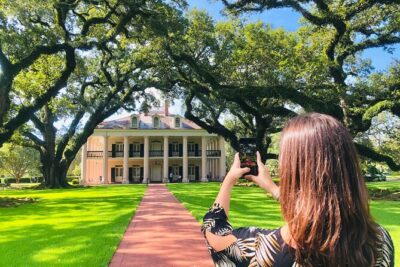
Swamp Boat Ride and Oak Alley Plantation Tour from New Orleans
Read our review →
Oak Alley Plantation Tour with Transportation from New Orleans
Read our review →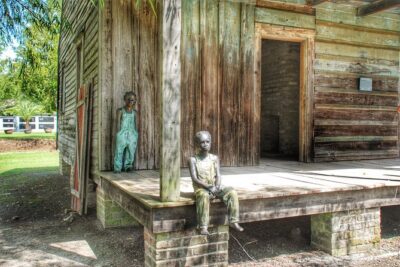
Whitney Plantation Tour with Transportation from New Orleans
Read our review →

Airboat and Plantations Tour with Gourmet Lunch from New Orleans
Read our review →
Bayou Swamp Tour and Oak Alley Plantation Tour
Read our review →
Oak Alley Plantation and Large Airboat Swamp Tour from New Orleans
Read our review →
Browse the lists this tour appears in