
Review · NEW ORLEANS
New Orleans Plantation Tour with Transportation
The most striking part of this tour is the contrast between plantation beauty and plantation reality. You may walk beneath Oak Alley’s 28 giant live oaks, then hear about enslaved families, labor, and the forced system that paid for those grand homes. That contrast is the point, not a side note.
I like the private hotel pickup, which removes a major hassle from a half-day outside New Orleans. I also like Laura Plantation’s use of thousands of archival pages and the stories of seven generations of Creole residents. The main drawback is the price, $297.50 per person, and the short schedule. The listed timing also needs clarification, since Laura’s tour is described as 70 minutes while the admission block is shown as 1 hour 30 minutes.
Key points to know before booking
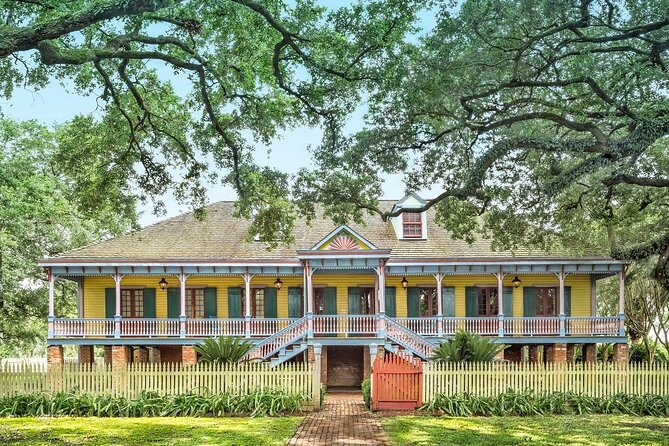
- Laura Plantation gives the tour its strongest human focus, with stories of free and enslaved Creole families.
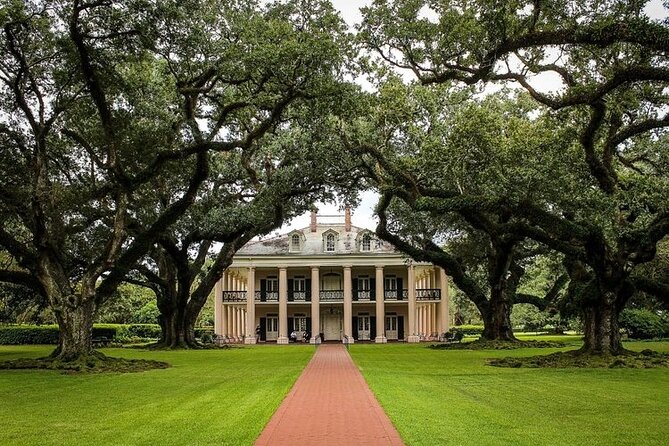
- Oak Alley supplies the famous view, a quarter-mile avenue lined with 28 huge live oaks.
- Evergreen preserves 22 slave cabins, still arranged in their original double row.
- Private transportation starts at your New Orleans address, within city limits, at 9:00 am.
- Benjamin is praised for local history, while Pam is noted for lively storytelling at Laura Plantation.
- The $297.50 price buys privacy and transport, but the brief 3-hour-30-minute format may feel costly if you want a slow visit.
Why the contrast matters along River Road
Plantation tours can easily become a parade of white columns, old furniture, and pretty trees. This experience has the chance to do more. Its strongest material concerns the people who lived and worked on these properties, including enslaved workers whose labor made the plantation economy possible.
That is especially clear at Laura Plantation. The site uses 5,000 pages of documents from the French National Archives to tell the story of seven generations of Creole inhabitants. You are not only looking at a house. You are being asked to connect the rooms, gardens, cabins, and work spaces with the families who occupied them.
The setting is also visually powerful. Oak Alley is famous for the quarter-mile approach of 28 live oaks, and Evergreen has enormous trees of its own. The beauty is real, but it should not soften the facts. A thoughtful visit holds both ideas together: these are handsome historic properties, and they were built within a harsh system of forced labor and racial control.
More Plantation Tours in New Orleans
- Swamp Boat Ride and Oak Alley Plantation Tour from New Orleans
★ 5.0 · 3,303 reviews - Oak Alley Plantation Tour with Transportation from New Orleans
★ 4.5 · 1,747 reviews - Whitney Plantation Tour with Transportation from New Orleans
★ 4.5 · 1,351 reviews
Leaving New Orleans by private vehicle
Pickup begins at 9:00 am from a location of your choice within New Orleans city limits. For you, the useful part is simple: you do not need to arrange a rental car, find a meeting point outside the city, or navigate plantation roads yourself.
The experience is private, so only your group takes part. That gives you a quieter setting for questions and discussion than a large coach tour. It also makes the outing more personal if you are traveling with family or friends who want to set their own pace within the fixed schedule.
The tour is offered in English and includes a mobile ticket. Service animals are allowed, and the experience is near public transportation. Most people can participate, though the supplied information does not describe the amount of walking, vehicle type, or specific mobility arrangements. If those details matter to you, ask before paying.
The total duration is listed as approximately 3 hours and 30 minutes. That is a compact window for several plantation properties, so do not expect a leisurely afternoon at every site. The schedule appears designed to give you a strong introduction, not an unhurried examination of each building.
Oak Alley and the avenue of 28 live oaks
Oak Alley is known as The Grand Dame of River Road. The house was built in 1839 and first named Bon Séjour, a French phrase meaning pleasant sojourn. Its better-known name came from the quarter-mile avenue of 28 giant live oaks leading toward the house.
That approach is the visual centerpiece. If you have seen photographs of Louisiana plantations, there is a good chance you have seen this tree-lined view. It gives you an immediate sense of scale and ceremony before you even consider the house itself.
The practical catch is that the supplied schedule does not assign a separate visit length to Oak Alley. It appears as part of the route, but you should confirm whether your time there is a walk, a photo stop, a guided visit, or a view from the grounds. This matters because the tour also includes Laura Plantation and references Evergreen Plantation and St. Joseph details within a tight half-day.
Oak Alley is likely to appeal most to you if grand architecture and historic scenery are high on your list. If your main interest is the daily life of enslaved people, Laura and Evergreen offer more specific material to consider.
Laura Plantation and seven generations of Creole life
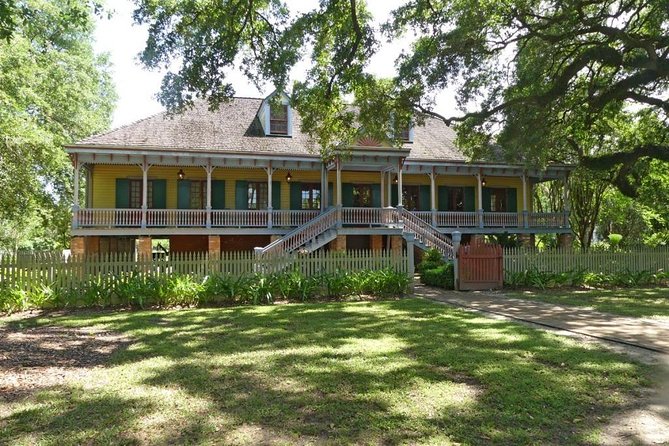
Laura Plantation is the most substantial stop described in the experience. Its tour draws on 5,000 pages of documents connected with the free and enslaved families who lived there. Guides present the lives of seven generations of Creole inhabitants, giving the visit a family and community focus rather than treating the property as a single owner’s monument.
You can explore the restored Manor House, formal and kitchen gardens, Banana-Land grove, Creole cottages, and slave cabins. Eleven structures are listed on the National Register. That range matters because the plantation story is spread across the whole property. The kitchen, cottages, gardens, and cabins help you think about work and daily life, not only the polished front rooms.
The site is also linked to the West African stories that enslaved people told folklorist Alcée Fortier in the 1870s. Those stories later became known in English as the tales of Br’er Rabbit. This gives Laura Plantation a cultural importance beyond its architecture. The place connects plantation life with oral tradition, African heritage, and the way stories can survive even when the people who created them were denied freedom.
The timing needs a close look. Laura’s description gives a 70-minute tour, while the admission section lists 1 hour 30 minutes. That may mean the longer block includes time for entering, walking the property, or seeing the grounds. It may also be a simple difference in how the schedule is recorded. I would confirm the actual plan with La Vie before booking, especially if you want a full visit rather than a quick pass through.
Pam is identified as a storyteller at Laura Plantation, and Benjamin is praised for explaining New Orleans and regional history. The combination could work well: one guide provides the wider context during the drive, while the plantation guide brings the property’s personal stories to life.
More Plantation Tours in the USA
- Laura Creole Plantation Guided Tour
★ 5.0 · 1,279 reviews - Airboat and Plantations Tour with Gourmet Lunch from New Orleans
★ 4.5 · 1,246 reviews - New Orleans: Bayou Swamp Tour and Oak Alley Plantation Tour
★ 4.7 · 1,147 reviews - New Orleans: Oak Alley Plantation & Airboat Swamp Combo Tour
★ 4.7 · 906 reviews
Evergreen and the surviving slave quarters
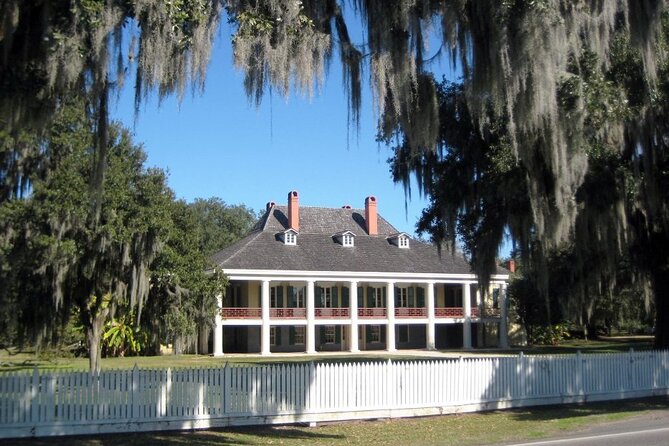
Evergreen Plantation is described as the South’s most intact plantation complex. The detail that matters most is not the grand home. It is the survival of 37 buildings on the National Register of Historic Places, including 22 slave cabins in their original double-row arrangement.
That layout can help you understand the physical organization of plantation labor. The cabins are not an abstract reference to slavery. They are buildings you can see, placed in relation to one another and to the rest of the complex. The setting gives you a clearer sense of how the people who worked the plantation were housed and separated from the main residence.
The supplied details also refer to St. Joseph, a home with 16 rooms, double-wide French doors for cross-ventilation, and cypress plank floors polished through years of waxing. Four large live oaks shade the backyard well. An iron syrup kettle, about 10 feet wide, several slave quarters, a detached kitchen, and traces of a narrow-gauge railroad used to carry sugar cane are also part of the picture.
These details show how a sugar plantation functioned. The home’s doors and floors speak to domestic life, while the kettle, kitchen, quarters, and rail line point to production and labor. You get a better understanding when the elegant house is considered alongside the tools and buildings that supported it.
The itinerary does not clearly say how long you spend at Evergreen or St. Joseph. Treat these portions as possible included sights rather than assume a full guided tour at each one. The schedule may involve a short stop or an explanation from the vehicle. Confirm this if Evergreen is the main reason you want to book.
The live oaks are more than a photo backdrop
The trees deserve attention, but not simply because they look good in photographs. The property is said to have 16 registered live oaks, some named for family members. The largest has a girth of 23 feet, and officials estimate the trees at about 300 years old.
Four of the largest trees shade the St. Joseph backyard well. That small detail helps anchor the old property in practical life. A well, kitchen, syrup kettle, and quarters tell you more about how a plantation worked than a row of portraits alone.
At Oak Alley, the trees create a formal entrance. At St. Joseph, they shade a working part of the property. These are different ways to read the same natural feature. You can enjoy the scenery while also asking who planted, maintained, and lived beneath those trees.
What the guide can add to the day
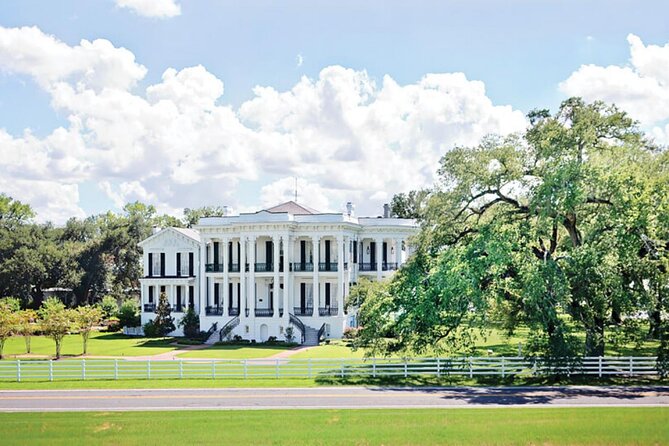
The guide can make or break a plantation visit because the buildings do not explain themselves. Benjamin is described as friendly, helpful, and strong on New Orleans history, local customs, and cultural origins. That suggests the drive may be as useful as the stops, particularly if you want to connect plantation society with the city you are visiting.
Pam is associated with Laura Plantation and is praised for entertaining storytelling. That matters at a site built around personal accounts and oral tradition. You want the stories to remain human and specific, not reduced to a list of dates and owners.
The experience is private, so you can ask about Creole identity, the difference between free and enslaved families, plantation labor, the cabins, or the connection between African storytelling and Br’er Rabbit. The exact guide assignment is not guaranteed in the supplied details, so regard Benjamin and Pam as examples of the people connected with the tour rather than promised names.
Is $297.50 a fair price?
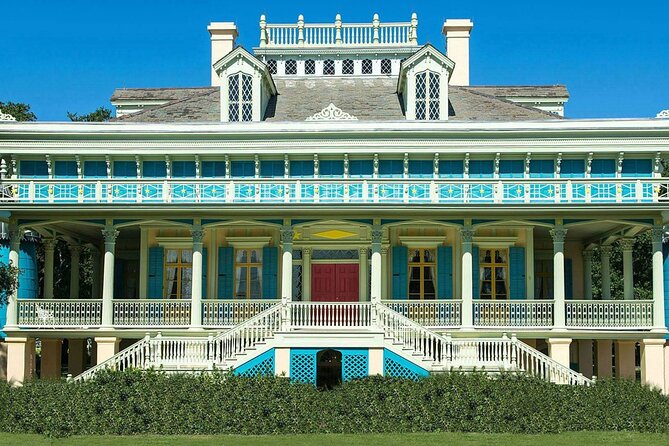
At $297.50 per person, this is not a budget plantation outing. The price makes more sense if you place a high value on private transportation, hotel pickup, a private group, and a guide who can give context throughout the day.
You are paying for convenience as much as admission. Getting from New Orleans to plantation country on your own would require transportation planning, and some of these properties are difficult to combine without a car. A private vehicle also saves you from spending the day with a large group.
The value is weaker if you mainly want extended time at one plantation. Three hours and 30 minutes is short for Oak Alley, Laura, Evergreen, and related sites. You may appreciate the range, but you will need to accept a brisk pace and possible limits on how long you stay at each location.
For two people, the total cost is $595 before any other personal spending. That is a serious addition to a New Orleans trip. I would choose it for the combination of history, private transport, and several different plantation settings, not for one property alone.
Who will get the most from this tour?
This suits you if you want a guided introduction to plantation country without renting a car. It is also a good fit for a small family or friend group that prefers private transport and wants to ask questions along the way.
You will likely get the most from it if you care about the human record of Creole plantation life, the history of slavery, and the relationship between grand homes and working quarters. Laura Plantation is particularly useful for that focus.
It may be less suitable if you dislike a tight schedule or want a long, quiet visit at every property. It may also disappoint if you expect the full listed details for Oak Alley and Evergreen to mean separate, extended tours. Ask for the exact stop-by-stop timing before booking.
The cancellation rule is strict: the experience is non-refundable and cannot be changed for any reason. Since confirmation is sent within 48 hours, subject to availability, make sure your date and pickup location are settled before you commit.
Should you book it?
Book this tour if you want a private, history-focused half-day with transportation from New Orleans and a guide who can connect the plantations to Creole culture, slavery, labor, and local life. Laura Plantation gives the experience its clearest purpose, while Oak Alley supplies the famous view and Evergreen adds an unusually complete group of surviving buildings.
Think twice if $297.50 feels high for a short outing or if you need guaranteed long visits at every named property. Before paying, ask how Oak Alley and Evergreen fit into the 3-hour-30-minute schedule and whether Laura’s visit is 70 minutes or 1 hour 30 minutes. If those answers suit you, this is a thoughtful way to see plantation country without treating it as mere scenery.
FAQ
Where does the tour pick up?
Pickup is offered from a location of your choice within New Orleans city limits.
What time does the tour begin?
The stated start time is 9:00 am.
How long does the experience last?
The tour lasts approximately 3 hours and 30 minutes.
Is the transportation private?
Yes. This is a private activity, and only your group participates.
Which plantation has the 70-minute guided visit?
Laura Plantation has a tour described as lasting 70 minutes. The admission section also lists a 1 hour 30 minute block, so you should confirm the exact timing before booking.
Is the tour offered in English?
Yes. The experience is offered in English.
Can I cancel for a refund?
No. The experience is non-refundable and cannot be changed for any reason.
Just added around New Orleans
- Whitney Plantation Tour with Transportation★ 4.0 · 29 reviews
- Whitney Plantation and Soul of New Orleans City Tour Combo★ 5.0 · 13 reviews
- St. Joseph and Felicity Plantation Combo Tour★ 5.0 · 4 reviews
- St. Joseph Plantation Tour★ 4.5 · 30 reviews
- Two Plantation Tour: Oak Alley and Laura or Whitney★ 5.0 · 7 reviews
- Private Airboat Ride and Plantations Tour with Gourmet Lunch from New Orleans★ 5.0 · 50 reviews
- Small Airboat and Oak Alley Plantation Tour from New Orleans★ 4.5 · 23 reviews
- N’awlins Luxury: Laura, Oak Alley or Whitney Plantation Tour w/Transportation★ 4.5 · 46 reviews
New Orleans Farm Tours, compared.
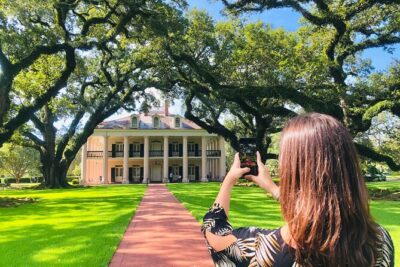
Swamp Boat Ride and Oak Alley Plantation Tour from New Orleans
Read our review →
Oak Alley Plantation Tour with Transportation from New Orleans
Read our review →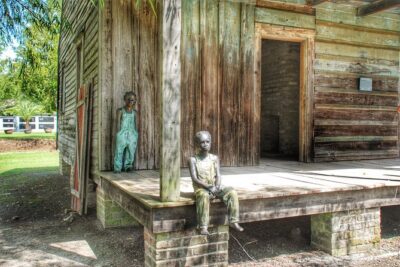
Whitney Plantation Tour with Transportation from New Orleans
Read our review →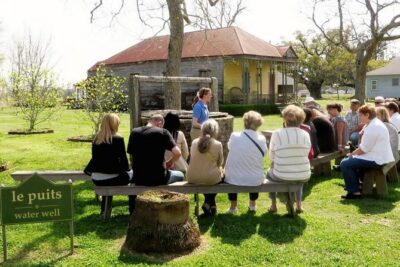

Airboat and Plantations Tour with Gourmet Lunch from New Orleans
Read our review →
Bayou Swamp Tour and Oak Alley Plantation Tour
Read our review →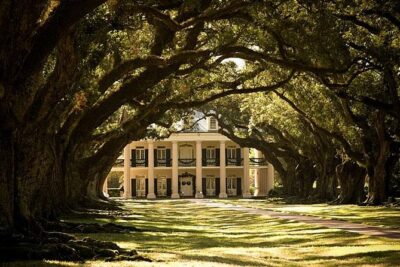
Oak Alley Plantation and Large Airboat Swamp Tour from New Orleans
Read our review →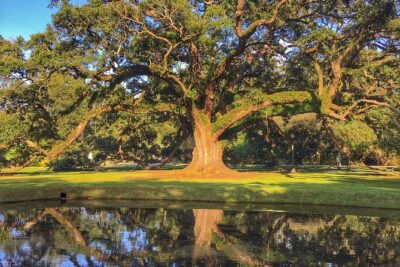
Browse the lists this tour appears in