
Review · NEW ORLEANS
Whitney Plantation Tour with Transportation
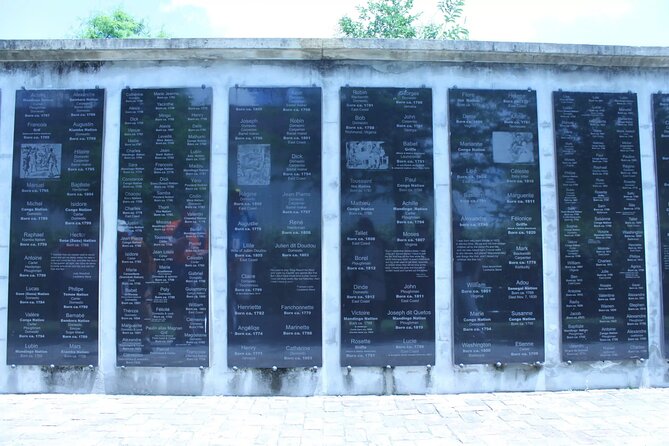
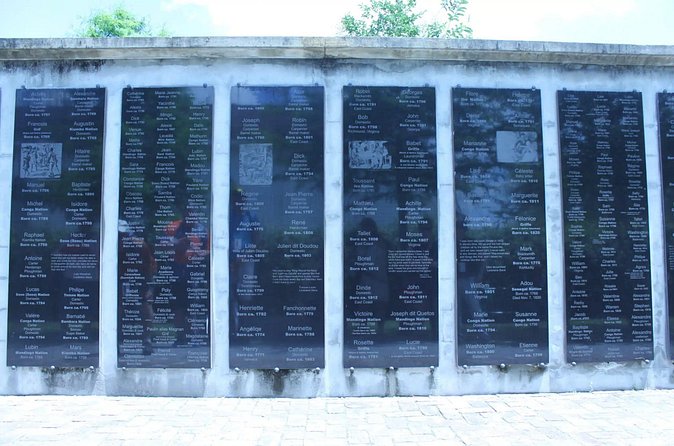
Whitney Plantation is not a pretty-house plantation visit. It is a serious place of remembrance, built around the lives of people who were enslaved there. You’ll walk among original slave cabins, old sugar cane fields, memorials, and exhibits that explain the work and suffering behind plantation wealth.
I like the three hours on the grounds, which gives you time to move at a thoughtful pace, and I like having roundtrip transport from New Orleans included. The main caution is the ride itself: one review describes a very cold bus and an unpleasant driver, so bring a light layer even on a warm Louisiana day.
Key points to know
- The focus is slavery and remembrance: Whitney Plantation centers the people who were enslaved there, not just the plantation owners or architecture.
- Original buildings and artifacts remain: You can see slave cabins, clothing, tools, furniture, and sugar cane fields.
- The audio guide sets the pace: The tour is offered in English and includes a narrated guide full of historical detail.
- Plan on 5 hours and 30 minutes: About three hours are spent at Whitney Plantation, with the rest used for transport.
- Pickup begins at 12:30 p.m.: Meet at the bus loading area of Homewood Suites by Hilton New Orleans French Quarter.
- The total cost is higher than the headline price: The $89.55 fare has a 7.9 percent processing fee added, bringing it to about $96.62.
Why Whitney Plantation feels different
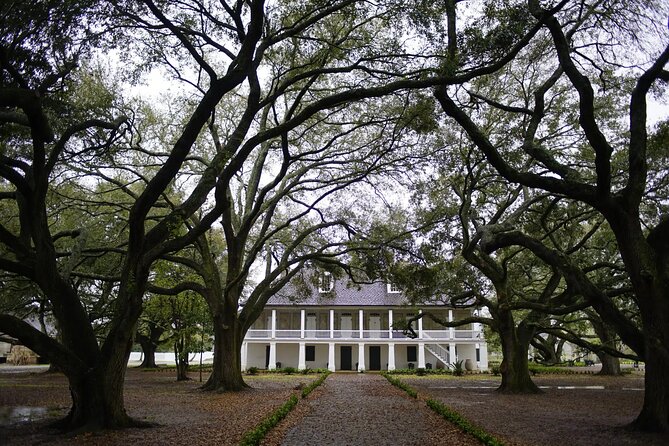
Many plantation visits in Louisiana place the grand house at the center. Whitney Plantation takes a different path. Its purpose is to explain slavery through the people who were forced to live and work there, along with the lasting effect on their descendants.
That changes how you read the grounds. A cabin is not just an old wooden building. Clothing and tools are not just museum objects. Each item helps show the daily demands placed on enslaved people and the limits imposed on their lives.
The plantation was founded in 1752. That date gives the site a long historical reach, but the visit is not a dry timeline lesson. The audio guide connects the buildings, fields, objects, and memorial spaces to the people who lived, worked, and died there.
I would set aside any expectation of a light afternoon outing. The subject is painful, and some parts may be hard to hear. That is also the reason many people choose this visit: it gives slavery a clear physical setting rather than leaving the subject as an abstract chapter in a textbook.
More Plantation Tours in New Orleans
- Swamp Boat Ride and Oak Alley Plantation Tour from New Orleans
★ 5.0 · 3,303 reviews - Oak Alley Plantation Tour with Transportation from New Orleans
★ 4.5 · 1,747 reviews - Whitney Plantation Tour with Transportation from New Orleans
★ 4.5 · 1,351 reviews
Leaving New Orleans at 1 p.m.
The meeting point is the bus loading area at Homewood Suites by Hilton New Orleans French Quarter, 317 North Rampart Street. The scheduled start is 1 p.m., but pickup begins at 12:30 p.m., and you are asked to allow 30 minutes for arrival.
I would treat 12:30 p.m. as the time to be ready, not the time to begin walking toward the hotel. Look for a sign with the company name. Since this is a shared vehicle, arriving late could create trouble for both you and the group.
The transport is in an air-conditioned vehicle, and the maximum group size is 25 people. That is small enough to avoid a huge coach crowd, though it is still a group outing rather than a private visit. The ride also accounts for a large part of the day, since only about three of the five and a half hours are spent at the plantation.
Bring water, sunscreen, and comfortable clothing suited to the Louisiana weather. The grounds include outdoor walking, so practical shoes matter more than anything stylish. I would also pack a light sweater or shirt for the bus, since one account describes the air conditioning as extremely cold.
Three hours among cabins, fields, and memorials
Whitney Plantation gives you about three hours to explore. That is a useful amount of time. You are not rushed through a quick photo stop, but you also are not committed to an entire day away from New Orleans.
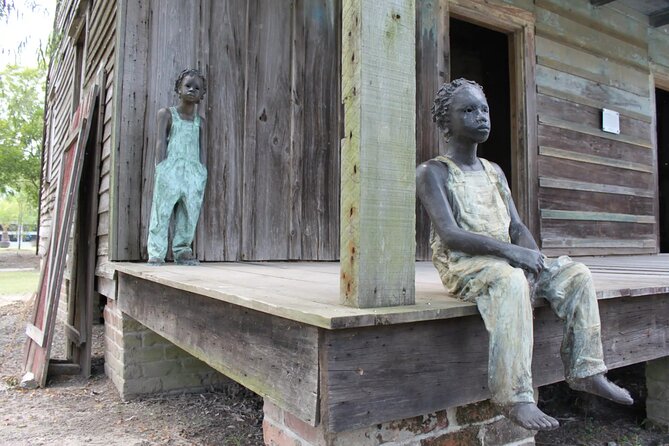
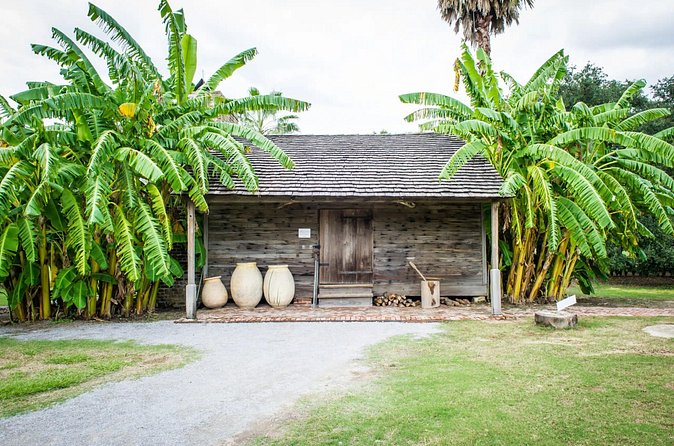
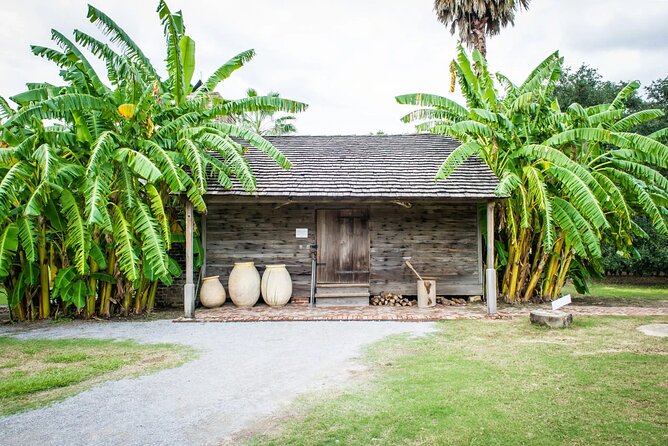
The original slave cabins are among the most important parts of the visit. They make the physical conditions of plantation life easier to understand, though no building can fully convey the human cost of slavery. Take your time here, and listen closely to the audio guide rather than treating the cabins as background scenery.
The exhibits include clothing, tools, and furniture. These objects help explain both labor and daily life. Tools point to the work demanded in the fields. Clothing and furniture offer a more personal sense of how people lived within a system that denied them basic freedom.
You will also see old sugar cane fields. The fields connect the plantation economy to the labor that sustained it. This is one of the site’s useful qualities: the story is told not only indoors through displays, but also outside, where the work took place.
The plantation includes a chapel that offers spiritual guidance for descendants of enslaved people still living in the area. It adds another layer to the visit, shifting attention from the past alone to the people and communities connected to that past today.
The audio guide and your pace
The narrated audio guide is central to the experience. No individual guide’s name is provided, so you should expect a recorded presentation rather than a live, question-and-answer tour. The benefit is control: you can listen as you walk and spend more time at the parts that matter most to you.
An audio guide also means you need to stay alert to your own route and timing. There is no live guide constantly gathering the group or adjusting the explanation to your questions. If you prefer a personal conversation with a historian, this format may feel limited.
For many people, though, the arrangement works well. The subject requires time for thought, and you can move without feeling that every stop is being hurried along. I would bring your own headphones only if the tour’s equipment instructions allow them, since the supplied information does not specify the audio setup.
The tour is offered in English. If you need another language, this experience is not presented as an option for that.
More Plantation Tours in the USA
- Laura Creole Plantation Guided Tour
★ 5.0 · 1,279 reviews - Airboat and Plantations Tour with Gourmet Lunch from New Orleans
★ 4.5 · 1,246 reviews - New Orleans: Bayou Swamp Tour and Oak Alley Plantation Tour
★ 4.7 · 1,147 reviews - New Orleans: Oak Alley Plantation & Airboat Swamp Combo Tour
★ 4.7 · 906 reviews
What the $89.55 price really covers
The listed price is $89.55 per person. A 7.9 percent processing fee is added to the payment, making the cost about $96.62 before any other possible charges. The fare includes the air-conditioned vehicle, admission, and all listed taxes and fees, so you are paying for both the site visit and the transfer from New Orleans.
That is not a low-cost plantation outing. Its value depends on how much you want the transport and the focused subject matter. If you have no car, roundtrip service removes the need to plan a route outside New Orleans. It also lets you spend the visit listening and looking instead of worrying about driving.
The price is harder to justify if you mainly want a grand plantation house, a short photo stop, or a flexible independent schedule. Whitney Plantation is a specific kind of historical visit, and the long transport window means the experience takes most of an afternoon.
I see the fare as reasonable for someone who wants admission and transportation bundled together. I would compare it with the cost and effort of arranging your own transport before booking, especially if you are traveling with several people. The included transfer has practical value, but you are also paying for the time spent on the road.
The bus ride is part of the decision
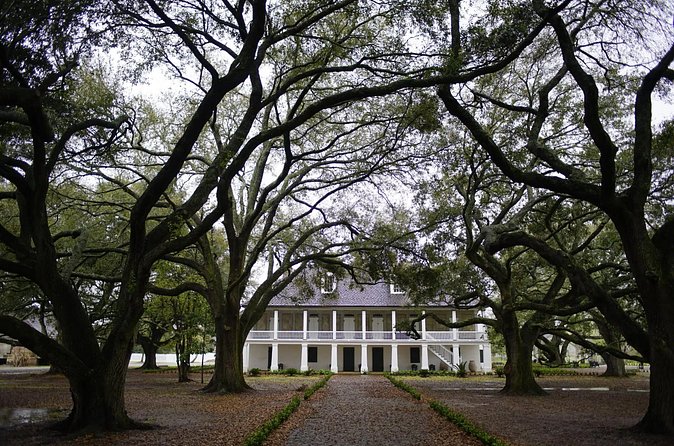
Transportation is convenient, but it is not just a footnote. The full experience lasts about five hours and 30 minutes, and the remaining time beyond the three-hour plantation visit is allocated to transport.
That means you should not schedule a tight dinner reservation or an important evening activity immediately afterward. Traffic and pickup timing can affect your return, and the tour is designed as a half-day commitment.
The bus condition deserves attention. One negative account describes a rude driver, poor attitude, and very cold air conditioning. That is only one reported experience, but it points to a real practical issue: your comfort depends partly on the vehicle and the staff member operating it.
I would bring a layer, water, and a little patience. The company is Cajun Encounters Tour Co., and service quality can shape a shared excursion as much as the destination. If you strongly dislike organized transport or have little tolerance for an uneven group experience, renting a car or arranging another option may suit you better.
What the visit does especially well
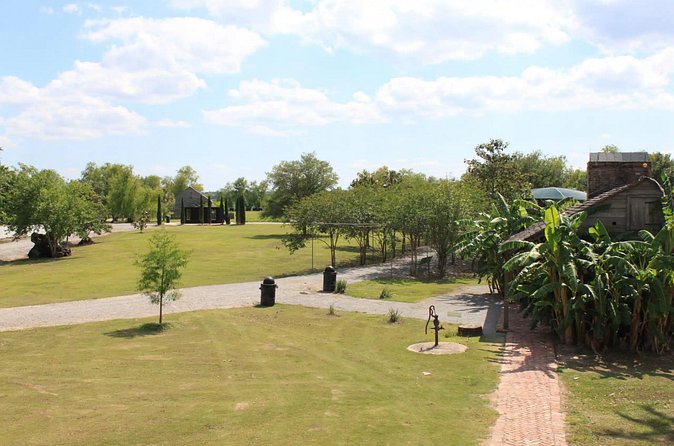
The best part of Whitney Plantation is its clear purpose. The site does not ask you to admire plantation life without facing the system that made it possible. Instead, it directs attention toward enslaved people, their work, their living spaces, and the people affected by that history today.
The physical remains support that purpose. Original cabins, fields, tools, clothing, and furniture offer more than decoration. They help you picture how plantation labor operated and how sharply daily life differed between those who owned the land and those forced to work it.
The setting also allows quiet reflection. A walking visit through cabins and outdoor areas has a different effect than a short museum stop. You can pause, listen to the narration, and think about the connection between the buildings and the human stories being told.
The chapel is another strong element because it links remembrance with living descendants. The visit is not only about what happened centuries ago. It also recognizes that slavery shaped families and communities whose descendants remain in the region.
One three-star account praised the walk through the plantation as interesting, especially the chance to learn how people lived, what work they did, and how the houses and church fit into plantation life. That is a good description of the experience’s practical strength: the grounds give you several physical points of reference for a difficult subject.
Limits you should understand before booking
Whitney Plantation is not designed as carefree entertainment. If you want lively storytelling, decorative gardens, or a polished mansion tour as the main attraction, this may not match your plans.
The audio format can also feel less personal than a live historian. You cannot ask the recording a follow-up question, and the experience depends on how much attention you give the narration. I would choose this tour because of its subject and setting, not because it promises a highly interactive guide.
The transport time is another limitation. Five and a half hours is a sizable block of your New Orleans schedule, while roughly three hours are spent at the plantation itself. That ratio makes the tour convenient for people without a car, but less appealing to anyone who wants maximum time at the site.
The service record is mixed. The overall rating is 4.1 from 29 reviews, which suggests that many bookings go well, but the specific complaint about a cold vehicle and rude service should not be ignored. You cannot control the driver’s personality, but you can prepare for the temperature and arrive early enough to reduce pickup stress.
Who should book this plantation visit
I would recommend it to you if you want a serious, slavery-focused historical experience and need transport from New Orleans. It suits people who appreciate self-guided visits, outdoor walking, and time to consider difficult material without a constant live presentation.
It is also a good fit if you want the practical simplicity of one booking that covers transport and admission. A group of up to 25 people keeps the outing from becoming enormous, though it will not feel private.
Families with older children or teenagers may find the site valuable, but parents should decide if the subject is suitable for their children. The experience deals directly with slavery and death, so it calls for maturity and attention.
I would hesitate to recommend it to you if you want a quick trip, a mansion-centered plantation tour, or an evening with a fixed schedule. I would also think twice if uncomfortable bus conditions or an impersonal audio guide would spoil the day for you.
Booking, cancellation, and access details
Confirmation is provided at booking, and mobile tickets are accepted. Service animals are allowed, and most people can participate according to the supplied details.
Free cancellation is available if you cancel at least 24 hours before the 1 p.m. start time. Cancellations or changes made within 24 hours are not refunded or accepted. The cut-off follows local time.
The tour requires good weather and a minimum number of participants. If poor weather or low bookings cancel the outing, you are offered another date or experience, or a full refund.
Should you book the Whitney Plantation tour?
Book it if you want a direct look at slavery through original buildings, objects, working fields, and a thoughtful audio presentation. The included ride from New Orleans makes the visit easy to arrange, and three hours on the grounds gives the subject room to breathe.
Skip it if you want a light sightseeing trip, a grand-home tour, or complete control over timing. The added processing fee, long transport period, and mixed bus-service report are worth weighing.
For the right person, this is a valuable and sobering half-day. Go prepared for heat outside, cold air conditioning inside the vehicle, and a subject that deserves your full attention.
FAQ
Where does the Whitney Plantation tour leave from?
Pickup is at the bus loading area of Homewood Suites by Hilton New Orleans French Quarter, 317 North Rampart Street, New Orleans. Look for a sign with the company name.
What time should I arrive for pickup?
The scheduled start is 1 p.m., but pickup begins at 12:30 p.m. You should allow 30 minutes for arrival and be ready at the meeting point during the pickup window.
How long does the entire experience last?
The experience lasts about five hours and 30 minutes. About three hours are spent at Whitney Plantation, with the remaining time used for transportation.
What is included in the price?
The price includes an air-conditioned vehicle, admission, and all listed taxes and fees. A 7.9 percent processing fee is added to the payment.
Is the tour offered in languages besides English?
The experience is offered in English. No other language option is provided in the tour details.
Can I cancel for a refund?
Yes. You can cancel at least 24 hours before the experience start time for a full refund. Cancellations or changes made less than 24 hours before the start time are not refunded or accepted.
Just added around New Orleans
- Whitney Plantation and Soul of New Orleans City Tour Combo★ 5.0 · 13 reviews
- St. Joseph and Felicity Plantation Combo Tour★ 5.0 · 4 reviews
- St. Joseph Plantation Tour★ 4.5 · 30 reviews
- Two Plantation Tour: Oak Alley and Laura or Whitney★ 5.0 · 7 reviews
- N’awlins Luxury: Laura, Oak Alley or Whitney Plantation Tour w/Transportation★ 4.5 · 46 reviews
- Private Airboat Ride and Plantations Tour with Gourmet Lunch from New Orleans★ 5.0 · 50 reviews
- Small Airboat and Oak Alley Plantation Tour from New Orleans★ 4.5 · 23 reviews
- New Orleans Plantation Tour with Transportation★ 5.0 · 9 reviews
New Orleans Farm Tours, compared.

Swamp Boat Ride and Oak Alley Plantation Tour from New Orleans
Read our review →
Oak Alley Plantation Tour with Transportation from New Orleans
Read our review →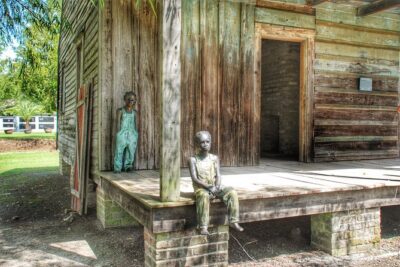
Whitney Plantation Tour with Transportation from New Orleans
Read our review →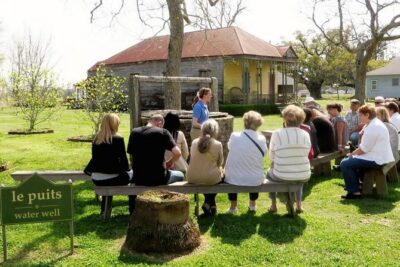

Airboat and Plantations Tour with Gourmet Lunch from New Orleans
Read our review →
Bayou Swamp Tour and Oak Alley Plantation Tour
Read our review →
Oak Alley Plantation and Large Airboat Swamp Tour from New Orleans
Read our review →
Browse the lists this tour appears in