
Review · NEW ORLEANS
St. Joseph Plantation Tour
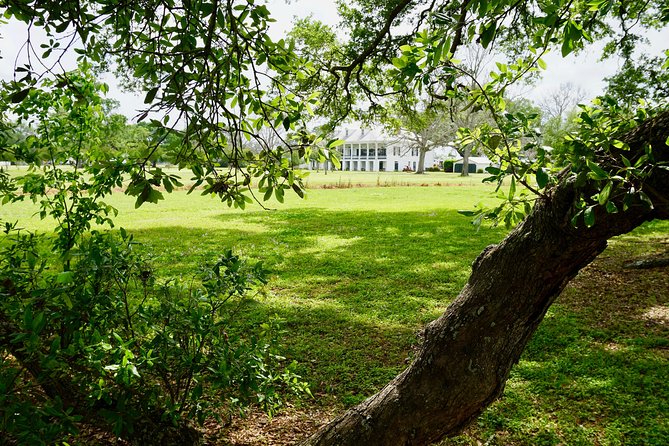
St. Joseph Plantation gives you something many historic-house tours do not: indoor photography is allowed. You can look closely at the rooms and exhibits, then take home more than a few mental snapshots. The plantation is also an active sugarcane farm, so the visit connects the old house to the working land around it.
I like the small-scale, relaxed feel and the chance to learn how sugar shaped life along River Road. I also like the reasonable $24 price, especially if you want a focused visit rather than an all-day plantation commitment. The main consideration is location and timing: this is best as part of a River Road outing, not a quick New Orleans city-center stop.
Key points to know before you go
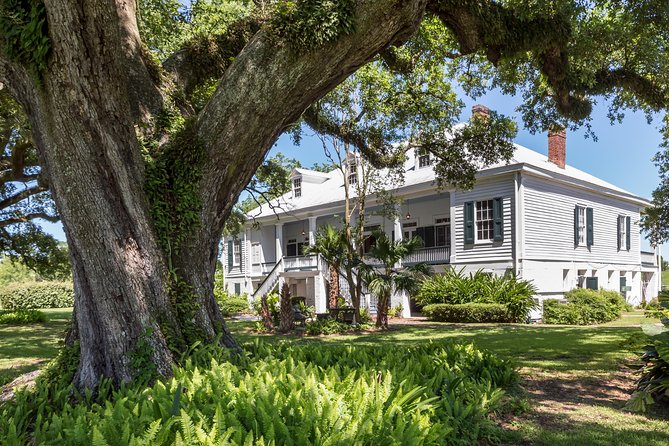
- Sugarcane remains central: St. Joseph is an authentic working sugarcane farm, not only a preserved house.
- Photos are allowed indoors: You can photograph the rooms and displays, a useful perk at a historic home.
- Plan on 1 to 2 hours: The visit fits neatly before or after another plantation stop.
- The tour is in English: Expect a guided visit focused on the home, grounds, exhibits, and sugar industry.
- The price is modest: Admission costs $24 per person, making it a practical add-on along River Road.
- The setting is less crowded: This can suit you if you prefer a quieter, more personal visit.
Why St. Joseph Plantation feels different
Many plantation tours focus on a grand house and polished grounds. St. Joseph adds another layer: it is still a working sugarcane farm. That detail matters because sugar was not a decorative side business in this part of Louisiana. It shaped the local economy, labor system, buildings, and daily life.
You are not simply looking at an old residence. You are visiting a place tied to agriculture and production. The exhibits help connect the rooms to the wider operation, giving you a clearer sense of why a plantation needed land, workers, equipment, storage, and careful timing.
The property is also tied to St. Joseph and Felicity Plantation. The family describes the home as an ancestral house purchased after the Civil War, and the visit has a more personal character than a large institutional museum. That does not mean every part of the past will be covered in equal detail, but it does give the experience a direct connection to the people who cared for the property over time.
I find that useful when comparing plantation tours. You may want a huge estate with lavish rooms, or you may prefer a more intimate stop where the agricultural story gets real attention. St. Joseph leans toward the second option.
More Plantation Tours in New Orleans
- Swamp Boat Ride and Oak Alley Plantation Tour from New Orleans
★ 5.0 · 3,303 reviews - Oak Alley Plantation Tour with Transportation from New Orleans
★ 4.5 · 1,747 reviews - Whitney Plantation Tour with Transportation from New Orleans
★ 4.5 · 1,351 reviews
A 1 to 2-hour look at the home and farm
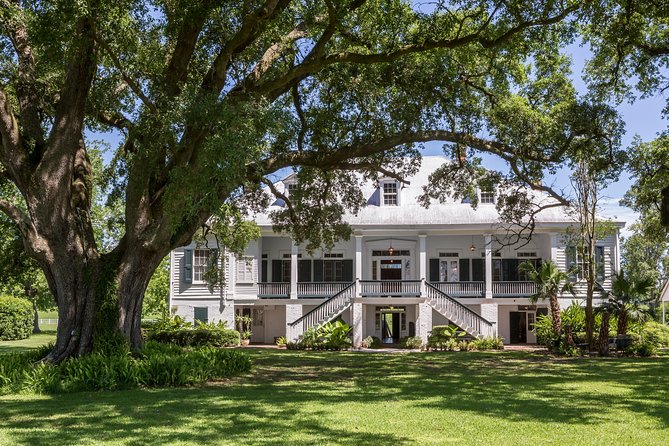
The itinerary has one main stop, St. Joseph and Felicity Plantation. That sounds simple, and it is. The visit is built around a guided look at the house, grounds, and exhibits rather than a long sequence of separate attractions.
You can expect the tour to explain life on a sugar plantation and the role of sugarcane in the area. The guide-led format gives you a chance to ask questions, which is particularly useful when the subject is unfamiliar. One strong account of the visit praised the guide for answering questions clearly and covering the subject in detail.
The length is a practical advantage. At roughly one to two hours, St. Joseph will not consume your entire day. You have enough time to get a sense of the property without needing to commit to a full-day historical program. If you are building a River Road itinerary, this makes the plantation easy to pair with another stop.
Still, do not treat the short duration as a sign that the place lacks substance. A focused visit can work well here because the key themes are clear: sugarcane, plantation life, the family home, and the grounds. Your experience will depend on the guide’s pacing and the questions you bring, so think about what you want to understand before arriving.
The sugar industry comes first
The strongest reason to visit is the chance to focus on sugar production. Louisiana plantation stories can sometimes become too centered on architecture. At St. Joseph, the farm itself helps keep agriculture in view.
You can expect exhibits that offer a look at plantation life and the sugar industry. The information is meant to show how the property functioned, not just how the house looked. That makes the visit useful for anyone who wants context about work, farming, and the economic forces that shaped the region.
The wording matters here. St. Joseph is described as an authentic working sugarcane farm, so the land is part of the present-day identity of the property. You may find that this makes the historical material easier to picture. A sugar plantation was not merely a house surrounded by fields. It was a demanding agricultural operation, and the farm connection keeps that fact close at hand.
You should also keep your expectations measured. The available information does not promise a detailed breakdown of every stage of sugar processing or a full account of plantation labor. What it does offer is a guided introduction to sugarcane farming and life on the property, supported by exhibits and the setting itself.
A historic home where you can take pictures
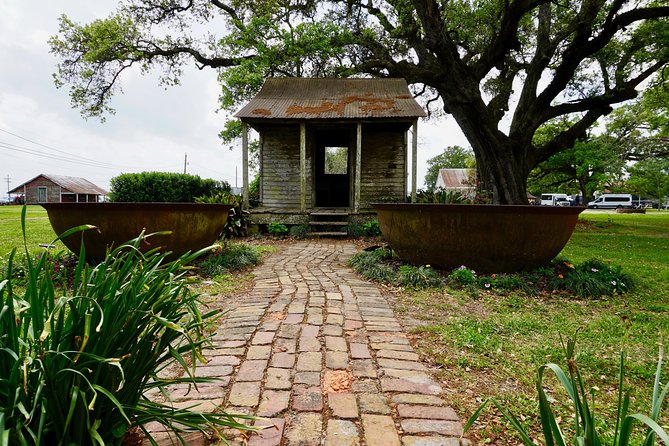
Indoor photography is one of the clearest practical perks. Many historic homes restrict cameras, sometimes because of preservation rules and sometimes to keep the tour moving. At St. Joseph, you are allowed to take pictures inside.
That changes the way you can experience the house. You can photograph a room that helps you remember the visit, capture exhibit details for later study, or record architectural features that might otherwise blur together after several stops. If you are comparing multiple plantations, those images can also help you keep the properties distinct.
Use the privilege thoughtfully. Taking pictures should not distract you from the guide or from the people around you. Since the visit is relatively short, a few deliberate photos are more useful than trying to document every corner.
The house also has a personal connection. It was purchased by the family after the Civil War and is presented as an ancestral home. That gives the interior a different frame from a house treated only as a public monument. You are seeing a residence with a continuing family link, alongside exhibits about plantation life.
More Plantation Tours in the USA
- Laura Creole Plantation Guided Tour
★ 5.0 · 1,279 reviews - Airboat and Plantations Tour with Gourmet Lunch from New Orleans
★ 4.5 · 1,246 reviews - New Orleans: Bayou Swamp Tour and Oak Alley Plantation Tour
★ 4.7 · 1,147 reviews - New Orleans: Oak Alley Plantation & Airboat Swamp Combo Tour
★ 4.7 · 906 reviews
The grounds add needed context
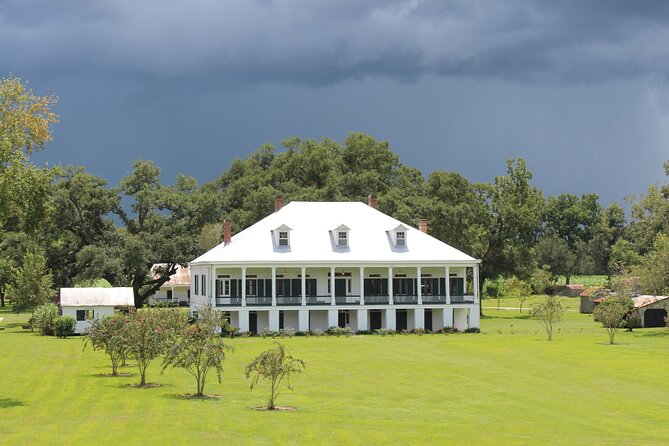
The grounds matter because they connect the home to the farm. A plantation house by itself can give you only part of the story. The surrounding property helps you think about how daily life and agricultural work existed side by side.
St. Joseph presents its grounds as part of a relaxed visit. You are not being rushed through a large attraction with a long list of separate stops. Instead, the setting supports the main story of the plantation and its sugarcane operation.
This is also where the property’s quieter character can help. If you dislike crowded attractions, a less busy setting gives you more room to look around and listen. The tradeoff is that a low-key atmosphere may feel less polished or theatrical than a major tourist site. I see that as a matter of taste, not a flaw.
You should also remember that this is a farm as well as a historic place. Conditions can vary, and the experience is not described as a formal luxury estate visit. Wear sensible footwear and dress for the local weather, though the available details do not specify a required dress code.
How the $24 price holds up
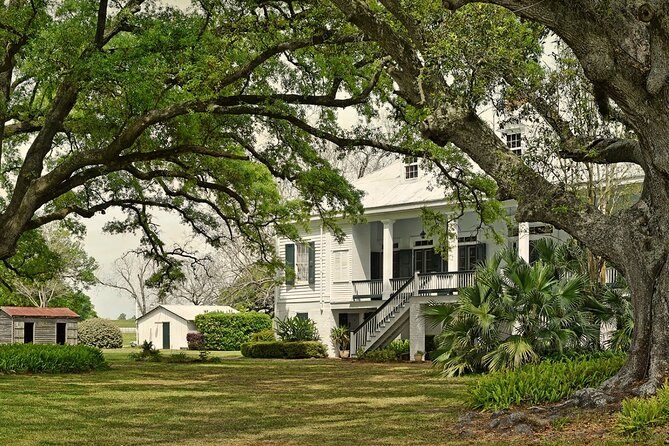
At $24 per person, St. Joseph offers good value if you want a focused historic stop. You receive admission to the plantation, home, grounds, and exhibits, along with a guided visit lasting about one to two hours.
That price works especially well as an addition to other River Road plantations. You can spend less than you would on a large, full-day attraction and still gain another perspective on plantation life. The value is strongest if you care about sugarcane farming, family ownership, and a smaller setting.
The calculation changes if you are looking only for a grand interior or a major collection of rooms. St. Joseph is not presented as a vast museum complex. Its appeal comes from the working farm, the ancestral-home connection, and the chance to see a different kind of plantation property.
I would also factor in your available time. A $24 admission is sensible when the stop fits naturally into your route. It is less attractive if reaching the property requires a long detour for you and you have little interest in the sugar industry. The tour makes the most sense as part of a broader day along River Road.
Who will get the most from this visit
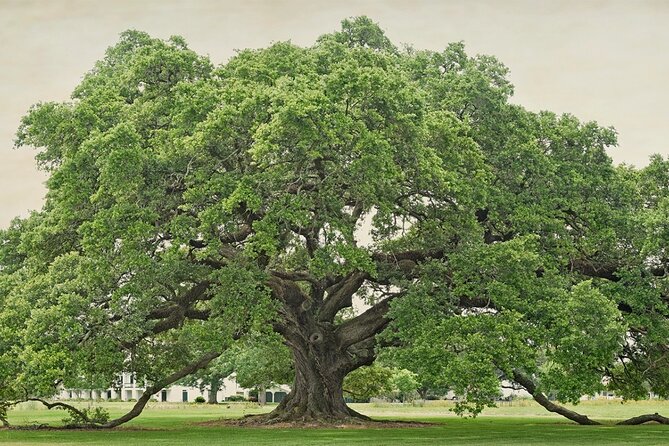
I would recommend St. Joseph to several kinds of visitors:
- History-minded visitors who want more than decorative rooms and old furniture.
- Photographers who appreciate being allowed to take pictures indoors.
- Families and mixed-interest groups who need a manageable one to two-hour stop.
- Repeat plantation visitors who want a different focus from the most famous estates.
- Budget-conscious sightseers looking for a reasonably priced addition to a River Road route.
- People who prefer quieter attractions over heavily crowded historic sites.
You may want to choose another plantation if your main goal is a huge estate, elaborate formal gardens, or a long list of restored buildings. The supplied details do not indicate that St. Joseph offers those features, so I would book it for its agricultural and personal focus rather than for spectacle.
The tour is offered in English. Most people can participate, and service animals are allowed. If you need specific accessibility details beyond that, confirm them before booking because the available information does not describe surfaces, steps, parking, or transportation.
Building St. Joseph into a River Road day
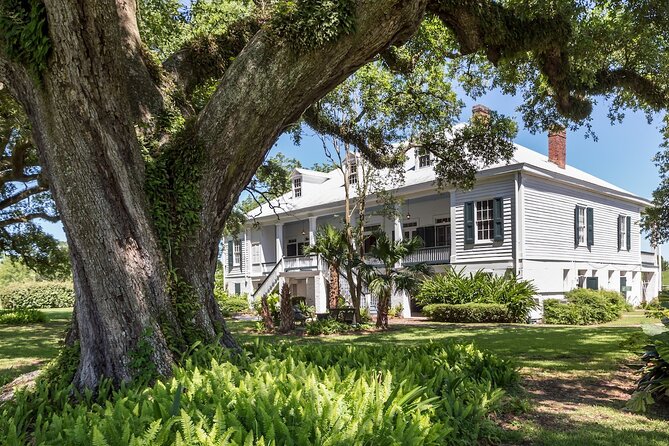
St. Joseph works best when you plan it as one piece of a larger outing. The experience itself takes about one to two hours, leaving room for another plantation or nearby stop. You will get more value from the visit if you approach it with a simple plan instead of treating it as an isolated attraction.
Before you go, decide what you want from the day. If you are interested in sugarcane and farm life, give St. Joseph your best attention and use the guide time to ask questions. If you are collecting a range of plantation perspectives, place it beside a larger or more formal estate so the contrast becomes clear.
The advance booking pattern also tells you something practical: this experience is often reserved well ahead of time, with an average booking lead of 39 days. That does not guarantee that every date will sell out, but it is a good reason to reserve early if your New Orleans schedule is fixed.
You receive confirmation at booking, and the ticket is mobile, which keeps the process simple. The cancellation policy is forgiving if your plans shift: cancel at least 24 hours before the start time for a full refund. Cancellations or changes inside that 24-hour window are not refunded or accepted.
The limits of a short plantation tour
A one to two-hour visit has a natural limit. You will receive a concentrated look at St. Joseph, but not an all-day study of every part of plantation history. If you want extensive social, economic, and architectural coverage, you may need more than one stop.
You should also think about the emotional weight of the subject. Plantation history includes hard questions about labor, power, and the people who lived and worked under the plantation system. The information supplied here emphasizes the sugar industry, family home, exhibits, and grounds, but it does not spell out the full scope of those stories.
That means you should listen carefully and ask direct questions if a topic matters to you. A guided visit is most useful when you engage with it rather than simply walk through the rooms. The tour’s strength is its focused setting, but its short format means you should not expect every historical question to receive equal time.
Should you book St. Joseph Plantation?
Book it if you want a reasonably priced, quieter plantation visit with a clear focus on sugarcane farming, an ancestral home, and exhibits about plantation life. The ability to take pictures indoors is a real advantage, and the one to two-hour length makes it easy to add to a River Road itinerary.
Skip it if you want a massive estate, a full-day attraction, or a detailed program covering every aspect of Louisiana plantation history. For the right reader, St. Joseph is not about grandeur. It is about seeing how a working sugarcane farm and a family home fit into the larger story of River Road.
FAQ
How much does the St. Joseph Plantation Tour cost?
The tour costs $24 per person.
How long does the plantation visit last?
The experience lasts approximately one to two hours.
Is the tour offered in English?
Yes. The experience is offered in English.
Can I take pictures inside the plantation home?
Yes. Indoor photography is allowed, which is a notable feature of this historic-home tour.
Are service animals allowed?
Yes. Service animals are allowed.
What is the cancellation policy?
You can cancel at least 24 hours before the experience start time for a full refund. Cancellations or changes made less than 24 hours before the start time are not accepted, and the amount paid is not refunded.
Just added around New Orleans
- Whitney Plantation Tour with Transportation★ 4.0 · 29 reviews
- Whitney Plantation and Soul of New Orleans City Tour Combo★ 5.0 · 13 reviews
- St. Joseph and Felicity Plantation Combo Tour★ 5.0 · 4 reviews
- Two Plantation Tour: Oak Alley and Laura or Whitney★ 5.0 · 7 reviews
- Private Airboat Ride and Plantations Tour with Gourmet Lunch from New Orleans★ 5.0 · 50 reviews
- Small Airboat and Oak Alley Plantation Tour from New Orleans★ 4.5 · 23 reviews
- N’awlins Luxury: Laura, Oak Alley or Whitney Plantation Tour w/Transportation★ 4.5 · 46 reviews
- New Orleans Plantation Tour with Transportation★ 5.0 · 9 reviews
New Orleans Farm Tours, compared.

Swamp Boat Ride and Oak Alley Plantation Tour from New Orleans
Read our review →
Oak Alley Plantation Tour with Transportation from New Orleans
Read our review →
Whitney Plantation Tour with Transportation from New Orleans
Read our review →

Airboat and Plantations Tour with Gourmet Lunch from New Orleans
Read our review →
Bayou Swamp Tour and Oak Alley Plantation Tour
Read our review →
Oak Alley Plantation and Large Airboat Swamp Tour from New Orleans
Read our review →
Browse the lists this tour appears in