
Review · NEW ORLEANS
St. Joseph and Felicity Plantation Combo Tour
The most useful feature here is the chance to see two working sugarcane plantations on one $46 ticket. St. Joseph and Felicity are close together, yet they offer a more personal look at plantation life than a single grand house can provide, from preserved rooms to cabins once occupied by enslaved workers.
I like the small-scale guiding style and the focus on sugarcane, a crop that shaped Louisiana’s economy. I also like that guides such as Mike, Sharon, and Jamie explain what they know while admitting when a detail is uncertain. The main consideration is that these are family-owned working sites, not polished museum sets, so some visitors may find the presentation less formal than at larger plantations.
Key points to know before you go
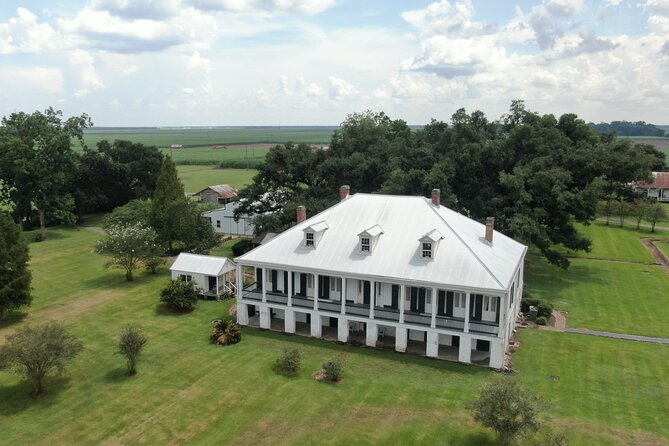
- Two plantations on one ticket: St. Joseph and Felicity give you two different house tours and grounds to explore.
- About 45 minutes per house: The visits are paced for listening, looking, and asking questions rather than rushing through.
- A direct look at enslaved life: Original cabins and outbuildings help place plantation wealth beside the lives of the people forced to create it.
- Sugarcane is central: The Louisiana Sugarcane Museum explains cultivation through tools, photographs, and documents.
- A more personal setting: The properties remain connected to the descendants of the original owner, giving the visit a lived-in feel.
- Film history comes along for free: You can recognize locations used in Twelve Years A Slave and other productions.
Two plantations, one compact visit near New Orleans
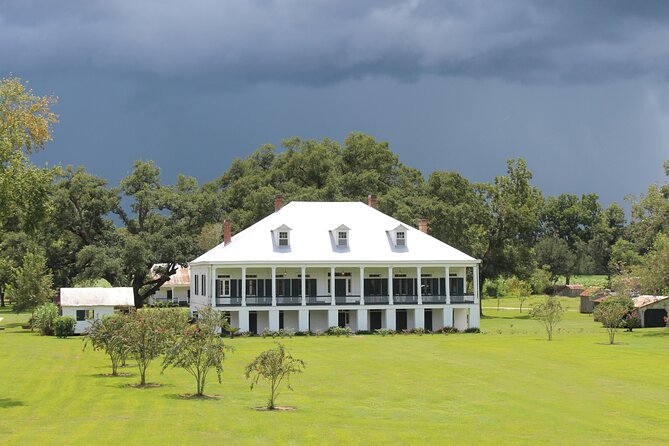
St. Joseph and Felicity sit in Vacherie, Louisiana, in the sugarcane-growing area west of New Orleans. The combo tour lasts about three hours, with each plantation house tour taking roughly 45 minutes.
That timing matters. You get enough explanation to understand the buildings and the people connected with them, but the visit is not an all-day commitment. If you are choosing among several plantation sites, this tour gives you two stops without asking you to spend an entire day on one property.
The $46 price also makes more sense when you consider what is included: admission to both plantation sites, the two house tours, access to the grounds and original outbuildings, and the Louisiana Sugarcane Museum. It is not simply a ticket to walk past one famous house.
The experience is offered in English. Confirmation comes when you book, and most people can take part. Service animals are allowed.
More Plantation Tours in New Orleans
- Swamp Boat Ride and Oak Alley Plantation Tour from New Orleans
★ 5.0 · 3,303 reviews - Oak Alley Plantation Tour with Transportation from New Orleans
★ 4.5 · 1,747 reviews - Whitney Plantation Tour with Transportation from New Orleans
★ 4.5 · 1,351 reviews
St. Joseph: a closer look at a working plantation
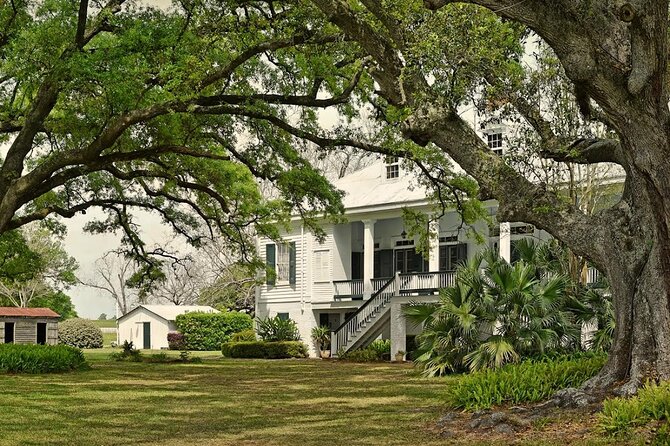
At St. Joseph, you enter a preserved plantation setting that still feels connected to daily agricultural work. The house contains architecture, furniture, and decoration that reflect life during the 19th and 20th centuries.
The value here is not just visual. A plantation home can look calm and elegant, but the tour gives you the chance to ask how that comfort was supported. The broader grounds, outbuildings, and enslaved workers’ cabins provide some of that needed context.
You may find the presentation more personal than a large museum tour. One guide, Mike, is described as a local who takes time with the property and the questions that come up. On a quiet day, the pace may feel almost private, though you should not count on having the site to yourself.
St. Joseph also offers the kind of access that helps you pay attention to small details. The ability to take photographs inside and outside the homes is especially useful if you care about woodwork, room arrangement, household objects, or the way the buildings sit on the property.
The property is not maintained like a highly polished museum. I see that as both a strength and a limitation. You get a stronger sense of an active family place, but the presentation may not have the uniform finish or strict staging found at a major historic attraction.
Felicity: a second house with a different feel
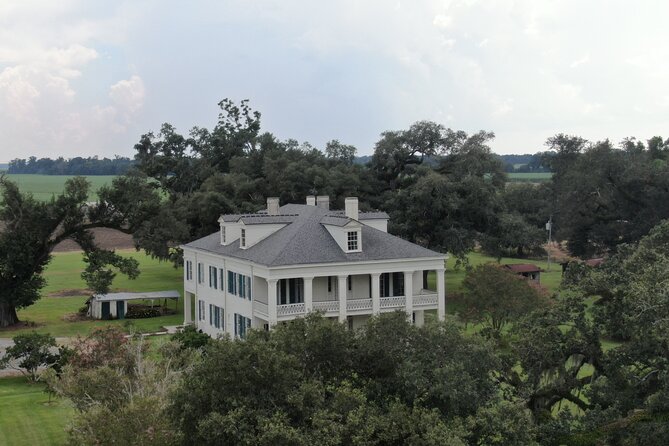
Felicity gives you another preserved plantation home rather than a repeat of the first stop. That contrast is one of the best reasons to choose the combo ticket.
The tour covers the house’s design, furnishings, and decorative details, while the grounds add more evidence of how the plantation functioned. The setting lets you compare the two properties instead of treating plantation architecture as one standard style.
Guides Sharon and Jamie are associated with a friendly, hands-on approach. They explain what is documented, and they are willing to say when a point is possible rather than certain. That habit is important at historic sites, where family tradition, incomplete records, and later interpretation can sometimes blur together.
You should expect the two homes to feel different from the larger, more formal Oak Alley experience nearby. Oak Alley is known for its grand appearance and tightly organized museum style. St. Joseph and Felicity offer more direct contact with the buildings and a less crowded feel.
That does not make one choice automatically better. If you want a grand avenue and a highly staged presentation, another plantation may suit you more. If you want a closer look at two family-connected properties, this combo has the stronger appeal.
The cabins and outbuildings change the story
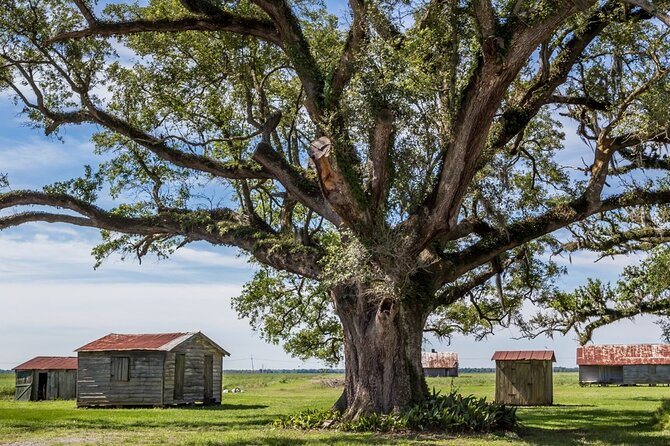
The most important part of the grounds may be the original cabins once used by enslaved workers. These structures keep the tour from focusing only on the owners’ homes, furniture, and wealth.
You can see the physical separation between the main houses and the buildings where enslaved people lived and worked. That distance helps explain the plantation system in a concrete way. The tour addresses enslaved people and the sugarcane trade respectfully, which is essential for a site built on forced labor.
I appreciate that the historical focus is not limited to famous owners or beautiful architecture. The cabins and work buildings point toward the labor that made the entire system possible. They also help you understand why sugarcane plantations required so many workers and why the crop mattered to Louisiana’s economy.
The available information does not promise that every question about enslaved individuals will be answered. Records are often incomplete, and the guides may distinguish clearly between what is documented and what is only likely. That careful approach is preferable to confident claims without evidence.
More Plantation Tours in the USA
- Laura Creole Plantation Guided Tour
★ 5.0 · 1,279 reviews - Airboat and Plantations Tour with Gourmet Lunch from New Orleans
★ 4.5 · 1,246 reviews - New Orleans: Bayou Swamp Tour and Oak Alley Plantation Tour
★ 4.7 · 1,147 reviews - New Orleans: Oak Alley Plantation & Airboat Swamp Combo Tour
★ 4.7 · 906 reviews
The Louisiana Sugarcane Museum explains the crop

Sugarcane is not background scenery here. It is the reason these plantations existed and the key to understanding their place in Louisiana history.
The Louisiana Sugarcane Museum uses historic tools, photographs, and documents to show how sugarcane was cultivated. This adds practical detail to the house tours. Instead of hearing only about plantation owners and rooms, you get a clearer idea of the work, equipment, and commercial activity tied to the crop.
For me, this is one of the tour’s strongest features. Architecture can make history memorable, but tools and documents explain how the property actually operated. You can connect the cultivated fields, the outbuildings, and the labor system to a larger economic story.
The museum also gives you a useful pause between house tours. After taking in rooms and family objects, you can look at the machinery and records that show how agriculture shaped everyday life.
Film locations add a small bonus
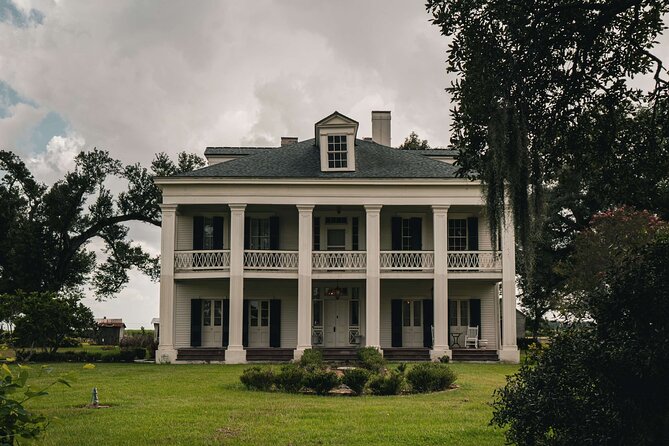
You may recognize parts of St. Joseph and Felicity from Twelve Years A Slave and other films made on the properties. Film connections are not the main reason to book this tour, but they add a fun layer if you know the movie.
The buildings and grounds have enough original character to serve as filming locations without needing heavy reconstruction. That makes the film connection more meaningful than a simple sign pointing to a set.
I would treat this as an extra, not the central attraction. The tour is at its best when the film sites lead you back to the real people, buildings, and labor system behind the images.
Why the smaller scale can be a real advantage
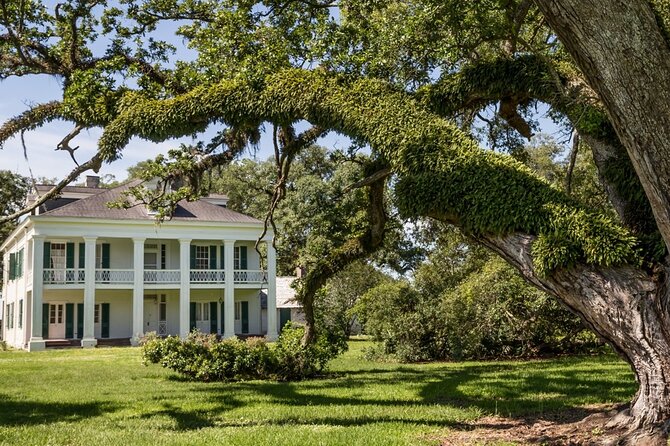
The guides shape this experience more than any brochure or display case. Mike, Sharon, and Jamie are singled out for taking time, explaining local details, and keeping the tours personal.
That matters because plantation history is not easy to absorb through labels alone. You may want to ask about a cabin, a family connection, a piece of furniture, or the sugar trade. A guide who can slow down and discuss those questions makes the visit more useful.
The smaller setting may also help you notice details that get lost in a large group. You can take photographs inside and outside the homes, and the slower pace gives you more time to look at the rooms rather than simply moving from one marker to the next.
Still, a small property can feel less organized than a major museum. The family connection is part of the appeal, but it also means the setting is not presented as a perfectly controlled exhibit. If you prefer a polished, standardized tour, keep that difference in mind.
How the $46 price works for different visitors

At $46 per person, the combo is a solid value if you want more than one plantation house and care about context. You are paying for two house visits, historic grounds, original outbuildings, and the sugarcane museum within about three hours.
It is especially good value for anyone already planning to visit more than one plantation. Buying the combined admission keeps the day simple and lets you compare the properties directly.
The price may feel less attractive if you only want a quick look at one grand home or if plantation history is not a major part of your New Orleans plans. In that case, the two-site format may give you more material than you want.
The strongest value comes from the range of material: domestic rooms, agricultural tools, enslaved workers’ cabins, family history, sugarcane production, and film locations. You are not paying for the same kind of house tour twice.
Who will enjoy this tour most
I would recommend St. Joseph and Felicity to you if you want a thoughtful plantation visit with time for questions. It suits people interested in architecture, Louisiana agriculture, family history, film locations, and the history of slavery.
It also works well if you want to compare plantation sites. The contrast with Oak Alley is useful: one may feel more like a formal museum, while St. Joseph and Felicity offer a more personal and less polished setting.
Families with older children may find the combination of buildings, cabins, tools, and film history easier to follow than a tour focused only on names and dates. The subject is serious, but the variety of stops gives you several ways into the story.
You may want to choose another option if you need a fully staged museum experience, a large formal visitor center, or a tour built around a single famous architectural view. The available information also does not provide a transportation package, so check your own plans for reaching Vacherie before booking.
Weather, timing, and cancellation details
The experience requires good weather. If poor weather causes a cancellation, you are offered another date or a full refund.
You can cancel for a full refund up to 24 hours before the start time. Cancellations or changes made within 24 hours are not refunded or accepted, and the cutoff follows local time.
The tour is often reserved well ahead of the visit, with an average booking time of about 49 days in advance. That suggests you should not assume a last-minute time will be available, especially if your New Orleans schedule is fixed.
Should you book St. Joseph and Felicity?
Book this combo if you want two personal plantation visits rather than one heavily staged attraction. The cabins, sugarcane museum, working setting, and careful guiding give you a fuller picture of how the properties operated and who made that system possible.
I would choose it over a single-house visit when you have about three hours and want comparison. I would also choose it if you value direct access, photography, and guides who are comfortable separating confirmed facts from uncertain details.
Skip it if you want only a grand architectural photo stop or a highly polished museum presentation. For everyone else, $46 buys a serious, varied look at plantation life, sugar production, and Louisiana history without requiring a full day.
FAQ
Where are St. Joseph and Felicity plantations located?
They are in Vacherie, Louisiana, near New Orleans.
How long does the combo tour take?
The full experience lasts about three hours. Each plantation house tour takes approximately 45 minutes.
What does the ticket include?
The ticket includes admission to both St. Joseph Plantation and Felicity Plantation, along with access to the plantation homes, grounds, original outbuildings, and the Louisiana Sugarcane Museum.
Is the tour offered in English?
Yes. The experience is offered in English.
Can I learn about enslaved people on the tour?
Yes. The tour addresses the lives of enslaved people and includes cabins once occupied by enslaved workers, along with other original outbuildings.
Can I see filming locations?
Yes. Parts of the properties were used for Twelve Years A Slave and other films.
Are service animals allowed?
Yes. Service animals are allowed, and most people can participate.
What is the cancellation policy?
You can cancel at least 24 hours before the start time for a full refund. Cancellations or changes made less than 24 hours before the experience are not refunded. If poor weather causes the tour to be canceled, you are offered another date or a full refund.
Just added around New Orleans
- Whitney Plantation and Soul of New Orleans City Tour Combo★ 5.0 · 13 reviews
- Whitney Plantation Tour with Transportation★ 4.0 · 29 reviews
- St. Joseph Plantation Tour★ 4.5 · 30 reviews
- Two Plantation Tour: Oak Alley and Laura or Whitney★ 5.0 · 7 reviews
- Private Airboat Ride and Plantations Tour with Gourmet Lunch from New Orleans★ 5.0 · 50 reviews
- Small Airboat and Oak Alley Plantation Tour from New Orleans★ 4.5 · 23 reviews
- N’awlins Luxury: Laura, Oak Alley or Whitney Plantation Tour w/Transportation★ 4.5 · 46 reviews
- New Orleans Plantation Tour with Transportation★ 5.0 · 9 reviews
New Orleans Farm Tours, compared.
Swamp Boat Ride and Oak Alley Plantation Tour from New Orleans
Read our review →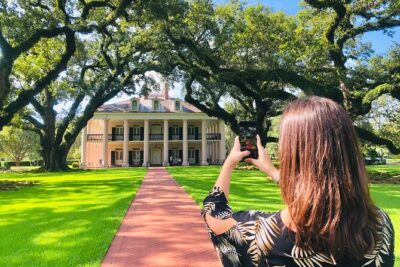
Oak Alley Plantation Tour with Transportation from New Orleans
Read our review →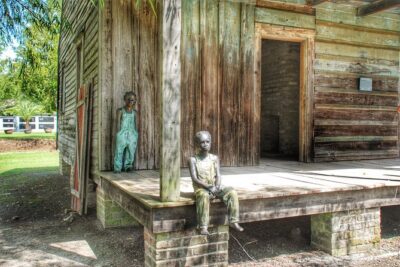
Whitney Plantation Tour with Transportation from New Orleans
Read our review →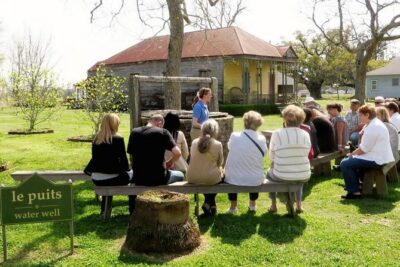

Airboat and Plantations Tour with Gourmet Lunch from New Orleans
Read our review →
Bayou Swamp Tour and Oak Alley Plantation Tour
Read our review →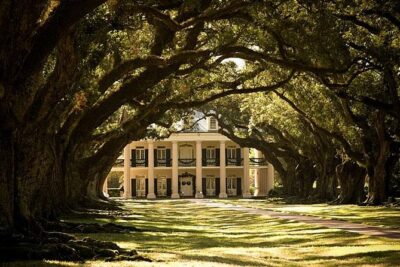
Oak Alley Plantation and Large Airboat Swamp Tour from New Orleans
Read our review →
Browse the lists this tour appears in