
Review · USA
Private Farm Workshop in Napa Valley
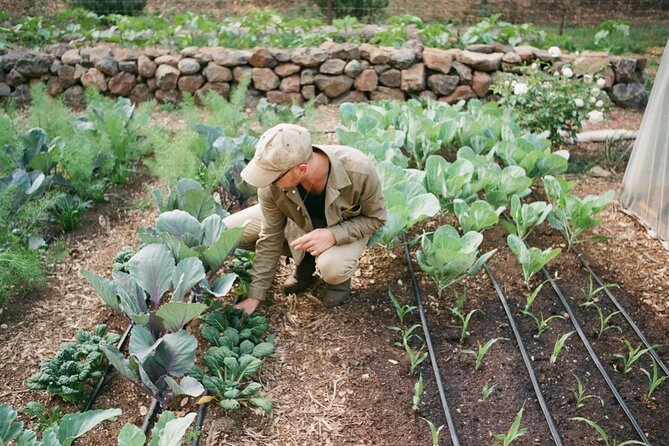
The most interesting thing about this Napa outing is what it leaves out: no tasting room, no cellar, no rush from one vineyard to the next. Instead, you drive up Soda Canyon Road to an independent market garden, where Patrick explains how soil, crops, timing, and people fit together.
I like the hands-on work and the chance to taste produce right where it grows. I also like the practical focus. You do not just hear about regenerative farming. You may help plant seedlings, form a garden bed, build soil, or harvest, depending on the season. The main drawback is that the farm location has sensitive details, so you must contact the host before booking and confirm the meeting arrangements.
Key points at a glance
- A private 90-minute workshop: Your group takes part without strangers joining in.
- Patrick leads the experience: Expect direct answers and plenty of room to ask about your own garden.
- Seasonal tasting in the market garden: The produce you see and sample depends on what is growing at the time.
- Real farm work, not just a talk: Tasks can include planting, harvesting, soil building, and forming garden beds.
- A different side of Napa Valley: The drive up Soda Canyon Road takes you into the mountains above the valley.
- Plan around the weather: Poor conditions can lead to a new date or a full refund, while the standard booking is non-refundable.
A farm morning above Napa Valley
Napa is best known for wine, but wine is only one way to understand this part of Northern California. This workshop takes you away from the usual tasting-room circuit and into a working market garden in the mountains above the valley.
The setting matters. You are not looking at farming from a brochure or hearing a polished lecture in a visitor center. You are walking through an independent farm and looking closely at crops in production. The garden becomes the classroom, with plants, soil, weather, and timing providing the examples.
The experience lasts about one hour and 30 minutes, starting at 10:00 a.m. That makes it a manageable morning activity rather than a full-day commitment. You can fit it into a broader Napa or Sonoma schedule, though the mountain setting and hands-on format deserve more attention than a quick stop between wine appointments.
This is a private activity, so only your group participates. That makes a real difference if you want to ask specific questions. You do not have to hold back because other people are waiting, and Patrick can shape the conversation around what you want to learn.
More Hands-On Workshops in the USA:
- Farm to Taco: A Farm to Table Cooking Class
★ 5.0 · 41 reviews - Farm to Table Cooking Class at Kulaniapia Falls
★ 4.5 · 36 reviews - Maui: Alpaca Farm Visit with Hands-On Activities
★ 5.0 · 9 reviews
Meeting Patrick at Stepping Stone Farm
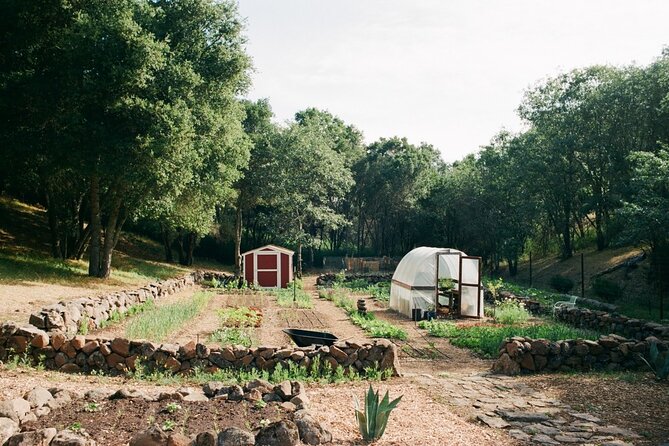
The meeting point is on Soda Canyon Road, California 94558. The exact farm details are sensitive, so contact the host before booking to discuss the location. This is not the sort of activity where you should simply arrive at a large public attraction and expect to find the entrance without prior instructions.
The drive itself is part of the change in mood. One person described the route as a beautiful climb into an area you might not otherwise see. That is useful context: the workshop offers access to a quieter mountain setting, not just a lesson about vegetables.
You should allow enough time to reach the meeting point without hurrying. The published start is 10:00 a.m., and the activity ends back at the same location. Since the farm is in the mountains above Napa Valley, confirm directions and any arrival instructions with the host before setting out.
Patrick is the guide, and his role goes well beyond pointing out crops. He explains why one vegetable belongs in a certain season, how timing affects a harvest, and how a small farm works with its surroundings. The tone is practical and conversational, with time for questions about your own growing plans.
Tasting your way through the market garden
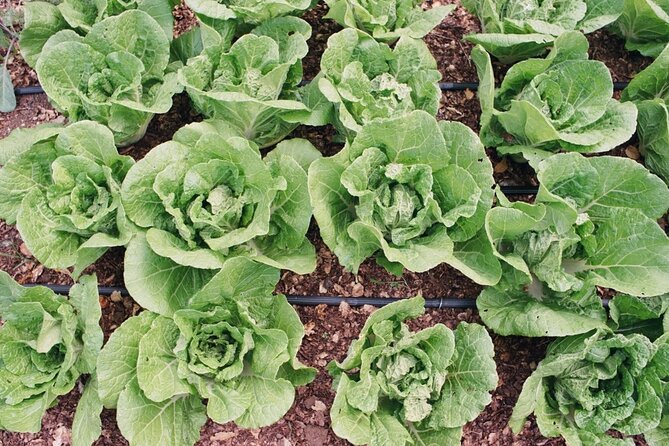
The workshop begins with a tasting tour through the market garden. As you walk, Patrick discusses the different fruits and vegetables currently in production and invites you to pay attention to how the garden changes through the seasons.
This is not a fixed menu in the usual sense. The farm serves what is growing at that time, with seasonal sweets listed for dessert. That means the tasting will vary, which is part of its appeal. You get a more honest picture of farm life than you would from a standard, year-round tasting platter.
The tasting also gives structure to the lesson. You learn about seasonality, vegetable selection, and timing while looking at actual plants. Instead of treating food as an isolated product, the workshop connects what you eat to soil preparation, planting dates, weather, and harvest methods.
For some people, this will be the strongest part of the morning. You get the pleasure of tasting fresh produce, but you also learn how the farm decides what to grow and when. If you are mainly looking for a food sampling experience, keep in mind that the educational farming work is just as important as the tasting.
Learning regenerative no-till farming
The central idea is regenerative no-till farming. In plain terms, the workshop looks at ways to build healthier soil and support plant growth while working with natural systems rather than constantly disturbing or fighting them.
The lesson is not presented as a technical course with a long classroom session. You watch the garden, discuss what is happening, and take part in seasonally appropriate tasks. That approach helps you see how the ideas work in real conditions.
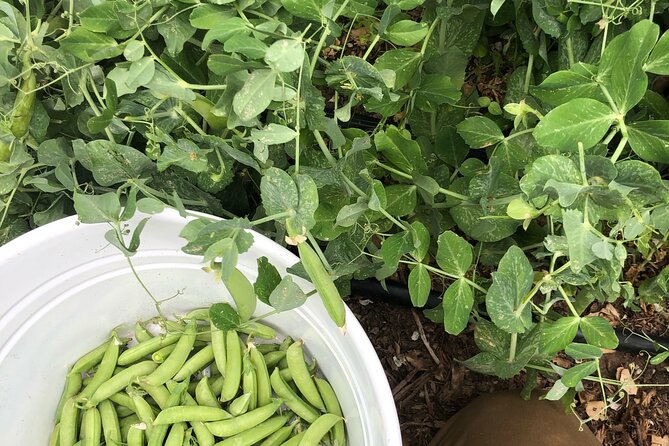
Patrick may talk about building soil, planting seedlings, forming a new garden bed, or harvesting correctly. The exact activity depends on the time of year and what the farm needs that day. You should arrive ready to get your hands dirty, but the information provided does not promise one specific task for every booking.
That seasonal flexibility is useful. A garden should not be treated like an amusement ride with the same sequence every day. If you visit during planting time, you may focus on seedlings. At another time, the work may center on harvest or soil preparation.
The workshop also asks you to think about your place in the ecosystem. That may sound broad, but here it connects to ordinary choices: what you plant, how you prepare soil, when you water, and how you respond to the conditions in your own yard.
A few more farm days around the USA worth a look
- Unique Horse Farm Tours with Insider Access to Private Farms
★ 5.0 · 1,192 reviews - Private Airboat Ride and Plantations Tour with Gourmet Lunch from New Orleans
★ 5.0 · 50 reviews - Kauai Private Baby Farm Animal Experience & Micro Dairy Immersion
★ 5.0 · 31 reviews - Connect with Rescue Animals on a Private Farm Tour in Catskills
★ 5.0 · 27 reviews
Turning farm lessons into home-garden advice
The final part of the workshop is especially valuable if you already grow vegetables or want to begin. Patrick leaves time for questions about your growing location and microclimate.
That personal discussion separates this experience from a general farm tour. A broad lesson might tell you that a crop needs a certain amount of sun or that soil health matters. Here, you can ask how those ideas relate to your own garden. The usefulness depends on the questions you bring, so think about them before arriving.
You might ask about choosing vegetables, planting at the right time, improving soil, or knowing when something is ready to harvest. The supplied information does not promise a written plan or follow-up consultation, so consider the value to be the live exchange and the practical tips you take away.
One of the strongest aspects of the experience is its ability to serve both beginners and enthusiastic home gardeners. A beginner can learn the basic rhythm of a market garden. Someone with more experience can nerd out over soil, crop timing, and small-scale growing methods with Patrick.
The private format helps here. Your questions do not need to match anyone else’s interests, and you can spend more time on the subjects that matter to your group.
Who will get the most from this experience?
This farm workshop suits people who want a non-wine Napa activity with a strong local and educational angle. It works particularly well for gardeners, food-focused visitors, families interested in where produce comes from, and anyone who prefers a quiet outdoor activity to another tasting room.
It can also be a good choice for a couple or small group with different levels of gardening experience. One person may enjoy the scenic drive and seasonal tasting, while another focuses on soil and planting advice.
You should think twice if you want a polished sightseeing attraction with a predictable schedule. The farm is independent, the location is sensitive, and the work changes with the season. That gives the morning character, but it also means you need to be comfortable with a less standardized experience.
You should also consider the weather. Farming takes place outdoors, and the activity requires good conditions. Wear clothing suitable for hands-on garden work, though the supplied details do not specify a required dress code or equipment list.
How the private format affects value
No price is provided here, so I cannot judge the exact cost against other Napa activities. I can judge what you are paying for: private access, a personal guide, a mountain farm setting, seasonal produce, and time to ask about your own growing conditions.
That can be good value if you would otherwise pay for another private tasting or a specialized gardening class. The experience combines several parts in one morning: a farm walk, food sampling, a practical workshop, and personal advice.
The value is less clear if you are not interested in gardening. You may still enjoy the setting and seasonal food, but the workshop is built around farming ideas. This is not a sightseeing tour with gardening added as a short extra.
Because only your group takes part, the group size matters. The private setup gives you more control over the conversation and makes the session feel more personal. It does not mean the farm can offer every possible activity, since the work remains tied to the season and current garden needs.
Timing, location, and practical details
The activity starts at 10:00 a.m. and lasts about 90 minutes. It begins and ends at the meeting point on Soda Canyon Road.
The host offers the experience in English, and mobile tickets are accepted. Confirmation is sent within 48 hours of booking, subject to availability. Contact the host before booking to discuss the sensitive location information and make sure you understand where to meet.
Service animals are allowed. The activity is private, with only your group participating.
The cancellation terms require care. The booking is normally non-refundable and cannot be changed for any reason. If bad weather forces the host to cancel, you can receive a different date or a full refund. If the minimum number of participants is not met, you can also be offered another date or experience, or receive a full refund.
That policy makes it wise to book when your plans are firm. Do not treat this as a casual reservation you can shift around later.
How this compares with a standard Napa day
A conventional Napa outing often revolves around wine, architecture, tasting flights, and vineyard views. This workshop gives you a different way to read the valley. Instead of focusing on finished bottles, you look at the work that turns soil, water, sun, and seed into food.
You will not get a long list of wineries or a broad survey of Napa’s wine industry. That is not a weakness unless those are your main goals. The farm offers a narrower subject, but it gives that subject more attention.
I especially like that the experience connects the pleasure of eating with the work behind it. Tasting a seasonal fruit or vegetable is more meaningful when you have just seen the plants growing and heard why timing matters.
The mountain setting adds another layer. The drive up Soda Canyon Road takes you away from the busy wine route and into a part of the area that many people would not otherwise see. Still, the location is not presented as a major sightseeing viewpoint, so book this for the farm experience rather than for a guaranteed panorama.
Should you book the Stepping Stone Farm workshop?
Book it if you want a personal, hands-on morning and you have real interest in growing food, improving soil, or understanding farm work. It is also a smart choice if you have already visited Napa’s wineries and want something more active and local.
I would be especially inclined to book if you have your own garden questions ready. Patrick’s advice about your location and microclimate may be the most useful part of the visit, particularly for anyone who wants to take practical ideas home.
Skip it if you want a fully predictable attraction, a large food tasting, or a tour centered on wine. The non-refundable policy also means you should confirm your schedule, the meeting details, and the weather before committing.
For the right audience, this is a thoughtful alternative to the usual Napa itinerary: a short private class, a taste of the season, and a chance to see farming as a relationship with soil and place.
FAQ
Where does the farm workshop meet?
The meeting point is on Soda Canyon Road in California 94558. Contact the host before booking to discuss the sensitive location information.
What time does the activity start?
The workshop starts at 10:00 a.m.
How long does the experience last?
The activity lasts approximately one hour and 30 minutes.
Where does the activity end?
The workshop ends back at the meeting point.
Who leads the workshop?
Patrick leads the workshop at Stepping Stone Farm.
Is this a private activity?
Yes. Only your group participates.
What language is the workshop offered in?
The workshop is offered in English.
What kind of farming will you learn about?
The workshop focuses on regenerative no-till farming practices, including soil building, planting, garden-bed preparation, and proper harvesting.
Will you taste food during the experience?
Yes. You take a tasting tour through the market garden and sample seasonal fruits and vegetables. Seasonal sweets are listed for dessert.
What happens if the weather is poor?
The activity requires good weather. If it is canceled because of poor weather, you will be offered a different date or a full refund.
Just added around the USA
- Connect with Rescue Animals on a Private Farm Tour in Catskills★ 5.0 · 27 reviews
- Cozy Farm Experience with Wagon Wheels and Acoustic Meal★ 5.0 · 2 reviews
- Farm Tour at Clover Brooke Llama/Alpaca/Goat Farm★ 4.5 · 6 reviews
- Gourmet Mushroom Farm Tour in Tennessee★ 5.0 · 5 reviews
- Farms, Flights: Finger Lakes Brewery Tour★ 4.5 · 25 reviews
- Horse Country Estate and Vineyard Wine Tasting Tour★ 5.0 · 2 reviews
- Scottsdale Horseback Riding and Horse Country Estate Tour★ 5.0 · 2 reviews
- Scenic Scottsdale E-Bike Tour – 2 Hours★ 5.0 · 47 reviews
USA Farm Tours, compared.

Swamp Boat Ride and Oak Alley Plantation Tour from New Orleans
Read our review →

Half-Day Thoroughbred Horse Farm Tour in Kentucky
Read our review →
Oak Alley Plantation Tour with Transportation from New Orleans
Read our review →
Boone Hall Plantation All-Access Admission Ticket
Read our review →

Whitney Plantation Tour with Transportation from New Orleans
Read our review →Browse the lists this tour appears in