
Review · JAPAN
Wasabi Farm Walking Tour & Lunch
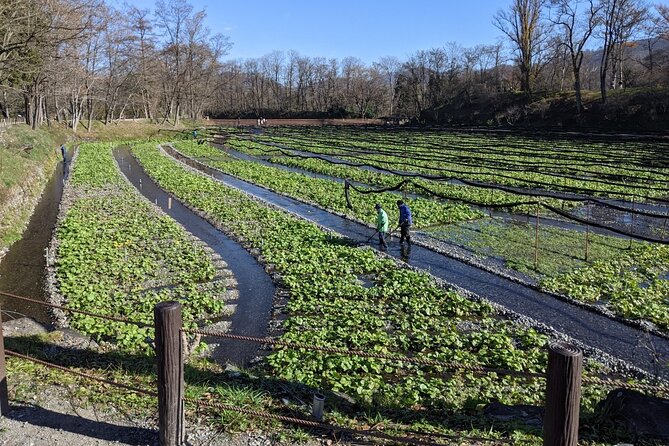
Daio Wasabi Farm turns a familiar sushi condiment into the main event. You walk among its carefully watered fields, learn why Nagano suits this fussy plant, and taste fresh wasabi with a traditional Shinshu lunch. The farm itself is free to enter, but the guided visit gives the place much more meaning.
I like the private-group format and the chance to ask real questions without being rushed. I also like the local food angle: soba, miso, and freshly grated wasabi make this more than a farm photo stop. The main consideration is the unclear wasabi ice cream charge: it is promoted as part of the experience, yet the inclusions say ice cream is not covered, so confirm before ordering.
Key points to know before you book
- Daio Wasabi Farm opened in 1915: You get a sense of both the farm’s long past and its working role today.
- The guide adds the real value: English-speaking guides such as Akiko, Naomi, Tom, and Tim explain the plant, the farm, the area, and even museum material that is mainly in Japanese.
- Lunch uses Shinshu flavors: Expect a Japanese set meal built around local soba, miso, and wasabi.
- The visit lasts about two hours: One hour is set aside for the farm walk and one hour for lunch.
- The group is capped at 12 people: The tour is designed for your own group, rather than a large shared outing.
- You meet and finish at the farm: The starting point is Daio Wasabi Farm in Hotaka, Azumino, at 10:30 a.m.
Why a wasabi farm is worth your morning
Most people know wasabi as the green paste beside sushi. At Daio Wasabi Farm, you see why true wasabi is not simply a root pulled from ordinary soil and grated into a tube.
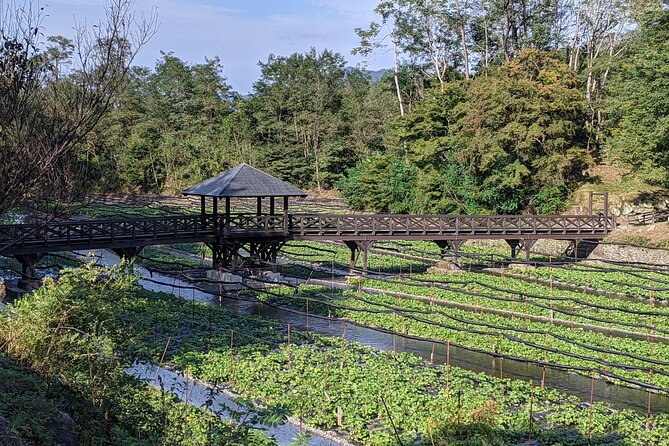
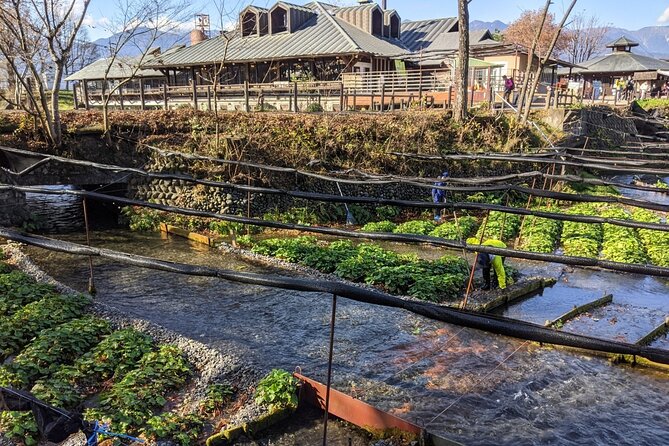
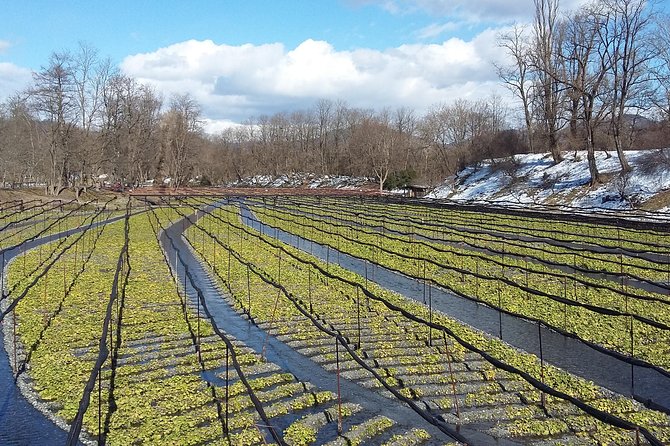
The farm sits at the base of the Japanese Alps, in the Azumino area of Nagano. Its fields depend on the region’s natural water supply and cool conditions. That setting is the heart of the visit. You are not just looking at a crop in rows. You are seeing how water, temperature, cultivation, and food culture come together.
Daio was established in 1915 and is one of Japan’s largest wasabi farms. The size matters. Small wasabi plots can be interesting, but a large working farm makes the growing method easier to understand. You can see the channels and beds up close, then connect what you see outdoors with the food served at lunch.
I would not treat this as a full-day farm expedition. The guided portion is about two hours, with roughly one hour walking around the farm and one hour for lunch. That makes it a useful addition to a Nagano or Matsumoto plan, especially if you want something quieter and more local than another major sightseeing stop.
More Farm Days with Lunch in Japan:
- Hida Private E-Bike Tour with Premium Lunch and Farm Experience
★ 5.0 · 7 reviews - Nagano: Togakushi Shrine of 1400 Years & Farm-to-Table Lunch
★ 5.0 · 2 reviews - From Porto: 2 Wine Regions, Farm-to-Table Lunch & Boat
★ 4.9 · 5,724 reviews
The 10:30 meeting at Daio Wasabi Farm
The tour begins at 10:30 a.m. at Daio Wasabi Farm, Hotaka, Azumino, Nagano 399-8303. You also finish there, so there is no separate end point to find after lunch.
Getting to the farm can take a little thought, and the guide can be helpful with directions and orientation in the area. The farm is near public transportation, but the supplied details do not specify a particular station, bus, or transfer. Check the route carefully before setting out, and allow enough time to arrive at the farm by the fixed start time.
The meeting point is practical once you reach the property. You meet your guide in the farm area, with the parking area used as a clear reference point in at least some visits. Bring your booking confirmation on your phone, since the tour uses a mobile ticket and confirmation is issued when you book.
The maximum group size is 12 people. The experience is described as private for your group, which is one of its best features. It means you can ask why the plants grow in water, how fresh wasabi differs from the common paste, or what else to eat in Nagano without waiting for a large crowd to move along.
Walking through a farm founded in 1915
The first hour focuses on Daio Wasabi Farm itself. Your guide explains the farm’s past, the way wasabi is cultivated, and the role of the local environment.
The farm is especially attractive for photography. Water runs through the growing areas, and the plant has a distinctive look that is easy to miss when you only see it grated on a plate. The walk is also peaceful, making this a good change of pace if your trip has been packed with city streets, stations, and temples.
The guide is the difference between a pleasant stroll and a useful visit. Much of the farm’s museum information is in Japanese, so an English-speaking guide can explain the important points as you go. Tom, for example, has helped visitors understand displays that would otherwise be difficult to follow, while also adding background about Japanese customs and the Nagano region.
Akiko, Naomi, Tim, and Carole are among the guides associated with especially personal visits. Their approach appears to vary, but the common thread is conversation. You can ask about the cultivation process, the history of the property, local food, and other parts of Japan you plan to visit.
That flexibility is valuable. A standard audio guide gives you facts in order. A private guide can notice what interests you and spend more time there. If you are curious about cooking, farming, or regional food, tell your guide early. The experience has enough room for questions.
What makes fresh wasabi different
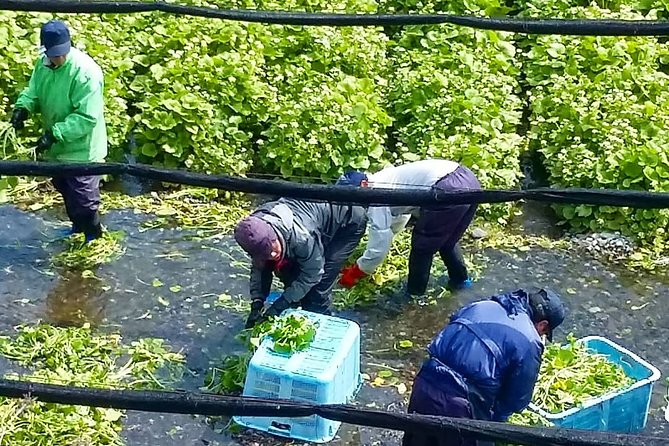
The most useful lesson here is that wasabi is a plant with very particular growing needs. Nagano’s water and mountain setting help create the conditions it needs, which is why this region supports major wasabi production.
Freshly grated wasabi is also different from the common bright green paste served in many restaurants. At lunch, you can taste the real ingredient with soba and other local dishes. The flavor is not just about heat. It is part of the food, and the fresh version gives the meal a direct connection to what you have just seen growing.
The tour does not promise a cooking class or a hands-on farming session. Do not book it expecting to plant, harvest, or prepare wasabi yourself. Its value is explanation, observation, and tasting.
That makes it especially good for anyone interested in Japanese food. You do not need to be a serious cook, but the visit makes more sense if you enjoy knowing where a familiar ingredient comes from. It also suits families, since the farm offers an open-air setting and the operator states that families with young children can be accommodated.
More Walking Tours in Japan:
- Gem Mining and Goat Farm Walking Tour in Hendersonville
★ 5.0 · 460 reviews - Tetebatu Walking Tour – Rice Terraces, Waterfall & Monkey Forest
★ 5.0 · 349 reviews - Kualoa Ranch – Horseback Walking Tour
★ 4.0 · 145 reviews - Cliffs of Moher walk with local farmer. Clare. Guided. 3.5 hours.
★ 5.0 · 90 reviews
A Shinshu lunch with soba and miso
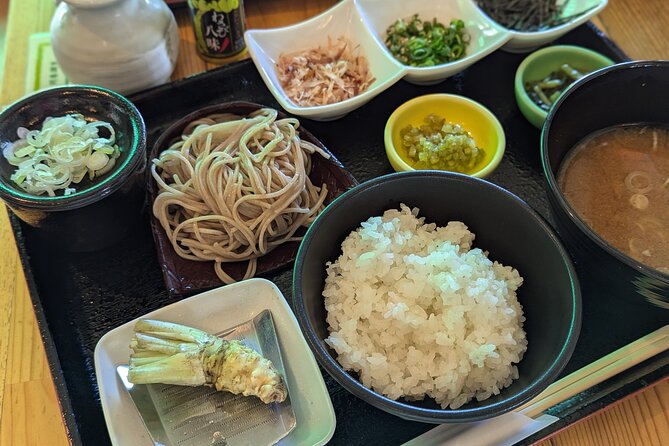
The second hour is set aside for a traditional Japanese lunch at the farm. The meal is designed around Shinshu flavors, using the old name for Nagano Prefecture.
The main local touches are Shinshu soba and Shinshu miso, served with wasabi and other regional foods. The freshly grated wasabi is the star. Instead of treating it as a small side condiment, the meal shows how it works with a simple Japanese dish.
Lunch is included in the price, which makes the $70.94 cost easier to justify. The farm entrance itself is free, so you are paying mainly for the guide’s time, the private format, and the meal. If you visited the farm alone, you could see the grounds without paying an admission fee, but you would miss much of the context and the guided translation.
The restaurant can become busy during peak periods. A reservation may not always be possible when the farm is crowded, and you may have to wait for a table. This is the biggest practical weakness in the schedule. The tour is advertised as about two hours, but a busy restaurant could stretch the timing.
Vegetarian and vegan guests can be accommodated, and families with young children can also be catered for. Tell the operator about dietary needs in advance. The available information does not specify the exact substitute dishes, so ask what your lunch will include rather than assuming the standard set will be changed in a particular way.
The wasabi ice cream question
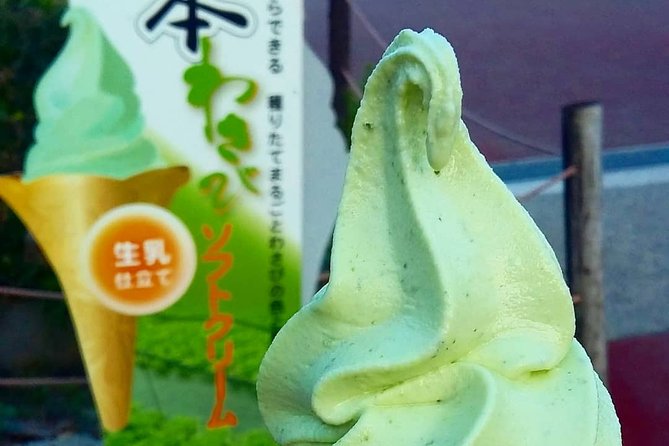
Wasabi ice cream is one of the experience’s advertised attractions. It is an unusual way to finish the visit, and several guides have helped visitors try it after the farm walk.
There is an important pricing detail here. The tour description presents a wasabi ice cream tasting as included, but the cost section says snacks and drinks, including wasabi ice cream, are not included. Beer, sausages, and other optional purchases are also listed as extra.
I would not let this stop you booking, but I would ask for clarification before the tour. You may need to pay separately for the ice cream. The same advice applies to drinks and farm souvenirs. The $70.94 price includes the guide, lunch, and farm visit, not every food item sold on the property.
If you like trying unusual regional foods, the ice cream can be a fun extra. If you are cautious about strong flavors, you can decide after learning how the wasabi is used. The taste is not the same as eating a spoonful of sushi paste, and the novelty is part of the appeal.
What the private guide adds
A guided farm walk is particularly useful here because the site has more information than you can easily absorb on your own. The farm museum and displays are mainly in Japanese, and the guide can explain the points that matter.
I value the cultural side as much as the farming facts. Tom has discussed Japanese culture and offered practical suggestions for later stops in Japan. Carole has explained the farm and daily life in Japan in French, showing that the experience can work well for more than just English speakers, depending on guide availability.
The tour is not limited to a memorized script. The strongest visits seem to include time for questions and local advice. You might ask about Nagano food, the region’s past, or how wasabi fits into Japanese cooking. A guide cannot promise every answer, but the private format gives you a better chance to have a real conversation.
Weather is worth considering. The experience requires good weather and may be canceled if conditions are poor. The operator offers a different date or a full refund in that case. Even in light rain, the farm can still be enjoyable, but you should bring suitable clothing if the forecast is uncertain. The walk takes place outdoors, and the farm’s appeal depends partly on being able to see the growing areas.
Price, timing, and who gets the most value
At $70.94 per person, this is not the cheapest way to see Daio Wasabi Farm. Since entry to the farm is free, a self-guided visit costs less. The question is what the extra money buys you.
You are paying for an English-speaking guide, a private group experience, an organized walk, help interpreting Japanese information, and a traditional lunch. For a couple, family, or small group that wants context without arranging a separate guide, the package is reasonably strong.
The tour is best value if you are already planning to visit Daio Wasabi Farm and want more than photographs. It is less compelling if you only want to stroll around briefly or are watching every yen. You can enter the farm without paying for this experience, though you would need to arrange your own explanations and lunch.
The two-hour length is another advantage. You get a focused experience without giving up an entire day in Nagano. The 10:30 start also leaves time before or after for other plans, though a restaurant wait could affect the schedule.
Most people can participate, and the group limit is 12. The supplied information does not give detailed accessibility notes, walking distances, or terrain information. If you have mobility needs, contact the operator before booking and ask about the farm route.
Who should book this Nagano experience
I would recommend it to food-focused visitors, families, couples, and anyone who wants a quiet rural stop with a clear story behind it. It is also a good fit if you are staying around Nagano or Matsumoto and want to see a different side of the region.
You will get the most from it if you enjoy asking questions. The farm is pleasant on its own, but the guide explains why the fields look the way they do and how the local setting affects the crop.
I would be more cautious if your schedule is tight, you dislike fixed start times, or you want hands-on farm work. The tour is a guided walk and lunch, not a harvest activity. Peak-season restaurant delays may also make the timing less predictable.
Free cancellation is available up to 24 hours before the 10:30 start time. Changes or cancellations made later are not accepted for a refund, so check the weather and your route before the deadline.
Should you book the Daio Wasabi Farm walk?
Book it if you want a small-group food experience that explains an important Japanese ingredient in its natural setting. The free farm entrance is easy to arrange on your own, but the English-speaking guide, museum explanations, local stories, and Shinshu lunch make the paid version much more useful.
Before booking, confirm two things: how you will reach the farm and whether wasabi ice cream is included or charged separately. If the restaurant is busy, allow extra time. With those points clear, this is a thoughtful two-hour stop for anyone who wants rural Nagano, fresh local food, and a story more interesting than a quick photo beside a sushi plate.
FAQ
Where does the Wasabi Farm Walking Tour begin and end?
The tour begins and ends at Daio Wasabi Farm, Hotaka, Azumino, Nagano 399-8303, Japan. The start time is 10:30 a.m.
How long does the experience last?
The tour lasts approximately two hours. About one hour is used for the farm visit and one hour for lunch.
Is lunch included?
Yes. A Japanese lunch set featuring wasabi and local Shinshu foods such as soba and miso is included.
Is the wasabi ice cream included in the price?
The tour information is inconsistent. The overview promotes a wasabi ice cream tasting, while the inclusions state that snacks and drinks, including wasabi ice cream, are not included. Confirm the charge before ordering.
Is the tour private?
The experience is intended for your own group, with a maximum of 12 participants. An English-speaking guide accompanies the group.
Can the tour accommodate dietary needs?
Vegetarian and vegan guests can be accommodated, and families with young children are accepted. Tell the operator about your requirements when booking.
Just added around Japan
- From Tokyo Mt.Fuji, Lake Kawaguchi, Makaino Farm day tour★ 5.0 · 8 reviews
- Hida Private E-Bike Tour with Premium Lunch and Farm Experience★ 5.0 · 7 reviews
- Guided Bike Tour to a Green Tea Farm in Shizuoka (not e-bikes)★ 5.0 · 5 reviews
- Hokkaido Farm Tomita Shikisai Hill Waterfall& Blue Pond Day Tour★ 3.5 · 6 reviews
- Autumn Leaves in AutumnSkiing in winterLet’s go to Hoheikyo Onsen by private car (from Sapporo)★ 4.5 · 8 reviews
- E Bike in Yuzawa Mountain Views Lake Daigenta and Rice Terraces★ 5.0 · 2 reviews
- 7hr Private Wazuka True Hidden Kyoto Matcha Farm Experience★ 5.0 · 3 reviews
- Matcha Green Tea Plantation and Matcha Factory Visit★ 5.0 · 6 reviews
Japan Farm Tours, compared.
Hokkaido Lavender farm & Furano Flower Tour from Sapporo
Read our review →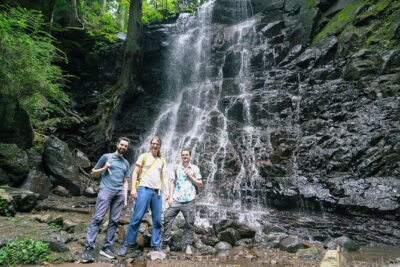
Mt. Fuji Private Chartered Tour with Nature and Wasabi Farm
Read our review →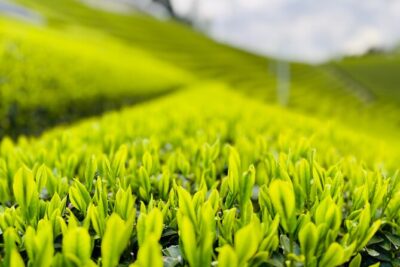
Uji and Wazuka Matcha Farm Half Day Private Guided Tour
Read our review →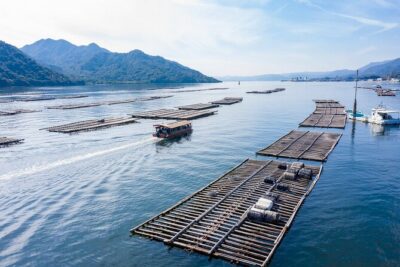
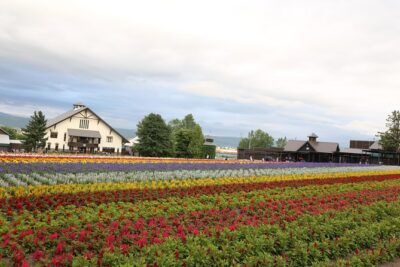
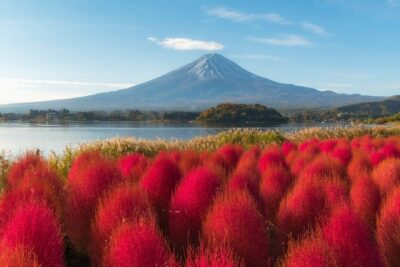
From Tokyo Mt.Fuji, Lake Kawaguchi, Makaino Farm day tour
Read our review →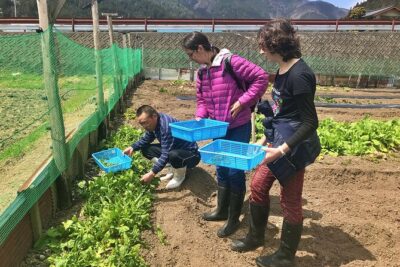
Hida Private E-Bike Tour with Premium Lunch and Farm Experience
Read our review →Browse the lists this tour appears in