
Review · AUSTRALIA
Bundaberg: Splitters Farm Guided Tour
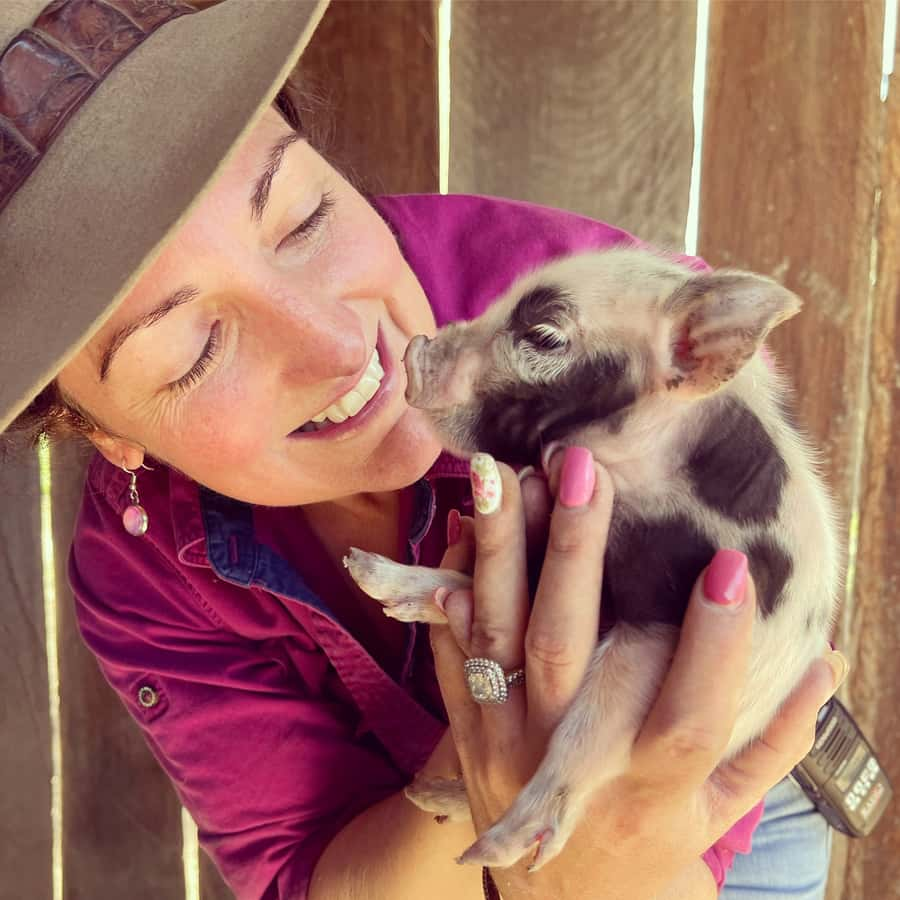
Splitters Farm puts you right among more than 400 rescued farm animals, with food in your hand and a guide explaining how each animal reached its new home. I like the personal touch: you collect eggs, taste honey and macadamias made on the farm, and hear how a working cattle property deals with farming pressures. The main drawback is that no meal is included, and the farm visit takes place rain or shine.
I especially like that your $38 helps cover the animals’ care, rather than paying only for a short photo stop. I also like the chance to hear from a farm owner, with Karla earning particular praise for her stories and warm handling of the tour. Bring shoes that can cope with paddocks, and do not count on a dry-weather outing.
Key points to know before you book
- Feed more than 400 rescue animals: Move from paddock to paddock and learn how individual animals came to Splitters Farm.
- Taste farm-made produce: Honey and macadamias are offered during the welcome, while egg collecting adds a hands-on farm task.
- Meet an owner guide: The tour is led by one of the farm owners, with Karla named as an excellent guide on one visit.
- See a working Australian farm: You learn about cattle farming, supply and demand, sustainability, and the pressures facing farmers.
- Plan for outdoor conditions: The tour runs in rain or sunshine, so comfortable shoes, a hat, and a camera are sensible.
- Good value for animal lovers: The fee includes animal food, a private guided tour, and support for feeding the rescued animals.
Arriving at Splitters Farm and meeting your guide
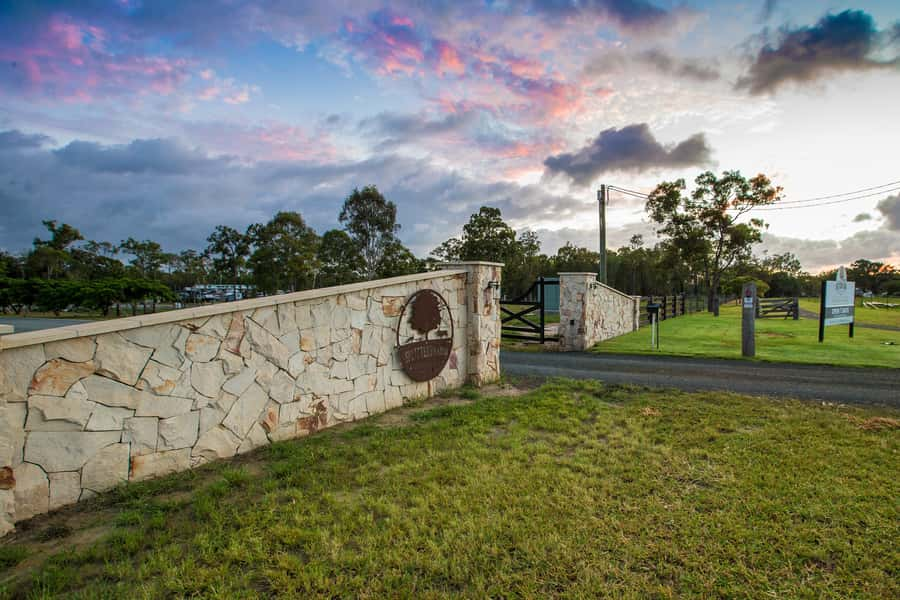
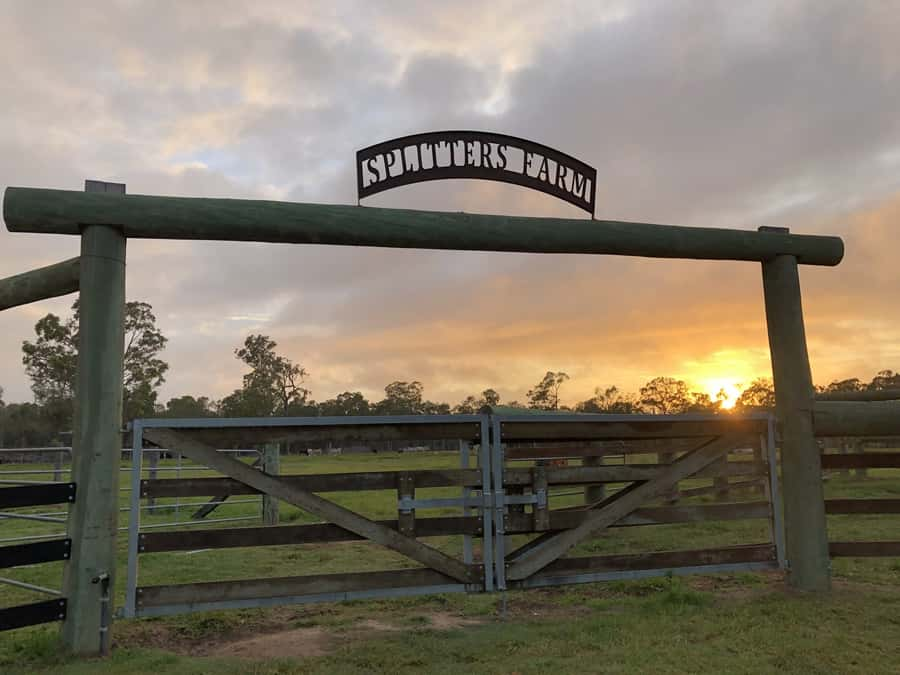
Your visit begins at the main site office, where you collect your guided tour wristband and farm brochure with map. This is a simple start, but it matters: the office is where you check in, find out where the tour begins, and get oriented before heading into the paddocks.
The welcome includes tastings of honey and macadamias from the farm. That gives the tour a useful local flavor before the animal feeding begins. You are not just entering a rescue property for a quick look. You are being introduced to a family-run farm that produces goods, cares for animals, and works within its Australian bushland and creek setting.
One of the farm owners leads the private guided tour. Karla is specifically praised for her stories and care on a past visit, while another visitor described the guide simply as a champion. The exact guide can vary, but the owner-led format means you can expect the farm’s story to come from someone closely involved in its daily operation.
The tour is in English. Splitters Farm lists it as wheelchair accessible, though the experience takes place across outdoor farm areas, so it is wise to check current conditions if you need detailed access information for paddocks or paths.
More Guided Trips in Australia:
- Rockhampton: Koorana Crocodile Farm Guided Tour
★ 4.8 · 136 reviews - Bundaberg: Monsoon Aquatics Coral Farm Guided Tour
★ 4.9 · 25 reviews - Guided Paspaley Pearl Farm Tour with Return Transfers
★ 4.0 · 4 reviews
Walking from paddock to paddock
The central part of the experience is a guided walk through the farm’s paddocks. Rather than viewing animals from one fixed area, you move from place to place while the guide explains the property and introduces the rescued animals.
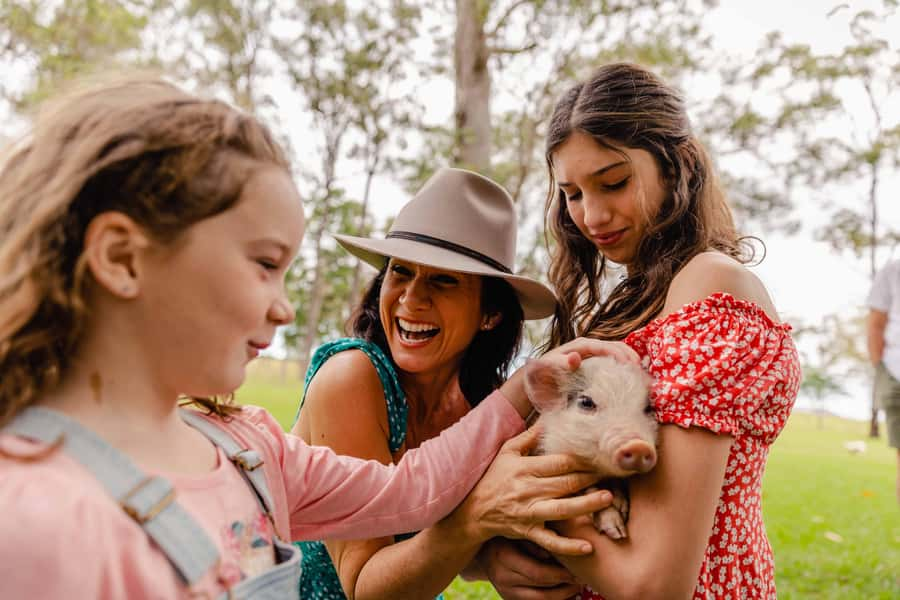
The supplied animal food is included, so you do not need to bring feed from home. Hand-feeding changes the feel of the visit. You are close enough to see the animals’ different temperaments, and the guide can explain their backgrounds as you go.
The number is impressive, but the individual stories are the real point. Splitters Farm is home to more than 400 rescued farm animals, and the tour explains how they arrived and why the property became their forever home. That personal context helps you understand the work behind animal rescue. It also gives the visit more meaning than a standard farm petting area.
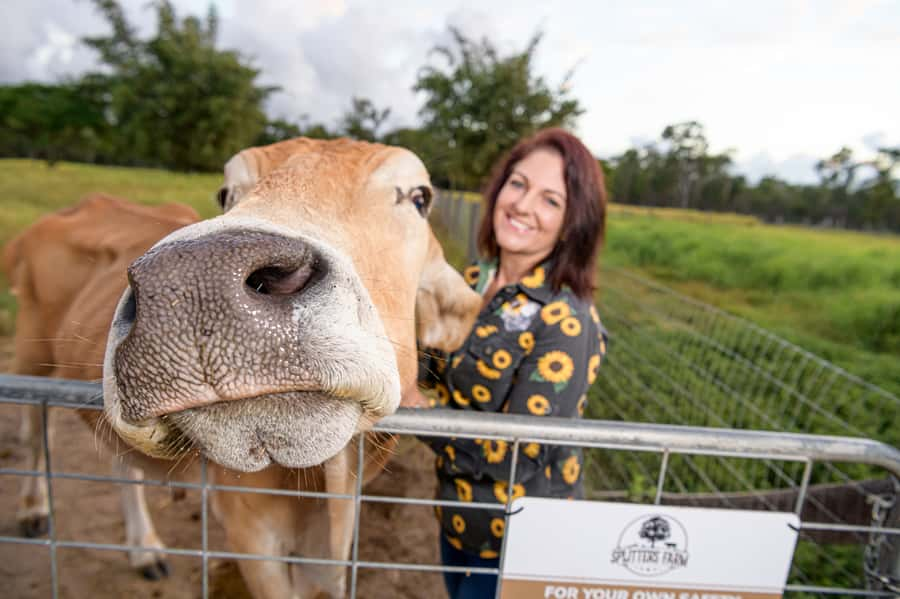
The animals are described as tame and well cared for, a point that matters for families and anyone who feels uneasy around larger farm animals. You still need to listen to the guide and handle the food sensibly. This is a working farm, not a set designed only for visitors.
Take your time with the photo opportunities. The paddocks, bush surrounds, and creek areas give you more than close-up animal shots. Your camera can capture the farm setting, the animals at feeding time, and the everyday relationship between a working property and its residents.
Egg collecting, honey, and macadamias
Egg collecting adds a practical task to the tour. It is a small detail, but it helps you see farming as work rather than scenery. You are not only looking at animals. You are also learning how food is produced and gathered on a family-run property.
The honey and macadamia tasting comes near the welcome, before the full farm walk. These products connect the animal visit to the wider operation. They also make the experience feel more local than a generic animal encounter, since you are tasting items produced on the property.
No food is served as part of the tour. If you want coffee or a cold drink, a barista van is on-site, and cold drinks are available for purchase at the main office. Plan around that detail, especially if you are visiting with children or expect to spend a long time outdoors.
The distinction is useful when judging the price. At $38 per person, you are paying for an owner-led visit, animal food, tastings, egg collecting, and access to the farm setting. You are not paying for lunch or a full meal. For an animal lover, the included activities make the fee reasonable, particularly because the entry money helps feed the rescued animals.
Learning how a working farm survives
The farm story goes beyond animal rescue. Your guide explains the farming background of the Bundaberg region, the operation of a family-owned cattle farm, and the supply and demand problems that affect agricultural businesses.
This is one of the strongest reasons to choose the guided option. You see more than animals in paddocks. You hear about the resilience required from Australian farmers and the practical challenges of keeping a farm running. That context gives the tour a useful connection to the wider region.
The experience also looks at how a sustainable farm can work with its natural bushland and creek surrounds. The information provided does not promise a technical sustainability lesson, so you should not expect a formal class or detailed environmental presentation. Instead, the focus is on seeing how farm activity and the natural setting can exist together.
I like that balance. The tour gives you a look at farming as an active livelihood, while also showing why the property’s natural setting matters. It avoids reducing the farm to either a rescue center or a sightseeing stop.
A few more farm days around Australia worth a look
- Amazing Yarra Valley Wine Tour + Chocolate, Farm Fresh, Gin
★ 5.0 · 1,566 reviews - Hidden Gems: Boutique Full-Day Wine, Farm & Lunch Tour
★ 5.0 · 881 reviews - Melbourne: Yarra Valley Wine, Choc, Farm Fresh, Gin Tour
★ 4.9 · 258 reviews - 3- Hour Wine and Harvest the Hunter Horse Tour in Pokolbin
★ 5.0 · 165 reviews
What makes the animal stories worthwhile
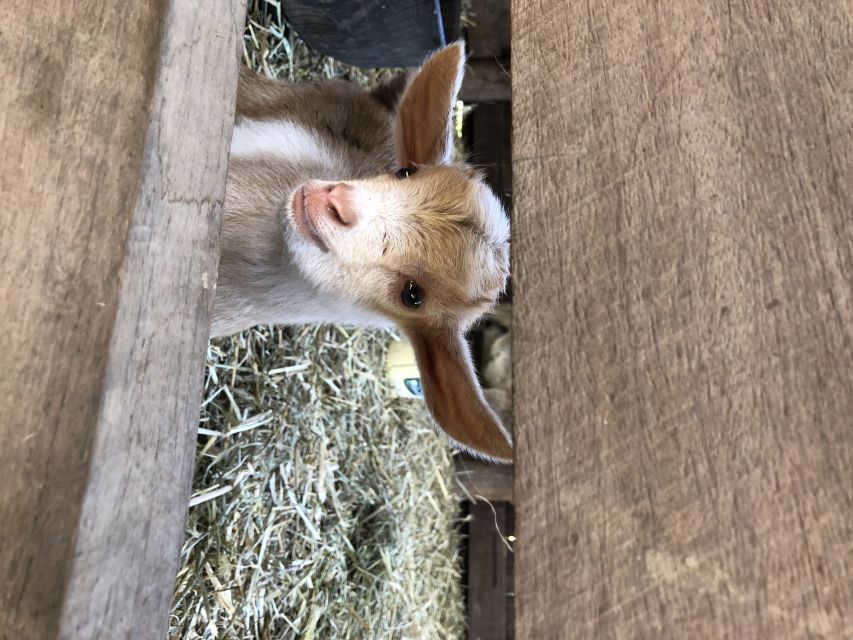
The animal feeding is easy to understand, but the background stories make it memorable. When the guide explains how animals arrived at Splitters Farm, you get a clearer idea of the responsibility involved in giving them long-term care.
That care was a major strength of the experience for Sandra, who noted that the animals were tame and well looked after, and that the owners were passionate about bringing them back to good health. The tour fee going toward animal food also gave the visit a practical purpose.
This is important if you are deciding between a brief animal encounter and a longer guided farm visit. At Splitters Farm, your money supports the daily cost of feeding the animals. The tour also helps you understand why rescue work requires time, land, and steady care.
You may find that some parts appeal more to you than others. Children may focus on feeding and egg collecting. Adults may pay closer attention to the farming story, animal backgrounds, and sustainability discussion. Photographers have the added benefit of paddocks and natural surrounds rather than only enclosed viewing areas.
Weather, clothing, and photo planning
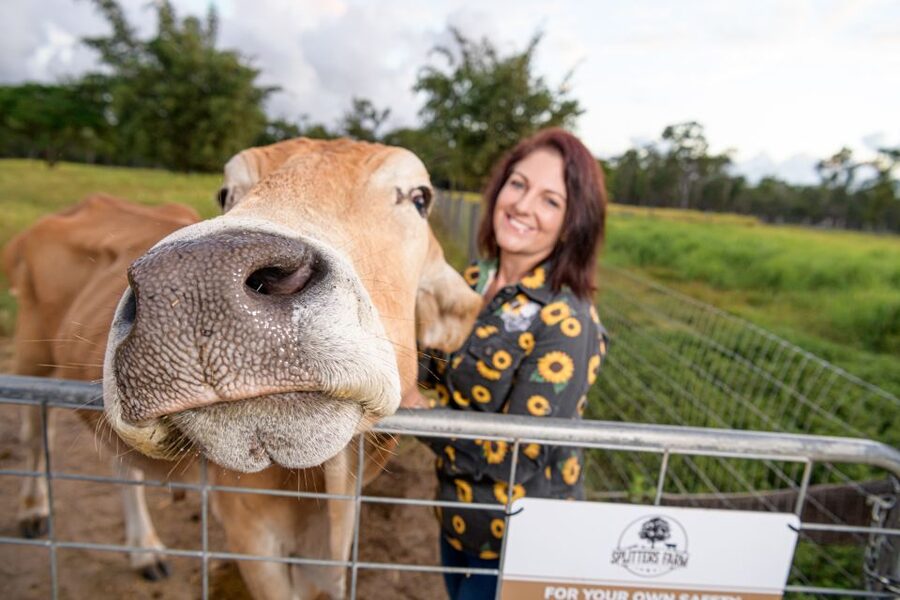
The tour runs rain or shine. That is the clearest practical warning, and you should take it seriously when packing.
Wear comfortable shoes suitable for walking around farm areas. A hat is also recommended, along with a camera. Since the experience includes paddocks and outdoor surroundings, clothing that can handle changing weather and ordinary farm conditions is a sensible choice.
Rain may alter how comfortable the walk feels, even though it does not cancel the experience. If you prefer a tidy, indoor attraction with guaranteed dry footing, this is not the right format. If you enjoy being outdoors and accept a little weather, the rain-or-shine policy is less of a concern.
The farm is described as a photographer’s dream, but the most useful expectation is variety rather than a guaranteed set of perfect shots. You can photograph the animals, feeding moments, farm products, paddocks, bushland, and creek surrounds. Bring a camera, but keep your attention on the guide and animals too.
Who will enjoy the $38 experience most
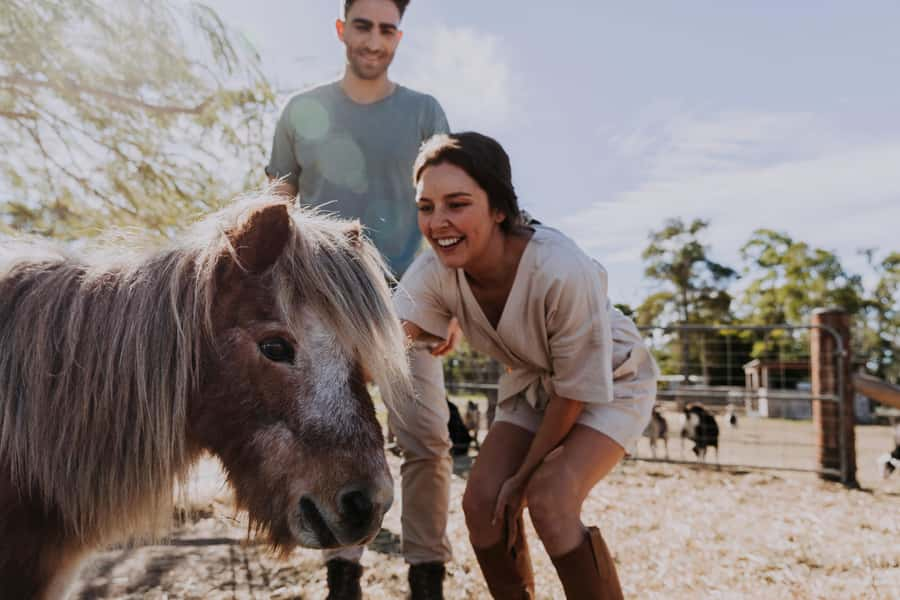
I would choose this tour if you care about animals, local farming, and hands-on activities. It suits families, photographers, people interested in rescue work, and anyone looking for a quieter Bundaberg activity with a clear local connection.
It is also a good match if you prefer a personal tour led by an owner rather than a large attraction with a fixed script. The private guided format gives the visit a more direct feel, and the guide can connect animal stories with the farm’s wider work.
The tour may be less suitable if you want a meal included, an indoor program, or a short visit that requires no walking. The duration is listed as one day, while starting times depend on availability, so check the available schedule when booking rather than assuming a particular departure time.
The exact group size is not provided. The tour is described as private and owner-guided, but you should confirm the arrangement if a small or exclusive group is important to you.
Booking, cancellation, and useful planning details
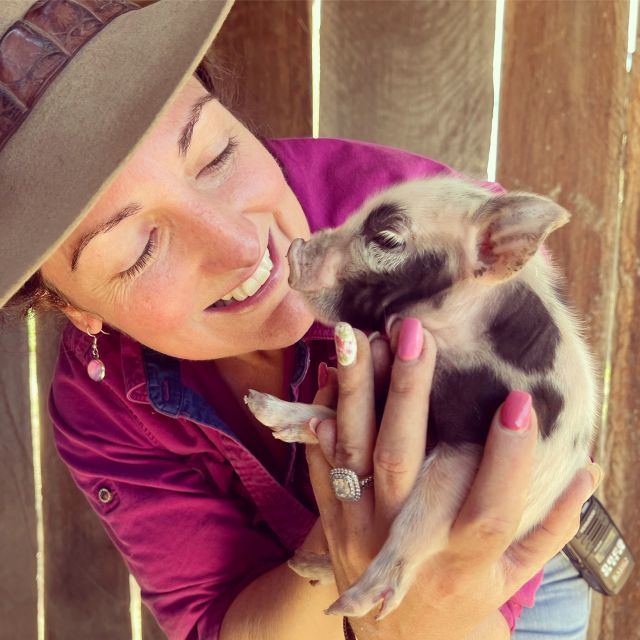
The price is $38 per person. That includes the farm brochure and map, food for the rescue animals, the guided visit, photo opportunities, and tastings of honey and macadamias. It does not include food, though coffee and cold drinks can be purchased on-site.
You can reserve now and pay later, which is useful if your Bundaberg plans are still taking shape. Free cancellation is available up to 24 hours in advance for a full refund.
At check-in, collect your wristband at the main office. You should arrive ready for an outdoor activity rather than treating the office as the main attraction. Comfortable shoes, a hat, and a camera cover the basic needs listed for the visit.
The tour is available in English. The farm is wheelchair accessible, but because the activity includes paddock areas, ask about the current route if you have specific mobility requirements.
Should you book Splitters Farm?
I would book Splitters Farm if you want direct contact with rescued animals and a farm story with real substance. The combination of hand-feeding, egg collecting, local produce, and owner-led guiding gives you more to do than simply walk past enclosures.
The strongest reason to go is the care behind the visit. Your entry fee helps feed the animals, and the tour explains how they came to live at the farm. Karla’s praised guiding and the repeated approval of the animal care add confidence that the experience is built around the animals rather than only the photo opportunity.
Think twice if you need guaranteed sunshine, a supplied meal, or a fully indoor attraction. Otherwise, $38 is a fair price for a personal outdoor tour that supports rescued animals and gives you a useful look at farming near Bundaberg.
FAQ
Where does the Splitters Farm tour begin?
Check in at the main site office and collect your guided tour wristband and farm brochure with map.
How much does the tour cost?
The tour costs $38 per person.
How many animals can I see?
The tour includes more than 400 rescued farm animals.
Can I feed the animals?
Yes. Food for the rescued animals is included, and the guided visit includes hand-feeding.
Can I collect eggs?
Yes. Egg collecting is one of the activities included in the farm visit.
Are honey and macadamias included?
Yes. You taste honey and macadamias from the farm during the welcome.
Is food included?
No meal is served during the tour. A barista van is on-site, and cold drinks are available for purchase at the main office.
Who leads the tour?
The tour is led by one of the farm owners. Karla is named as a guide on one highly rated visit.
What should I bring?
Bring comfortable shoes, a hat, and a camera.
Does the tour run in bad weather?
Yes. The tour takes place rain or shine.
Is the tour wheelchair accessible?
Yes. Splitters Farm lists the tour as wheelchair accessible.
Can I cancel for a refund?
Yes. You can cancel up to 24 hours in advance for a full refund.
Can I reserve now and pay later?
Yes. The reserve-now, pay-later option allows you to hold your plans without paying immediately.
Just added around Australia
- Alpaca Farm Tours with Toffeemont★ 5.0 · 8 reviews
- Alpaca Meet and Greet Experience in Peterborough★ 4.5 · 6 reviews
- One Hour Coral Farm Tour, Discover Australia’s Marine Life★ 5.0 · 15 reviews
- Hook-A-Barra Fishing and Farm Activity★ 5.0 · 47 reviews
- Macadamias Australia Orchard Tour in Bundaberg★ 5.0 · 15 reviews
- Oyster Farm Tour with Hotel Pick-up and return from Port Lincoln★ 5.0 · 11 reviews
- Experience Coffin Bay Short and Sweet Oyster Farm Tour★ 5.0 · 56 reviews
- Group Live Pearl Harvest Experience – Perth★ 5.0 · 2 reviews
Australia Farm Tours, compared.
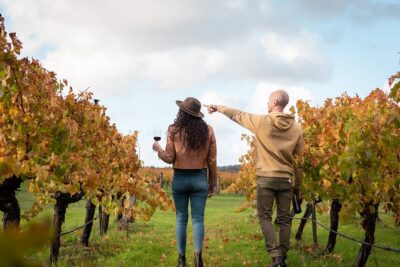
Hidden Gems: Boutique Full-Day Wine, Farm & Lunch Tour
Read our review →
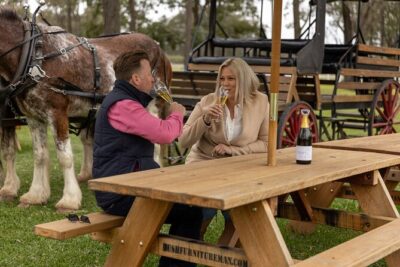
3- Hour Wine and Harvest the Hunter Horse Tour in Pokolbin
Read our review →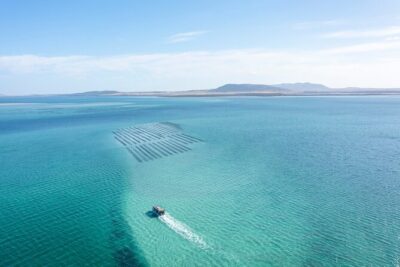
Experience Coffin Bay Oyster Farm and Bay Tour
Read our review →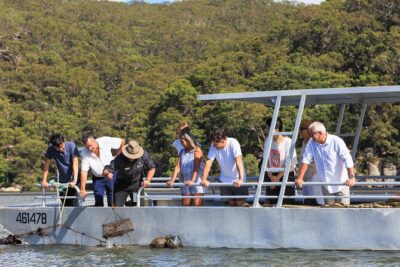
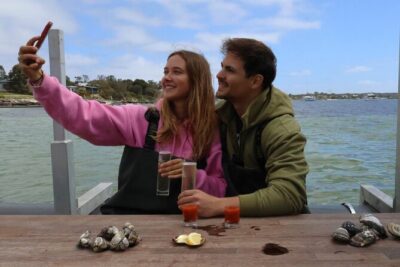
Coffin Bay Oyster Farm Wading Tour & Tasting Experience
Read our review →
Rockhampton: Koorana Crocodile Farm Guided Tour
Read our review →
Browse the lists this tour appears in