
Review · MEDELLIN
Comuna 13 & Coffee Farm Private Tour in Medellin | The Best Combo
Comuna 13 and a working coffee farm show you two very different sides of Medellín in one well-packed day. I like the private transport and flexible feel, and I especially like that the coffee stop goes beyond sipping a cup: you plant a seed, pick berries, and follow them through roasting and grinding. The drawback is simple: eight hours with steep streets, hills, and coffee-farm walking requires a moderate level of fitness.
I also like the smart timing. Starting Comuna 13 early can mean fewer people, clearer views of the murals, and a calmer look at the neighborhood before many vendors open. Guides such as Daniel and Alejandro have made a strong impression through clear explanations and personal connections, but your guide may differ.
Key points at a glance
- Two major Antioquia experiences in one day: See Comuna 13’s street art and electric escalators, then visit a small family coffee farm near Sabaneta.
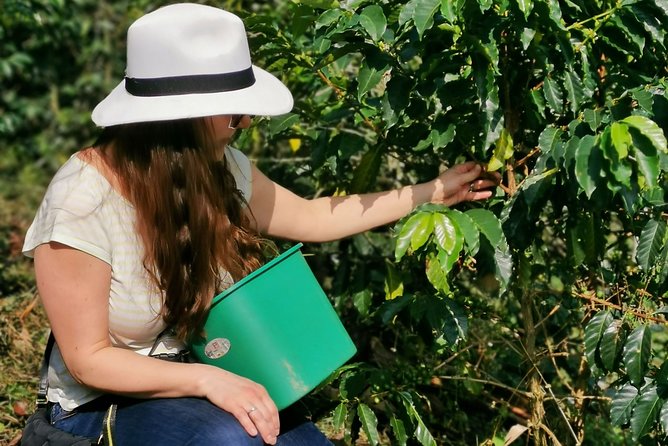
- A hands-on coffee lesson: Plant a seed, taste the coffee fruit, pick berries, and help process them before tasting the finished drink.
- Four brewing methods: Compare how different brewing devices change the coffee’s flavor and learn where to notice those flavors in your mouth.
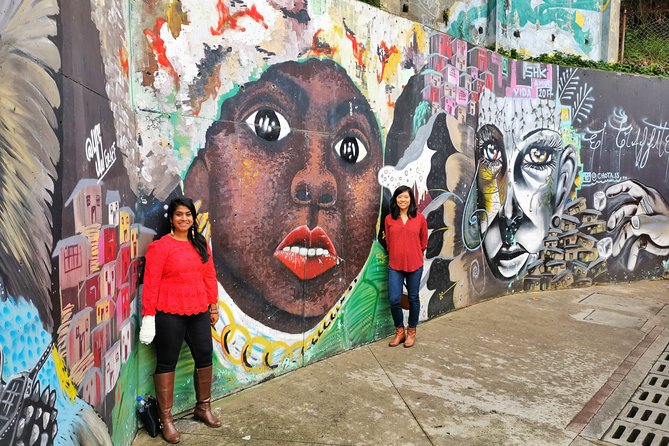
- A meaningful neighborhood walk: The murals are tied to Comuna 13’s difficult past, present-day life, and hopes for the future.
- Lunch is built into the schedule: A traditional meal, including bandeja paisa on the farm, breaks up the long day.
- Private pickup and drop-off: Transport is included from hotels or addresses in El Poblado and Laureles in an air-conditioned vehicle.
Why this pairing works so well
Many Medellín outings focus on one theme. This one gives you a fuller picture of Antioquia. In the morning, you see an urban district known for public art, community change, and steep streets. Later, you leave the city for a family-run farm where coffee production is still physical, local, and hands-on.
I like this contrast because neither stop feels like a quick photo call. Comuna 13 gives you context for the city and its people. The farm helps you understand one of Colombia’s best-known products from plant to cup.
The tour costs $150 per person. That is not a budget excursion, but the price includes private transportation, the guide, lunch, and the coffee farm admission. For a small group, the value improves because you are not sharing the vehicle or schedule with strangers. You also avoid arranging two separate outings and working out transport between them.
The day lasts about eight hours, so this is best for you if your time in Medellín is limited and you want two major experiences without spending separate days on them. It is less suited to anyone seeking a slow morning or a short, easy city walk.
More Coffee Farm Tours in Colombia
- Medellín Coffee Farm Tour with Trolley and Cable Car Ride
★ 4.9 · 277 reviews - Coffee Tour at the Finca del Café
★ 5.0 · 213 reviews - Salento: Private Cocora Valley, Salento & Coffee Farm Tour
★ 4.9 · 202 reviews
Starting with Comuna 13’s escalators and murals
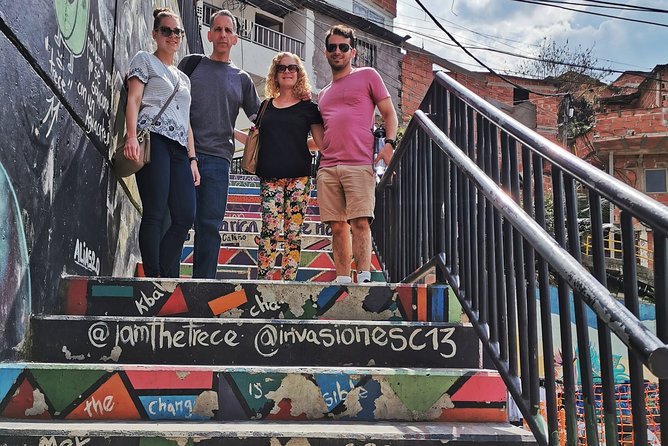
The Comuna 13 portion takes about two hours and centers on the Escaleras Eléctricas de la Comuna 13, the district’s famous outdoor escalators. They were built at a cost of about $3.5 million to replace more than 350 stairs on a very steep hillside.
That detail matters when you are walking through the neighborhood. The escalators are not just an unusual attraction. They were designed to make movement easier for people living on the hill, and they now serve as a practical part of daily life as well as a major point of interest.
You will see a large amount of graffiti along the route. The art is not treated as decoration alone. Your guide explains how particular images connect with the neighborhood’s past, present, and hopes for the years ahead.
This is where the guide makes a real difference. A walk through murals can become a string of photographs without context. With a good guide, you learn to pause and ask why a certain figure, color, or scene appears on a wall. Daniel, one guide named in the tour experience, speaks fluent English and is described as friendly, informative, and well connected in the area. He even introduced a couple to one of the neighborhood’s active graffiti artists.
You should not expect a formal museum setting. Comuna 13 is a lived-in neighborhood, and the route includes public streets, shops, stairs, performances, and local vendors. That gives the visit energy, but it also means the pace and conditions are less controlled than they would be inside a gallery.
An early start is a useful choice. One couple was picked up on time and reached Comuna 13 before the area became crowded and before many vendors had set up. That made it easier to look at the murals without constantly stopping for passing groups.
You might also encounter local entertainment along the route. A breakdancing performance was part of one visit, and a guide arranged a local treat of green mango and passionfruit served with lime juice and salt for dipping. These details are not guaranteed, but they show how the experience can include small food and cultural moments beyond the main route.
The walking section is not flat. You will use escalators, streets, and steep sections, so comfortable shoes are important. The tour information calls for moderate physical fitness, and that is a fair warning rather than a formal obstacle.
The move from city streets to Sabaneta
After Comuna 13, the tour continues to Sabaneta for the coffee experience. The contrast is part of the appeal. You move from murals and urban hills to a small family farm on the side of a mountain.
Private transport matters here. You do not need to find a taxi, book a second vehicle, or manage a connection between the two stops. The air-conditioned vehicle is also welcome after walking in the city and before the farm portion begins.
The farm produces around two tons of coffee a year from about 14,000 coffee plants. That is large enough to support a real production process, but small enough for the visit to feel personal and practical rather than industrial.
The property is family run and includes some animals. Coffee grows on a mountain setting, so the visit is not just a seated tasting. You will spend time outside and walk among the plants.
Lunch before the coffee work begins
Lunch is served at the farm, and its placement in the day makes sense. You have already spent time walking in Comuna 13, and the farm activities require energy.
The meal is a traditional Colombian lunch. One especially memorable version was bandeja paisa, with some ingredients coming directly from the farm, including avocado, eggs, and leaves used to wrap part of the meal.
Do not expect breakfast to be included. The tour specifically includes lunch but not breakfast, so plan your morning meal before pickup. Since the tour begins early enough to reach Comuna 13 before the crowds, this is a practical detail to keep in mind.
Lunch also creates a natural pause between the two main activities. The schedule does not treat the farm as a rushed add-on after a long city tour. You eat, rest, and then receive an introduction to coffee production.
Same fields, a different sort of day out:
- Medellin: Horseback Riding Coffee Farm Tour with Coffee Spa
★ 4.8 · 151 reviews - From Bogotá: Coffee Farm and Tequendama Falls Tour
★ 4.5 · 130 reviews - Coffee Tour at Finca El Ocaso Salento: Traditional Spanish Farm
★ 4.8 · 89 reviews - Coffee Tour Salento-Ocaso Farm- English Tour
★ 4.6 · 88 reviews
From coffee seed to roasted bean
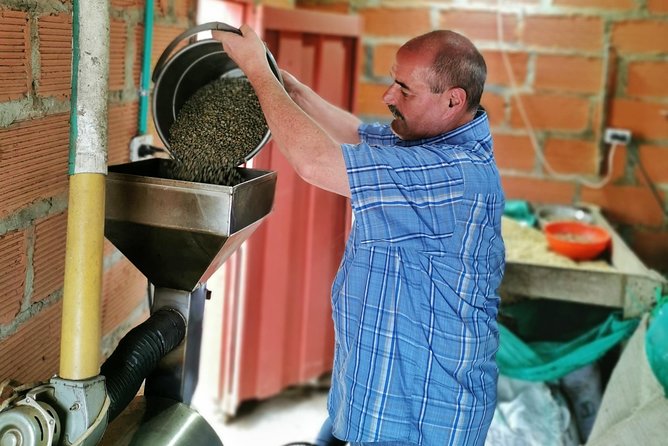
The coffee lesson begins with background on the coffee industry and the life cycle of the plant. This introduction gives you useful context before you head into the plantation.
You are invited to plant a coffee seed and taste the bean as a fruit. That second part may surprise you. Before processing, the coffee fruit is not the dark, roasted bean most people picture. Tasting it at this stage helps you understand how far the product changes before it reaches your cup.
Then you head among the plants to pick coffee berries yourself. The work is simple to watch but harder to appreciate until you handle it. You see that the drink served in a café begins with repeated manual tasks in the field.
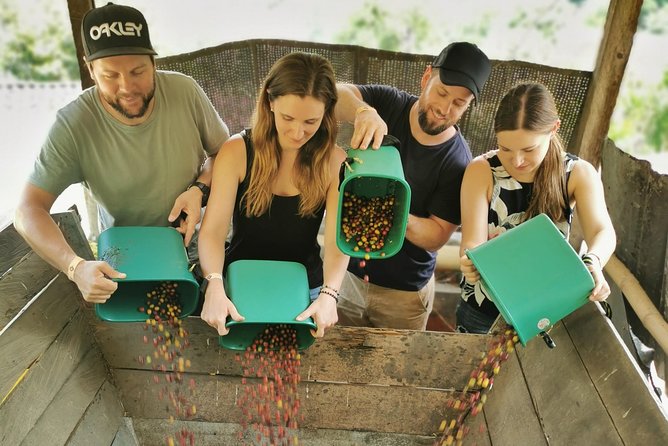
The visit follows the coffee process step by step. After picking, you see how the beans are processed, roasted, and ground. The exact amount of work you perform at each stage may depend on the farm’s schedule, but the advertised experience is designed to let you take part rather than only observe.
Rubber boots and traditional coffee-harvesting gear are provided for the farm work. That is useful because the ground can be uneven and the setting is agricultural, not a paved attraction. You should still wear clothing and shoes you do not mind using outdoors.
Comparing four ways to brew coffee
The tasting is one of the strongest parts of the farm visit. You try coffee prepared through four different brewing methods and compare the results.
This is valuable even if you already drink coffee regularly. The same beans can taste different depending on how they are prepared, and the guide explains how to notice the changes. You are also shown where in your mouth to focus while tasting, which gives the session a clear method rather than leaving you with a vague instruction to identify flavors.
The point is not to turn you into a professional taster in one afternoon. It is to help you recognize how brewing affects aroma, body, and flavor. You leave with a better sense of why one preparation may seem lighter or stronger than another.
Alejandro is the guide specifically praised for coffee expertise, and one group of nine found his explanations helpful throughout the farm visit. Since guide assignments can change, treat Alejandro’s presence as possible rather than guaranteed.
The private format and what it changes
This is a private activity, so only your group participates. That can make a big difference at Comuna 13, where you may want to stop for an explanation, photograph, or conversation without waiting for a large group to gather.
A private guide can also adjust the rhythm within the fixed day. If your group is especially interested in murals, coffee processing, or food, you have a better chance of asking follow-up questions. The tour still has a full schedule, so private does not mean completely unstructured.
Pickup and drop-off are included from places in El Poblado or Laureles. If you are staying elsewhere, the provided information does not promise pickup, so confirm the meeting arrangement before booking.
The vehicle is air-conditioned, and the guide can take photographs during the day. Daniel was able to take pictures for one couple and send them by AirDrop at the end. That is a pleasant extra, but it should not be treated as a guaranteed service for every departure.
Who will get the most from this day
I would choose this tour if you have limited time in Medellín and want both an urban culture visit and a countryside experience. It is also a good fit if you prefer learning by doing. Planting a seed, picking berries, and comparing brewing methods offer more than a standard farm photo stop.
It suits couples, families with older children, and small groups who value a private vehicle and direct access to a guide. A group of nine completed the day happily, so the format can work for a larger private party too.
You should think twice if you dislike long days, steep walking, uneven farm ground, or changing between several activities. The Comuna 13 portion is only about two hours, but the full outing lasts about eight hours and includes outdoor work.
The tour is also less suitable if your main goal is an in-depth coffee plantation stay. The farm visit is thorough for a day trip, but it shares the day with Comuna 13 rather than giving coffee your entire schedule.
Weather, cancellation, and planning details
The experience requires good weather. If poor weather forces a cancellation, you are offered another date or a full refund.
You can cancel for a full refund up to 24 hours before the start time. Changes or cancellations made less than 24 hours before departure are not accepted for a refund, so check your plans carefully.
Confirmation is provided when you book. The activity calls for moderate physical fitness, and that should guide your decision more than any promise of an easy stroll. Wear comfortable walking clothes and prepare for both city streets and farm conditions.
The tour is recommended by all published participants and carries a 5 rating from 46 ratings. The most useful takeaway is not the number itself, but the repeated praise for the guides, the clean air-conditioned vehicle, the timing at Comuna 13, the lunch, and the detailed coffee process.
Should you book the Comuna 13 and coffee farm tour?
Book it if you want a full Medellín day that connects public art, community change, Colombian food, and coffee production. The combination is well chosen, and the private format makes the $150 price easier to justify, especially for a group sharing the experience.
I would be most likely to book it with a guide such as Daniel or Alejandro if available, while confirming the assigned guide before departure. Start with breakfast, wear shoes suitable for hills, and keep enough energy for the farm work.
Skip it if you want a relaxed half-day or prefer to explore Comuna 13 slowly on your own. For everyone else, this is a practical way to see two very different parts of Antioquia without spending time arranging separate transport and meals.
FAQ
How long does the Comuna 13 and coffee farm tour last?
The experience lasts approximately eight hours.
What does the Comuna 13 portion include?
It includes a guided visit to the Escaleras Eléctricas de la Comuna 13, along with the neighborhood’s street art and explanations of the meaning behind many murals.
How long is the Comuna 13 visit?
The Comuna 13 stop lasts about two hours.
How long is the coffee farm visit?
The coffee farm portion lasts about four hours.
Is lunch included?
Yes. Lunch is included, and a traditional bandeja paisa may be served at the farm.
Is breakfast included?
No. Breakfast is not included.
Where does pickup and drop-off take place?
Pickup and drop-off are included at your place in the El Poblado or Laureles districts.
Is this a private tour?
Yes. Only your group participates in the activity.
What happens if bad weather cancels the tour?
You are offered a different date or a full refund if poor weather causes the experience to be canceled.
Just added around Colombia
- Cocora Valley Tour and Coffee Farms★ 4.5 · 40 reviews
- Coffee Farm and Salento Walking Tour★ 5.0 · 47 reviews
- Salento and Cócora Tour plus Coffee Farm from Pereira or Armenia★ 5.0 · 40 reviews
- Tour to the Hacienda Nápoles Theme Park★ 4.0 · 22 reviews
- Exclusive Coffee Experience:Tour from Bogotá★ 4.5 · 45 reviews
- Tour Guatapé con visita a Granja de las Llamas y las Alpacas★ 3.5 · 11 reviews
- Medellín: Flower Farm & Silletero History Tour★ 4.3 · 23 reviews
- Salento: Coffee Farm Tour with Tasting★ 4.9 · 41 reviews
Medellin Farm Tours, compared.
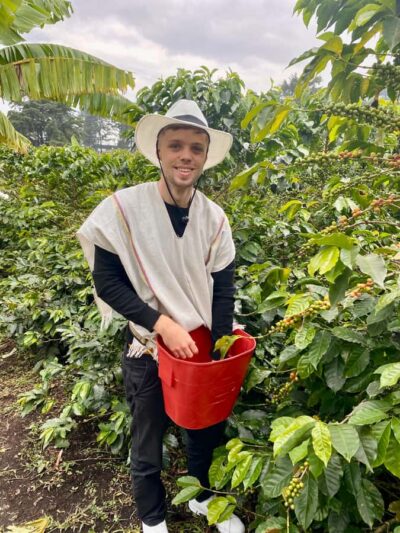
Medellín Coffee Farm Tour with Trolley and Cable Car Ride
Read our review →
Horseback Riding Coffee Farm Tour with Coffee Spa
Read our review →
Coffee Farm & ATVs Private Tour in Medellin: Stunning Views & Fun
Read our review →

Guatapé Tour by Chiva + Visit to Pablo Escobar’s Hacienda
Read our review →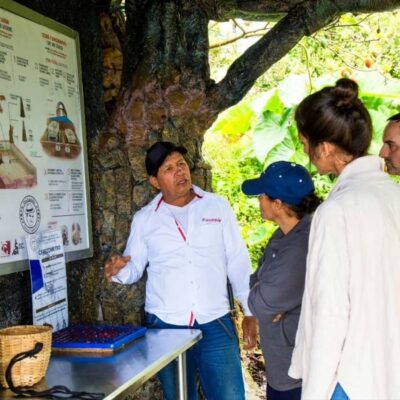
Browse the lists this tour appears in