
Review · GREECE
Phyllo Pies Baking Class @ Lefkada Micro Farm
The best part of this Lefkada experience is that you do not just eat Greek food, you learn how to make it. At Lefkada Micro Farm, Andreas and his mother guide you through hand-kneading, stretching, filling, and rolling phyllo dough before baking four different pies in a wood-burning oven. I like the small group size, limited to 10 people, and the chance to see how food is grown before it reaches the table.
I also like the mix of practical cooking and quiet countryside time. The farm walk gives the class a slower rhythm than a beach outing, while the shared lunch turns your work into a proper meal. The main consideration is the $144.05 price, which is a serious spend for a four-hour activity, and the outdoor setting means poor weather can lead to a cancellation or changed date.
Key points at a glance
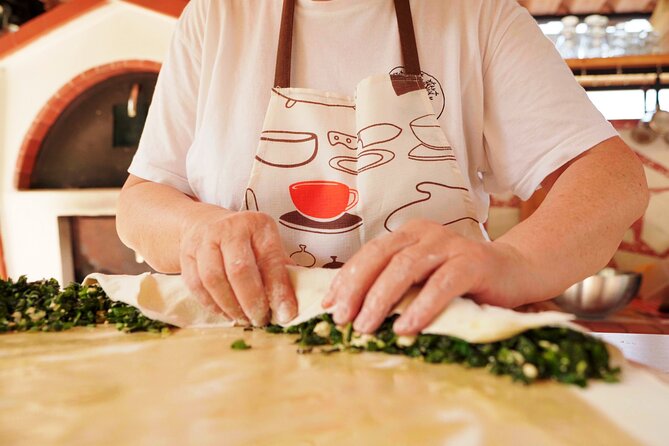
- Four traditional pies in one class: Make wild greens with feta, goat cheese with sun-dried tomatoes and olives, squash pumpkin with walnuts and raisins, and baklava with honey.
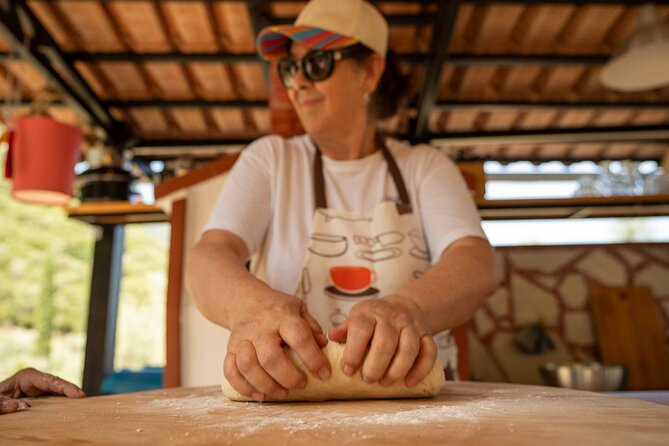
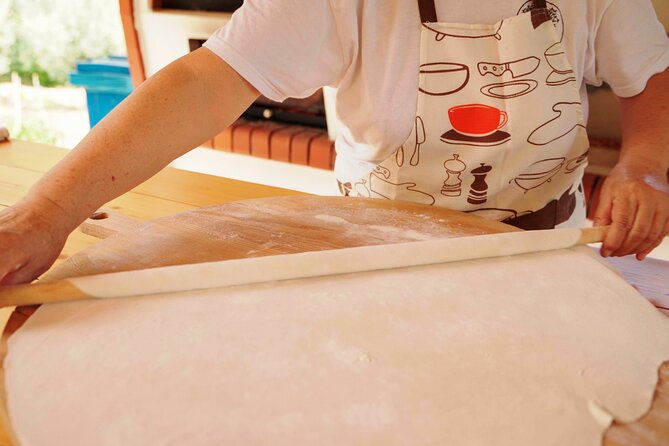
- Phyllo starts from scratch: You knead the dough, wait for it to be ready, then stretch and roll it yourself.
- A wood-burning oven: The pies bake in a traditional oven while you share the open-air kitchen and dining table.
- Farm time is built into the lesson: See the trees, vegetables, herbs, and animals at Lefkada Micro Farm.
- A personal host team: Andreas and his mother lead the class, with a maximum of 10 participants.
- Morning start in the countryside: Meet at the farm at 10:00 a.m. and finish back at the same place after about four hours.
Why this Lefkada cooking class feels different
Lefkada is famous for bright water, boat trips, and beach days. This class gives you a useful change of pace. Instead of spending another morning beside the sea, you head into the countryside and spend time with food at its source.
That shift matters. Greek cooking is closely tied to simple ingredients, careful preparation, and sharing food around a table. Here, you see the farm, handle the dough, and sit down to eat what you have made. The experience is not a quick demonstration followed by a tasting. You take part in the full process.
The class is led by Andreas and his mother. That family feel comes through in the format. You are working in a small group, not moving through a large commercial kitchen with dozens of people. With no more than 10 participants, you should have a reasonable chance to watch the technique closely and ask for help when your dough needs attention.
The atmosphere is one of the strongest reasons to book. The class has been rated 4.6 out of 5, with 90 percent recommending it. The most praised points are the hosts, making the pastry from scratch, and the pleasure of eating the finished pies together.
More Hands-On Workshops in Greece:
- Naxos Perivoli Farm Experience & Wood-fire Cooking Class
★ 5.0 · 339 reviews - Cretan Cooking Class and Olive Oil Tasting
★ 5.0 · 178 reviews - Melanes: Naxos Perivoli Farm & Cooking Class with Wood Fire
★ 5.0 · 177 reviews
10:00 a.m. coffee before the cooking begins
Your morning starts at Lefkada Micro Farm, at E.O. Nydriou Vavkeris Rachi, Nidri 311 00, Greece. The meeting time is 10:00 a.m., and the activity ends back at the farm after roughly four hours.
The first welcome is coffee or tea. That small pause helps everyone settle in before the hands-on work begins. It also gives the group a chance to meet one another, which matters in a cooking class where you will be sharing a work area and a meal later.
This is not an activity to squeeze between an early boat trip and an afternoon excursion. You need to allow the full morning and early afternoon, including the farm walk, preparation, baking, and lunch. Since the activity takes place outdoors and includes a wood-burning oven, wear clothes you are comfortable cooking in.
Transportation details are limited, but the farm is near public transportation. You receive a mobile ticket, and the meeting and ending point are the same. Check the exact route before setting out, especially if you are not staying near Nidri.
Kneading phyllo dough from the beginning
Once the welcome is finished, the wood-burning oven is lit and the phyllo dough work begins. You knead the dough rather than starting with prepared pastry. That is the part many people want to learn, since phyllo looks simple on the plate but takes practice to handle well.
The class then gives the dough time to become ready while you walk around the farm. This is a sensible order. You are not standing around waiting for pastry, and the lesson connects the cooking to the place where the food is grown.
Expect a physical, hands-on task. You will be working with dough, flour, fillings, and baking trays, so this is not a class where you sit and watch someone else do everything. The finished pastry may not look bakery-perfect on your first attempt, but that is part of the value. You learn the feel of the dough and the steps needed to repeat the process at home.
The two strongest practical benefits are learning phyllo from scratch and taking the recipes home with you. You are not only buying lunch. You are paying for a skill you can use again, assuming you are willing to practice.
A walk through Lefkada Micro Farm
While the oven heats and the dough rests, you walk around Lefkada Micro Farm. The farm grows food in a traditional organic way, and the walk introduces you to its trees, vegetables, herbs, and animals.
This part adds context to the recipes. Wild greens, herbs, squash, olives, and other simple foods make more sense when you have seen the kind of farm setting behind them. You are not simply handed a plate of food with no explanation of where its character comes from.
The walk is also a useful break from the kitchen. Four hours of cooking can feel long if every minute is spent at a worktable. Moving outdoors keeps the morning varied and gives you time to look around the property.
The information provided does not give a detailed list of crops or animals, so you should not expect a formal farm tour with a fixed set of stops. Think of it as an informal look at the food-growing side of the property, tied to the cooking lesson.
A few more farm days around Greece worth a look
- Mykonos: Farm, Ano Mera Village, and Beaches Guided Tour
★ 4.4 · 1,283 reviews - Crete: Road-trip to Lasithi, Zeus Cave & Olive Mill Farm
★ 4.4 · 451 reviews - Heraklion: Olive Farm Tour with Tasting of Local Delicacies
★ 4.9 · 411 reviews - Lassithi, Zeus Cave, Olive Mill Farm & Knossos Combo Tour
★ 4.6 · 404 reviews
Four pies, from savory to sweet
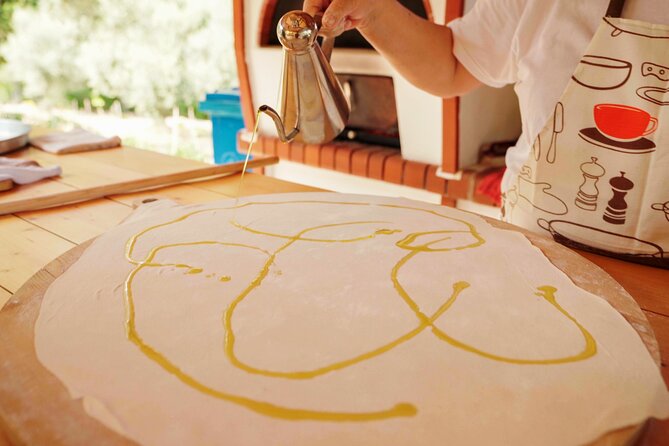
When you return to the open-air kitchen, the dough is ready to stretch, fill, and roll. The class prepares four recipes, giving you a broad introduction to Greek phyllo cooking rather than a single pie.
Wild greens with feta
This savory pie combines wild greens and feta cheese. It shows how Greek cooking can turn a small number of ingredients into a satisfying dish. The greens bring an earthy flavor, while feta adds salt and creaminess.
This is a useful recipe to learn if you want to recreate a Greek-style lunch at home. The recipe may also help you think differently about vegetables, since the filling is not built around a heavy sauce or a long list of ingredients.
Goat cheese, sun-dried tomatoes, olives, and oregano
The second savory pie has a stronger Mediterranean profile. Goat cheese brings a distinct tang, while sun-dried tomatoes and olives add concentrated flavor. Oregano gives the filling a familiar Greek finish.
This combination should appeal to you if you prefer bold, salty fillings. It also shows how phyllo can work as a crisp wrapper for ingredients that are already flavorful on their own.
Squash pumpkin, walnuts, cinnamon, and raisins
The sweet squash pumpkin pie moves in a different direction. Walnuts add crunch, cinnamon brings warmth, and raisins provide small bursts of sweetness.
This recipe is a good reminder that Greek pies are not limited to cheese and greens. The filling has the feel of a home-style dessert or snack, with ingredients that are easy to understand and potentially easy to find once you return home.
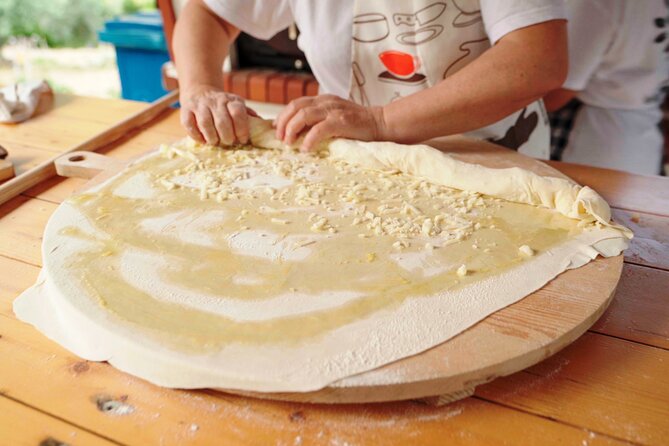
Baklava with honey, cinnamon, and walnuts
The final recipe is baklava, made with honey, cinnamon, and walnuts. If you have only encountered baklava in a bakery display, this gives you a chance to see the pastry as a process rather than a finished square.
The honey and walnuts make this a fitting final recipe, especially after the savory pies. It also adds variety to the class, since you are learning both meal dishes and a well-known Greek sweet.
The wood-burning oven and shared lunch
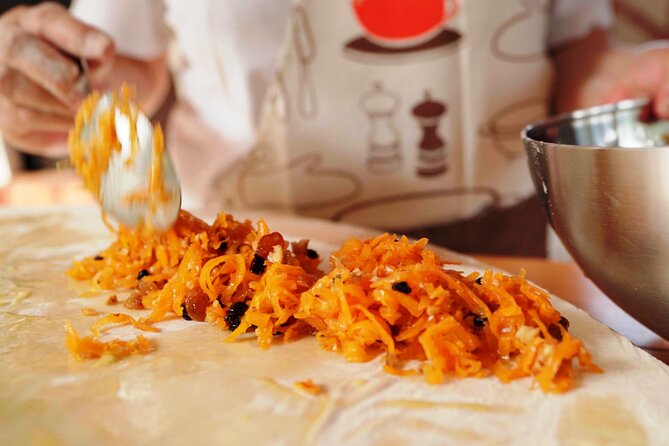
After the pies are assembled, they go into the wood-burning oven. The oven is not just a decorative feature. It is part of the rhythm of the class, giving the group a clear finish line after the dough work and filling preparation.
You then sit around the dining table and eat the lunch you prepared together. This shared meal is where the separate parts of the morning come together. You have seen the farm, made the dough, prepared the fillings, and watched the pies bake. Eating them at the same table gives the class a social finish rather than ending with a quick handout of food.
The lunch is included in the experience as the natural result of the cooking. That is important when judging the price. At $144.05 per person, you are paying for instruction, ingredients, farm time, use of the kitchen and oven, and a meal. It is not cheap if your main goal is simply to eat Greek pastries. It makes more sense if you value the lesson and the memory of making the food yourself.
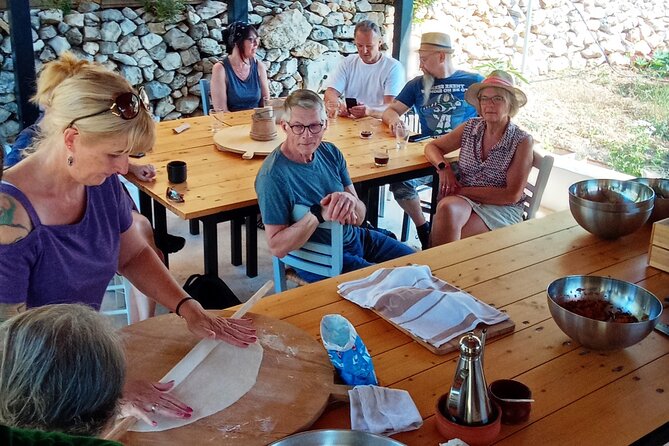
The shared meal also suits people who enjoy meeting others. You will be cooking alongside fellow participants, and the group size keeps the setting more personal than a large food tour. If you prefer to explore independently or dislike group activities, the social format may feel less appealing.
Who will get the most from this experience
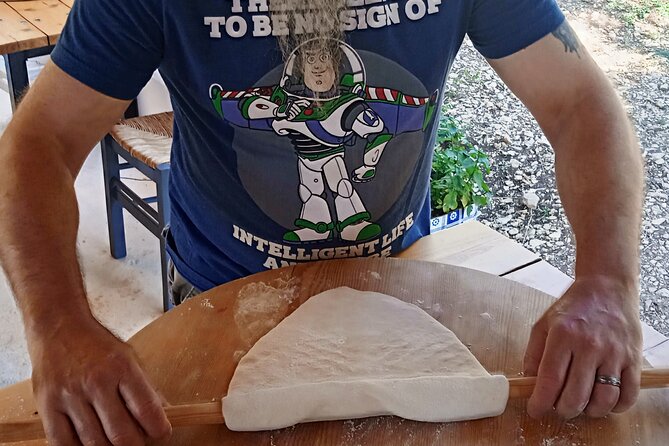
I would recommend this class to you if you enjoy food experiences that involve real participation. It is especially well suited to home cooks, couples, families with an interest in Greek food, and anyone who wants a quieter half-day away from the coast.
It is also a good choice if you like bringing something practical home from a trip. The recipes and phyllo technique are more useful than a souvenir that sits on a shelf. You can try the pies again later, though the class cannot promise that your first home attempt will match the wood-fired version.
The experience may be less suitable if you have limited time in Lefkada or want an activity with a fast pace. Four hours is a meaningful part of the day, and the cooking process cannot be rushed without losing the point of the class.
Tell the provider about allergies or dietary restrictions before you go. The recipes include feta, goat cheese, walnuts, raisins, honey, olives, and other ingredients, so this is worth discussing in advance rather than waiting until the kitchen is already busy.
Service animals are allowed. The activity is near public transportation, but the available details do not specify the full transport route or whether every part of the farm is accessible. Ask the provider directly if you have mobility concerns.
Weather, booking, and the $144.05 question
The class requires good weather. If bad weather causes a cancellation, you are offered another date or a full refund. That policy is fair, but it means you should avoid placing the class on the final morning of your holiday if rescheduling would be difficult.
Free cancellation is available up to 24 hours before the 10:00 a.m. start time. A cancellation made less than 24 hours before the activity is not refunded, and late changes are not accepted. Confirmation is normally sent at booking, though bookings made within 10 hours of the start time are confirmed as soon as possible, subject to availability.
The class is commonly booked about seven days ahead. That is a useful planning clue. With only 10 places, booking several days before your preferred date is sensible, especially during a busy period.
At $144.05, this belongs in the special-activity part of your holiday budget. I would not choose it for a cheap meal or a quick introduction to Greek food. I would choose it if the combination of a family-led class, farm walk, scratch-made pastry, wood-burning oven, and shared lunch fits your interests.
Should you book the Lefkada Micro Farm phyllo class?
Book it if you want to slow down, meet a small group, and learn a skill you can carry home. The hosts, Andreas and his mother, are central to the appeal, and the class gives you more than a recipe card. You get a hands-on morning in the countryside, followed by four different pies and lunch at the table.
Skip it if your Lefkada schedule is packed with beaches and boat trips, or if the price feels too high for a cooking activity. For everyone else, this is a thoughtful choice for a quieter day, particularly if you care more about making food than simply photographing it.
FAQ
Where does the phyllo pies baking class take place?
The class takes place at Lefkada Micro Farm, E.O. Nydriou Vavkeris Rachi, Nidri 311 00, Greece.
What time does the activity start?
The start time is 10:00 a.m.
How long does the class last?
The experience lasts approximately four hours.
Where does the activity end?
It ends back at Lefkada Micro Farm, the same place where it begins.
How many people can join the class?
The maximum group size is 10 participants.
What pies will I learn to make?
You will prepare wild greens with feta, goat cheese with sun-dried tomatoes, olives and oregano, squash pumpkin with walnuts, cinnamon and raisins, plus baklava with honey, cinnamon and walnuts.
Is lunch included?
Yes. After the pies are baked, you sit around the dining table and enjoy a lunch prepared together during the class.
Can I cancel for a full refund?
Yes, if you cancel at least 24 hours before the experience start time. Cancellations made less than 24 hours in advance are not refunded.
Just added around Greece
- Visit a Farm and Horseback Riding in Nature★ 5.0 · 10 reviews
- Insightful Pistachio Orchard and Factory Tour★ 4.5 · 27 reviews
- Santorinian Agriculture, Food, Wine, Beer, and Spirits★ 5.0 · 6 reviews
- Private Olive Oil tasting & Liqueur experience★ 5.0 · 17 reviews
- Santorini 5 Hour Private Oia Tour & Lunch/Dinner at a Local Farm★ 5.0 · 40 reviews
- Flavors of Santorini: Farm-to-Table Meal Wine & Authentic Village★ 5.0 · 12 reviews
- Honey production &Tasting experience ” Areti Honey “★ 5.0 · 4 reviews
- Cooking Class Sunset Dinner and Tour in Paros Farm★ 5.0 · 5 reviews
Greece Farm Tours, compared.
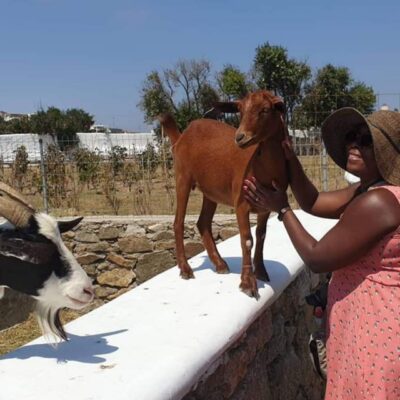
Farm, Ano Mera Village, and Beaches Guided Tour
Read our review →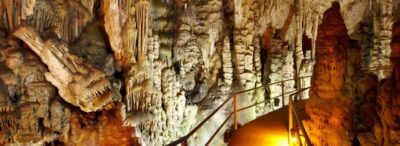
Road-trip to Lasithi, Zeus Cave & Olive Mill Farm
Read our review →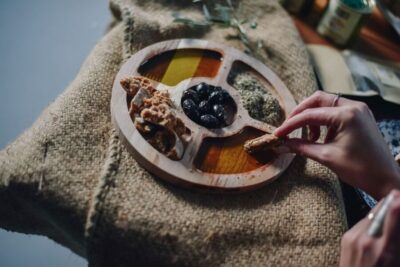
Olive Farm Tour with Tasting of Local Delicacies
Read our review →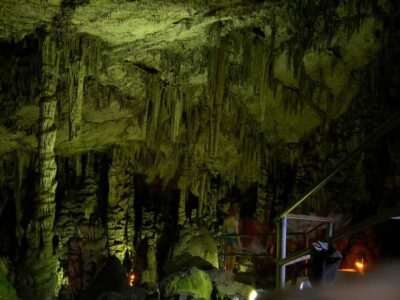
Lassithi, Zeus Cave, Olive Mill Farm & Knossos Combo Tour
Read our review →
Naxos Perivoli Farm Experience & Wood-fire Cooking Class
Read our review →
Melanes: Naxos Perivoli Farm & Cooking Class with Wood Fire
Read our review →
Wine Tasting Tour at a traditional farm in Mykonos
Read our review →Browse the lists this tour appears in