Review · USA
Kauai Private Baby Farm Animal Experience & Micro Dairy Immersion
The best part of this Kauai outing is its honesty: you are visiting a working farm in progress, not a polished petting zoo. You may cuddle baby goats, feed lambs, brush a mini cow, taste fresh milk, or watch ordinary farm work such as hoof trimming and compost turning.
I like the private format, which lets the guide adjust the visit to your group, and I like the farm’s wider purpose: fruit forests, water catchment, riparian buffers, and regenerative grazing are part of the plan. The tradeoff is that the farm is still young, so expect mud, unfinished systems, and a real work site rather than a picture-perfect attraction.
Quick points to know
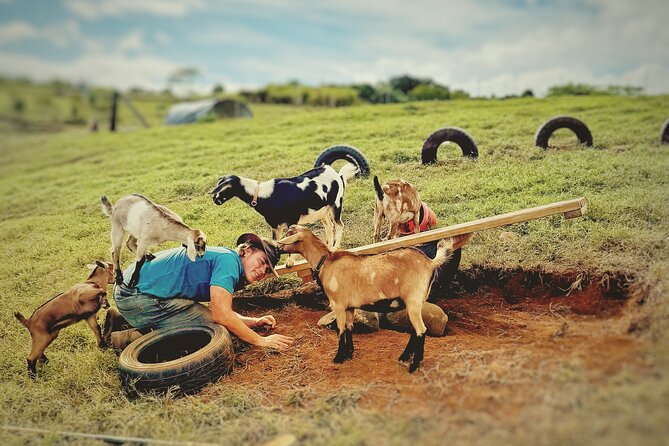
- Baby animals are guaranteed: Expect feeding and play time with young goats, lambs, or calves, depending on the animals’ needs that day.
- The 8 AM and 9 AM starts differ: The earlier time is more likely to overlap with milking, while 9 AM is more likely to include mini-cow haltering.
- It is private: Only your group takes part, and the visit can be shaped around animal time, milking, farm work, or conservation.
- The farm is still developing: You see the daily effort behind a new micro dairy, including some rough edges and changing projects.
- Wear clothes for mud: Closed-toe shoes are wise, and you should bring clothing that can get dirty.
- Follow the farm’s directions: GPS can send you far off course. Use the instructions provided with your booking.
A working farm, not a petting zoo
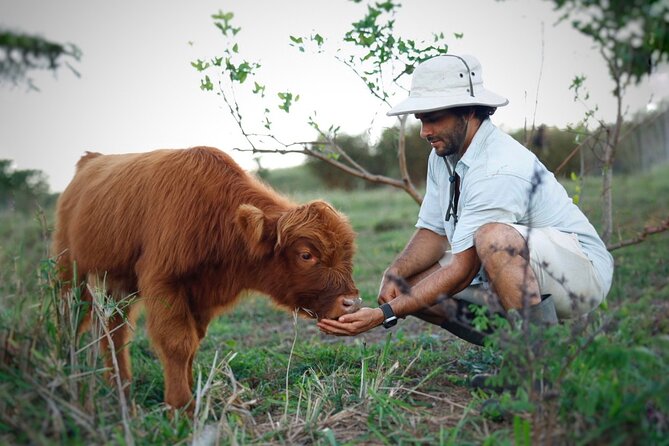
At 5431 Hauaala Road in Kapaʻa, you arrive at a small, volunteer-run farm with big plans and plenty still under construction. The setting is rural Kauai, and the focus is on building a humane farm system that connects animals, food, soil, water, and the local community.
That distinction matters. You are not walking through a set of tidy animal pens with a fixed script. The farm is part of the experience, and the day’s work may shape your visit. You might see planting, compost turning, shearing, hoof trimming, or other tasks that keep a small dairy running.
I find that approach appealing because it gives you a clearer look at what farming requires. It also means the visit can feel less predictable. If you want a polished attraction with every minute planned, this may not be your best pick. If you enjoy seeing a young project grow from the ground up, the unfinished quality is part of the charm.
The hosts place strong attention on animal welfare and conservation. The farm is working toward fruit forests, native planting, riparian buffers along waterways, water catchment, and regenerative grazing. You will not simply hear about sustainable farming as a broad idea. You can connect it to the practical problems of caring for animals and land in a real place.
A few more farm days around the USA worth a look
- Unique Horse Farm Tours with Insider Access to Private Farms
★ 5.0 · 1,192 reviews - Private Airboat Ride and Plantations Tour with Gourmet Lunch from New Orleans
★ 5.0 · 50 reviews - Connect with Rescue Animals on a Private Farm Tour in Catskills
★ 5.0 · 27 reviews
Baby goats, lambs, and mini calves
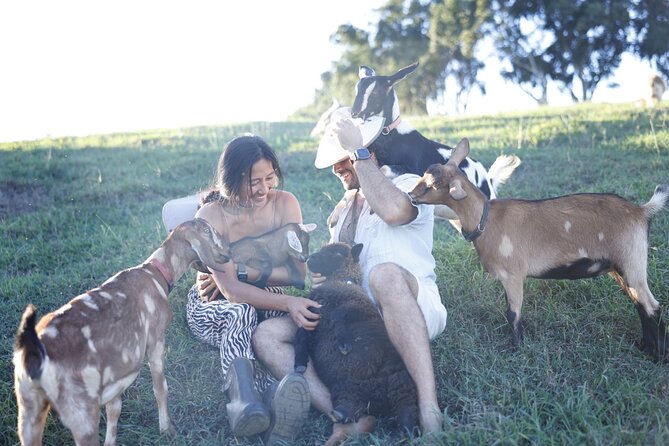
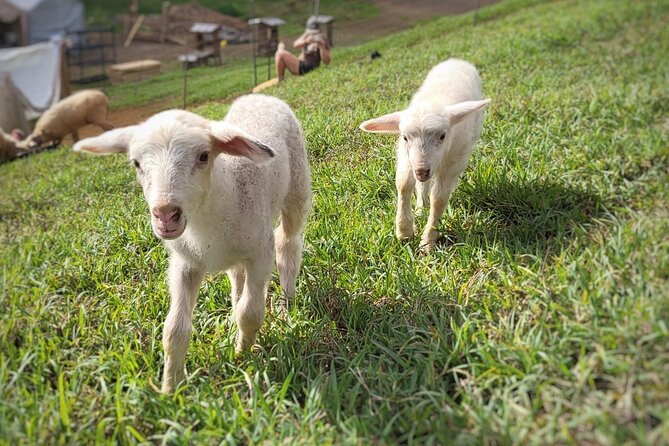
The animal time is the heart of the visit. You are guaranteed a chance to feed and play with animals, with baby goats usually the biggest draw for families. Mini Nubian goats can be playful and energetic, so this is hands-on rather than a quiet viewing session.
You may cuddle young goats, pet a sheep, feed a calf, or spend time with lambs. The farm also has mini cows, turkeys, rabbits, silkies, chickens, and other small animals. The exact mix can change because these are living farm animals, not performers on a schedule.
Bottle-feeding is offered when the animals are willing and when it fits the farm’s routine. That wording is worth noting. The animals are not forced to perform for the camera, and a bottle may not always be the right choice at that moment. You should come ready to interact respectfully rather than expecting every animal to sit still.
Mini cows offer a different sort of contact. At the 9 AM time, you are more likely to practice haltering and brushing them. That gives older children and adults something more involved than simply petting a calf. The activity also helps you understand that livestock care includes calm handling, grooming, and trust.
The animal encounters suit families especially well. A three-year-old who loves animals can get a lot from the visit, but adults and teenagers have reasons to pay attention too. The farm’s future plans and day-to-day work add substance beyond cute pictures.
Milking and tasting the farm
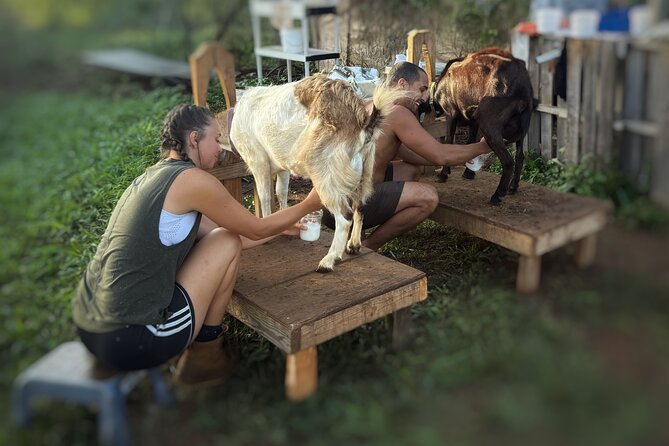
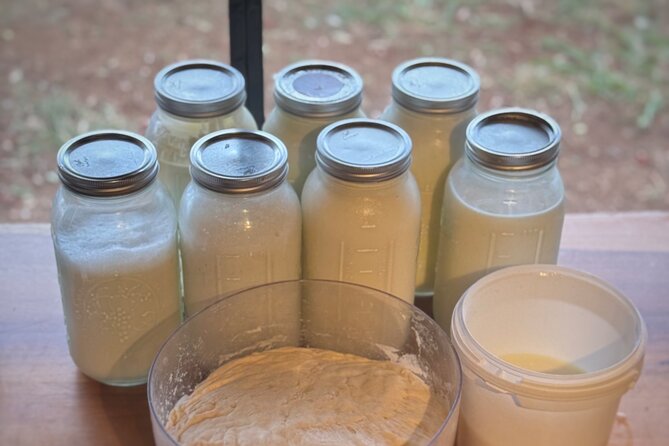
The 8 AM start is the better choice if you want the best chance of seeing milking. You may observe or try milking a goat or sheep, and the visit can include a taste of raw milk. Fresh samples from the farm may also include fruit, depending on the season and what is available.
Some visits include cow, goat, and sheep milk tasting. You may also learn about the difference between A1 and A2 milk, a subject that often comes up in conversations about dairy breeds and digestion. The farm presents this as part of its small-scale dairy education, not as a formal food lecture.
Sampling is seasonal and availability-based, so do not treat it as a guaranteed menu. The same is true of fruit. You might taste papaya, bananas, or other farm produce, and some people have left with extra fruit to take home, but that depends on what is ready.
If raw milk is offered, you should be comfortable with that choice and ask the farm any questions you have before sampling. The listing specifically identifies it as raw, so this is not the place to assume you are receiving standard pasteurized dairy.
What the 50-minute visit feels like
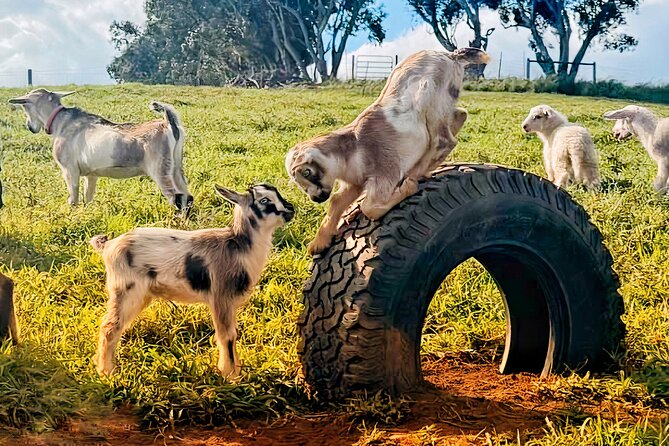
The advertised time is about 45 minutes to an hour, with most visits lasting roughly 50 minutes. That is enough time for a focused animal encounter and a practical introduction to the farm, but it is not a long morning of farm labor.
A typical visit begins with an introduction to the farm’s goals and the animals currently available. From there, your guide can move between feeding, petting, brushing, haltering, milking, and farm explanation. The route is flexible rather than a fixed series of stops.
That flexibility is one of the strongest reasons to pay for a private visit. If your children are thrilled by baby goats, the guide can give that interest room. If you are more curious about the micro dairy or conservation work, you can spend more time asking questions and seeing how the pieces fit together.
Guides named in visitor accounts include Jody, Taryn, Taren, and Mercedes. Names are spelled differently in the supplied information, so confirm your guide when you receive your booking details. The consistent point is that the staff can explain the animals and adjust the pace for your group.
The private setup also helps families with different interests. One child can focus on rabbits and goats while an adult asks about water systems or regenerative grazing. The farm does ask you to stay attentive and respectful. This is not a place to let children run freely among working animals.
Same fields, a different sort of day out:
- Swamp Boat Ride and Oak Alley Plantation Tour from New Orleans
★ 5.0 · 3,303 reviews - Maui Pineapple Farm Tour in Haliimaile
★ 5.0 · 2,855 reviews - Half-Day Thoroughbred Horse Farm Tour in Kentucky
★ 5.0 · 1,924 reviews - Oak Alley Plantation Tour with Transportation from New Orleans
★ 4.5 · 1,747 reviews
Why the developing farm matters
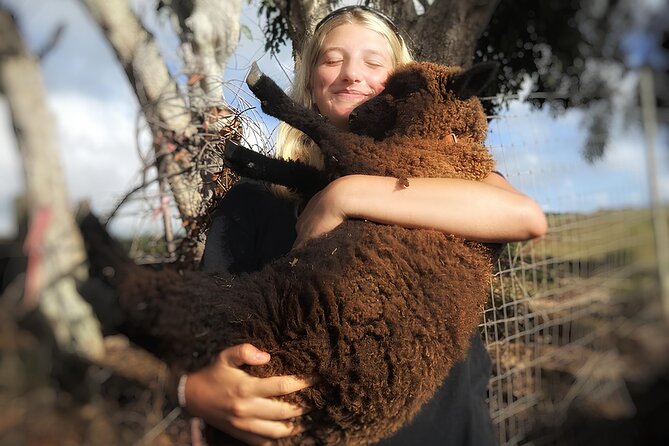
The most interesting part of the experience may be the farm’s stage of growth. The project has been running for just over a year according to the information provided, and it is still learning how to build a micro dairy, care for multiple species, and restore former pastureland.
That means you may see systems being tested and plans that are not finished. The farm is working to return areas of pasture to native plants and to create a more sustainable habitat. You may hear about the owners’ hope for a future learning farm and a stronger farm community.
I appreciate this open-book approach. A new farm can show you the hard work that is often hidden at established attractions. Compost needs turning. Hooves need trimming. Animals need grooming and feeding. Water must be managed. Plants must be established. The visit links those tasks to the bigger goal of caring for land and producing food.
The drawback is clear: some people may find the farm too rough around the edges. One honest assessment described the setup as not yet ready for prime time. That is fair if you expect polished facilities. It is less of a problem if you want a behind-the-scenes look at a young, changing operation.
Timing, directions, and what to wear
Choose 8 AM if milking is your priority. Choose 9 AM if you are more interested in mini-cow haltering. Both times include baby animal feeding and play, but farm schedules and animal behavior still affect the details.
Wear closed-toe shoes. Bring clothing that can handle mud, manure, and general farm dirt. You do not need to dress for a formal tour, and your best vacation outfit is probably a poor choice here.
Take the directions seriously. The farm is near public transportation, but reaching it from the Kealia stop requires a 25 to 30 minute walk. If you drive, do not rely blindly on your vehicle’s GPS. It has sent some people far off the intended route and away from the farm.
The meeting point is 5431 Hauaala Road in Kapaʻa, and the visit ends there. Confirmation is normally sent when you book, although a booking made within one day of the start may require a little time while availability is checked.
Most people can participate. Service animal arrangements depend on the situation and must be made with the farm in advance. Since this is a working farm with animals and uneven, muddy areas, contact the provider before booking if your group has specific mobility needs. The farm has made accommodations for some cognitive and mobility needs, but those arrangements should be discussed ahead of time.
Is $125 per person a fair price?
At $125 per person, this is not a cheap quick stop. The visit lasts only about 50 minutes, so the price makes sense mainly because you are paying for a private, customized appointment rather than a general admission ticket.
That private format gives the price more weight. Your guide can respond to your group, guarantee animal feeding and play time, and spend more attention on the subjects you care about. You also receive the farm explanation and may receive seasonal fruit or fresh samples when available.
Still, I would not recommend it to everyone at this rate. If you only want to take a few animal photos, the time may feel short for the cost. If you value personal contact, hands-on care, and a chance to support a small farm project, the price is easier to justify.
Families should also calculate the value in terms of shared time. Children can feed animals, adults can ask about sustainable agriculture, and the whole group can take part together. For a private family outing, that can be more satisfying than a larger attraction where you simply pass through.
The high rating of 4.9 from 31 ratings and the 97 percent recommendation figure show strong approval, but the more useful question is whether the farm’s informal style suits you. The price buys access to a developing project, not luxury facilities.
Who will enjoy this Kauai farm visit?
I would choose this outing for:
- Families with children who love animals and can follow instructions.
- Couples looking for a quieter, unusual activity away from major attractions.
- People interested in organic farming, regenerative grazing, or small dairy work.
- Visitors who prefer private visits over large group tours.
- Anyone willing to get muddy and accept a farm that is still growing.
- Guests who want conversation with the people building the operation.
I would be cautious about booking if you need a fully paved, highly structured attraction or if you dislike touching animals, handling farm tools, or getting dirty. The visit is gentle in spirit, but it is still a farm.
It also requires patience. Baby animals do not follow a script, and the farm’s work comes first. That is part of the value, but it may frustrate anyone seeking a perfectly timed photo opportunity.
Should you book the baby farm animal experience?
Book it if you want more than a petting zoo. You will get close to baby goats, lambs, calves, sheep, and other animals, but you will also see the effort behind a new micro dairy and conservation project.
Pick 8 AM for the best chance of milking and 9 AM for a stronger chance of mini-cow haltering. Wear closed-toe shoes, follow the directions instead of trusting GPS, and expect mud.
I would recommend this experience to animal-loving families, curious couples, and anyone who enjoys supporting a farm while it is still finding its shape. Skip it if you want polished facilities or a long, low-cost tour. At $125, the value comes from private attention, honest farm access, and the chance to see a sustainable project at its beginning.
FAQ
Where does the farm experience begin?
It begins at 5431 Hauaala Road, Kapaʻa, Hawaii 96746. The activity ends back at the same meeting point.
How long does the experience last?
The guided visit lasts about 45 minutes to one hour, with an average duration of approximately 50 minutes.
Is the tour private?
Yes. Only your group participates in the private activity.
Are baby animal interactions guaranteed?
Yes. Feeding and play time with the farm animals are guaranteed. Bottle-feeding depends on whether the animals are willing at that time.
What animals might I meet?
You might meet mini goats and baby goats, sheep and lambs, mini cows and calves, turkeys, rabbits, silkies, chickens, and other farm animals.
Which start time is best for milking?
The 8 AM session is more likely to overlap with milking. You may observe or try milking a goat or sheep, and raw milk tasting may be available.
Which start time is best for mini-cow haltering?
The 9 AM session is more likely to include mini-cow haltering. Both morning sessions include baby animal interaction.
Is public transportation available?
The farm is near public transportation, but reaching it from the Kealia stop requires a 25 to 30 minute walk.
What happens if bad weather cancels the activity?
If poor weather causes a cancellation, you will be offered another date or a full refund. You can also cancel for a full refund if you do so at least 24 hours before the start time.
Just added around the USA
- Connect with Rescue Animals on a Private Farm Tour in Catskills★ 5.0 · 27 reviews
- Cozy Farm Experience with Wagon Wheels and Acoustic Meal★ 5.0 · 2 reviews
- Farm Tour at Clover Brooke Llama/Alpaca/Goat Farm★ 4.5 · 6 reviews
- Gourmet Mushroom Farm Tour in Tennessee★ 5.0 · 5 reviews
- Farms, Flights: Finger Lakes Brewery Tour★ 4.5 · 25 reviews
- Horse Country Estate and Vineyard Wine Tasting Tour★ 5.0 · 2 reviews
- Scottsdale Horseback Riding and Horse Country Estate Tour★ 5.0 · 2 reviews
- Scenic Scottsdale E-Bike Tour – 2 Hours★ 5.0 · 47 reviews
USA Farm Tours, compared.

Swamp Boat Ride and Oak Alley Plantation Tour from New Orleans
Read our review →
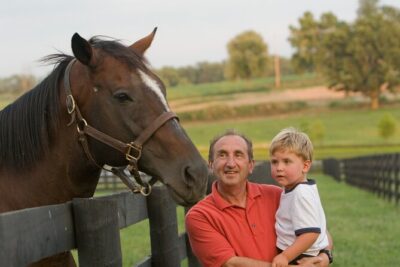
Half-Day Thoroughbred Horse Farm Tour in Kentucky
Read our review →
Oak Alley Plantation Tour with Transportation from New Orleans
Read our review →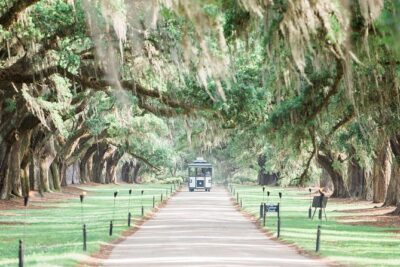
Boone Hall Plantation All-Access Admission Ticket
Read our review →