
Review · BEEKEEPING & HONEY FARMS
Reagan’s Honey Beekeeping Adventure
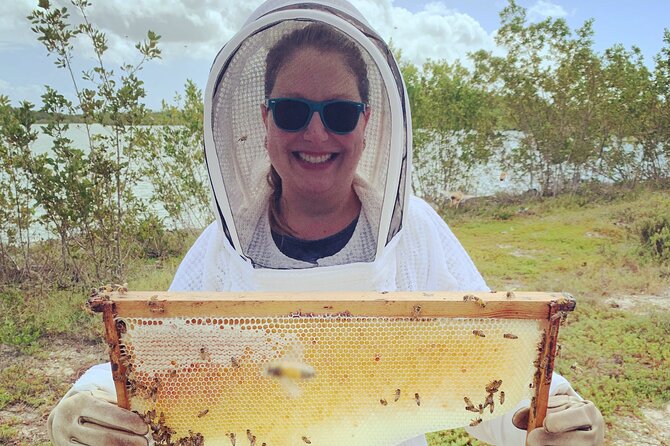
The most unusual part of Reagan’s Honey Beekeeping Adventure is also the main attraction: you stand beside an active beehive and watch a living colony at work. With a full suit, gloves, and a guide at your side, you can look for the queen, spot young bees, and see how honeybees organize their busy little world.
I like the tiny group size, capped at four, because it gives you room to ask questions without shouting over a crowd. I also like the local touch: you walk through tropical woodland near Grand Cayman’s mangrove wetlands, then take home honey gathered right from the comb.
The main thing to consider is that the details need a quick check before booking. The information lists the experience at about two hours, while the FAQ says about 1.5 hours, and the minimum age appears as both 10 and 13. Ask Reagan’s Honey to confirm the current rules.
Key points at a glance
- A real hive inspection: Look for the queen, emerging bees, and the working interior of an active colony.
- Full protective gear included: The ventilated bee suit and standard apiary equipment help nervous first-timers feel secure.
- Jamal leads the experience: The owner and beekeeper, also referred to as Jamaal in guest comments, explains the work in a friendly, hands-on way.
- Honey to take home: You receive a small sample jar of local honey straight from the hive.
- Only four people per booking: This is a personal experience, not a large-group attraction.
- Pick-up may be included: Parties of three or more receive pick-up and drop-off from designated meeting points.
Why this Grand Cayman excursion feels different
Grand Cayman is famous for beaches, clear water, and boat trips. Reagan’s Honey offers something quieter and more local. Instead of spending the morning in a line of tour vehicles or at a packed attraction, you head to a working apiary on the edge of the island’s mangrove wetlands.
That setting matters. Beekeeping here is not presented as a staged demonstration with an empty box and a few tame insects. You are shown an active hive and the practical work involved in caring for bees. The visit connects honey production to the wider ecosystem, including the plants and trees that support pollinators.
I would especially consider this excursion if you have already seen Grand Cayman’s main sights. It gives you a look at a side of the island that most beach-focused itineraries miss. It also works well for curious families, couples, and anyone who prefers a small, educational outing over a standard sightseeing circuit.
The experience has a strong record, with a 4.7 rating from 26 reviews and a 92 percent recommendation rate. Most of the praise centers on the same things: the guide’s enthusiasm, the safety of the suits, the hands-on hive visit, and the fresh honey.
More Beekeeping and Honey Farms in the world:
- Experience Our Honey Farm And Beekeeping Tour
★ 5.0 · 167 reviews - Bee Farm Ecotour and Honey Tasting in Waialua, North Shore Oahu
★ 5.0 · 72 reviews - Olympia Shore Ex: Olympic site, Honey Farm & Olive Oil Tasting
★ 4.5 · 57 reviews
Meeting the beekeeper and heading to the apiary
The stated start time is 9:00 a.m., with the meeting point listed at Chime Street in Savannah. The exact meeting arrangements are confirmed when you book. Pick-up and drop-off are included for parties of three or more from designated meeting points, but transportation to the meeting location is not included for everyone.
That distinction is worth noting. If your group has two people, you should plan on making your own way to the confirmed meeting point. If you have three or four, ask in advance how the included pick-up works and where the vehicle will meet you.
The apiary is described as a short trip from the meeting point, set beside mangrove wetlands and tropical woodland. The tour starts with a quick orientation so you know where you are, what the equipment does, and how to behave around the hives.
This opening is useful for first-timers. Bees can make even confident people hesitate, especially when the activity involves standing close to thousands of them. A clear briefing gives you a better sense of what is normal and what you should avoid doing.
The protective suit makes the hive visit approachable
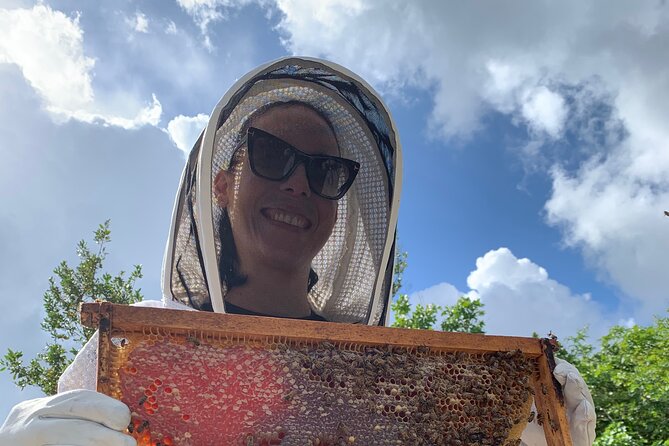
Before approaching the hives, you put on a full professional bee suit, gloves, and other standard apiary equipment. The suits are ventilated and described as having triple-layer protection, so you should be covered without feeling trapped in heavy, hot clothing.
The recommended outfit is simple: a T-shirt and shorts or swimwear, plus closed-toe shoes. Do not wear sandals or flip-flops. Light clothing and sneakers make the most sense, particularly in Grand Cayman’s warm climate.
The protection is a major reason this tour works for beginners. The experience provider says stings are highly unlikely, but the suits are not described as completely sting-proof. That is a sensible warning. Bees are living creatures, not props, and no responsible beekeeper can promise absolute certainty.
You should also know that honeybees die after they sting. The guide’s aim is to protect both you and the bees, so follow instructions closely, move calmly, and avoid sudden gestures. The available comments repeatedly praise the suits and gloves, with nervous participants saying they felt safe and finished without being stung.
Walking through the woodland before the hive inspection
The apiary visit includes a tour of the surrounding tropical woodland. This adds a useful nature element instead of making the outing only about equipment and honey production.
You may see native birds, waterfowl, iguanas, and agouti in the area. Wildlife sightings are not guaranteed, and they will depend on conditions, but the setting gives you something to watch for while the guide explains the apiary.
I like this part because it helps explain the larger role of bees. Bees need flowering plants, and the wider habitat supports more than just the hives. The woodland and wetlands provide a natural backdrop for a conversation about pollination, food systems, and the importance of protecting insects that many people only notice when they are trying to avoid them.
Do not expect a dedicated wildlife safari. The animals are an added possibility, not the core purpose of the booking. The real focus remains the apiary and the bees.
Same fields, a different sort of day out:
- Half-Day Thai Cooking Class at Organic Farm in Chiang Mai
★ 5.0 · 19,087 reviews - Ubud: Monkey Forest, Jungle Swing, Rice Terrace, and Water Temple
★ 5.0 · 7,160 reviews - Florence Pizza or Pasta Class with Gelato Making at a Tuscan Farm
★ 5.0 · 6,801 reviews - From Porto: 2 Wine Regions, Farm-to-Table Lunch & Boat
★ 4.9 · 5,724 reviews
Looking for the queen inside a working hive
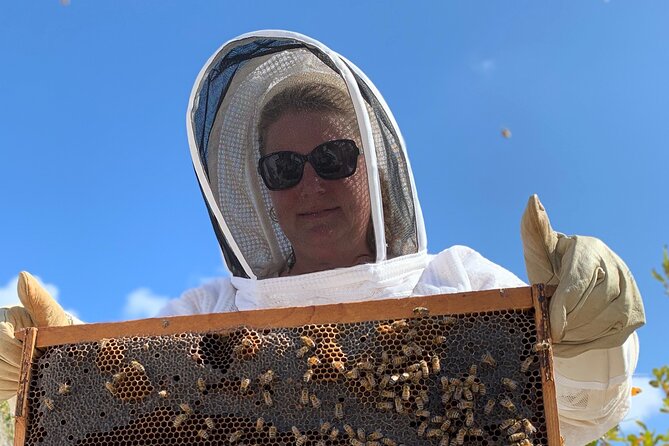
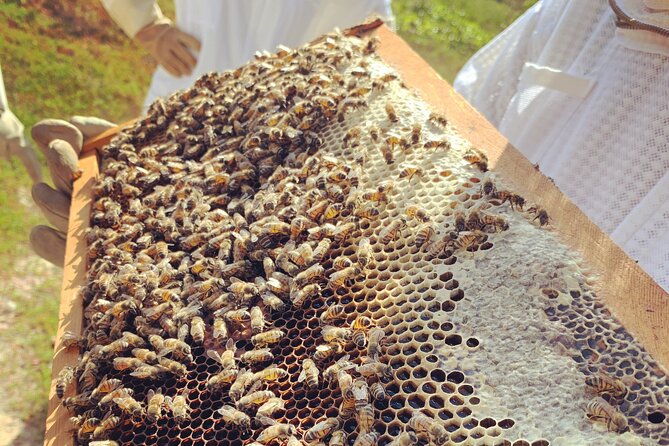
The centerpiece is the inspection of an active beehive. Under the guide’s direction, you can examine the frames and look for the elusive queen bee. You may also see emerging baby bees and observe the different stages of activity inside the colony.
This is where the experience becomes more than a general talk about pollinators. You are shown the inner workings of a living hive, including the way bees occupy the comb and care for the next generation. The guide can point out details that are easy to miss if you are simply watching bees fly around a garden.
Jamal, the beekeeper and owner, receives repeated praise for making this part both clear and enjoyable. He is described as enthusiastic about his bees and willing to answer questions. That personal connection matters in a group this small. With just two to four people, you have a much better chance to see the frame clearly and ask about what you are looking at.
The experience is not a honey factory tour. It is a close look at beekeeping in practice, and some of what you see will depend on the hive’s condition and the day’s work. That unpredictability is part of the appeal, but it also means the exact inspection may vary.
Learning about honey harvesting and queen rearing
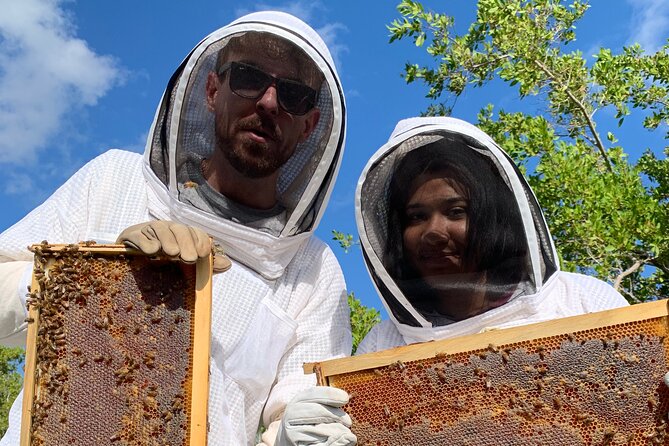
The advertised activities include honey harvesting, queen rearing, and apiary design. These topics give the visit a practical angle. You are not simply told that bees are important. You get an introduction to the decisions involved in keeping colonies healthy and productive.
Honey harvesting helps connect the hive to the jar you take home. Queen rearing shows that the beekeeper’s work includes planning for the future of the colony, not just collecting honey. Apiary design points to the physical arrangement and care of the hives.
The level of hands-on participation can vary, so I would not book this expecting to perform every task independently. The clear promise is a guided apiary tour and hive inspection. The listed activities suggest what you may learn about or take part in during the visit.
That distinction keeps expectations realistic. This is a two-hour introduction to beekeeping, not a professional training course. For most visitors, that is the right balance: enough contact to feel memorable, without requiring prior experience.
Fresh Cayman honey and simple refreshments
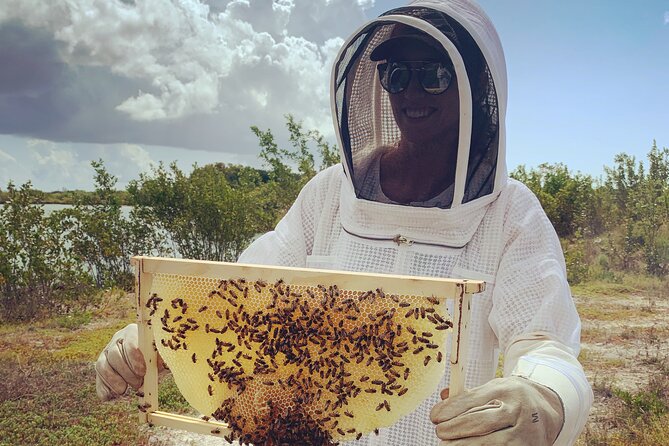
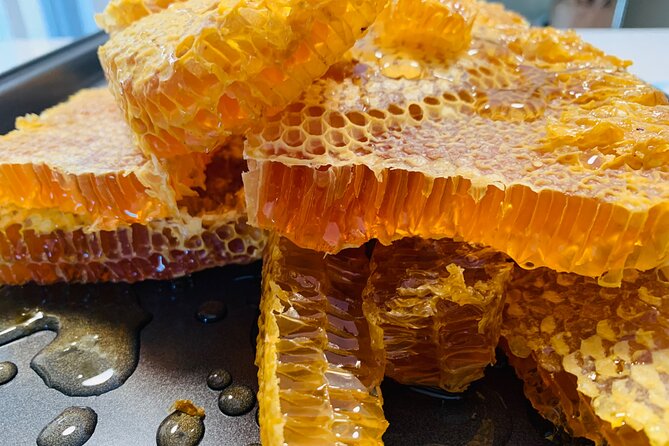
Before the hives are closed, you get to taste local Cayman honey. You also receive a small sample jar to take with you. That is a small detail, but it gives the outing a satisfying finish and a physical reminder of the visit.
The honey is taken directly from the hive or comb, according to the tour description. The fresh taste is one of the experience’s most appealing details, especially after seeing the bees that produced it. It also makes the price easier to understand than a tour that ends with only a short talk and a photograph.
Light snacks, bottled water, and other refreshments are included. Grand Cayman’s heat makes the water particularly useful, and the break gives you time to remove the gear and ask final questions.
The snack service should not be mistaken for a full meal. If you are booking the morning outing as your main activity, have breakfast beforehand.
How the small group affects the value
The price is listed at $66.67 per person. For that fee, you receive a guided visit to a working apiary, protective gear, a hive inspection, a honey sample, refreshments, and possible pick-up and drop-off for groups of three or more.
I see the value in the group limit more than in the raw length of the tour. The booking allows a maximum of four people, which means you are not standing at the back while a large group takes turns. You can hear the guide, see the hive frames, and ask questions throughout the visit.
The minimum booking is two people. Solo visitors cannot reserve this experience alone unless the provider changes the arrangement, so couples and small groups are the best fit.
The price is fair for a specialized activity with equipment and a small-group guide, though it may feel high if you are only looking for a quick taste of honey. You are paying for access to a real apiary, instruction, protective clothing, and personal attention. I would compare it with the cost of other Grand Cayman excursions by asking how much time you actually spend with the guide and how large the group will be.
Who should book this beekeeping adventure
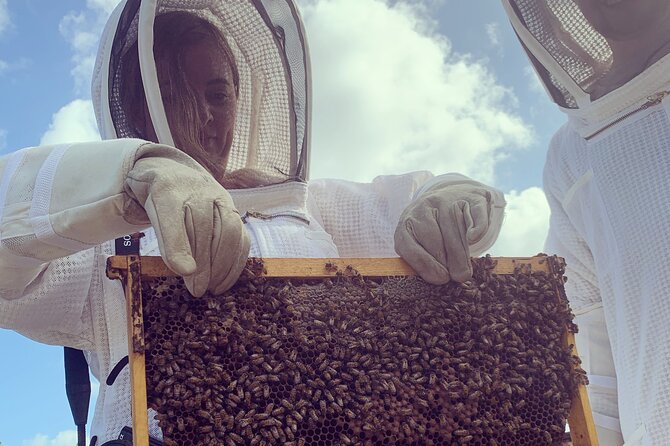
I would recommend it most strongly to:
- Couples looking for an unusual morning activity
- Families with children who meet the age requirement
- Repeat visitors who have already done beach and water activities
- Anyone curious about pollinators, food production, or island ecology
- Nervous first-timers who want to approach bees with professional protection
- Small groups that value questions and personal attention
It is less suitable if you dislike insects, feel uncomfortable wearing a full suit in warm weather, or want a completely predictable wildlife encounter. You should also avoid booking it as a tight connection before another activity. The duration is listed as approximately two hours, but the FAQ gives a shorter estimate of about 1.5 hours, and transport timing can vary.
The age information needs special attention. One part of the details says participants must be at least 13. The FAQ says children 10 to 17 may participate with a parent or guardian, while one family account describes a six-year-old attending. Because those details conflict, contact Reagan’s Honey directly before booking with anyone under 13.
Weather, timing, and practical preparation
The activity requires good weather. If poor weather forces a cancellation, you are offered another date or a full refund. That is important in Grand Cayman, where outdoor plans can change quickly.
You can cancel for a full refund if you do so at least 24 hours before the local start time. Cancellations or changes inside that window are not refunded or accepted under the stated policy.
Wear closed-toe shoes. Keep your clothing light, and avoid loose accessories that could interfere with the suit or gloves. Bring a calm attitude and listen carefully during the briefing.
The experience ends back at the meeting point. Since the exact meeting location is confirmed after booking, save the provider’s instructions and allow enough time to reach Chime Street or the assigned pick-up location.
Should you book Reagan’s Honey Beekeeping Adventure?
Book it if you want a small, personal, offbeat Grand Cayman experience with real local character. The live hive inspection, protective gear, wildlife setting, and jar of honey give the outing more substance than a basic farm visit.
I would be cautious only about the inconsistent age and duration details, and I would confirm transport if your group has two people. Once those points are clear, this is a strong choice for curious couples, families with eligible children, and repeat island visitors who want to see a different side of Grand Cayman.
FAQ
Where does the apiary tour start?
The listed meeting point is Chime Street in Savannah, Cayman Islands. The exact meeting location is confirmed upon reservation.
What time does the tour start?
The stated start time is 9:00 a.m.
How long does the experience last?
The main description gives an approximate duration of two hours. The FAQ gives an estimate of about 1.5 hours, so confirm the current timing when you book.
What is the minimum age?
The information is inconsistent. One section says participants must be at least 13, while the FAQ says children age 10 and older may participate with a parent or guardian. Confirm the current minimum age directly with Reagan’s Honey before booking.
How many people can join?
A booking requires at least two people and allows a maximum of four. Larger private groups may be arranged separately.
What should I wear?
Wear light, comfortable clothing such as a T-shirt and shorts or swimwear, along with closed-toe shoes or sneakers. Sandals and flip-flops are not suitable.
What happens if the weather is poor?
The experience requires good weather. If it is canceled because of poor conditions, you can choose another date or receive a full refund.
Just added around the world
- Ubud Rice terrace,Zip-line and waterfall★ 5.0 · 4 reviews
- Full Day Tour to Water Temples UNESCO Rice Terraces in Bali★ 5.0 · 4 reviews
- Explore Ubud Art Market, Monkey Forest and Rice Terraces★ 5.0 · 16 reviews
- Exploring Munduk Village (Waterfalls, rice terrace, Traditional local house)★ 4.5 · 2 reviews
- Ubud Monkey Forest Rice Terrace Temple Waterfall Private Tour★ 5.0 · 7 reviews
- Jatiluwih Spiritual Journey of Melukat with Rice Terrace View★ 5.0 · 9 reviews
- Private Tour to Sumampan Waterfall, Monkey forest, Rice terraces and Swing★ 5.0 · 30 reviews
- Discover Hidden Waterfall, Unesco Rice Terraces and Mountain Temple★ 5.0 · 17 reviews
Beekeeping & Honey Farms, compared.
Bee Farm Ecotour and Honey Tasting in Waialua, North Shore Oahu
Read our review →
Lazise: Beekeeping Farm Tour and Tasting Experience
Read our review →
Olympia Shore Ex: Olympic site, Honey Farm & Olive Oil Tasting
Read our review →
Beekeeping Farm Tour and Tasting Experience in Lazise
Read our review →Lokasari: Coffee Plantation Tour, Herbal Tea & Pure Honey
Read our review →
Magical World of Beekeeping on São Miguel Azores Private Tour
Read our review →Browse the lists this tour appears in