
Review · GREECE
Beekeeping and Honey Stories in Itea
Near Itea, this two-hour experience turns a simple honey tasting into a close look at bee biology and hive life. You learn how bees grow, work, communicate, and build their complex society, then put on protective gear to see the hive from close range.
I especially like the mix of hands-on learning and Greek hospitality. Greek coffee, honey tasting, fruit with honey, and beeswax products give the visit a warm local feel, while the guides explain why bees matter to food production and the wider environment.
The main point to consider is that this is an education center first and a tasting stop second. If you only want to buy honey, the two-hour visit may feel too long. Also, anyone with a bee sting allergy should think carefully before booking.
Key points to know before you book
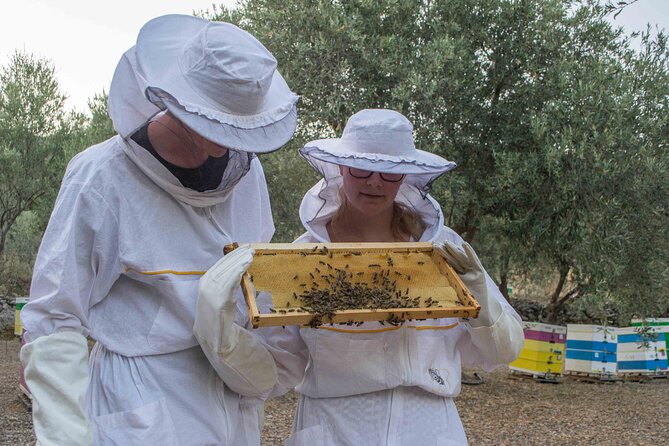
- You put on beekeeping equipment: Protective clothing lets you approach the hives and see combs and bees at close range.
- The lesson goes beyond honey: Guides explain bee growth, communication, social order, hive architecture, and the role of bees in human life.
- John, Yiannis, and Nick lead the experience: The team brings backgrounds in entomology, guiding, and local beekeeping.
- The setting is part of the appeal: You visit apiaries in the Greek countryside, with time to sit back and enjoy the surroundings.
- Tasting is included: Expect honey, hive products, Greek coffee, and food such as fruit drizzled with honey.
- The visit suits families and curious adults: Children aged 11 and 13 took part in one family visit, but the focus remains educational.
Why this Itea honey tour is more than a tasting
Many honey stops follow a simple pattern: look at jars, sample a few flavors, and visit a shop. This experience takes a different route. The main subject is the bee itself, with honey as the delicious result of a much larger story.
You start by learning how a colony functions. The guides explain the stages of a bee’s life, the different kinds of bees in a hive, and the way bees communicate and organize their work. You also learn how honey is made, from the bee’s role in gathering nectar to the beekeeper’s role in caring for the colony.
That context matters. Once you understand the work behind a spoonful of honey, the tasting becomes more meaningful. You are not simply comparing sweet flavors. You are connecting the product to the insects, plants, weather, and human care that make it possible.
The experience is offered in English and lasts about two hours. That gives the presentation enough time to go past basic facts without becoming a rushed photo stop. Guides named John, Yiannis, and Nick are associated with the visit, and the teaching style is described as personal, clear, and enthusiastic.
More Beekeeping and Honey Farms in Greece:
- Olympia Shore Ex: Olympic site, Honey Farm & Olive Oil Tasting
★ 4.5 · 57 reviews - Katakolon 7hour tour : Olympia-Honey Farm-Winery-Beach
★ 5.0 · 53 reviews - Heraklion: Private Beekeeping Experience with Honey Tasting
★ 5.0 · 5 reviews
Starting with Greek coffee and the bee story
The visit begins around the apiary and education site, where you receive Greek coffee and an introduction to the subject. This is a good opening because it gives you time to settle in before putting on protective gear.
The talk covers the bee’s place in the natural world and in human life. You learn about the colony’s social structure, the queen, the worker bees, and the cells that make up the hive. One of the most useful parts is the explanation of communication and cooperation. A hive is not just a box full of insects. It is a carefully organized society with different jobs and stages of development.
The presentation also looks at the pressure facing bees and the need to protect them. This is not treated as a vague environmental slogan. The guides connect bee health with agriculture, food production, and personal choices. You leave with practical reasons to care about bees, not just a new fact or two for the dinner table.
Families should find plenty to hold a child’s attention, especially if children enjoy animals or biology. The talk is still substantial, so very young children may not follow every point. The setting and the chance to suit up help keep the visit active, but this is not a quick entertainment show.
Putting on the suit and approaching the hives
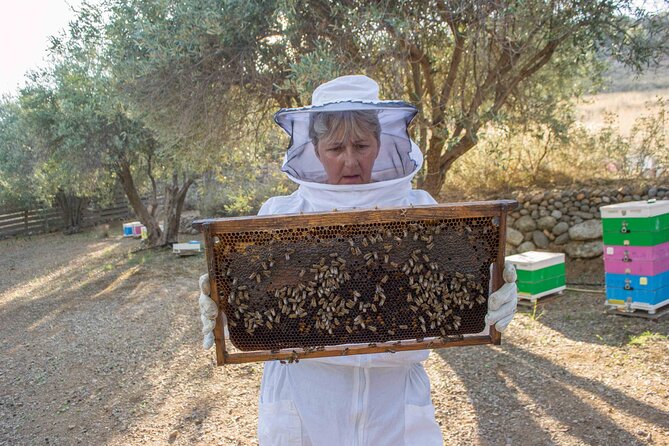
After the introduction, you receive beekeeping equipment to wear over your existing clothes. The protective clothing lets you approach the hives and examine the bees with a safety barrier in place.
The close look at the colony is the part that changes the visit from a lecture into a real field experience. You may see the queen, different kinds of cells, comb, and the layered structure of the hive. The guides explain what you are looking at as they move through the combs, so you are not left trying to identify everything on your own.
One family account describes holding combs and receiving a comb-by-comb explanation of the hive’s design. It also describes gently touching bees under guidance. That detail gives you a sense of the visit’s hands-on character, though you should still follow every instruction from the staff and avoid treating the bees like ordinary domestic animals.
This section is likely to be the highlight for anyone who wants more than a classroom talk. It is also the moment when you should be most aware of your own comfort. Bees are living insects, and the experience takes place at an apiary. The equipment reduces risk, but it does not make a bee sting allergy irrelevant. The supplied information specifically flags bee sting allergy as an important consideration.
Seeing how a hive works from the inside
A hive’s design is one of the most interesting subjects here. You see how bees use comb for different purposes and how the colony’s needs shape the arrangement of cells. The guide can point out the queen and explain the roles of the other bees, giving you a clearer picture of the colony as a working community.
This is where the tour earns its price. At $30.10 per person, you are paying for guided instruction, equipment, a live apiary visit, and tasting, not just a small sample of honey. The experience also includes water and the chance to ask questions directly.
The value is strongest if you are curious about insects, food production, or environmental responsibility. It is also a good fit for a family that wants a shared activity with something to discuss afterward. If you already keep bees or have extensive beekeeping experience, the introductory level may feel basic, though the close look at the hives still adds a local angle.
Group discounts can improve the price for families or organized parties. The maximum group size is listed as 45 people, so the experience can handle a fairly large group. A smaller group may feel more personal, while a larger group could mean standing farther back during parts of the demonstration.
Same fields, a different sort of day out:
- Mykonos: Farm, Ano Mera Village, and Beaches Guided Tour
★ 4.4 · 1,283 reviews - Crete: Road-trip to Lasithi, Zeus Cave & Olive Mill Farm
★ 4.4 · 451 reviews - Heraklion: Olive Farm Tour with Tasting of Local Delicacies
★ 4.9 · 411 reviews - Lassithi, Zeus Cave, Olive Mill Farm & Knossos Combo Tour
★ 4.6 · 404 reviews
Honey, fruit, and hive products
The tasting comes after the teaching and hive visit. You can try honey and other hive products, with fruit drizzled in honey included in the food experience described by one family. Greek coffee is also part of the welcome.
The order makes sense. By the time you taste the honey, you understand the effort behind it. You can think about the difference between honey as a supermarket item and honey as the product of a particular colony, season, and place.
The tasting can include more than honey from the jar. Beeswax balms and other bee-related products may be available to sample, and the farm shop sells honey and olive oil products. Buying is not included in the tour price, and there is no pressure to purchase. That makes the shop an optional extra rather than an unavoidable sales stop.
If you plan to take honey home, check your own country’s biosecurity and food import rules before buying. A jar may seem like a harmless souvenir, but border rules can be strict. You can also simply enjoy the tasting on site and leave the transport problem behind.
A quiet countryside setting near Itea
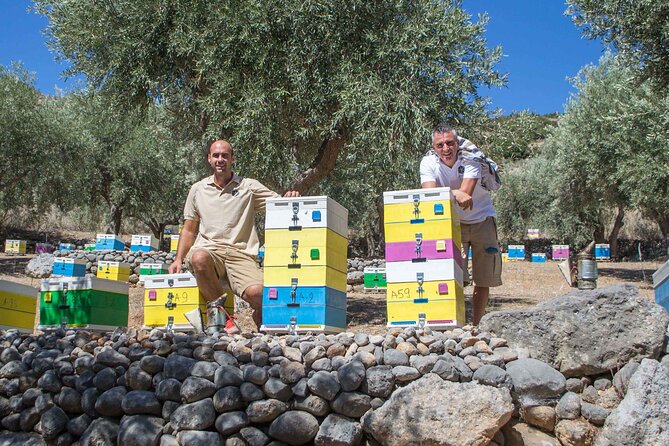
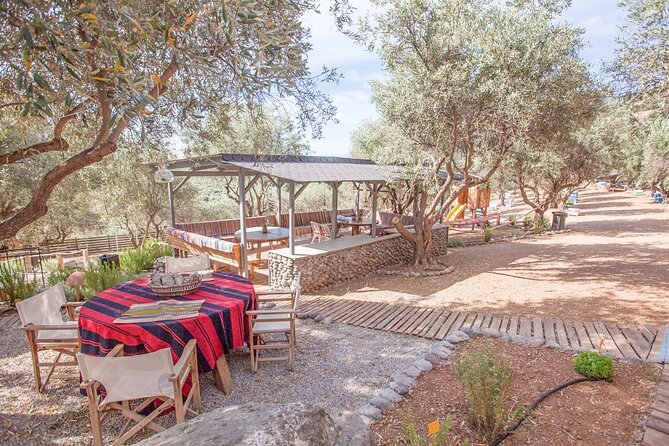
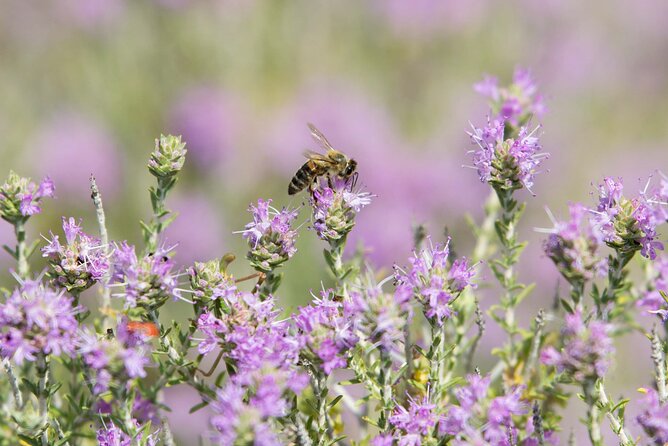
The apiaries are set in the countryside around Itea, and the visit includes time to relax outdoors. The rural setting helps balance the more concentrated parts of the program. After studying cells and bee behavior, you can sit with coffee or honey and take in the surroundings.
This is not a city attraction with a long list of sights packed into a short window. The appeal is slower. You spend time in one place, listen to people who work with bees, and let the setting do some of the work.
The location is near Itea, with Delphi in the wider area. If you are already visiting Itea or Delphi, the experience can fit well into a day focused on the region. The exact meeting point is listed in Itea as 8GC4FC2J+2X8FC2J+2X8, and the activity ends back there.
If you drive, pay attention to the approach. The final lane is described as steep and narrow, with very limited parking near the site. You can park in a larger area below and walk up. If mobility is a concern, arrange help in advance, as staff may be able to drive you up from the lower parking area.
Who will get the most from the two-hour visit
I would recommend this experience to several kinds of visitors:
- Families with school-age children who enjoy animals, science, or outdoor activities
- Adults interested in ecology, food, farming, and traditional Greek products
- Anyone who wants a quieter local activity near Itea or Delphi
- Visitors who prefer meeting local producers over rushing between major sights
- People who enjoy tasting food more when they understand how it was made
The experience is especially useful for children because it connects science to something they can see and taste. A child may remember the queen, comb, or suited-up hive visit more clearly than a standard museum display.
It may not be the best choice if you want a short stop with immediate shopping. The presentation is a major part of the schedule, and the focus is on learning how bees live and why they matter. You should also avoid booking casually if a member of your group has a serious bee sting allergy.
Most people can participate, according to the supplied information, but mobility needs should be discussed ahead of time. The walk from lower parking may not suit everyone, and the apiary setting is not the same as a fully paved indoor attraction.
Timing, language, and practical planning
Plan on about two hours at the site. The schedule includes the welcome, educational talk, protective clothing, hive visit, and tasting, so you should not treat it as a 30-minute roadside stop.
The tour is offered in English. Confirmation arrives when you book, and mobile tickets are accepted. Group discounts are available, which may make the outing more attractive for families or organized groups.
Weather matters because the activity takes place outdoors and requires suitable conditions around the hives. If bad weather causes cancellation, you can receive a different date or a full refund. You can also cancel for a full refund up to 24 hours before the start time. Changes or cancellations made less than 24 hours before the start are not accepted for a refund.
Booking 44 days ahead is the average pattern given for this experience. That does not guarantee every date will sell out, but it suggests you should reserve ahead if your Greece itinerary has little flexibility.
How it compares with a standard farm shop stop
A normal farm shop visit gives you a chance to buy local food. This one gives you the story behind it.
You learn about the bee’s life before tasting the honey. You see the colony rather than just a display case. You put on the equipment yourself. You also have time to ask questions and consider what bee protection means in daily life.
The tradeoff is time. If you already know a great deal about beekeeping, the talk may cover familiar ground. If you are hoping to spend most of the visit shopping, the educational content may feel like an interruption. For most curious visitors, though, the lesson is what gives the honey its meaning.
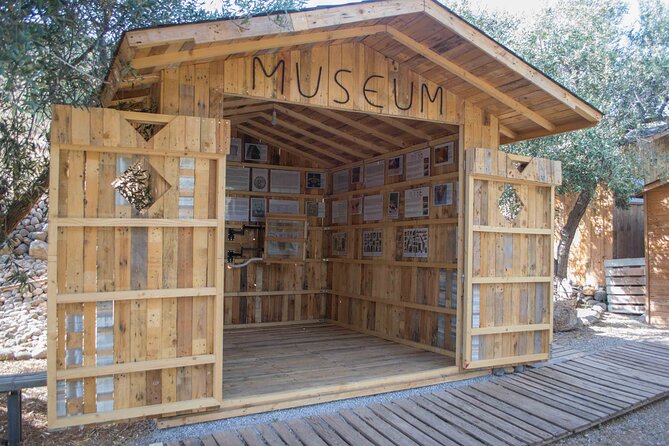
The site also has an environmental purpose. Its buildings use repurposed lumber, and the education center is designed around sustainability and awareness. That does not turn the visit into a large conservation project, but it does give the place a clear reason for existing beyond sales.
Should you book Beekeeping and Honey Stories in Itea?
Book it if you want a hands-on, thoughtful countryside experience and have at least two hours to spare near Itea or Delphi. The strongest reasons are the close look inside a hive, the clear teaching about bee society, the warm Greek coffee and honey tasting, and the chance to meet people who have built their work around bees and environmental education.
Skip it if you only want to pick up a jar of honey, dislike being near insects, or cannot manage the outdoor setting without advance assistance. Anyone with a bee sting allergy should get medical advice and weigh the risk carefully before booking.
At $30.10 per person, the price is fair for an English-language guide, equipment, live apiary visit, food and drink, and tasting. You are buying a small lesson in Greek beekeeping and ecology, not just a sweet snack. For families, food lovers, and anyone who wants a more personal stop than a standard shop, this is a worthwhile addition to an Itea area itinerary.
FAQ
Where does the beekeeping experience take place?
It takes place near the apiaries in Itea, Greece. The listed starting point is 8GC4FC2J+2X8FC2J+2X8 Itea, Greece, and the activity ends back at the meeting point.
How long does the experience last?
The visit lasts approximately two hours.
What language is the tour offered in?
The experience is offered in English.
What does the price include?
The $30.10 price per person includes beekeeping equipment, water, Greek coffee, tasting of honey and hive products, and tour guides.
Is shopping included?
No. Purchases from the farm gift shop are not included in the tour price.
Will I get to see inside a beehive?
Yes. The experience includes a close look at the inside of a hive, including combs and different types of cells. The guides explain what you are seeing.
Do I need to bring beekeeping equipment?
No. Beekeeping equipment is provided as part of the experience.
Can children participate?
Most people can participate, and a family with children aged 11 and 13 took part in the honey tour. The experience is educational and includes a live apiary visit.
What if I have a bee sting allergy?
Bee sting allergy is specifically listed as an important consideration. Anyone with this allergy should assess the risk carefully before booking.
Is parking available near the site?
There is limited parking along a short, steep, narrow lane. You can park in a larger area below and walk up. If arranged ahead of time, staff may be able to help drive people with mobility concerns up to the site.
What happens if the weather is poor?
The activity requires good weather. If it is canceled because of poor conditions, you will be offered another date or a full refund.
Can I cancel for a refund?
Yes. You can cancel at least 24 hours before the start time for a full refund. Cancellations or changes made less than 24 hours before the start time are not accepted for a refund.
Just added around Greece
- Visit a Farm and Horseback Riding in Nature★ 5.0 · 10 reviews
- Insightful Pistachio Orchard and Factory Tour★ 4.5 · 27 reviews
- Santorinian Agriculture, Food, Wine, Beer, and Spirits★ 5.0 · 6 reviews
- Private Olive Oil tasting & Liqueur experience★ 5.0 · 17 reviews
- Santorini 5 Hour Private Oia Tour & Lunch/Dinner at a Local Farm★ 5.0 · 40 reviews
- Flavors of Santorini: Farm-to-Table Meal Wine & Authentic Village★ 5.0 · 12 reviews
- Honey production &Tasting experience ” Areti Honey “★ 5.0 · 4 reviews
- Cooking Class Sunset Dinner and Tour in Paros Farm★ 5.0 · 5 reviews
Greece Farm Tours, compared.
Farm, Ano Mera Village, and Beaches Guided Tour
Read our review →
Road-trip to Lasithi, Zeus Cave & Olive Mill Farm
Read our review →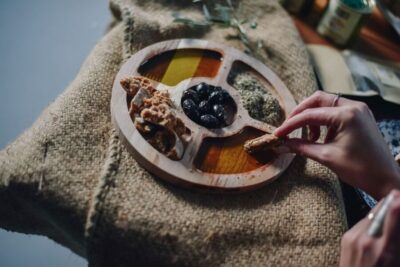
Olive Farm Tour with Tasting of Local Delicacies
Read our review →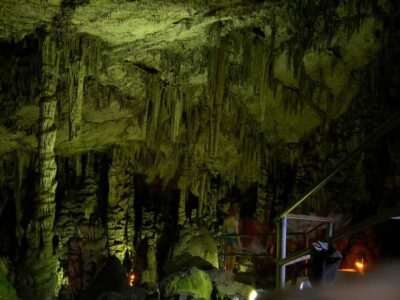
Lassithi, Zeus Cave, Olive Mill Farm & Knossos Combo Tour
Read our review →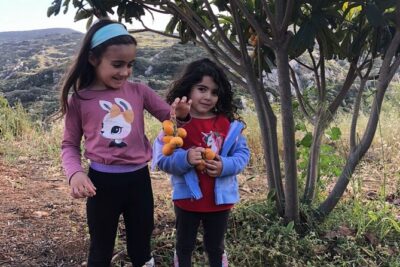
Naxos Perivoli Farm Experience & Wood-fire Cooking Class
Read our review →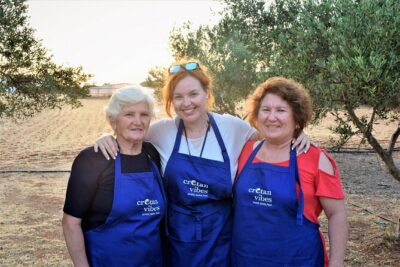
Melanes: Naxos Perivoli Farm & Cooking Class with Wood Fire
Read our review →
Wine Tasting Tour at a traditional farm in Mykonos
Read our review →Browse the lists this tour appears in