
Review · GREECE
Be A Farmer for A Day in Arevitis Farm!
The most memorable part of Arevitis Farm is getting your hands into the daily work of a Cretan family farm. You may feed and milk goats, tend the vegetable garden, and help turn fresh milk into yogurt or cheese, rather than simply walking past animals in a petting area.
I like the direct contact with rural life, especially the chance to see how dairy products begin with milking and care for the animals. I also like the food side of the visit: traditional pies, Greek yogurt, cheese, malotira tea, and raki connect the farm work to the Cretan table.
The main consideration is time. Two hours goes quickly, so this is a compact introduction rather than a full workday. Some activities, such as shearing, depend on the season, and the exact mix of tasks may vary.
Key Points
- Meet Iro and John: Your English-speaking guides explain the animals, crops, and working life of the farm.
- Milk goats and care for animals: Feed and interact with chickens, goats, and sheep, then learn how milk becomes yogurt, mizithra, and cheese.
- Work in the vegetable garden: See how organic summer and autumn crops are planted and maintained from spring through October.
- Make traditional food: Help prepare pies, Greek yogurt, and cheese before tasting farm products.
- Taste Cretan staples: Malotira mountain tea and raki add a distinctly local finish to the visit.
- Small-group setting: With no more than 10 participants, the experience should feel more personal than a large farm tour.
A Working Cretan Farm, Not a Staged Photo Stop
Arevitis Farm gives you a look at farming as a way of life. The emphasis is not just on scenery or animal photographs. You are shown the repeated work behind the food on the table: feeding animals, milking them, caring for crops, and preparing dairy products.
I find that useful because rural experiences can sometimes reduce farm life to a few attractive animals and a snack. Here, the activities point to the effort involved. Milking is described as demanding work, and the connection between that work and homemade yogurt, mizithra, and cheese is clear.
The farm also presents family life in the countryside as an active choice. Nature, animals, soil, and food are part of the daily routine. You get a short, practical look at that routine rather than a polished cooking demonstration separated from the source of the ingredients.
The setting is in Kryonerida, in Crete. The meeting point is Arevitis Farm at 9524+JV Kryonerida, and the activity returns there at the end. Since no transport is included in the information provided, plan to reach the farm independently and check the exact meeting instructions before setting out.
A few more farm days around Greece worth a look
- Mykonos: Farm, Ano Mera Village, and Beaches Guided Tour
★ 4.4 · 1,283 reviews - Crete: Road-trip to Lasithi, Zeus Cave & Olive Mill Farm
★ 4.4 · 451 reviews - Heraklion: Olive Farm Tour with Tasting of Local Delicacies
★ 4.9 · 411 reviews
Meeting Iro and John at Arevitis Farm
The tour is conducted in English by Iro and/or John. They guide you around the property and explain the animals, crops, and sustainability practices used on the farm.
That personal guidance matters here. A farm is easy to misunderstand if you only see the finished products. With an explanation, you can connect the goat pen to the dairy-making, the vegetable beds to the meal, and seasonal shearing to animal care.
The group is limited to 10 people. That is a sensible size for hands-on work. You should have a better chance to ask questions, see what is happening, and take part instead of waiting behind a crowd. It also makes the experience a good fit for families, since children can learn about rural life through simple tasks such as feeding animals.
One family-focused detail is especially telling: a child was able to learn how hard it is to make a living from rural work while feeding and milking goats. That makes the visit more than a pleasant stop. It gives younger participants a clearer idea of where food comes from and why farm work demands patience.
Chickens, Goats, and Sheep Up Close
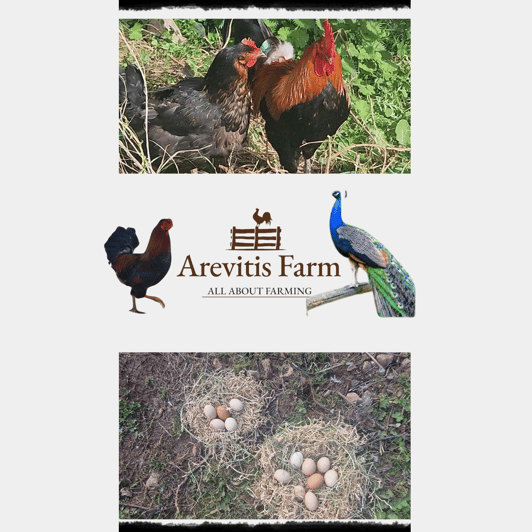
Animal encounters form a central part of the visit. You can interact with chickens, goats, and sheep, learn about their care, and help feed them.
The goats are likely to get the most attention because milking is one of the included activities. You are not only watching the process. You can take part and see how much control and patience it requires. That hands-on element gives meaning to the farm’s dairy products.
Sheep also have an important place in the farm routine. The animals are sheared twice a year, once at the end of April and again at the end of June. The first shearing cleans the animals and allows bells to be placed on them so they can be found in the mountains while grazing. The second helps keep them cool during the summer.
The timing of shearing is worth noting. If you visit outside those periods, you should not expect to take part in that particular task. The activity includes shearing among its listed farm experiences, but seasonal work naturally depends on when you arrive.
You may also hear about the practical side of animal care. This is not a wildlife encounter, and it is not built around rare animals. Its value comes from meeting familiar farm animals in the context of a working household.
From Milking to Yogurt, Mizithra, and Cheese
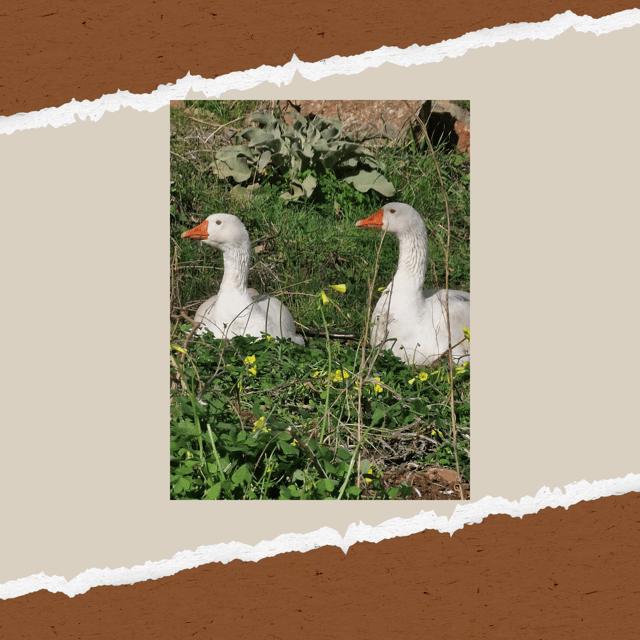
The dairy portion is where the visit links animal care with Cretan food. Fresh milk from the animals is used to make products such as traditional Greek yogurt, mizithra, and cheese.
You can take part in making Greek yogurt and cheese. That gives you a better sense of the process than simply sampling a finished plate. The work is presented as an extension of milking, not as a separate activity with no connection to the animals.
I especially like this part for food-minded visitors. Cretan cooking is often praised for its ingredients, but this experience lets you see some of the labor behind them. The farm shows that good dairy products depend on regular animal care and careful handling, not just a recipe.
The two-hour duration means the dairy work will be an introduction rather than a full course in cheesemaking. You will gain an impression of the method and the effort involved, but you should not expect a long technical workshop covering every stage of production.
Same fields, a different sort of day out:
- Lassithi, Zeus Cave, Olive Mill Farm & Knossos Combo Tour
★ 4.6 · 404 reviews - Naxos Perivoli Farm Experience & Wood-fire Cooking Class
★ 5.0 · 339 reviews - Cretan Cooking Class and Olive Oil Tasting
★ 5.0 · 178 reviews - Melanes: Naxos Perivoli Farm & Cooking Class with Wood Fire
★ 5.0 · 177 reviews
The Vegetable Garden and the Rhythm of the Seasons
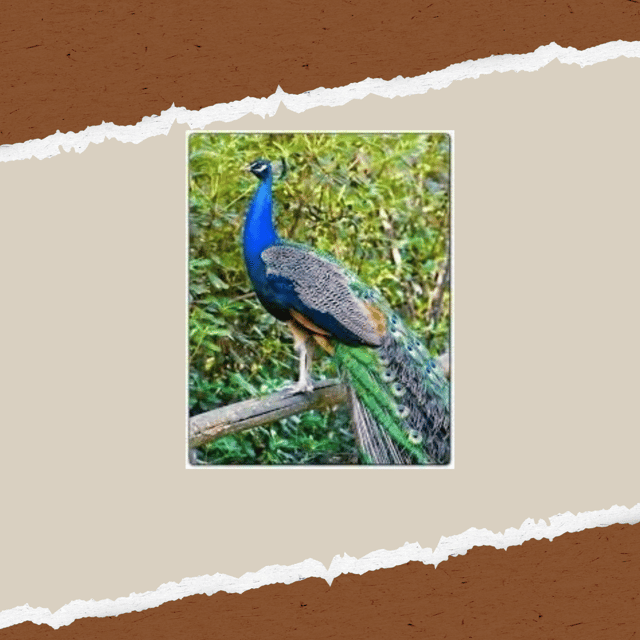
The farm’s vegetable garden needs daily attention and long hours of work. Planting begins at the start of April and continues through October, with summer vegetables and potatoes planted first, followed by autumn crops from August.
That calendar gives the garden a useful seasonal frame. You can understand why the farm looks different at different times of year and why some vegetables may not be available during every visit.
Vegetable gardening is included in the farmer-for-a-day experience. You might help with garden tasks and see how organic produce is cared for. The important point is not the size of the garden or the number of crops. It is the repeated attention required to keep it productive.
If you are expecting a long farming session, keep the two-hour schedule in mind. The garden portion shares time with animals, food making, and tasting. It is best viewed as a practical sample of the work rather than a complete shift in the fields.
Traditional Pies and a Farm-to-Table Taste
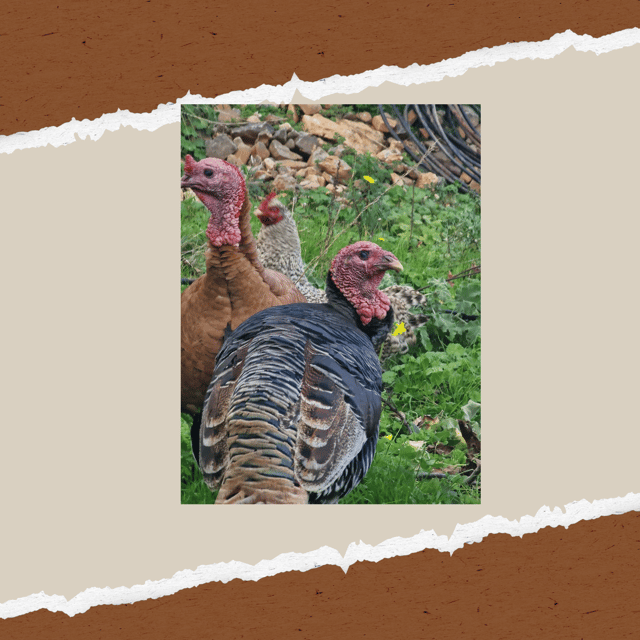
Food brings the different parts of the visit together. You can help make traditional pies, taste Greek yogurt and cheese, and try products linked to the farm’s own work.
The phrase farm-to-table has real meaning here because the visit begins with animals and crops. You see how milk is collected, how vegetables are tended, and how ingredients become food. That makes the final tasting more satisfying than a standard snack break.
Malotira, a traditional Cretan mountain tea, is included along with raki, the local spirit. These tastings add a clear sense of place without requiring a separate food tour. The combination gives you a small introduction to both everyday farm produce and Cretan hospitality.
Raki is alcoholic, so families and anyone avoiding alcohol should keep that in mind. The information provided does not specify alternative drinks or a full meal menu, so think of the food element as a tasting and hands-on preparation experience rather than a guaranteed large lunch.
What the Two-Hour Schedule Really Means
Two hours is enough to sample several parts of farm life without taking up half a day of your Crete itinerary. It works well if you want a focused rural activity between other plans.
The tradeoff is that you will not have unlimited time at each station. Feeding animals, milking goats, working in the garden, preparing traditional foods, and tasting products all compete for the same short visit. The exact order may depend on farm needs and the day’s conditions.
I would arrive ready to participate rather than observe from the edge. The experience makes the most sense when you are willing to handle simple farm tasks and ask questions. If you want a long, slow meal or a full agricultural workshop, this will feel brief.
The small group helps make the schedule more workable. A maximum of 10 participants means fewer delays when the group moves between activities. Still, some tasks may be shared, so do not assume every person will spend a long time doing every job.
Is the $33.88 Price Good Value?
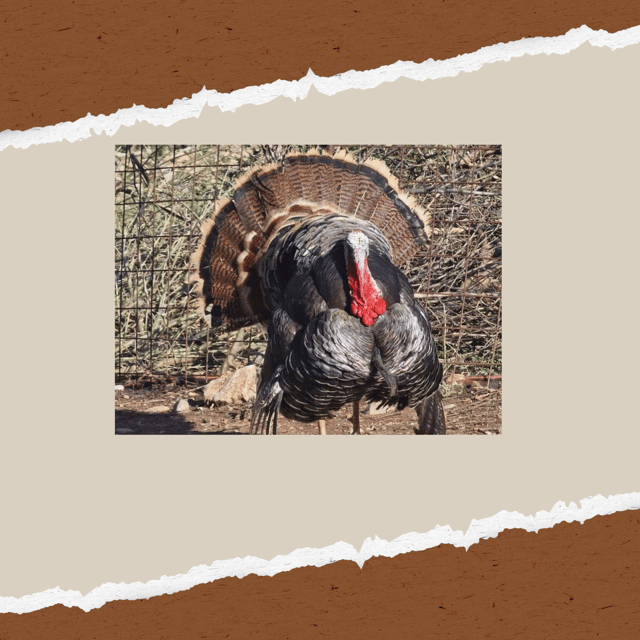
At $33.88 per person, the experience offers several elements for the price: a guided farm tour, animal encounters, hands-on farming, food preparation, tastings, and an English-speaking guide.
I consider that solid value if you want more than a sightseeing stop. You are paying for access to a working farm and for guided participation in activities that would be difficult to arrange on your own. The combination of goat milking, garden work, dairy making, pies, tea, and raki gives the visit a broad range.
The value is less obvious if your main goal is a full meal or a long class. The duration is only two hours, and the available details do not promise a large lunch or a specialized lesson in one particular skill.
Free cancellation up to 24 hours in advance and the reserve-now, pay-later option make the booking less rigid. You can keep your plans flexible, though you should still check availability for the starting time that fits your day.
Who Will Enjoy This Farm Experience Most?
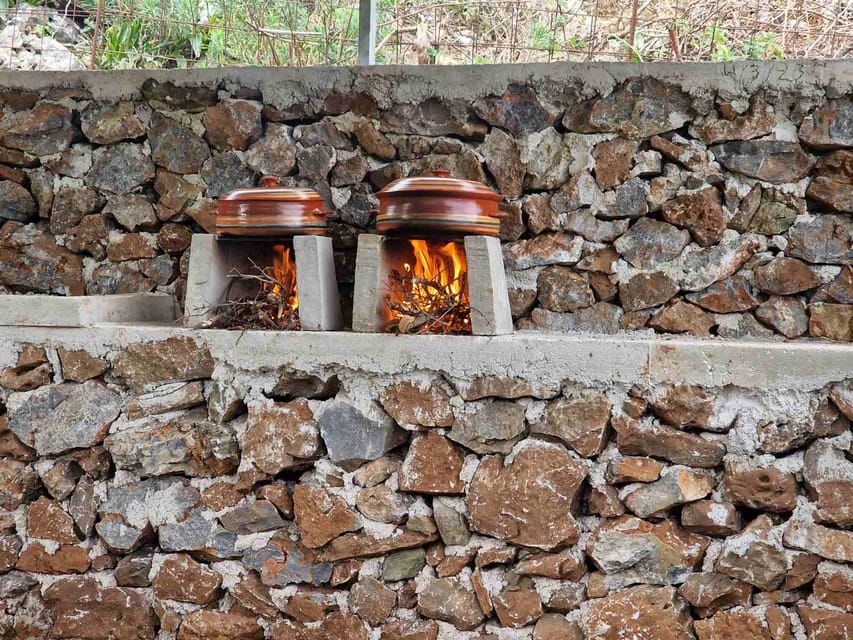
I would recommend Arevitis Farm to families, food lovers, and anyone who wants a closer look at everyday Cretan life. Children can feed animals and see that milk, cheese, and vegetables involve real work before they reach the table.
It also suits people who prefer small, personal activities to large organized excursions. With a maximum of 10 participants and English guidance from Iro and/or John, the visit should allow room for questions and conversation.
This may not be the best choice if you dislike touching animals, want a polished indoor cooking class, or need a long, leisurely meal. The farm is about participation, routine, and practical work. Some parts may be messy or physically active, and the pace must fit several activities into two hours.
The experience is also a good contrast to Crete’s beaches and archaeological sites. It shows a living side of the island, one built around animals, soil, seasons, and homemade food.
Should You Book Arevitis Farm?
Book it if you want a genuine, compact introduction to rural Crete. The strongest reasons are the chance to milk and feed goats, connect farm work with dairy making, and finish with traditional pies, malotira, yogurt, cheese, and raki.
I would be especially inclined to book for a family or a small group that values direct contact and local food. The visit has earned a perfect rating from the two reviews provided, with particular praise for the kind people, cute animals, and the way it helped a child understand rural life.
Go with realistic expectations. This is not a full day of farm labor or a guaranteed large meal. It is a two-hour, small-group introduction to the work behind Cretan food, led in English at Arevitis Farm. For that purpose, it offers a personable and worthwhile stop.
FAQ
Where does the Arevitis Farm experience begin and end?
The activity begins at Arevitis Farm, at 9524+JV Kryonerida, Crete. It ends back at the same meeting point.
How long does the activity last?
The experience lasts two hours. Starting times vary, so you need to check availability for the date you want.
What language is the tour conducted in?
The live tour guide speaks English.
How many people can join the group?
The group is limited to 10 participants.
What farm activities are included?
Included activities include milking animals, vegetable gardening, animal shearing, making traditional pies, and preparing traditional Greek yogurt and cheese. You can also feed and interact with chickens, goats, and sheep.
What food and drinks can you taste?
The experience includes traditional tea called malotira and raki, along with farm products such as yogurt and cheese. Traditional pies are also included as a hands-on activity.
Just added around Greece
- Visit a Farm and Horseback Riding in Nature★ 5.0 · 10 reviews
- Insightful Pistachio Orchard and Factory Tour★ 4.5 · 27 reviews
- Santorinian Agriculture, Food, Wine, Beer, and Spirits★ 5.0 · 6 reviews
- Private Olive Oil tasting & Liqueur experience★ 5.0 · 17 reviews
- Santorini 5 Hour Private Oia Tour & Lunch/Dinner at a Local Farm★ 5.0 · 40 reviews
- Flavors of Santorini: Farm-to-Table Meal Wine & Authentic Village★ 5.0 · 12 reviews
- Honey production &Tasting experience ” Areti Honey “★ 5.0 · 4 reviews
- Cooking Class Sunset Dinner and Tour in Paros Farm★ 5.0 · 5 reviews
Greece Farm Tours, compared.
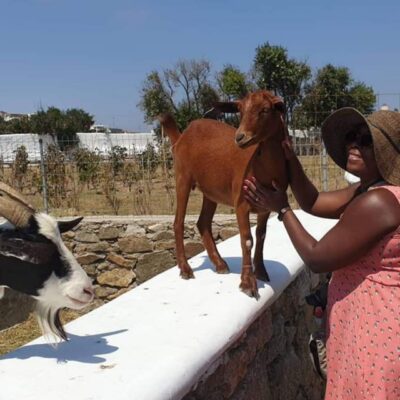
Farm, Ano Mera Village, and Beaches Guided Tour
Read our review →
Road-trip to Lasithi, Zeus Cave & Olive Mill Farm
Read our review →
Olive Farm Tour with Tasting of Local Delicacies
Read our review →
Lassithi, Zeus Cave, Olive Mill Farm & Knossos Combo Tour
Read our review →
Naxos Perivoli Farm Experience & Wood-fire Cooking Class
Read our review →
Melanes: Naxos Perivoli Farm & Cooking Class with Wood Fire
Read our review →
Wine Tasting Tour at a traditional farm in Mykonos
Read our review →Browse the lists this tour appears in