
Review · BIG ISLAND
Edible Hibiscus Guided Farm Tour (Big Island)
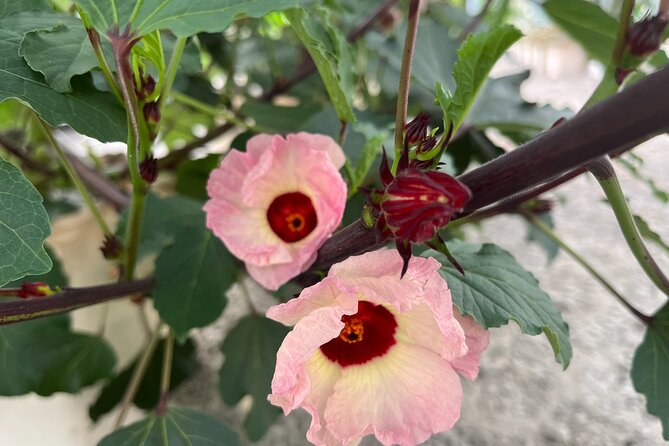
The surprising star here is not a lei flower or a garden display, but hibiscus as food. Near Honokaa, Susan and Lance show you how culinary hibiscus is grown, how it differs from the ornamental plants seen around Hawaii, and how flowers become tea, preserves, syrup, and sweets.
I like the close look at hydroponic farming, a subject you rarely get on a standard Big Island sightseeing day. I also like the tasting at the end, especially the hibiscus tea and preserves. The one caution is that this is a small working farm, not a huge show garden, so plant enthusiasts will get more from it than visitors expecting a full-scale attraction.
Key points to know before you go
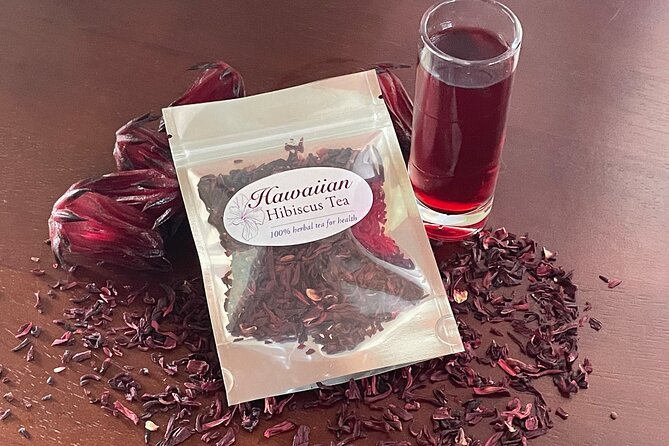
- Taste hibiscus in several forms: Try flowers, tea, preserves, flowers in syrup, and other farm-made treats.
- Meet the working farmers: Susan and Lance lead the experience themselves and explain their methods in a relaxed, personal way.
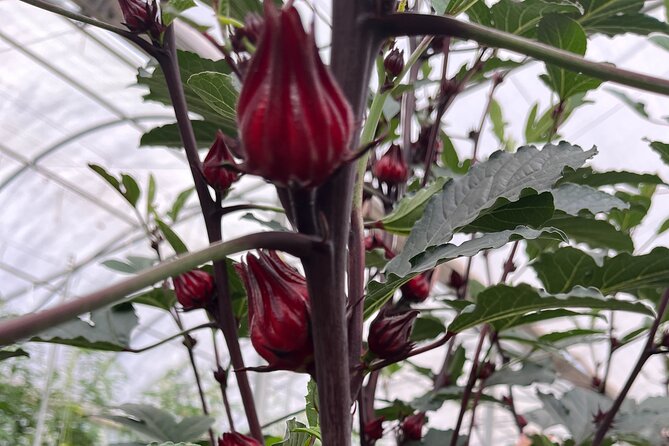
- See two growing settings: The tour includes an outdoor demonstration garden and a hydroponic greenhouse.
- Learn the important distinction: Culinary hibiscus is not the same as the ornamental hibiscus commonly grown for decoration.
- Plan for a small group: The tour is limited to 12 people and lasts about 90 minutes.
- Allow time for the drive: The farm is on Kalopa Mauka Road outside Honokaa, in the countryside above the Hamakua Coast.
Why edible hibiscus makes this farm visit different
Hibiscus is easy to recognize in Hawaii, but most people know it as a decorative flower. This tour changes that picture. You see the plant as a crop, learn which varieties are suitable for eating, and sample the results.
That shift in focus gives the experience its appeal. You are not simply walking through rows of plants while someone lists names. You are learning why the flowers are grown, how they are handled, and what can be made from them.
The farm also provides a window into Hawaii agriculture. The discussion includes the islands’ farming past, along with current growing methods. That context matters because the Big Island is often sold through beaches, volcanoes, and scenic drives. A working farm shows another side of the island, one tied to food production and small-scale business.
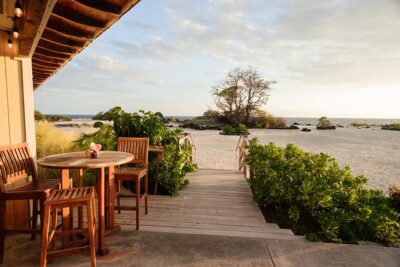
The setting near Honokaa adds to the experience. The farm sits in the Hamakua Coast countryside, and the outdoor area includes ocean views. This is a quieter stop than the major sights, with time to look closely and ask questions.
More Guided Trips in Big Island:
- Mykonos: Farm, Ano Mera Village, and Beaches Guided Tour
★ 4.4 · 1,283 reviews - Laura Creole Plantation Guided Tour
★ 5.0 · 1,279 reviews - Lahaina: Maui Ku’ia Estate Guided Cacao Farm Tour and Tasting
★ 5.0 · 1,103 reviews
Meeting Susan and Lance at the Honokaa farm
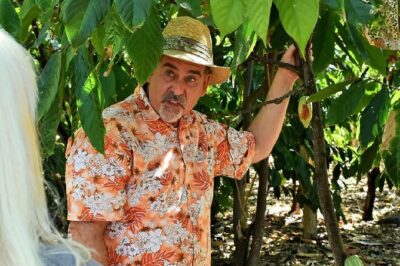
Susan and Lance are the owners and working farmers, so the visit has a direct, personal feel. You are hearing about the farm from the people who grow the crop and make the products, not from a guide following a fixed script.
Susan’s style is part of the fun. She is described as quick with a comeback, and the experience has a light, conversational tone. That helps keep the farming information from feeling like a classroom lecture.
The small group limit is useful here. With no more than 12 people, you have a better chance to hear the explanations and see the plants without being pushed along in a large crowd. It also suits the subject. Hibiscus farming is best understood up close, where you can look at a flower, compare varieties, and ask what happens next.
This is not a polished theme-park presentation. You may see evidence of ordinary farm problems, including insect damage on some plants. If you garden, that can make the visit more useful, since it shows the crop as part of a real working operation rather than a spotless display.
The outdoor garden and the hibiscus lesson
The first part of the visit takes place in an outdoor demonstration garden. Here, you see several types of hibiscus and begin sorting out the difference between ornamental and culinary varieties.
That distinction is one of the most useful parts of the tour. A flower that looks attractive is not automatically meant for the kitchen. Susan and Lance explain which plants are grown for eating and how their farm approaches cultivation.
The garden is not described as a vast collection of every hibiscus variety. Keep your expectations in check. You might find only a modest number of edible and ornamental plants on display, and some flowers may show signs of bugs. The value comes from the explanation and the chance to connect the plant with the food you will taste later.
I like this progression because it gives the tasting a clear purpose. You first see the flower, then learn why it is grown, then try it in several forms. That is more memorable than simply being handed a sample with no background.
The farm also uses this outdoor stop to discuss Hawaii’s agricultural past. You get a sense of how farming fits into the island’s story, while still keeping the focus on the particular crop in front of you.
Inside the hydroponic greenhouse
The tour continues into the hydroponic greenhouse production area. For anyone interested in gardening, small farms, or food technology, this is likely the strongest part of the visit.
Hydroponic growing gives you a chance to see a different approach from traditional soil-based cultivation. The tour explains how the system is used for hibiscus production and how it fits into the farm’s operation.
You do not need a technical background to follow along. The subject is presented as part of the farm story, not as a specialist course. Still, this portion may appeal less if your main goal is a scenic outing with little explanation. One person who described the experience as especially rewarding was a keen gardener, and that makes sense: the greenhouse adds practical detail that plant lovers will appreciate.
The greenhouse also helps explain why a small farm may use more than one growing method. The outdoor demonstration area shows the plants in an open setting, while the greenhouse reveals the controlled side of production. Together, the two stops give you a fuller picture of how culinary hibiscus is grown.
A few more farm days around Big Island worth a look
- Hawaiian Salt Farm Tour in Kona
★ 5.0 · 767 reviews - Award Winning Farm Tour: Coffee, Chocolate and Unique Gifts
★ 5.0 · 484 reviews - Small-Group Big Island Tour: Hawaii Volcanoes National Park and Kona Coffee Farm
★ 5.0 · 343 reviews - Big Island ATV Tour at Ohana Ranch
★ 5.0 · 254 reviews
The tasting: tea, flowers, preserves, and sweets
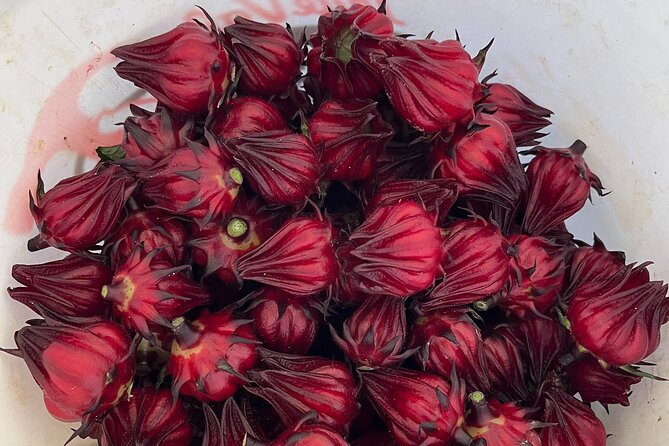
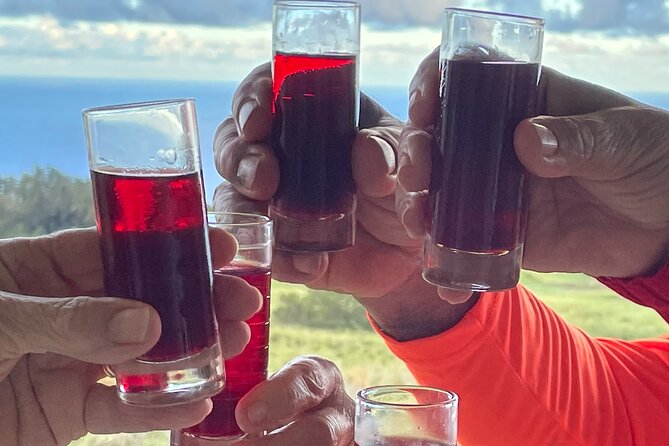
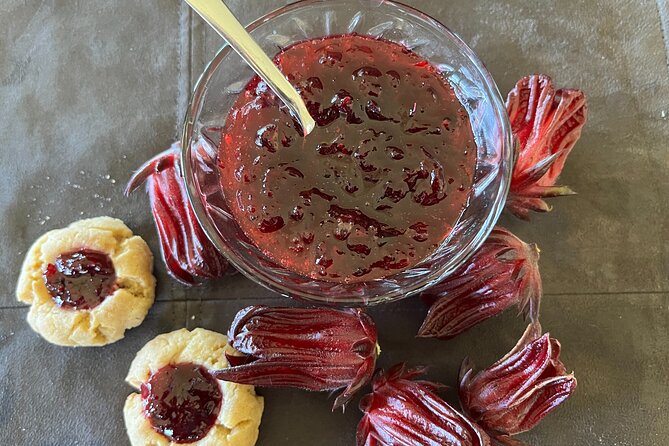
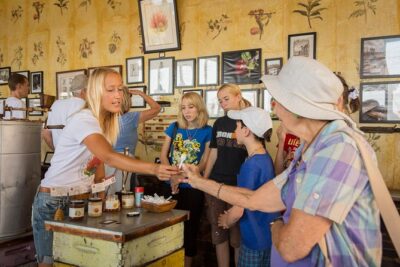
The tasting is the payoff, and it is more varied than simply trying a cup of tea. You sample hibiscus flowers, preserves, flowers in syrup, tea, and other products made on the farm.
The hibiscus tea receives the strongest praise for its flavor and refreshing quality. I would make it a priority, especially if you are curious about how a flower can become a drink with a clear character of its own.
The flowers in syrup show a different side of the crop. Preserves let you taste hibiscus in a spreadable form, and the farm also serves sweets such as shortbread with jam and hibiscus panna cotta. The exact selection may vary, but the point is clear: this is a versatile ingredient, not a one-product novelty.
The tasting works well because it is guided. You are not left to guess what you are trying or how it was made. Susan and Lance connect each sample to the farm’s production, so the food feels like part of the lesson.
You may also find yourself wanting to take some products home. The hibiscus preserves and tea are popular choices, and the farm sells its products on-site. Bring some money if you would like to shop, since purchasing goods is separate from the farm visit.
How much time the 90-minute format gives you
Plan on about one and a half hours from start to finish. The visit begins and ends at 44-2790 Kalopa Mauka Road in Honokaa, and the activity does not include a separate drop-off elsewhere.
Ninety minutes is a sensible length for this kind of farm visit. It gives you enough time for the garden, greenhouse, farming discussion, and tasting without turning the stop into an all-day commitment.
You will need to build in driving time from the rest of the island. The farm is outside Honokaa on the north side of the Big Island, in the Hamakua Coast countryside. It works well as part of a day in the Honokaa area, rather than as a quick stop between distant attractions.
Finding the farm is described as straightforward, but use the full street address when planning your route. Rural roads can feel less obvious than town streets, and you will want to arrive with enough time to settle in before the tour begins.
The group is capped at 12 people. That keeps the visit personal, though small operations can sometimes have scheduling changes. Keep your plans slightly flexible, especially if this is linked to a tightly timed drive or another reservation.
Is the experience good value?
No tour price is provided in the details here, so I cannot give you a precise cost comparison. The booking information lists the admission ticket as free, but confirm the current price and what is included when you reserve.
The value rests in the combination of four things: direct access to the farmers, a look at both outdoor and hydroponic growing, a lesson about culinary hibiscus, and a guided tasting of products made at the farm.
If you paid only for a garden walk, the limited number of plants might feel modest. If you see it as a farm conversation plus a food tasting, the visit makes more sense. The products are not just an added snack. They show you the practical result of the growing process.
The small group also matters. You are getting a more personal encounter than you would at a large agricultural attraction. For people who enjoy local food, gardening, or unusual farm products, that personal contact can make the experience worth fitting into a Big Island itinerary.
Who will enjoy this most
I would recommend the tour to:
- People interested in gardening, hydroponics, and small-scale agriculture
- Food-focused visitors who like tasting local products
- Families with older children who can follow a plant and food discussion
- Couples looking for a quiet, unusual stop near Honokaa
- Repeat Big Island visitors who have already seen the major sights
- Anyone curious about the difference between edible and ornamental flowers
You may want to skip it if you need nonstop action, a large collection of plants, or a major sightseeing landmark. The tour is calm and focused. Its pleasures come from learning, tasting, and talking with the farmers.
It is also a good choice for visitors who want more than scenery. The Hamakua Coast views are a bonus, but the main event is the farm itself.
Practical details that can affect your plans
The activity is offered in English, and you receive confirmation at booking. Most people can participate, and the group limit is 12.
The tour depends on good weather. If poor weather causes a cancellation, you are offered another date or a full refund. The experience also requires a minimum number of participants, so a cancellation for that reason comes with the same choice of a different date or a refund.
For a full refund, cancel at least 24 hours before the start time. Changes or cancellations made inside that window are not accepted for a refund. The cut-off follows local time.
These rules are worth noting because the farm is a small operation and the visit is scheduled around growing conditions and group size. If you are building a packed day around it, leave some breathing room.
My take: should you book it?
Book this tour if you like food with a story, hands-on farming, or small local businesses. The strongest parts are the direct time with Susan and Lance, the hydroponic greenhouse, and the tasting of tea, preserves, flowers in syrup, and sweets.
Do not book it expecting a large botanical garden or a long list of attractions. The outdoor display is limited, and some plants may show normal signs of insect damage. But that is also part of the honest appeal: you are seeing a working farm, not a staged garden.
For most visitors, the best reason to go is simple. You arrive knowing hibiscus as a pretty Hawaiian flower and leave understanding it as a crop, an ingredient, and a small farm product. Add the ocean views and the relaxed 90-minute format, and this makes a fine detour near Honokaa.
FAQ
Where does the edible hibiscus farm tour take place?
The tour takes place at 44-2790 Kalopa Mauka Road, Honokaa, Hawaii 96727, in the Hamakua Coast countryside.
How long does the experience last?
Plan for approximately 1 hour and 30 minutes.
What will I see during the tour?
You visit an outdoor demonstration garden with several hibiscus varieties and a hydroponic greenhouse production area.
What will I taste?
The guided tasting includes hibiscus flowers, tea, preserves, flowers in syrup, and other hibiscus products made on-site. Examples include hibiscus panna cotta and shortbread with jam.
Can I buy products at the farm?
Yes. Farm-made hibiscus products are available to purchase at the end of the visit.
How many people can join the tour?
The experience has a maximum of 12 participants.
What happens if the weather is poor or the tour does not reach its minimum group size?
You are offered a different date or experience, or a full refund, if the activity is canceled for poor weather or because the minimum number of participants is not met.
Just added around Big Island
- Private 2-Hour Beekeeping Classroom Tour in Honokaa★ 5.0 · 2 reviews
- Farm to Table Cooking Class at Kulaniapia Falls★ 4.5 · 36 reviews
- Sunset Kona Salt Farm Tour★ 5.0 · 55 reviews
- Hamakua Coast Farm Small-Group Walking and Tasting Tour★ 5.0 · 4 reviews
- Hala Tree Coffee Farm Tour★ 5.0 · 44 reviews
- Bottle Feed & Cuddle Baby Goats at Ohana Ranch (Big Island)★ 5.0 · 29 reviews
- Big Island Family Off Road Farm Adventure at Ohana Ranch★ 5.0 · 43 reviews
- Big Island Farms Tour in Hawaii★ 5.0 · 18 reviews
Big Island Farm Tours, compared.
Award Winning Farm Tour: Coffee, Chocolate and Unique Gifts
Read our review →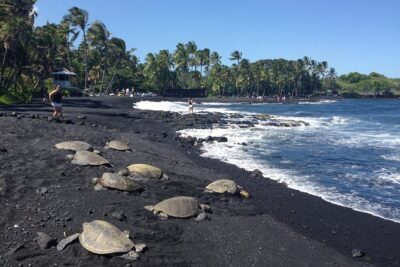
Small-Group Big Island Tour: Hawaii Volcanoes National Park and Kona Coffee Farm
Read our review →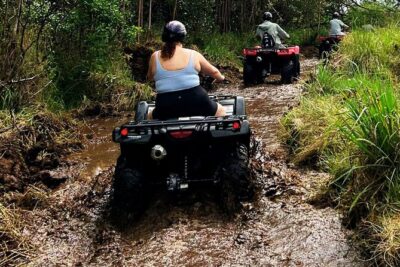
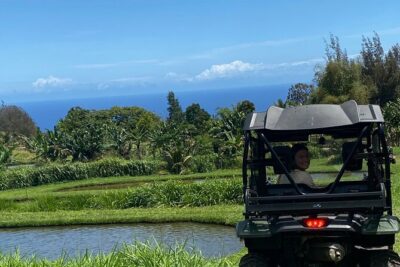
Waipi’o on Horseback: Mountain Ocean Views Working Cattle Ranch
Read our review →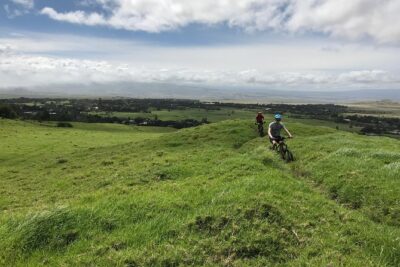
Browse the lists this tour appears in