
Review · BIG ISLAND
Hawaiian Salt Farm Tour in Kona
Kona’s salt farm turns a simple pantry staple into a worthwhile Big Island lesson. On this seven-acre oceanfront site, you’ll see how seawater becomes hand-harvested Hawaiian salt, hear about the water source and the history of Keahole Point, then taste several finished salts.
I like the mix of working farm and coastal setting, and I like that the tour gives you something more useful than a quick photo stop: you learn how the salt is collected, dried, refined, and packaged. Guides including Candee, Candy, Mari, and Ipolani have each been praised for making the subject lively and personal.
The main caution is the sun and the occasional uneven pace of the presentation. One report found a guide spoke too quickly, so ask questions if you lose the thread. The tasting can also be unclear if you want to know exactly which samples come from the farm.
What makes this salt tour worth your time
- Ocean-fed salt ponds: See how seawater from the Pacific is used to produce Kona salt and related mineral products.
- A working process, not a staged attraction: Your guide shows the water source, harvesting areas, drying stages, and finished product.
- A tasting with about 15 varieties: Try flavored and plain salts with small bites such as fruit and vegetables.
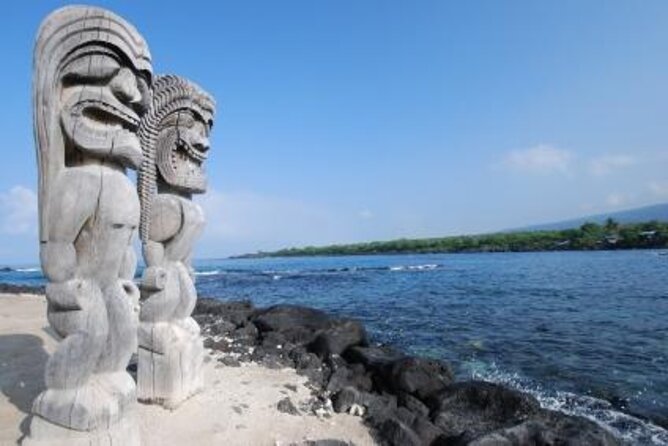
- A strong sense of place: The talk includes Keahole Point, early Hawaiian salt gathering, local language, and the area’s ocean history.
- A practical one-hour stop: The farm is near the airport, making it useful before a flight or as a short activity between larger outings.
- A sunny, accessible setting: Most people can take part, but hats, sunscreen, and comfortable footwear will make the visit easier.
Why a salt farm belongs on a Kona itinerary
You can spend a week on the Big Island and never think about how salt is made. That is exactly why this outing works. It takes an ordinary ingredient and gives it a Hawaiian setting, a local story, and a visible production method.
The farm uses ocean water and hand-harvesting methods rather than presenting salt as an anonymous product on a shop shelf. You’ll see the stages for yourself, which helps explain why different salts have different textures, colors, and uses.
I especially like this as a break from the usual list of beaches, viewpoints, and volcano-related stops. It is not a major sightseeing attraction, and it does not pretend to be one. Instead, it is a compact visit to a real operation with a strong connection to the Pacific.
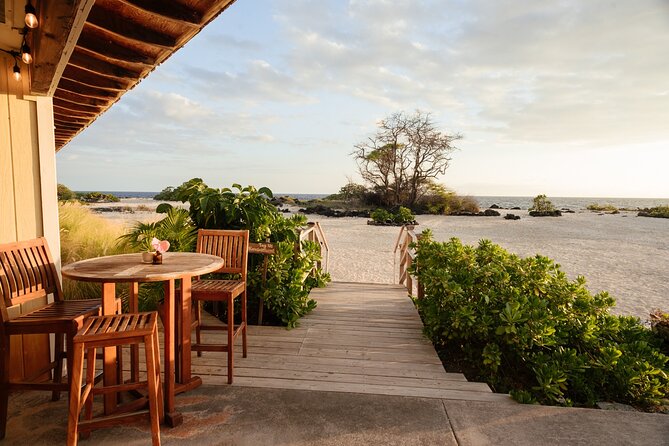
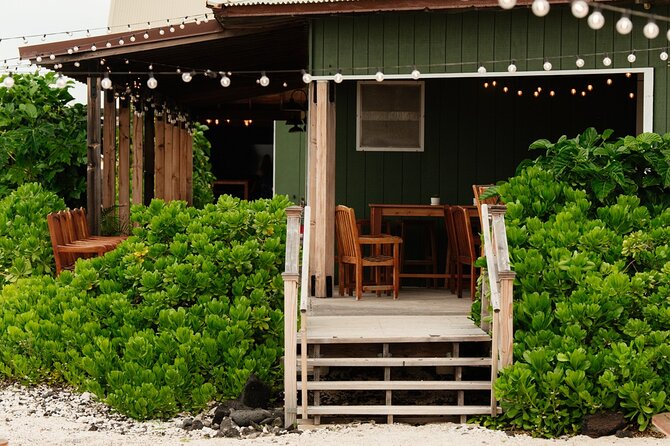
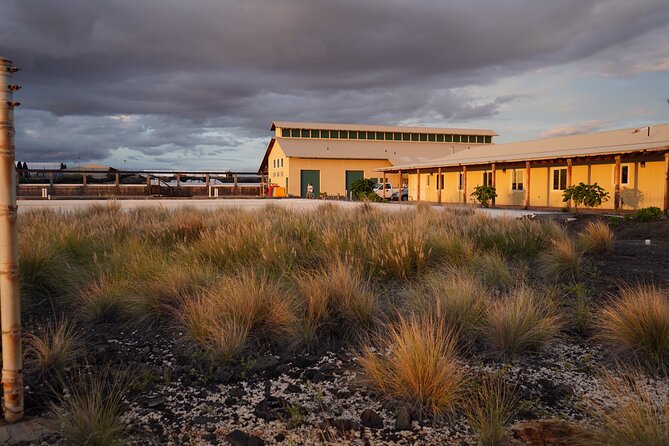
The setting adds much of the appeal. The farm occupies seven acres beside the ocean, with views and open air around the salt-making areas. The scenery is more than a backdrop because the sea is the source of the product you are learning about.
A few more farm days around Big Island worth a look
- Award Winning Farm Tour: Coffee, Chocolate and Unique Gifts
★ 5.0 · 484 reviews - Small-Group Big Island Tour: Hawaii Volcanoes National Park and Kona Coffee Farm
★ 5.0 · 343 reviews - Big Island ATV Tour at Ohana Ranch
★ 5.0 · 254 reviews
Meeting at 73-907 Makako Bay Drive
You begin at Kona Sea Salt’s office at 73-907 Makako Bay Drive, Kailua-Kona. The activity returns to this same meeting point, so you do not need to arrange a separate pickup or figure out where the tour finishes.
The group can include up to 20 people. That is small enough for a guide to demonstrate the process and answer questions, though the quality of the visit depends partly on how clearly your particular guide presents the information.
The advertised duration is about one hour. The guided portion is listed at roughly 45 minutes, with the tasting and time around the shop bringing the total close to an hour. I would not schedule a major activity immediately afterward, especially if you want to browse the salt products or ask questions.
The farm is also a sensible final Kona stop before heading to the airport. You can learn something, sample the products, and buy a small food souvenir without committing half a day.
Following the seawater from source to salt
The tour starts with the water source. Your Salt Farm Manager explains where the seawater comes from and why the farm uses deep ocean water. That sets up the rest of the visit: you are not just looking at piles of salt, but following the path from ocean water to finished product.
You then move through the salt harvesting areas. The guide explains how the salt is collected and how the process has developed over time. You might find the method straightforward at first, but the details matter: drying, refining, and handling all affect what ends up in the package.
The farm also produces other deep-ocean mineral products. That part broadens the visit beyond cooking salt and explains why the operation pays attention to the mineral content of the water. Some of the talk connects these products with magnesium and other minerals that people may not get much of in a normal diet.
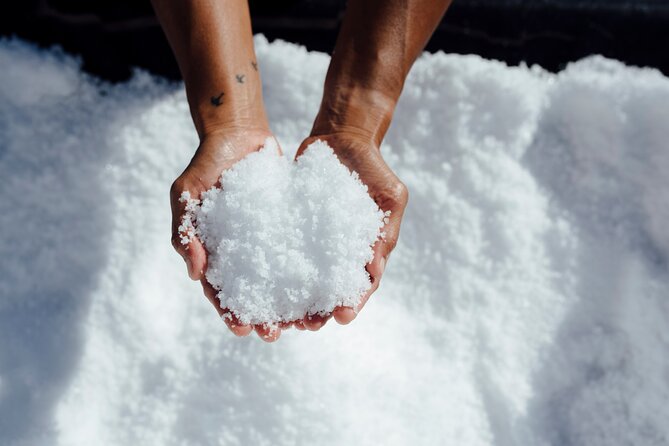
The operation is easy to understand visually. You can view the drying stages and see the product in its finished form. For children, that physical progression helps keep the subject from becoming a lecture. For adults, especially anyone interested in cooking or food production, it answers a basic question: what actually happens between seawater and sea salt?
A local story at Keahole Point
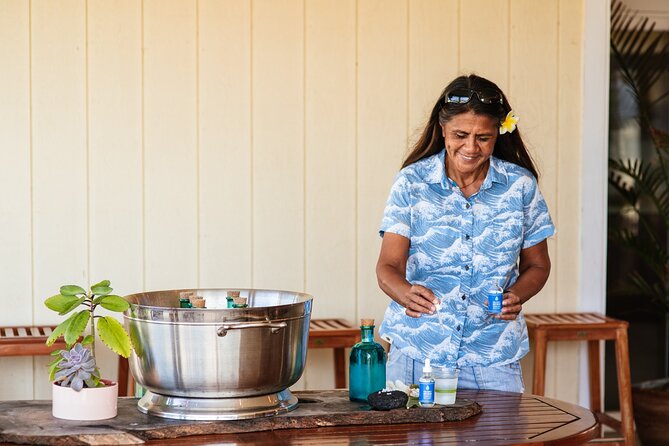
The guide does more than describe machinery and salt trays. The talk includes the history of the area and the ways early Hawaiians harvested salt. You also hear about the development of the farm and the changes that shaped its current operation.
The references to Hawaiian language and the alphabet add another useful layer. I appreciate this because the salt is not treated as a novelty detached from place. The farm connects the product with the coast, local culture, and the long relationship between people and the ocean.
Keahole Point is part of that story. Your guide may also explain the nearby research setting and the environmental work linked with keeping beaches and ocean water clean. This makes the visit feel less like a sales presentation and more like an introduction to a small local business with an environmental purpose.
Still, you should expect a compact overview rather than a full cultural tour. The experience covers several subjects in a short time, so some parts may receive only a brief explanation. If a detail interests you, ask about it. Guides such as Candee and Ipolani have been singled out for making the larger island story part of the visit, not just the salt-making lesson.
Same fields, a different sort of day out:
- Waipi’o on Horseback: Mountain Ocean Views Working Cattle Ranch
★ 5.0 · 252 reviews - Big Island Mountain Biking on Anna Ranch
★ 5.0 · 171 reviews - Experience Our Honey Farm And Beekeeping Tour
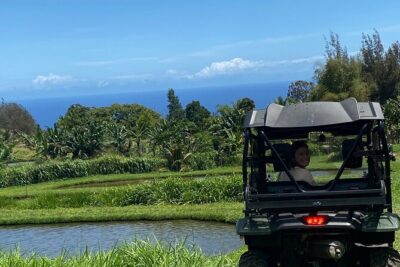
★ 5.0 · 167 reviews - ATV Ranch ride Big Island Hawaii
★ 5.0 · 151 reviews
The tasting makes the process click
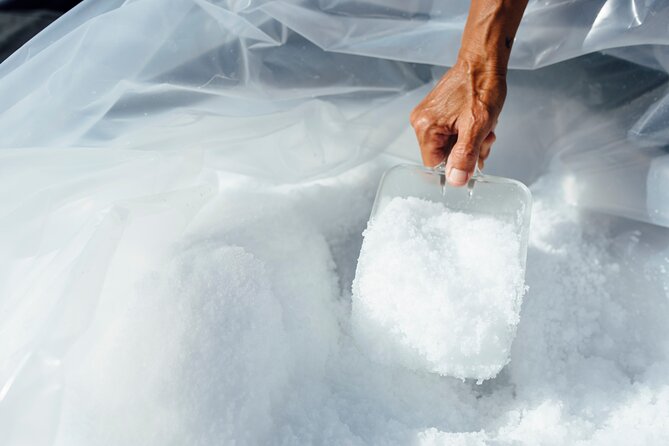
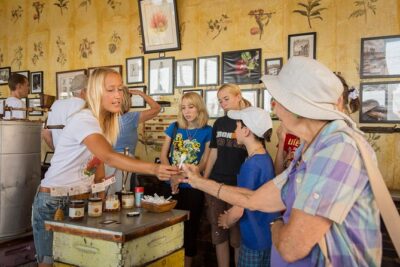
The final tasting is the most playful part of the tour. You sample a range of salts, with roughly 15 varieties mentioned in the tour experience, and compare them with small foods such as fruits and vegetables.
This is where you can notice that salt is not simply salty. Different varieties can vary in texture, strength, and flavor. Tasting them side by side gives you a better sense of why a cook might choose one salt for finishing a dish and another for a different use.
The tasting also helps justify the $27 price. You receive a guided explanation, access to the farm grounds, and a hands-on way to understand the finished product. If you buy something afterward, you can choose with more confidence because you have sampled the differences rather than relying only on attractive packaging.
One point deserves attention: if you care about the exact origin of every sample, ask the guide to identify which salts are made at the farm and which are other products. The selection may include different varieties from the shop, and one person found the source of each sample unclear.
The shop also carries other salts and deep-ocean mineral products. You can browse before or after the tour, but the tasting is the better reason to visit. Shopping alone would not give you the same explanation of the harvesting process.
Sun, footwear, and the optional foot soak
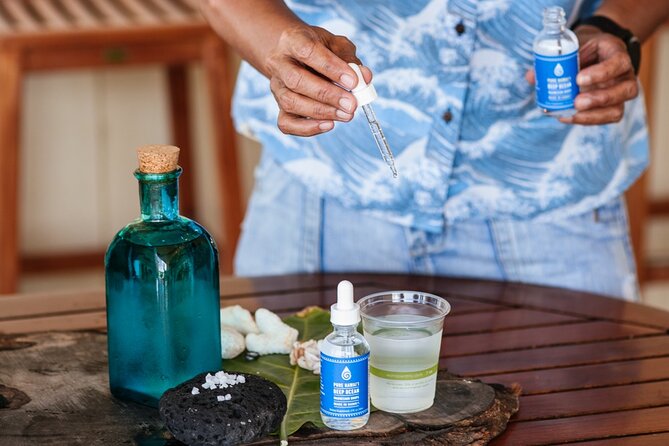
This is an outdoor visit in a bright coastal setting. Wear sunscreen and a hat. Umbrellas are available to help block the sun, but I would still arrive prepared rather than depend on shade.
You will walk around the farm, though the activity is not strenuous. Most people can participate, and the grounds have been described as generally accessible, with perhaps one small level change. Someone using a walker has been able to enjoy the full visit, and service animals are allowed.
A deep-ocean foot soak can be booked separately. It is not part of the basic salt tour, so you need to check the option when arranging your visit. The water is notably cold, much colder than some people expect, but it can feel refreshing and invigorating. You may receive a jar of magnesium product for the soak, depending on the arrangement described for the experience.
I would treat the foot soak as an optional add-on, not a reason to book the tour. It suits you if you like unusual wellness activities and do not mind cold water. If you are pressed for time, the salt tour and tasting are the essential parts.
How the $27 price holds up
At $27 per person, this is a reasonable short activity, particularly if you value local food, small producers, and hands-on demonstrations. You are paying less than you would for many larger Big Island excursions, while still getting a guided visit and tasting.
The value depends on your expectations. If you want dramatic scenery, wildlife, or a full-day adventure, this will feel too modest. If you want a one-hour stop that teaches you something specific and gives you a useful souvenir option, the price makes sense.
The experience is especially good for couples, families, and food-minded visitors. Children around school age can follow the stages and enjoy tasting the different salts. Older family members may appreciate the short duration and manageable walking.
I would also recommend it to anyone with time before a flight. The farm’s location near the airport lets you fit in a final Kona activity without taking on a long drive or a demanding schedule.
Choosing the right guide and asking better questions
The guide makes a clear difference because the tour covers science, culture, local history, and product information in a short period. Candee and Candy have been praised for explaining both the salt operation and the wider island story. Mari has been noted for her familiarity with the farm and its environmental mission, while Ipolani has been praised for learning people’s names and explaining sustainable harvesting with care.
Those names are useful, but guide assignments can change. Go ready to take part rather than expecting a particular person.
Ask about the water source, the drying stages, the early Hawaiian methods, and the difference between the salts you taste. If the explanation moves too fast, speak up. One less positive experience came from a presentation that was difficult to follow, so a simple question can make the tour much more useful.
I also recommend asking which salts are produced at the farm and which are included as related shop products. That removes confusion during the tasting and helps you decide what to take home.
Booking, weather, and cancellation details
The tour is offered in English, uses a mobile ticket, and confirmation is provided when you book. It is often reserved well ahead of time, with booking averaging about 24 days in advance, so do not assume you can always arrange it at the last minute during a busy holiday period.
You can cancel for a full refund up to 24 hours before the start time. Cancellations or changes made within 24 hours are not refunded or accepted. The activity also depends on good weather. If poor conditions cancel the visit, you can receive a full refund or choose another date.
The stated approval rate is 96 percent, with a 4.9 rating from 767 ratings. That points to a reliably well-received activity, but the small criticisms are worth keeping in mind: presentations may vary, the sun is strong, and the tasting needs a little clarification if product origin matters to you.
Should you book the Kona salt farm tour?
I would book this if you want a short, unusual, and educational Kona activity rather than another standard sightseeing stop. The oceanfront grounds, clear production stages, Hawaiian context, and tasting work well together, and the $27 price is fair for the amount of time involved.
You should especially consider it if you enjoy cooking, local products, sustainable food production, or meaningful souvenirs. It also fits families, older adults, and anyone filling time before a flight.
Skip it if you need a large-scale adventure or dislike guided explanations about manufacturing. For everyone else, this is a smart one-hour addition to a Big Island itinerary. Wear sun protection, ask direct questions, and leave enough time to enjoy the tasting instead of rushing straight back to the car.
FAQ
How long does the Hawaiian Salt Farm Tour in Kona last?
The activity lasts approximately one hour. The guided farm portion is listed at about 45 minutes, followed by the salt tasting and time at the shop.
Where does the tour begin and end?
It begins at 73-907 Makako Bay Drive, Kailua-Kona, Hawaii 96740. The activity ends back at the same meeting point.
What will I see during the tour?
You will see the farm’s ocean water source, salt harvesting areas, drying stages, and finished products. The guide also explains salt-making methods, local history, and deep-ocean mineral products.
Is a salt tasting included?
Yes. The tour finishes with a tasting of different hand-harvested Hawaiian salts, with about 15 varieties described in the experience.
Is the foot soak included in the tour?
No. The deep-ocean foot soak is a separate add-on. The water is very cold, and the soak is described as refreshing and invigorating.
What happens if bad weather cancels the tour?
If poor weather causes cancellation, you will be offered another date or a full refund. You can also cancel for a full refund if you do so at least 24 hours before the start time.
Just added around Big Island
- Private 2-Hour Beekeeping Classroom Tour in Honokaa★ 5.0 · 2 reviews
- Farm to Table Cooking Class at Kulaniapia Falls★ 4.5 · 36 reviews
- Edible Hibiscus Guided Farm Tour (Big Island)★ 5.0 · 31 reviews
- Sunset Kona Salt Farm Tour★ 5.0 · 55 reviews
- Hamakua Coast Farm Small-Group Walking and Tasting Tour★ 5.0 · 4 reviews
- Hala Tree Coffee Farm Tour★ 5.0 · 44 reviews
- Bottle Feed & Cuddle Baby Goats at Ohana Ranch (Big Island)★ 5.0 · 29 reviews
- Big Island Family Off Road Farm Adventure at Ohana Ranch★ 5.0 · 43 reviews
Big Island Farm Tours, compared.
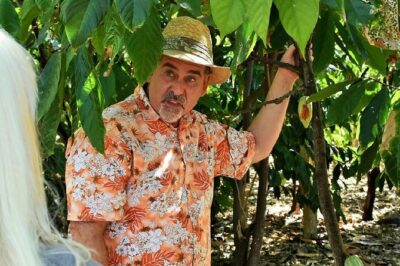
Award Winning Farm Tour: Coffee, Chocolate and Unique Gifts
Read our review →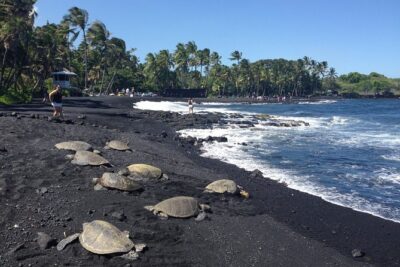
Small-Group Big Island Tour: Hawaii Volcanoes National Park and Kona Coffee Farm
Read our review →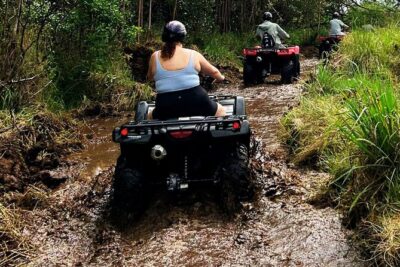
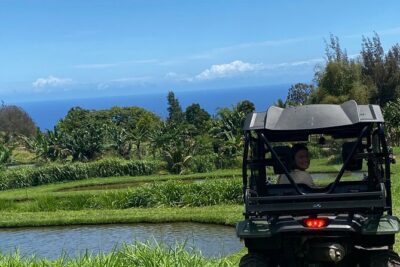
Waipi’o on Horseback: Mountain Ocean Views Working Cattle Ranch
Read our review →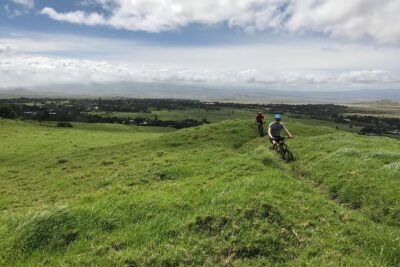
Browse the lists this tour appears in