
Review · BIG ISLAND
Hala Tree Coffee Farm Tour
Hala Tree Coffee gives you the whole Kona coffee story in about an hour, from a red coffee cherry on the tree to the roasted beans in your cup. Guides such as Sabrina, Margaret, Danelle, and Kat explain the work in a friendly, easygoing setting, with ocean scenery at the end.
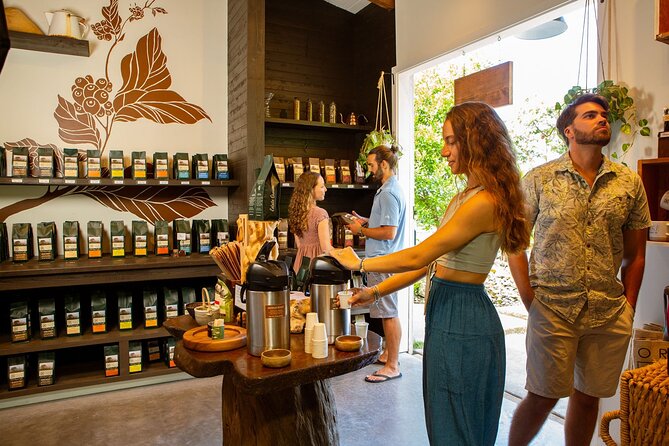
I like two things in particular: the choose-your-own three-coffee flight, which lets you compare flavors instead of accepting a fixed sample, and the small scale of the farm. You get a closer look at a working operation rather than a polished attraction built around a large gift shop.
The main drawback is its compact size. You may walk only a short distance into the coffee plants, and the farm entrance can be hard to spot from Mamalahoa Highway. Bring a map app and allow extra time to find the driveway.
Key points at a glance
- A full coffee lesson in one hour: Follow the crop from flowering and harvest through processing and roasting.
- Three coffees of your choice: The tasting flight gives you a practical way to compare roasts and flavors.
- A tiny group, capped at 12 people: The setting feels personal and leaves room for questions.
- A working Kona farm: Hala Tree handles growing, harvesting, processing, and roasting on site.
- Ocean views with your coffee: The tasting takes place on a shaded wood deck or nearby seating area.
- Good value at $10: It is one of the easier farm visits to fit into a busy Big Island day.
A working Kona farm, not a staged coffee stop
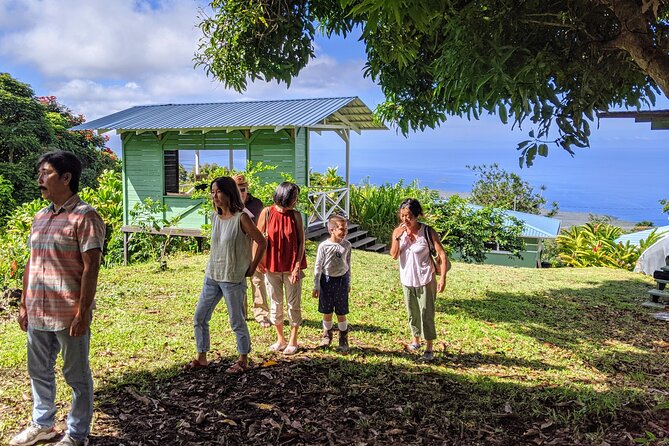
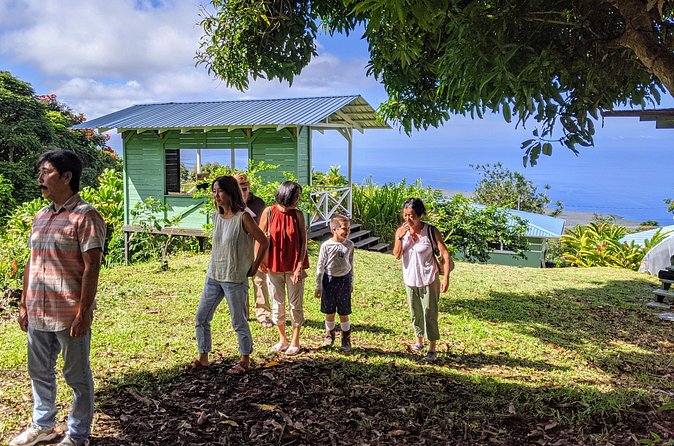
Hala Tree Coffee sits at 82-5966 Mamalahoa Highway in Captain Cook, south of Kailua-Kona. The setting is a small coffee farm with tropical plants, open views, and a relaxed pace. This is not a long plantation walk or a grand visitor complex. That is precisely the appeal for me.
You see a modest operation where the coffee work is the point. Hala Tree is involved in the crop from the trees through processing and roasting, so the explanation can cover the full chain instead of stopping at a scenic orchard.
The farm’s centerpiece is a large hala tree, which gives the business its name. The setting also includes friendly dog greeters, a detail that adds to the informal feel without turning the visit into a pet attraction.
The tour suits anyone who wants to understand what makes Kona coffee different from an ordinary supermarket blend. You do not need to be a coffee expert. In fact, the guides explain enough of the basics for a first-time coffee drinker while still offering useful details to someone who already cares about roast and flavor.
More Coffee Farm Tours in Big Island:
- Small-Group Big Island Tour: Hawaii Volcanoes National Park and Kona Coffee Farm
★ 5.0 · 343 reviews - Kona Coffee Farm Tour from Tree to Tasting Room
★ 5.0 · 36 reviews - La Herradura Coffee Farm: tour in Europe’s only plantation
★ 4.8 · 430 reviews
Start with the coffee tree and its red cherries
The walk begins among the coffee trees. Look for the red fruit that holds the coffee seed. It is an important visual correction to the usual picture of coffee as a brown bean in a bag. Before roasting, the coffee starts as a cherry-like fruit on the tree.
Your guide explains the growing cycle, including the long period from bloom to harvest. One detailed explanation put the cycle at about 267 days. The farm may have seven or eight harvests in a year, with the fruit picked by hand.
That information gives you a better sense of the labor involved. Coffee is not a one-season crop that gets harvested in a single sweep. The fruit reaches readiness at different times, so careful hand picking matters. You begin to see why small-scale Kona coffee can cost more than mass-market coffee.
The walk is short. One account describes going only about 50 steps into the coffee plants and back. If you want a long ramble through acres of trees, this will feel limited. If you prefer a clear lesson with little walking, it works well.
The ground near the grove can be rocky or uneven. A person with limited mobility may need help, but the staff have adjusted the talk for people who could not manage the slope. In that case, the explanation took place under a guava tree rather than in the grove. The farm’s willingness to adapt is useful, but you should still expect a rural setting rather than a paved museum route.
Follow the bean through harvesting and processing
After the orchard, the guide explains what happens after picking. The coffee fruit must be processed before the familiar green coffee bean is ready for roasting. This part adds real value because many coffee tastings skip the production steps.
You learn how the fruit is handled, how beans are prepared, and how the farm moves from crop to finished product. The guides also explain how different flavors can come from the same basic coffee bean without adding flavoring. Processing choices, roast level, and preparation all affect what you taste later.
That point is especially useful if you usually think of coffee flavor as something added to the beans. Here, you can connect the taste in your cup to farming and roasting decisions made earlier.
The guides are warm and open to questions. Sabrina has been singled out for making the lesson fun and clear. Margaret has explained how Hala Tree differs from other coffee farms, while Danelle has described the growing season and the farm’s hand-picking routine. Kat has been praised for keeping the discussion engaging. The exact guide depends on the day, but the experience is built around a person explaining the work rather than an audio presentation.
Do not expect every question to receive a perfect technical answer. One guide openly admitted when a question was outside her role. I prefer that to a forced answer, and it is a useful reminder that this is a small farm tour, not a university coffee laboratory.
See how roasting changes the flavor
The roasting section connects the farm lesson to your breakfast cup. You get a look at how green coffee becomes the fragrant brown bean you recognize. The smell of roasting coffee is part of the experience, and the guide explains how roasting helps create different flavor profiles.
This is where the tour becomes more than a plantation walk. You are not only looking at coffee trees. You are learning why two coffees from the same broad crop can taste different.
For a coffee beginner, this is a simple way to learn the vocabulary of roast and flavor without getting buried in technical terms. For a coffee enthusiast, it gives you a chance to ask about processing, roast choices, and the farm’s own methods.
The pace stays unhurried. The group limit of 12 helps. You are not being pushed past a display while another group waits behind you. The small size also makes it easier to ask a question about something you have just seen.
A few more farm days around Big Island worth a look
- Hawaiian Salt Farm Tour in Kona
★ 5.0 · 767 reviews - Award Winning Farm Tour: Coffee, Chocolate and Unique Gifts
★ 5.0 · 484 reviews - Big Island ATV Tour at Ohana Ranch
★ 5.0 · 254 reviews - Waipi’o on Horseback: Mountain Ocean Views Working Cattle Ranch
★ 5.0 · 252 reviews
The three-coffee flight is the real payoff
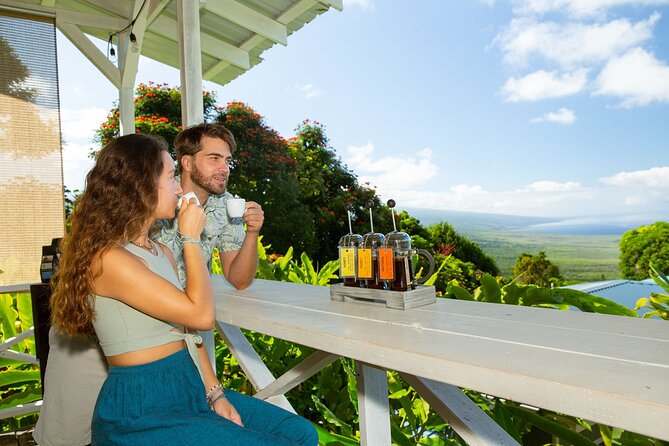
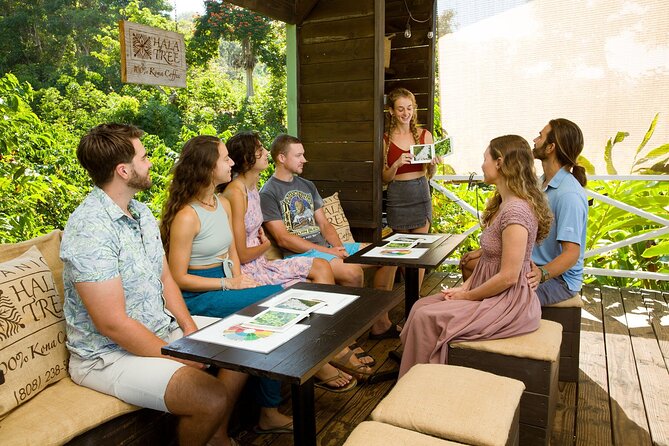
The tasting takes place after the farm explanation, with ocean views from a shaded wood deck or nearby sofa seating. The setting matters. Instead of standing at a counter for a quick sip, you get time to sit, compare, and talk.
The flight includes three coffees you choose. That is better than receiving three samples selected without your input because you can test the styles that interest you. Try different varieties or roasts, then pay attention to which one seems smoother, brighter, fuller, or more appealing to you.
The tasting is also a good way to make the earlier lesson stick. You have just heard how farming, processing, and roasting shape flavor. Now you can compare the results in the cup.
One of the most useful details is that you can taste the coffee fruit itself. Handling and peeling the sweet fruit makes the path from cherry to bean easier to understand. It is a small part of the visit, but it turns an abstract explanation into something you can remember.
Tea is also available during the relaxed tasting time. That makes the visit workable for a mixed group. You may enjoy coffee while a companion prefers tea, and people who do not like coffee can still follow the farm lesson and sample something else.
The coffee gets the strongest praise, but keep your expectations sensible. This is a $10 experience, not a full professional cupping session. The tasting is casual and scenic. One less enthusiastic assessment found the coffee tasting acceptable rather than remarkable. If your main goal is a formal, highly technical tasting, you may want a more specialized experience. If you want a pleasant introduction with three choices and a view, the format is strong.
Why the $10 price works so well
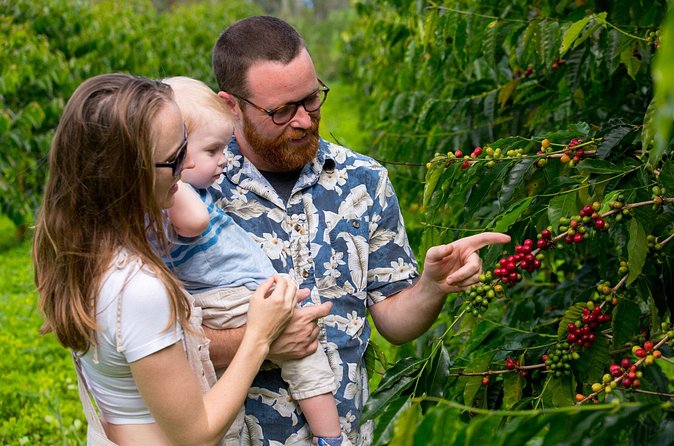
At $10 per person, Hala Tree offers unusually good value for a short Big Island activity. Your admission includes the farm explanation, the growing and processing lesson, and a three-coffee flight. The tour lasts about one hour, so you are not paying for a half-day commitment.
The value is strongest for people with a tight schedule. You can fit it between other South Kona stops, and the tour ends where it begins. It also makes a sensible addition to a day built around Captain Cook, coffee country, or the Kona coast.
The low price does come with limits. The walk is brief, the setting is small, and the farm does not offer the scale of a major plantation attraction. You are paying for direct explanation and tasting, not for extensive grounds, a long guided hike, or a large museum.
I would also see it as a useful way to decide what coffee to buy. After tasting three options, you have a better chance of choosing beans you will actually enjoy at home. The coffee and tea products available on site give you a chance to take that experience with you, though the specific products are not fixed in the tour details.
Finding the farm and planning your arrival
The meeting point is 82-5966 Mamalahoa Highway in Captain Cook. The driveway leads down from the highway near a church, and the entrance is not heavily marked. Use Google Maps or another map app, and do not rely on spotting a large roadside sign at the last second.
If you are coming from a cruise ship or from Kona, transport takes planning. One visit from a cruise ship used a rideshare for about 25 minutes south of Kona. The return trip can be less certain because Captain Cook has fewer rideshare drivers than the main Kona area. If you use a rideshare, arrange your return before you finish, or make another transport plan.
Booking confirmation is provided at the time of purchase, and mobile tickets make the admission simple. The tour is commonly reserved about 15 days ahead, so I would book before your island schedule fills up, especially if your dates are fixed.
Free cancellation is available if you cancel at least 24 hours before the start time. Inside that window, the payment is not refunded, and changes are not accepted. The cutoff follows local time.
Who will enjoy Hala Tree most?
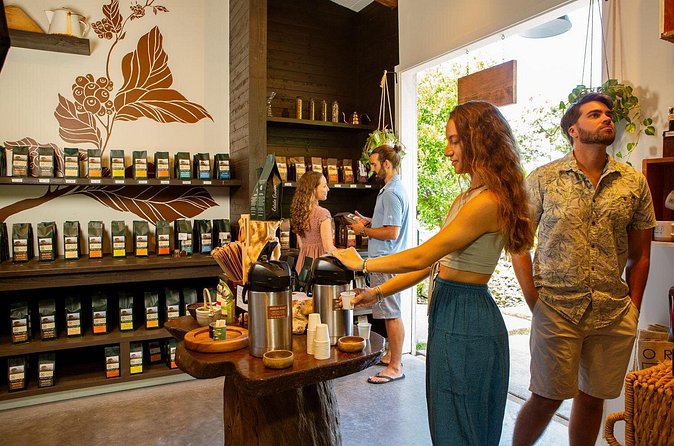
I would choose this tour if you want a short, affordable introduction to Kona coffee rather than a major attraction. Couples get a pleasant hour with a scenic tasting, and solo visitors can easily join the small group.
Families can enjoy it too, especially if children like seeing where food begins. The red coffee cherries and sweet fruit around the bean offer something concrete to look at and touch. Still, the tour is centered on explanation and tasting, not on active entertainment, so very young children may lose interest.
Non-coffee drinkers should not rule it out. The farm story works even if you prefer tea, and the guides make the visit social and approachable. You can learn how coffee is grown and processed without needing to enjoy a strong cup.
People with mobility concerns should contact the farm before booking if possible. The staff have accommodated someone who could not walk the rocky path, but the outdoor route is not described as fully paved or step-free.
Should you book this Kona coffee tour?
Yes, if you want an authentic-feeling farm visit, a clear explanation of the coffee process, and a three-cup tasting for only $10. The small group, friendly guides, ocean views, and chance to choose your samples make it a strong value.
Think twice if you expect a long orchard walk, a polished visitor center, or a formal coffee cupping. Hala Tree is compact and informal. Its strength is personal instruction on a working farm, not spectacle.
For most people, I would book it as a one-hour South Kona stop. Bring a phone map, plan your transport carefully, and arrive ready to ask questions. You will leave with a better understanding of why Kona coffee costs what it does, plus a clearer idea of which cup you like best.
FAQ
How long does the Hala Tree Coffee Farm Tour last?
The tour lasts approximately one hour.
How much does the tour cost?
The listed price is $10 per person.
Where does the tour begin?
It begins at 82-5966 Mamalahoa Highway, Captain Cook, Hawaii 96704.
Where does the tour end?
The activity ends back at the same meeting point.
How many people can join the tour?
The maximum group size is 12 people.
Does the tour include coffee tasting?
Yes. The experience includes a tasting flight, and you can choose three coffees to sample.
Do I need to be a coffee drinker to enjoy the tour?
No. The tour explains how coffee is grown and processed, and tea is also available during the tasting.
Is the tour accessible for someone who cannot walk the full grove path?
The farm has accommodated someone who could not manage the rocky hill by giving the explanation from under a guava tree. The route itself is not described as fully accessible, so contact the provider if you have specific mobility needs.
What is the cancellation policy?
You can cancel at least 24 hours before the start time for a full refund. Cancellations or changes made within 24 hours are not accepted and are not refunded.
Just added around Big Island
- Private 2-Hour Beekeeping Classroom Tour in Honokaa★ 5.0 · 2 reviews
- Farm to Table Cooking Class at Kulaniapia Falls★ 4.5 · 36 reviews
- Edible Hibiscus Guided Farm Tour (Big Island)★ 5.0 · 31 reviews
- Sunset Kona Salt Farm Tour★ 5.0 · 55 reviews
- Hamakua Coast Farm Small-Group Walking and Tasting Tour★ 5.0 · 4 reviews
- Big Island Family Off Road Farm Adventure at Ohana Ranch★ 5.0 · 43 reviews
- Big Island Farms Tour in Hawaii★ 5.0 · 18 reviews
- Bottle Feed & Cuddle Baby Goats at Ohana Ranch (Big Island)★ 5.0 · 29 reviews
Big Island Farm Tours, compared.

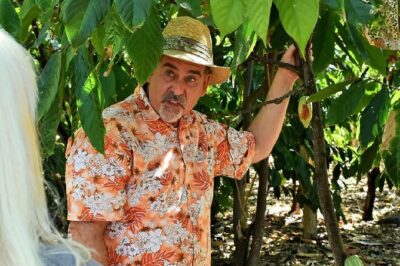
Award Winning Farm Tour: Coffee, Chocolate and Unique Gifts
Read our review →
Small-Group Big Island Tour: Hawaii Volcanoes National Park and Kona Coffee Farm
Read our review →
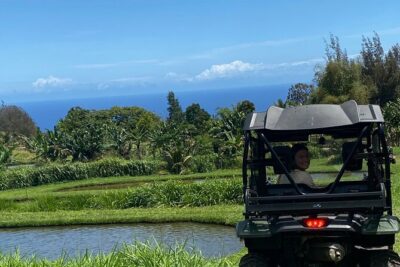
Waipi’o on Horseback: Mountain Ocean Views Working Cattle Ranch
Read our review →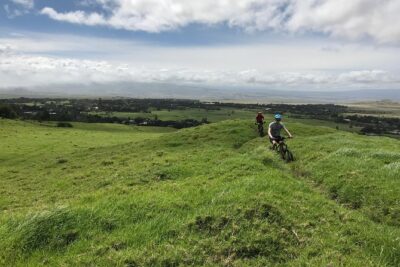
Browse the lists this tour appears in