
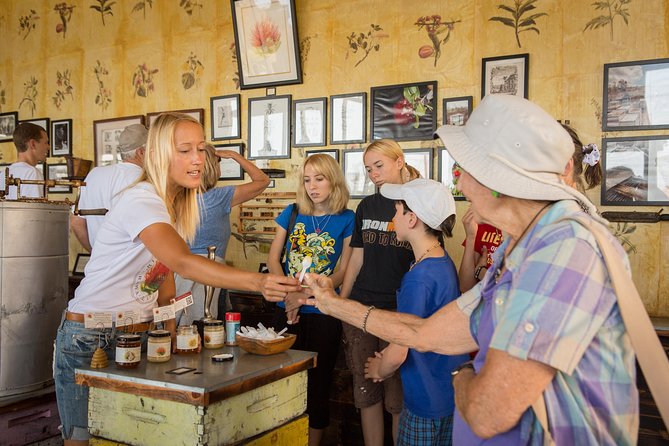
Review · BIG ISLAND
Experience Our Honey Farm And Beekeeping Tour
The most interesting part of this Big Island honey farm tour is the close look at working hives without putting you in a bee suit. From a screened viewing area, you can watch the beekeeper handle the hives, learn how colonies function, and possibly spot the queen or a newly emerging bee.
I like the direct access to the beekeepers, especially guides such as Joe and Joel, who explain complex bee behavior with stories, humor, and plenty of time for questions. I also like the tasting: raw organic Hawaiian honeys let you compare flavors instead of treating honey as one generic sweetener.
The main consideration is simple: if you have an allergy to bee stings, you should skip the beekeeping tour and visit only the museum. The farm is also a little remote, restroom facilities are limited, and the advertised group size can be confusing, so check your booking details carefully.
Key things to know before booking

- Watch active beekeeping from a screened area: You get close to the hives while remaining behind a safety barrier.
- Joe and Joel bring the lesson to life: Guides use humor, stories, and clear explanations for both adults and children.
- Taste raw organic Hawaiian honey: Sampling is included, with tea and snacks available as an extra.
- You may see the queen bee: Some tour sessions have included a close look at the queen and even a bee emerging from its cell.
- Plan on about one hour: The visit is short enough for a busy day around Captain Cook, but longer than a quick shop stop.
- The group size needs checking: One set of information lists up to 18 people, while the booking details specify a maximum of eight.
What happens at 82-1140 Meli Road
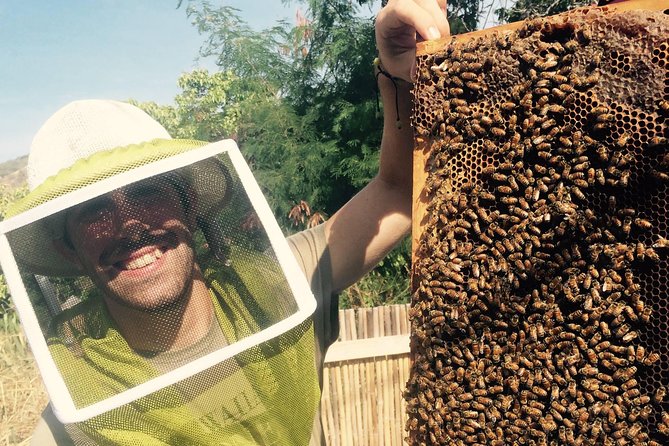
You begin at Big Island Bees in Captain Cook at 10:00 a.m. The activity ends back at the same address, so you do not need to arrange a separate pickup or find your way to another stop.
The farm visit introduces you to the working side of honey production. Instead of only looking at jars in a shop, you see where the honey begins and hear how the beekeeper manages the colonies. The emphasis is on the bees themselves, including their life cycle, pollination, hive behavior, and the work involved in keeping colonies healthy.
The scheduled portion takes roughly 45 minutes to one hour. One description of the visit allows about an hour, while some people have found the full learning session closer to 90 minutes when the presentation, video, hive viewing, tasting, and shop browsing are all counted. I would keep at least an hour free, and a little more if you want to explore at an easy pace.
The location is not presented as a large commercial attraction. That is part of its appeal. You are visiting a working honey farm, museum, tasting room, and store in one place. The setting gives the lesson a useful connection to real beekeeping rather than presenting bees only as a topic on a display board.
More Beekeeping and Honey Farms in Big Island:
- Private 2-Hour Beekeeping Classroom Tour in Honokaa
★ 5.0 · 2 reviews - Bee Farm Ecotour and Honey Tasting in Waialua, North Shore Oahu
★ 5.0 · 72 reviews - Olympia Shore Ex: Olympic site, Honey Farm & Olive Oil Tasting
★ 4.5 · 57 reviews
The screened hive viewing is the main event
The beekeeping portion gives you a box-seat view of the hives from a screened area. You are close enough to watch the beekeeper work and see bees moving across the hive entrance and screen, but you are not asked to handle the colony yourself.
This arrangement works well for families. A six-year-old can ask simple questions while an adult gets a practical explanation of colony life, pollination, honey, and hive management. The guide’s ability to move between basic facts and more advanced details is one of the strongest parts of the visit.
You might see the queen bee if conditions and the hive inspection allow it. Several sessions have included a queen sighting, and one family also saw a bee being born from the hive. These are possibilities, not guaranteed parts of every visit, so book the tour for the lesson rather than for a promised wildlife encounter.
The guide may demonstrate how bees react around the screened area. One particularly memorable example described the beekeeper shaking bees from the screen without wearing a face net. That can be fascinating to watch, but it should not lead you to assume bees are harmless. The screen is important, and anyone with a known allergy to bee stings should not take the tour.
Joe, Joel, and the teaching style
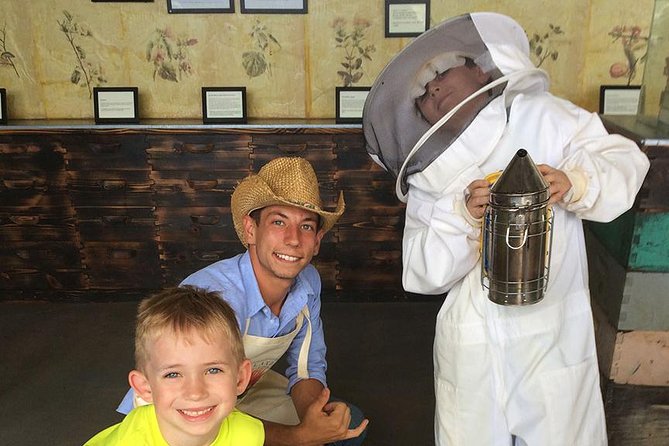
The guide can make or break a short educational visit, and Big Island Bees gets strong marks here. Joe is often singled out for his lively delivery, broad command of bee facts, and quick humor. Joel has also led sessions praised for clear explanations of the bee life cycle and the importance of pollination.
The tone is not a quiet museum lecture. Expect questions, jokes, stories, and direct interaction with people in the group. That keeps children involved, though one description found the humor a bit overdone at times. If you prefer a formal scientific presentation, this may feel loose. If you want a lesson that holds a family’s attention, the style works well.
I especially like the way the guides connect bees to daily life. You learn about pollination and honey production, but you also get a sense of why bees matter to food systems and local agriculture. The lesson can change the way you look at a hive, a jar of honey, or even a bee in your garden.
The tour has also worked well for people who already know a little about beekeeping. A visitor from Utah, known for its beekeeping tradition, still found the session useful and relevant. You do not need prior knowledge, but you will have room to ask more detailed questions if you already keep bees or plan to start a hive.
The tasting room turns the lesson into lunch-free fun
The tasting is included, and it is a strong finish to the visit. You sample raw organic Hawaiian honeys, then browse products made with honey and beeswax. The different honeys help you notice that flavor can vary, rather than assuming every jar tastes the same.
Tea and snacks are available, but lunch is not included. I would treat this as a compact morning activity, not a meal replacement. Since the start time is 10:00 a.m., plan your breakfast before arriving and arrange lunch afterward.
The store sells honey, beeswax products, and beekeeping memorabilia. It also carries ice cream, which has earned particular praise and can be a welcome treat after standing near the hives. The shop is useful even if you are not buying gifts, because it gives you a chance to compare honey varieties and take home something tied directly to the farm.
You can also visit the museum and tasting room without taking the beekeeping tour. That is the better choice for anyone with a bee-sting allergy. The museum option lets you learn about bees and sample honey without entering the screened hive viewing portion.
A few more farm days around Big Island worth a look
- Hawaiian Salt Farm Tour in Kona
★ 5.0 · 767 reviews - Award Winning Farm Tour: Coffee, Chocolate and Unique Gifts
★ 5.0 · 484 reviews - Small-Group Big Island Tour: Hawaii Volcanoes National Park and Kona Coffee Farm
★ 5.0 · 343 reviews - Big Island ATV Tour at Ohana Ranch
★ 5.0 · 254 reviews
Why the $30 price can be good value
At $30 per person, this is not the cheapest short stop on the Big Island. Still, the price covers more than a tasting. You get a guided farm visit, access to the screened beekeeping area, an educational presentation, time for questions, and honey samples.
The value is strongest if you enjoy hands-on learning. A quick shop visit costs less in time, but it will not show you how the hives work or explain the queen, pollination, and bee life cycle in the same way. Families can also get more from this than from a passive museum visit because children have something active to watch.
The visit is less compelling if you want a long farm excursion, a full meal, or a chance to handle bees yourself. The tour is compact and observation-based. You are learning from the beekeeper rather than taking part in hive work.
Hawaii residents receive a lower price with valid state identification: $20 for adults age 19 and older, and $10 for youth ages 13 to 18. Be ready to present the required ID. For everyone else, the standard $30 rate is easier to justify if you plan to spend time in the museum and store along with the guided portion.
Timing, access, and small practical concerns
The farm is at 82-1140 Meli Road in Captain Cook, on the Big Island’s Kona side. The setting is somewhat remote, so allow time to reach the address and avoid treating the 10:00 a.m. start as a rough suggestion.
The activity is offered in English. A mobile ticket is accepted, and confirmation is provided when you book. The visit returns to the starting point, which keeps the logistics simple.
Most people can take part, and service animals are allowed. The activity requires suitable weather, so poor conditions can lead to a different date or a full refund. Free cancellation is available if you cancel at least 24 hours before the local start time. Cancellations or changes made inside that window are not accepted for a refund.
Restroom facilities are limited. I would use a restroom before leaving for the farm, especially if you are visiting with young children or combining this with other stops. The short duration helps, but it does not remove that practical concern.
The booking information gives two different group limits: the highlights refer to groups of up to 18, while the additional details specify a maximum of eight. Because the smaller figure is more specific, I would expect a small group but confirm the current number at booking if this matters to you.
Who will enjoy this Big Island bee tour
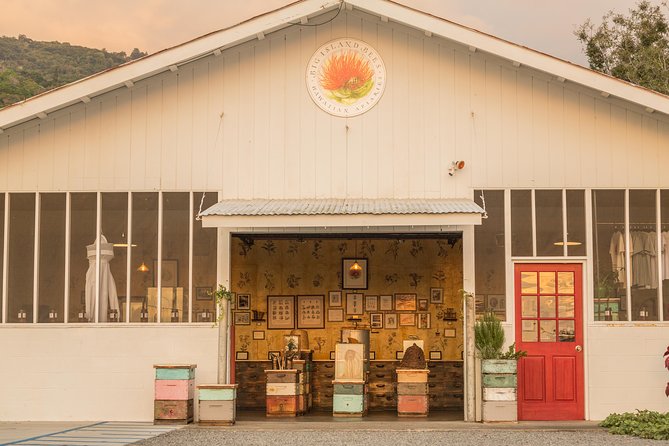
This is a good match for families with curious children, couples looking for an unusual Kona-area activity, solo visitors who enjoy local food production, and anyone interested in starting a hive. The guides can answer simple questions for children and more detailed questions for adults.
It also suits people who want an activity that does not take half a day. In about an hour, you get a clear introduction to bees, a close view of beekeeping, and a tasting. That leaves time for other Captain Cook stops.
I would be more cautious if you are highly allergic to bee stings, uncomfortable around large numbers of insects, or looking for a fully outdoor farm tour. The screened area provides a safety barrier, but you are still close to active hives. If that sounds stressful, choose the museum and tasting room instead.
The humor-heavy style will appeal to many families, but it may not suit someone who wants a quiet, formal lecture. The best approach is to expect a lively guide who teaches through conversation, stories, and demonstrations.
Should you book it?
I would book this tour if you want to understand the work behind Hawaiian honey rather than simply buy a jar. The strongest reasons are the close screened view of active hives, the chance to ask a real beekeeper questions, and the tasting that makes the lesson concrete.
Book it early if your schedule is fixed, since the activity is often reserved well ahead of time. Choose the museum-only option if you have a bee-sting allergy, and plan breakfast before the 10:00 a.m. start because lunch is not included.
For $30, this is a worthwhile short outing for families and food-minded visitors. It is not a full farm day, but it offers a clear look at bees, a personable guide, and a tasty way to finish.
FAQ
Where does the honey farm tour begin?
It begins at 82-1140 Meli Road, Captain Cook, Hawaii 96704.
What time does the tour start?
The scheduled start time is 10:00 a.m.
How long does the activity last?
The guided activity takes about 45 minutes to one hour. Allow extra time if you want to visit the museum, tasting room, and store.
What is included in the price?
The experience includes the guided honey farm and beekeeping visit, access to the screened viewing area, and honey samples. Tea and snacks are available separately.
Is lunch included?
No. Lunch is not included.
Can I visit if I am allergic to bee stings?
People allergic to bee stings should not take the beekeeping tour. They can visit the museum instead.
Are service animals allowed?
Yes, service animals are allowed.
How many people can join the tour?
The booking details specify a maximum of eight travelers, although another description refers to groups of up to 18. Confirm the current group limit when booking if this is important to you.
Is the tour available in languages other than English?
The activity is offered in English.
Can I cancel for a refund?
Yes, you can receive a full refund if you cancel at least 24 hours before the local start time. Changes or cancellations made less than 24 hours before the start are not accepted for a refund. If poor weather cancels the activity, you can receive a full refund or choose another date.
Just added around Big Island
- Private 2-Hour Beekeeping Classroom Tour in Honokaa★ 5.0 · 2 reviews
- Farm to Table Cooking Class at Kulaniapia Falls★ 4.5 · 36 reviews
- Edible Hibiscus Guided Farm Tour (Big Island)★ 5.0 · 31 reviews
- Sunset Kona Salt Farm Tour★ 5.0 · 55 reviews
- Hamakua Coast Farm Small-Group Walking and Tasting Tour★ 5.0 · 4 reviews
- Hala Tree Coffee Farm Tour★ 5.0 · 44 reviews
- Bottle Feed & Cuddle Baby Goats at Ohana Ranch (Big Island)★ 5.0 · 29 reviews
- Big Island Family Off Road Farm Adventure at Ohana Ranch★ 5.0 · 43 reviews
Big Island Farm Tours, compared.
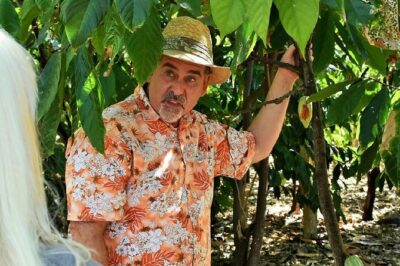
Award Winning Farm Tour: Coffee, Chocolate and Unique Gifts
Read our review →
Small-Group Big Island Tour: Hawaii Volcanoes National Park and Kona Coffee Farm
Read our review →
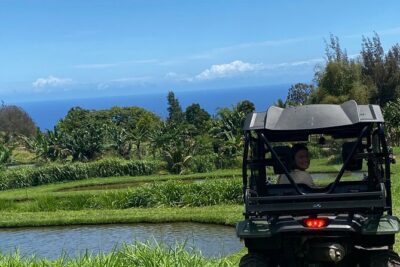
Waipi’o on Horseback: Mountain Ocean Views Working Cattle Ranch
Read our review →
Browse the lists this tour appears in