
Review · BIG ISLAND
Abalone Farm Tour
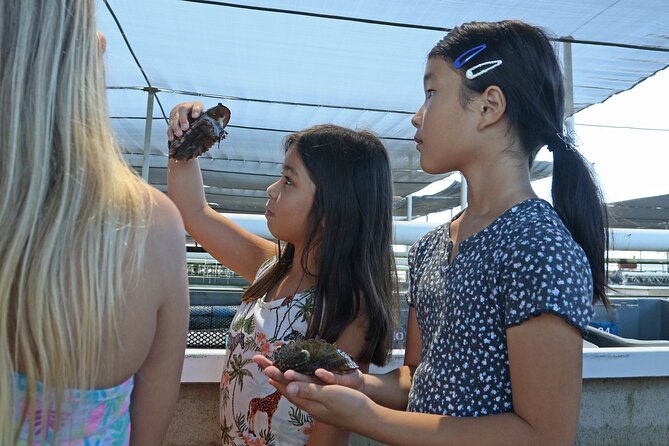
Abalone may look like a shell with a foot, but this farm tour shows you an animal with eyes, a mouth, a radula, and a surprisingly unusual life cycle. At Big Island Abalone, you walk through a working farm, learn why sustainable raising matters, and get close enough to hold live abalone and other sea creatures.
I like the hands-on format and the guides who turn a technical subject into an easy hour for children and adults. I also like the tasting at the end, which can include steamed abalone, seaweed, sea grapes, and other farm products.
The main consideration is that this is an outdoor farm visit, not a polished aquarium attraction. The tour is fairly short, much of it is on foot, and one person felt the tasting portion was modest. Still, at $35, it offers a rare look at an unusual Hawaiian food business.
Key points to know before you book
- Touch live abalone: You may handle abalone and other sea creatures while learning about their bodies and life cycle.
- Taste the farm’s products: The tour can include abalone, seaweed, sea grapes, and related samples.
- Guides make the difference: Carlos, Kai, and Diana are praised for clear explanations, warmth, and humor.
- Good for mixed-age groups: Children, older adults, and people seeking low physical activity can take part.
- Small groups help: The maximum is 20 people, with some tours running closer to 12.
- Easy Kona add-on: The farm is at 73-357 Makako Bay Drive, a short drive from the Kona area and close to the airport.
Why an abalone farm is worth an hour
If you have only seen abalone on a restaurant menu, this visit gives you a much better sense of what you are eating. You learn how the shellfish grow, how they mate, how they reach harvest size, and why farming is important when wild abalone populations are under pressure.
That conservation angle gives the tour more weight than a simple food tasting. The farm produces seafood, but it also teaches you about the animal’s life cycle and the need to raise it carefully. The result is a useful connection between marine biology, local food, and responsible farming.
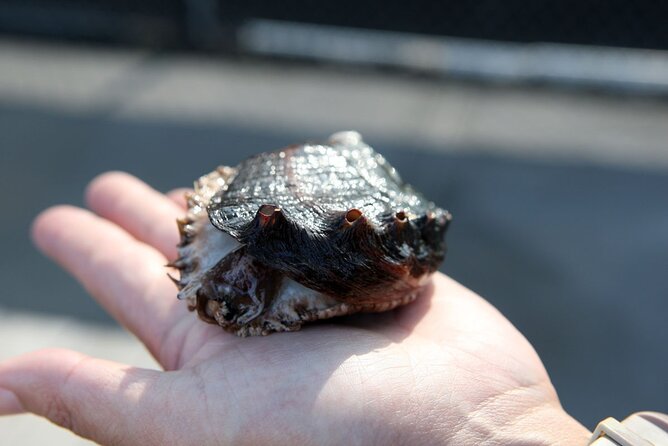
I especially like that the experience does not stop at looking into a tank. You can touch a live abalone and examine its shell, eyes, foot, and feeding structure. For a child, that physical contact can make the science stick. For an adult, it can change the way you think about a dish that otherwise arrives neatly prepared on a plate.
The tour also brings in seaweed and other sea life. You might sample sea grapes, sea peas, dulse, or other farm-grown products, depending on what is being presented. These tastings help explain that the farm is part of a wider marine food system, not just a place that raises one shellfish.
A few more farm days around Big Island worth a look
- Hawaiian Salt Farm Tour in Kona
★ 5.0 · 767 reviews - Award Winning Farm Tour: Coffee, Chocolate and Unique Gifts
★ 5.0 · 484 reviews - Small-Group Big Island Tour: Hawaii Volcanoes National Park and Kona Coffee Farm
★ 5.0 · 343 reviews
Walking through Big Island Abalone
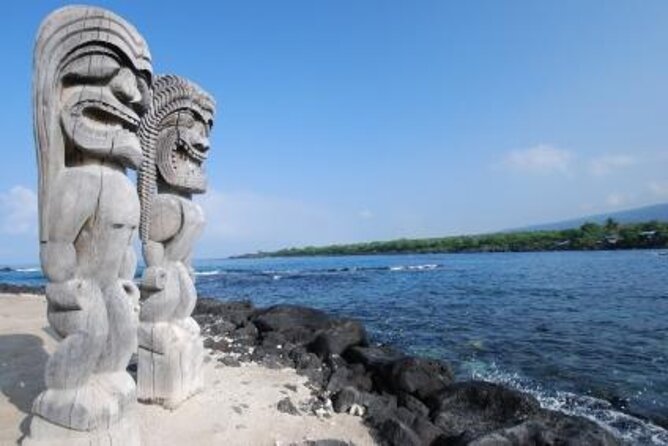
The meeting point is Big Island Abalone at 73-357 Makako Bay Drive in Kailua-Kona. The visit begins and ends there, so you do not need to arrange a separate drop-off. Bring your own transportation plan, since no hotel pickup is included in the information provided.
The tour lasts about one hour. That is long enough to cover the basics without asking you to spend half a day on a single subject. It also fits well into a Kona itinerary, especially if you have time before an airport departure or want a short activity between larger outings.
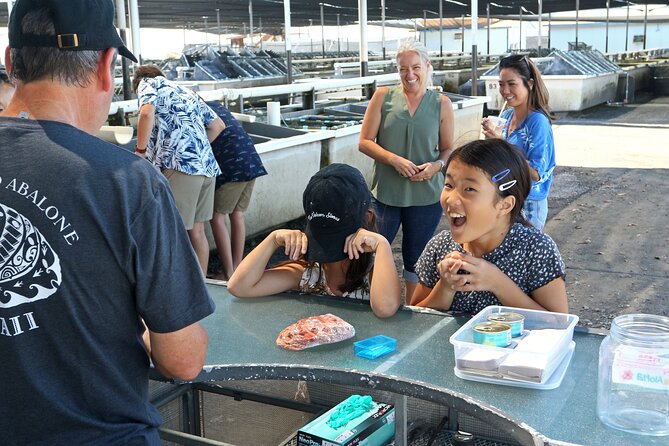
Expect an active farm setting rather than a formal museum. You will walk around the operation while the guide explains what happens at each stage. Several sessions have been described as low-activity or manageable for older adults using a cane, but you should still expect to stand and walk outdoors.
Much of the route is shaded, which helps in Hawaii’s sun. Even so, take water and a hat. One particularly useful practical detail is that the experience requires good weather, although the farm has enough shade that a light rainy day may still be workable. If weather forces a cancellation, you can choose another date or receive a full refund.
Carlos, Kai, and Diana bring the farm to life
The guide has a big effect on this experience. Carlos receives especially strong praise for his clear explanations, humor, and ability to keep an entire group involved. He explains complicated points without turning the hour into a lecture, and he makes room for questions and discussion.
Kai also has a strong reputation for explaining how abalone mate, grow, and reach maturity. Diana is described as energetic and warm, with a clear interest in the work. The important point is not a memorized script. It is the way the guide connects the farm’s daily work to food, ecology, and Hawaii.
The group size matters here. The official limit is 20 people, but groups of about 12 have been especially comfortable. A smaller group gives you a better chance to see the animals up close and ask questions without being lost at the back.
For families, the teaching style is a real advantage. A ten-year-old has enjoyed the visit, and even a toddler has been able to take part alongside retired adults. The guide adjusts the conversation so that children can watch and touch while adults get more detail about production and sustainability.
The hands-on part is more than a photo stop
The most memorable part is likely to be holding a live abalone. You can see features that are easy to miss in a restaurant serving, including its eyes, foot, shell, and radula. That close look makes the animal less like an exotic ingredient and more like a living creature with a complex design.
You may also handle other sea creatures. The chance to touch local marine life is unusual in a food production setting, and it gives the tour a sensory quality that a standard farm talk would lack.
This works well for children because the lesson is tied to something they can see and feel. It also suits adults who enjoy natural science but do not want a long, strenuous excursion. The farm setting keeps things direct and practical.
There is one small limit to keep in mind. A working farm is not arranged like a major public attraction, so the experience depends on the guide, the group, the weather, and what is available on the day. You are going to learn how the operation works, not watch a large-scale show.
Same fields, a different sort of day out:
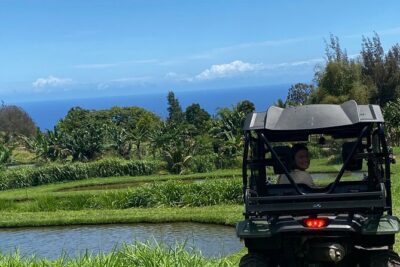
- Big Island ATV Tour at Ohana Ranch
★ 5.0 · 254 reviews - Waipi’o on Horseback: Mountain Ocean Views Working Cattle Ranch
★ 5.0 · 252 reviews - Big Island Mountain Biking on Anna Ranch
★ 5.0 · 171 reviews - Experience Our Honey Farm And Beekeeping Tour
★ 5.0 · 167 reviews
What you learn about sustainable abalone farming
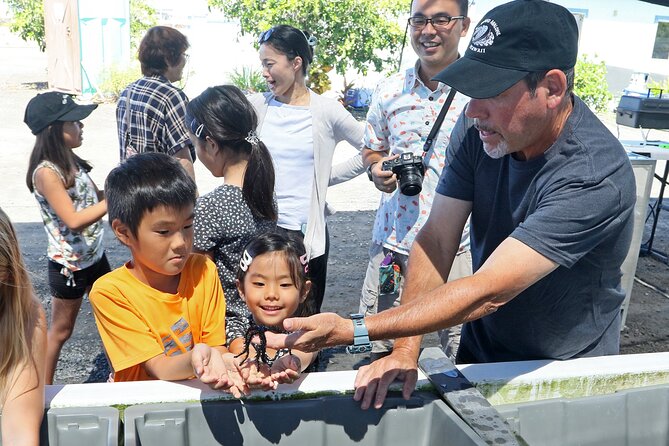
The central lesson is why abalone farming matters. Abalone are listed as endangered by the International Union for Conservation of Nature, according to information shared by the farm. Sustainable raising can help supply food while reducing pressure on wild populations.
You learn how the animals are bred, how they grow through different stages, and how the farm reaches harvest size. The guide also explains why abalone can be produced in Hawaii’s tropical setting. That is an interesting local question, since many people associate abalone with cooler coastal waters.
Seaweed is part of the story too. The farm grows and harvests different types, and you may taste them during the visit. Seaweed can seem like a side item at first, but the tasting shows how marine farming can include several edible products and support a wider food system.
I appreciate that the tour does not present sustainability as a vague slogan. The focus is on the animals, their growth, their production, and the practical work required to raise them. You leave with a better idea of why farm-raised seafood can matter.
The tasting: abalone, seaweed, and sea grapes
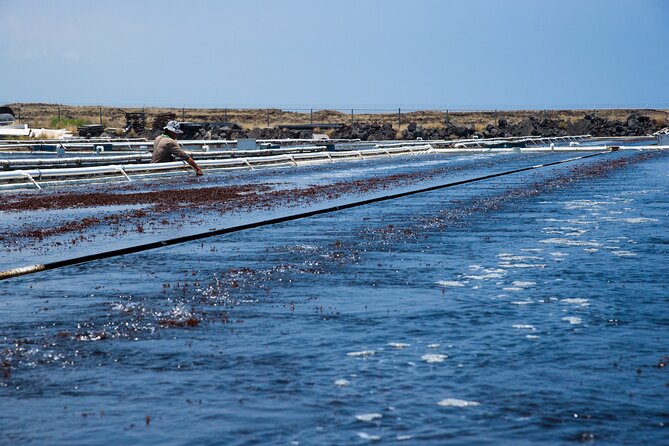
The tasting usually comes toward the end, making it a satisfying finish to the educational portion. A sample may include steamed abalone, along with seaweed or sea grapes. Some descriptions also refer to canned and fresh abalone, so the exact selection can vary.
The portion is best viewed as a sample, not a full meal. One person wanted more substantial samplers, and that is a fair point if you are booking mainly to eat. At $35, the value comes from the guided farm visit, the explanations, the live-animal contact, and the tasting together.
If you want a larger serving, the farm has a food truck on the property. You may find abalone poke, sushi-style dishes, or other cooked abalone options there. Fresh abalone can also be purchased by the piece, according to the information available.
That makes the stop more flexible. You can take the tour for the learning, then decide if you want lunch or an additional taste afterward. The nearby Kona BBQ food truck has also been used as a convenient meal stop.
Is $35 a fair price?
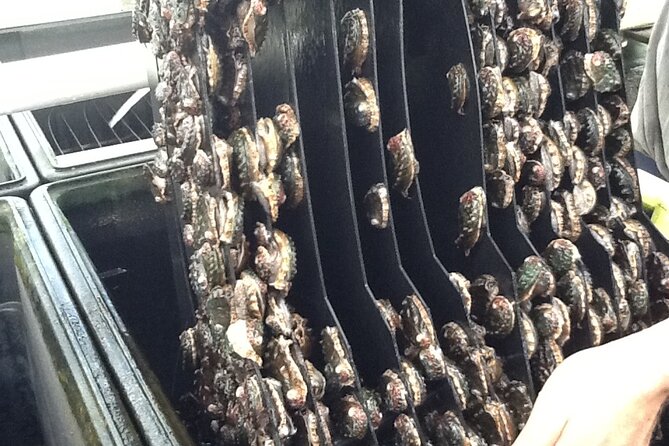
For a one-hour activity, $35 is not the cheapest way to fill time in Kona. But the price includes a guided visit to a working operation, hands-on contact with live animals, and food samples. Those elements make it more substantial than a simple walk around a farm shop.
The value is strongest if you are curious about marine biology, sustainable food, or Hawaiian agriculture. It is also a good choice when you want something different from beaches, snorkeling, and scenic drives. The tour gives you a local industry story that is easy to miss while moving between the island’s major sights.
The value is weaker if your main goal is a large meal. The tasting is not designed to replace lunch, and one sample can feel small if you came primarily for the seafood. In that case, consider adding food from the on-site truck or buying extra abalone separately.
A small group improves the price calculation. With about a dozen people, you get more direct time with the guide and a better view of the demonstrations. The official maximum of 20 is still reasonable, but a full group may feel less personal.
Who will enjoy this Kona activity?
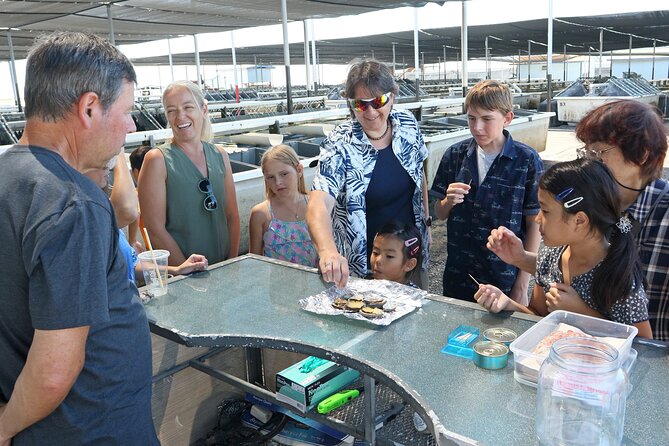
This is a strong pick for families. Children can touch the animals, see different growth stages, and taste seaweed and abalone. The one-hour length is also manageable for younger attention spans.
It suits older adults and anyone looking for low physical activity. You will walk around the farm, but the visit is not built around strenuous movement. A cane user has been able to complete the tour, although you should be comfortable with an outdoor walking route.
Food lovers will enjoy the connection between production and plate. You learn what you are eating before sampling it, then have the option to order more afterward. The experience can be especially useful if abalone is new to you.
It also works well for repeat visitors to Kona. If you have already spent time on the usual beaches and scenic roads, this gives you a different view of the island. It is a small, specialized business rather than a standard sightseeing stop.
People who want a long, dramatic attraction should choose something else. The tour is compact, practical, and educational. Its appeal comes from access and explanation, not from spectacle.
Timing, weather, and practical details
The activity is offered in English and uses a mobile ticket. Confirmation is provided when you book, and the tour returns to the same location where it begins.
Service animals are allowed, and most people can participate. The available information does not provide detailed wheelchair or surface specifications, so if you need a particular accommodation, contact the operator before booking.
Plan for outdoor conditions. Wear comfortable clothing, bring water, and pack a hat. The farm is often shaded, but Hawaii’s weather can change quickly, and the activity requires good weather.
The cancellation policy is friendly if your plans change early. You can cancel at least 24 hours before the start time for a full refund. Changes or cancellations inside that window are not accepted for a refund, and the cutoff uses local Hawaii time.
The tour is often booked around 12 days ahead. That suggests you should reserve before your Kona visit if you have a fixed schedule, especially if you want to fit it near an airport departure or another timed activity.
Should you book the Big Island Abalone Farm Tour?
Book it if you want a short, hands-on activity that mixes marine science, sustainable food, and tasting. Carlos, Kai, and Diana bring warmth and clarity to a subject most people know little about, and the chance to hold live abalone gives the visit real character.
Families, older adults, food lovers, and repeat visitors to Kona are the best match. Add time for the food truck if you want more than the included samples.
Skip it if you are looking for a full meal, a large aquarium, or a major scenic attraction. For everyone else, $35 buys an unusual hour and a better understanding of what is behind one of Hawaii’s most distinctive seafood products.
FAQ
Where does the abalone farm tour begin?
The tour begins at Big Island Abalone, 73-357 Makako Bay Drive, Kailua-Kona, Hawaii 96740.
Where does the tour end?
The activity ends back at the same meeting point.
How long does the tour last?
The tour lasts approximately one hour.
How much does the tour cost?
The listed price is $35 per person.
Is tasting included?
Yes. The experience includes abalone and seaweed tasting. Samples may also include sea grapes and other farm products.
Can I touch live abalone?
Yes. The tour provides opportunities to touch live abalone and other sea creatures.
Is the tour suitable for children?
Yes. Most people can participate, and the tour is designed for a range of ages. Children, including a ten-year-old and a toddler, have been able to enjoy the activity.
How many people can join the tour?
The maximum group size is 20 people.
Are service animals allowed?
Yes. Service animals are allowed.
What happens if bad weather cancels the tour?
If the experience is canceled because of poor weather, you can choose a different date or receive a full refund. You can also cancel for a full refund if you do so at least 24 hours before the start time.
Just added around Big Island
- Private 2-Hour Beekeeping Classroom Tour in Honokaa★ 5.0 · 2 reviews
- Sunset Kona Salt Farm Tour★ 5.0 · 55 reviews
- Farm to Table Cooking Class at Kulaniapia Falls★ 4.5 · 36 reviews
- Edible Hibiscus Guided Farm Tour (Big Island)★ 5.0 · 31 reviews
- Hamakua Coast Farm Small-Group Walking and Tasting Tour★ 5.0 · 4 reviews
- Hala Tree Coffee Farm Tour★ 5.0 · 44 reviews
- Bottle Feed & Cuddle Baby Goats at Ohana Ranch (Big Island)★ 5.0 · 29 reviews
- Big Island Family Off Road Farm Adventure at Ohana Ranch★ 5.0 · 43 reviews
Big Island Farm Tours, compared.
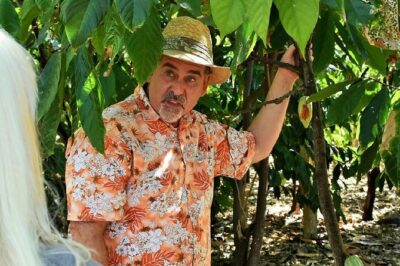
Award Winning Farm Tour: Coffee, Chocolate and Unique Gifts
Read our review →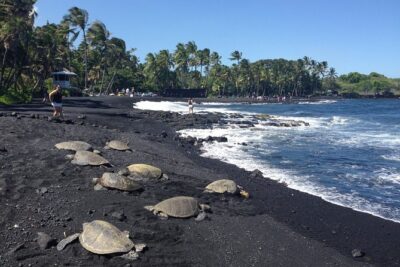
Small-Group Big Island Tour: Hawaii Volcanoes National Park and Kona Coffee Farm
Read our review →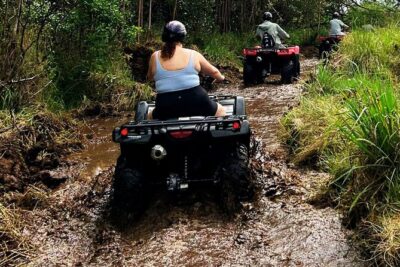
Waipi’o on Horseback: Mountain Ocean Views Working Cattle Ranch
Read our review →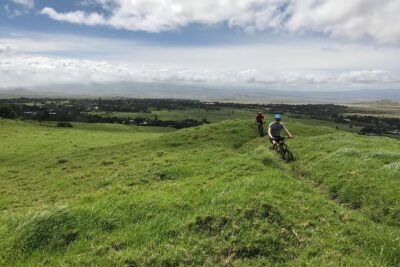
Browse the lists this tour appears in