
Review · COLOMBIA
Salento: Private Cocora Valley, Salento & Coffee Farm Tour
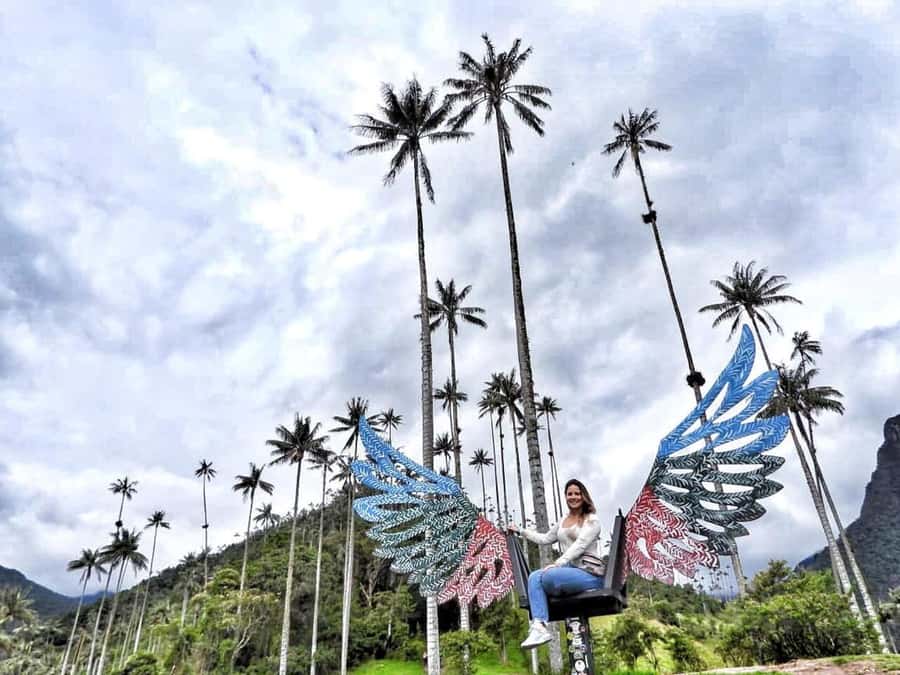
Cocora Valley is the star here: towering wax palms rise from green mountain slopes, often half-hidden by mist, while your guide explains why Colombia’s national tree matters. Then the day shifts from scenery to hands-on coffee work, taking you from coffee cherry to finished cup at a working farm.
I like the early start option, which can put you on the trail before the crowds, and I like the private format, since guides such as Pedro, Davide, Laura, and Juan Camilo have adjusted the pace and route to suit each group. The main drawback is cost: at $157 per person, this is a premium day out, and lunch is extra.
Key points to know before booking
- Cocora Valley comes first for the best light and fewer people: An early departure can make the hike feel far more peaceful.
- The walk is scenic but not effortless: Expect hills, uneven trails, changing weather, and plenty of time on your feet.
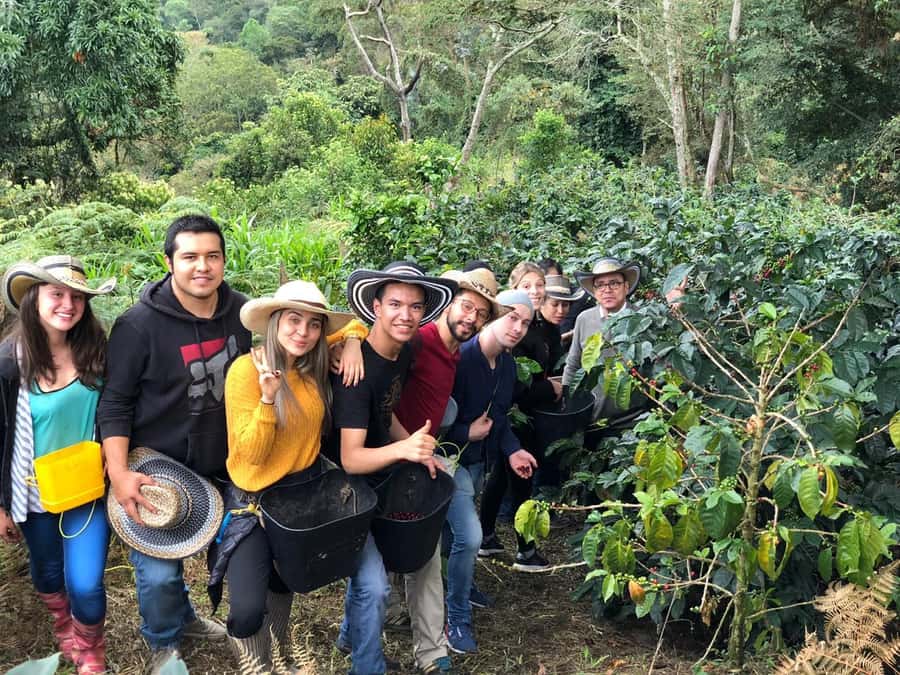
- Coffee is hands-on, not just a tasting: Depending on the farm and day, you may pick cherries, remove the beans, roast them, grind them, and brew your own coffee.
- Private guiding adds real value: Your guide can adjust the pace, explain plants and wildlife, help with photos, and reshape the order if rain arrives.
- The day can include Salento and a local lunch stop: Lunch is not included, but guides can point you toward places popular with local residents.
- This suits curious, active visitors: You get nature, farming, regional culture, and transport in one long day.
Why this Cocora Valley and coffee pairing works
Many day trips force you to choose between Colombia’s most famous palm valley and its coffee culture. This tour puts both into one 8 to 10 hour outing, which is useful if you have limited time around Salento.
The two parts also balance each other well. Cocora Valley gives you open mountain views and a physical walk. The coffee farm slows the pace and gives you a close look at the work behind a drink that is often treated as a quick morning habit.
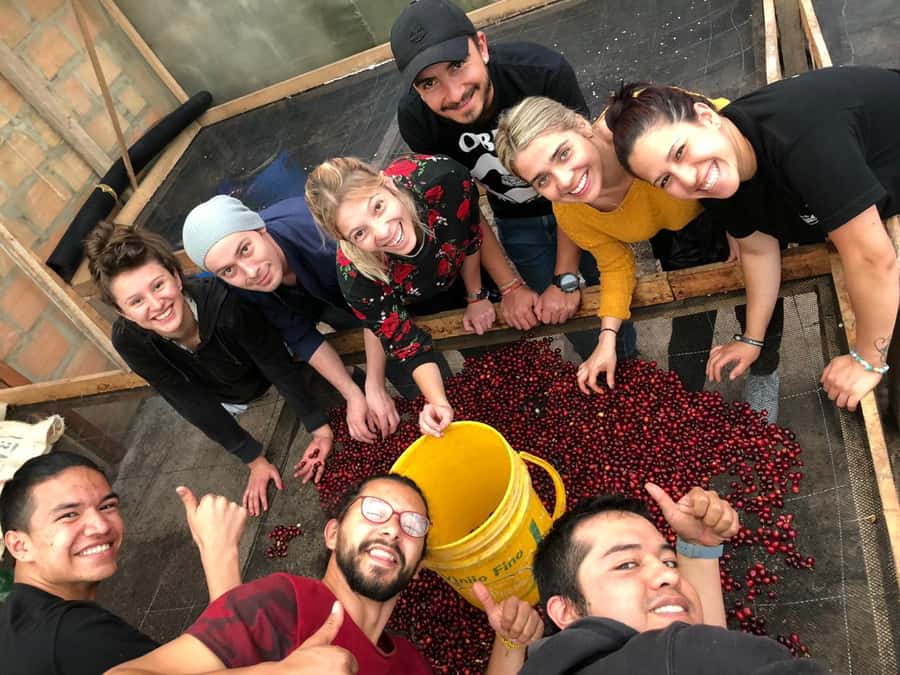
I especially like that the coffee visit is not limited to a barista explaining tasting notes. The farm tour follows the full chain: planting, picking coffee cherries, removing the bean, washing it, roasting it, and grinding it. That sequence helps you understand why good coffee costs more and why farming is so important to Colombia.
The private setup changes the feel of the day. You are not tied to a large group’s walking speed or a fixed lecture. Guides have adapted the schedule around rain, stopped to identify plants and animals, and helped people take photos. That flexibility matters in the mountains, where weather can change the best plan quickly.
More Coffee Farm Tours in Colombia
- Medellín Coffee Farm Tour with Trolley and Cable Car Ride
★ 4.9 · 277 reviews - Coffee Tour at the Finca del Café
★ 5.0 · 213 reviews - Medellin: Horseback Riding Coffee Farm Tour with Coffee Spa
★ 4.8 · 151 reviews
Starting early in Cocora Valley
Your guide and driver meet you in Armenia, Salento, or Filandia, depending on the arrangement. Pickup and drop-off are included, with optional pickup available anywhere within Filandia. The private vehicle and guide remove the need to arrange separate transport to the valley, which is one reason this costs more than doing each activity independently.
An early start is worth considering. One couple who took the 7 a.m. departure found the valley almost empty and had a quieter walk to three viewpoints. Morning light can also make the palms more dramatic, though you should not count on clear skies.
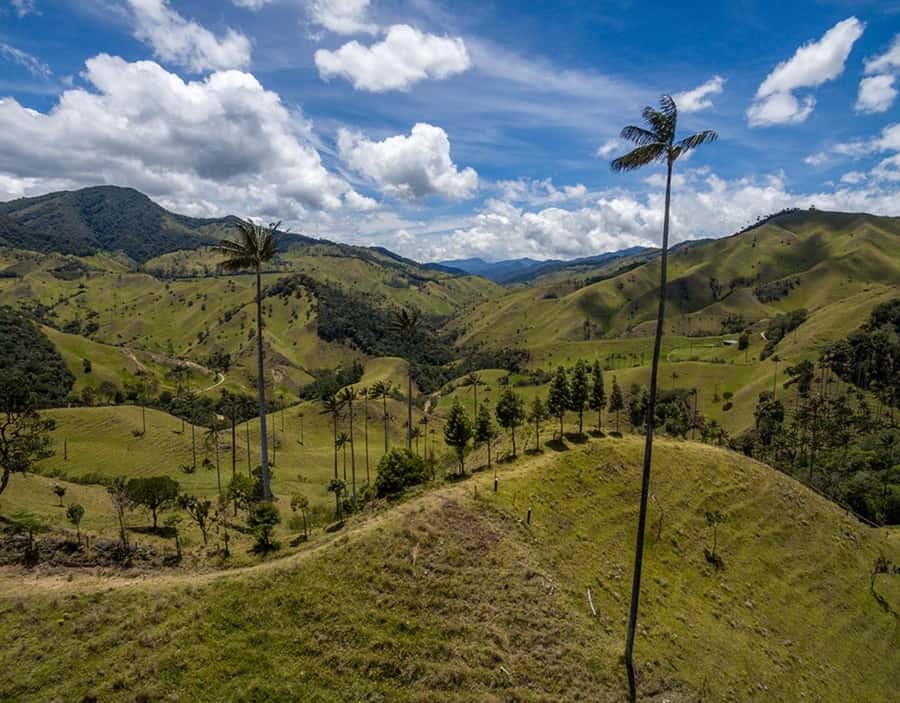
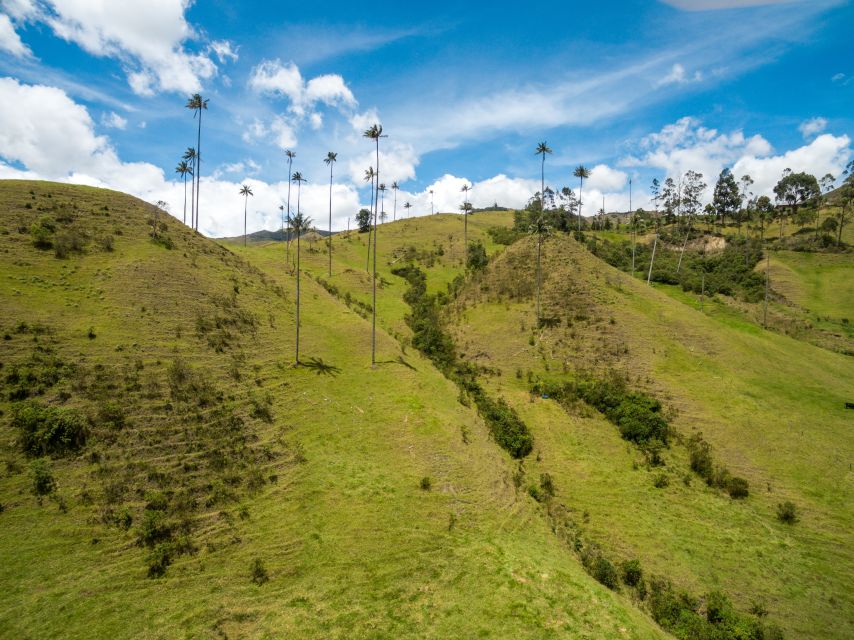
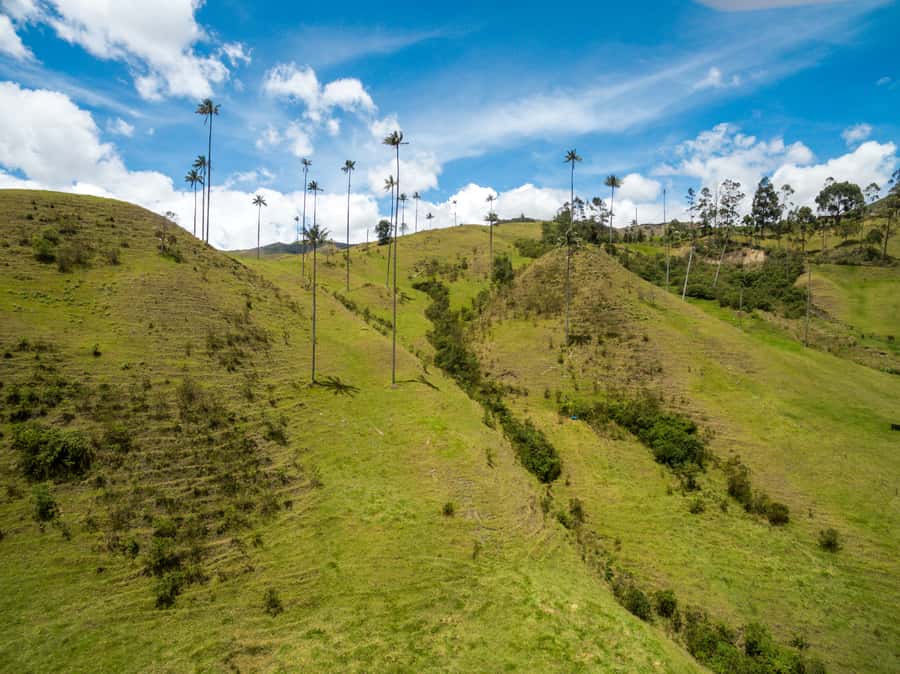
The entrance area introduces the wax palm, Colombia’s national tree. These unusually tall palms are the image most people carry home from Cocora, but the guide adds useful context about their environmental role and the need to protect them. The point is not just to stop for a photograph. You begin to see the palms as part of a fragile mountain ecosystem.
Cocora Valley is one of the access areas to Los Nevados National Natural Park, a protected zone reaching toward snowy peaks. It is also part of Colombia’s UNESCO-recognized Coffee Cultural Landscape. Those designations help explain why the valley matters beyond its good views. You are walking through a place tied to conservation, farming, and national identity.
What the Cocora hike is really like
The walk takes you up and down hills on rugged trails. It is not presented as a technical mountain trek, but it is still a proper hike, not a flat stroll from a parking area to a viewpoint.
Bring sturdy hiking shoes, water, sunscreen, and clothing that works in changing weather. A walking cane can help if you need extra support on uneven ground. The tour operates in all weather, so rain gear or a warm layer is sensible even when the morning begins bright.
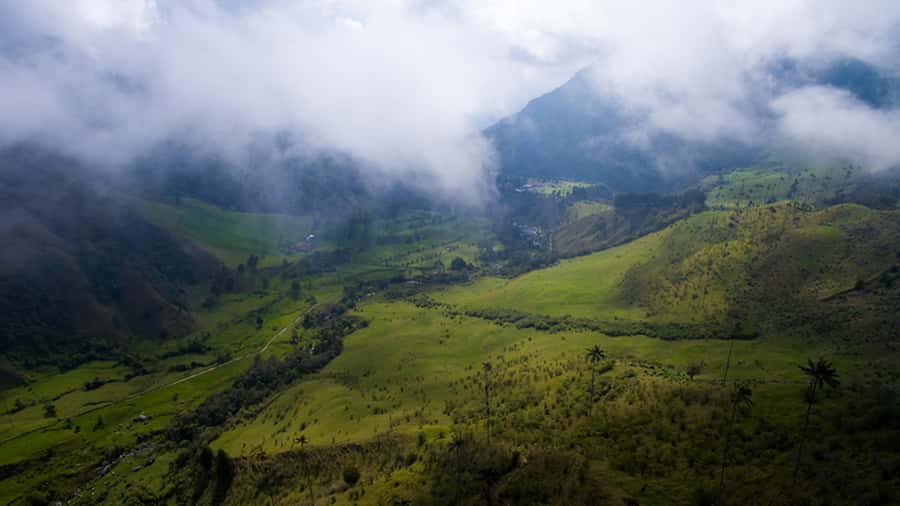
Mist and wind are common possibilities. Poor visibility can reduce the big mountain views, but it can also give the palms a striking, almost unreal look. One group lost some visibility in bad weather but still had a worthwhile day. Another had rain early on, so the guide reversed the order and saved the valley walk for a blue-sky afternoon.
That ability to change the schedule is one of the strongest reasons to book privately. If the weather is poor, you are not locked into a large group’s timetable. Your guide may suggest coffee first, then return to Cocora when conditions improve.
The exact pace is personal. Guides such as Davide, Yazmin, Juan Camilo, and Ivan have been praised for explaining plants, animals, and local geography rather than rushing from one photo stop to the next. Still, one person found the guide sometimes walked ahead and had to turn back, so make your preferred pace clear from the start.
Allow plenty of time for photographs. The palms are tall, thin, and widely spaced, making the valley feel much larger than a standard viewpoint stop. If you want to enjoy the setting rather than simply collect pictures, tell your guide you would like time to pause.
From coffee plant to your own cup
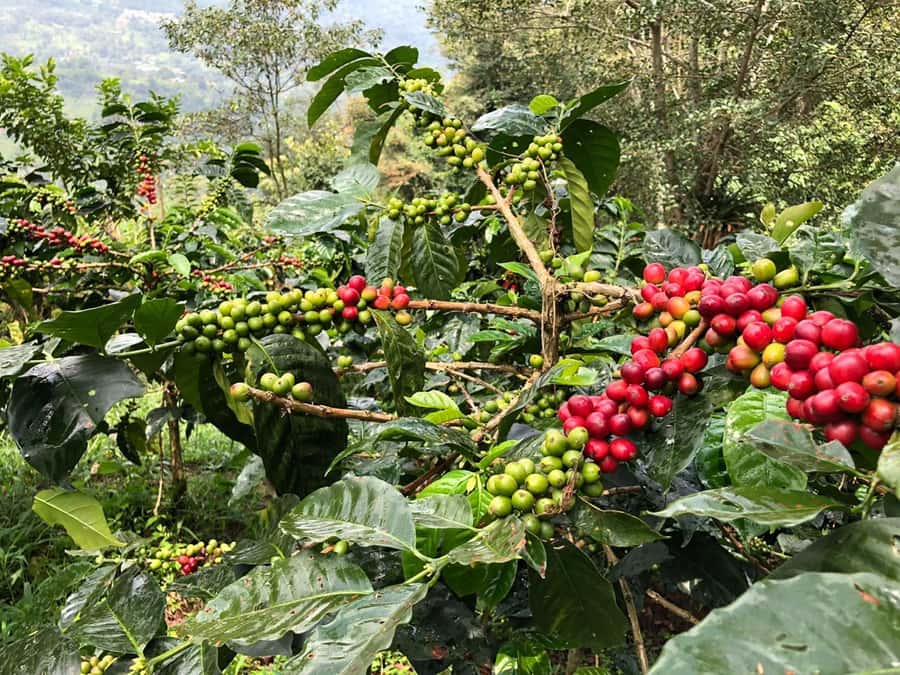
After the valley, you head to a coffee farm. The farm name may vary, with past visits including Luger Coffee Farm and Finca Buenos Aires, but the main idea remains the same: you see how local coffee moves from plant to cup.
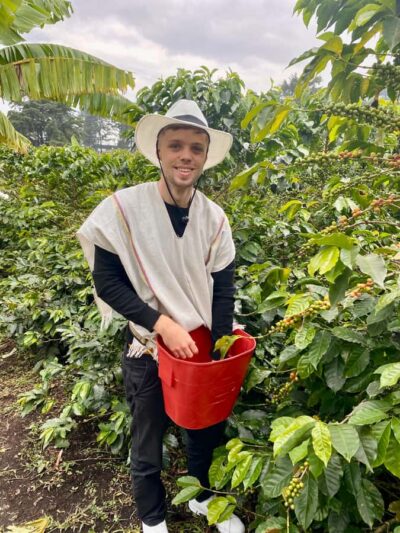
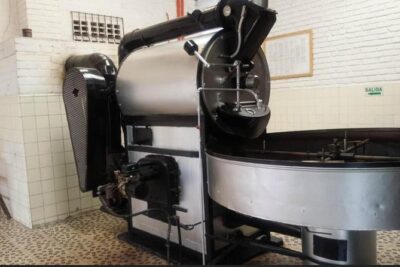
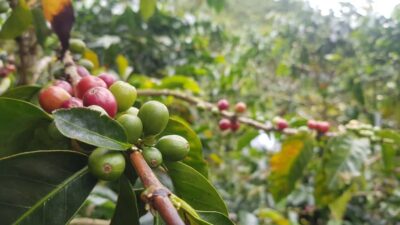
A coffee specialist leads you through the production stages. You learn about the plantation, see how ripe cherries are picked, and follow the work of taking out the bean and washing it. The later stages cover roasting and grinding, followed by a tasting with baristas.
The hands-on details are what make this part worthwhile. At some farms, you can pick cherries, peel them, roast them, and drink coffee made from your own work. You might also get a chance to plant small wax palm seeds, an activity one guide used to connect the farm visit with Cocora’s environmental concerns.
The experience is especially useful if you normally drink coffee without thinking about its origin. You will learn to notice qualities linked to high-grade Colombian coffee and can ask questions while tasting a fresh brew. The tasting is not meant to turn you into a professional cupper in one afternoon. It gives you a practical vocabulary and a clearer sense of what you are drinking.
The visit also varies by farm. One coffee stop was described as a small group of six after the private valley portion, while other groups had a more personal farm session. Ask your guide how the coffee visit will run on your date if a very small group is important to you.
I like the way this portion adds human scale to the grand scenery. The valley is memorable because of its size. The farm is memorable because you can see the labor in each stage. Together, they give you a more complete picture of the region.
Same fields, a different sort of day out:
- From Bogotá: Coffee Farm and Tequendama Falls Tour
★ 4.5 · 130 reviews - Coffee Tour at Finca El Ocaso Salento: Traditional Spanish Farm
★ 4.8 · 89 reviews - Coffee Tour Salento-Ocaso Farm- English Tour
★ 4.6 · 88 reviews - Coffee Farm Experience Private Day Tour
★ 5.0 · 81 reviews
Adding Salento and lunch to the day
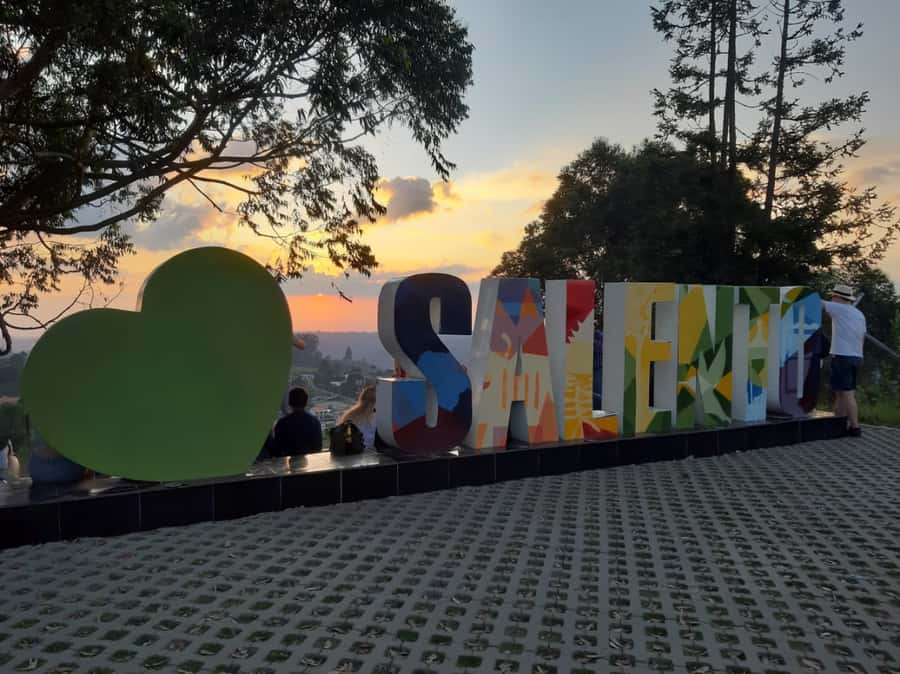
The schedule can include time in Salento, and guides have taken groups to local lunch spots that are frequented by residents rather than built only for sightseeing. Lunch is not included in the $157 price, so budget for the meal and any drinks.
This is also where the private format can help. You can ask for recommendations, spend more time in town, or keep the stop short if the hike and farm have filled the day. Some groups included lunch between Cocora and the coffee farm, while others adjusted the order around the weather.
Do not expect a leisurely, open-ended town visit after two major activities. The full program lasts 8 to 10 hours, and the valley walk can take more energy than expected. Salento works best as a flexible extra, not the sole reason to book this tour.
Guides make or break a private tour
The strongest part of this experience is the guide. Names repeatedly associated with warm, useful guiding include Pedro, Davide, Laura, Juan Camilo, Gustavo, Alejandro, Juan Pablo, Yazmin, and Ivan. That does not guarantee a particular guide on your date, but it gives you an idea of the service style to expect.
Good guiding here means more than translating facts. The best guides explain the plants and wildlife, describe Colombia’s coffee culture, share regional history, help with photographs, and answer questions without making the day feel like a classroom.
English and Spanish are available. Several guides have been praised for clear English, including Juan, who spent part of his schooling in the United States. If language is important to you, confirm your preferred language when booking.
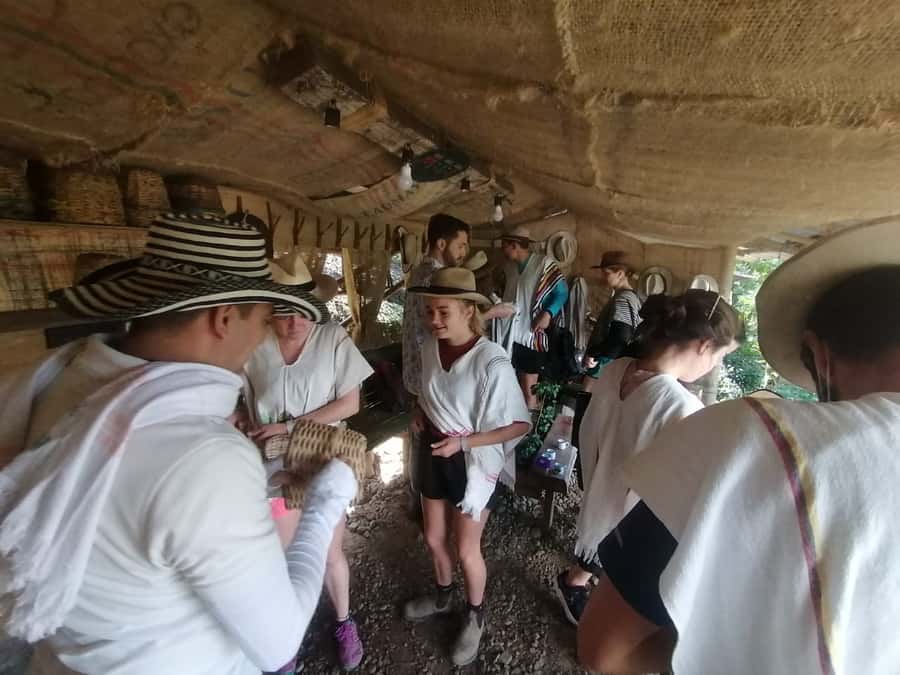
Private does not mean every minute is fully exclusive. The Cocora portion and transport are private, while the coffee farm may include a small farm group. That arrangement is common for working plantations and does not take away from the personal transport and guiding.
Is $157 per person good value?
At $157 per person, this is expensive compared with arranging the valley and a coffee farm separately. One person specifically noted that the tour cost more than accommodation and suggested splitting the activities if you have extra time.
The price makes more sense if you value convenience and a tailored day. You get a guide, driver, pickup and drop-off, Cocora Valley entry, and coffee tasting. You also avoid piecing together transport between Armenia, Salento, Filandia, the valley, and a farm.
I would consider it good value for a first visit if you have only one full day and want a well-organized combination of nature and coffee. It is less compelling if you enjoy planning your own transport, already know the area, or have several days to visit both places slowly.
Lunch is extra, and additional stops may also cost more. One group was unable to visit a hummingbird sanctuary because of time and later paid separately to see hummingbirds during lunch. Treat any add-on as optional and ask about the cost before agreeing.
The clearest value comes from the private guide, not the admission ticket. A self-guided visit can show you the palms and a standard farm tour can explain coffee, but a good guide links the two, changes the order for weather, and gives you local recommendations.
Who should book this day?
Book it if you want a full day that combines outdoor activity with a practical cultural lesson. It suits couples, families with active older children, photographers, coffee fans, and anyone who wants to see the Coffee Triangle without spending several days arranging transport.
It is also a good choice if you care about pace. You can ask your guide to slow down for photographs, pause for plants and birds, or keep moving when you have seen enough. The walk is still physical, so it is not ideal if hills and rough paths are a serious problem.
I would be cautious if you want a relaxed town day with long meals and plenty of shopping. The itinerary covers a lot, and the combination of hiking, driving, coffee processing, and Salento can make the day feel full.
Weather is another reason to keep expectations flexible. Clouds can hide the distant views, and rain can alter the order. The valley is still worthwhile in mist, but nobody can promise the postcard scene you saw online.
Practical preparation for the day
Wear hiking shoes with a reliable grip. Comfortable trainers may be adequate for some visitors, but the advice here is clearly aimed at uneven, hilly trails.
Pack water, sunscreen, and weather-appropriate layers. The valley can be windy, misty, rainy, or bright during the same outing. A cane is worth bringing if you use one on uneven ground.
Plan to pay separately for lunch. Ask about any extra stop or added entry before it is included in the day. If you want an early start, request it when checking availability, since the start time depends on the date.
Free cancellation is available up to 24 hours in advance for a full refund, and you can reserve now and pay later. Those terms are useful when your Colombia route is still changing, but you should still check the exact available start time before committing.
Should you book the Cocora Valley and coffee farm tour?
I would book this tour if you want the valley and coffee farm in one carefully managed day, especially from Salento, Filandia, or Armenia. The combination is strong, the private format gives you room to set the pace, and the best guides add far more than basic transport.
I would skip it if price is your main concern or if you have enough time to arrange the two activities separately. At $157 per person, you are paying for convenience, a driver, local guidance, and flexibility rather than simply two entrance tickets.
For most first-time visitors with one free day, the tradeoff is sensible. Start early, wear proper shoes, expect weather changes, and tell your guide what matters most to you. If you want photographs, wildlife, coffee detail, or a local lunch, say so at the beginning. That is how this private day becomes more than a checklist of Cocora palms and a cup of coffee.
FAQ
How long does the tour last?
The tour lasts approximately 8 to 10 hours.
Where can the tour start?
Departure can be arranged from Armenia, Salento, or Filandia. Pickup is optional, and clients can be picked up anywhere within Filandia.
Is the tour private?
Yes. The experience is arranged as a private group tour. The coffee farm portion may involve a small group at the farm.
What languages are available?
The live guide is available in English or Spanish.
Is lunch included?
No. Lunch is not included, so you should budget separately for a meal.
What should I bring?
Bring hiking shoes, water, sunscreen, comfortable clothing, and layers suitable for changing weather. A cane may help on the hills and rugged trails if you need extra support.
Just added around Colombia
- Cocora Valley Tour and Coffee Farms★ 4.5 · 40 reviews
- Coffee Farm and Salento Walking Tour★ 5.0 · 47 reviews
- Salento and Cócora Tour plus Coffee Farm from Pereira or Armenia★ 5.0 · 40 reviews
- Tour to the Hacienda Nápoles Theme Park★ 4.0 · 22 reviews
- Exclusive Coffee Experience:Tour from Bogotá★ 4.5 · 45 reviews
- Tour Guatapé con visita a Granja de las Llamas y las Alpacas★ 3.5 · 11 reviews
- Medellín: Flower Farm & Silletero History Tour★ 4.3 · 23 reviews
- Salento: Coffee Farm Tour with Tasting★ 4.9 · 41 reviews
Colombia Farm Tours, compared.
Medellín Coffee Farm Tour with Trolley and Cable Car Ride
Read our review →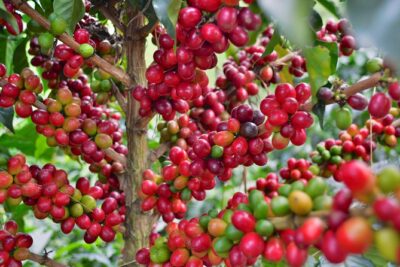
Horseback Riding Coffee Farm Tour with Coffee Spa
Read our review →
From Bogotá: Coffee Farm and Tequendama Falls Tour
Read our review →
Coffee Tour at Finca El Ocaso Salento: Traditional Spanish Farm
Read our review →
Guatape, El Peñol Coffee Farm Private Tour & Fruit
Read our review →Browse the lists this tour appears in