
Review · SPAIN
Baeza: Oil Tourism at Hacienda La Laguna
The most memorable part of this Baeza experience is the old oil cellar at Hacienda La Laguna, a 17th-century estate where olive oil was made on a grand scale. The visit connects Jaén’s famous olive groves with the tools, buildings, and methods that shaped local life.
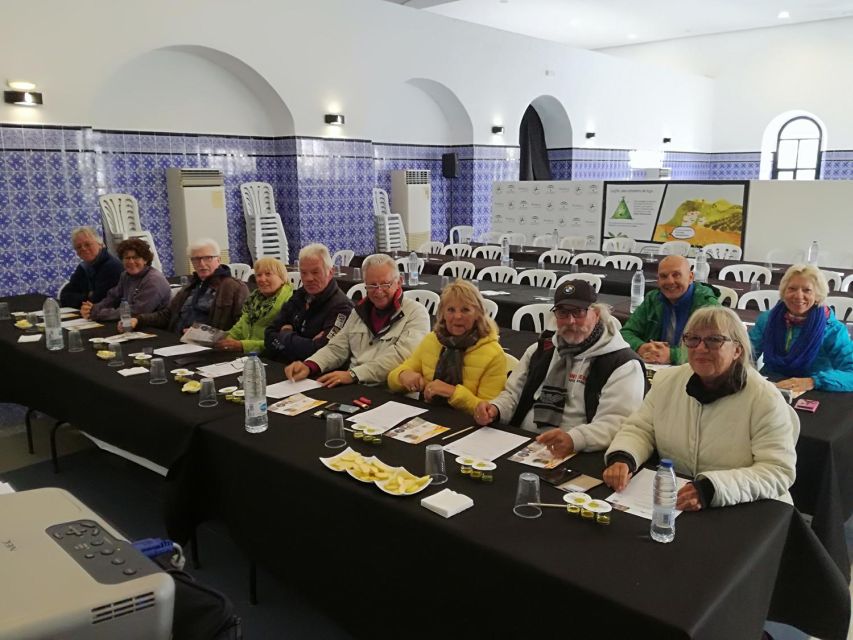
I like the mix of hands-on tasting and old machinery. You do not just look at bottles or hear a short talk. You learn how to notice an oil’s smell, flavor, and faults, then see the pressing systems that produced it. Carmen and Fernando are named as especially warm hosts, adding a personal touch to the visit.
The main drawback is language: the live tour is in Spanish, so you will get more from it if you understand the language. At 105 minutes, it also takes a fair slice of a sightseeing day, though the $17 price makes it a strong value for anyone curious about Andalusia’s olive-oil culture.
Key points to know before you go
- A 17th-century estate gives the visit a real sense of place: Hacienda La Laguna is not a modern tasting room set apart from local history.
- More than 30 olive varieties grow in the museum garden: This makes the subject easier to understand than a talk based only on bottles and labels.
- The old grinding and pressing systems are still on view: You can see how production worked at the end of the 19th century.
- The Cathedral of Olive Oil is the visual centerpiece: The mill cellar was declared a Site of Cultural Interest in 1992.
- The tasting is a proper learning session: You practice identifying the main organoleptic qualities of olive oil.
- The tour is Spanish-language and wheelchair accessible: Check the starting time when booking, since the activity lasts 105 minutes.
Why Hacienda La Laguna makes olive oil easier to understand
Jaén is closely tied to the olive tree. Around Baeza, olive oil is not simply a souvenir or a restaurant condiment. It is part of the province’s identity, economy, agriculture, and food traditions.
That broad subject can be hard to grasp during a quick drive past endless rows of trees. Hacienda La Laguna gives it a physical setting. You see the estate, the garden, the old equipment, and the place where oil was stored. Each part helps answer a basic question: how did olives become the oil poured over bread, salads, and local dishes?
I like that the visit begins with the olive tree itself rather than jumping straight to a tasting table. The garden contains more than 30 different varieties. That number matters because olive oil is not one fixed product. The variety of olive affects the finished oil, just as different grapes affect wine.
You should not expect a technical agricultural course. The value is more practical. You leave with a better sense of why oils differ, what production involved in the past, and why Jaén places such importance on the olive tree.
A few more farm days around Spain worth a look
- Montserrat Lunch & Wine at Farmhouse Small Group from Barcelona
★ 5.0 · 2,368 reviews - Tenerife: Finca Las Margaritas Banana Plantation Experience
★ 4.7 · 1,442 reviews - Barcelona: Montserrat Visit & Lunch at Farmhouse Small Group
★ 4.7 · 1,313 reviews
Entering a historic 17th-century estate
The setting gives the tour much of its character. Hacienda La Laguna is a historic estate dating from the 17th century, so the visit takes place in a building connected to the area’s older agricultural life.
A museum in a historic estate can be more useful than a display in a generic exhibition hall. Here, the architecture and working spaces help you picture olive oil production as part of an estate rather than as an isolated industrial process.
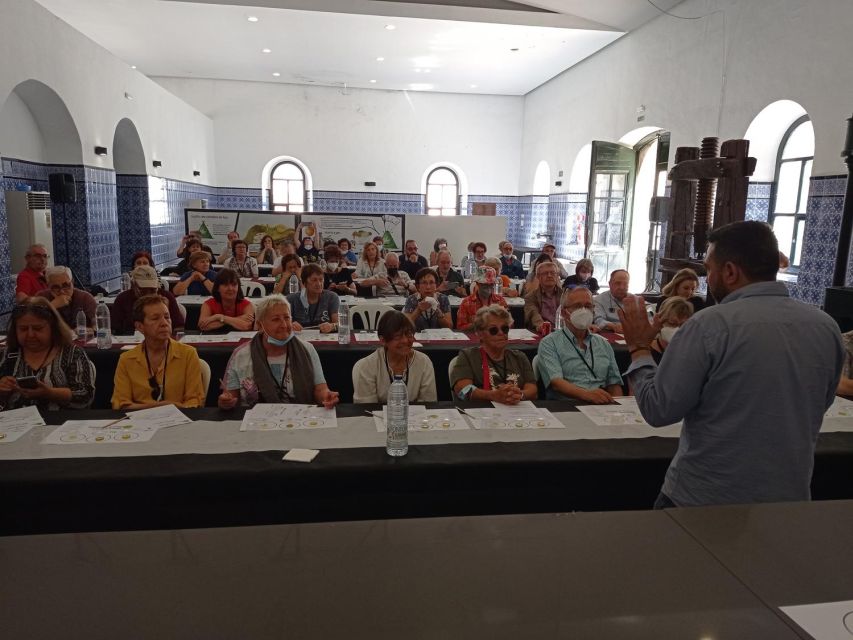
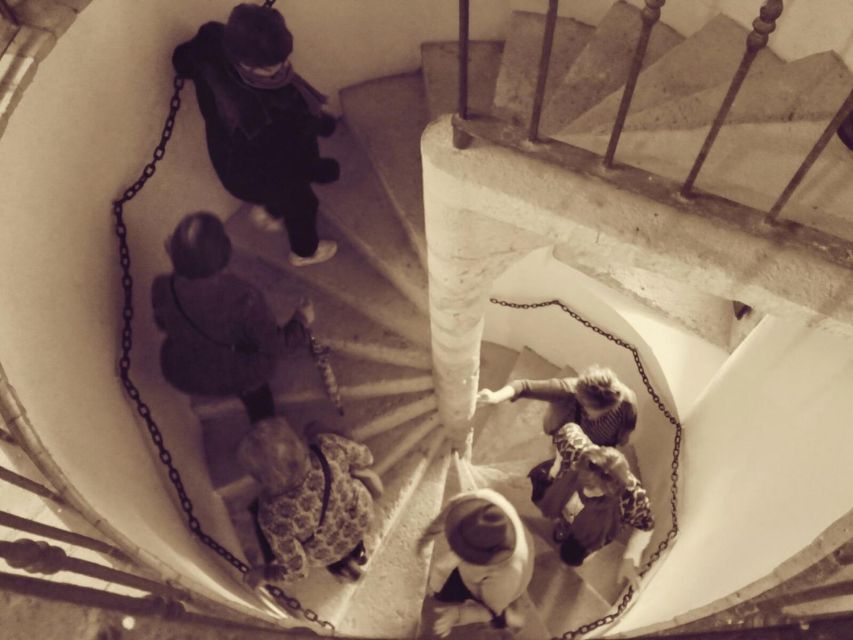
Your guide leads you through the different areas of the Olive Tree Culture Museum. The tour is guided rather than self-directed, which matters because the equipment and terminology may not explain themselves. A Spanish-speaking guide helps place each object in context and keeps the visit moving at a friendly pace.
The museum’s subject is focused. This is not a general museum about Andalusia, Baeza, or Spanish food. If you want paintings, Roman ruins, or a broad survey of regional history, this is not the right stop. If you want to understand one important part of Jaén’s identity, the focus works well.
The garden with more than 30 olive varieties
The garden is one of the most useful stops for putting olive oil into context. More than 30 varieties of olive trees are represented, giving you a chance to see that an olive grove is not made up of identical trees producing an identical product.
The guide can use the trees to explain differences among varieties and qualities of oil. That makes the later tasting more meaningful. Instead of treating each sample as a mystery, you have at least a basic idea of why the oils may smell or taste different.
I would pay close attention here, even if you are mainly interested in food. The garden turns a familiar ingredient into something specific. You can think about the tree, the fruit, and the production process before you taste the final result.
The information does not promise a seasonal harvest activity, so do not book this expecting to pick olives or watch a current harvest. The garden is part of the museum visit. Its purpose is to show the range of olive trees and support the story of olive-oil production.
Seeing 19th-century grinding and pressing equipment
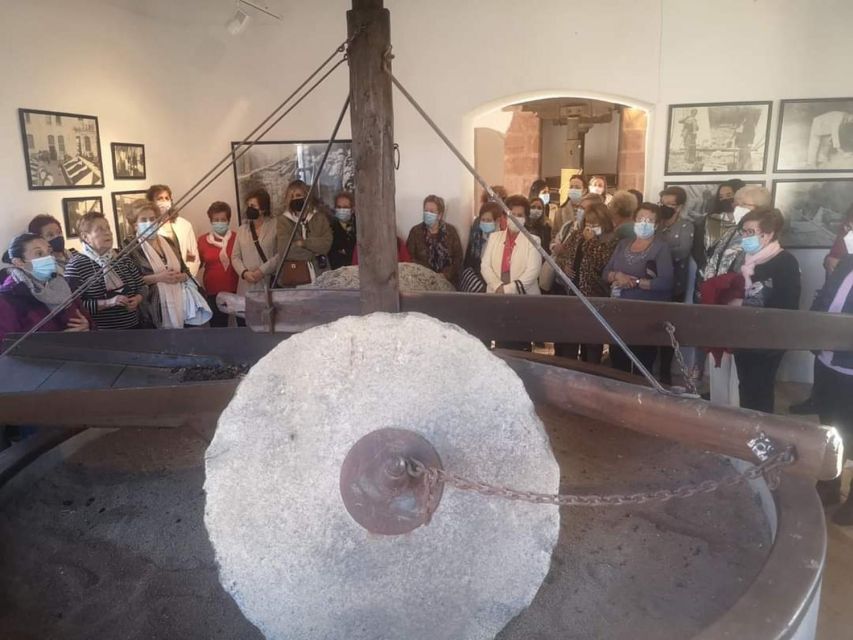
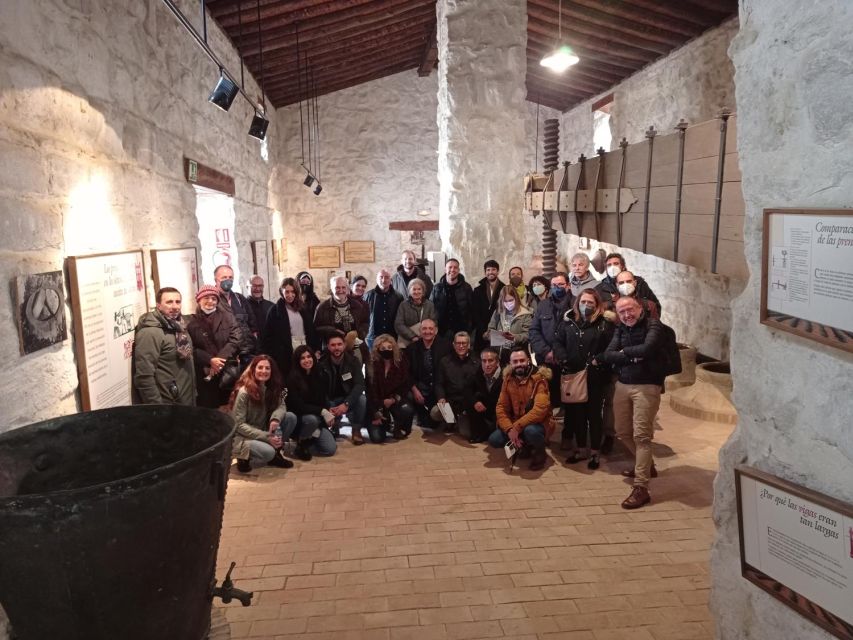
The museum also presents the original grinding and pressing systems from the end of the 19th century, along with other tools and implements used in the field.
This is where the tour becomes especially concrete. Olive oil production can sound simple until you see the physical work involved. The old systems show that oil making required a chain of tasks, equipment, and labor long before modern machinery changed the process.
You will be looking at historic equipment rather than taking part in the pressing yourself. That distinction is useful. The tour is designed as a guided museum experience, not a working farm activity.
Still, the old machinery gives the visit an authentic edge. You can see the scale and design of the systems that once handled the olives, and you can compare those methods with the oil industry you know today. The guide’s explanations are important here because the machinery may be difficult to interpret without help.
For visitors who enjoy old industrial technology, this could be one of the best parts. For children or anyone with little interest in machinery, the tasting later in the tour may be more engaging. The 105-minute format gives enough time for both.
Same fields, a different sort of day out:
- Montserrat Full Day Tour with Farmhouse Lunch and Winery Visit
★ 5.0 · 1,068 reviews - Montserrat & Winery Visit Tour with Traditional Farmhouse Lunch
★ 4.5 · 1,035 reviews - La Orotava: Eco Banana Plantation Tour with Banana Liquor
★ 4.7 · 863 reviews - Ría de Arousa: Boat Ride to Mussel Farm with Tasting
★ 4.7 · 845 reviews
The Cathedral of Olive Oil
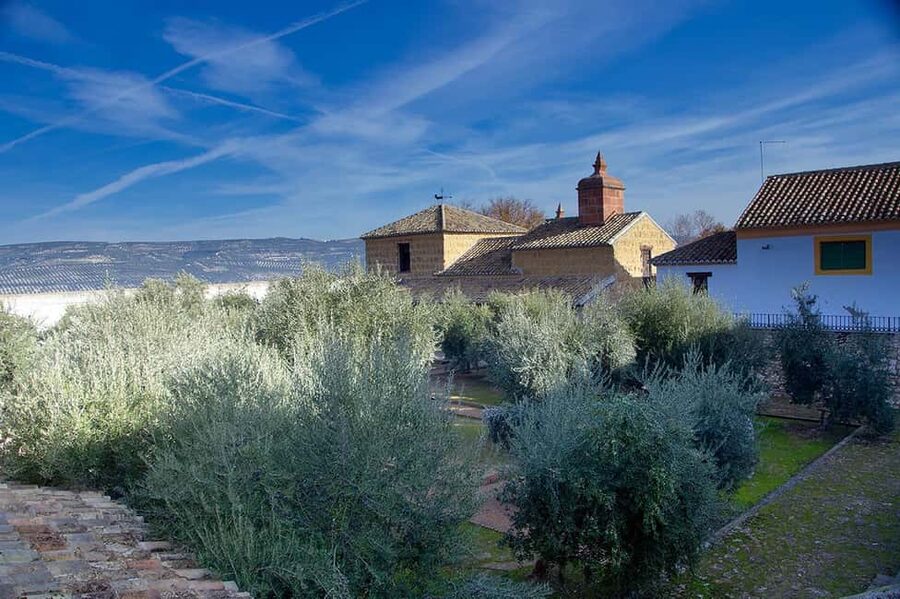
The oil mill cellar is known as the Cathedral of Olive Oil. It was declared a Site of Cultural Interest in 1992, and it is the dramatic center of the estate visit.
The name signals the scale and atmosphere of the space. This is not just a storage room with a few barrels. It is a monumental part of the old mill, and it helps show how important olive oil was to the estate.
I would save a little attention for this section rather than rushing through it. The cellar connects the earlier stops: the olive varieties in the garden, the pressing equipment in the museum, and the finished oil tasted at the end.
The designation as a Site of Cultural Interest also tells you that the cellar has value beyond its commercial use. You are seeing a preserved part of agricultural and industrial heritage. The experience works best when you look at the room as both a functional mill space and a historic monument.
The supplied details do not specify whether the cellar is currently operating or whether oil production takes place during your visit. Plan on a guided look at the historic mill and cellar, not a guaranteed live production demonstration.
Learning to taste olive oil properly
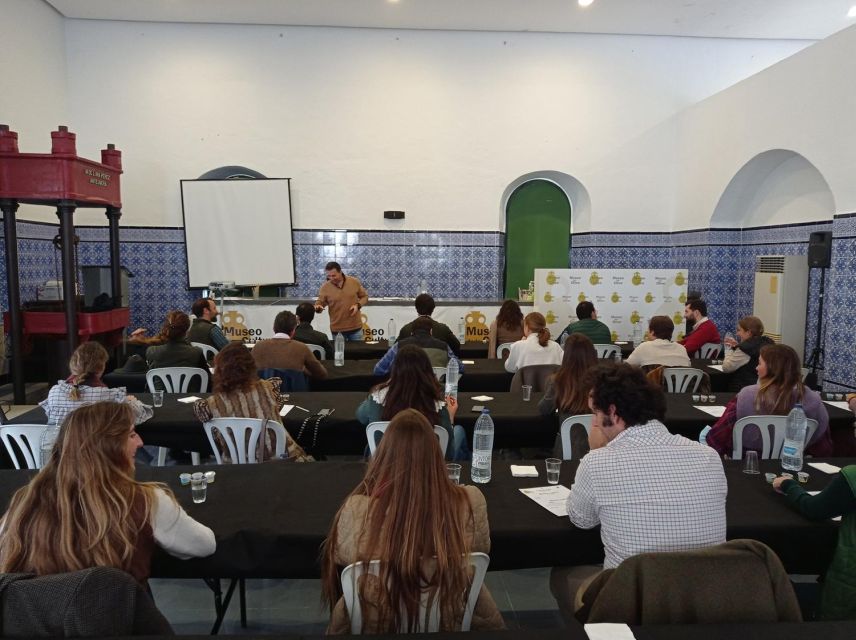
The tasting workshop is more than a chance to sample a local product. You learn to recognize the main organoleptic characteristics of olive oil, using the approach of professional tasters.
That may sound formal, but the basic idea is simple. You pay attention to what you smell and taste instead of treating all olive oil as the same. The session helps you notice differences in quality and style.
This is where the $17 price becomes especially appealing. A museum visit alone would give you historical context, but the tasting turns the information into something you can use later. You can apply the same attention when buying oil in Andalusia or choosing a bottle at home.
You should expect instruction rather than a large meal. The details provided describe an olive-oil tasting workshop, not a full food pairing or restaurant lunch. If you are hoping for bread, cheese, or a long menu of local dishes, confirm what is included before booking.
The tasting also makes this activity suitable for people who are not museum fans. You get a sensory part of the visit, not only displays and explanations. At the same time, the workshop will be most rewarding if you are willing to try several oils thoughtfully rather than simply choosing a favorite.
Carmen, Fernando, and the tone of the visit
Carmen and Fernando are specifically associated with the experience, and their warm, personal approach is one of its strongest human details. A good guide matters here because olive oil has its own vocabulary and production story.
With a Spanish-speaking guide, you can expect the explanations and tasting instruction to be delivered in Spanish. If you understand Spanish well, this should make the visit feel more natural and detailed. If you do not, the physical displays and tasting still offer something, but you may miss much of the explanation.
The guide-led format also means you can ask questions as you move through the estate. The available information does not give a group size or promise a private tour, so do not assume you will have one-on-one attention. The useful point is that you are not left to decode the museum alone.
I would treat the named hosts as a reason to expect a personable visit, not as a guarantee that both will lead every departure. Staffing can vary by date.
Is $17 a fair price for 105 minutes?
At $17 per person, the value is good if you want more than a quick tasting. The price includes museum entry, a guided museum visit, the olive-oil tasting, and a guided tour of the oil mill.
You are paying for three connected experiences:
- A cultural visit inside a historic estate
- A look at olive varieties and old production equipment
- A guided tasting that teaches you how to compare oils
That combination is stronger than paying for a basic museum ticket with no explanation. It also offers more substance than a short retail tasting built mainly around selling bottles.
The value depends on your interests. If olive oil is already a major part of your trip, this gives you useful context. If you have only a short time in Baeza and want to focus on the city’s major monuments, you may prefer to spend those 105 minutes elsewhere.
The activity has free cancellation up to 24 hours before the start time, and you can reserve now and pay later. Those terms help if your Andalusia schedule is still changing, but the main decision should be whether the subject appeals to you. Flexible booking cannot make an uninteresting topic worthwhile.
Who should book this Baeza experience?
I would recommend it to food-minded visitors, people interested in farming and industry, and anyone who wants a local experience tied closely to Jaén. It also suits anyone who has been buying olive oil without knowing how to judge differences between varieties and qualities.
The tour is a good choice for:
- Couples who want a short cultural activity outside the usual monument circuit
- Families with older children who enjoy machinery, gardens, or food tasting
- Spanish-speaking visitors who want a guided look at local traditions
- Visitors who appreciate historic buildings and agricultural heritage
- Anyone looking for a reasonably priced activity near Baeza
It may not suit you if you want an English-language tour, a hands-on harvest experience, or a full meal. The live guide language is Spanish, and the stated activity centers on the museum, mill, and tasting.
The experience is wheelchair accessible, which is important practical information when planning your day. The supplied details do not describe the exact route or surface conditions, so you may still want to confirm any specific mobility needs in advance.
Planning the visit around your day
The duration is 105 minutes, so allow nearly two hours for the activity itself. Check the available starting times when you book, then leave enough room for getting to and from Hacienda La Laguna.
Because the tour includes several sections, arriving at the scheduled time matters. You do not want to lose the opening explanation of the estate or hurry through the tasting at the end.
The live tour is in Spanish. If your Spanish is limited, reviewing a few basic olive-oil terms before you go could help. Words connected with variety, quality, aroma, flavor, and pressing will make the tasting easier to follow.
I would also plan your expectations around the format. This is a focused cultural visit, not a full-day excursion through several towns. Its strength is the concentrated subject: Jaén’s olive tree culture, shown through one historic estate.
Should you book Hacienda La Laguna?
Book it if you want to understand why olive oil matters so much in Jaén and prefer a visit with real objects, historic spaces, and a tasting lesson. The combination of the 30-plus olive varieties, 19th-century pressing equipment, monumental cellar, and guided tasting gives the $17 price solid value.
Skip it if you need an English-language experience or would rather spend your limited time on Baeza’s architectural sights. For Spanish-speaking visitors, food lovers, and anyone curious about the working traditions behind Andalusian cuisine, this is a smart and reasonably priced addition to a Baeza itinerary.
FAQ
How long does the Hacienda La Laguna olive-oil experience last?
The activity lasts 105 minutes.
What does the $17 price include?
The price includes museum admission, a guided visit to the museum, an olive-oil tasting, and a guided visit to the oil mill.
Is the tour conducted in English?
The live tour guide language is Spanish. The available information does not list an English-language option.
What will I see at the Olive Tree Culture Museum?
You will see a garden with more than 30 olive varieties, original grinding and pressing systems from the end of the 19th century, and other tools and implements used in the field.
What is the Cathedral of Olive Oil?
The Cathedral of Olive Oil is the estate’s historic olive-oil mill cellar. It was declared a Site of Cultural Interest in 1992.
Is the experience wheelchair accessible?
Yes. The activity is listed as wheelchair accessible.
Just added around Spain
- Animal farm park with free hotel pickup★ 5.0 · 2 reviews
- Bull Breeding Farm: Guided Half-Day Tour from Seville★ 4.5 · 24 reviews
- From Seville: Pig Farm private day tour and old villages visit★ 4.5 · 4 reviews
- ” Basque Farm House & Cider house” tour + meal from San Sebastian★ 5.0 · 9 reviews
- Fuerteventura Villages Caves and Farm Tour with Lunch from North★ 3.0 · 9 reviews
- Menorca: Cheesemaking and Farm-Fresh Product Tasting★ 5.0 · 29 reviews
- Chefcooking Paella from our Andalusian Grandmother at a Family Farm★ 5.0 · 49 reviews
- Eastern Majorca Tour with Arta Caves and Aloe Plantation★ 4.5 · 2 reviews
Spain Farm Tours, compared.

Montserrat Lunch & Wine at Farmhouse Small Group from Barcelona
Read our review →
Finca Las Margaritas Banana Plantation Experience
Read our review →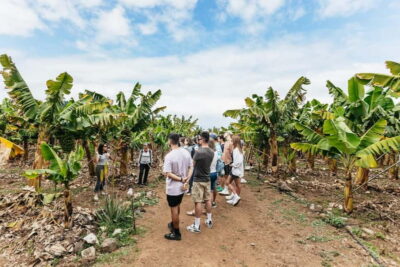
La Orotava: Eco Banana Plantation Tour with Banana Liquor
Read our review →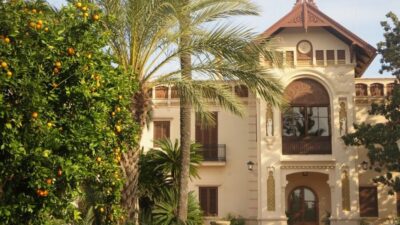
La Herradura Coffee Farm: tour in Europe’s only plantation
Read our review →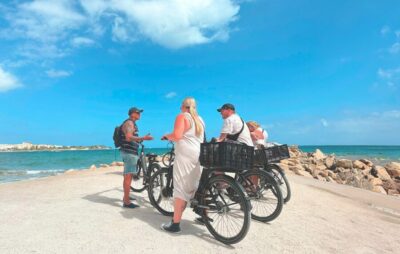
Alicante : E-Bike Coast Tour, Roman Fish Farm and Snorkeling
Read our review →
Montserrat with Winery Visit and Farmhouse Lunch
Read our review →
Browse the lists this tour appears in