Review · USA
1.5 Hour Immersive Farm Experience in Adirondacks
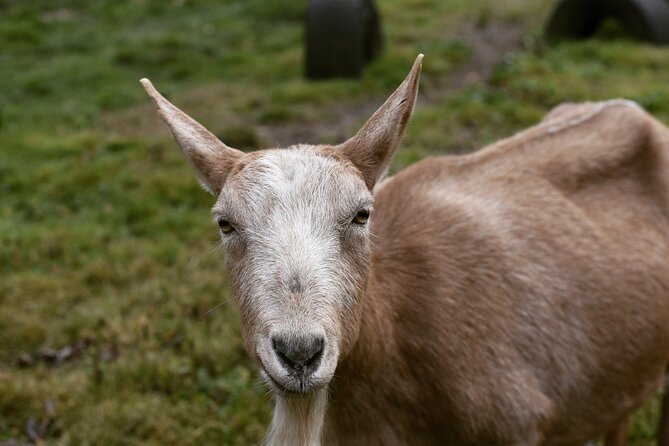
The most memorable part of this farm visit is how much you get to do. You are not simply led past barns and told a few facts. You may harvest vegetables, collect eggs, feed treats to pigs, check a compost pile, and brush two friendly goats named Chuck and Larry. Laura, Ivan, and Brandon share the work of a real family farm, so the visit feels practical rather than staged.
I like the small six-person limit, which gives you room to ask questions and take part without fighting for attention. I also like the clear link between farm work and your kitchen table, from growing organic vegetables to turning food scraps into compost that returns to the soil.
The main consideration is that this is a working farm, not a polished attraction. You may encounter mud, animal smells, uneven ground, and changing animal activity. Wear high boots if you have them, and plan for an outdoor visit that depends on good weather.
Key points
- Small-group farm visit: The tour is limited to six people, allowing more time with the family and animals.
- Hands-on food lesson: Harvest fresh vegetables and learn how food moves from a farm to your refrigerator.
- Real animal care: See poultry, pigs, goats, ducks, and turkeys, with chances to collect eggs and feed treats.
- Community composting: Take a temperature reading and learn how compost is mixed and reused on the farm.
- Goat time with Chuck and Larry: Brush the ambassador goats and take photos with them.
- Useful footwear tip: High work or garden boots are a better choice than ordinary shoes. Boot covers are available.
A working Adirondack farm, not a staged petting zoo
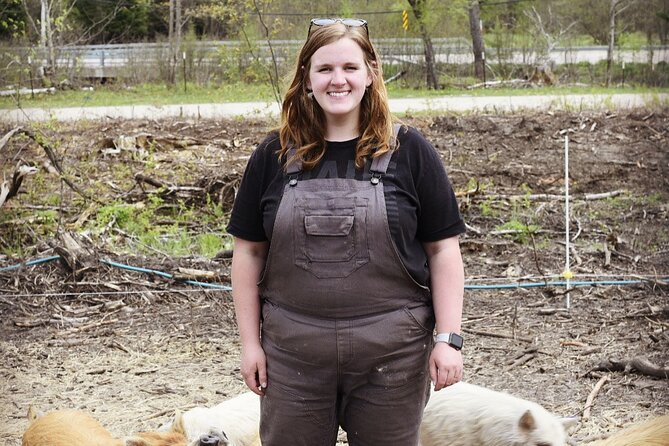
The Cook Farm sits at 189 Ragged Lk Rd in Owls Head, New York. The visit begins at 1 p.m. and lasts about 90 minutes, with every activity taking place on the farm before you return to the starting point.
The setting gives the tour its appeal. You are meeting an American farm family and seeing the systems that keep a small agricultural operation running. Laura introduces the farm’s background and recent improvements, while Ivan and Brandon help explain the animals, compost, and day-to-day work.
That personal approach matters. On a large farm attraction, you might hear a prepared talk and move along with a crowd. Here, the group limit of six lets you pause and ask why the family raises certain animals, how the compost is handled, or what separates broiler chickens from laying hens.
The trade-off is comfort. This is a farm, so you should expect conditions that change with the workday and weather. Boot covers are offered, but high garden or work boots are the smarter choice if you own them. One useful tip is to wear boots tall enough that you do not have to worry about mud or where you step.
A few more farm days around the USA worth a look
- Swamp Boat Ride and Oak Alley Plantation Tour from New Orleans
★ 5.0 · 3,303 reviews - Maui Pineapple Farm Tour in Haliimaile
★ 5.0 · 2,855 reviews - Half-Day Thoroughbred Horse Farm Tour in Kentucky
★ 5.0 · 1,924 reviews
Starting with Laura’s farm story and boot covers
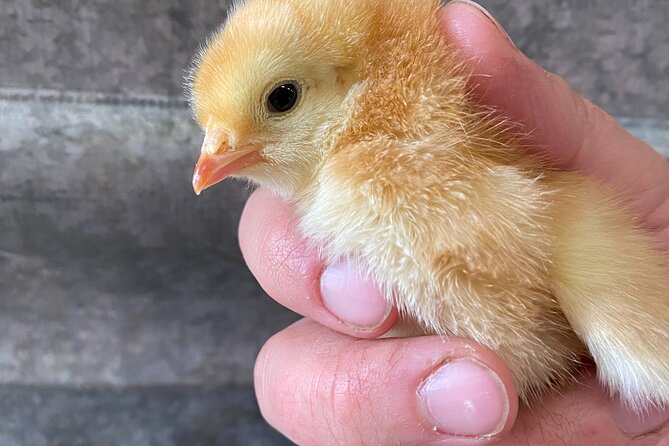
The first 15 minutes are used to get acquainted with the farm. Laura gives you background on the property, points out recent improvements, and explains plans for future structures and upgrades. You also put on boot covers if needed before heading farther into the farm.
This opening is short but useful. It gives the rest of the visit a reason and a setting. You learn that the buildings and systems are part of an ongoing family operation, not scenery built only for visitors.
I like that the introduction also sets realistic expectations. The farm is growing and changing, and you get a glimpse of how a working agricultural property is improved over time. If you are interested in small-scale farming, this may be one of the most informative parts because the conversation can move beyond animal names to questions about the farm’s past, present, and future.
Keep in mind that the tour is offered in English. Confirmation arrives when you book, and most people can take part, but the farm setting may be less comfortable for anyone who has trouble walking on uneven ground. The supplied information does not promise a fully accessible route, so ask before booking if that is important for you.
Harvesting organic vegetables in the market garden
Next comes a 15-minute visit to the market garden. You learn how organic vegetables are grown and harvest fresh produce to take home.
This is a small activity, but it gives the farm visit a useful focus. Instead of treating vegetables as a finished product in a store, you see them as part of a work system that includes soil, planting, care, harvest, and compost. The connection becomes clearer when you later learn how the compost pile is managed and returned to the farm.
For children, harvesting gives the visit a simple task to remember. For adults, it adds context to conversations about local food systems and how produce gets from a farm to your refrigerator. The amount and type of produce will depend on what is ready in the garden, so do not expect a fixed harvest every time.
You should also think about clothing. You may be handling soil or plants, and the tour is not designed as a clean, indoor presentation. Comfortable outdoor clothes and footwear make this part easier.
Visiting ducks, chickens, pigs, and goats
Animal time takes about 30 minutes, making it the longest part of the visit. You may see ducks, chickens, turkeys, pigs, and goats, and the focus is on how poultry, pigs, and goats are raised on pasture.
The activities are hands-on where appropriate. You may collect eggs and feed treats to the pigs. If the timing is right, you might see piglets, baby goats, or other young animals. One visit included the chance to hold a baby piglet, but animal contact can change depending on the farm’s needs and the animals’ condition.
The family also explains the difference between broiler chickens and laying chickens, a useful detail that many people never learn. You may see both kinds during the visit. That distinction helps you understand that poultry raised for meat and poultry raised for eggs have different roles on a farm.
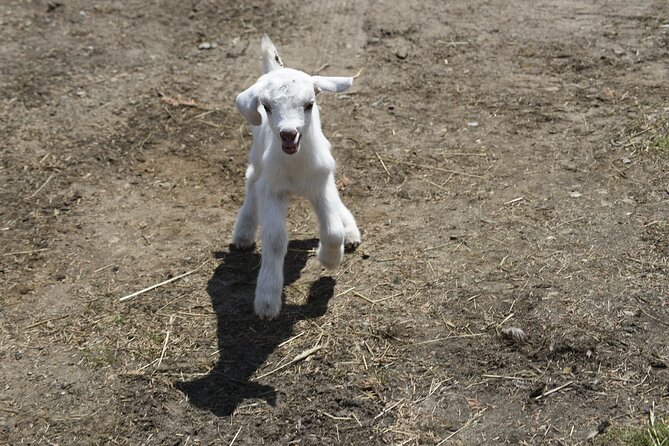
The goat visit can include more than simply looking over a fence. Laura and Ivan have shown each step of the goat milking process, and a past visit included time with mother and baby goats. A baby goat was bottle-fed during one visit, but you should treat that as a possible farm-care moment, not a guaranteed part of every booking.
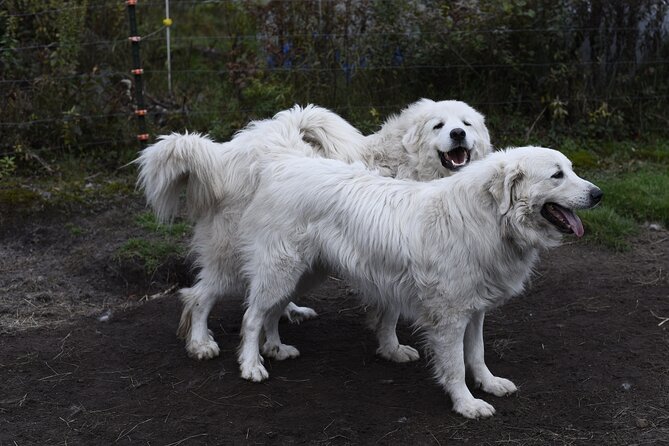
You may also meet the farm’s two guard dogs, which protect the livestock and the family. The animal portion is likely to be the highlight if you enjoy close contact with farm life, but remember that these are working animals. Follow the family’s instructions and let them decide how and when animals should be handled.
Same fields, a different sort of day out:
- Oak Alley Plantation Tour with Transportation from New Orleans
★ 4.5 · 1,747 reviews - Boone Hall Plantation All-Access Admission Ticket
★ 4.5 · 1,736 reviews - Oahu: Kualoa Ranch Movie Sites and Ranch Tour
★ 4.5 · 1,655 reviews - Oahu: Kualoa Ranch UTV Raptor Tour
★ 4.5 · 1,569 reviews
Taking a temperature reading from the compost pile
The compost lesson lasts about 15 minutes and is one of the tour’s most distinctive features. Ivan shows you how to take a temperature reading from each compost pile, while Brandon explains what goes into the piles and how they are mixed.
This is not just a quick explanation of recycling. You learn about a community composting system and why the farm operates it. The piles are mixed daily, and in time the finished compost is returned to the farm for use.
I like this stop because it connects several parts of the visit. Food scraps enter the compost system, the compost supports the soil, the soil produces vegetables, and those vegetables become part of a local food chain. The lesson gives you a concrete way to understand soil care without turning the tour into a classroom lecture.
The compost area may not be the most photogenic part of the farm, but it may be the most useful for adults interested in sustainable food systems. You get to see a working measurement and process rather than hearing only broad claims about being environmentally responsible.
Brushing Chuck and Larry, the ambassador goats
The final 15 minutes are reserved for grooming the farm’s ambassador goats, Chuck and Larry. You can brush them and take photos, making this the easiest part of the visit for a relaxed family picture.
This stop also gives the tour a gentle finish. After moving among crops, compost, poultry, pigs, and goats, you get time to slow down and focus on two animals. The goats are part of the farm’s public-facing role, so they provide a friendly way to end the visit without losing the sense that you are still on a working farm.
If you have children with you, this may be the activity they remember best. Adults who enjoy animals will appreciate the chance to spend a little time with them instead of taking a quick photograph and moving on.
The animal portion can include other goat-care details, such as milking or seeing young goats, but the listed activity centers on brushing Chuck and Larry. That is the part you can reasonably expect.
What $20 buys you in 90 minutes
The price is $20 per person, which is a fair value if you want participation rather than a short walk past farm buildings. In 90 minutes, you receive a farm introduction, garden activity, animal visit, compost lesson, and goat-grooming session.
The small-group limit improves that value. With no more than six people, you have a better chance to ask questions, handle produce, observe animal care, and hear explanations from the family. A larger group could make the same tour feel rushed or less personal.
The value is less clear if you want a broad sightseeing tour of the Adirondacks. This experience is focused tightly on The Cook Farm. It does not promise scenic stops, transportation, a meal, or a full-day outing. You are paying for time on a working farm and direct contact with its systems and animals.
I would book it for people who are curious about local food, family farming, composting, or animal care. It also fits well into a day when you want a break from driving and outdoor sightseeing. At an average booking lead time of 17 days, it is wise to reserve ahead rather than wait until the last minute.
Timing, weather, and what to bring
The tour starts at 1 p.m. and finishes back at the farm meeting point. Since every stop is at The Cook Farm, you do not need to manage transport between activities.
Good weather is required. If poor weather cancels the visit, you are offered another date or a full refund. The cancellation policy also allows a full refund if you cancel at least 24 hours before the start time. Cancellations or changes made less than 24 hours ahead are not refunded or accepted.
For a more comfortable visit, bring:
- High work or garden boots, preferably tall enough for mud and farm conditions
- Outdoor clothing that can handle contact with soil or animals
- A willingness to follow instructions around livestock
- Room in your plans for questions and conversation
Mobile tickets are accepted, and the tour is conducted in English. Most people can participate, but the farm setting means you should consider your comfort with outdoor surfaces and animal areas before booking.
Who will enjoy The Cook Farm most
I would recommend this visit to families, food-minded visitors, animal lovers, and anyone who wants to understand how a small farm works. The mix of vegetables, livestock, compost, and family conversation keeps the 90 minutes varied.
It is especially good for you if you prefer direct contact over passive sightseeing. You can harvest produce, collect eggs, feed pigs, check compost temperatures, brush goats, and ask questions as the tour unfolds.
It may not suit you if you dislike mud, farm smells, animal areas, or changing conditions. It is also not the right choice if you need a fixed, highly polished program with every activity guaranteed. Young animals, milking, and certain animal interactions depend on what the farm is handling that day.
The best part is the honesty of the experience. You see both the appealing side of farm life, including baby goats and fresh vegetables, and the less glamorous work of compost management and livestock care.
Should you book this farm visit?
Book it if you want a personal, hands-on look at how a family farm grows food, cares for animals, and manages waste. The six-person cap, the chance to harvest vegetables, and time with Chuck and Larry give the visit more substance than a standard farm walk.
I would make the reservation if you are staying in the Upper Adirondacks and can spare an afternoon for a focused local experience. Wear high boots, keep your schedule flexible for weather, and arrive ready to get a little dirty. Skip it only if you want a scenic tour rather than practical farm work, or if outdoor animal contact is not your idea of a good afternoon.
FAQ
Where does the farm experience begin?
It begins at The Cook Farm, 189 Ragged Lk Rd, Owls Head, New York 12969. The activity ends back at the same meeting point.
What time does the tour start?
The tour starts at 1 p.m. and lasts about 1 hour and 30 minutes.
How many people can join the tour?
The activity has a maximum of six people.
What animals might I see?
You may encounter goats, pigs, chickens, turkeys, and ducks. The animal visit can include collecting eggs and feeding treats to pigs.
Is the tour canceled in bad weather?
The experience requires good weather. If it is canceled because of poor weather, you are offered another date or a full refund.
Can I cancel for a full refund?
Yes. You can receive a full refund if you cancel at least 24 hours before the experience start time. Cancellations or changes made less than 24 hours before the start are not accepted or refunded.
Just added around the USA
- Connect with Rescue Animals on a Private Farm Tour in Catskills★ 5.0 · 27 reviews
- Cozy Farm Experience with Wagon Wheels and Acoustic Meal★ 5.0 · 2 reviews
- Farm Tour at Clover Brooke Llama/Alpaca/Goat Farm★ 4.5 · 6 reviews
- Gourmet Mushroom Farm Tour in Tennessee★ 5.0 · 5 reviews
- Farms, Flights: Finger Lakes Brewery Tour★ 4.5 · 25 reviews
- Horse Country Estate and Vineyard Wine Tasting Tour★ 5.0 · 2 reviews
- Scottsdale Horseback Riding and Horse Country Estate Tour★ 5.0 · 2 reviews
- Scenic Scottsdale E-Bike Tour – 2 Hours★ 5.0 · 47 reviews
USA Farm Tours, compared.

Swamp Boat Ride and Oak Alley Plantation Tour from New Orleans
Read our review →
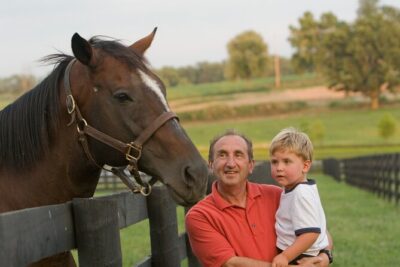
Half-Day Thoroughbred Horse Farm Tour in Kentucky
Read our review →
Oak Alley Plantation Tour with Transportation from New Orleans
Read our review →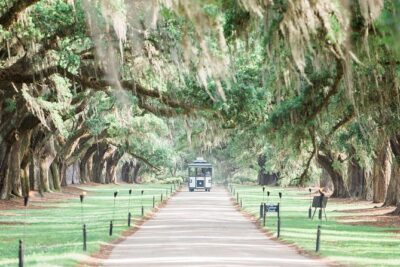
Boone Hall Plantation All-Access Admission Ticket
Read our review →