
Review · NEW ORLEANS
Whitney Plantation Tour from New Orleans with Pickup
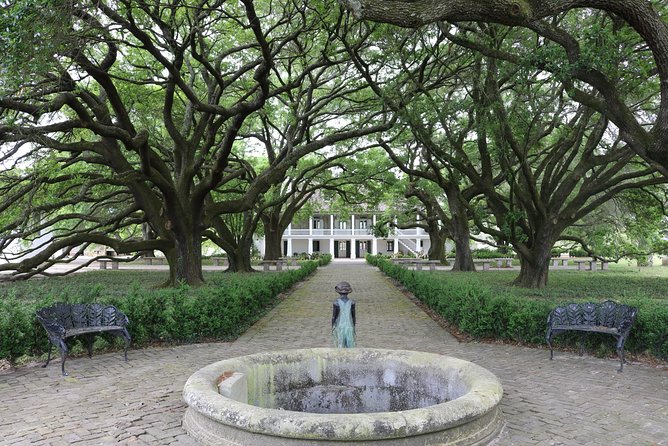
Whitney Plantation does something many plantation visits do not: it places enslaved people at the center of the story. Within the former Habitation Haydel, you encounter memorials, restored buildings, art, and recorded accounts that show how adults and children lived, worked, resisted, and suffered.
I like the included ride from New Orleans, especially when the driver adds context about sugar cane, levees, Hurricane Katrina, and the communities along the route. I also like the self-guided format, which lets you pause at the exhibits instead of being pushed along. The main drawback is that the visit is largely audio-led rather than guided in person, and two hours can feel short for such serious material.
Key points at a glance
- Slavery is the focus: Whitney Plantation does not center the owners or glorify plantation life.
- First-person accounts matter: Hundreds of narratives and recorded interviews give the exhibits a human voice.
- The ride adds value: Drivers including Edward and Ernest have provided local history and commentary along the way.
- Plan for outdoor walking: Bring weather-appropriate clothing and allow time for the grounds, memorials, and buildings.
- The $79 price includes transport: You avoid renting a car and get a half-day outing from New Orleans.
- The visit is self-paced: A handheld audio device guides you between numbered sites.
Why Whitney Plantation feels different
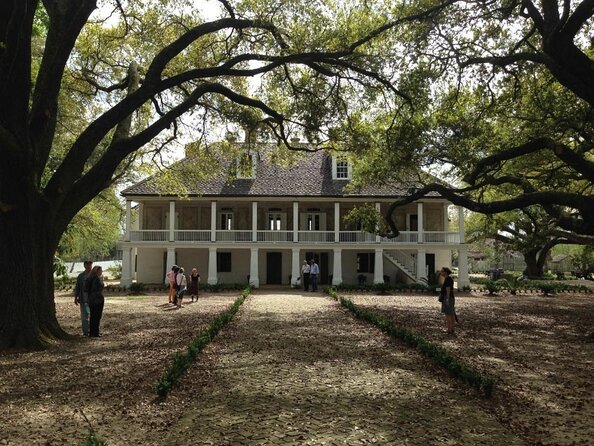
Whitney Plantation opened to the public in 2014, after 262 years as a private plantation site. It is the only plantation museum in Louisiana described here as focusing specifically on slavery, rather than mainly on the architecture, wealth, or family life of the plantation owners.
That choice shapes the entire visit. You learn about the Haydel family, German immigrants who established the former Habitation Haydel, but the main attention stays on the enslaved people whose labor made the plantation operate. The result is not a polished portrait of plantation life. It is a difficult account of forced labor, family separation, punishment, resistance, and survival.
You may receive the name and story of a person who was enslaved at the plantation, which gives the visit a personal starting point. Instead of treating the past as a list of dates, the site asks you to think about individual lives. That approach works especially well for families with older children and teenagers who can handle the subject seriously.
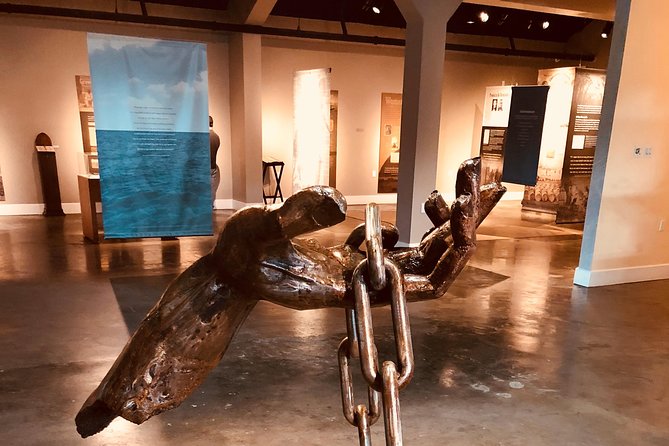
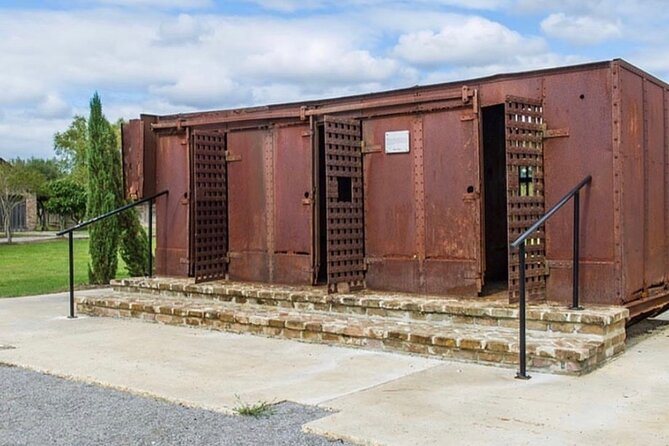
The experience has a strong emotional weight. Memorial art, statues of children, cages, and displays about punishment make the subject hard to keep at a distance. Some installations are graphic, including representations connected with the brutal response to the 1811 German Coast uprising. This is not a light sightseeing stop, and that is precisely why it has value.
More Plantation Tours in New Orleans
- Swamp Boat Ride and Oak Alley Plantation Tour from New Orleans
★ 5.0 · 3,303 reviews - Oak Alley Plantation Tour with Transportation from New Orleans
★ 4.5 · 1,747 reviews - Whitney Plantation Tour with Transportation from New Orleans
★ 4.5 · 1,351 reviews
The ride from New Orleans sets the context
Pickup begins around 8:00 am, with transportation from New Orleans included. The full outing lasts about five hours, including roughly two hours at Whitney Plantation and the drive in both directions.
That arrangement is useful if you do not have a rental car. You can leave the driving to someone else and use the journey to see parts of southern Louisiana that you might otherwise miss. The route can include views of Lake Pontchartrain, swamps, sugar cane fields, levees, bridges, and industrial areas along the Mississippi River corridor.
The driver is an important part of the day. Edward has been praised for explaining sugar cane cultivation, the effects of Hurricane Katrina, local industry, and the area known as Cancer Alley. Ernest has also added extra sights and stories on the return ride, including filming locations associated with Django Unchained. These details vary by driver, but the transportation is more than a silent transfer.
You may hear how sugar cane was once cut by enslaved workers using machetes, compared with the machinery used today. You may also see modern cane harvesting during the drive. That contrast helps connect the plantation site to the wider agricultural and industrial story of Louisiana.
The ride is not perfect for everyone. A few drivers have spoken quickly, making it difficult to follow every detail. There are also no USB charging ports on the bus, so charge your phone before pickup. The vehicle has a maximum capacity of 41 people, meaning this is a shared group excursion rather than a private visit.
Pickup has generally been timely and well organized, with advance calls used to confirm the location, driver name, and vehicle description. Still, one booking problem resulted in a person waiting without being collected because the reservation had not reached the operator’s system. That appears to be an exception, but it is sensible to keep your phone available and confirm the pickup details.
Walking through the former Habitation Haydel
At Whitney, you spend about two hours exploring the grounds. The experience is mostly self-guided, using a handheld audio device linked to numbered exhibits and stops.
This format gives you control. You can listen carefully to an account, pause to look at an installation, and take a moment before moving on. If you are visiting with a teenager or someone who prefers not to be rushed, that freedom helps. It also lets you decide how much time to spend with each part of the site.
The tradeoff is the lack of a single guide walking with you. Some people prefer a live interpreter who can answer questions as they arise and shape the visit around the group. At Whitney, the audio device provides structure, but you are responsible for moving from place to place and managing your own pace.
The grounds include restored buildings and slave cabins, along with memorials and works of art. The small museum adds background on the transatlantic slave trade, plantation slavery, revolt, and resistance. You also encounter hundreds of first-person slave narratives, including interviews with formerly enslaved people. These accounts are among the most valuable parts of the visit because they add voices that are often missing from traditional plantation tours.
The main house receives far less attention than you might expect from a plantation visit. It has not been restored in the manner of some other Louisiana plantation sites, and the focus is not on elegant rooms, furnishings, or the daily life of the owners. If you want a grand mansion tour, Whitney may disappoint you. If you want a place that examines slavery directly, that limited emphasis is a strength.
Memorials that ask you to stop and think
Whitney’s memorials are not simply decorative stops between buildings. They give physical form to the people and experiences being discussed.
The memorial artwork honoring children is especially affecting. Other installations address punishment, escape attempts, and the daily control imposed on enslaved people. Displays involving metal spiked collars and cages show the violence used to prevent escape and enforce obedience. These objects can be upsetting, but they also make clear that slavery depended on force, surveillance, and terror, not merely on plantation labor.
The site also addresses resistance. The 1811 German Coast uprising, one of the largest slave uprisings in United States history, is part of the wider context presented during the visit. You see how enslaved people resisted through revolt, escape, family bonds, and other acts of determination, even under harsh conditions.
Give yourself enough quiet time here. Two hours is adequate for a first pass through the site, but it may not be enough if you want to listen to every recording, read every panel, and reflect at each memorial. The grounds are well maintained, but much of the visit takes place outdoors. Benches are available in some areas, though not at every stop.
More Plantation Tours in the USA
- Laura Creole Plantation Guided Tour
★ 5.0 · 1,279 reviews - Airboat and Plantations Tour with Gourmet Lunch from New Orleans
★ 4.5 · 1,246 reviews - New Orleans: Bayou Swamp Tour and Oak Alley Plantation Tour
★ 4.7 · 1,147 reviews - New Orleans: Oak Alley Plantation & Airboat Swamp Combo Tour
★ 4.7 · 906 reviews
What the audio tour does well
The audio tour is clear and detailed, with numbered stops that make it easy to follow. It combines explanations of the site with personal accounts and historical context. You do not need to guess where to go next, but you should pay attention to the numbering and keep the device with you as you walk.
The strongest material is the recorded testimony and first-person narrative. Hearing about work, punishment, family, and survival in a person’s own account changes the tone of the visit. It is one thing to read a general statement about plantation labor. It is another to hear how that system affected a specific human life.
The audio format also works well for a mixed-age group. A parent can pause while a child asks a question, and a teenager can move ahead without forcing the whole group to keep the same pace. The subject remains serious, but the structure is flexible.
The limitation is that audio cannot replace a good live conversation. You cannot ask the device to explain a detail in a different way, and you may miss some context if you are distracted by the weather or the walking. Downloading nothing is required, since the equipment is provided, but bring patience and allow time for listening.
Is $79 a fair price?

At $79 per person, this is not the cheapest way to spend a morning in New Orleans. The value comes from what is included: transportation from the city, the plantation visit, and a roughly five-hour round trip without the hassle of driving.
A rental car could cost less for a couple or family if you already planned to visit several places, but then you would handle directions, parking, traffic, and the long return drive. This tour is a better fit if you want one focused excursion and do not want to rent a car.
The price also pays for access to a site with a clear educational purpose. You are not simply touring an old house. You are visiting memorials, restored structures, exhibits, and recorded narratives designed to explain the lives of enslaved people. For many visitors, that focus makes the cost worthwhile.
The group size can reach 41 people, so do not expect a private or intimate ride. The plantation portion gives you more personal space because you move through it on your own, but the journey to and from New Orleans is shared.
Who will appreciate this visit most
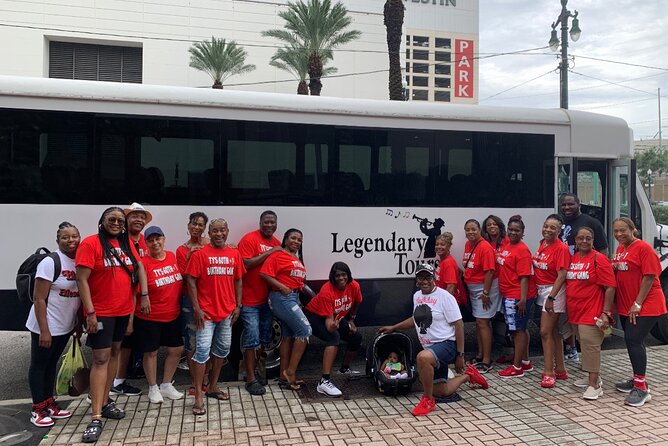
I would choose this tour if you want a serious account of slavery and are interested in how plantation wealth was created. It is particularly suitable for adults, families with older children, students, and anyone looking for more than an architectural tour.
It also suits solo visitors. The self-guided format means you do not need to join a small conversation group or keep pace with companions. You can listen, walk, and take in the memorials at your own speed.
You should think twice if you are seeking a relaxed day of pretty gardens and grand interiors. The grounds can be attractive, but beauty is not the purpose of the visit. The subject is painful, and several displays are confronting.
Wear shoes suited to outdoor walking and check the forecast before you leave. The experience requires good weather, and there may be little shelter while moving between stops. If poor weather or a minimum group requirement causes cancellation, you are offered another date or a full refund.
A practical half-day plan
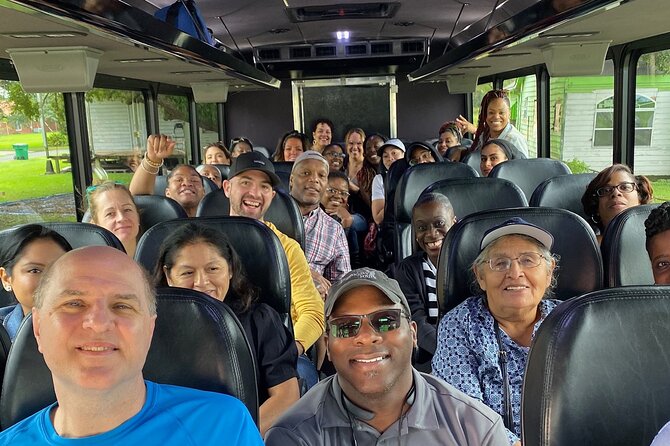
Keep the morning open from the 8:00 am pickup until your return to New Orleans. The schedule allows about two hours at Whitney, but you should not plan a tight appointment immediately afterward because traffic and group transport can affect the return time.
Charge your phone before leaving, since the bus does not have USB ports. Keep the confirmation details handy, and pay attention to the pickup instructions and vehicle description sent before the tour.
At the plantation, begin with the orientation material, then follow the numbered audio stops. Save time for the memorials and first-person accounts rather than spending the entire visit on the first few buildings. The bookstore and gift shop are useful if you want books and educational material to continue learning after the visit.
The tour is suitable for most people, and service animals are allowed. The information provided does not give detailed mobility guidance for every path, so anyone with specific access needs should contact the operator before booking.
Should you book the Whitney Plantation tour?

Book it if you want Louisiana plantation history presented through the lives of enslaved people. The audio tour, memorials, restored buildings, and first-person narratives make this a serious and worthwhile half-day, while the included ride removes the need for a car.
Skip it if your main goal is a restored mansion, formal garden, or live guide leading every step. Whitney offers something different, and the difference is important: the visit asks you to remember the people who were forced to build the plantation system.
The tour receives a 4.8 rating from 285 reviews, with 97 percent recommending it. Those numbers fit the experience’s main strengths: strong subject matter, thoughtful exhibits, dependable transportation in most cases, and drivers such as Edward, Brian, and Ernest who can add useful Louisiana context. Allow enough time to process what you see, and this can become one of the most meaningful outings from New Orleans.
FAQ
How long does the Whitney Plantation tour take?
The full experience lasts approximately five hours, including transportation from New Orleans and the visit to Whitney Plantation. The plantation portion is scheduled for about two hours.
What time does pickup begin?
The listed start time is 8:00 am. Pickup is offered from New Orleans, with specific meeting details provided after booking.
Is transportation from New Orleans included?
Yes. The tour includes transportation from New Orleans, so you do not need to rent a car for this visit.
Is the plantation tour guided in person?
The plantation visit is primarily self-guided. You use a handheld audio device to follow numbered exhibits and stops around the grounds.
What is the tour price?
The listed price is $79 per person. This includes the transportation and plantation experience described here.
How many people can join the tour?
The activity has a maximum group size of 41 travelers.
Are service animals allowed?
Yes, service animals are allowed.
Can I cancel for a full refund?
You can cancel for a full refund if you do so at least 24 hours before the experience start time. Cancellations or changes made less than 24 hours before the start are not refunded.
What happens if bad weather cancels the tour?
If poor weather causes cancellation, you are offered a different date or a full refund. The same choice applies if the minimum number of participants is not reached.
Just added around New Orleans
- Whitney Plantation and Soul of New Orleans City Tour Combo★ 5.0 · 13 reviews
- Whitney Plantation Tour with Transportation★ 4.0 · 29 reviews
- St. Joseph and Felicity Plantation Combo Tour★ 5.0 · 4 reviews
- St. Joseph Plantation Tour★ 4.5 · 30 reviews
- Two Plantation Tour: Oak Alley and Laura or Whitney★ 5.0 · 7 reviews
- Private Airboat Ride and Plantations Tour with Gourmet Lunch from New Orleans★ 5.0 · 50 reviews
- Small Airboat and Oak Alley Plantation Tour from New Orleans★ 4.5 · 23 reviews
- N’awlins Luxury: Laura, Oak Alley or Whitney Plantation Tour w/Transportation★ 4.5 · 46 reviews
New Orleans Farm Tours, compared.

Swamp Boat Ride and Oak Alley Plantation Tour from New Orleans
Read our review →
Oak Alley Plantation Tour with Transportation from New Orleans
Read our review →
Whitney Plantation Tour with Transportation from New Orleans
Read our review →
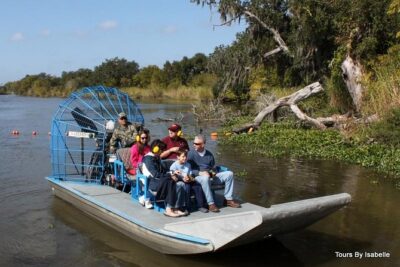
Airboat and Plantations Tour with Gourmet Lunch from New Orleans
Read our review →
Bayou Swamp Tour and Oak Alley Plantation Tour
Read our review →
Oak Alley Plantation and Large Airboat Swamp Tour from New Orleans
Read our review →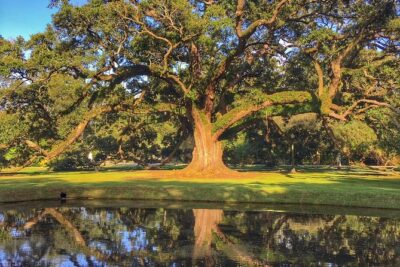
Browse the lists this tour appears in